Don Rickles's Greatest Movies Ranked
The Master of Mockery and His Iconic Silver Screen Legacy
Explore the best films of comedy legend Don Rickles, from his dramatic turn in Casino to the voice of Mr. Potato Head and classic war films.
About Don Rickles
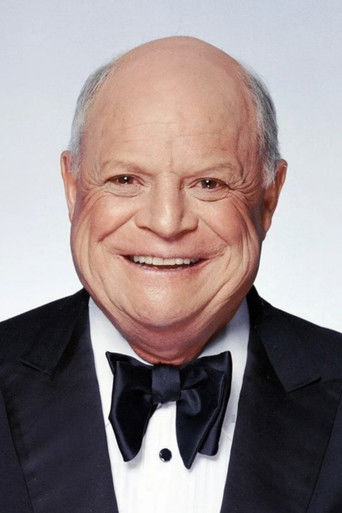
In the velvet-lined ecosystem of old-school show business, Don Rickles was the beloved anomaly who thrived by breaking the golden rule of hospitality. While every other entertainer of his era pleaded for the audience's affection, he famously took a flamethrower to the front row. He earned the nickname Merchant of Venom not through malice, but through a radical, rapid-fire honesty that turned social discomfort into a high art form. To be insulted by him was a status symbol, a paradoxical embrace that signaled you were part of the inner circle of cool.
His screen journey began far from the comedy clubs, showing a surprising range that often gets overshadowed by his legendary persona. In the gritty submarine drama Run Silent, Run Deep, he proved he could hold his own alongside titans like Clark Gable, displaying a tension that suggested he was always vibrating at a different frequency than his peers. He brought that same nervous, high-stakes energy to the cult classic X: The Man with the X-Ray Eyes and stepped into the swing of the sixties with lighthearted turns in Muscle Beach Party and Beach Blanket Bingo. Even when playing it straight, there was a glint in his eye that suggested he was moments away from calling the director a hockey puck.
The genius of his longevity lay in his ability to pivot between eras without losing his edge. In the seventies, he brought a rough-hewn camaraderie to Kelly's Heroes and stood his ground in Thunderbolt and Lightfoot. Decades later, Martin Scorsese tapped into his natural gravity for Casino, casting him as the quintessential Vegas loyalist Billy Sherbert. It was a role that reminded the world that beneath the manic insults lived a man who understood the mechanics of power and the weight of silence. He could play the heavy just as easily as he could play the clown, a versatility that made him a favorite of directors who wanted a touch of authentic street-level grit.
Late-stage stardom found him reaching an entirely new generation through a plastic potato. As the voice of Mr. Potato Head across the Toy Story saga, he managed to translate his signature curmudgeonly charm into something universal and heartwarming. He voiced the character with a cynical warmth, proving that even in a digital landscape, his comedic timing was surgical. Whether he was appearing in the raw comedy documentary The Aristocrats or stealing scenes in Dirty Work, he remained the smartest, fastest man in the room.
Audiences connected with him because he represented the death of pretension. In a world of carefully polished PR and manufactured sincerity, he was the guy willing to say the unthinkable. His comedy served as a pressure valve for a polite society, offering a chaotic, joyful release that bridged the gap between the Rat Pack era and the modern age. He was a master of the comedic offensive who, at his core, was deeply loved by the very people he skewered. When he finally left the stage, he took with him a specific brand of fearless, high-wire entertainment that we are unlikely to see again. He taught us that if you are going to tell the truth, you better make them laugh, and nobody told the truth quite like Rickles.
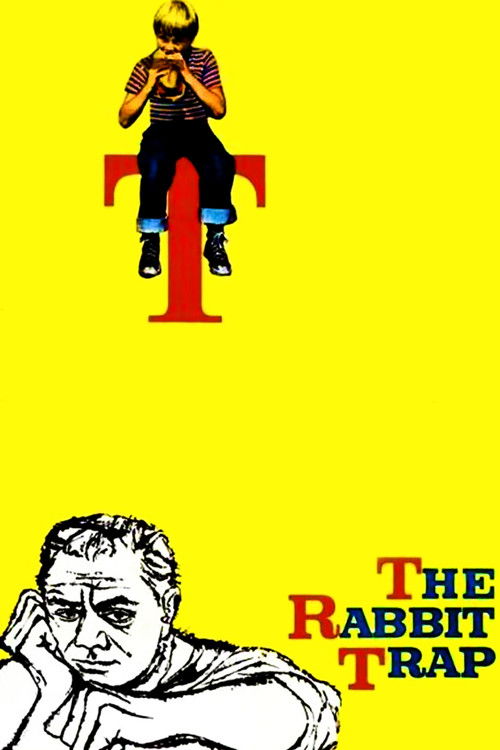
The Rabbit Trap
1959A man must choose between work or his family after he is called back to work during a family vacation. He and his son have set a harmless rabbit trap in the woods near the cabin they are vacationing in. When the family returns home they realize that they forget to retrieve the trap and the son fears that a rabbit will be captured and die a slow death from starvation. The man is in line for a promotion, yet feels that he is under appreciated by his boss. He must choose whether or not to follow his instincts and do the right thing or possibly lose the promotion he has worked long and hard for.
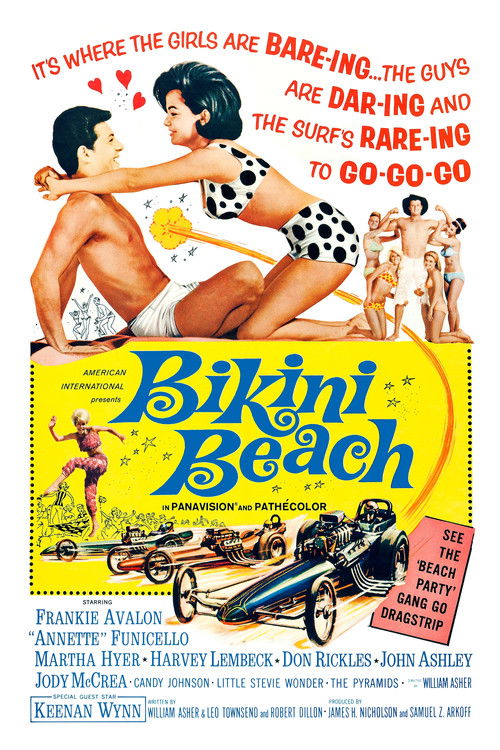
Bikini Beach
1964A millionaire sets out to prove his theory that his pet chimpanzee is as intelligent as the teenagers who hang out on the local beach, where he is intending to build a retirement home.
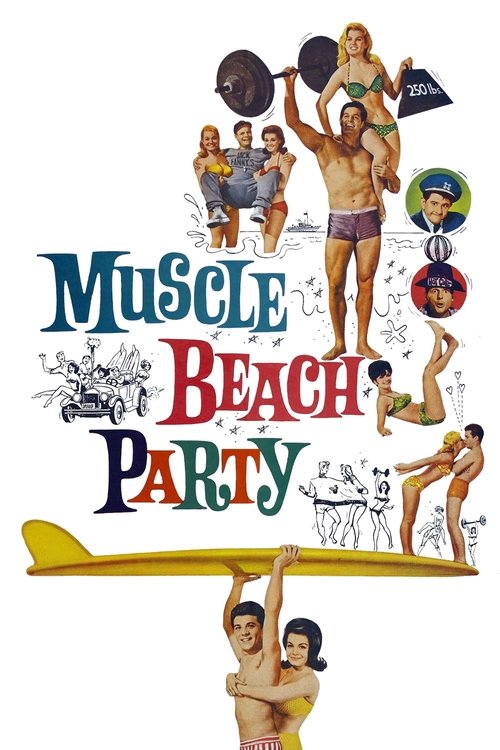
Muscle Beach Party
1964Local beach-goers find that their beach has been taken over by a businessman training a stable of body builders.
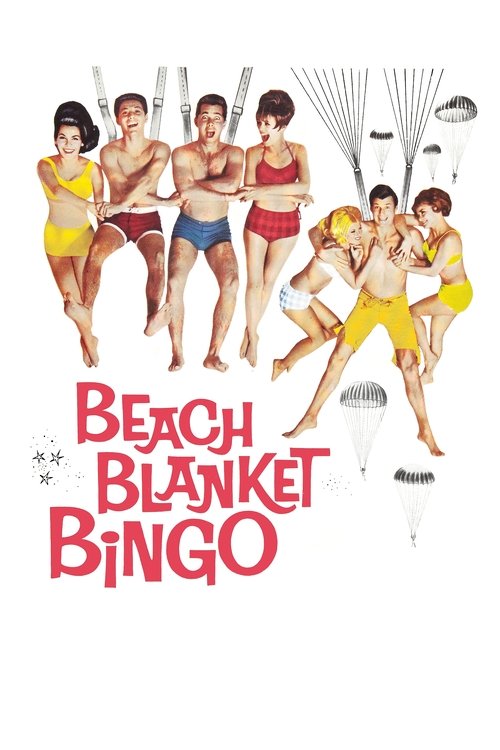
Beach Blanket Bingo
1965In the fourth of the highly successful Frankie and Annette beach party movies, a motorcycle gang led by Eric Von Zipper kidnaps singing star Sugar Kane managed by Bullets, who hires sky-diving surfers Steve and Bonnie from Big Drop for a publicity stunt. With the usual gang of kids and a mermaid named Lorelei.
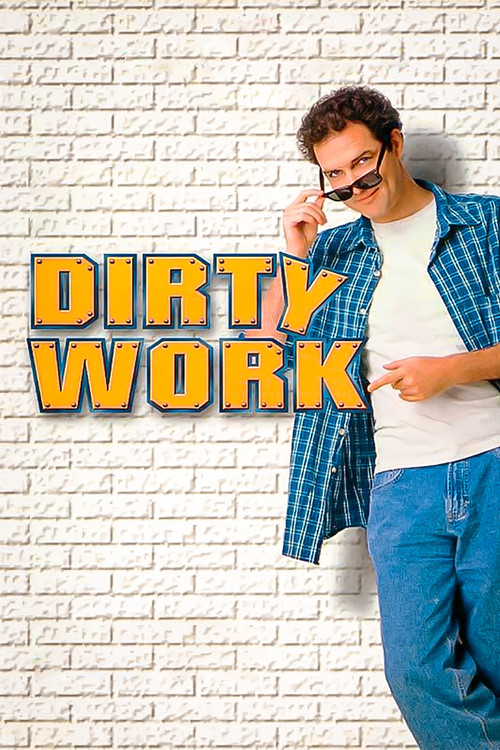
Dirty Work
1998Unemployed and recently dumped, Mitch and his buddy Sam start a revenge-for-hire business to raise the $50,000 that Sam's father needs to get a heart transplant.
The Aristocrats
2005One hundred superstar comedians tell the same very, VERY dirty, filthy joke--one shared privately by comics since Vaudeville.
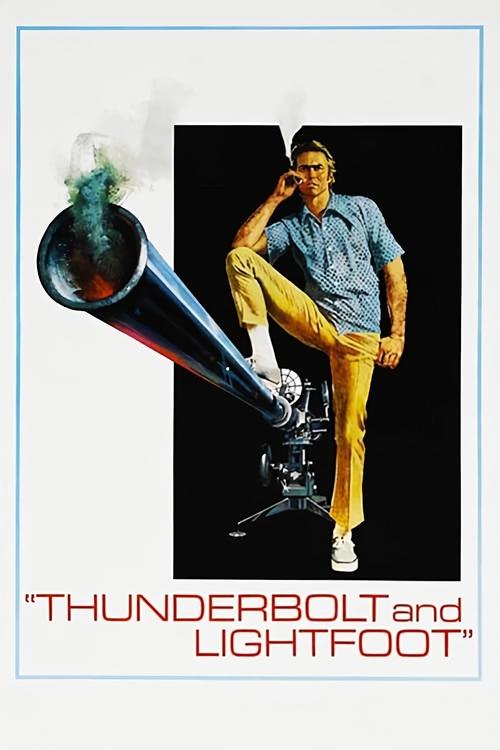
Thunderbolt and Lightfoot
1974With the help of an irreverent young sidekick, a bank robber gets his old gang back together to organise a daring new heist.
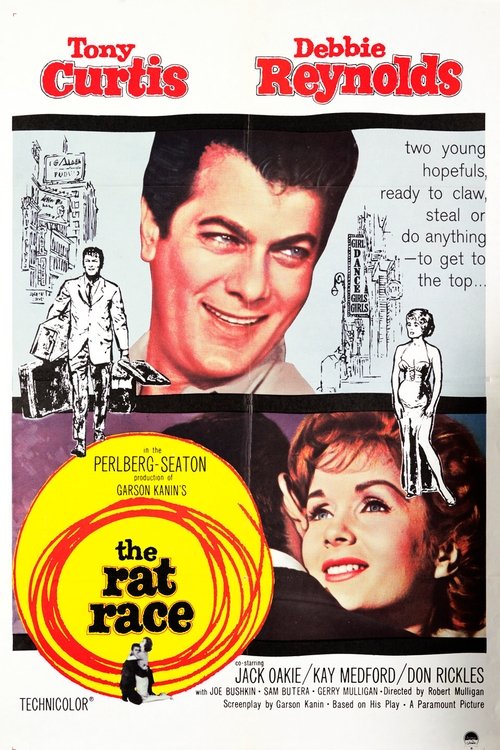
The Rat Race
1960An aspiring musician arrives in New York in search of fame and fortune. He soon meets a taxi dancer, moves in with her, and before too long a romance develops.
Rickles brings a jagged, desperate vitality to the role of Nellie, a man caught in the unforgiving machinery of the New York jazz scene. This early role serves as a gritty reminder of his capability to portray the seedy underbelly of show business with total authenticity.
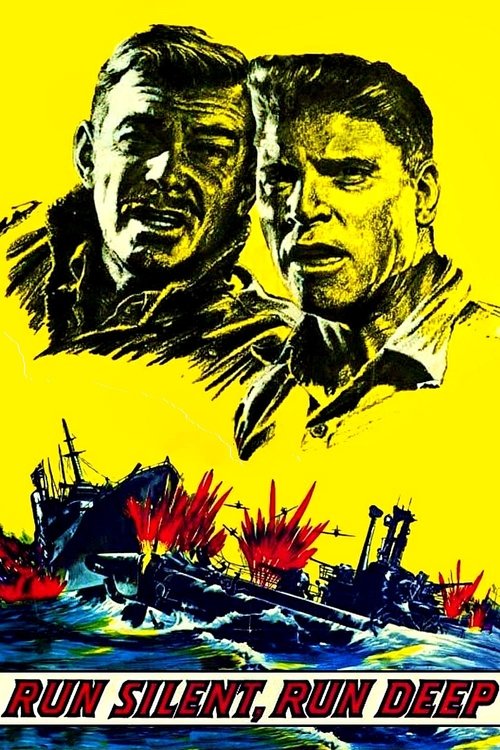
Run Silent, Run Deep
1958The captain of a submarine sunk by the Japanese during WWII is finally given a chance to skipper another sub after a year of working a desk job. His singleminded determination for revenge against the destroyer that sunk his previous vessel puts his new crew in unneccessary danger.
In his film debut, Rickles displays a surprising lack of artifice as a submarine crewman, holding his own in a stiff-upper-lip military drama. This restrained performance is a fascinating blueprint for the character actor he would eventually become before his comedy career took flight.
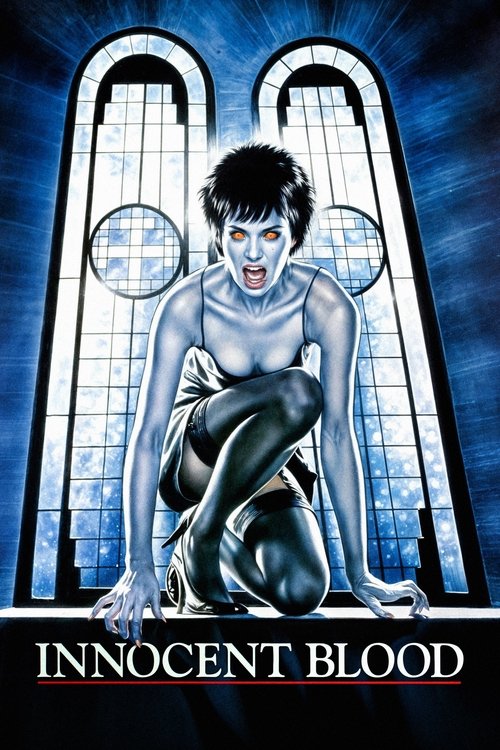
Innocent Blood
1992Marie is a vampire with a thirst for bad guys. When she fails to properly dispose of one of her victims, a violent mob boss, she bites off more than she can chew and faces a new, immortal danger.
John Landis utilizes Rickles as a crooked lawyer in this genre-bending vampire flick, letting him play a modernized version of his classic fast-talking archetype. His frantic energy provides a necessary jolt of black comedy to the film's grisly proceedings.
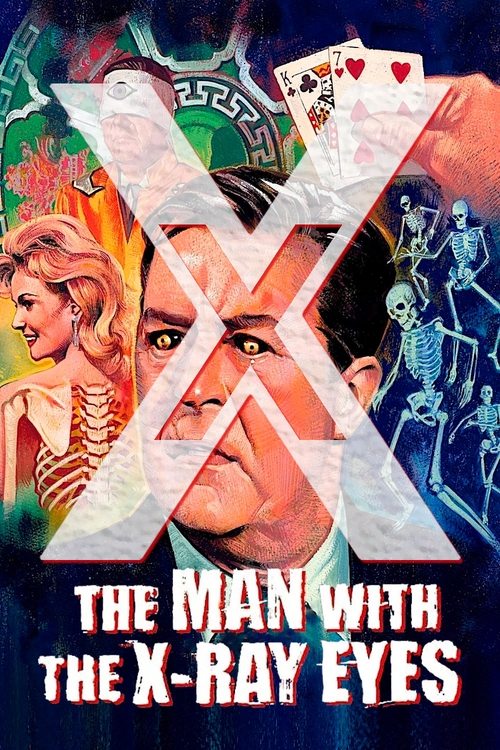
X: The Man with the X-Ray Eyes
1963A doctor uses special eye drops to give himself x-ray vision, but the new power has disastrous consequences.
Playing the sleazy carnival barker Crane, Rickles leans into a darker, more predatory register that remains unsettling decades later. This rare foray into horror-sci-fi demonstrates his ability to weaponize his natural intensity for pure, skin-crawling villainy.
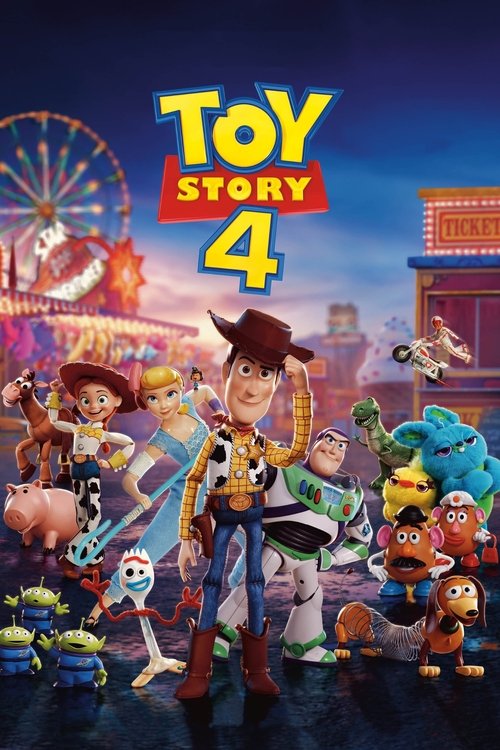
Toy Story 4
2019Woody has always been confident about his place in the world, devoted to taking care of his kid—whether that's Andy or Bonnie. But after Bonnie creates a reluctant new toy called "Forky", a road trip adventure alongside old and new friends challenges everything Woody believes about loyalty, purpose, and what it truly means to be a toy.
In this posthumous appearance crafted through archival recordings, Rickles feels like a ghostly, comforting presence whose familiar barbs anchor the film's existential stakes. It serves as a fitting digital coda to a voice performance that defined a quarter-century of cinema.
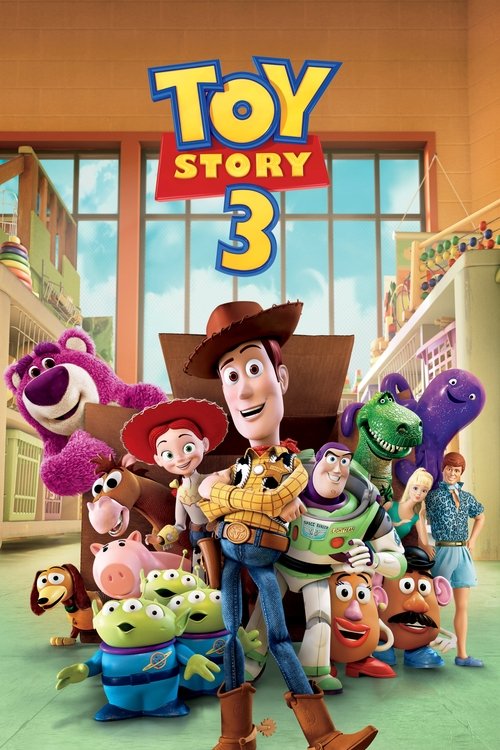
Toy Story 3
2010Woody, Buzz, and the rest of Andy's toys haven't been played with in years. With Andy about to go to college, the gang find themselves accidentally left at a nefarious day care center. The toys must band together to escape and return home to Andy.
Rickles finds the pathos in the grumpiness here, contributing to the emotional weight of a film centered on obsolescence and loyalty. His performance ensures that even amidst a sprawling cast, the cynical heart of the playroom remains beating.
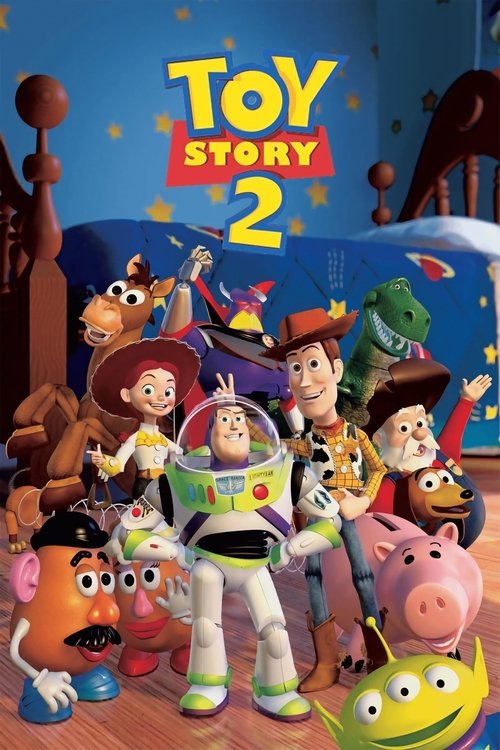
Toy Story 2
1999Andy heads off to Cowboy Camp, leaving his toys to their own devices. Things shift into high gear when an obsessive toy collector named Al McWhiggen, owner of Al's Toy Barn kidnaps Woody. Andy's toys mount a daring rescue mission, Buzz Lightyear meets his match and Woody has to decide where he and his heart truly belong.
The sequel allows Rickles to lean harder into the character's domesticity, showcasing a softer side of the spud without losing his sarcastic edge. His chemistry with the ensemble remains the gold standard for vocal character acting in animation.
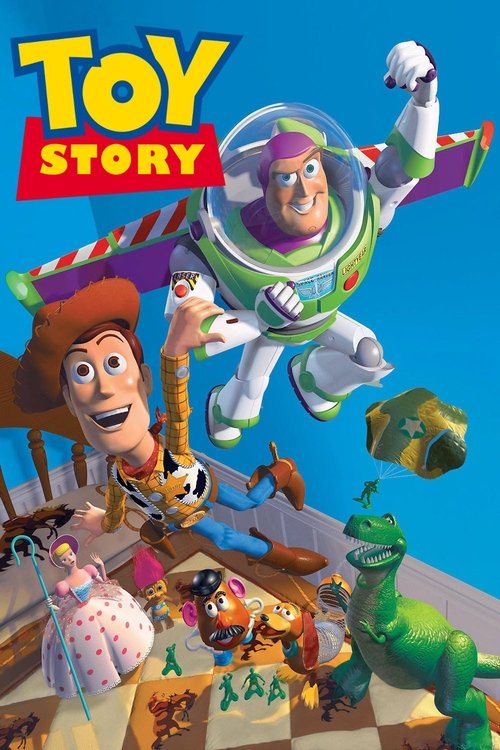
Toy Story
1995Led by Woody, Andy's toys live happily in his room until Andy's birthday brings Buzz Lightyear onto the scene. Afraid of losing his place in Andy's heart, Woody plots against Buzz. But when circumstances separate Buzz and Woody from their owner, the duo eventually learns to put aside their differences.
Giving voice to Mr. Potato Head, Rickles transformed a plastic toy into a masterclass of cranky charm and sharp-tongued skepticism. This role introduced his signature abrasive wit to a global generation of children, cementing his voice as an essential pillar of the Pixar foundations.
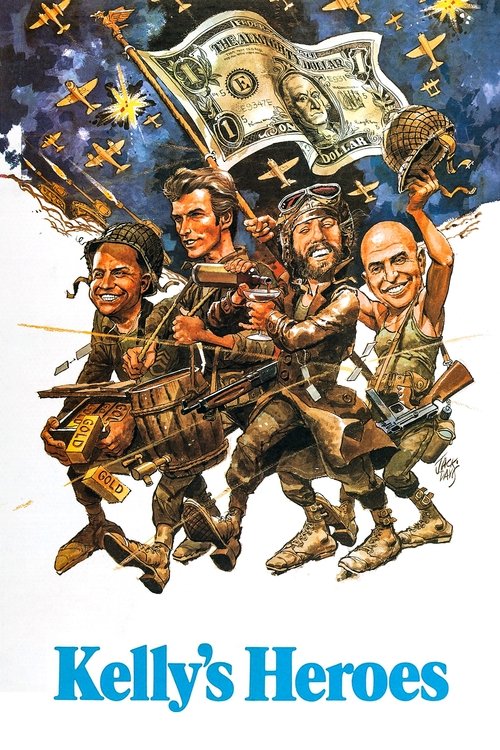
Kelly's Heroes
1970A misfit group of World War II American soldiers goes AWOL to rob a bank behind German lines.
As the opportunistic supply sergeant Crapgame, Rickles injects a cynical, street-smart energy into this heist-inflected war classic. His rapid-fire delivery and transactional worldview perfectly encapsulate the film's anti-authoritarian spirit.
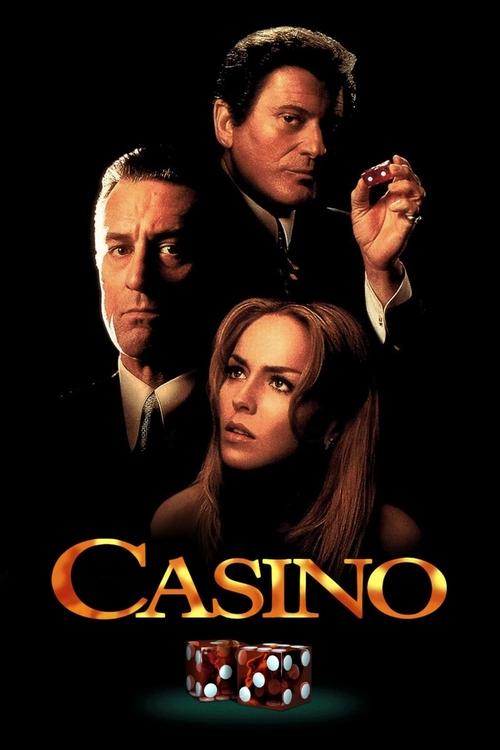
Casino
1995In Las Vegas, two best friends--a casino executive and a Mafia enforcer--compete for a gambling empire and a fast-living, fast-loving socialite.
Rickles sheds his insult-comic persona to play Billy Sherbert, a steely enforcer whose simmering silence provides a vital anchor to Scorsese's kinetic Vegas epic. This understated turn proved he possessed the dramatic gravity to hold his own alongside giants like De Niro and Pesci.
Frequently Asked Questions
Everything you need to know about this list and SnakeDrafts
- Don Rickles showcased his versatility by playing a range of characters, from his dramatic role in Casino to comedic performances in films like Kelly's Heroes and the Toy Story franchise where he voiced Mr. Potato Head.
- Don Rickles had a notable dramatic turn in the crime drama Casino, directed by Martin Scorsese, where he stepped away from his usual comedic style to deliver a compelling performance.
- Don Rickles is well-known for his voice role as Mr. Potato Head in the Toy Story series, contributing a memorable and hilarious character to all four films, blending family-friendly humor with his distinct comic delivery.
- Yes, Don Rickles appeared in war-themed films like Kelly's Heroes, an adventurous comedy set during World War II, and Run Silent, Run Deep, which is a wartime drama focused on submarine warfare.
- Don Rickles explored a variety of genres including comedy, drama, crime, animation, war, and even science fiction and horror, as seen in movies like X: The Man with the X-Ray Eyes and Innocent Blood.
- Yes, films like X: The Man with the X-Ray Eyes and Innocent Blood highlight Don Rickles's involvement in cult and genre films, showcasing his ability to tackle unconventional roles beyond mainstream cinema.
- Don Rickles's iconic insult comedy and quick wit translated effectively into film characters that combined humor with sharpness, particularly in comedies like The Rat Race and Thunderbolt and Lightfoot.
- Don Rickles lent his unique voice talent to the character Mr. Potato Head in all four Toy Story films, making a significant impact on the series with his signature humor and charm that appealed to both children and adults.