The Essential Charlton Heston Movies Ranked
The Definitive Filmography of Hollywood's Greatest Epic Hero
Explore the legendary career of Charlton Heston, from biblical epics like Ben-Hur to sci-fi classics and historical dramas.
About Charlton Heston
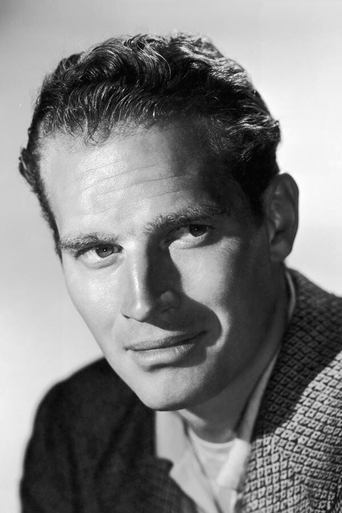
In the history of the silver screen, few actors have commanded the frame with the sheer, muscular authority of Charlton Heston. He was a performer built on a scale that matched the monuments he stood beside, possessing a resonant baritone and a granite profile that made him the natural choice for the titans of myth and scripture. When Hollywood needed a man who could reasonably be expected to speak for God or lead an exodus, he was the only name on the call sheet. His portrayal of Moses in The Ten Commandments remains one of the few instances where an actor successfully fused with a historical icon, creating a visual shorthand for leadership that shaped the cultural imagination for decades.
Yet to view him merely as a statue in motion misses the restless, often cynical grit he brought to his more earthly roles. He excelled at playing the rugged outsider trapped in a world slipping toward chaos. This tension fueled his work in the 1968 masterpiece Planet of the Apes, where his weary cynicism as Taylor provided the perfect foil for the film’s haunting social commentary. He was an actor who understood the weight of a heavy mantle, whether he was enduring the physical toll of The Agony and the Ecstasy or navigating the sprawling, dusty conflicts of The Big Country. He possessed a rare ability to ground high drama in a sense of visceral, sweating reality.
Even as the era of the gargantuan epic faded, he transitioned into the disaster spectacles of the seventies with an effortless grit, holding the center of the frame in Earthquake while younger stars swirled around him. He never lost his taste for the theatrical, either, leaning into the swashbuckling charm of The Three Musketeers or the high-stakes coaching intensity of Any Given Sunday. He was a man who took his craft with a certain solemnity, yet he wasn't above winking at his own legend. His later years were marked by a willingness to subvert his own image, popping up in the meta-horror of In the Mouth of Madness or lending his distinctive voice to the suburban absurdity of Cats and Dogs.
Audiences connected with him because he represented a specific brand of unshakeable American conviction. Even when his characters were flawed or broken, as in the grit-flecked Western Major Dundee, there was an underlying sense of duty that felt authentic. He could play a pirate in Treasure Island or a lawman in Tombstone and still carry that same gravitas he brought to the ringmaster duties of The Greatest Show on Earth. By the time he appeared in his final turn for the 2001 reimagining of Planet of the Apes or showcased his Shakespearean chops in Hamlet, he had become more than just a leading man. He was a foundational piece of cinema architecture, a performer who reminded us that some stories require a presence larger than life itself to be told properly. He didn't just play heroes; he embodied the very idea of the monumental.
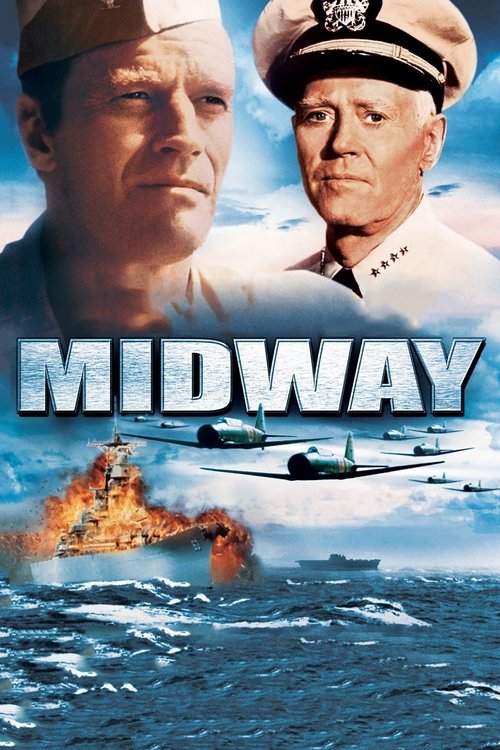
Midway
1976This war drama depicts the U.S. and Japanese forces in the naval Battle of Midway, which became a turning point for Americans during World War II.
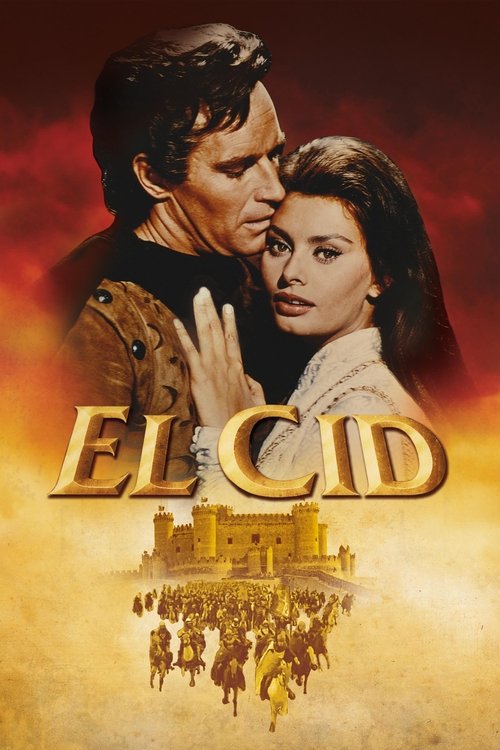
El Cid
1961Epic film of the legendary Spanish hero, Rodrigo Diaz ("El Cid" to his followers), who, without compromising his strict sense of honour, still succeeds in taking the initiative and driving the Moors from Spain.
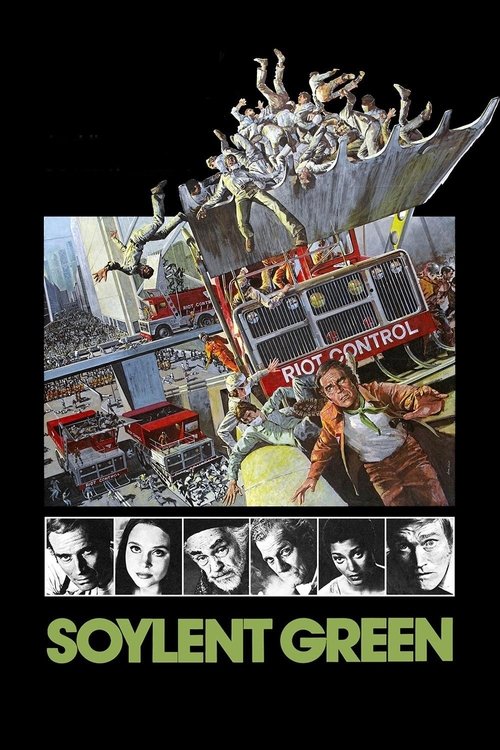
Soylent Green
1973In the year 2022, overcrowding, pollution, and resource depletion have reduced society’s leaders to finding food for the teeming masses. The answer is Soylent Green.
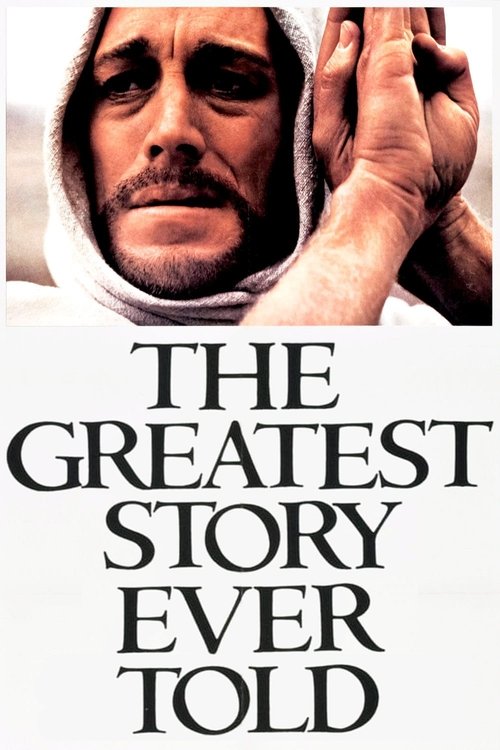
The Greatest Story Ever Told
1965From his birth in Bethlehem to his death and eventual resurrection, the life of Jesus Christ is given the all-star treatment in this epic retelling. Major aspects of Christ's life are touched upon, including the execution of all the newborn males in Egypt by King Herod; Christ's baptism by John the Baptist; and the betrayal by Judas after the Last Supper that eventually leads to Christ's crucifixion and miraculous return.
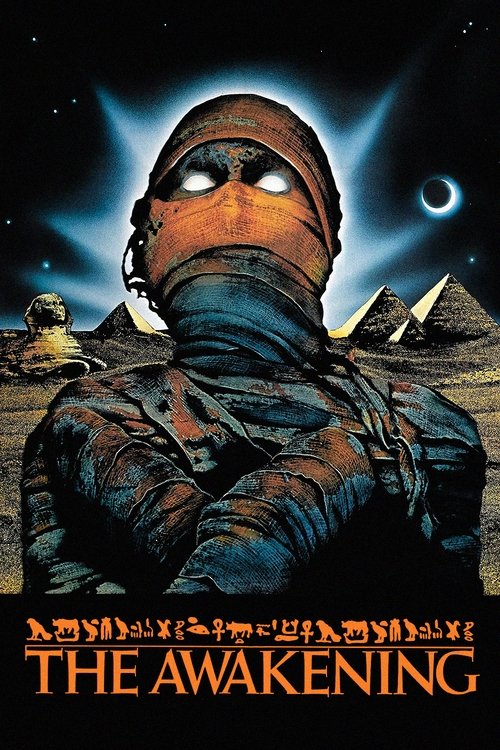
The Awakening
1980When a British archaeologist violates an Egyptian queen's tomb, her evil spirit enters his daughter.
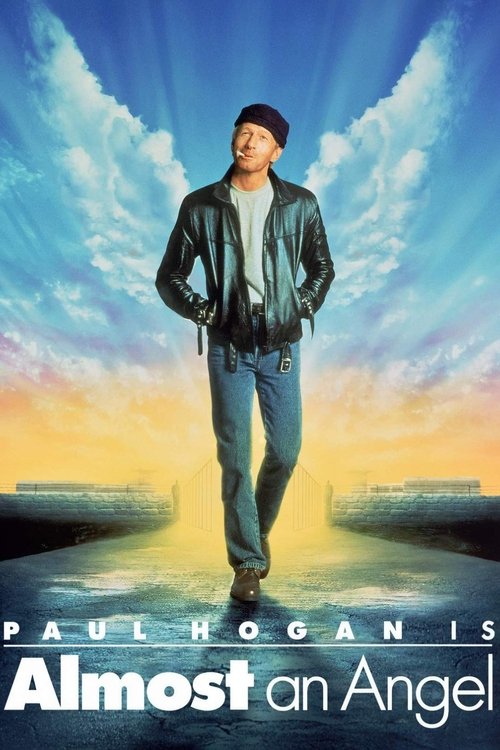
Almost an Angel
1990Terry Dean is an electronics wizard and thief. After he is released from jail, he is hit by a car while saving a little girl's life. While in the hospital, he dreams that God visits him and tells him he's an Angel, and must start doing good things to make up for his past life. Not believing it at first, he soon becomes convinced he must be an Angel. Not having any Angel powers yet, he must use his own experiences and talents to make good things happen.
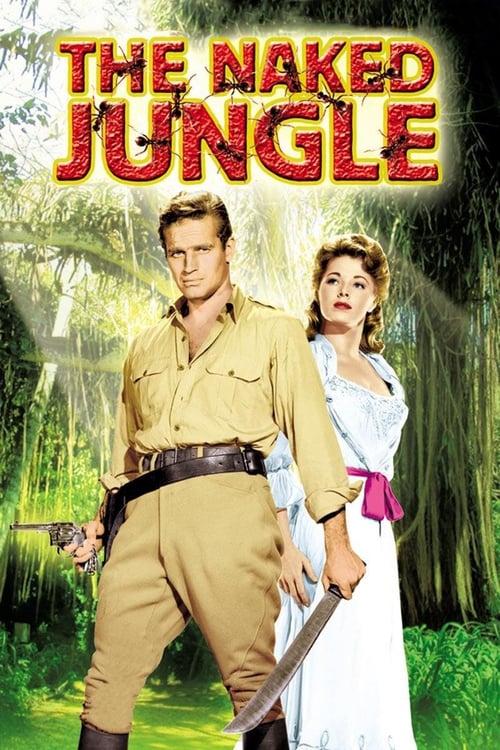
The Naked Jungle
1954The Leiningen South American cocoa plantation is threatened by a 2-mile-wide, 20-mile-long column of army ants.
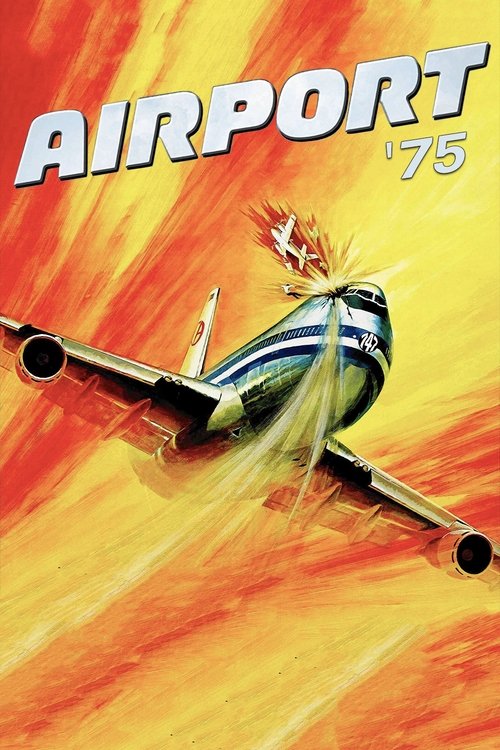
Airport 1975
1974When an in-flight collision incapacitates the pilots of an airplane bound for Los Angeles, stewardess Nancy Pryor is forced to take over the controls. From the ground, her boyfriend Alan Murdock, a retired test pilot, tries to talk her through piloting and landing the 747 aircraft. Worse yet, the anxious passengers — among which are a noisy nun and a cranky man — are aggravating the already tense atmosphere.
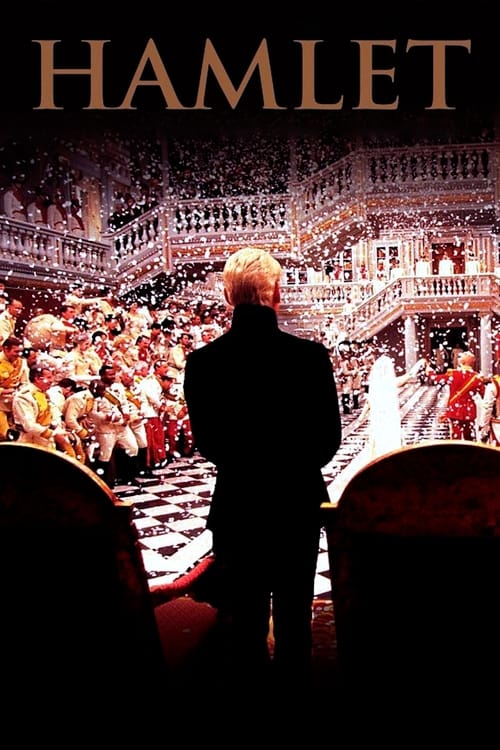
Hamlet
1996Hamlet, Prince of Denmark, returns home to find his father murdered and his mother now marrying the murderer... his uncle. Meanwhile, war is brewing.
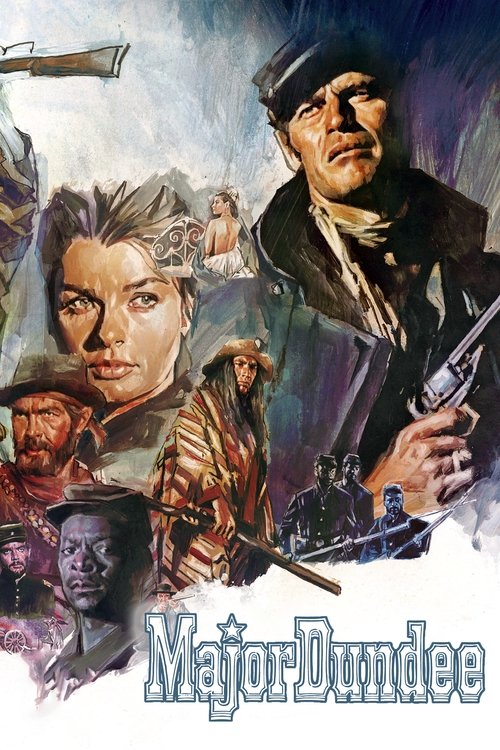
Major Dundee
1965During the last winter of the Civil War, cavalry officer Amos Dundee leads a contentious troop of Army regulars, Confederate prisoners and scouts on an expedition into Mexico to destroy a band of Apaches who have been raiding U.S. bases in Texas.
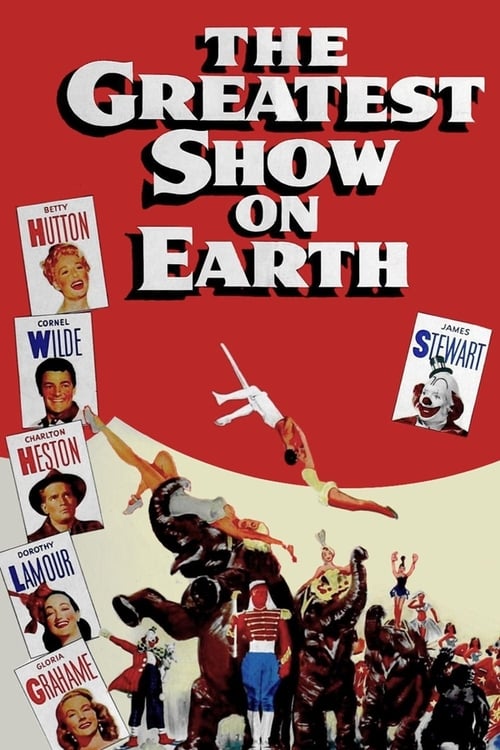
The Greatest Show on Earth
1952To ensure a full profitable season, circus manager Brad Braden engages The Great Sebastian, though this moves his girlfriend Holly from her hard-won center trapeze spot. Holly and Sebastian begin a dangerous one-upmanship duel in the ring, while he pursues her on the ground.
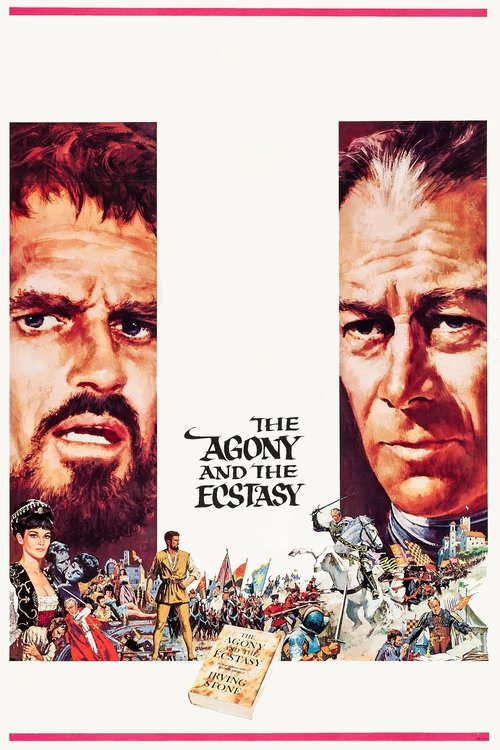
The Agony and the Ecstasy
1965During the Italian Renaissance, Pope Julius II contracts the influential artist Michelangelo to sculpt 40 statues for his tomb. When the pope changes his mind and asks the sculptor to paint a mural in the Sistine Chapel, Michelangelo doubts his painting skills and abandons the project. Divine inspiration returns Michelangelo to the mural, but his artistic vision clashes with the pope's demanding personality and threatens the success of the historic painting.
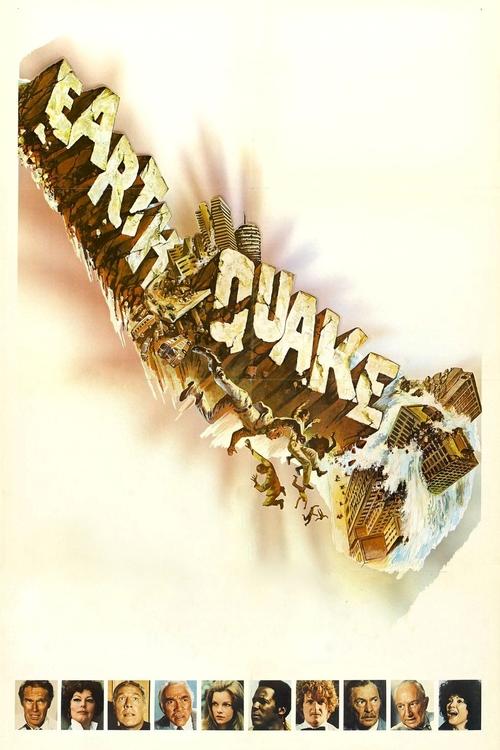
Earthquake
1974Various interconnected people struggle to survive when an earthquake of unimaginable magnitude hits Los Angeles, California.
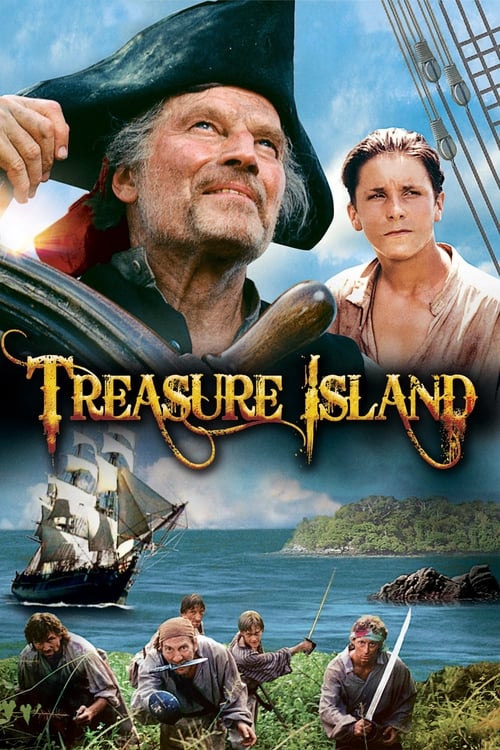
Treasure Island
1990Young Jim Hawkins, while running the Benbow Inn with his mother, meets Captain Billy Bones, who dies at the inn while it is beseiged by buccaneers led by Blind Pew. Jim and his mother fight off the attackers and discover Billy Bones' treasure map for which the buccaneers had come. Jim agrees to sail on the S.S. Espaniola with Squire Trelawney and Dr. Livesey to find the treasure on a mysterious isiand. Upon arriving at the island, ship's cook and scaliwag Long John Silver leads a mutiny of crew members who want the treasure for themselves. Jim helps the Squire and Espaniola officers to survive the mutiny and fight back against Silver's men, who have taken over the Espaniola.
Heston chews the nautical scenery as Long John Silver, trading his usual stoicism for a layered, charismatic duplicity. This adaptation allows him to lean into a theatrical, gritty brand of storytelling that highlights his undiminished screen presence.
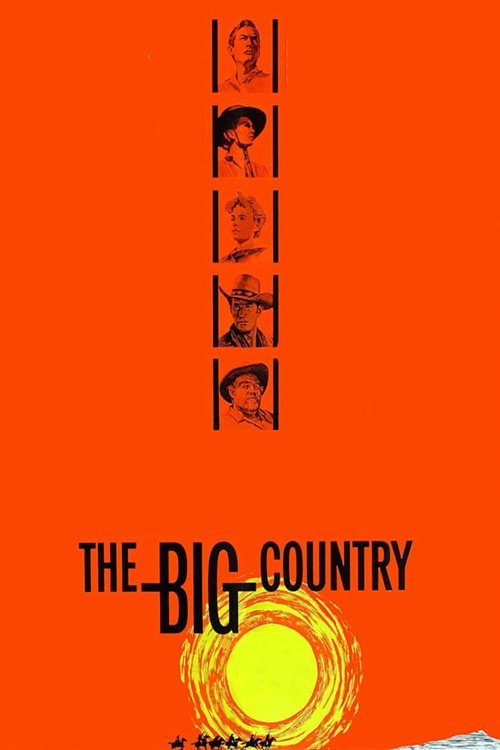
The Big Country
1958Retired wealthy sea captain Jim McKay arrives in the Old West, where he becomes embroiled in a feud between his future father-in-law, Major Terrill, and the rough and lawless Hannasseys over a valuable patch of land.
In a fascinating departure from his usual leads, Heston plays the resentful foreman Steve Leech with an earthy, physical aggression. He showcases a gritty vulnerability here, standing toe-to-toe with Gregory Peck in a clash of two very different American masculinities.
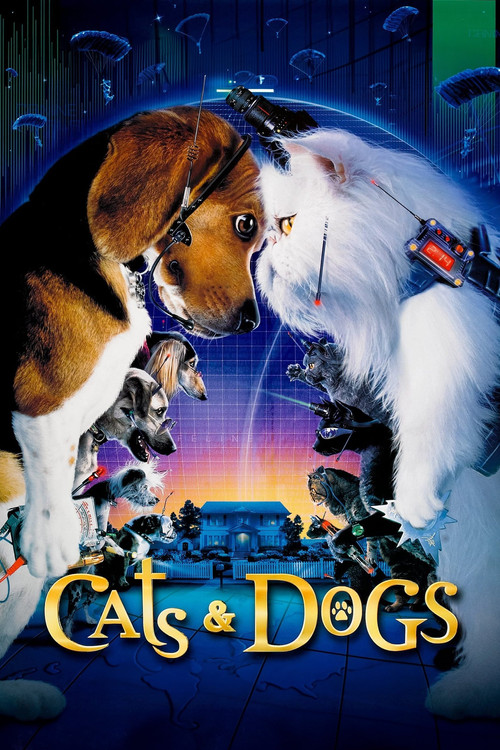
Cats & Dogs
2001When a professor develops a vaccine that eliminates human allergies to dogs, he unwittingly upsets the fragile balance of power between cats and dogs and touches off an epic battle for pet supremacy. The fur flies as the feline faction, led by Mr. Tinkles, squares off against wide-eyed puppy Lou and his canine cohorts.
Providing the voice of the Mastiff, Heston utilizes his famous baritone to parody his own legendary gravitas. It is a rare, playful moment in his twilight years where he mocks the very sense of duty that defined his career.
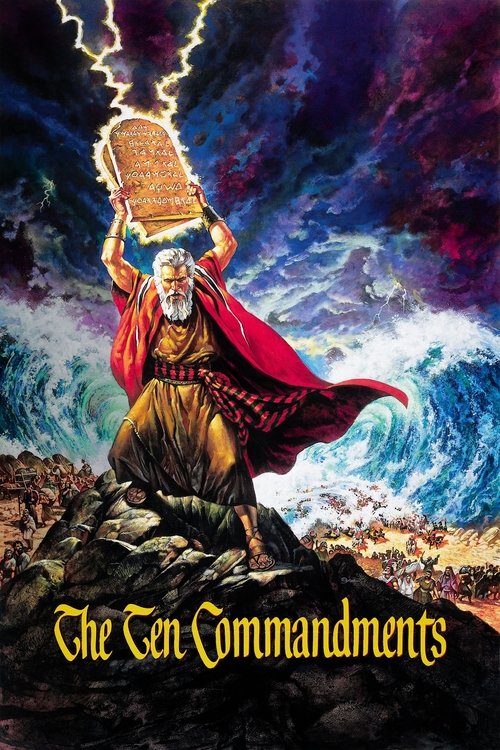
The Ten Commandments
1956Escaping death, a Hebrew infant is raised in a royal household to become a prince. Upon discovery of his true heritage, Moses embarks on a personal quest to reclaim his destiny as the leader and liberator of the Hebrew people.
By sheer force of will, Heston bridges the gap between the human and the divine, carrying the enormous weight of this spectacle on his broad shoulders. It remains the definitive example of his ability to inhabit mythological icons without succumbing to caricature.
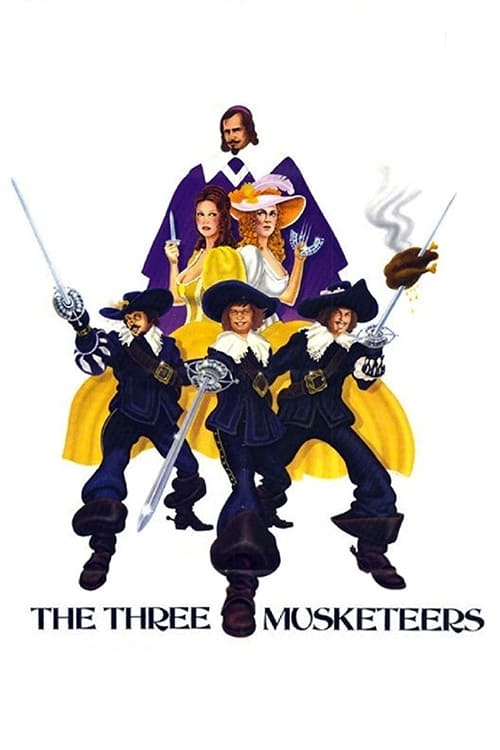
The Three Musketeers
1973In 17th century France, young D'Artagnan wants to join the King's Musketeers, but instead befriends three legendary musketeers—Athos, Porthos, and Aramis—and together, they become embroiled in the political intrigue surrounding King Louis XIII and his adversaries, particularly the powerful Cardinal Richelieu.
Heston radiates a cold, calculating menace as Cardinal Richelieu, proving he could play a master manipulator with as much conviction as a savior. He ditches the bravado for a subtle, intellectual villainy that dominates every boardroom scene.
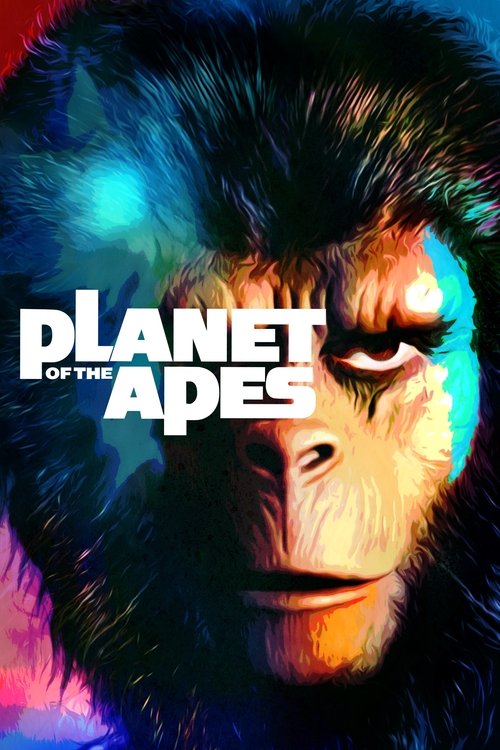
Planet of the Apes
1968Astronaut Taylor crash lands on a distant planet ruled by apes who use a primitive race of humans for experimentation and sport. Soon Taylor finds himself among the hunted, his life in the hands of a benevolent chimpanzee scientist.
This is Heston at his most visceral and misanthropic, shedding his biblical refinement for a raw, sweaty desperation. His performance defines the cynical shift of late sixties sci-fi by transforming a physical action hero into a victim of cosmic irony.
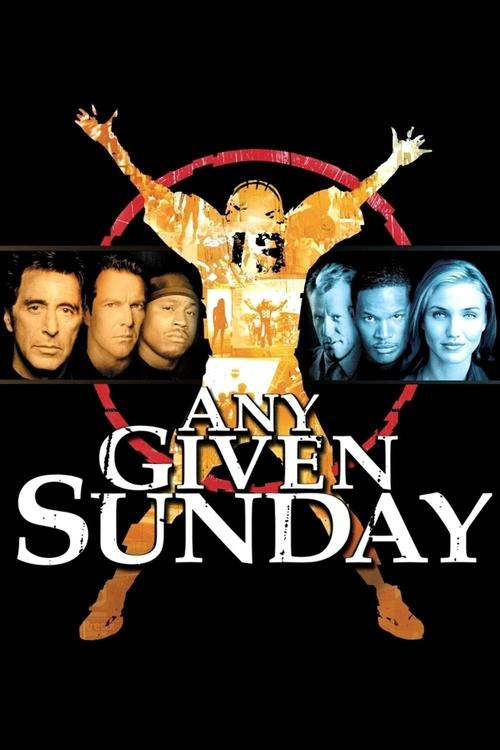
Any Given Sunday
1999A star quarterback gets knocked out of the game and an unknown third stringer is called in to replace him. The unknown gives a stunning performance and forces the aging coach to reevaluate his game plans and life. A new co-owner/president adds to the pressure of winning. The new owner must prove herself in a male dominated world.
Portraying the league commissioner, Heston commands the screen with a stiff-necked traditionalism that perfectly counters Oliver Stone’s hyper-kinetic filmmaking. He embodies the rigid, old-world power structures being dismantled by the modern commercialization of sport.
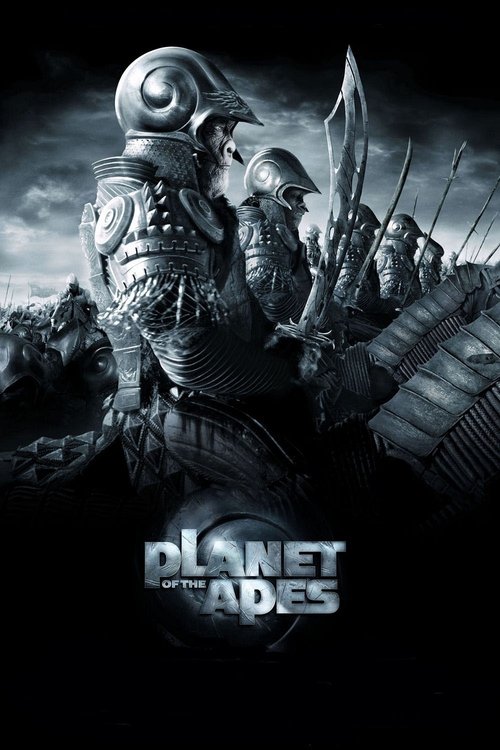
Planet of the Apes
2001After a spectacular crash-landing on an uncharted planet, brash astronaut Leo Davidson finds himself trapped in a savage world where talking apes dominate the human race. Desperate to find a way home, Leo must evade the invincible gorilla army led by Ruthless General Thade.
In a meta-textual stroke of genius, Heston portrays the dying Zaius with a feral, nihilistic intensity that subverts his original heroic status. This prosthetic-heavy cameo serves as a haunting bookend to his legacy within the franchise.
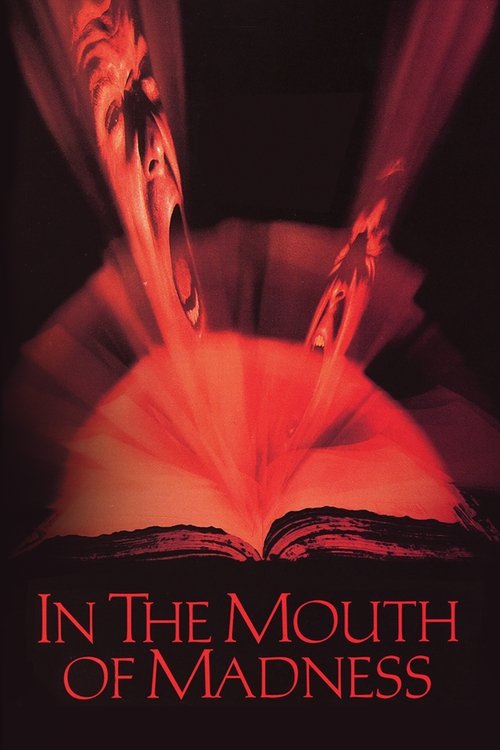
In the Mouth of Madness
1995An insurance investigator visits a small town while looking into the strange disappearance of a popular horror novelist. He soon finds that the impact of the author’s books is far more than inspirational.
As the formidable Jackson Harglow, Heston leans into a chillingly detached persona that anchors John Carpenter’s descent into cosmic dread. He weaponizes his legacy as a cinematic protector to instead portray a gatekeeper of sanity in an unraveling world.
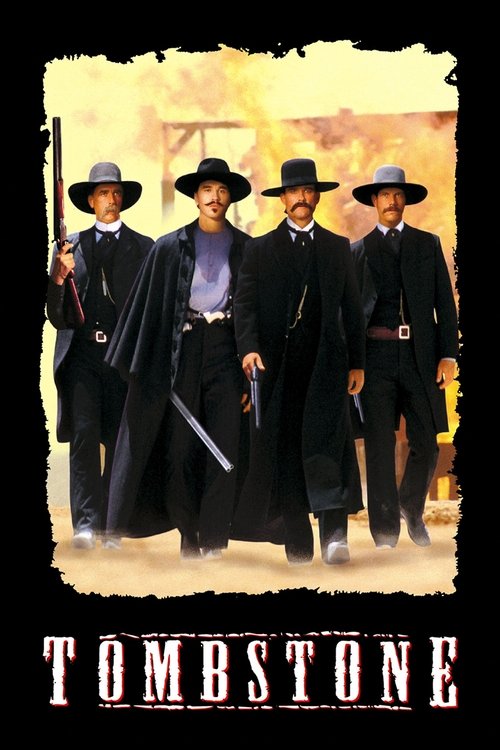
Tombstone
1993Legendary marshal Wyatt Earp, now a weary gunfighter, joins his brothers Morgan and Virgil to pursue their collective fortune in the thriving mining town of Tombstone. But Earp is forced to don a badge again and get help from his notorious pal Doc Holliday when a gang of renegade brigands and rustlers begins terrorizing the town.
Heston lends a weary, gravitational authority to Henry Hooker, providing the moral ballast necessary to ground this frantic revisionist Western. His brief presence serves as a symbolic passing of the torch from the Golden Age of the genre to the high-octane modern era.
Frequently Asked Questions
Everything you need to know about this list and SnakeDrafts
- Charlton Heston is iconic for his role in "The Ten Commandments" (1956), where he masterfully portrays Moses. This film remains a cornerstone of his career, highlighting his commanding presence in religious and historical dramas.
- Heston starred in both the original "Planet of the Apes" (1968) and the Tim Burton-directed remake (2001). These films are pivotal in sci-fi cinema, showcasing his ability to anchor adventurous and thrilling storylines.
- Heston often played strong, authoritative characters such as leaders, historical figures, and epic heroes. This is evident in films like "The Ten Commandments," "The Agony and the Ecstasy," and "Major Dundee," where his roles demanded gravitas and a commanding presence.
- Yes, Heston appeared in "Cats & Dogs" (2001), demonstrating his versatility beyond intense dramas and action films. This family comedy blends humor with action, showcasing a different side of his acting range.
- Heston's filmography spans biblical epics, science fiction, westerns, historical dramas, and family comedies. Movies like "In the Mouth of Madness" (horror/mystery), "The Big Country" (western/romance), and "Treasure Island" (adventure/family) highlight this diversity.
- "Any Given Sunday" (1999), directed by Oliver Stone, features Charlton Heston in a drama about professional American football. This role contrasts with his more classical performances, showing his adaptability to modern and intense storytelling.
- Heston's commanding voice and monumental screen presence made him the perfect fit for grand-scale films like "The Ten Commandments" and "The Greatest Show on Earth." His ability to embody both strength and nuanced leadership elevates these epics significantly.