Gore Verbinski's Best Directed Films Ranked
The Visual Mastery of a Postmodern Visionary
Explore the definitive filmography of Gore Verbinski, from swashbuckling pirate adventures to Oscar-winning animation and chilling psychological horror.
About Gore Verbinski
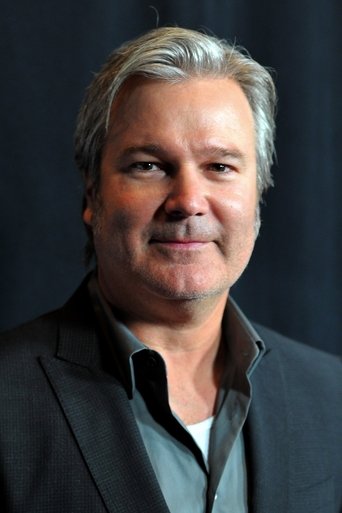
Gore Verbinski operates like a high-speed clockmaker who has been given the keys to a multimillion-dollar wrecking yard. To watch one of his films is to witness a collision between pristine craftsmanship and a deep, abiding love for the grotesque. While many blockbuster filmmakers settle for a polished, anonymous competence, he injects a jagged, eccentric energy into the frame, ensuring that even his most massive commercial endeavors feel like they were dreamed up during a fever. He possesses a restless eye for detail, obsessed with the way textures look under localized lightning or how a single drop of water might ripple across a corrugated surface.
His breakout success with The Ring fundamentally shifted the landscape of American horror by prioritizing an icy, suffocating atmosphere over cheap jump scares. This same penchant for the unsettling carried over into his monumental work on the first three Pirates of the Caribbean installments. While the marketing suggested breezy swashbucklers, Verbinski delivered something far more strange and tactile. He populated his oceans with barnacle-encrusted monstrosities and decaying ghost ships, treating high-seas adventure with the grim detail of a maritime nightmare. He understands that spectacle works best when it feels heavy and dangerous, turning a simple sword fight into a chaotic exercise in physics and slapstick.
There is a recurring sense of the outsider struggling against an indifferent system in his filmography. In The Weather Man, he stripped away the artifice of suburban life to find a dry, melancholic humor that remains one of his most underrated achievements. This fascination with identity found its apex in Rango, an animated western that feels less like a children's movie and more like a hallucinogenic tribute to cinema itself. By casting a neurotic chameleon as a displaced hero, he used the flexibility of animation to push his visual language to its most kinetic extremes, proving that his style is not limited by the constraints of live action.
Even when he retreats into the gothic madness of A Cure for Wellness or the frantic domestic chaos of MouseHunt, his signature remains unmistakable. He is a master of the mechanical gag, orchestrating sequences where every moving part clicks into place with the precision of a Swiss watch. There is a tangible grit to his worlds that keeps them grounded, no matter how surreal the plot becomes. He avoids the flat, digital sheen of modern cinema in favor of high-contrast shadows and saturated palettes that demand the audience's full attention.
His legacy is one of defiant originality within the studio system. He manages to smuggle genuine weirdness into the mainstream, refusing to sand down the edges of his characters or his visuals. Whether he is documenting the existential crisis of a middle-aged newsman or the supernatural trials of a pirate captain, he maintains a commitment to the singular image. He remains one of the few directors capable of making a blockbuster feel like a handmade object, crafted by someone who finds as much beauty in a rusted gear as he does in a sunset. He does not just make movies. He constructs intricate, beautiful, and occasionally terrifying machines that vibrate with a life of their own.

A Cure for Wellness
2017An ambitious young executive is sent to retrieve his company's CEO from an idyllic but mysterious "wellness center" at a remote location in the Swiss Alps but soon suspects that the spa's miraculous treatments are not what they seem.
Unrestrained and visually intoxicating, this gothic thriller serves as a distilled essence of Verbinski’s preoccupation with sterile environments and body horror. While divisive, its uncompromising commitment to a lavish, slow-burn nightmare confirms his status as one of the few remaining stylists willing to gamble on pure, decadent atmosphere.

MouseHunt
1997Down-on-their luck brothers, Lars and Ernie Smuntz, aren't happy with the crumbling old mansion they inherit... until they discover the estate is worth millions. Before they can cash in, they have to rid the house of its single, stubborn occupant—a tiny and tenacious mouse.
Even in his debut, Verbinski’s penchant for manic slapstick and intricate Rube Goldberg-style set pieces signaled the arrival of a director obsessed with physical timing. The film survives on its dark, gothic production design and a playful mean-spiritedness that distinguishes it from the sanitized comedies of its era.
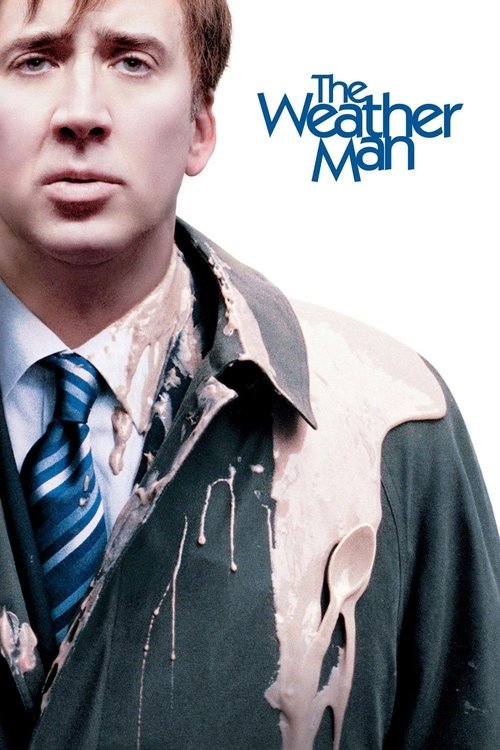
The Weather Man
2005A Chicago weather man, separated from his wife and children, debates whether professional and personal success are mutually exclusive.
This chillingly detached character study swaps spectacle for a crisp, melancholic suburban emptiness that highlights the director’s versatility with dry humor. It is a cynical meditation on the American dream where Verbinski uses architecture and weather as sharp metaphors for internal stagnation.

Pirates of the Caribbean: At World's End
2007Captain Jack Sparrow is trapped in Davy Jones' Locker when his pirate brethren begin a desperate quest to locate and rescue him. Follow their wild seafaring adventures from exotic Singapore to World's End and beyond.
Operating at the peak of his logistical powers, Verbinski delivered a sprawling, avant-garde epic that prioritizes abstract imagery and complex nautical geometry over simple resolution. It marks the moment his ambition fully transcended the franchise mold, resulting in a beautiful, bloated, and undeniably bold conclusion to his initial trilogy.
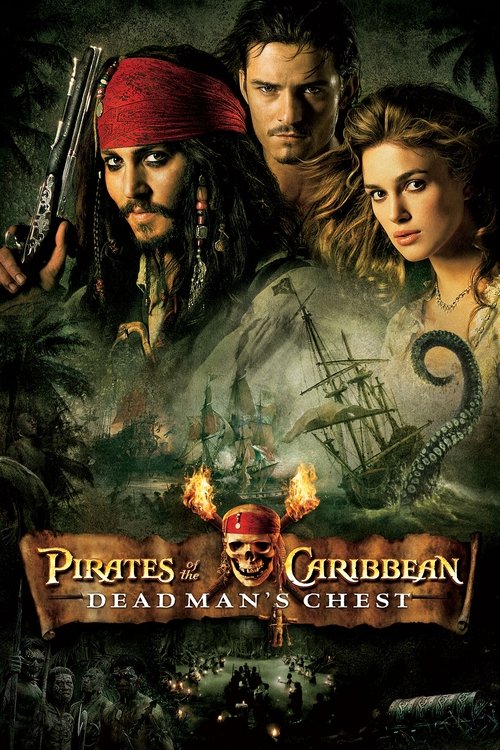
Pirates of the Caribbean: Dead Man's Chest
2006Jack's got a blood debt to pay: he owes his soul to the legendary Davy Jones, ghastly Ruler of the Ocean Depths. But ever-crafty Jack isn't about to go down without a fight.
A maximalist achievement in creature design and practical effects, this sequel pushed the boundaries of what a massive studio budget could accomplish under a singular creative eye. Verbinski leans into the grotesque and the gargantuan, creating a dense maritime mythology that feels impressively lived-in and punishingly physical.
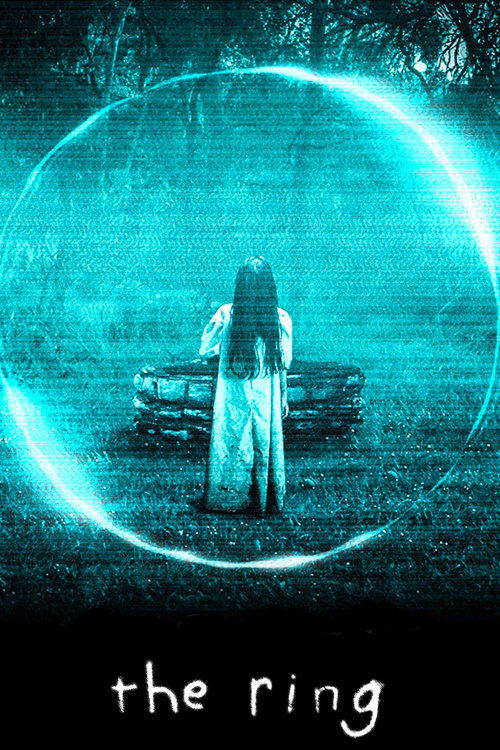
The Ring
2002Rachel Keller is a journalist investigating a videotape that may have killed four teenagers. There is an urban legend about this tape: the viewer will die seven days after watching it. Rachel tracks down the video... and watches it. Now she has just seven days to unravel the mystery of the Ring so she can save herself and her son.
By bathing the Pacific Northwest in a sickly, industrial pallor, Verbinski elevated the J-horror remake into a localized atmospheric nightmare. His clinical precision and focus on mechanical dread redefined the aesthetic language of the modern American ghost story.
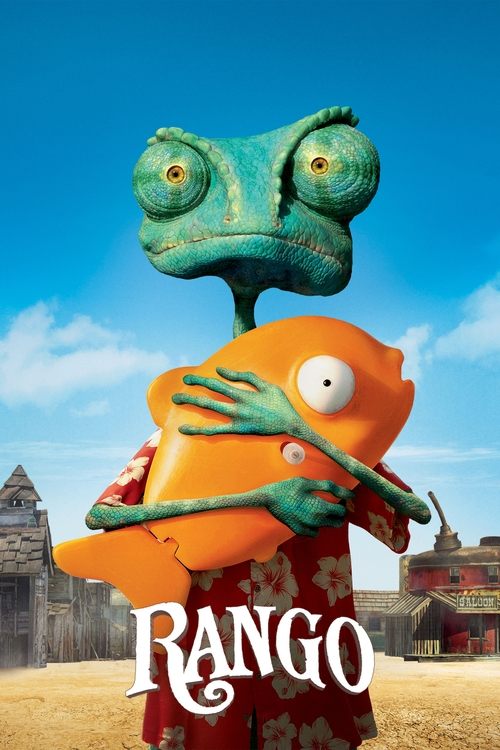
Rango
2011When Rango, a lost family pet, accidentally winds up in the gritty, gun-slinging town of Dirt, the less-than-courageous lizard suddenly finds he stands out. Welcomed as the last hope the town has been waiting for, new Sheriff Rango is forced to play his new role to the hilt.
This hallucinatory acid-western stands as a surreal triumph of character design and lighting, proving that Verbinski could translate his live-action eccentricity into a singular animated odyssey. It is a grotesque yet beautiful subversion of the hero's journey that prioritizes artistic texture over traditional family-friendly sheen.
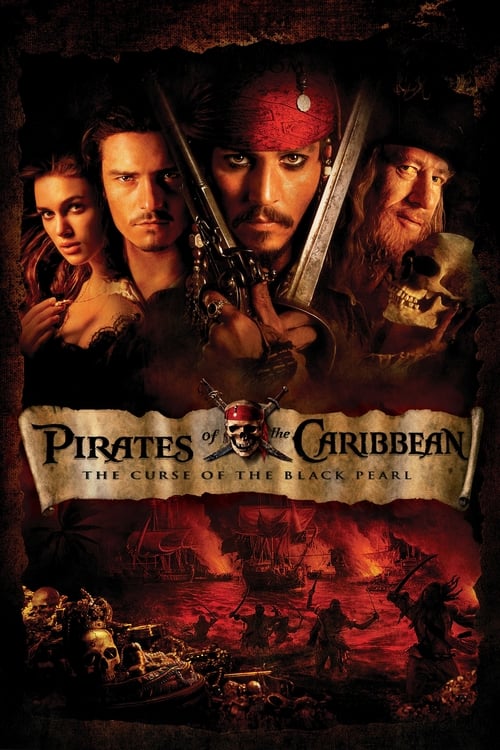
When wily Captain Barbossa steals Jack Sparrow's ship and kidnaps the governor's beautiful daughter, Elizabeth, her childhood friend Will Turner joins forces with Jack to save her and recapture Jack's ship, the Black Pearl.
Verbinski revitalized a dormant genre by marrying old-school swashbuckling with a tactile, supernatural grit that remains the gold standard for high-concept blockbuster craftsmanship. His meticulous framing and rhythmic action sequences transformed a theme park attraction into a masterclass of visual storytelling and kinetic energy.
Frequently Asked Questions
Everything you need to know about this list and SnakeDrafts
- Gore Verbinski is known for his versatility across genres, including adventure, fantasy, horror, and animation. His filmography ranges from swashbuckling pirate adventures like Pirates of the Caribbean to chilling psychological horror like The Ring and A Cure for Wellness.
- Verbinski's direction brought a unique blend of high-energy action and quirky character development to the Pirates of the Caribbean series, making it a standout franchise. His ability to mix fantasy elements with humor and thrilling sequences played a crucial role in the films' massive commercial and critical success.
- Rango stands out as an Oscar-winning animated feature that combines comedy, family themes, and a Western adventure, showcasing Verbinski's skill in storytelling across different mediums. This film highlights his ability to create a visually inventive world paired with sharp humor and memorable characters.
- Verbinski masterfully uses atmospheric tension and psychological horror in The Ring and A Cure for Wellness, blending mystery with unsettling visuals. His approach focuses on building dread through storytelling rather than relying solely on jump scares, which elevates these horror films to a more sophisticated level.
- The Weather Man explores themes of personal failure and redemption within a comedic and dramatic framework. Verbinski handles the film's tone delicately, balancing humor with deeper emotional undercurrents to depict the complexities of human relationships.

