A Ranking of Glenda Jackson's Best Movies
The Definitive Performances of a Cinematic Powerhouse
Explore the finest films of Glenda Jackson, from her Oscar-winning dramas to biting comedies and iconic historical portrayals.
About Glenda Jackson
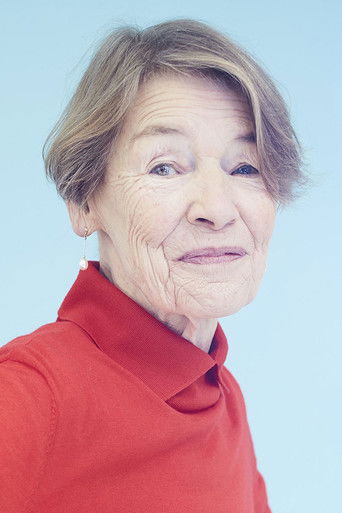
Glenda Jackson never seemed particularly interested in being a movie star, which is precisely why she became one of the most formidable screen presences of her generation. She possessed a sharp, unsentimental intelligence that could cut through a scene like a surgical blade. While her peers often leaned into mid-century glamour, she built her reputation on a refusal to be decorative. She was a performer of immense gravity and terrifying focus, someone who understood that silence usually pulled more power than a scream.
Her arrival in the late sixties signaled a shift in British cinema toward a more visceral, intellectual honesty. In Women in Love, she wasn't just an actress playing a role; she was a force of nature, capturing a modern sense of feminine restlessness that felt dangerous for the time. This fierce interiority became her trademark. Whether she was maneuvering through the complex erotic geometry of Sunday Bloody Sunday or commanding the screen as a monarch in Mary, Queen of Scots, she carried an air of absolute authority. She was the rare actor who looked as though she had read every book in the room before the cameras started rolling.
Audiences connected with her because she never coddled them. There was a jaggedness to her work that felt true to life. Even when she pivoted into sophisticated comedy, she kept her edge. In A Touch of Class and House Calls, her wit was dry and her timing was lethal, proving that she could wield a one-liner with the same precision she applied to the tragic weight of Hedda. Her chemistry with Walter Matthau in Hopscotch was built on mutual respect and intellectual sparring rather than simple flirtation. She made being smart look like the most attractive thing a person could be.
What makes her career arc so singular is the legendary twenty-three year hiatus she took to serve in the British Parliament. She walked away from the heights of Hollywood because she grew bored with the limitations of the industry and felt a moral pull toward public service. When she finally returned to the screen, she had lost none of her bite. Her performance in Elizabeth Is Missing was a masterclass in representing the fracturing mind, stripped of any vanity. It reminded the world that her talent was not a product of youth or celebrity, but a permanent part of her DNA.
In her final years, she continued to choose projects that prioritized depth over comfort. Films like Turtle Diary and The Great Escaper served as bookends to a life spent exploring the quiet dignities and loud frustrations of the human condition. From the avant-garde intensity of Marat/Sade to the satirical bite of Salome's Last Dance, she remained an uncompromising artist. She never asked for the audience's permission to be difficult or complex, and that is exactly why we could never look away. She leaves behind a legacy of work that feels less like a filmography and more like a challenge to anyone who thinks acting is merely a matter of pretending.
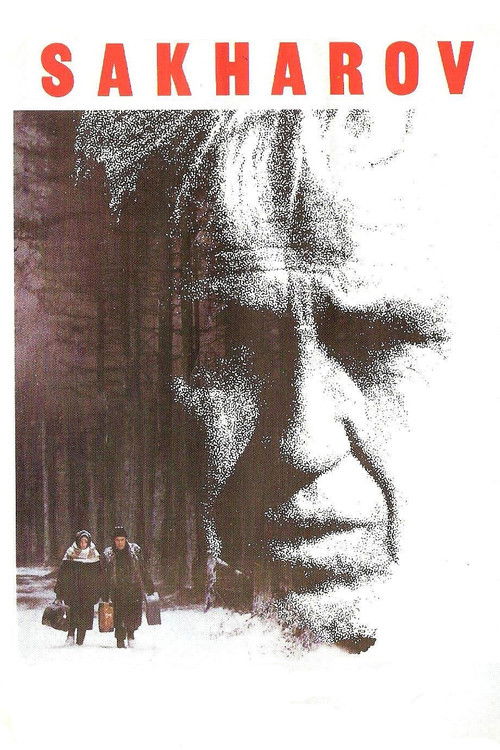
Sakharov
1984Biography of Russian physicist & dissident Andrei Sakharov focuses on his first acts in his civil rights.
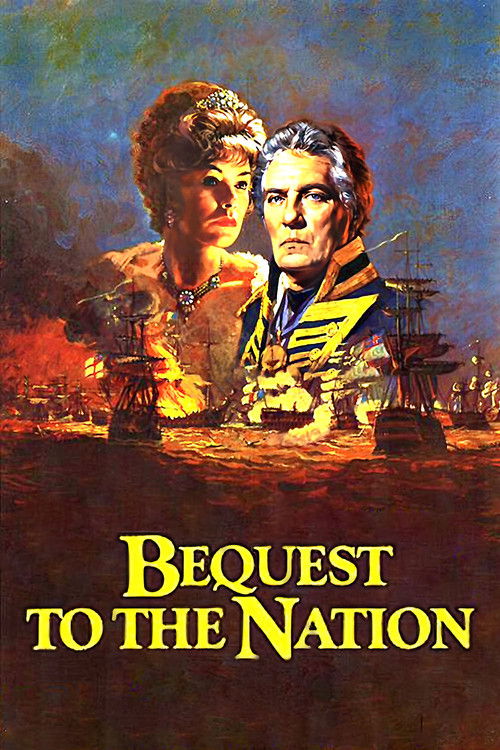
Bequest to the Nation
1973Set before the Battle of Trafalgar, this is the story of relationship between Admiral Lord Nelson and Lady Hamilton during the Napoleonic Wars.
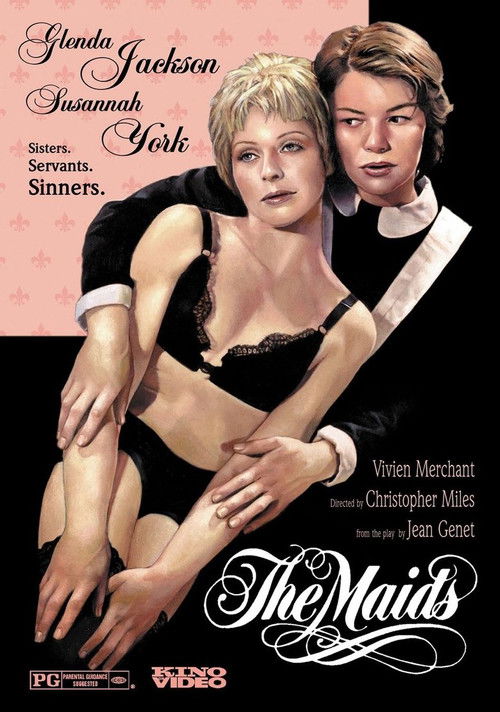
The Maids
1975A film version of Genet's play. Two maids, Solange and Claire, hate their employers and, while they are out, take turns at dressing up as Madame and insulting her.
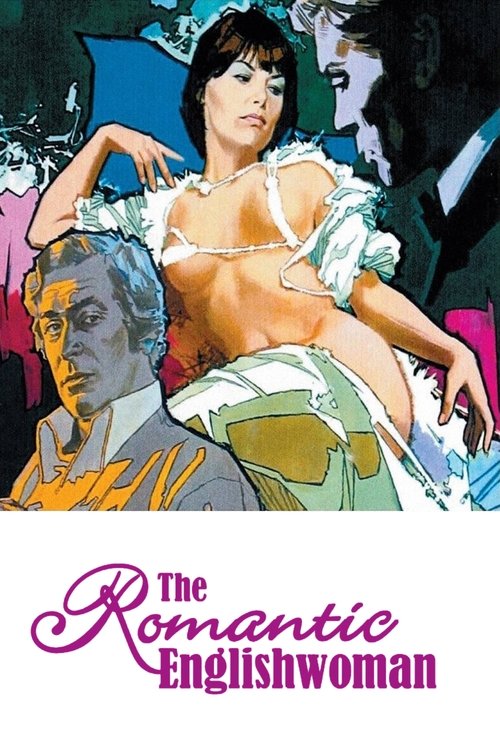
The Romantic Englishwoman
1975A marriage crisis between a writer and his wife leads her to flee to Germany and eventually return with another man, through whom the writer is going to overcome his writer's block.
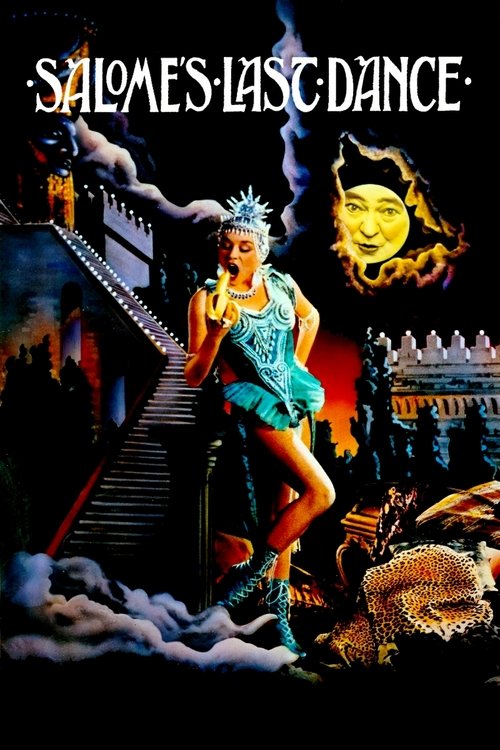
Salome's Last Dance
1988London, England, November 5th, 1892, Guy Fawkes Night. The famous playwright Oscar Wilde and his lover Lord Alfred Douglas discreetly go to a luxury brothel where the owner, Alfred Taylor, has prepared a surprise for the renowned author: a private and very special performance of his play Salome, banned by the authorities, in which Taylor himself and the peculiar inhabitants of the exclusive establishment will participate.
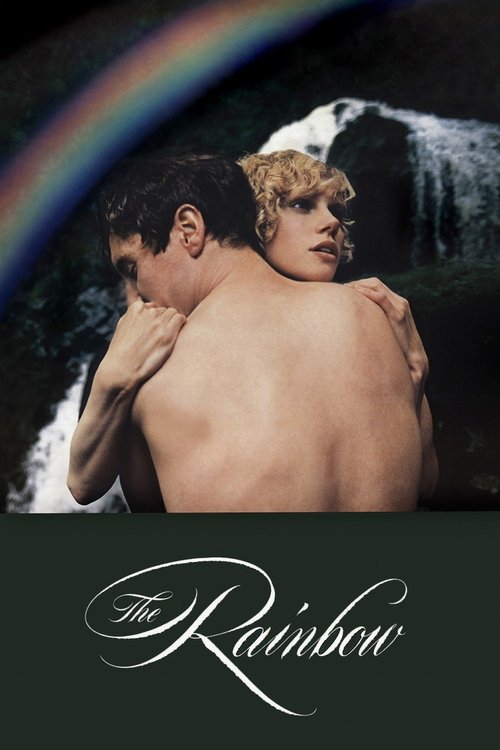
The Rainbow
1989Born to a rich landowner in the waning days of the Victorian era, Ursula Brangwen grows into a beautiful young woman full of imagination and ambition. The free-spirited Ursula begins to feel trapped by her prim surroundings, but her life changes when she has an erotic experience with Winifred, a bisexual teacher. From then on, Ursula puts all of her passion and creativity into the pursuit of sexual fulfillment. But her insatiable quest becomes a source of anguish.
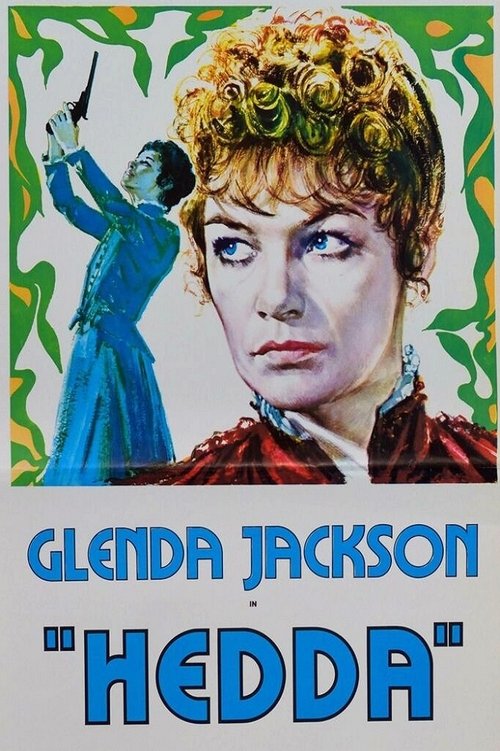
Hedda
1975Returning from her honeymoon with her husband, scholar Jorgen, the cold and manipulative Hedda Gabler is unmoved by the sacrifices he's made to provide her with an elegant home. But when she learns that Jorgen's rival for a university position, Ejlert, has made a surprising comeback with a recent publication, she's quick to push him back into his former alcoholism, steal the sequel to his book and even encourage the writer to kill himself.
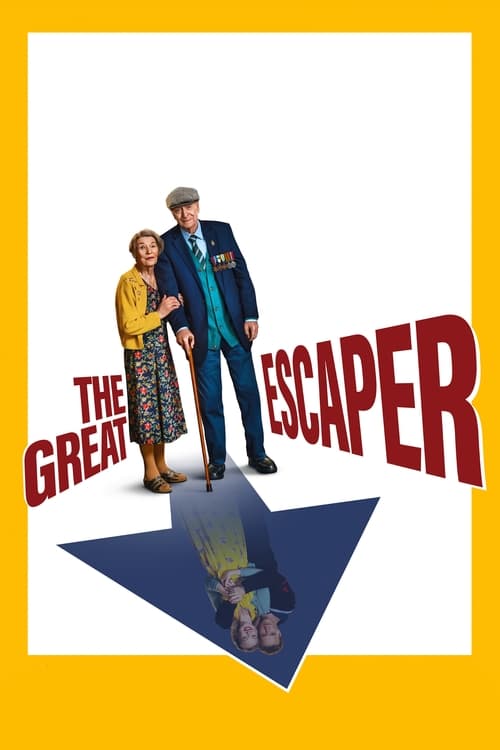
The Great Escaper
2023In the summer of 2014, a World War II veteran sneaks out of his care home to attend the 70th anniversary commemoration of the D-Day landings in Normandy.
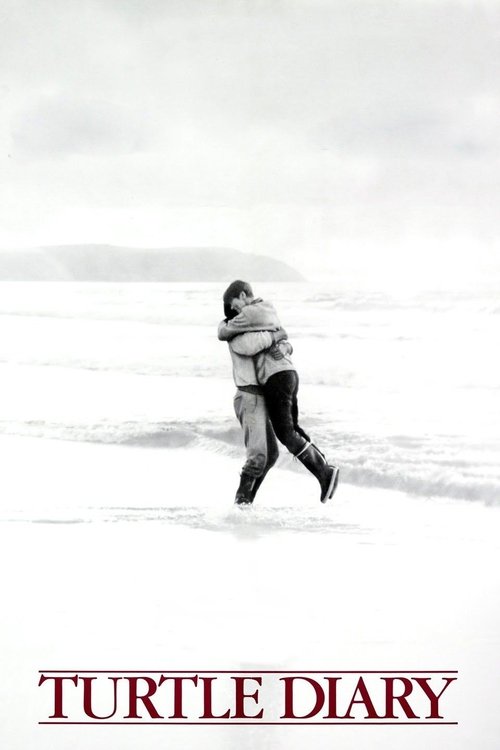
Turtle Diary
1985Two separate people, a man and a woman, find something very stirring about the sea turtles in their tank at the London Zoo. They meet and form an odd, but sympathetic camaraderie as they plan to steal two of the turtles and free them into the ocean.
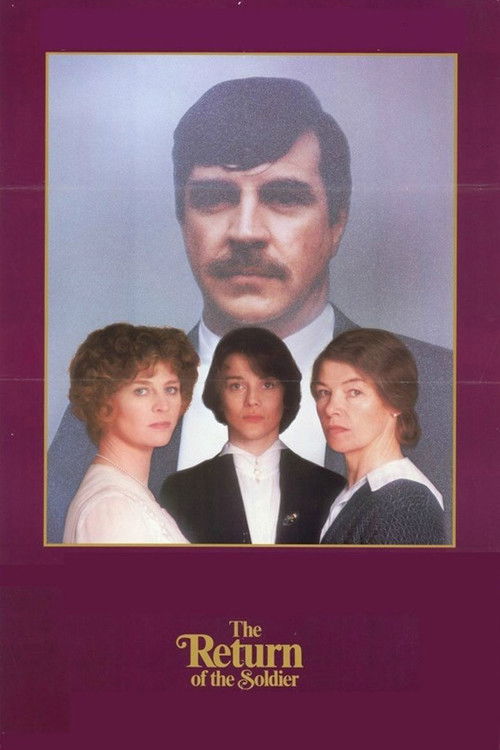
The Return of the Soldier
1983The horrors of World War I have robbed returning veteran Chris Baldry of his memory. The traumatized soldier doesn't even recognize his own wife, Kitty, or remember their years together. While Baldry attempts to cope with the unfamiliar surroundings of his own home, he seeks out the company of an old flame from his childhood, Margaret Grey. His amnesia also makes him a ready target for the affections of his older cousin, Jenny.
Jackson provides a sturdy emotional foundation in this meditation on memory and trauma, playing the steadfast wife with a heartbreaking sense of duty. Even in a more reactive role, her presence remains magnetically sharp, illustrating the grace she brought to the twilight of her initial acting tenure.
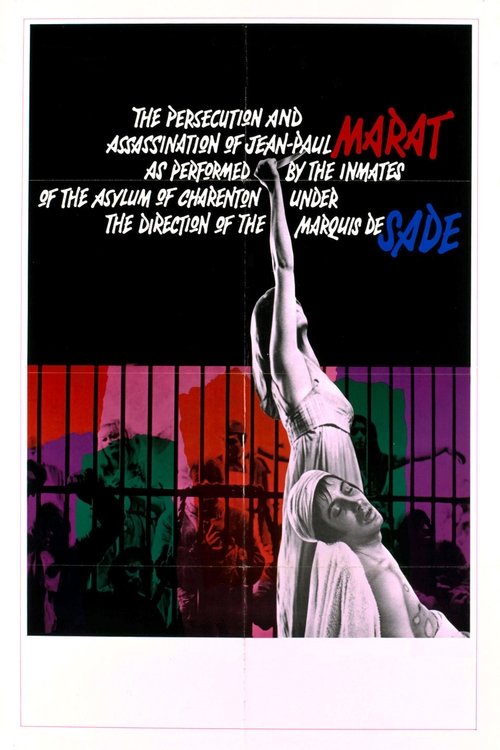
Marat/Sade
1967In Charenton Asylum, the Marquis de Sade directs a play about Jean Paul Marat's death, using the patients as actors. Based on 'The Persecution and Assassination of Jean-Paul Marat as Performed by the Inmates of the Asylum of Charenton Under the Direction of the Marquis de Sade', a 1963 play by Peter Weiss.
In this avant-garde explosion, Jackson’s Charlotte Corday is a haunting exercise in theatrical alienation and physical repetition. This early role captured the raw, stage-honed intensity that would soon make her an international cinematic icon during the New Hollywood revolution.
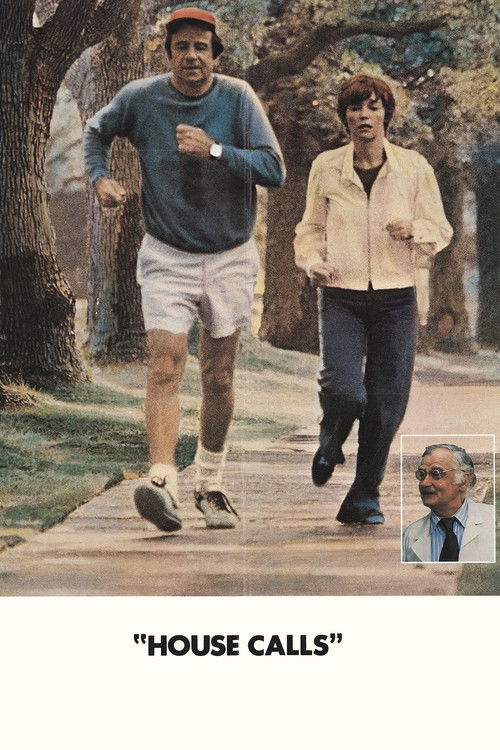
House Calls
1978Charley is a surgeon who's recently lost his wife; he embarks on a tragicomic romantic quest with one woman after another until he meets up with Ann, a singular woman, closer to his own age, who immediately and unexpectedly captures his heart.
Reuniting with Matthau, Jackson demonstrates a rare gift for the screwball rhythm of the 1970s health care satire. She manages to be both the film's moral compass and its sharpest tongue, proving that her intellectual ferocity was a perfect fit for the era’s cynicism.
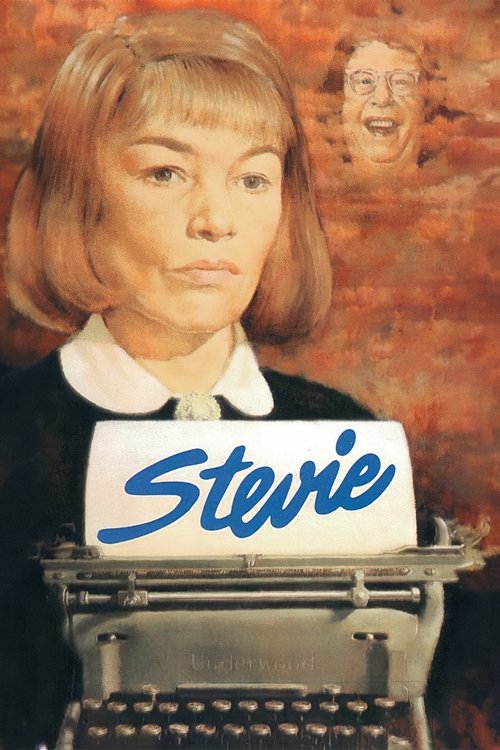
Stevie
1978For a poet with a gift for crafting words into barbs, Stevie Smith lives a relatively conventional life. Sheltered in a London suburb, she spends her days engaged in tedious housework, crafting verse and conversing with her aunt. But while her body may be committed to drudgery, Stevie's mind is constantly trying to break free, which causes her to rail against religion and middle-class values, and prevents her from finding happiness with a man interested in her.
Jackson disappears into the eccentric psyche of poet Stevie Smith, utilizing her formidable vocal range to blend suburban mundanity with profound existential dread. It is a claustrophobic, brilliant character study that confirms her status as a singular force in the translation of literature to cinema.
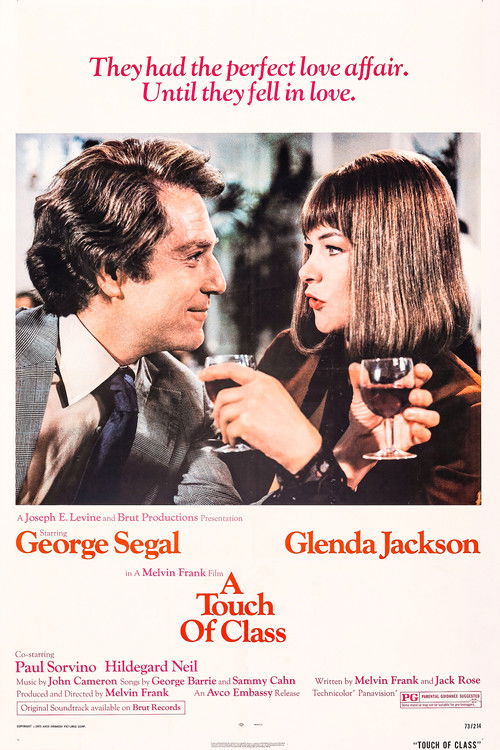
A Touch of Class
1973Steve, a happily married American man living in London meets Vicki, an English divorcée and run off to Marbella for a rollicking week of sex. They then return to London to set up a cozy menage, despite the fact that he loves his wife and children, and now realize that he and Vicki have also fallen in love.
This unexpected pivot to sophisticated comedy yielded a second Academy Award, largely due to Jackson’s ability to weaponize sarcasm while maintaining a vulnerable romantic center. She crafts a distinctively adult heroine who refuses to suffer fools, grounding the film’s slapstick elements with her characteristic gravitas.
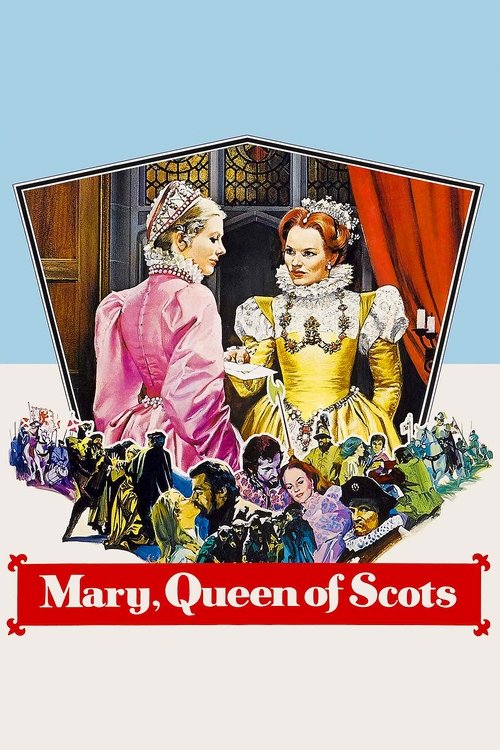
Mary, Queen of Scots
1971Mary Stuart, who was named Queen of Scotland when she was only six days old, is the last Roman Catholic ruler of Scotland. She is imprisoned at the age of 23 by her cousin Elizabeth Tudor, the English Queen and her arch adversary. Nineteen years later the life of Mary is to be ended on the scaffold and with her execution the last threat to Elizabeth's throne has been removed. The two Queens with their contrasting personalities make a dramatic counterpoint to history.
Jackson’s definitive Queen Elizabeth I is a masterclass in the architecture of power, played with a brittle brilliance that suggests the heavy cost of the crown. By inhabiting the Virgin Queen with such fierce sovereign authority, she established herself as the preeminent interpreter of English historical royalty.
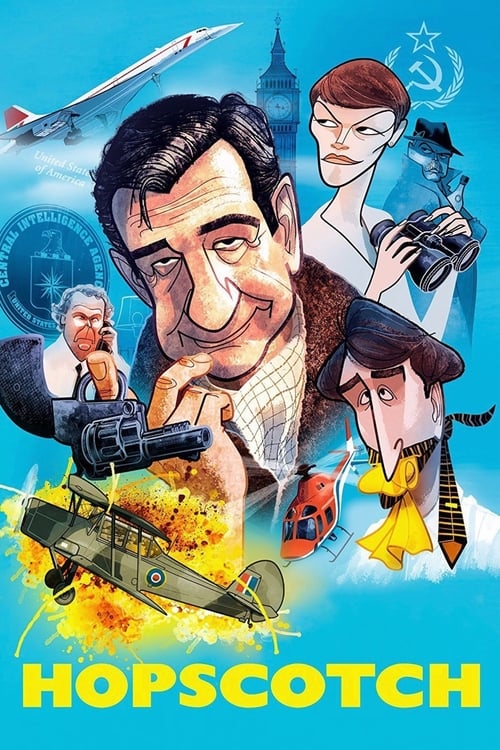
Hopscotch
1980When CIA operative Miles Kendig deliberately lets KGB agent Yaskov get away, his boss threatens to retire him. Kendig beats him to it, however, destroying his own records and traveling to Austria where he begins work on a memoir that will expose all his former agency's covert practices. The CIA catches wind of the book and sends other agents after him, initiating a frenetic game of cat and mouse that spans the globe.
Proving her agility in the realm of high-stakes capers, Jackson provides a sophisticated, flinty counterpoint to Walter Matthau’s rumpled charm. Her ability to elevate genre material through sheer wit and impeccable timing highlights a versatility often overshadowed by her more dramatic triumphs.
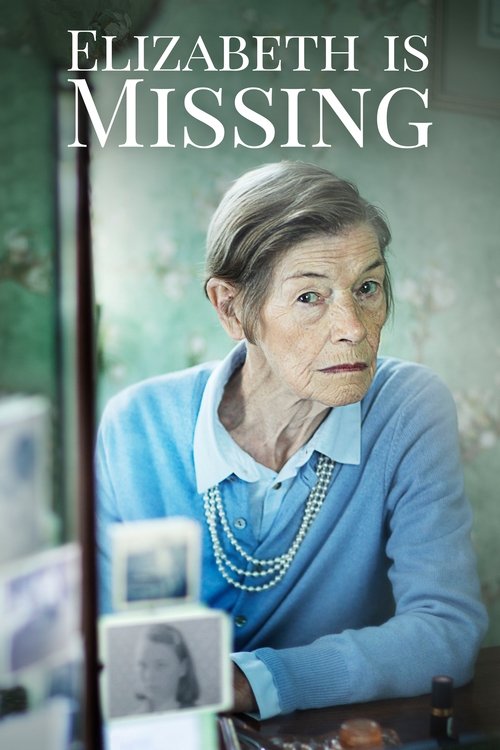
Elizabeth Is Missing
2019Maud's best friend Elizabeth has disappeared, but as she tries to solve the mystery, dementia threatens to erase all the clues, giving the search a poignant urgency.
Returning to the screen after a decades-long political career, Jackson commands every frame with a harrowing, unsentimental portrait of cognitive decline. It serves as a monumental coda to her legacy, showcasing a veteran artist who lost none of her uncompromising edge during her time away from the camera.
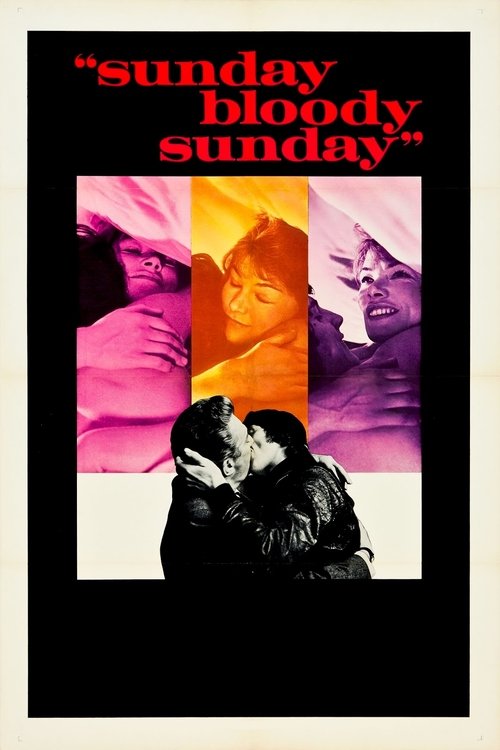
Sunday Bloody Sunday
1971Recently divorced career woman Alex Greville begins a romantic relationship with glamorous mod artist Bob Elkin, fully aware that he's also intimately involved with middle-aged doctor Daniel Hirsh. For both Alex and Daniel, the younger man represents a break with their repressive pasts, and though both know that Bob is seeing both of them, neither is willing to let go of the youth and vitality he brings to their otherwise stable lives.
In this understated masterpiece, Jackson strips away artifice to capture the quiet desperation of a woman sharing a lover with another man. Her Alex Greville is a triumph of restraint, proving she could command the screen through subtle psychological precision as effectively as through raw intensity.

Women in Love
1969Growing up in the sheltered confines of a 1920s English coal-mining community, free-spirited sisters Gudrun and Ursula explore erotic love with a wealthy playboy and a philosophical educator, with cataclysmic results for all four.
Jackson’s Gudrun Brangwen is a seismic shift in screen acting, a performance of jagged intellectualism and feral independence that secured her first Oscar. She navigates Ken Russell’s psychosexual landscape with a piercing modernism that redefined the period heroine for a liberated era.
Frequently Asked Questions
Everything you need to know about this list and SnakeDrafts
- Women in Love (1969) is widely celebrated for its intense drama and romantic exploration, showcasing Glenda Jackson's commanding performance under the direction of Ken Russell.
- 'Sunday Bloody Sunday' (1971) demonstrates Jackson's ability to portray complex emotional depth, starring in a nuanced drama about relationships and societal norms, directed by John Schlesinger.
- 'Elizabeth Is Missing' (2019) is notable for its poignant drama and mystery elements, capturing Glenda Jackson's skill in bringing emotional intensity and subtlety to a television movie format.
- Hopscotch (1980) and A Touch of Class (1973) highlight Jackson's versatility as she transitions successfully from serious drama to charming and witty performances in comedy and romantic comedy genres.
- Glenda Jackson is acclaimed for her portrayals of historical figures such as Mary, Queen of Scots in 'Mary, Queen of Scots' (1971) and her roles in historical dramas like 'The Great Escaper' (2023), demonstrating her strength in embodying complex real-life personalities.
- 'Stevie' (1978) and 'The Return of the Soldier' (1983) emphasize her intense dramatic skills, with Jackson delivering performances marked by psychological depth and emotional nuance.
- Ken Russell directed several significant films starring Glenda Jackson, including 'Women in Love' and 'The Rainbow,' where his bold, visionary style complemented Jackson's powerful screen presence and helped cement her status as a formidable actress.