The Ultimate Ranking of David Carradine Movies
The Martial Arts Icon and Master of Modern Cult Classics
Explore the legendary film career of David Carradine, from his iconic role in Kill Bill to his influential work in martial arts and independent cinema.
About David Carradine
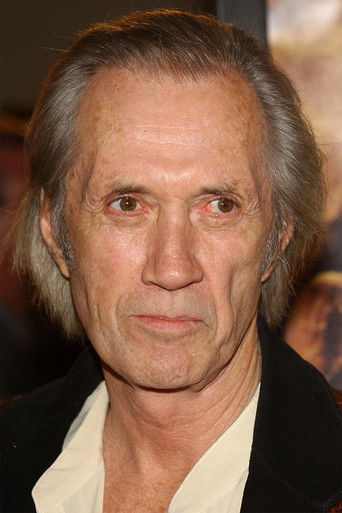
To look at the face of David Carradine was to see a map of American counterculture etched into bone and weathered skin. He possessed a stillness that felt both dangerous and divine, a quality that allowed him to transition from the soulful pacifism of a Shaolin monk to the cold-blooded mastery of an international assassin without ever raising his pulse. He was an outlaw of the industry who never quite fit into the polished machinery of the studio system, preferring instead the grit of the independent fringe and the wisdom of the martial arts philosophy he helped popularize across the West.
While his lineage suggested Hollywood royalty, Carradine chose a path defined by rebellion and physical discipline. Most audiences first found their way to him through the dusty, meditative aura of the television pilot Kung Fu: The Way of the Tiger, the Sign of the Dragon. He turned the character of Kwai Chang Caine into a cultural icon, embodying a quiet strength that offered a revolutionary alternative to the chest-thumping action heroes of the seventies. It was here that he mastered the art of doing more with a glance than most actors could manage with a monologue. This economy of motion served him well when he stepped into the leather suit of Frankenstein for the satirical carnage of Death Race 2000, or when he donned the Depression-era denim of Woody Guthrie in Bound for Glory. In the latter, he proved he could carry the weight of a national folk legend, grounding the film with a weary, melodic authenticity.
He moved through the decades with a restless energy, often gravitating toward filmmakers who shared his outsider sensibilities. He found a creative kinship with Martin Scorsese early on in Boxcar Bertha and navigated the existential noir of Robert Altman in The Long Goodbye. Whether he was playing the villainous foil to Chuck Norris in Lone Wolf McQuade or hunting ancient monsters in the cult creature-feature Q, he brought a specific, gravelly gravity to every frame. Even in genre fare like Martial Law or the vampire western Sundown: The Vampire in Retreat, he never winked at the camera. He treated every role with a somber seriousness that signaled to the audience that he was exactly where he wanted to be.
The twilight of his career provided the ultimate professional vindication when Quentin Tarantino cast him as the titular phantom in the Kill Bill saga. As Bill, he was finally given the space to be the silver-tongued philosopher-king of the underworld. His performance in Vol. 2, particularly the quiet, lethal conversation in the final act, reminded the world that his greatest weapon was always his voice. He could deliver a speech about superhero mythology or the cruelty of love with a melodic, terrifying precision. It was a role that synthesized his entire history: the martial arts expert, the western drifter, and the refined intellectual.
Audiences connected with him because he seemed to possess a secret knowledge that remained just out of reach. From the fraternal tension of The Long Riders to the claustrophobic dread of The Serpent's Egg, he projected the image of a man who had seen everything and survived most of it. He was a singular presence who bridged the gap between the old guard and the new wave, leaving behind a legacy of a wanderer who found his home in the shadows of the silver screen.

How to Rob a Bank
2007Caught in the middle of a bank robbery, a slacker and a bank employee become the ones who arbitrate the intense situation.
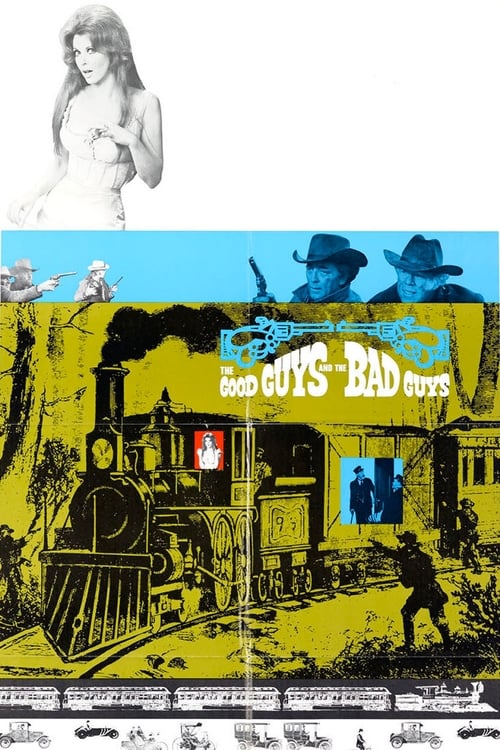
The Good Guys and the Bad Guys
1969An aging lawman and an aging outlaw join forces when their respective positions in society are usurped by a younger, but incompetent Marshal, and a younger, but vicious gang leader.
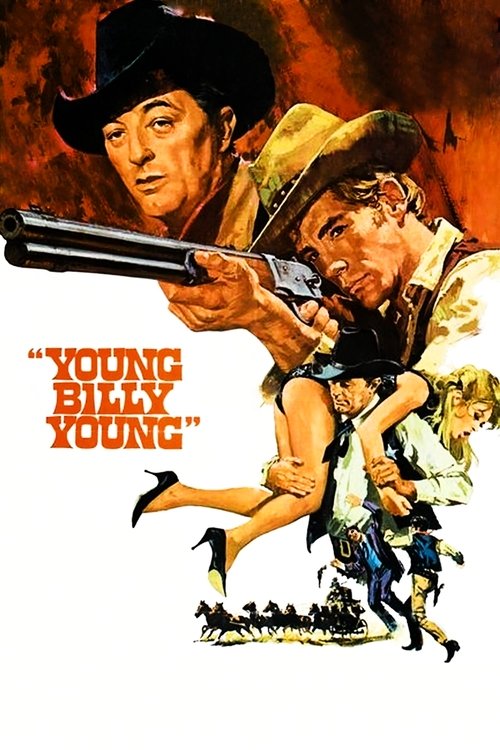
Young Billy Young
1969A peace-loving man named Ben Kane takes a job as deputy marshal of Lords, in the old West. Kane is no lawman, but he accepts the badge because he has an old score to settle with the town's chief trouble-maker. Once on the job, Kane must also deal with a young sharpshooter named Billy Young and a sharp and sassy saloon dancer, Lily.
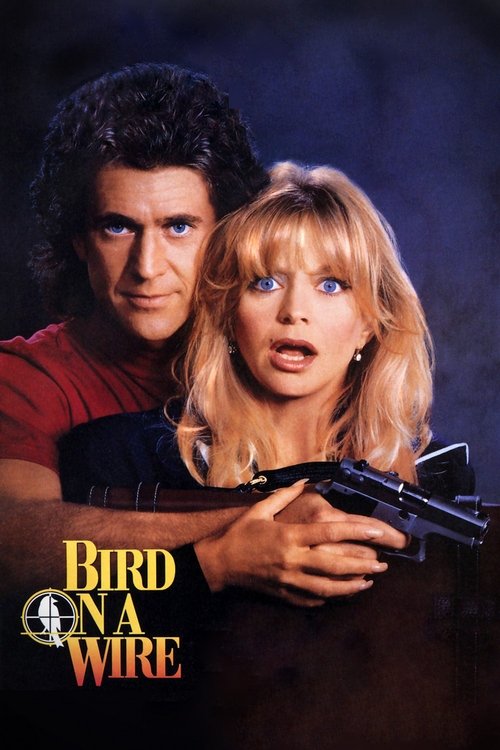
Bird on a Wire
1990An FBI informant has kept his new identity secret for 15 years. Now an old flame has recognised him, and the bad guys are back for revenge.
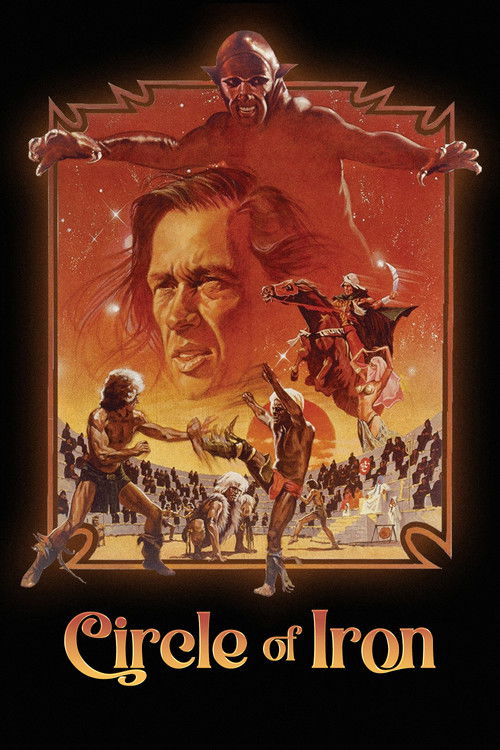
Circle of Iron
1978In a mystical desert kingdom, young martial arts fighter Cord loses a contest to determine who will journey to take the powerful Book of All Knowedge from Zetan, an evil wizard. Despite his lack of a sponsor, Cord's rule-breaking nature leads him to try retrieving the book anyway. Help is offered by a mysterious blind man who gives advice as Cord fights his way through multiple opponents, discovering more about himself as he gets closer to Zetan.
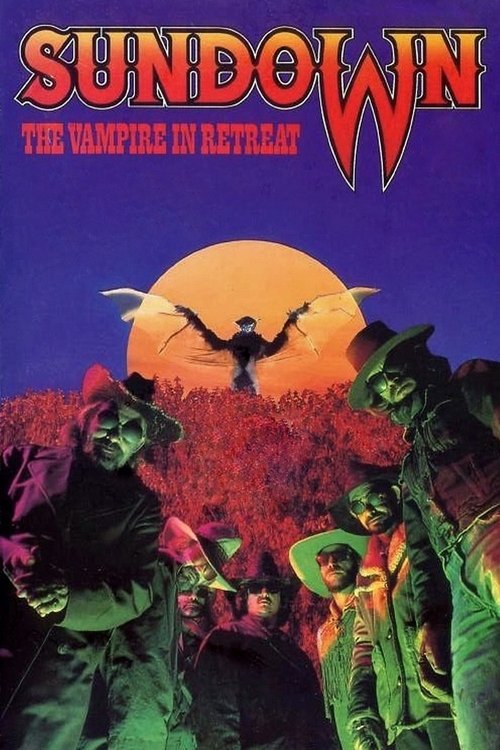
Sundown: The Vampire in Retreat
1991Reclusive vampires lounge in a lonely American town. They wear sunscreen to protect themselves. A descendant of Van Helsing arrives with hilarious consequences.
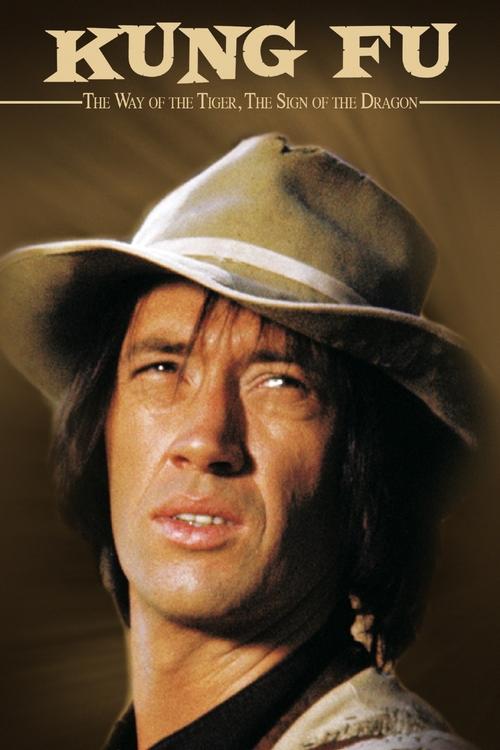
Kung Fu: The Way of the Tiger, the Sign of the Dragon
1972After avenging the death of his teacher, a Shaolin monk flees China to the American West and helps people while being pursued by bounty hunters.
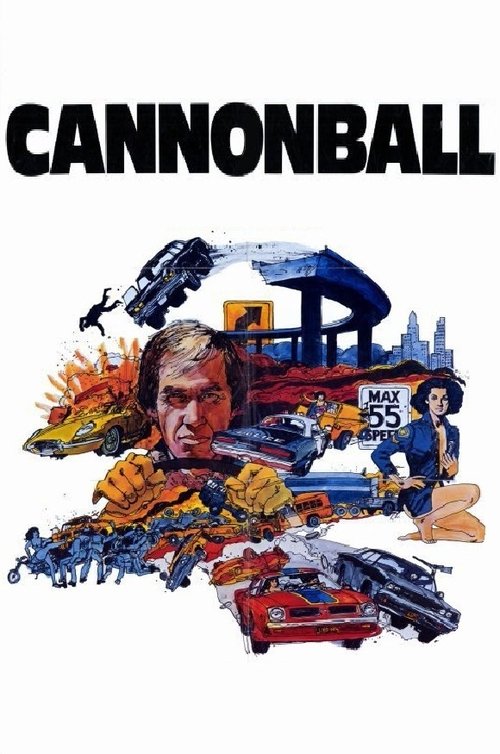
Cannonball
1976Coy "Cannonball" Buckman and his blazing red Pontiac enter the Trans-America Grand Prix, an underground road race spanning the continent in which there are no rules, no speed limits and no heed for the law. En route, Buckman jockeys with an international ensemble of racers for a $100,000 purse. But there are none more important than Cade Redman, his direct competition for a guaranteed spot on the elite Modern Motors racing team.
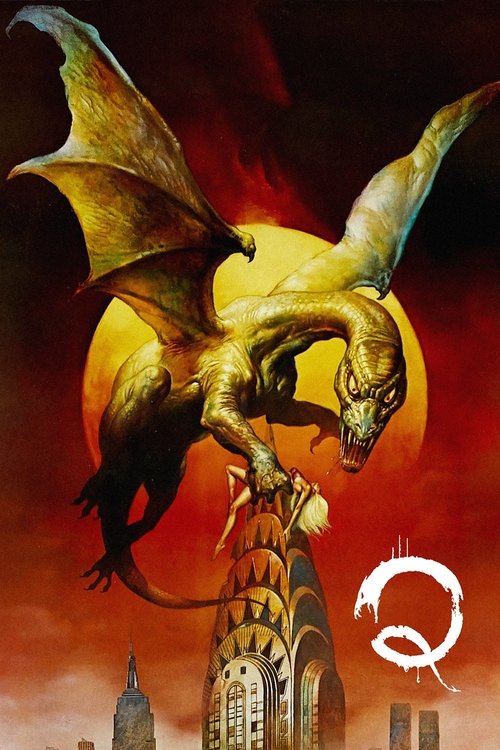
Q
1982A fleeing gangland flunky discovers the New York nest of Aztec deity Quetzalcoatl, the man-eating flying serpent.
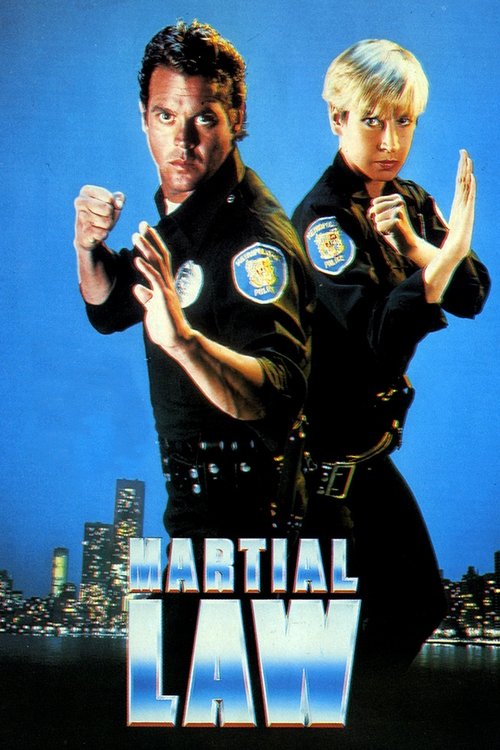
Martial Law
1990An undercover cop teams up with a martial-arts expert to stop a gang of drug smugglers and car thieves.
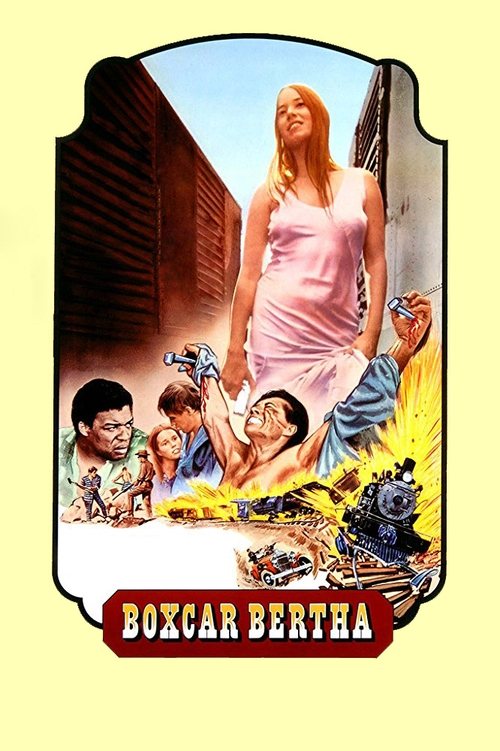
Boxcar Bertha
1972"Boxcar" Bertha Thompson, a transient woman in Arkansas during the violence-filled Depression of the early '30s, meets up with rabble-rousing union man "Big" Bill Shelly and the two team up to fight the corrupt railroad establishment.
Under Martin Scorsese’s early direction, Carradine portrays a doomed union radical with a rugged, romantic idealism. His chemistry with Barbara Hershey creates a grit-under-the-fingernails realism that serves as the heartbeat of this Depression-era exploitation drama.
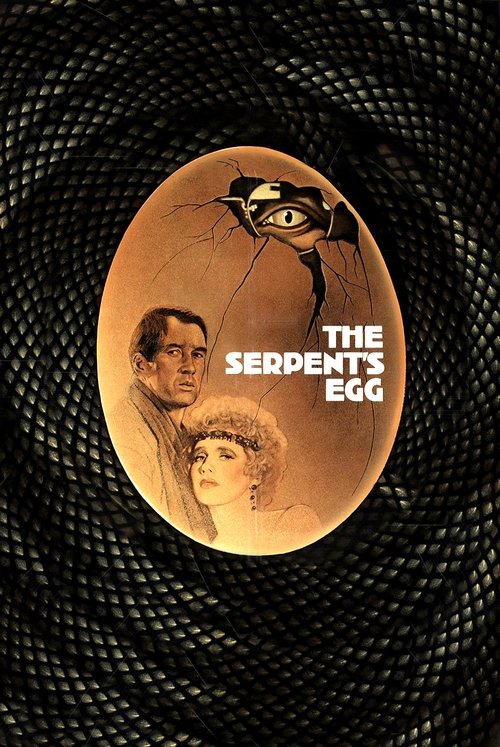
The Serpent's Egg
1977In 1923 Berlin, following the suicide of his brother, an American acrobat struggles to survive while facing unemployment, depression, alcoholism, and the social decay of Germany during the Weimar Republic.
Collaborating with Ingmar Bergman, Carradine navigates a nightmare landscape of pre-war Berlin with a sense of alienated desperation. This role challenged his usual stoicism by forcing him into a state of high-strung, expressionistic vulnerability.
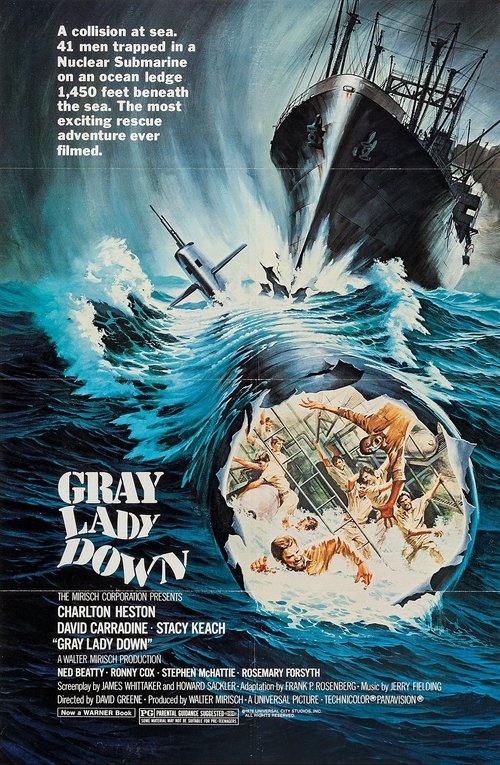
Gray Lady Down
1978The USS Neptune, a nuclear submarine, is sunk off the coast of Connecticut after a collision with a Norwegian cargo ship. The navy must attempt a potentially dangerous rescue in the hope of saving the lives of the crew.
In this claustrophobic submarine thriller, Carradine provides a necessary jolt of unorthodox energy as the maverick pilot of a rescue submersible. He eschews the typical military rigidity of the cast in favor of a quiet, technical confidence that feels uniquely modern.
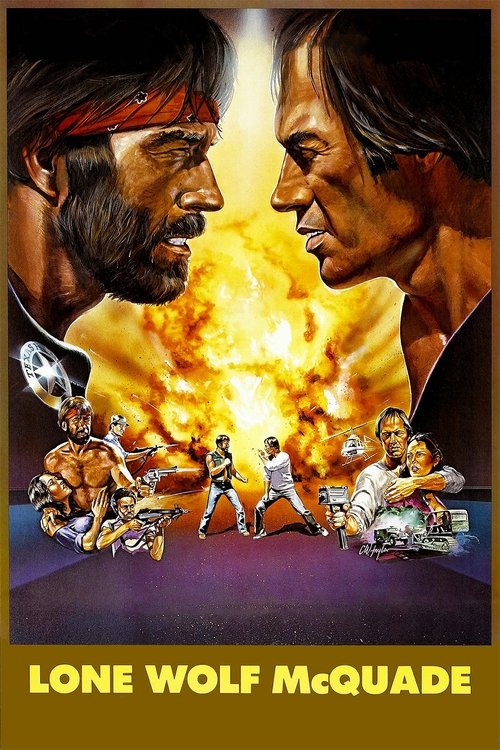
The archetypical renegade Texas Ranger wages war against a drug kingpin with automatic weapons, his wits and martial arts after a gun battle leaves his partner dead. All of this inevitably culminates in a martial arts showdown between the drug lord and the ranger, and involving the woman they both love.
Carradine serves as the perfect icy foil to Chuck Norris, bringing a refined, sinister mastery to the role of the villainous Rawley Wilkes. His feline movements and arrogant composure provide a necessary dramatic weight to this quintessential eighties action showdown.
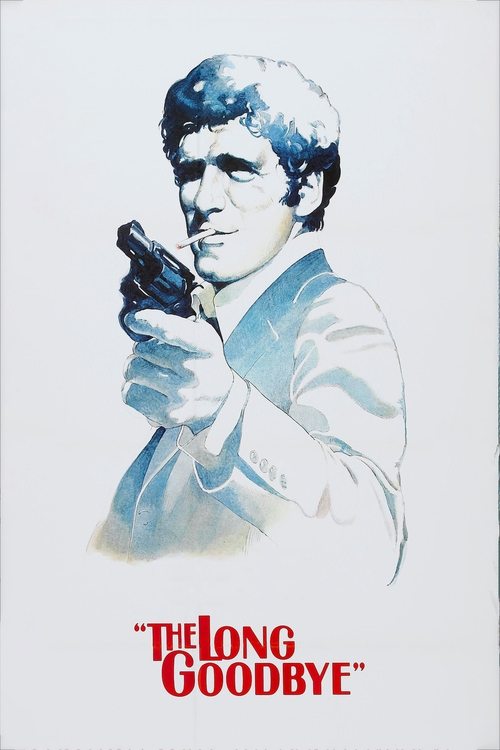
The Long Goodbye
1973In 1970s Hollywood, Detective Philip Marlowe tries to help a friend who is accused of murdering his wife.
As the brutal Dave Verrell, Carradine offers a terrifying glimpse into raw, unpredictable volatility that contrasts sharply with Elliott Gould's laid-back protagonist. It is a brief but scorching turn that highlights his ability to dominate a scene through sheer physical intimidation.
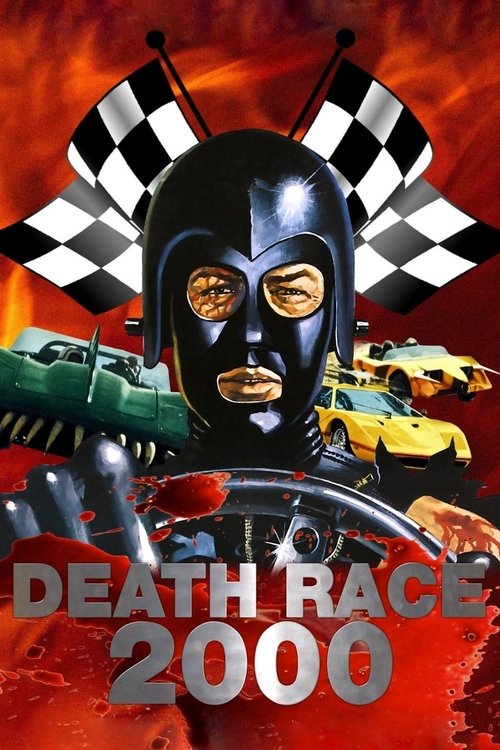
Death Race 2000
1975In a boorish future, the government sponsors a popular, but bloody, cross-country race in which points are scored by mowing down pedestrians. Five teams, each comprised of a male and female, compete using cars equipped with deadly weapons. Frankenstein, the mysterious returning champion, has become America's hero, but this time he has a passenger from the underground resistance.
Hidden behind a leather mask, Carradine relies on his intimidating posture and precise vocal delivery to create an indelible icon of dystopian camp. He manages to inject a sense of stoic rebellion into a role that could have been purely cartoonish in lesser hands.
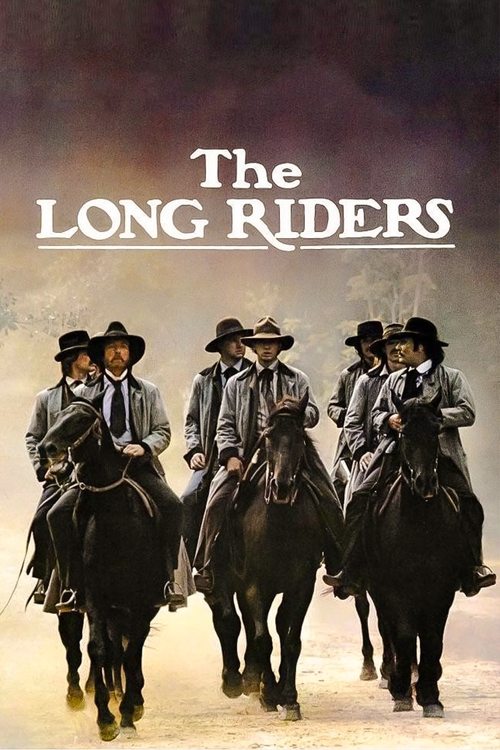
The Long Riders
1980The origins, exploits and the ultimate fate of the James gang is told in a sympathetic portrayal of the bank robbers made up of brothers who begin their legendary bank raids because of revenge.
Playing Cole Younger alongside his real-life brothers, Carradine utilizes his lanky physicality to perfectly capture the laconic fatalism of the post-Civil War outlaw. He excels within the film's unique casting gimmick by providing a weary, lived-in cynicism that feels authentically frontier-bound.
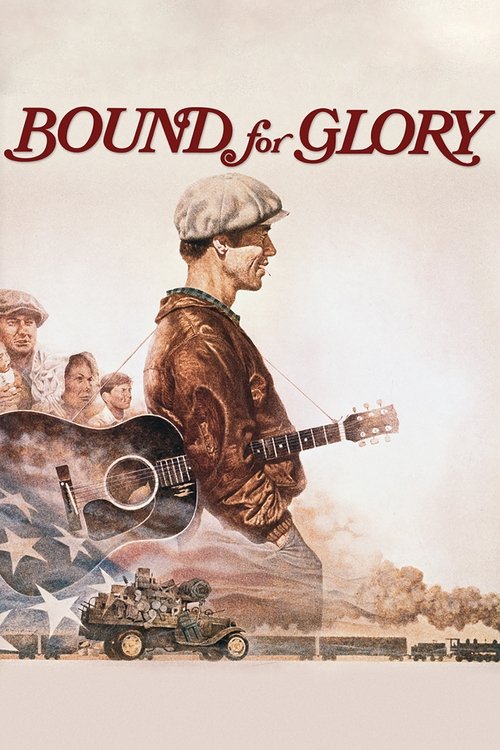
Bound for Glory
1976A biography of Woody Guthrie, one of America's greatest folk singers. He left his dust-devastated Texas home in the 1930s to find work, discovering the suffering and strength of America's working class.
Carradine sheds his martial arts baggage to inhabit Woody Guthrie with a fragile, dusty dignity that remains the most grounded work of his career. It is a soulful transformation that proved he could command a prestige biopic with understated, naturalistic grace.
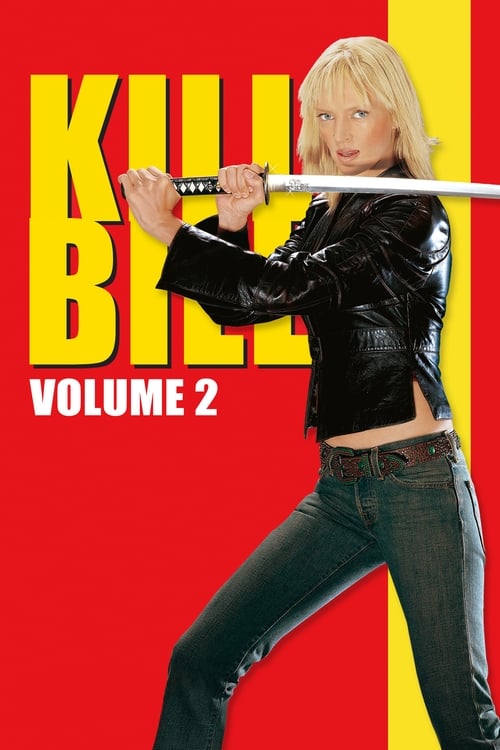
The Bride unwaveringly continues on her roaring rampage of revenge against the band of assassins who had tried to kill her and her unborn child. She visits each of her former associates one-by-one, checking off the victims on her Death List Five until there's nothing left to do … but kill Bill.
This is the definitive showcase of Carradine's philosophical stillness, trading the sword for monologues that dissect the mythology of the superhero. He elevates the titular antagonist into a tragic, weary figure of immense gravity, effectively cementing his legacy as a titan of the genre.
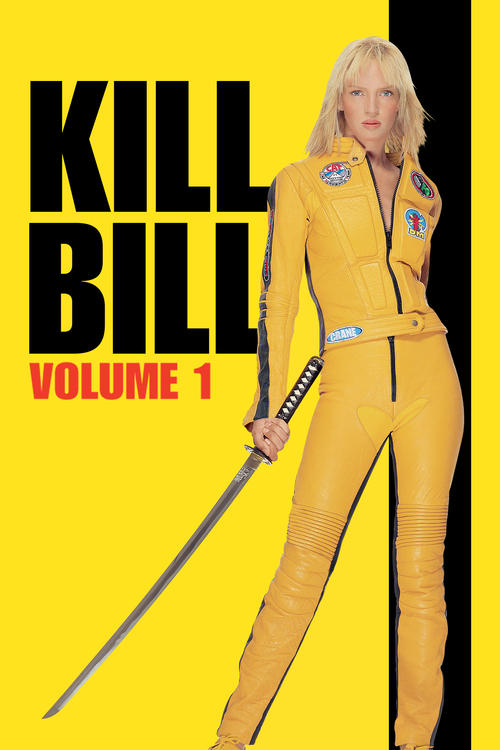
An assassin is shot by her ruthless employer, Bill, and other members of their assassination circle – but she lives to plot her vengeance.
Though he remains a disembodied voice for much of the runtime, Carradine haunts the frame with a paternalistic menace that redefined his late-period persona. His gravelly authority provides the essential gravity needed to ground Tarantino's hyper-stylized bloodbath.
Frequently Asked Questions
Everything you need to know about this list and SnakeDrafts
- David Carradine's martial arts expertise is prominently showcased in 'Kill Bill: Vol. 1' and 'Kill Bill: Vol. 2,' where he embodies the Elder Pai Mei, a master martial artist. Additionally, his role in the TV movie 'Kung Fu: The Way of the Tiger, the Sign of the Dragon' highlights his influence in bringing martial arts to Western audiences.
- David Carradine exhibited remarkable versatility, starring in a wide range of genres from action-packed films like 'Lone Wolf McQuade' to dramatic and historical stories such as 'Bound for Glory' and 'The Long Riders.' He also ventured into science fiction and comedy with 'Death Race 2000,' and mystery in 'The Long Goodbye,' demonstrating his broad acting range.
- Carradine worked with iconic filmmakers like Quentin Tarantino in the 'Kill Bill' series, Martin Scorsese in 'Boxcar Bertha,' and Robert Altman in 'The Long Goodbye.' These collaborations highlight his appeal to critically acclaimed directors and his ability to adapt to various cinematic styles.
- David Carradine made significant contributions to cult and independent cinema with films like 'Death Race 2000' and 'Q,' which blend genres such as sci-fi, horror, and mystery. His choice of offbeat and unconventional roles often garnered a dedicated fanbase beyond mainstream audiences.
- Many of David Carradine’s films explore themes of justice, rebellion, and survival, often within action or thriller frameworks, such as in 'Lone Wolf McQuade' and 'The Serpent's Egg.' His characters frequently embody a blend of toughness and introspection, reflecting his countercultural ethos.
- 'Bound for Glory' is a notable biographical drama about folk singer Woody Guthrie, featuring Carradine in a supporting role. 'The Long Riders' incorporates historical elements depicting outlaw brothers in the American Old West, illustrating Carradine's involvement in historically themed stories.
- Yes, besides feature films, David Carradine appeared in television movies such as 'Kung Fu: The Way of the Tiger, the Sign of the Dragon,' where his martial arts prowess was a central element. This expanded his reach beyond theatrical releases into TV audiences.