Anthony Hopkins's Best Movies
The Definitive Filmography of a Screen Legend
Explore the finest performances of Anthony Hopkins, from his Oscar-winning role as Hannibal Lecter to heartfelt dramas and modern blockbusters.
About Anthony Hopkins
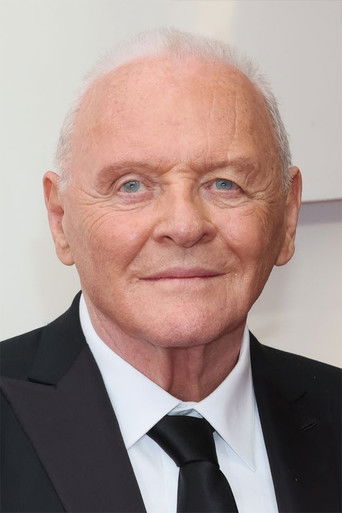
To watch Anthony Hopkins on screen is to witness the terrifying precision of a master watchmaker who occasionally decides to smash the glass. At eighty-six, he remains the undisputed heavyweight champion of the internal monologue, an actor who can convey more with a twitch of his eyelid than most performers can with a Shakespearean soliloquy. He possesses a rare, predatory stillness that first froze the collective blood of global audiences in The Silence of the Lambs. As Hannibal Lecter, he didn't just play a villain; he created a cultural phantom, proving that a mere sixteen minutes of screen time could anchor a legacy for decades.
Yet to pigeonhole him as a purveyor of high-end menace is to miss the profound vulnerability that defines his best work. The grace of his career lies in its incredible elasticity. He is just as comfortable playing the repressed, heartbreak-adjacent butler in The Remains of the Day or the stiff-collared Edwardian businessman in Howards End as he is wielding a golden staff as Odin in the Thor franchise. He excels at playing men of immense gravity who are slowly being eroded by time or their own choices. You see this vividly in the weary nobility of his Richard the Lionheart in The Lion in Winter, a performance that launched him into the stratosphere alongside Peter O'Toole, and again in his haunting, Oscar-winning turn in The Father. In that film, he dismantled the ego altogether, portraying the agonizing fog of dementia with a raw honesty that felt less like acting and more like a spiritual confession.
Audiences connect with him because he refuses to hide behind the artifice of celebrity. Whether he is capturing the neurotic paranoia of a disgraced president in Nixon or the quiet, saintly heroism of Nicholas Winton in One Life, there is a palpable sense of a man wrestling with his own soul. He finds the human pulse in every titan he portrays. Even in a sprawling epic like Legends of the Fall or the courtroom drama of Amistad, he brings a grounded, earthy weight that stops the spectacle from becoming hollow. He has a gift for making the intellectual feel visceral, turning a theological debate in The Two Popes into a riveting duel of wits.
Away from the heavy shadows of his dramatic work, there is a whimsical, almost mischievous streak that has endeared him to a new generation. He seems to genuinely delight in the absurdity of his own talent, whether he is playing a motorcycle-obsessed eccentric in The World's Fastest Indian or dancing casually on social media. This lack of preciousness is what makes his longevity so remarkable. He never became a museum piece. Instead, he remains a vital, unpredictable force, an artist who understands that the most powerful thing an actor can do is simply stand still and let the audience watch him think. He is the last of the titans, a man who transformed the craft of acting into a study of the human condition, one unwavering gaze at a time.
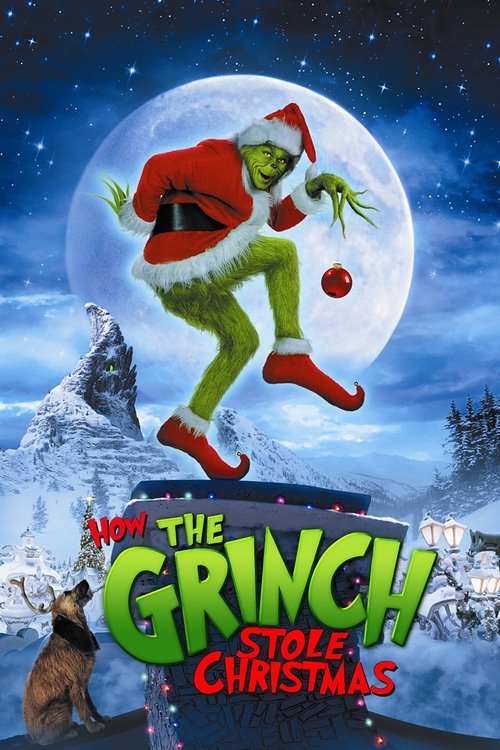
How the Grinch Stole Christmas
2000The Grinch decides to rob Whoville of Christmas - but a dash of kindness from little Cindy Lou Who and her family may be enough to melt his heart...
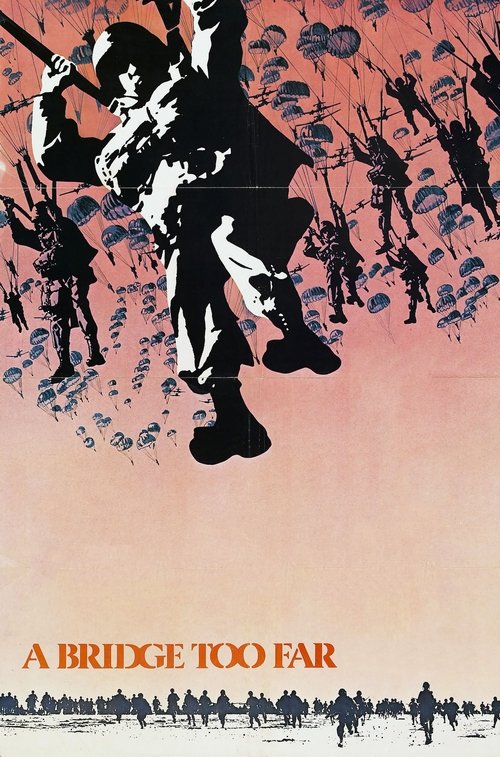
A Bridge Too Far
1977The story of Operation Market Garden—a failed attempt by the allies in the latter stages of WWII to end the war quickly by securing three bridges in Holland allowing access over the Rhine into Germany. A combination of poor allied intelligence and the presence of two crack German panzer divisions meant that the final part of this operation (the bridge in Arnhem over the Rhine) was doomed to failure.
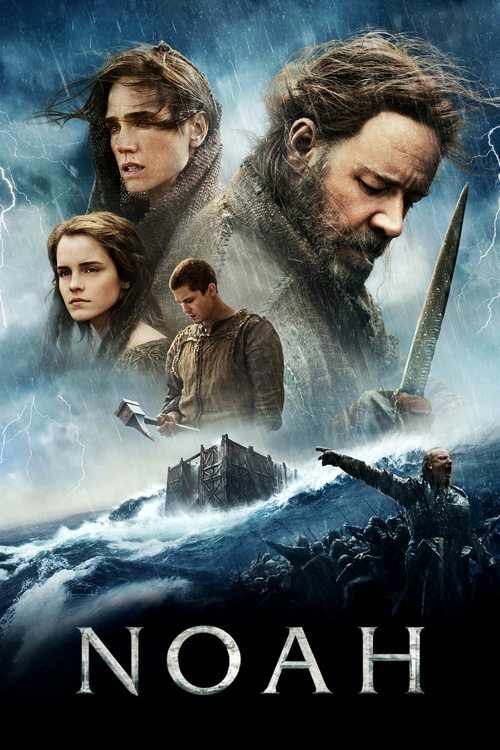
Noah
2014A man who suffers visions of an apocalyptic deluge takes measures to protect his family from the coming flood.
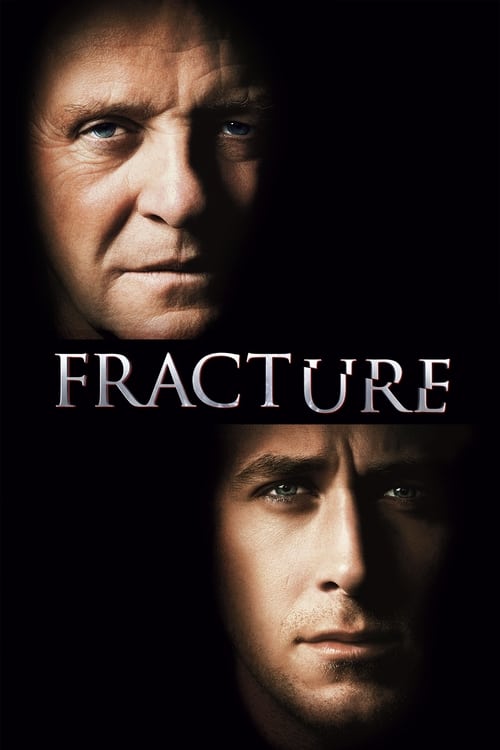
Fracture
2007A husband is on trial for the attempted murder of his wife, in what is seemingly an open/shut case for the ambitious district attorney trying to put him away. However, there are surprises for both around every corner, and, as a suspenseful game of cat-and-mouse is played out, each must manipulate and outwit the other.
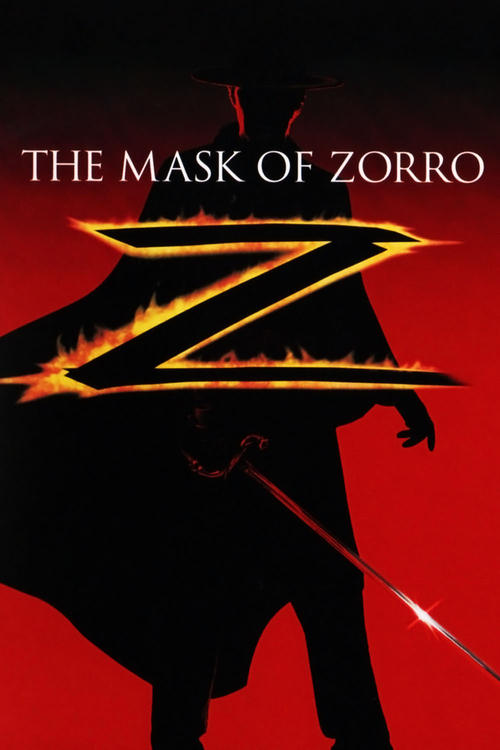
It has been twenty years since Don Diego de la Vega fought Spanish oppression in Alta California as the legendary romantic hero, Zorro. Having escaped from prison he transforms troubled bandit Alejandro into his successor, in order to foil the plans of the tyrannical Don Rafael Montero who robbed him of his freedom, his wife and his precious daughter.
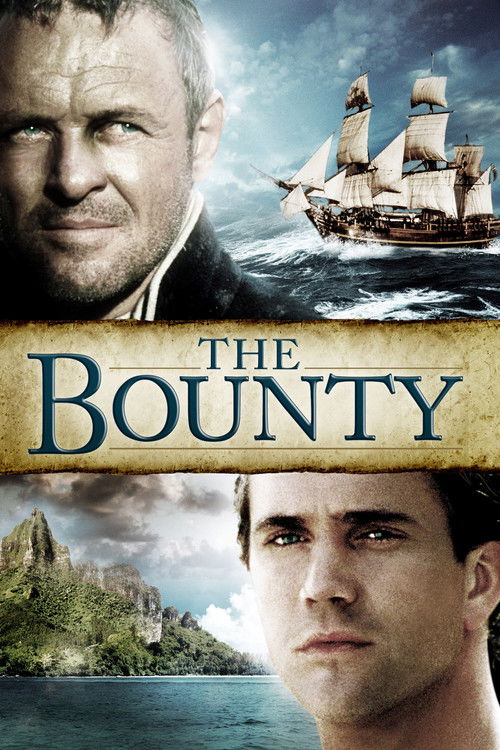
The Bounty
1984An idyllic voyage to Tahiti in 1789 turns a crew aboard the H.M.S. Bounty against its captain when they find a tropical paradise.
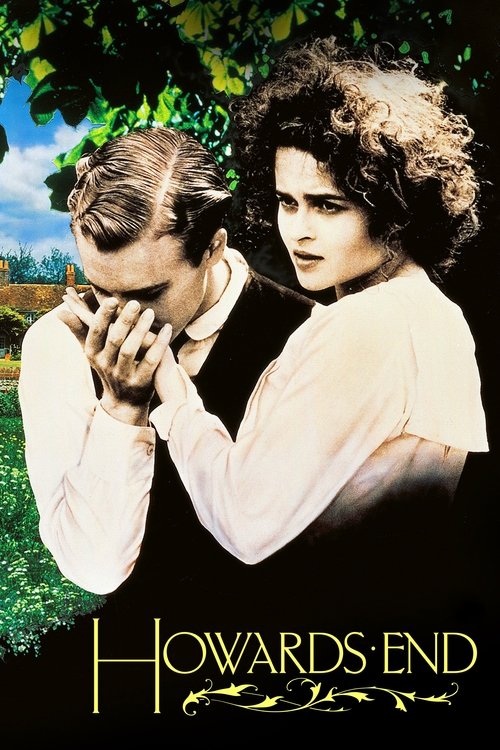
Howards End
1992A saga of class relations and changing times in an Edwardian England on the brink of modernity, the film centers on liberal Margaret Schlegel, who, along with her sister Helen, becomes involved with two couples: wealthy, conservative industrialist Henry Wilcox and his wife Ruth, and the downwardly mobile working-class Leonard Bast and his mistress Jackie.
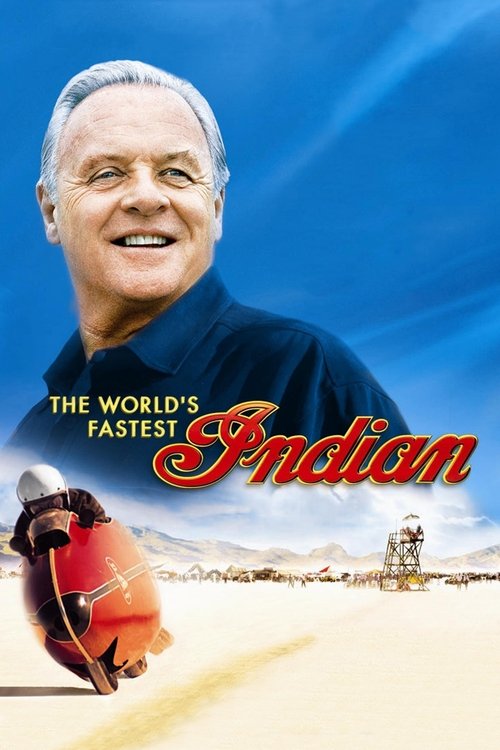
The World's Fastest Indian
2005The life story of New Zealander Burt Munro, who spent years building a 1920 Indian motorcycle—a bike which helped him set the land-speed world record at Utah's Bonneville Salt Flats in 1967.
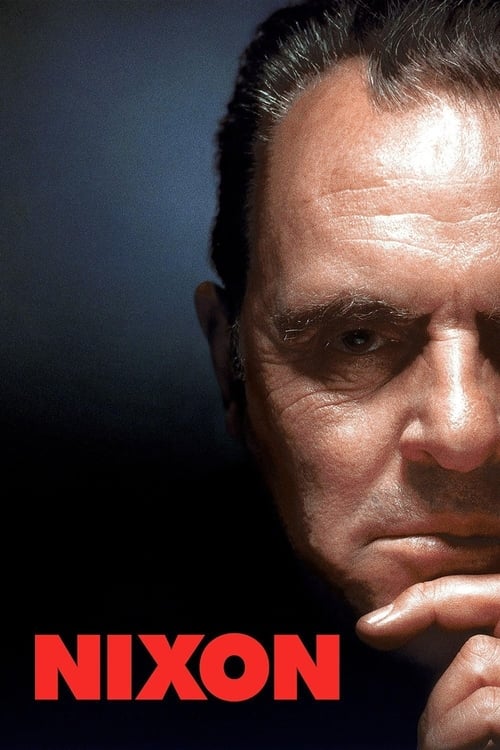
Nixon
1995A look at President Richard M. Nixon—a man carrying the fate of the world on his shoulders while battling the self-destructive demands from within—spanning his troubled boyhood in California to the shocking Watergate scandal that would end his Presidency.
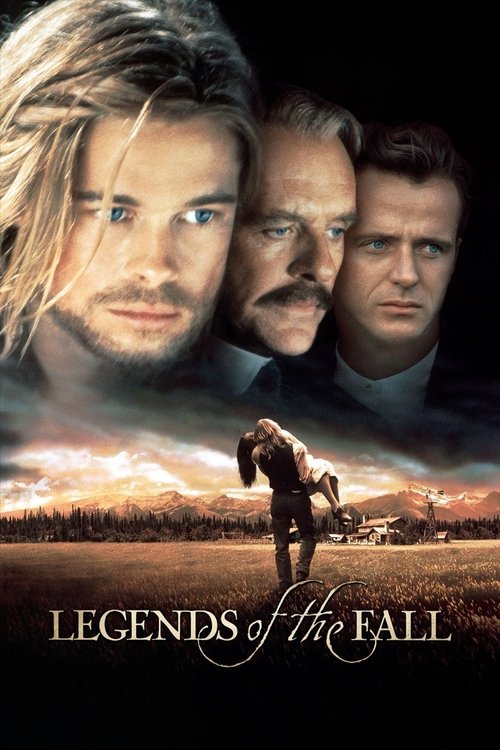
In early 20th-century Montana, Col. William Ludlow lives on a ranch in the wilderness with his sons, Alfred, Tristan, and Samuel. Eventually, the unconventional but close-knit family are bound by loyalty, tested by war, and torn apart by love, as told over the course of several decades in this epic saga.
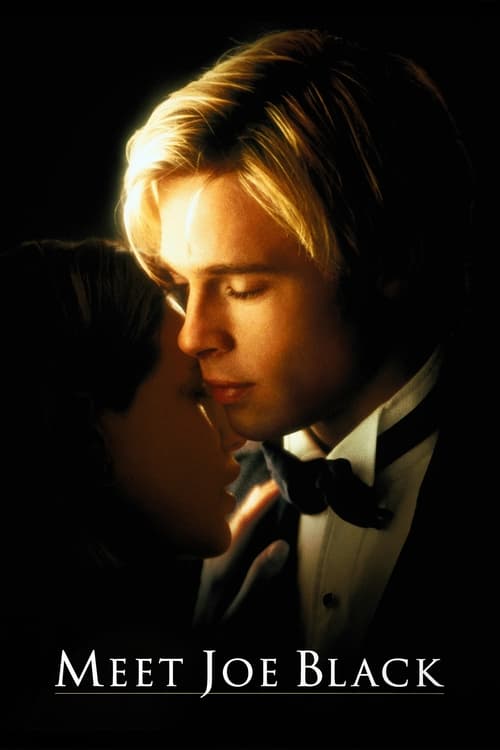
Meet Joe Black
1998Bill Parrish has it all - success, wealth and power. Days before his 65th birthday, he receives a visit from a mysterious stranger, Joe Black, who soon reveals himself as Death. In exchange for extra time, Bill agrees to serve as Joe's earthly guide. But will he regret his choice when Joe unexpectedly falls in love with Bill's beautiful daughter Susan?
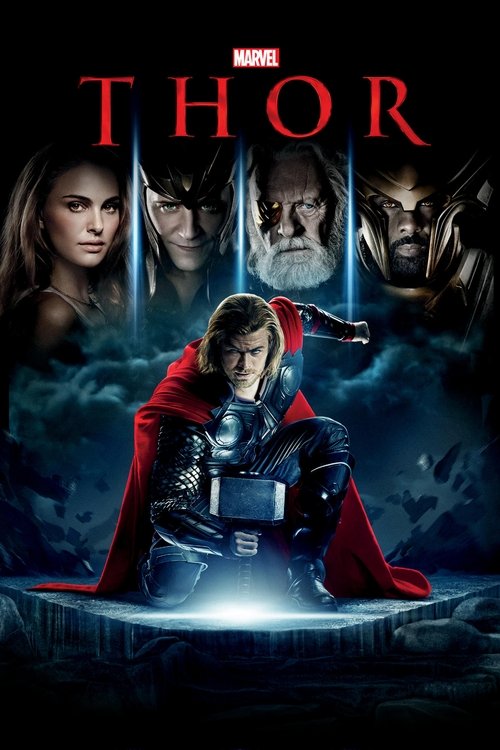
Thor
2011Against his father Odin's will, The Mighty Thor - a powerful but arrogant warrior god - recklessly reignites an ancient war. Thor is cast down to Earth and forced to live among humans as punishment. Once here, Thor learns what it takes to be a true hero when the most dangerous villain of his world sends the darkest forces of Asgard to invade Earth.
Under Kenneth Branagh's direction, Hopkins treats the Asgardian patriarch with the Shakespearian weight the role demands. He establishes the foundational stakes of the franchise through sheer presence and a thunderous vocal authority.
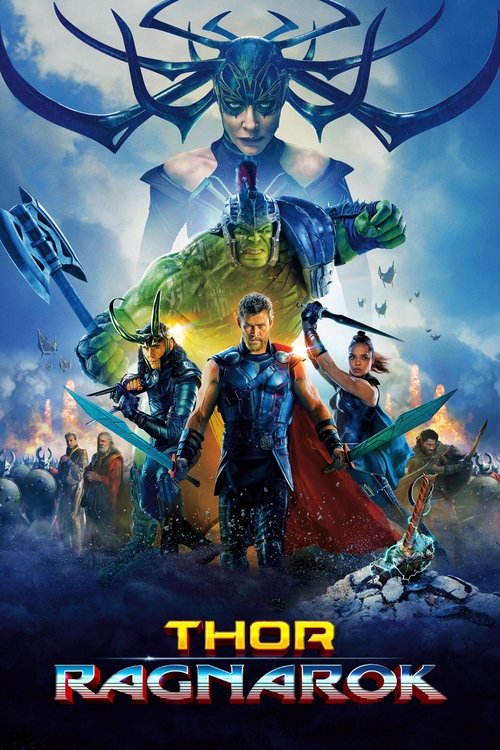
Thor: Ragnarok
2017Thor is imprisoned on the other side of the universe and finds himself in a race against time to get back to Asgard to stop Ragnarok, the destruction of his home-world and the end of Asgardian civilization, at the hands of a powerful new threat, the ruthless Hela.
By leaning into the absurdity of the Marvel universe, Hopkins allows himself a playful, mischievous edge as he explores the duality of Odin and his impostor. It is a rare moment of him winking at the audience while maintaining his regal gravitas.
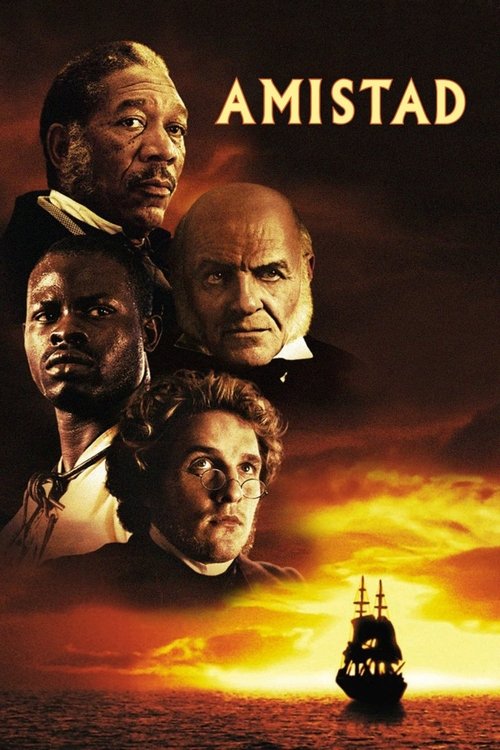
Amistad
1997In 1839, the slave ship Amistad set sail from Cuba to America. During the long trip, Cinque leads the slaves in an unprecedented uprising. They are then held prisoner in Connecticut, and their release becomes the subject of heated debate. Freed slave Theodore Joadson wants Cinque and the others exonerated and recruits property lawyer Roger Baldwin to help his case. Eventually, John Quincy Adams also becomes an ally.
Hopkins transforms into John Quincy Adams for a late film monologue that serves as the movie's moral spine. He utilizes his formidable oratory skills to turn a courtroom scene into a soaring defense of human liberty.
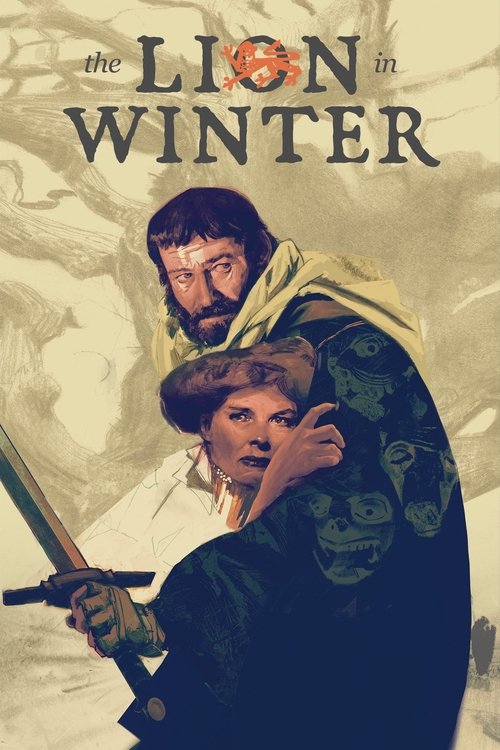
The Lion in Winter
1968Henry II and his estranged queen, Eleanor of Aquitaine, battle over the choice of an heir.
In his major film debut, Hopkins holds his own against giants like Katharine Hepburn and Peter O'Toole. He portrays a young Richard the Lionheart with a volatile energy that signaled the arrival of a significant new power in British acting.
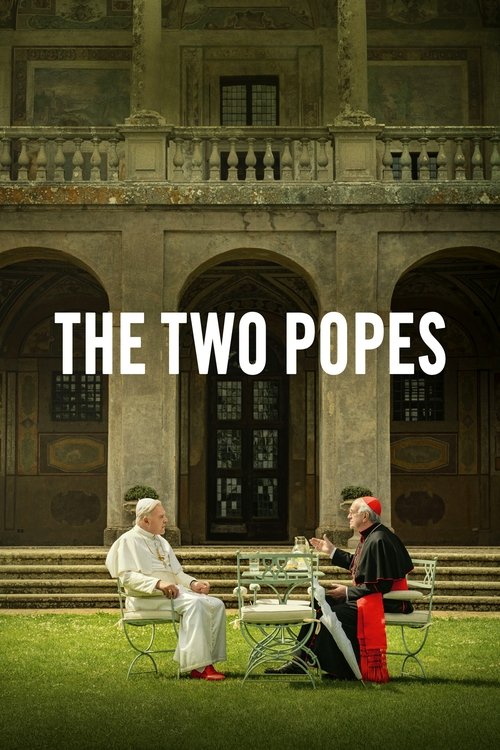
The Two Popes
2019Frustrated with the direction of the church, Cardinal Bergoglio requests permission to retire in 2012 from Pope Benedict. Instead, facing scandal and self-doubt, the introspective Pope Benedict summons his harshest critic and future successor to Rome to reveal a secret that would shake the foundations of the Catholic Church.
His portrayal of Pope Benedict XVI is a fascinating exercise in conservative rigidity clashing with modern necessity. Hopkins finds the intellectual spark and hidden humor beneath the papal vestments, turning a theological debate into a lively character study.
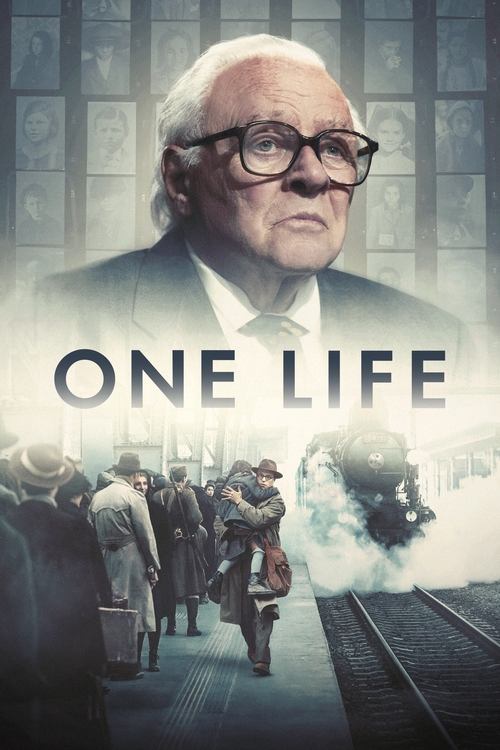
One Life
2023British stockbroker Nicholas Winton visits Czechoslovakia in the 1930s and forms plans to assist in the rescue of Jewish children before the onset of World War II, in an operation that came to be known as the Kindertransport.
Hopkins brings a gentle, unassuming dignity to the twilight years of Nicholas Winton, focusing on the lingering weight of a life defined by a single act of heroism. He avoids sentimental traps to deliver a grounded study of quiet altruism and late stage reflection.
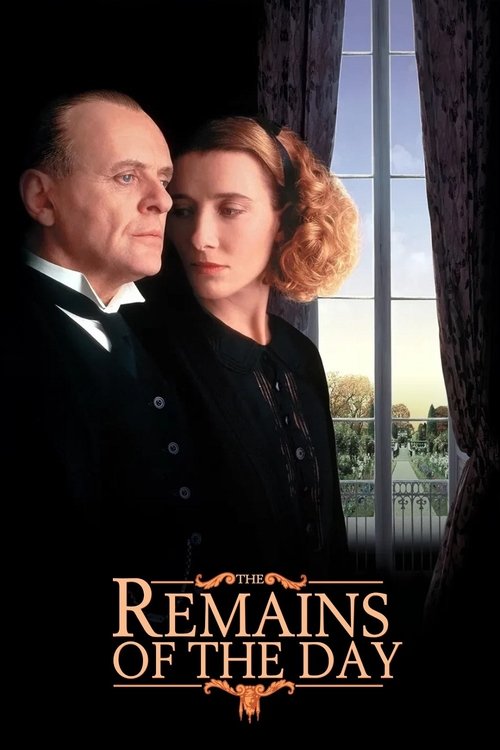
A rule-bound head butler's world of manners and decorum in the household he maintains is tested by the arrival of a housekeeper who falls in love with him in post-WWI Britain. The possibility of romance and his master's cultivation of ties with the Nazi cause challenge his carefully maintained veneer of servitude.
This is a masterclass in repression where every unspoken emotion is felt through the stiff collar of Hopkins' meticulous butler. He calculates the heavy cost of duty and missed connections with a quiet, devastating precision.
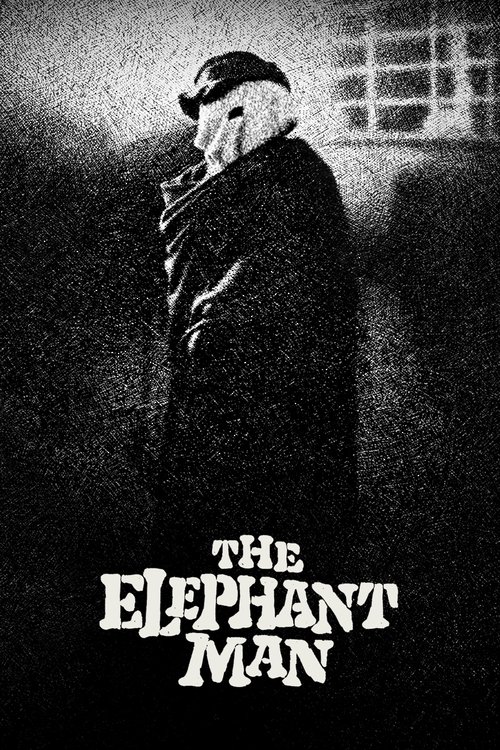
The Elephant Man
1980A Victorian surgeon rescues a heavily disfigured man being mistreated by his "owner" as a side-show freak. Behind his monstrous façade, there is revealed a person of great intelligence and sensitivity. Based on the true story of Joseph Merrick (called John Merrick in the film), a severely deformed man in 19th century London.
Playing the empathetic Frederick Treves, Hopkins provides the essential moral compass in David Lynch's monochrome masterpiece. He anchors the film with a subtle, internal struggle between scientific curiosity and basic human decency.
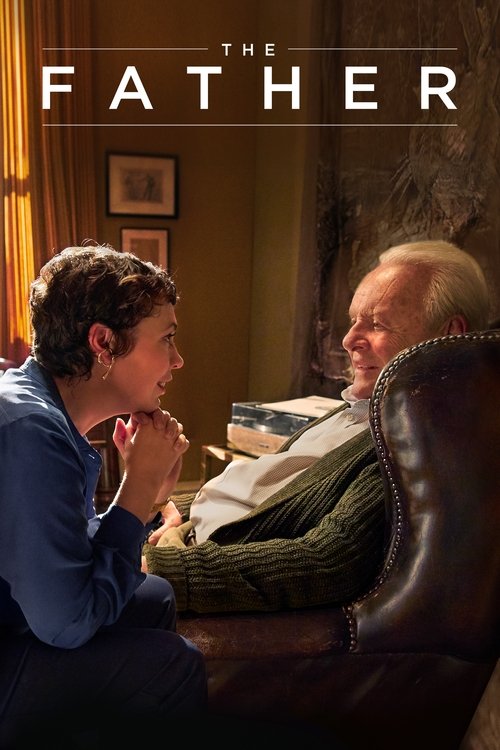
The Father
2020A man refuses all assistance from his daughter as he ages and, as he tries to make sense of his changing circumstances, he begins to doubt his loved ones, his own mind and even the fabric of his reality.
In this heartbreaking late career triumph, Hopkins navigates the fractured reality of dementia with a vulnerability that is both terrifying and profoundly human. He strips away his usual poise to reveal a raw, oscillating psyche that earned him a historic second Academy Award.
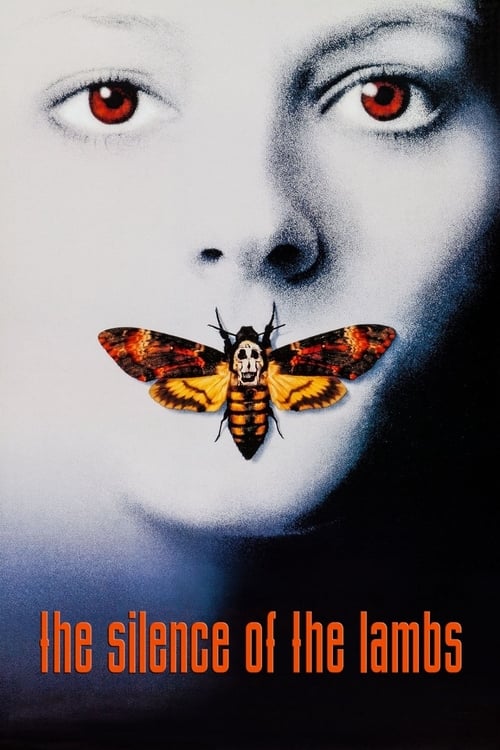
Clarice Starling is a top student at the FBI's training academy. Jack Crawford wants Clarice to interview Dr. Hannibal Lecter, a brilliant psychiatrist who is also a violent psychopath, serving life behind bars for various acts of murder and cannibalism. Crawford believes that Lecter may have insight into a case and that Starling, as an attractive young woman, may be just the bait to draw him out.
Hopkins weaponizes stillness and predatory intellect to create a cultural icon out of mere minutes of screen time. This role redefined the cinematic villain by proving that true terror lies in the eyes and the cadence of a voice rather than brute force.
Frequently Asked Questions
Everything you need to know about this list and SnakeDrafts
- In 'The Silence of the Lambs,' Anthony Hopkins delivers his most iconic performance as Hannibal Lecter, a brilliant but terrifying cannibalistic serial killer. This role won him the Academy Award for Best Actor and remains a benchmark for his career.
- 'The Father' is a poignant drama where Hopkins masterfully portrays an elderly man struggling with dementia. His performance earned critical acclaim and an Academy Award for Best Actor, showcasing his profound emotional depth.
- 'The Two Popes' features Hopkins as Pope Benedict XVI, engaging in a compelling dialogue with Pope Francis, exploring themes of faith and leadership. The film highlights Hopkins's skill in portraying complex historical personalities.
- Anthony Hopkins shows his versatility in films like 'Thor' and 'Thor: Ragnarok,' where he plays Odin in epic fantasy action settings. These roles contrast with his dramatic and historical performances, proving his wide-ranging talent.
- 'Amistad' is a notable historical drama directed by Steven Spielberg, featuring Hopkins in a pivotal role. The film explores the story of a mutiny aboard a slave ship and showcases Hopkins's ability to contribute to socially significant narratives.
- 'The Remains of the Day' is a romantic drama where Hopkins plays a devoted but emotionally restrained butler navigating loyalty and love in post-World War II England. His nuanced performance earned widespread praise for its subtlety.
- 'Nixon' features Hopkins portraying former U.S. President Richard Nixon, delivering a complex performance that explores the political and personal turmoil of the leader's life. This role underscores Hopkins's capacity for intense dramatic interpretation.