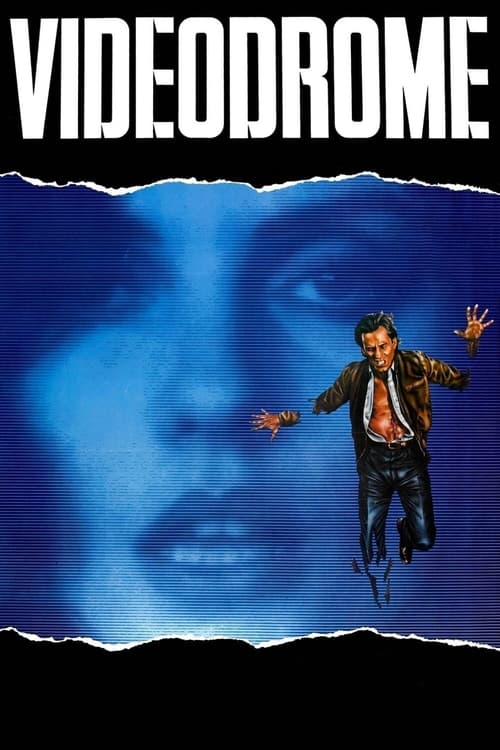
Videodrome
In David Cronenberg's chilling 1983 masterpiece "Videodrome," a seedy TV programmer stumbles upon a broadcast signal that warps reality itself, blurring the lines between media, flesh, and perception. This prescient sci-fi horror delves into the seductive and dangerous power of television, offering a visceral commentary on media consumption and its profound impact on the human psyche. Prepare for a mind-bending journey where the screen becomes a portal to a horrifying new reality.
Director
Release Year
1983
Runtime
88 minutes
Genres
Horror, Science Fiction, Mystery
Main Cast
James Woods, Debbie Harry, Sonja Smits, Peter Dvorsky, Leslie Carlson
About Videodrome
David Cronenberg's "Videodrome" arrived in 1983 as a visceral and thought-provoking exploration of media's insidious grip on society. At the height of cable television's expansion, the film dared to ask unsettling questions about the nature of reality in an increasingly mediated world. Its unique blend of body horror and psychological thriller cemented Cronenberg's reputation as a master of the macabre, influencing countless filmmakers and artists in its wake.
The film plunges viewers into the world of Max Renn, the president of a Toronto-based UHF station specializing in exploitative content. In his relentless search for the next big sensation, Max discovers "Videodrome," a mysterious broadcast depicting extreme torture and violence. Initially seeing it as a potential ratings goldmine, he soon finds himself drawn into a surreal conspiracy where the show's disturbing imagery begins to manifest in his own reality. The narrative expertly builds a sense of unease, twisting familiar perceptions and challenging the audience to distinguish between what is real and what is a technologically induced hallucination.
Upon its initial release, "Videodrome" received mixed critical reactions, with many finding its graphic content and challenging themes difficult to digest. However, over time, its critical standing has soared, earning it cult classic status and recognition as a groundbreaking work of science fiction and horror. Critics now praise its prescient vision of media saturation, technological addiction, and the blurring of authentic experience with simulated realities. Its audacious special effects, particularly the groundbreaking practical effects that depict body transformations, continue to resonate.
While not a major box office success, "Videodrome" has left an indelible mark on cinematic history. Its influence can be seen in subsequent films exploring media manipulation, virtual reality, and transhumanism. The film's arresting visual language and philosophical depth have ensured its place in academic studies of film and media, solidifying its legacy as a bold and essential piece of Canadian cinema. Its themes remain remarkably relevant in our current age of hyper-connectivity and pervasive digital media.
Drafts Featuring Videodrome
Every SnakeDrafts listicle where this movie appears
Ranking James Woods's Greatest Movies
Ranked #3
The Essential David Cronenberg Films Ranked
Ranked #2
Top Movies of 1983 Ranked
Ranked #24
The Greatest Horror Movies of 1983
Ranked #3
Best SciFi Movies of 1983, Ranked
Ranked #2
The Greatest Horror Movies Ranked
Ranked #41
Top 1980s SciFi Movies Ranked
Ranked #24
Best 1980s Horror Movies Ranked
Ranked #19
Similar Movies
Movies related to Videodrome





Frequently Asked Questions
Everything you need to know about Videodrome
- The central theme of Videodrome revolves around the intersection of technology, media, and reality. It explores how television and media consumption can distort humanity's perception of truth and identity.
- Videodrome portrays media as a powerful force that can incite and manipulate violence. The film suggests that exposure to graphic content has a profound psychological impact, blurring the line between fantasy and reality.
- The TV show 'Videodrome' functions as a catalyst for the plot, symbolizing the dark side of media consumption. It is a fictional program featuring explicit torture and punishment, pushing the boundaries of what audiences will watch.
- Max Renn's perception shifts dramatically as he uncovers the truth about Videodrome. Initially motivated by ratings and entertainment value, he becomes ensnared in a reality where hallucination and physical transformation challenge his understanding of the world.
- Technology in Videodrome is portrayed as both a tool and a weapon. It facilitates the spread of disturbing content but also acts as a means of control and mind manipulation, raising questions about the ethical implications of media technology.
- Yes, Videodrome is known for its surreal and body-horror elements, a hallmark of David Cronenberg's style. The film features disturbing imagery involving physical mutations and hallucinations that manifest from media exposure.
- Videodrome conveys a cautionary message about television's influence over public consciousness. It warns against passive consumption and highlights how media can reshape reality and identity in unsettling ways.
- The climax of Videodrome reveals the true nature of the Videodrome signal and its control over human perception. This revelation forces the protagonist to confront a new and altered reality, underpinning the film's exploration of media-induced psychosis.

