Best Robert Zemeckis Films of All Time
Ranking the Master of Technical Cinema and Visual Magic
Discover our definitive ranking of Robert Zemeckis movies, from groundbreaking sci-fi classics to Academy Award winning dramas and innovative animation.
About Robert Zemeckis

To look at the filmography of Robert Zemeckis is to witness a lifelong obsession with pushing the physical limits of the frame. He often operates as a digital pioneer disguised as a traditionalist storyteller, a man who views the movie camera as a laboratory instrument. While his peers might prioritize grit or theatricality, he has spent decades chasing the impossible image, whether that means making a cartoon rabbit share a glass of bourbon with a hard-boiled detective or erasing the seams between a fictional protagonist and historical presidents. He possesses a restless curiosity that bridges the gap between the golden age of Hollywood whimsy and the cold precision of a silicon valley laboratory.
His breakthrough work in the eighties established a template for what we now call the popcorn masterpiece. With Romancing the Stone and the Back to the Future trilogy, he redefined the adventure genre through impeccable clockwork plotting and a kinetic visual language. These films are marvels of efficiency where every camera movement serves a narrative purpose. In the time travel saga specifically, he showcased an uncanny ability to balance complex paradoxes with genuine suburban heart, proving that high concept gimmicks only work if the audience cares about the person behind the wheel of the DeLorean. He does not just use technology to show off; he uses it to expand the boundaries of the human experience.
This fascination with the marriage of man and machine turned into a revolutionary streak during the nineties. Who Framed Roger Rabbit remains a landmark of technical ingenuity, a film where the lighting and physical space feel tangible despite half the cast being ink and paint. He soon followed this with Death Becomes Her, a macabre comedy that served as a playground for early digital manipulation, before achieving his cultural zenith with Forrest Gump. In that film, his mastery of the invisible effect allowed him to rewrite history, placing a simple man in the middle of a shifting American landscape with a realism that stunned audiences. Even in the cerebral sci-fi of Contact, he used a single long, impossible shot through a mirror to signal that the real frontiers were as much psychological as they were celestial.
As his career progressed, the director leaned further into his role as a technological provocateur. He spent years exploring the uncanny valley of motion capture with A Christmas Carol, attempting to liberate the camera from the constraints of gravity. Yet, he always returns to the visceral power of the human face when the story demands it. The terrifying crash sequence in Flight or the dizzying heights of The Walk demonstrate a filmmaker who understands how to manipulate tension through pure perspective. In his more recent collaborations like Allied or the ambitious, static-frame storytelling of Here, he continues to treat the screen as an experimental canvas. He remains a rare architect of the imagination, a director who refuses to accept the world as it is when he can instead build a more spectacular version from scratch.
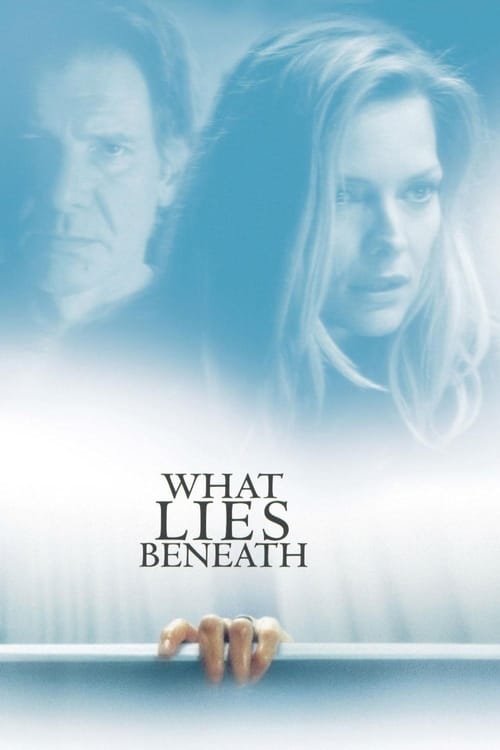
What Lies Beneath
2000Norman and Claire Spencer are a seemingly happily married couple who uncover a terrible secret… a secret so disturbing it threatens to destroy them.
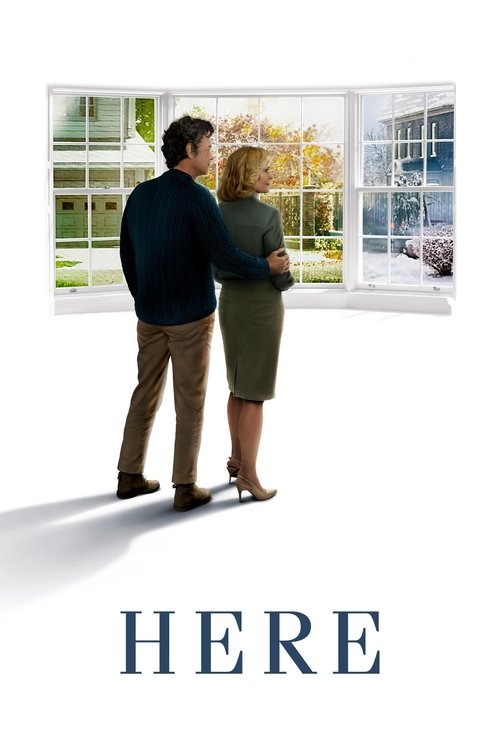
Here
2024An odyssey through time and memory, centered on a place in New Jersey where—from wilderness, and then, later, from a home—love, loss, struggle, hope and legacy play out between couples and families over generations.
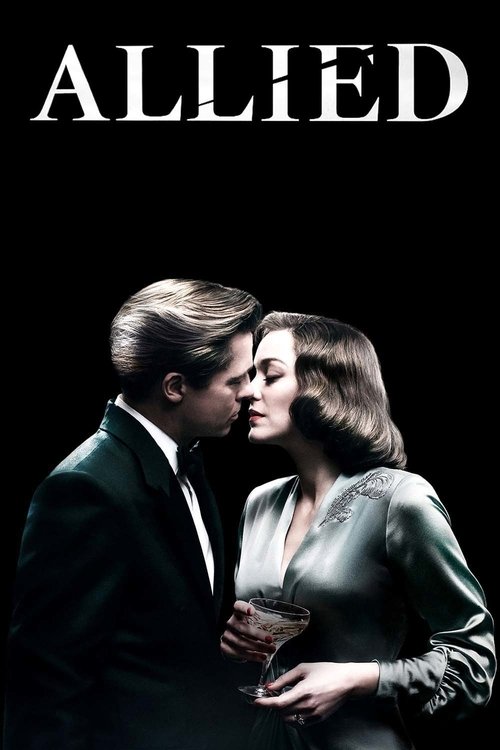
Allied
2016In 1942, an intelligence officer in North Africa encounters a female French Resistance fighter on a deadly mission behind enemy lines. When they reunite in London, their relationship is tested by the pressures of war.
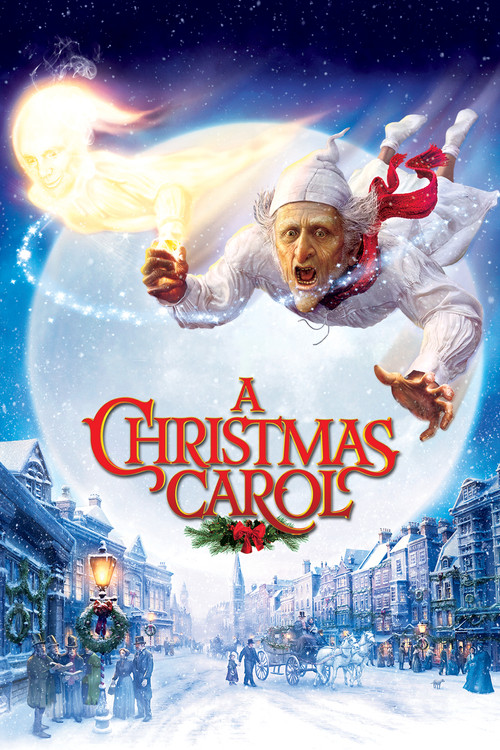
A Christmas Carol
2009Miser Ebenezer Scrooge is awakened on Christmas Eve by spirits who reveal to him his own miserable existence, what opportunities he wasted in his youth, his current cruelties, and the dire fate that awaits him if he does not change his ways. Scrooge is faced with his own story of growing bitterness and meanness, and must decide what his own future will hold: death or redemption.
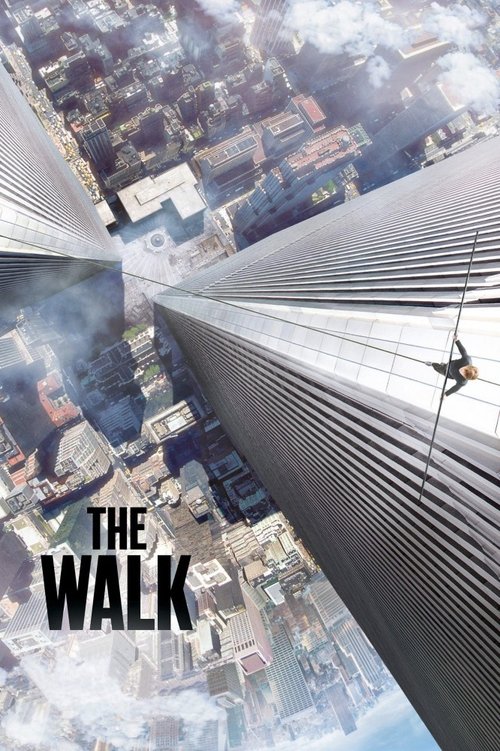
The Walk
2015The story of French high-wire artist Philippe Petit's attempt to cross the Twin Towers of the World Trade Center in 1974.
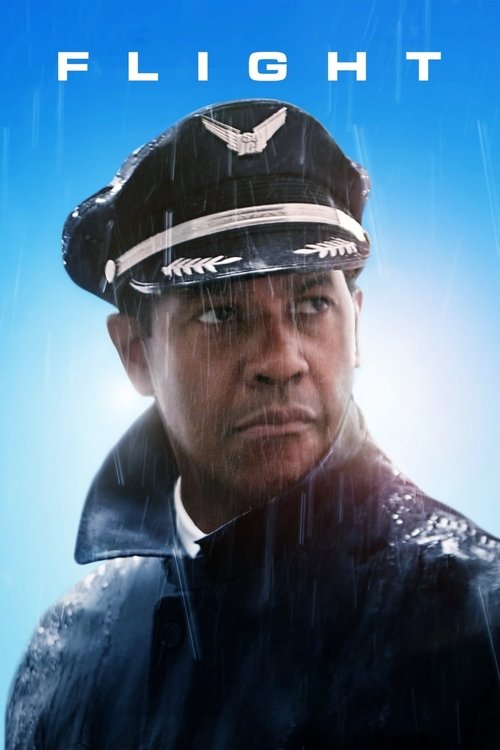
Flight
2012Commercial airline pilot Whip Whitaker has a problem with drugs and alcohol, though so far he's managed to complete his flights safely. His luck runs out when a disastrous mechanical malfunction sends his plane hurtling toward the ground. Whip pulls off a miraculous crash-landing that results in only six lives lost. Shaken to the core, Whip vows to get sober -- but when the crash investigation exposes his addiction, he finds himself in an even worse situation.
The harrowing opening sequence serves as a signature display of the director's technical mastery over suspense and spatial geometry. Beyond the spectacle, Zemeckis delivers a sobering character study that trades the fantastic for the painfully human reality of addiction.
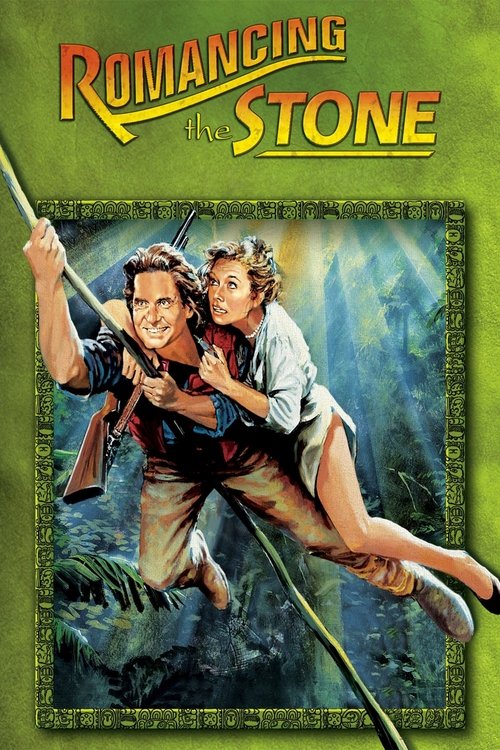
Though she can spin wild tales of passionate romance, novelist Joan Wilder has no life of her own. Then one day adventure comes her way in the form of a mysterious package. It turns out that the parcel is the ransom she'll need to free her abducted sister, so Joan flies to South America to hand it over. But she gets on the wrong bus and winds up hopelessly stranded in the jungle.
Radiating the raw energy of an emerging virtuoso, this adventure captures Zemeckis honing his instinct for airtight narrative momentum and playful genre subversion. It established his ability to balance high-stakes action with a sophisticated, screwball comedic sensibility.
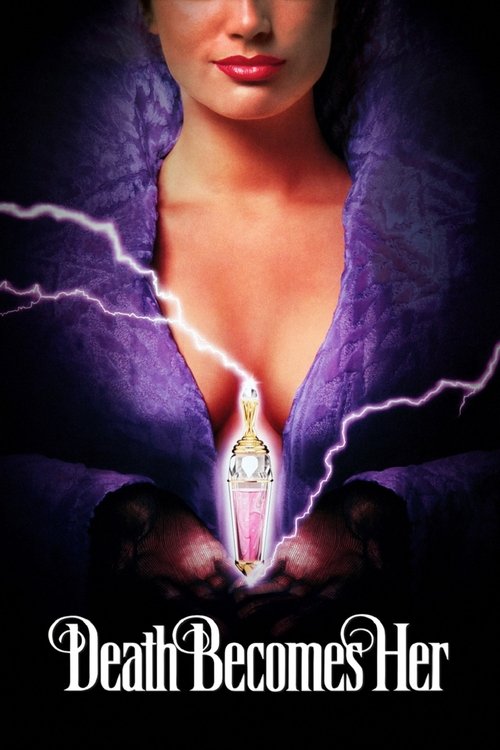
Death Becomes Her
1992Madeline is married to Ernest, who was once her arch-rival Helen's fiancé. After recovering from a mental breakdown, Helen vows to kill Madeline and steal back Ernest. Unfortunately for everyone, the introduction of a magic potion causes things to be a great deal more complicated than a mere murder plot.
This macabre satire serves as a showcase for early digital body horror, pushing grotesque visual effects to their most surrealistic limits. Zemeckis skewers the vanity of Hollywood through a darkly comedic lens that remains his most cynical and visually inventive foray into the supernatural.
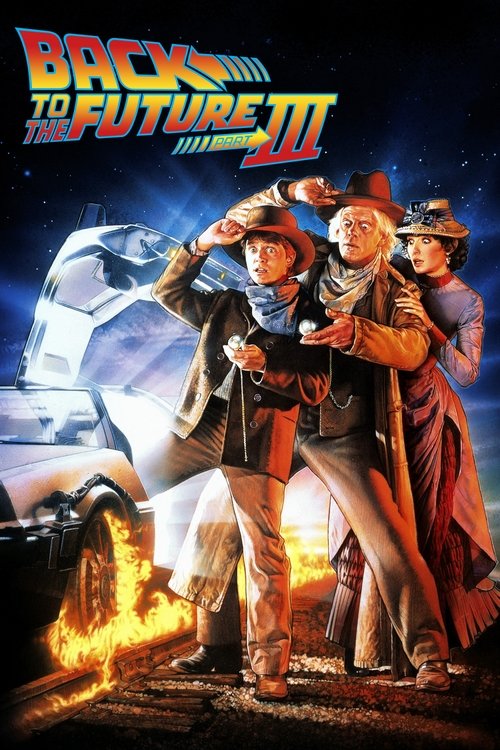
The final installment finds Marty digging the trusty DeLorean out of a mineshaft and looking for Doc in the Wild West of 1885. But when their time machine breaks down, the travelers are stranded in a land of spurs. More problems arise when Doc falls for pretty schoolteacher Clara Clayton, and Marty tangles with Buford Tannen.
Zemeckis pivots to the Western genre with a sentimental flair, trading the chaotic paradoxes of the previous installment for a classical, character-driven romance. It highlights his versatility in reimagining Golden Age tropes through a contemporary lens of mechanical ingenuity.
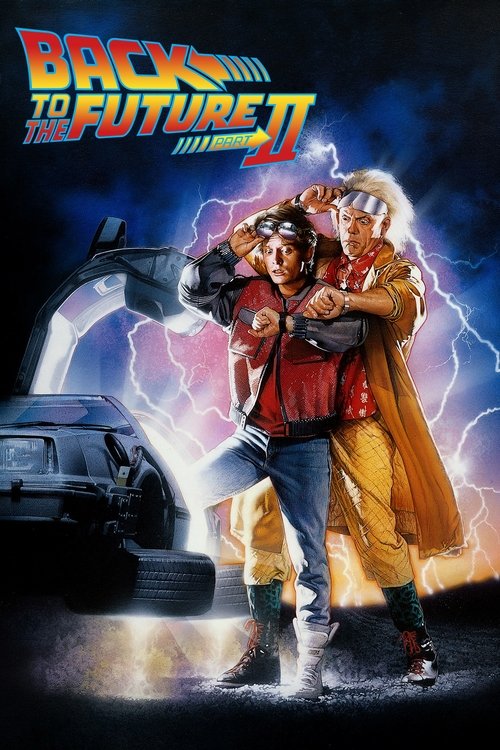
Marty and Doc are at it again as the time-traveling duo head to 2015 to nip some McFly family woes in the bud. But things go awry thanks to bully Biff Tannen and a pesky sports almanac. In a last-ditch attempt to set things straight, Marty finds himself bound for 1955 and face to face with his teenage parents -- again.
This frenetic sequel showcases the director at his most maximalist, layering complex visual planes and dizzying temporal loops. It stands as a daring experiment in self-reflexive storytelling that deconstructs the original film while pushing optical effects into a neon-soaked future.
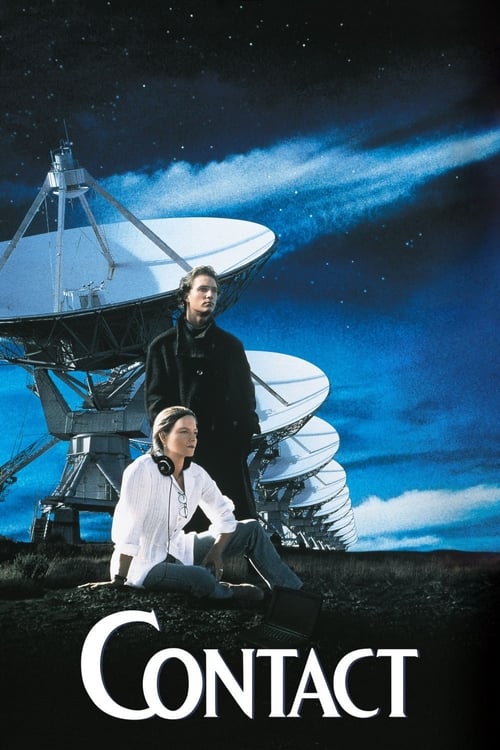
Contact
1997A radio astronomer receives the first extraterrestrial radio signal ever picked up on Earth. As the world powers scramble to decipher the message and decide upon a course of action, she must make some difficult decisions between her beliefs, the truth, and reality.
Zemeckis elevates hard science fiction by prioritizing intellectual curiosity and spiritual yearning over traditional alien encounter tropes. His direction utilizes sophisticated long takes to bridge the vast distance between cosmic data and the intimacy of faith.
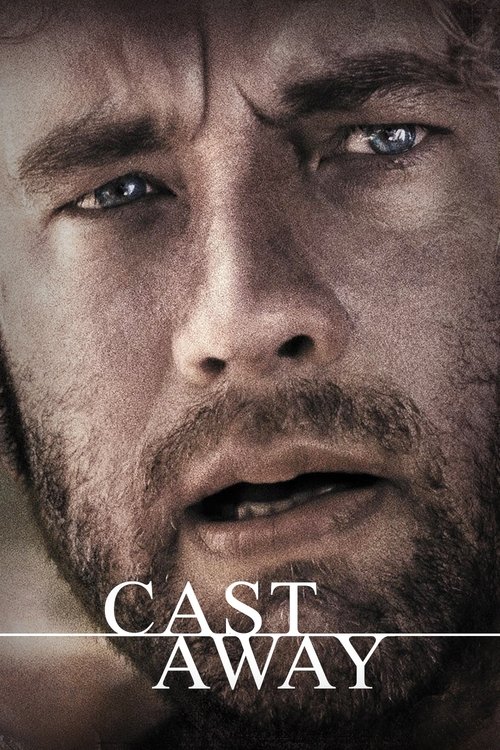
Cast Away
2000Chuck Noland, a top international manager for FedEx, and Kelly, a Ph.D. student, are in love and heading towards marriage. Then Chuck's plane to Malaysia crashes at sea during a terrible storm. He's the only survivor, and finds himself marooned on a desolate island. With no way to escape, Chuck must find ways to survive in his new home.
By stripping away his typical cinematic flourishes, Zemeckis crafts a harrowing exercise in minimalism that centers on the primal mechanics of survival. The film serves as a bold pivot in his career, trading digital spectacle for a grueling exploration of isolation and the metronome of human endurance.
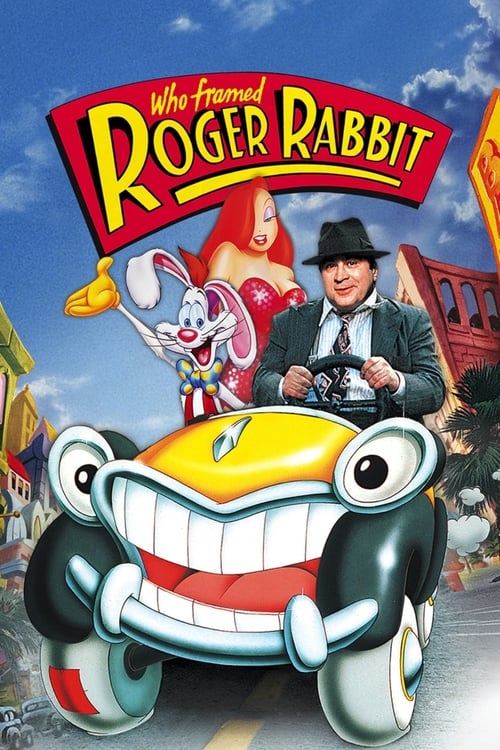
'Toon star Roger is worried that his wife Jessica is playing pattycake with someone else, so the studio hires detective Eddie Valiant to snoop on her. But the stakes are quickly raised when Marvin Acme is found dead and Roger is the prime suspect.
A groundbreaking collision of noir cynicism and manic animation, this technical marvel redefined the boundaries of live-action interaction. Zemeckis treats hand-drawn characters with the same physical weight and cinematic lighting as his human actors, creating a tactile reality that has never been surpassed.
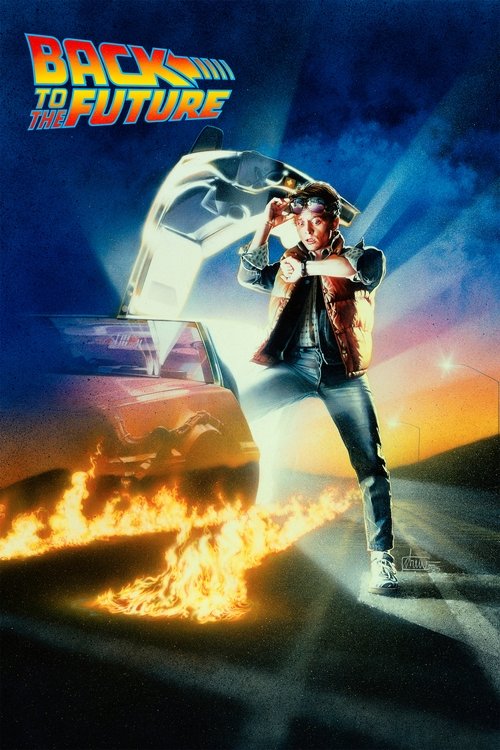
Eighties teenager Marty McFly is accidentally sent back in time to 1955, inadvertently disrupting his parents' first meeting and attracting his mother's romantic interest. Marty must repair the damage to history by rekindling his parents' romance and - with the help of his eccentric inventor friend Doc Brown - return to 1985.
This is a masterclass in structural economy and kinetic pacing, representing the absolute apex of high-concept eighties blockbuster filmmaking. Zemeckis utilizes a clockwork script to explore the fragility of the space-time continuum through a uniquely suburban lens.
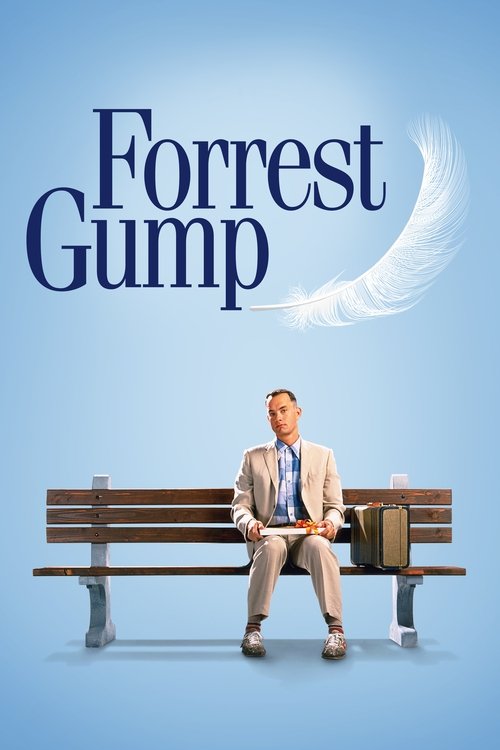
Forrest Gump
1994A man with a low IQ has accomplished great things in his life and been present during significant historic events—in each case, far exceeding what anyone imagined he could do. But despite all he has achieved, his one true love eludes him.
Zemeckis achieves a miraculous synchronization of digital wizardry and earnest Americana, seamlessly weaving a singular protagonist into the fabric of history. It remains his definitive statement on the serendipity of existence, proving that technical precision can coexist with profound emotional resonance.
Frequently Asked Questions
Everything you need to know about this list and SnakeDrafts
- "Forrest Gump" is ranked highest because it showcases Zemeckis's unique blend of emotional storytelling and groundbreaking visual effects. The film won multiple Academy Awards, including Best Director, cementing its legacy as a defining work in his career.
- "Who Framed Roger Rabbit" pioneered the seamless integration of live-action with animation, combining traditional cartoon characters with human actors in a way never seen before. This innovation helped establish Zemeckis as a digital pioneer and showcased his inventive storytelling style.
- The "Back to the Future" trilogy is iconic for its clever storytelling, memorable characters, and imaginative use of science fiction elements. Zemeckis's direction brought a perfect balance of comedy, adventure, and nostalgia, making it a timeless classic highly ranked in his filmography.
- Zemeckis often explores themes of survival, human connection, and existential questions, as seen in "Cast Away" and "Contact." Both films highlight his ability to combine deep emotional narratives with spectacular visuals to engage audiences.
- "Death Becomes Her" stands out for its dark comedy and innovative use of special effects that were groundbreaking at the time. This film demonstrates Zemeckis’s flair for blending fantasy with sharp humor and cutting-edge technology.
- In "A Christmas Carol," Zemeckis uses motion capture technology to create a visually immersive animation that retains the emotional depth of live-action storytelling. This approach reflects his continual pursuit of pushing cinematic boundaries using technology.
- "Flight" is a departure from Zemeckis's usual sci-fi and fantasy fare, focusing instead on a gritty, character-driven drama. The film's intense exploration of addiction and redemption highlights his versatility as a director.
- Including films like "Here" and "The Walk" provides a comprehensive look at Zemeckis's diverse talents and interests beyond mainstream successes. These films showcase his willingness to tackle varied genres and historical subjects, enriching his overall filmography.