The Ultimate Rob Reiner Movie Rankings
Master of Comedy Drama and Heart
Explore the definitive filmography of Rob Reiner. From iconic rom-coms to legendary thrillers, discover the must-watch movies from this versatile director.
About Rob Reiner

In the history of Hollywood, few filmmakers have navigated the treacherous waters between high-concept genre pieces and grounded human emotion with the ease of Rob Reiner. He carries the rare distinction of being a populist with the soul of a poet, a director who spent a solid decade from the mid-eighties to the mid-nineties delivering a run of films that essentially defined the modern American moviegoing experience. While others of his generation chased spectacle, he chased the messy, hilarious, and often painful truth of how people talk to one another.
His aesthetic is built on the foundation of the long take and the witty exchange, a style that prioritizes the chemistry of an ensemble over flashy camera movements. Witness the seamless transitions in When Harry Met Sally, where the dialogue crackles with such organic energy that it feels like eavesdropping on a private dinner. He understands that a romantic comedy lives or dies on the authenticity of its neuroses. This same ear for rhythm turned This Is Spinal Tap into the definitive mockumentary. By treating the absurdities of a fading rock band with the deadpan gravity of a serious documentary, he created a new comedic language that audiences are still speaking forty years later.
There is a deceptive simplicity to his framing that allows his actors to swing for the fences. In Misery, he traps the viewer in a claustrophobic nightmare, proving he can orchestrate tension just as effectively as a punchline. He manages to strip away the artifice of stardom, coaxing career-defining turns from actors who find themselves anchored by his sturdy sense of geography and pacing. A Few Good Men could have easily felt like a filmed stage play, yet under his guidance, it transformed into a high-stakes kinetic thrill ride where the spoken word is as explosive as any action sequence.
Perhaps his greatest gift is his grasp of nostalgia without the saccharine aftertaste. Stand by Me remains the gold standard for the coming of age genre because it refuses to sanitize the casual cruelty and profound loneliness of childhood. He treats the interior lives of twelve year olds with the same dignity he affords the leader of the free world in The American President. Even when he ventures into the purely fantastical territory of The Princess Bride, the film works because the emotional stakes feel real. He bridges the gap between a grandfather's bedside story and a swashbuckling adventure by grounding the magic in a very human sense of devotion.
In his later career, including works like LBJ and Shock and Awe, he has pivoted toward the complexities of the American political machine, yet his core obsession remains constant. He is a storyteller fascinated by the burden of legacy and the struggle to do the right thing when the world demands compromise. Whether he is exploring the fleeting sweetness of a first crush in Flipped or the looming shadow of mortality in The Bucket List, he operates with a humanist lens. His films don't just entertain. They linger because they capture the precise moment when a character realizes that life, for all its absurdity, is actually happening to them. Reiner remains the ultimate architect of the shared experience, reminding us that the best stories are the ones where we recognize ourselves in the punchline.

Being Charlie
2016Charlie is a troublesome 18-year-old who breaks out of a youth drug treatment clinic, but when he returns home to Los Angeles, he's given an intervention by his parents and forced to go to an adult rehab. There, he meets a beautiful but troubled girl, Eva, and is forced to battle with drugs, elusive love and divided parents.

Shock and Awe
2017A group of journalists covering George Bush's planned invasion of Iraq in 2003 are skeptical of the presidents claim that Saddam Hussein has "weapons of mass destruction."

The Story of Us
1999After 15 years of marriage, Katie and her husband, Ben, have grown apart. While they keep up the facade of having a contented marriage, mostly to not worry their children, they aren't happy together and argue frequently. While the kids are away at camp, Katie and Ben decide to separate and try to reassess their relationship to see if they should stay together or split up for good.
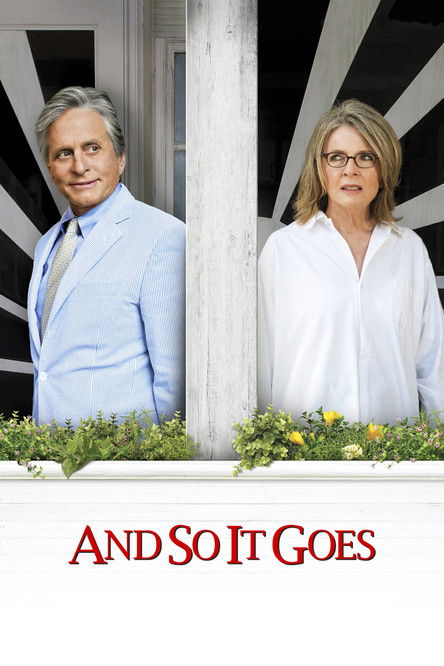
And So It Goes
2014Nobody likes self-centered realtor Oren Little, and he prefers it that way. He's deliberately mean to anyone who crosses his path and wants nothing more than to sell one final house and retire. His life turns upside-down when his estranged son drops off a granddaughter he never knew existed. Suddenly left in charge of her and with no idea how to take care of a child, he pawns the girl off on his neighbor, Leah -- but he eventually learns how to open his heart.
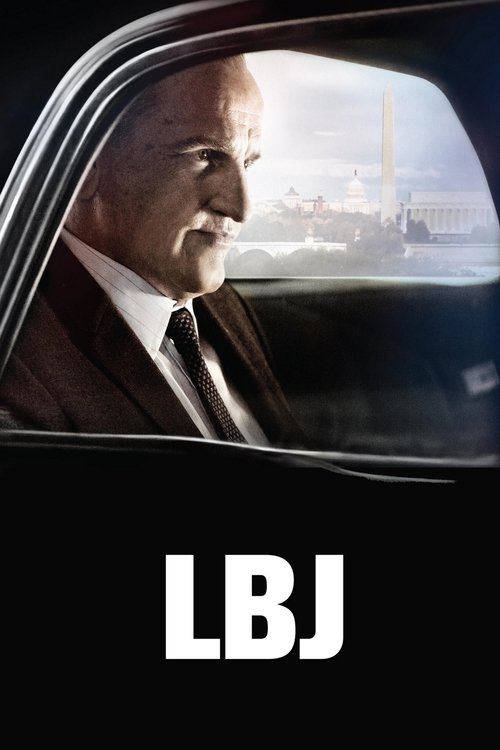
LBJ
2017The story of U.S. President Lyndon Baines Johnson from his young days in West Texas to the White House.

Flipped
2010When Juli meets Bryce in the second grade, she knows it's true love. After spending six years trying to convince Bryce the same, she's ready to give up - until he starts to reconsider.
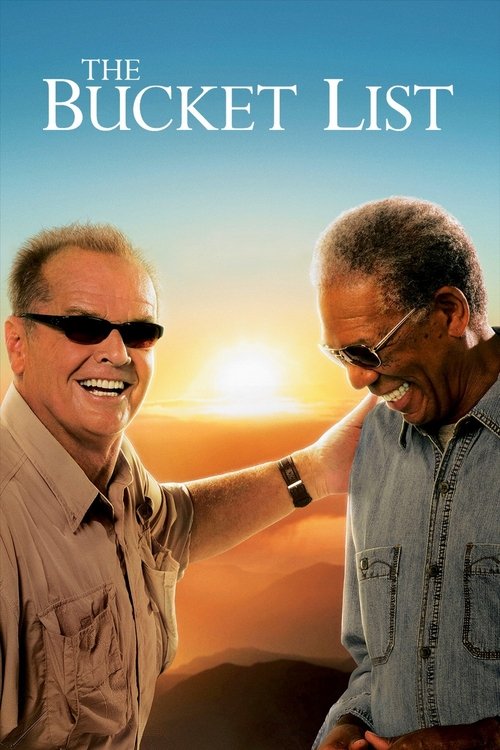
The Bucket List
2007Corporate billionaire Edward Cole and working class mechanic Carter Chambers are worlds apart. At a crossroads in their lives, they share a hospital room and discover they have two things in common: a desire to spend the time they have left doing everything they ever wanted to do and an unrealized need to come to terms with who they are. Together they embark on the road trip of a lifetime, becoming friends along the way and learning to live life to the fullest, with insight and humor.
Even when working within broader sentimental frameworks, Reiner maintains a keen interest in the indignities and grace of aging. This film underscores his later career focus on legacy and the bittersweet finality of the human experience through a lens of populist commercialism.

Ghosts of Mississippi
1996A Mississippi district attorney and the widow of Medgar Evers struggle to bring a white supremacist to justice for the 1963 murder of the civil rights leader.
Taking on the heavy mantle of historical injustice, Reiner adopts a formal and somber visual palette to navigate the complexities of the American legal system. While more traditional in its execution, the film reflects his career-long commitment to examining the moral conscience of the nation.

The Sure Thing
1985Gib, a beer-guzzling slob, and Alison, an uptight Ivy-Leaguer, are an unlikely duo stuck together on a cross-country trip during Christmas break. At first they get on each other's nerves but, as time passes, they find their divergent natures complement each other. Now they need to realize what they've already found before it's too late.
This early effort highlights Reiner’s innate understanding of the road movie structure and the slow-burn evolution of character rapports. It serves as the blueprint for his later romantic successes, showcasing a disciplined focus on the subtle shifts in human connection.
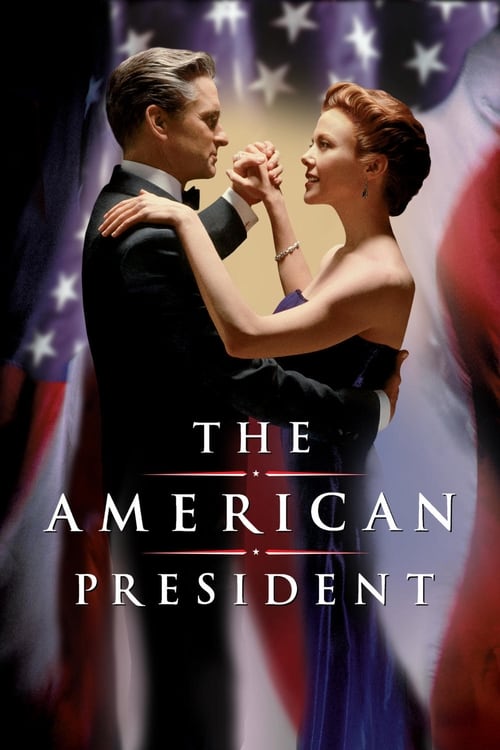
The American President
1995Widowed U.S. president Andrew Shepherd, one of the world's most powerful men, can have anything he wants -- and what he covets most is Sydney Ellen Wade, a Washington lobbyist. But Shepherd's attempts at courting her spark wild rumors and decimate his approval ratings.
Reiner explores the friction between private idealism and public optics with a sophisticated, light-handed touch. By blending political procedural elements with a glowing romantic core, he captures a brand of optimistic populism that has become a hallmark of his middle-period work.
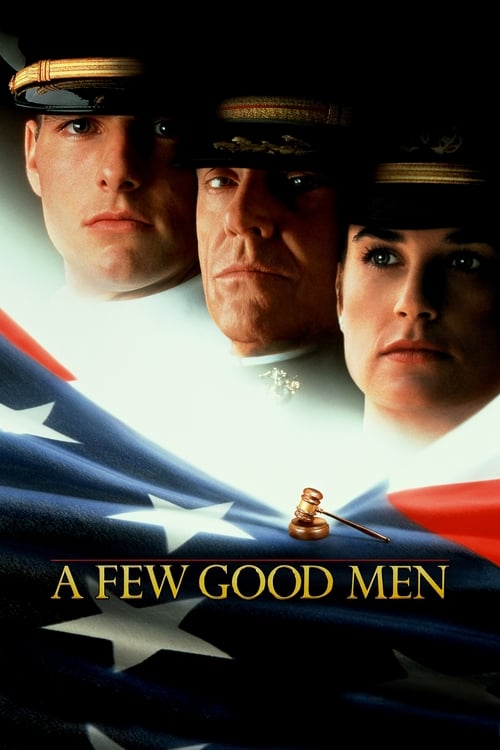
A Few Good Men
1992When cocky military lawyer Lt. Daniel Kaffee and his co-counsel, Lt. Cmdr. JoAnne Galloway, are assigned to a murder case, they uncover a hazing ritual that could implicate high-ranking officials such as shady Col. Nathan Jessep.
The director treats the courtroom as a theater of morality, emphasizing the rhythmic power of Sorkin’s dialogue through sharp, rhythmic blocking. It is a quintessential display of Reiner’s ability to elevate high-stakes drama into a broader meditation on institutional duty.
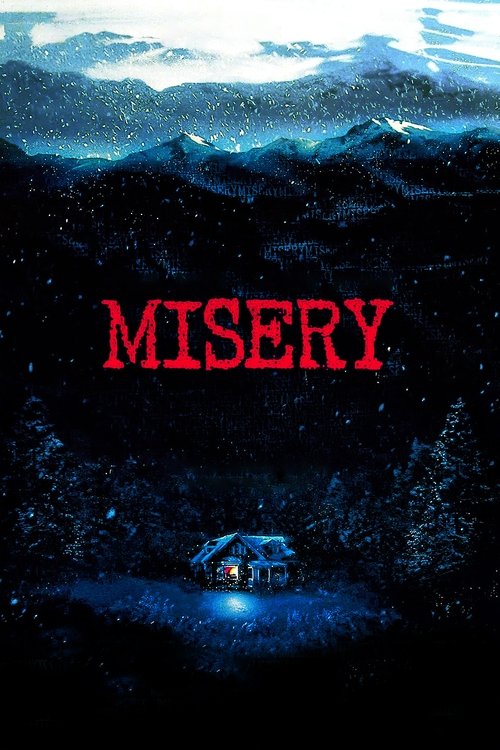
Misery
1990After an accident, acclaimed novelist Paul Sheldon is rescued by a nurse who claims to be his biggest fan. Her obsession takes a dark turn when she holds him captive in her remote Colorado home and forces him to write back to life the popular literary character he killed off.
Stripping away the supernatural, Reiner crafts a masterclass in psychological claustrophobia and the terrifying power of the single-location set. This entry demonstrates his command over tension, proving he could pivot from warmth to cold-blooded terror without losing his humanistic focus.
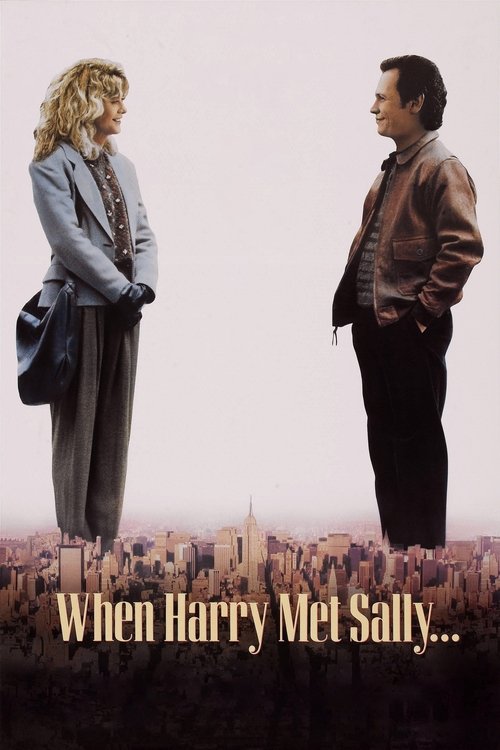
Sex always gets in the way of friendships between men and women. At least, that's what Harry Burns believes. So when Harry meets Sally Albright and a deep friendship blossoms between them, Harry's determined not to let his attraction to Sally destroy it. But when a night of weakness ends in a morning of panic, can the pair avoid succumbing to Harry's fears by remaining friends and admitting they just might be the perfect match for each other?
Reiner redefined the urban romance by prioritizing intellectual chemistry and conversational cadence over broad physical comedy. This picture solidified his reputation as a chronicler of neuroses, blending old Hollywood charm with a modern, analytical approach to partnership.

"This Is Spinal Tap" shines a light on the self-contained universe of a metal band struggling to get back on the charts, including everything from its complicated history of ups and downs, gold albums, name changes and undersold concert dates, along with the full host of requisite groupies, promoters, hangers-on and historians, sessions, release events and those special behind-the-scenes moments that keep it all real.
By inventing the modern mockumentary aesthetic, Reiner showcased a brilliant instinct for improvisational rhythm and satirical timing. This film’s legacy lies in its devastatingly accurate observation of ego, forever altering the trajectory of specialized comedy filmmaking.
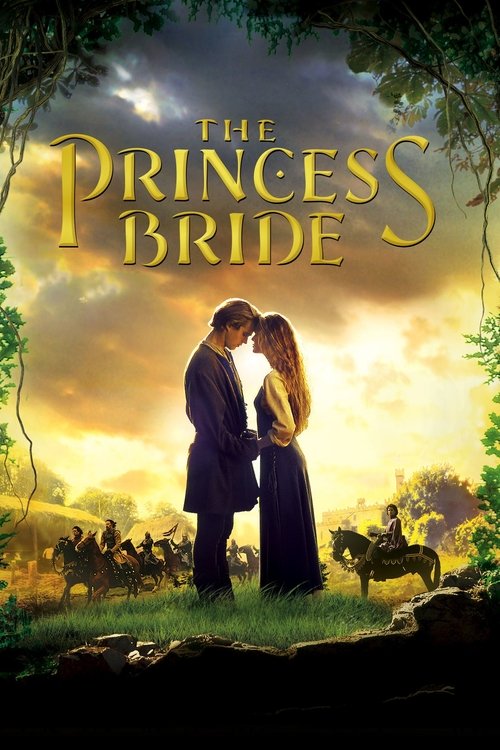
In this enchantingly cracked fairy tale, the beautiful Princess Buttercup and the dashing Westley must overcome staggering odds to find happiness amid six-fingered swordsmen, murderous princes, Sicilians and rodents of unusual size. But even death can't stop these true lovebirds from triumphing.
A miraculous feat of tonal balancing, this film proves Reiner’s ability to weave sincerity through layers of meta-textual irony. It stands as a testament to his versatility, managing to be both a deconstruction of fairytale tropes and the definitive example of the genre.
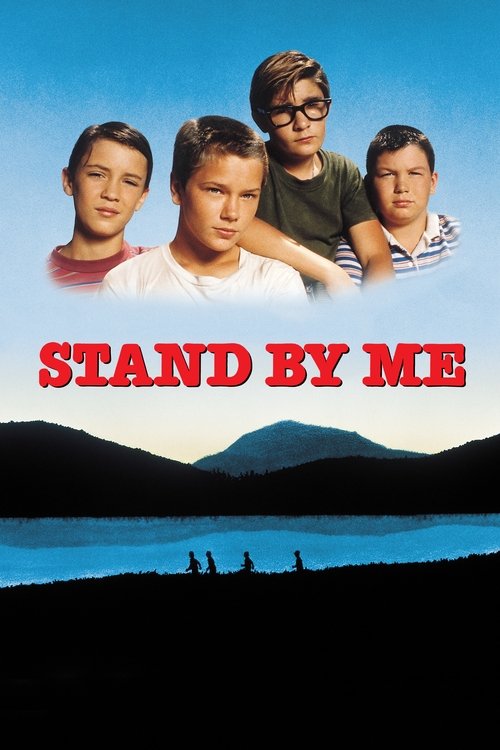
Stand by Me
1986After learning that a boy their age has been accidentally killed near their rural homes, four boys decide to go see the body. Gordie, Vern, Chris, and Teddy encounter a mean junk man and a marsh full of leeches, but they also learn more about one another and their very different home lives. Just a lark at first, the boys' adventure evolves into a defining event in their lives.
Reiner captures the fragile intersection of childhood innocence and existential weight with an unmatched atmospheric precision. This remains his masterwork because of how he translates Stephen King’s prose into a definitive cinematic language of nostalgia and loss.
Frequently Asked Questions
Everything you need to know about this list and SnakeDrafts
- Rob Reiner's films often explore human emotions, relationships, and personal growth, blending humor with drama. Movies like "When Harry Met Sally..." and "Flipped" highlight romance and coming-of-age themes, while "Misery" and "A Few Good Men" delve into tension and moral dilemmas.
- Rob Reiner is particularly acclaimed for his work in comedy-drama and romance, as seen in titles like "The Princess Bride" and "The Story of Us." However, his versatility is notable with successful ventures into thriller and historical drama genres, demonstrated by films such as "Misery" and "LBJ."
- "This Is Spinal Tap" showcases Rob Reiner's talent for mockumentary-style comedy, a departure from his more emotionally driven works. It has become a cult classic that cleverly satirizes the music industry, highlighting his range as a director beyond traditional narrative films.
- "The Princess Bride" uniquely blends adventure, fantasy, comedy, and romance, making it a standout in Rob Reiner's filmography. This film is celebrated for its witty dialogue and memorable characters, appealing to a wide audience across generations.
- "Stand by Me" is critically acclaimed for its poignant portrayal of childhood friendship and the transition to adolescence. It exemplifies Reiner's skill in adapting literary works into heartfelt dramas that resonate deeply with audiences.
- While Rob Reiner's earlier films like "When Harry Met Sally..." and "The Sure Thing" are considered classics of romantic comedy-drama, his later works such as "The Bucket List" and "LBJ" explore more mature and historical themes. This evolution showcases his ability to tackle diverse subject matter over time while maintaining emotional depth.
- Yes, political and historical themes are prominent in films like "A Few Good Men," "LBJ," and "Ghosts of Mississippi." These movies reflect Reiner's engagement with real-life events and complex societal issues, adding a serious dimension to his filmography.