Ranking John Savage's Greatest Movies
Essential Performances from a New Hollywood Icon
Explore the most significant films of John Savage, from gritty war dramas to cult classics and acclaimed collaborations with legendary directors.
About John Savage
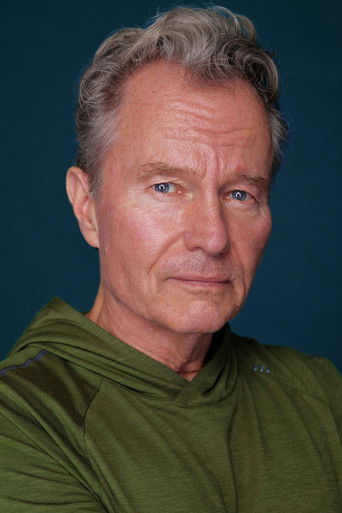
In the late 1970s, a specific kind of American vulnerability found its face in John Savage. He possessed a gaze that seemed to hold both a startling purity and a deep, simmering anxiety, a combination that made him the perfect vessel for a generation grappling with the psychic wreckage of Vietnam. While his contemporaries often leaned into bravado, Savage excelled at portraying the internal collapse of the common man. He became an essential component of the New Hollywood landscape by playing characters who were frequently the emotional conscience of the story, even when they were the ones most broken by it.
His performance in The Deer Hunter remains a masterclass in physical and psychological trauma. As Steven, the wedding groom who returns from the war shattered and confined to a Veterans Administration hospital, he provided the film with its most haunting imagery. It was a role defined by silence and a devastating loss of innocence, qualities he pivoted away from just a year later in Hair. Trading the grim reality of the steel mill for the psychedelic freedom of Central Park, he proved his range by grounding a whimsical musical in genuine heart. This era solidified his reputation as an actor who didn't just play a part but lived within the nerve endings of his characters.
That sensitivity made him a vital collaborator for auteurs seeking a sense of grounded realism. In The Onion Field, his portrayal of a haunted detective provided a chilling look at survivor guilt, while Inside Moves cemented his status as a champion of the marginalized. He had a knack for making pain look poetic without ever feeling manufactured. Even as he moved into the eighties and nineties, Savage maintained a presence that felt both weathered and soulful. Whether he was navigating the political chaos of Salvador or appearing as a priest in The Godfather Part III, he brought an effortless gravitas that suggested a life fully lived behind the eyes.
Spike Lee recognized this unique energy, casting him in Do the Right Thing as Clifton, the bicyclist whose accidental scuffing of a sneaker becomes a flashpoint for racial tension. It was a brief but pivotal turn that showed Savage could tap into the awkward, everyday frictions of urban life just as easily as he could the epic scale of war. His work with Terrence Malick in The Thin Red Line and The New World further emphasized his ability to blend into an ensemble while still projecting a singular, contemplative aura. He became a fixture in films that questioned the American soul, from the kinetic intensity of Summer of Sam to the maritime tragedy of White Squall.
Audiences gravitate toward him because there is no ego in his craft. He occupies the screen with a transparency that feels rare, especially in an industry built on artifice. Whether playing a gritty outlaw in Bad Company and Cattle Annie and Little Britches or navigating the emotional aftermath of grief in The Crossing Guard, he avoids the theatrical in favor of the felt. He remains one of our most enduring character actors because he treats every role as an opportunity to explore the fragile architecture of the human spirit. In a career spanning decades and dozens of classics like The Jack Bull, his legacy is one of consistent, quiet brilliance.
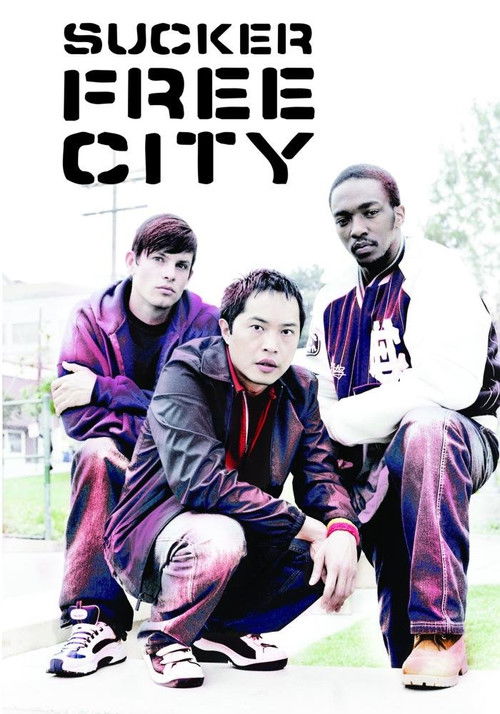
Sucker Free City
2004The film follows three young men as they are drawn into lives of crime. Nick (Crowley) uses his entry-level corporate job to commit credit card fraud and deals drugs on the side. K-Luv (Mackie) is a member of the "V-Dubs", an African-American street gang. Lincoln (Leung) is a rising figure in the Chinese mafia. Gentrification forces Nick's family to move out of their home in the Mission District into Hunter's Point where they are harassed by the V-Dubs. K-Luv's side business of selling bootleg compact discs leads him to enlist Nick's help to bootleg CDs and to negotiate a truce with Lincoln. Lincoln conducts an affair with his boss' daughter Angela (Carpio), a Stanford student engaged to a medical student classmate.

Followed
2020Social media influencer, 'DropTheMike', seeks thrills and stardom in the most horrific places. When he’s offered the possibility of a lucrative sponsorship, he takes his online channel to one of the most haunted hotels in America. What begins as a fun challenge accompanied by friends descends into a personal hell, begging the timely question: how far would you go to pursue internet fame?

Three Seconds
2017The story is set at the 1972 Munich Olympics where the U.S. team lost the basketball championship for the first time in 36 years. The final moments of the final game have become one of the most controversial events in Olympic history. With play tied, the score table horn sounded during a second free throw attempt that put the U.S. ahead by one. But the Soviets claimed they had called for a time out before the basket and confusion ensued. The clock was set back by three seconds twice in a row and the Russians finally prevailed at the very last. The U.S. protested, but a jury decided in the USSR’s favor and Team USA voted unanimously to refuse its silver medals. The Soviet players have been treated as heroes at home.
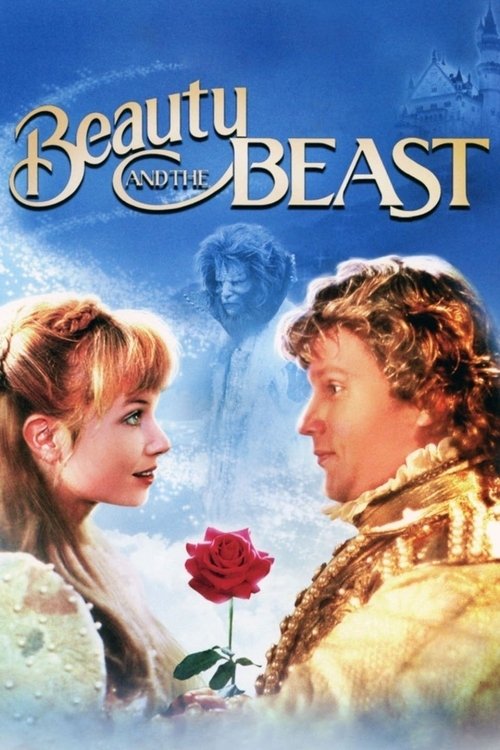
Beauty and the Beast
1987To save her father, a girl who always puts others before herself promises to live her life in a lavish castle with a strange beast.

Maria's Lovers
1984A World War II prisoner returns home to his childhood sweetheart. However, back home, he discovers that he has to compete to win her love.
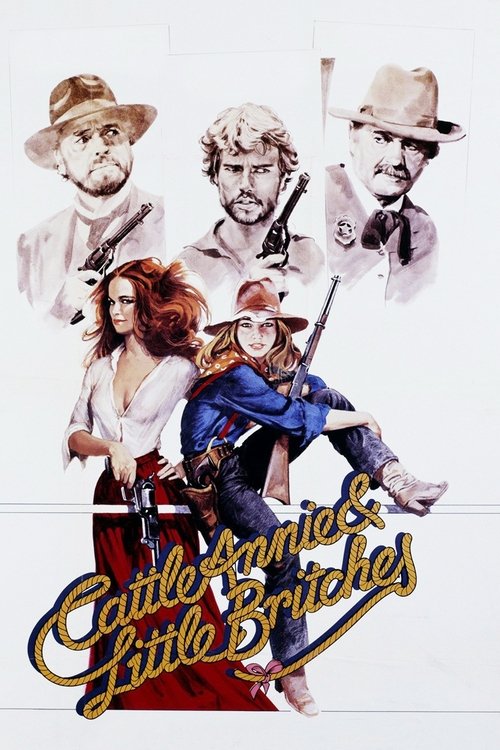
Cattle Annie and Little Britches
1981In nineteenth century Oklahoma, two teen girls, fans of stories about outlaws, are on a quest to meet and join up with them. They find a shadow of a former gang and although disappointed, still try to help them escape from a vigorous Marshal.
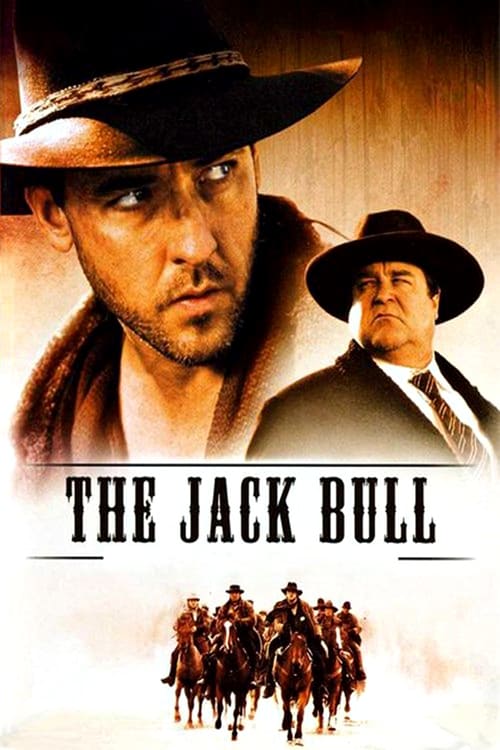
The Jack Bull
1999When the law fails to punish a fellow rancher that has abused his horses, a Wyoming horse trader sacrifices it all in a quest for justice.
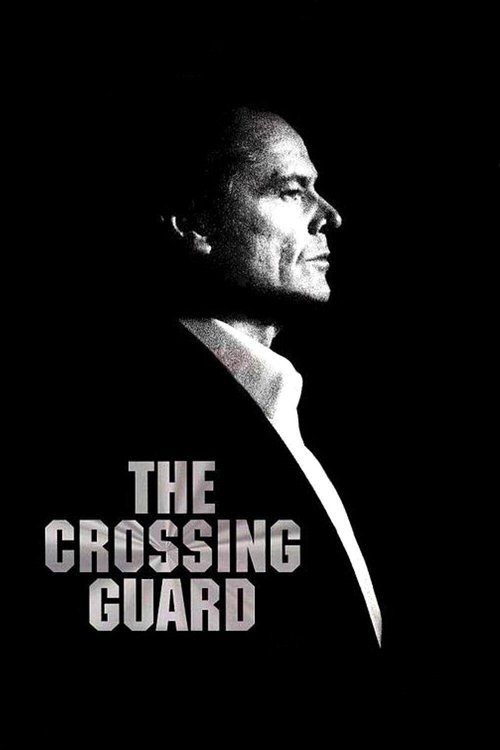
The Crossing Guard
1995Unable to move on from the loss of his daughter, Freddy, now a shell of the person he was before, swears to kill the man responsible for her death.
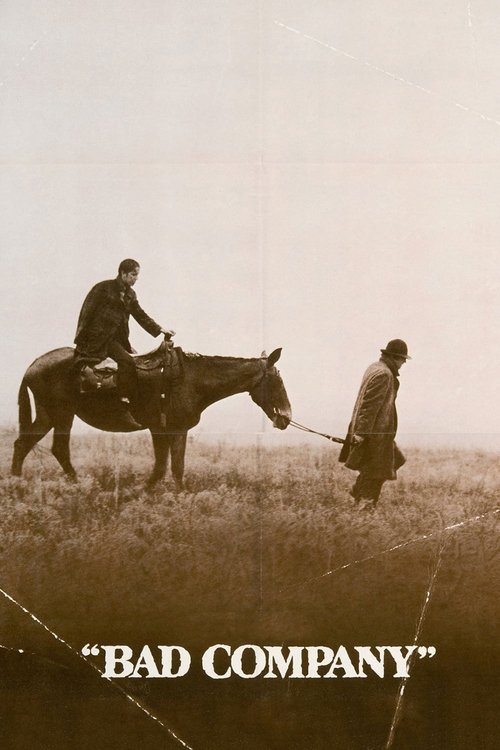
Bad Company
1972After Drew Dixon, an upright young man, is sent west by his religious family to avoid being drafted into the Civil War, he drifts across the land with a loose confederation of young vagrants.
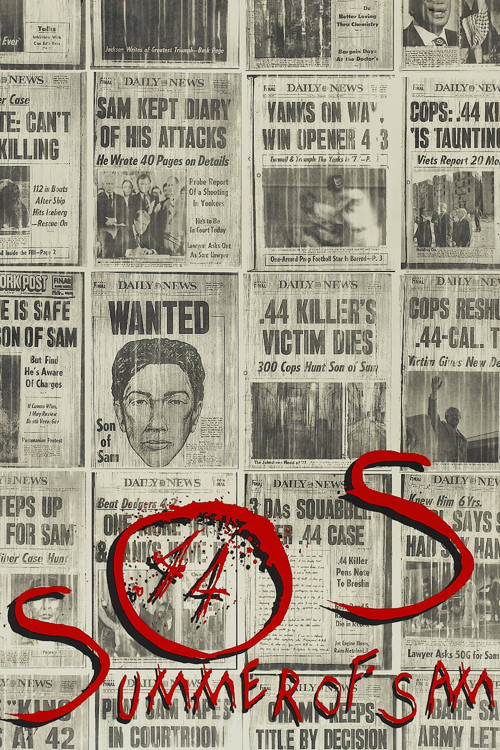
Summer of Sam
1999Spike Lee's take on the "Son of Sam" murders in New York City during the summer of 1977 centering on the residents of an Italian-American Northeast Bronx neighborhood who live in fear and distrust of one another.
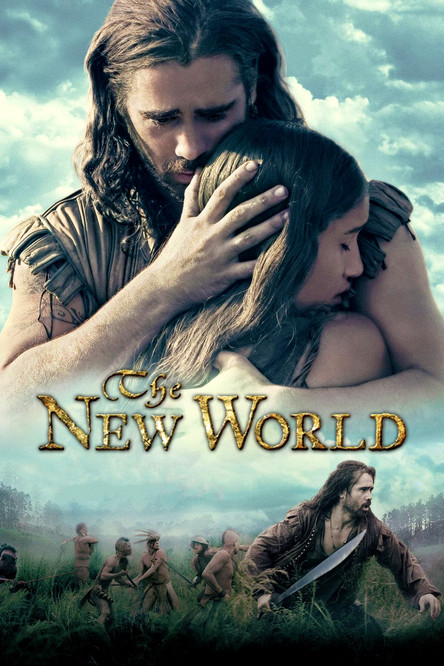
The New World
2005A drama about explorer John Smith and the clash between Native Americans and English settlers in the 17th century.
Savage’s presence in this atmospheric colonial reimagining adds a layer of grit to Malick’s ethereal visual style. He disappears into the rugged, harsh realities of the era, grounding the film’s poetic ambitions in the harsh physicality of the frontier.
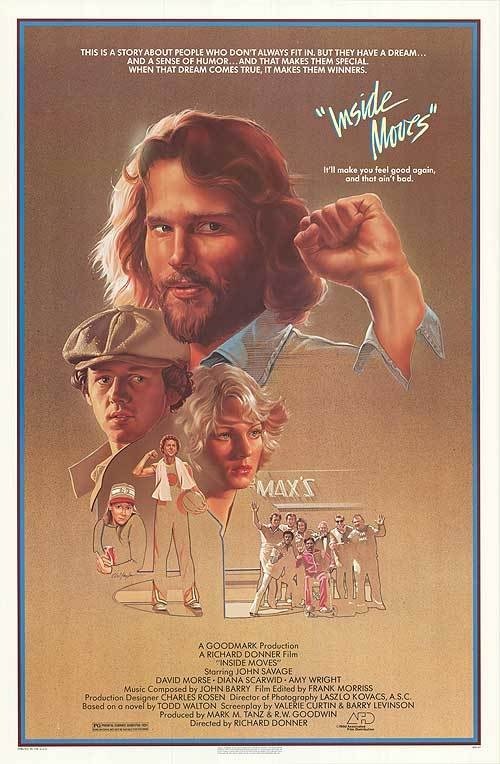
Inside Moves
1980After a failed suicide attempt leaves him partially crippled, Rory begins spending a lot of time at a neighborhood bar full of interesting misfits. When Jerry the bartender suddenly finds himself playing basketball for the Golden State Warriors, Rory and the rest of the bar regulars hope his success will provide a lift to their sagging spirits. Will Jerry forget his friends? What about his junkie hooker girlfriend and her pimp?
In this underrated gem, Savage delivers an empathetic and physically nuanced performance as a suicide survivor finding a new sense of belonging. It is a rare, delicate look at disability and resilience that succeeds entirely because of his refusal to lapse into easy sentimentality.
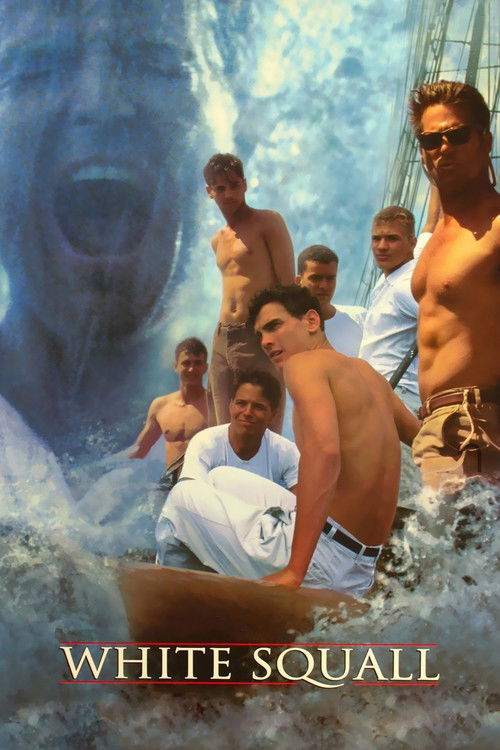
White Squall
1996In 1960, a hardy group of prep school students boards an old-fashioned sailing ship. With Capt. Christopher Sheldon at the helm, the oceangoing voyage is intended to teach the boys fortitude and discipline. But the youthful crew are about to get some unexpected instruction in survival when they get caught in the clutches of a white squall storm.
Savage provides a crucial sense of veteran stability as the English teacher McCrea, serving as the narrative’s moral compass against the backdrop of a literal and metaphorical storm. He leans into a quieter, more academic authority here, showcasing a seasoned maturity in his later career.
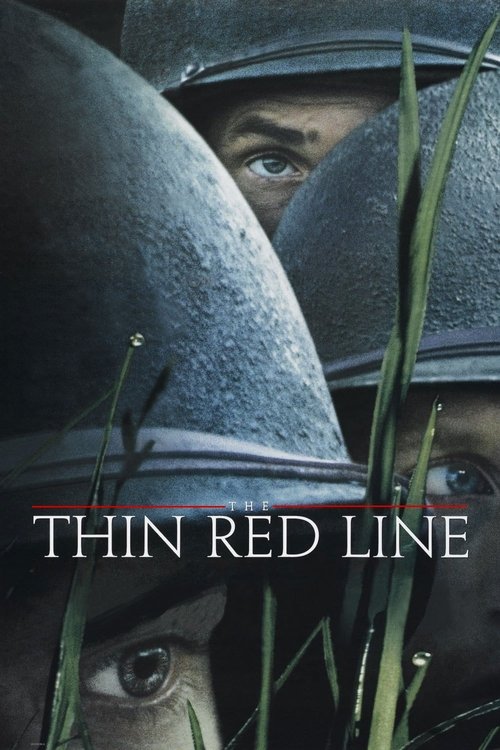
The story of a group of men, an Army Rifle company called C-for-Charlie, who change, suffer, and ultimately make essential discoveries about themselves during the fierce World War II battle of Guadalcanal. It follows their journey, from the surprise of an unopposed landing, through the bloody and exhausting battles that follow, to the ultimate departure of those who survived.
Reuniting with the theme of combat, Savage’s involvement in Malick’s philosophical epic highlights his utility as a character actor who can convey profound internal displacement. Even amidst a massive ensemble, his weathered features suggest a history of conflict that words cannot articulate.
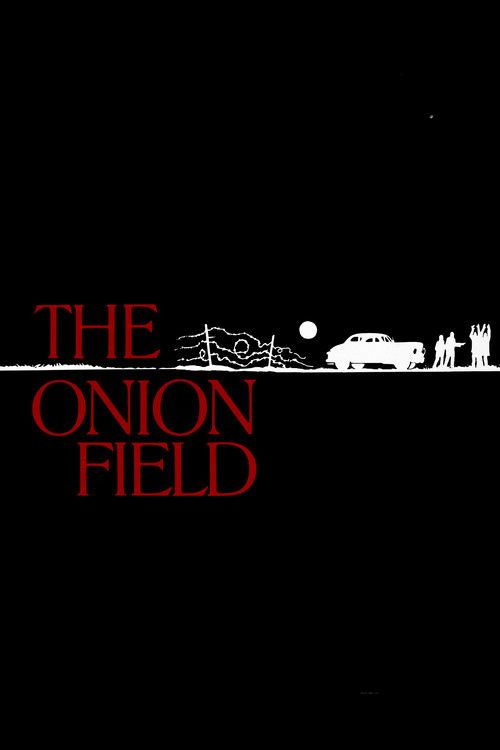
The Onion Field
1979An LA police officer is murdered in the onion fields outside of Bakersfield. However, legal loopholes could keep his kidnappers from receiving justice, and his partner is haunted by overwhelming survivor's guilt.
This harrowing true-crime procedural allows Savage to explore the haunting psychological aftermath of survival and survivor's guilt. His performance is a devastating study of a man slowly dissolving under the weight of a trauma that the legal system is unequipped to heal.
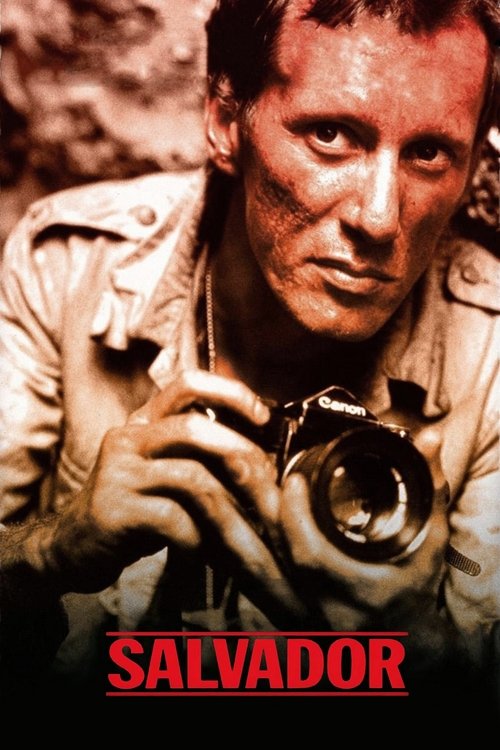
Salvador
1986In 1980, an American journalist covering the Salvadoran Civil War becomes entangled with both the leftist guerrilla groups and the right-wing military dictatorship while trying to rescue his girlfriend and her children.
Savage’s turn as photojournalist John Cassady is a masterclass in frantic, obsessive energy within Oliver Stone’s chaotic war zone. He embodies the dangerous addiction of the front-line lensman, making the search for the perfect shot feel like a life-or-death spiritual quest.
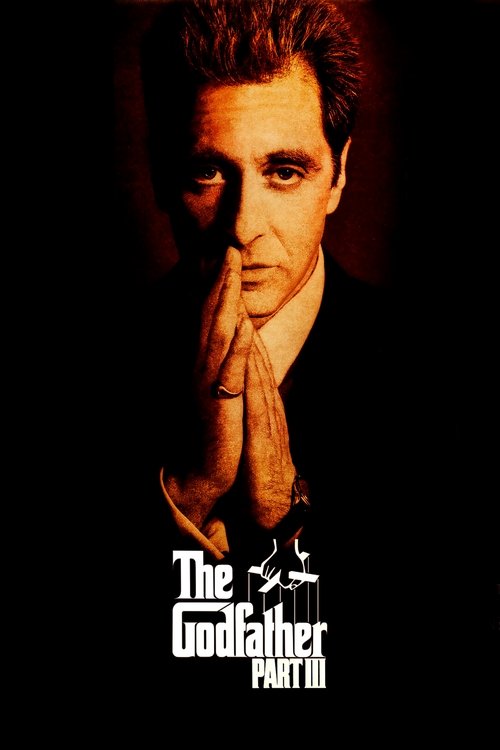
In the midst of trying to legitimize his business dealings in 1979 New York and Italy, aging mafia don, Michael Corleone seeks forgiveness for his sins while taking a young protege under his wing.
Portraying Father Andrew Hagen, Savage brings a soulful, clerical gravity to the Corleone family’s late-stage quest for legitimacy. He slides seamlessly into the Coppola hierarchy, representing the spiritual tether that his adoptive family desperately seeks yet consistently fails to grasp.
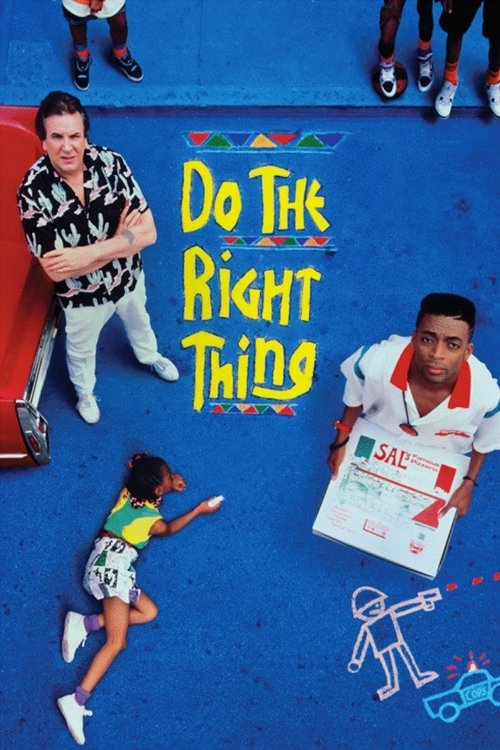
Sal is the Italian owner of a pizzeria in Brooklyn. A neighborhood local, Buggin' Out, becomes upset when he sees that the pizzeria's Wall of Fame exhibits only Italian actors. Buggin' Out believes a pizzeria in a black neighborhood should showcase black actors, but Sal disagrees. The wall becomes a symbol of racism and hate to Buggin' Out and to other people in the neighborhood, and tensions rise.
In a brief but incendiary role as Clifton, the bicyclist in the Larry Bird jersey, Savage becomes the catalyst for one of cinema's most famous racial flashpoints. He masterfully occupies a space of oblivious provocation, proving his ability to leave a permanent mark on a narrative through a single, high-tension sequence.
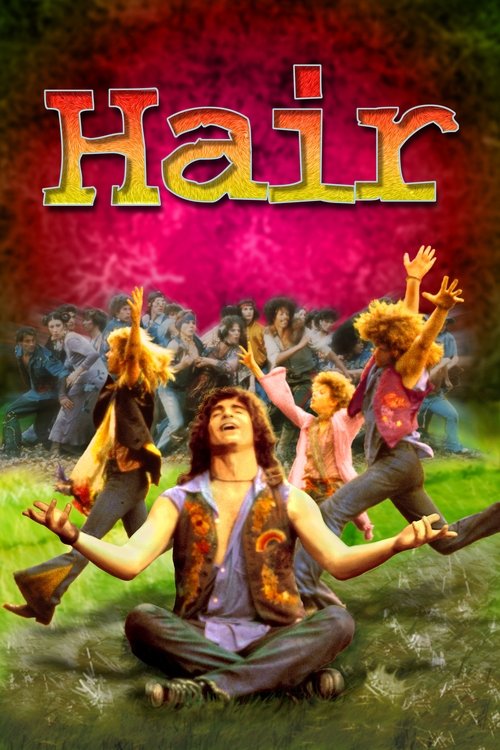
Hair
1979Upon receiving his draft notice and leaving his family ranch in Oklahoma, Claude heads to New York and befriends a tribe of long-haired hippies on his way to boot camp.
Savage anchors Milos Forman’s psychedelic tapestry with a grounded, wide-eyed sincerity that makes the counterculture movements feel human rather than caricatured. It remains his definitive leading man turn, capturing a specific strain of late-seventies innocence on the precipice of obliteration.
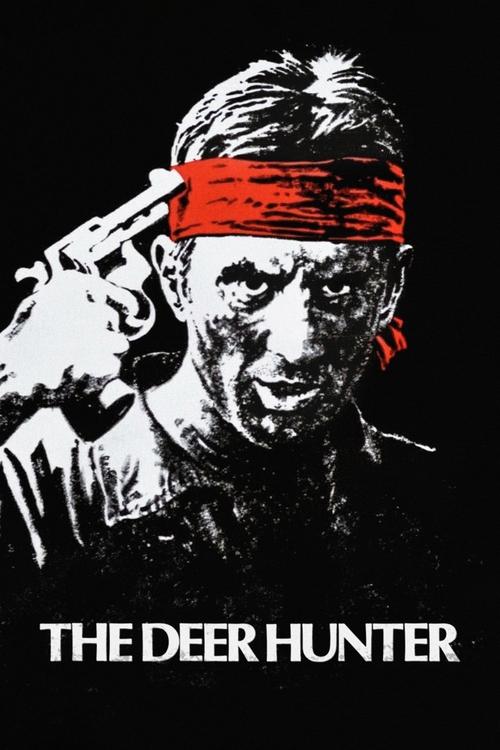
The Deer Hunter
1978Three steelworkers enlist in the army and are sent to Vietnam, one leaving behind a rushed marriage, the others a shared love. What they encounter during the war changes their lives forever.
As the physically and spiritually shattered Steven, Savage provides the film's harrowing emotional center, externalizing the quiet trauma of a generation. His fragile, trembling presence serves as the essential bridge between the idyllic American life and the irreversible wreckage of war.
Frequently Asked Questions
Everything you need to know about this list and SnakeDrafts
- John Savage's performance in The Deer Hunter is widely regarded as a powerful depiction of the psychological scars left by the Vietnam War, capturing both vulnerability and resilience. His role immerses viewers in the complex emotional aftermath experienced by soldiers.
- John Savage's role in Hair allowed him to explore the musical genre while addressing the social upheavals of the late 1960s. This film blends drama, music, and comedy, showcasing his versatility as both an actor and a storyteller.
- John Savage worked with visionary directors like Spike Lee in Do the Right Thing and Summer of Sam, Francis Ford Coppola in The Godfather Part III, and Terrence Malick in The Thin Red Line and The New World. These collaborations highlight his ability to adapt to diverse directorial approaches and complex narratives.
- John Savage's filmography spans war dramas (The Deer Hunter, Salvador), crime thrillers (The Onion Field, Summer of Sam), westerns (Bad Company, Cattle Annie and Little Britches), and historical romances (The New World). This variety demonstrates his dynamic adaptability across genres.
- The Deer Hunter stands out as a seminal New Hollywood film featuring John Savage, embodying the era's thematic focus on nuanced character studies and social realism. His authentic portrayal contributed to the film's critical acclaim and cultural impact.
- Through films like Salvador and Do the Right Thing, John Savage has engaged with pressing American social and political issues, including war, racial tension, and media ethics. His performances offer thoughtful insights into the complexities of American society during tumultuous periods.
- Yes, films like Inside Moves and The Crossing Guard feature John Savage in deeply introspective roles where he navigates grief, disability, and revenge. These performances emphasize his skill in portraying intense emotional journeys.