The Essential David Cronenberg Films Ranked
The Definitive Guide to the Master of Body Horror
Explore the essential filmography of David Cronenberg, featuring his most iconic theatrical releases and transformative cinematic masterpieces.
About David Cronenberg

Long before the term body horror became a marketing shorthand, David Cronenberg was busy reinventing the way we look at our own skin. To watch his work is to accept a deal with a polite, soft spoken intellectual who insists on showing you the most unsettling things imaginable. He does not operate from a place of shock for the sake of a cheap thrill; instead, he treats the human anatomy as a shifting, unstable landscape where technology and biology fuse in ways that are often as erotic as they are repulsive.
His early career functioned as a laboratory for these anxieties. With Shivers and The Brood, he bypassed traditional ghost stories to suggest that our own suppressed traumas and sexual hangups could literally manifest as physical parasites or murderous offspring. This was cinema as a medical examination under a flickering neon light. By the time Scanners arrived, he had mastered the art of the visceral set piece, using exploding heads as a gateway to explore the terrifying potential of the human mind. Yet, it was Videodrome that truly solidified his status as a prophet. Decade before the digital age consumed us, he envisioned a world where televisions grew organs and video tapes became extensions of our nervous systems.
The brilliance of his middle period lies in his ability to ground these surrealities in heartbreakingly human performances. The Fly remains his masterpiece of tragic transformation, a film where the disintegration of a man’s body serves as a devastating metaphor for aging and disease. In Dead Ringers, he used the icy symmetry of twin gynecologists to examine the fragility of identity, proving he could be just as unsettling with a set of chrome surgical tools as he could with a latex monster. Even when adapting the unadaptable, as he did with the hallucinogenic hallucinations of Naked Lunch, he maintained a clinical, almost detached elegance that made the bizarre feel inevitable.
As he matured, Cronenberg pivoted away from the supernatural toward a more grounded, yet no less violent, exploration of the psyche. A History of Violence and Eastern Promises traded mutant growths for the scars of the Russian mafia and the hidden savagery of the American suburbs. Here, the body was still the canvas, but the damage was inflicted by bullets and knives rather than genetic mutation. These films, alongside the psychoanalytic sparring of A Dangerous Method, showcased a filmmaker who understood that a conversation in a quiet room can be just as visceral as an alien birth.
Returning to his roots with the tactile, experimental Crimes of the Future, it became clear that his obsession with the flesh has never wavered. Whether he is exploring the fetishistic car crashes of Crash or the fractured consciousness of Spider, his lens remains fixed on the intersection of what we feel and what we are. He remains the definitive poet of the meat, a director who invites us to look at our bodies not as static objects, but as projects currently under construction. Through his eyes, the grotesque becomes beautiful, and the evolution of the species is something to be both feared and embraced.

The Shrouds
2025Inconsolable since the death of his wife, Karsh, a prominent businessman, invents a revolutionary and controversial technology that enables the living to monitor their dear departed in their shrouds. One night, multiple graves, including that of Karsh’s wife, are desecrated, and he sets out to track down the perpetrators.
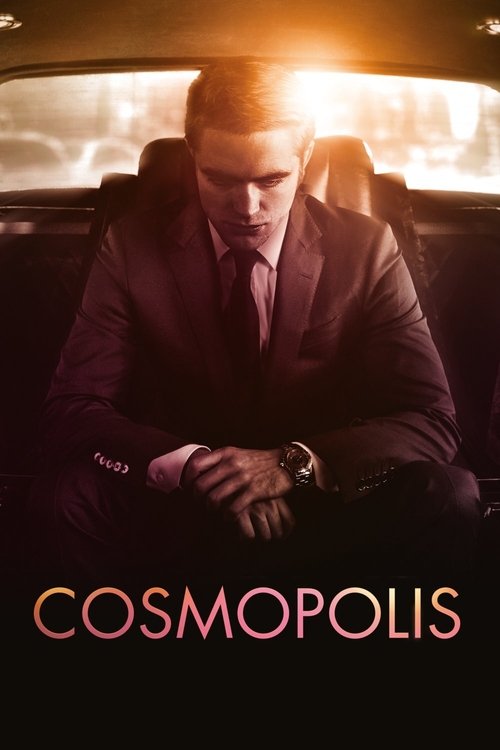
Cosmopolis
2012Riding across Manhattan in a stretch limo during a riot in order to get a haircut, a 28-year-old billionaire asset manager's life begins to crumble.

Maps to the Stars
2014Driven by an intense need for fame and validation, members of a dysfunctional Hollywood family are chasing celebrity, one another and the relentless ghosts of their pasts.
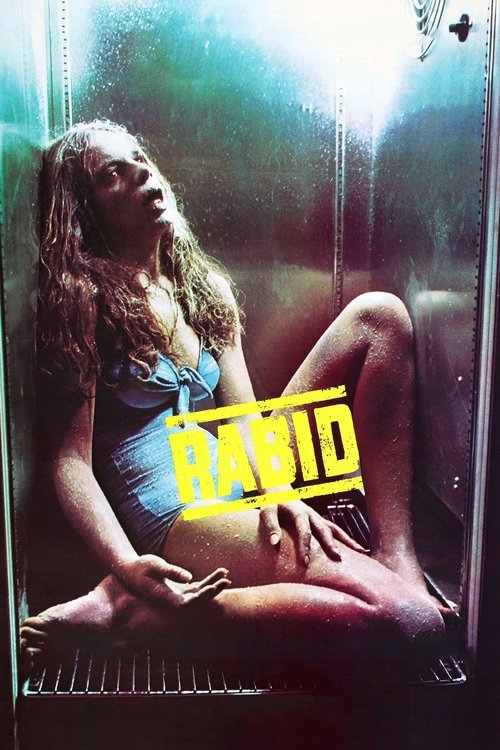
Rabid
1977After undergoing radical surgery for injuries from a motorcycle accident, a young woman develops a retractable, vampiric stinger in her armpit and a thirst for human blood.
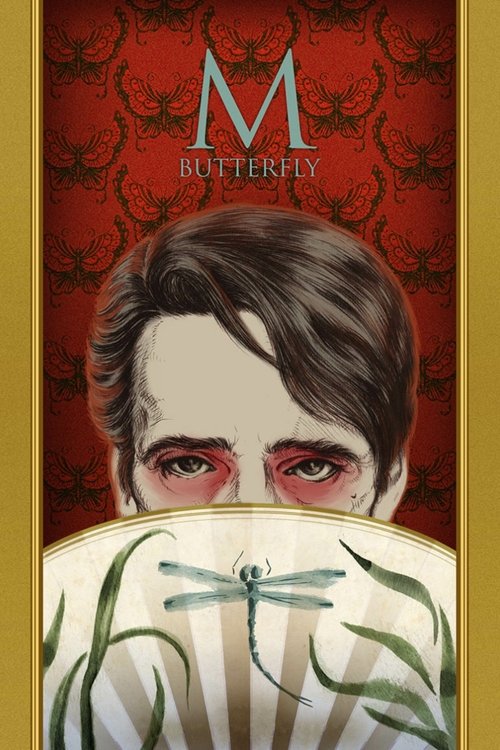
M. Butterfly
1993In 1960s China, French diplomat Rene Gallimard falls in love with an opera singer, Song Liling – but Song is not at all who Gallimard thinks.
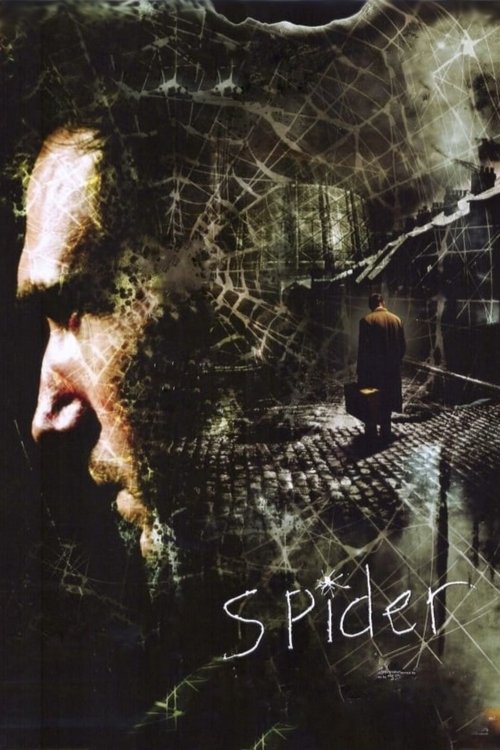
Spider
2002A mentally disturbed man takes residence in a halfway house. His mind gradually slips back into the realm created by his illness, where he replays a key part of his childhood.
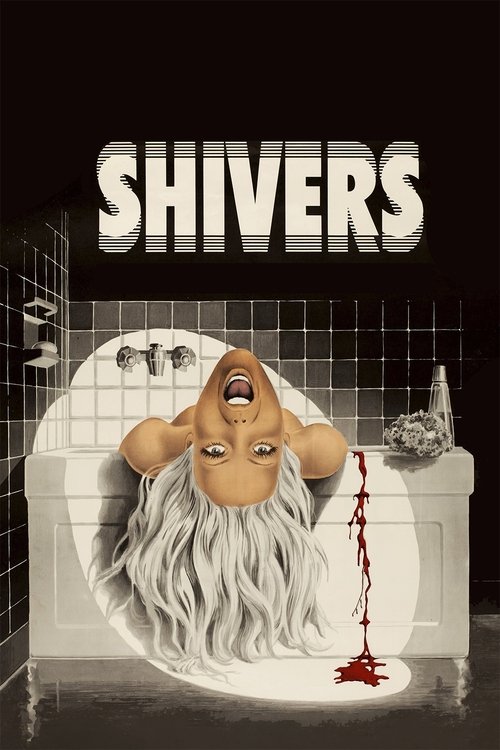
Shivers
1975The residents of a suburban high-rise apartment building are infected by parasites that turn them into mindless nymphomaniac fiends.

Crimes of the Future
2022With his partner, a celebrity performance artist publicly showcases the metamorphosis of his organs in avant-garde performances. An investigator from the National Organ Registry obsessively tracks their movements, which is when a mysterious group is revealed... Their mission — to use the artist's notoriety to shed light on the next phase of human evolution.
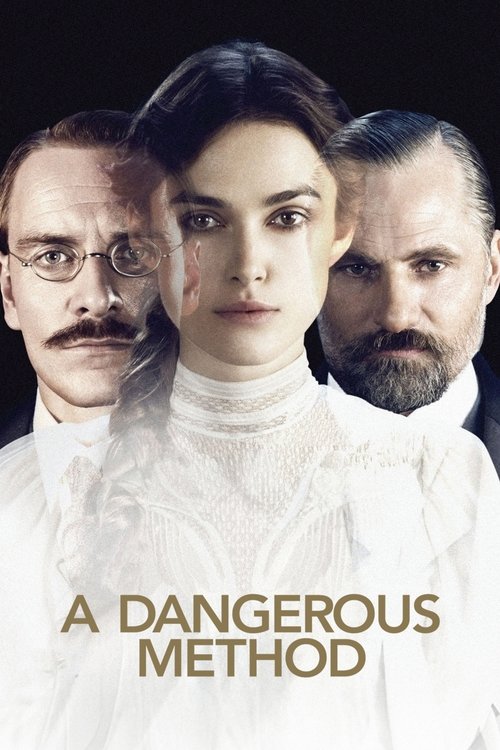
A Dangerous Method
2011Seduced by the challenge of an impossible case, the driven Dr. Carl Jung takes the unbalanced yet beautiful Sabina Spielrein as his patient. Jung’s weapon is the method of his master, the renowned Sigmund Freud. Both men fall under Sabina’s spell.
Scanners
1981After a man with extraordinary, and frighteningly destructive, telepathic abilities is nabbed by agents from a mysterious rogue corporation, he discovers he is far from the only possessor of such strange powers. Some of the other “scanners” have their minds set on world domination, while others are trying to stop them.
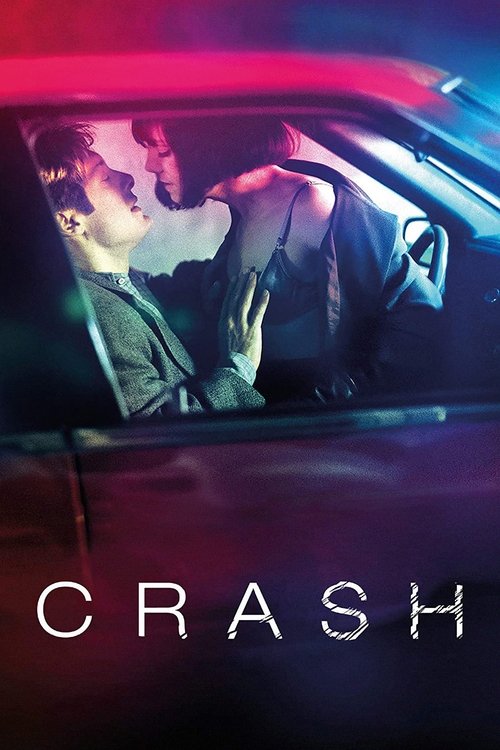
Crash
1996A car crash victim suddenly finds himself turned on by car accidents and becomes involved with an underground sub-culture of like-minded souls.
Arguably his most provocative experiment, this film investigates the eroticization of trauma and the collision of metal and meat. It is a cool, detached, and unapologetically alienating look at a subculture that finds sexual transcendence in the mechanical destruction of the self.

eXistenZ
1999A game designer on the run from assassins must play her latest virtual reality creation with a marketing trainee to determine if the game has been damaged.
This playful yet paranoid meta-commentary on digital escapism reinvents the director's bio-organic motifs for the dawn of the internet age. It serves as a spiritual successor to his earlier media critiques, reimagining the video game controller as a literal extension of the nervous system.
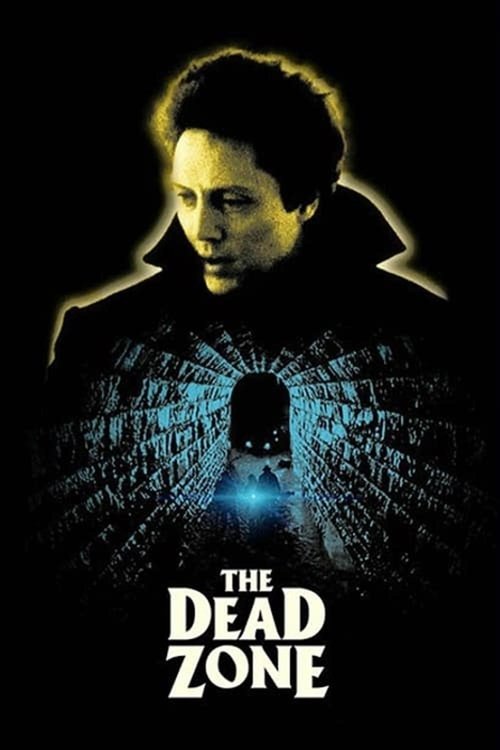
The Dead Zone
1983Johnny Smith is a schoolteacher with his whole life ahead of him but, after leaving his fiancee's home one night, is involved in a car crash which leaves him in a coma for 5 years. When he wakes, he discovers he has an ability to see into the past, present and future life of anyone with whom he comes into physical contact.
Working within a more conventional generic framework, Cronenberg imbues this Stephen King adaptation with a distinct sense of wintery isolation and psychic claustrophobia. The film showcases his versatility, proving he can evoke profound dread through atmosphere and pacing rather than just anatomical transformation.
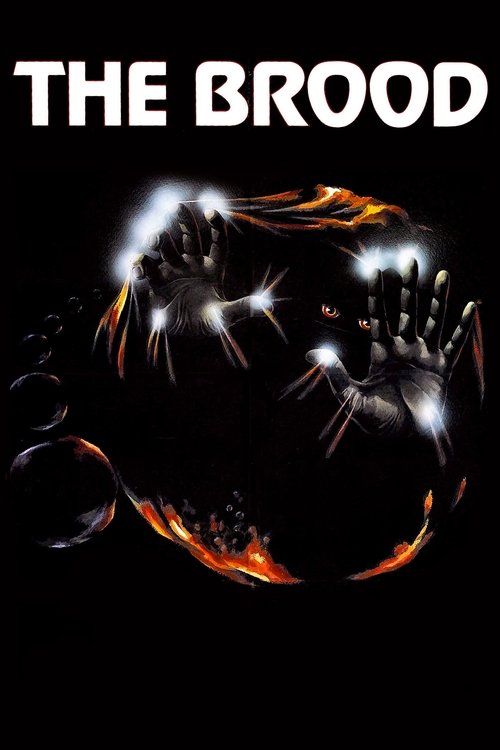
The Brood
1979A man tries to uncover an unconventional psychologist's therapy techniques on his institutionalized wife, while a series of brutal attacks committed by a brood of mutant children coincides with the husband's investigation.
Born from the wreckage of a personal divorce, this early work externalizes emotional trauma into a terrifying biological manifestation of maternal rage. It stands as the director's most raw and unrefined expression of the horror that arises when the mind loses control over the reproductive body.
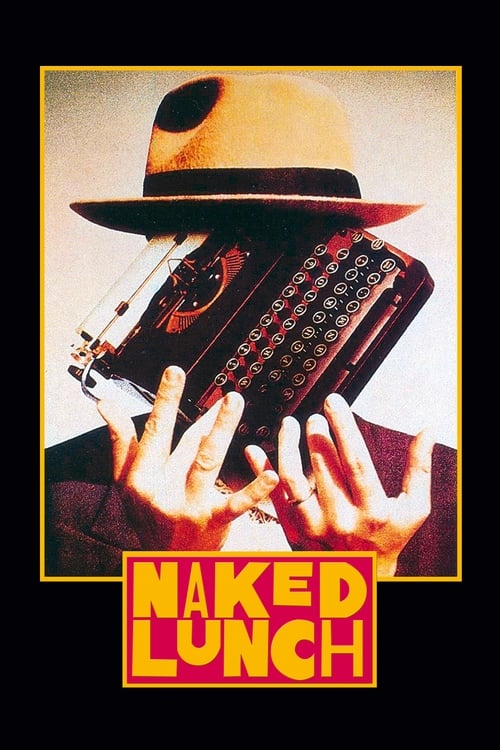
Naked Lunch
1991Blank-faced bug killer Bill Lee and his dead-eyed wife, Joan, like to get high on Bill's pest poisons while lounging with Beat poet pals. After meeting the devilish Dr. Benway, Bill gets a drug made from a centipede. Upon indulging, he accidentally kills Joan, takes orders from his typewriter-turned-cockroach, ends up in a constantly mutating Mediterranean city and learns that his hip friends have published his work -- which he doesn't remember writing.
By translating an unfilmable novel into a fever dream of Typewriters and insectoid hallucinations, Cronenberg treats the creative process as a literal, infectious disease. It is a singular achievement in transgressive adaptation that replaces traditional narrative logic with the twisted architecture of addiction.
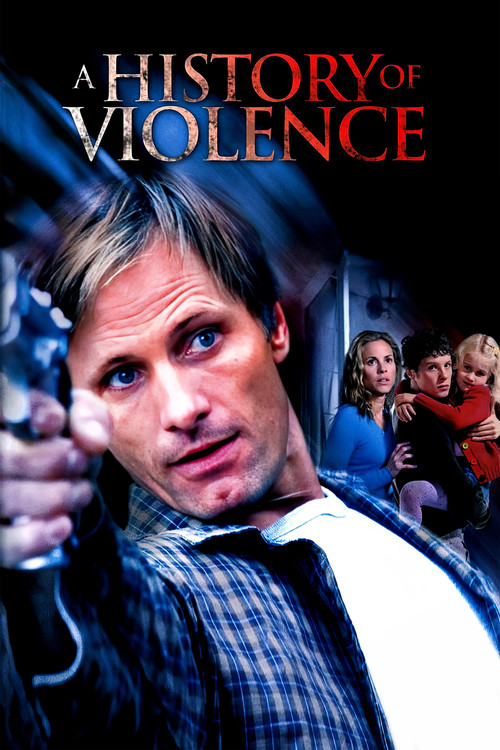
An average family is thrust into the spotlight after the father commits a seemingly self-defense murder at his diner.
This deceptively lean neo-noir functions as a surgical deconstruction of the American mythos and the dormant savagery lurking beneath domestic tranquility. It represents a pivot toward a more grounded, yet no less visceral, exploration of how identity can be shed as easily as a layer of dermis.

Eastern Promises
2007A Russian teenager living in London dies during childbirth but leaves clues in her diary that could tie her child to a rape involving a violent Russian mob family.
Stripping away the overt mutations of his early career, this underworld thriller reveals that the director's true fascination has always been the fragility of the skin. The film utilizes a cold, rhythmic brutality to dissect the ritualistic nature of violence and the permanence of tribal markings.
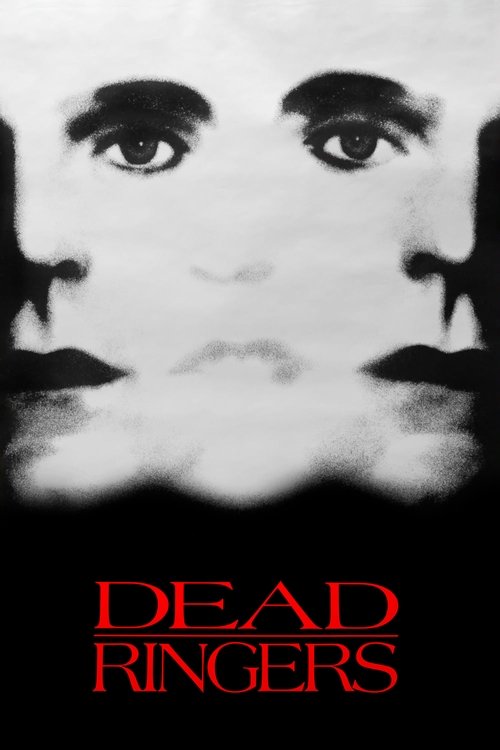
Dead Ringers
1988Elliot, a successful gynecologist, works at the same practice as his identical twin, Beverly. Elliot is attracted to many of his patients and has affairs with them. When he inevitably loses interest, he will give the woman over to Beverly, the meeker of the two, without the woman knowing the difference. Beverly falls hard for one of the patients, Claire, but when she inadvertently deceives him, he slips into a state of madness.
Cronenberg pivots from external gore to internal psychological rot in this chillingly clinical study of codependency and identity. Through a hauntingly dualistic visual language, he explores the terrifying proximity of the clinical and the carnal within the human psyche.
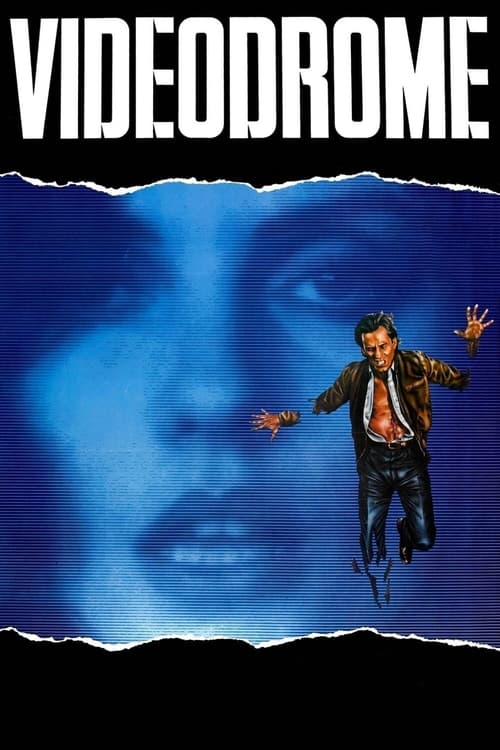
Videodrome
1983As the president of a trashy TV channel, Max Renn is desperate for new programming to attract viewers. When he happens upon "Videodrome," a TV show dedicated to gratuitous torture and punishment, Max sees a potential hit and broadcasts the show on his channel. However, after his girlfriend auditions for the show and never returns, Max investigates the truth behind Videodrome and discovers that the graphic violence may not be as fake as he thought.
This hallucinatory broadcast serves as a prophetic manifesto on the blurred lines between media consumption and physical reality. Its jagged, surreal imagery solidified the concept of the New Flesh, cementing Cronenberg as the premier architect of the technological subconscious.
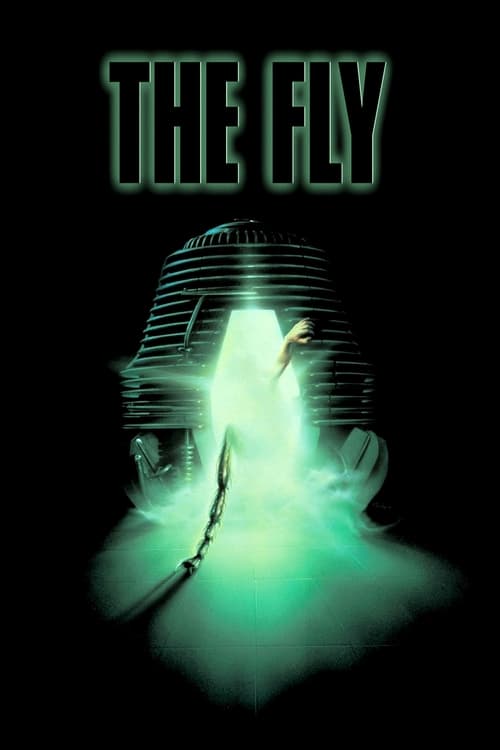
The Fly
1986When Seth Brundle makes a huge scientific and technological breakthrough in teleportation, he decides to test it on himself. Unbeknownst to him, a common housefly manages to get inside the device and the two become one.
A masterstroke of biological tragedy, this film perfects the director's obsession with mutating flesh by grounding the visceral decay in a devastatingly human disintegration. It remains the ultimate synthesis of high-concept body horror and operatic pathos, marking the peak of Cronenberg's ability to make the repulsive feel deeply profound.
Frequently Asked Questions
Everything you need to know about this list and SnakeDrafts
- David Cronenberg's films often explore the fusion of technology and biology, the instability of the human body, and psychological horror. Movies like 'Videodrome' and 'The Fly' exemplify these themes through body horror and transformative physical experiences.
- While 'Eastern Promises' departs from Cronenberg's signature body horror and sci-fi elements, it maintains his intense psychological depth through a thriller-crime narrative focusing on the Russian mafia. This film showcases his versatility in exploring human nature and violence in a grounded setting.
- 'Dead Ringers' is celebrated for its chilling portrayal of twin gynecologists and their descent into madness, blending psychological horror with character study. It highlights Cronenberg's skill at creating unsettling atmospheres beyond physical transformation themes.
- 'Crash' stands out for its provocative exploration of human sexuality linked to car accidents, merging thriller and drama genres. It challenges conventional narratives and showcases Cronenberg's interest in taboo subjects and bodily obsession.
- 'A History of Violence' explores identity, morality, and the impact of violence on personal life, shifting towards a dramatic thriller approach. It aligns with Cronenberg's fascination with human nature and the darker aspects of identity transformation.
- Films like 'Scanners,' 'Videodrome,' and 'eXistenZ' emphasize Cronenberg's innovative use of science fiction to explore the intersection of technology, media, and the human mind. These movies are essential in understanding his visionary approach to sci-fi horror.
- In 'Spider' and 'The Dead Zone,' psychological horror is central, focusing on disturbed mental states and psychic phenomena rather than explicit body horror. This aspect of Cronenberg's work showcases his versatility in creating tension through internal horror.
- 'The Fly' is a landmark film that combined tragic romance with groundbreaking body horror effects, revitalizing the genre. It significantly elevated Cronenberg's international reputation and demonstrated his ability to blend emotional depth with unsettling visuals.

