The Best Terry Gilliam Movies Ranked
Visionary Worlds and Dystopian Dreams
Explore the definitive ranking of Terry Gilliam movies, from cult classics like Brazil and Monty Python to sci-fi masterpieces like Twelve Monkeys.
About Terry Gilliam

To step into a Terry Gilliam frame is to abandon the safety of the horizontal line. The horizon tilts, the camera lunges forward through a wide-angle lens, and suddenly the viewer is trapped in a world that feels simultaneously claustrophobic and infinite. He is the cinema’s great maximalist, a man who views empty space as a canvas demanding to be cluttered with pipes, baroque carvings, and the detritus of a decaying future. While his peers might strive for invisible craftsmanship, he demands that you see the seams, the grit, and the glorious, messy gears of his imagination.
His origins as the lone American and resident animator of the Monty Python troupe remain visible in every frame he composes. Just as those surreal cutouts once hopped across television screens, his live-action work treats the physical world as a playground for the grotesque and the sublime. In the medieval chaos of Monty Python and the Holy Grail or the grimy satire of Jabberwocky, he established a visual language where the mud is real but the logic is deliriously fractured. He does not build sets so much as he constructs fever dreams that breathe.
Central to his legacy is the war between the individual spirit and the crushing weight of bureaucracy or fate. Brazil remains his magnum opus in this regard, a terrifyingly funny nightmare where a simple clerical error leads to a systemic collapse. It captures his obsession with the dreamer trapped in a gear-driven world. This theme echoes through Time Bandits and The Adventures of Baron Munchausen, forming a loose trilogy about the necessity of fantasy as a survival mechanism against the coldness of reality. Even when working within the relative constraints of a studio thriller like Twelve Monkeys, he managed to infuse a high-concept time travel plot with the frantic, sweat-soaked texture of a Victorian asylum.
What truly separates him from his contemporaries is his refusal to yield to practical reality. His career is a storied battle against the elements, most famously during the decades-long struggle to finish The Man Who Killed Don Quixote. He is a director who treats every production like a crusade. This relentless ambition often results in films that feel like they are vibrating with nervous energy. The Fisher King showcased his ability to ground this whimsy in genuine human tragedy, using a mythic quest to navigate the streets of modern New York, while Fear and Loathing in Las Vegas turned the lens into a literal hallucinogen, distorting the American desert into a neon-soaked hellscape.
His later works continue to push at the boundaries of visual density. The Imaginarium of Doctor Parnassus and The Zero Theorem function as meditations on the act of creation itself, often feeling like self-portraits of an artist trying to hold back the tide of a sterile, digital age. Even in more divisive projects like Tideland or The Brothers Grimm, his fingerprints remain unmistakable. He is an architect of the impossible, a filmmaker who believes that if a world does not contain at least a little bit of beautiful, terrifying clutter, it is probably not worth visiting. He remains the industry’s resident alchemist, forever attempting to turn the leaden weight of production hurdles into the gold of pure, unadulterated vision.
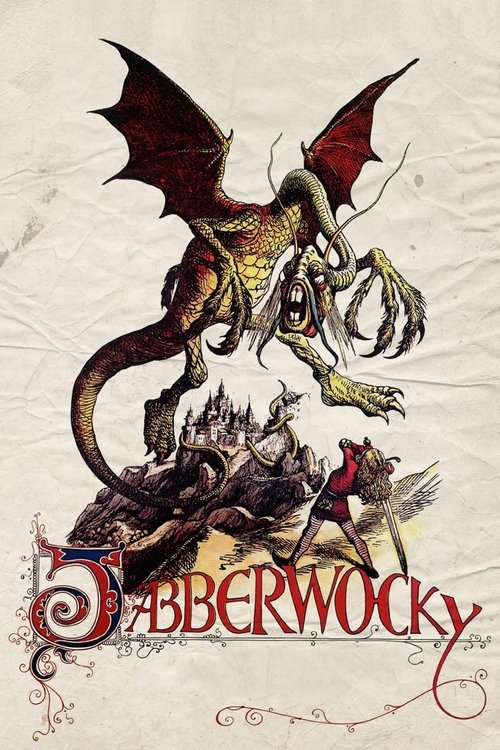
Jabberwocky
1977After the death of his father, young Dennis Cooper goes to town where he has to pass several adventures. The town and the whole kingdom is threatened by a terrible monster called 'Jabberwocky'. Will Dennis make his fortune? Is anyone brave enough to defeat the monster?
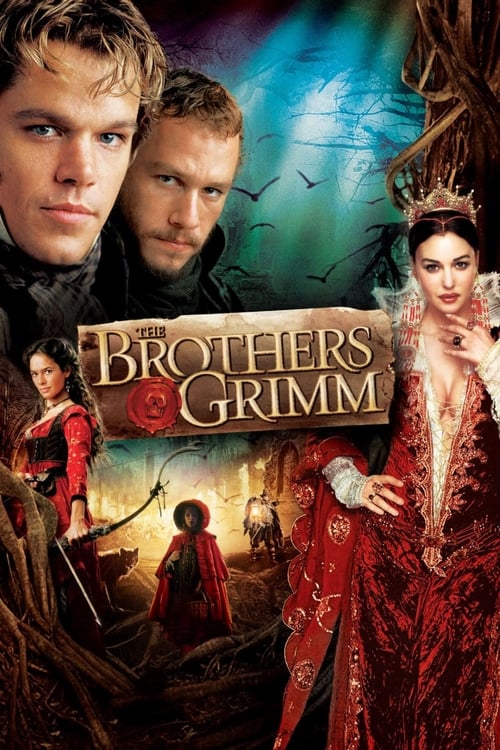
The Brothers Grimm
2005Folklore collectors and con artists, Jake and Will Grimm, travel from village to village pretending to protect townsfolk from enchanted creatures and performing exorcisms. However, they are put to the test when they encounter a real magical curse in a haunted forest with real magical beings, requiring genuine courage.
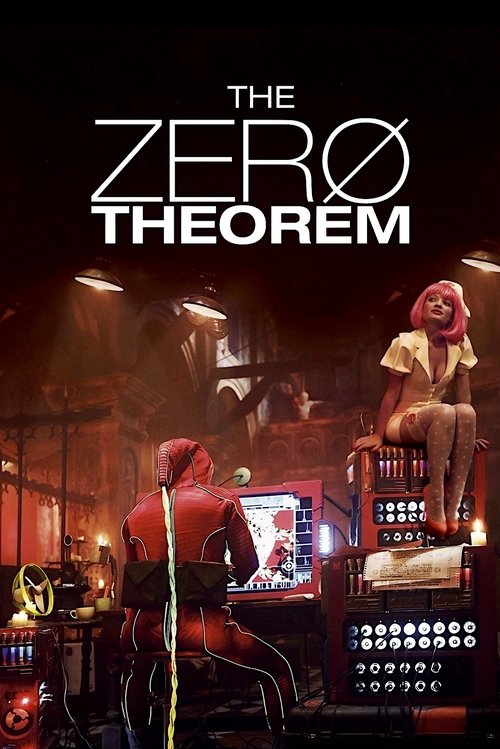
The Zero Theorem
2013A computer hacker's goal to discover the reason for human existence continually finds his work interrupted thanks to the Management; this time, they send a teenager and lusty love interest to distract him.
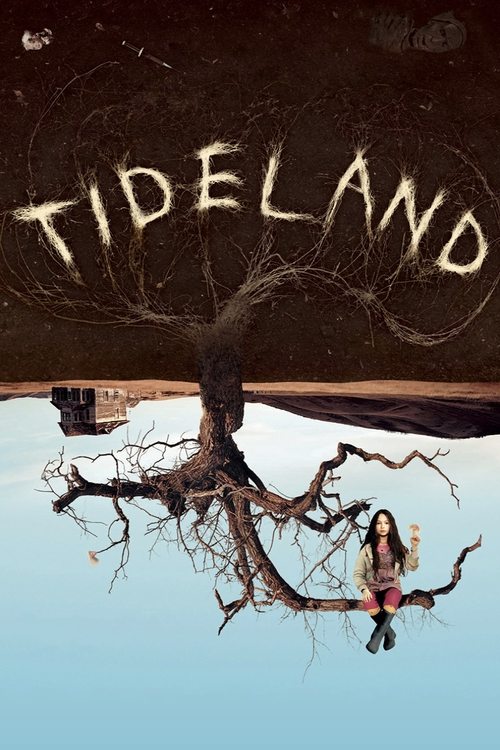
Tideland
2005Because of the actions of her irresponsible parents, a young girl is left alone on a decrepit country estate and survives inside her fantastic imagination.
Undeniably his most divisive and uncompromising work, this gothic fable strip-mines the trauma of childhood to find beauty in the grotesque. Gilliam rejects all conventional comfort here, forcing a confrontation between the purity of a child’s perspective and the horrifying reality of an adult world in decay.
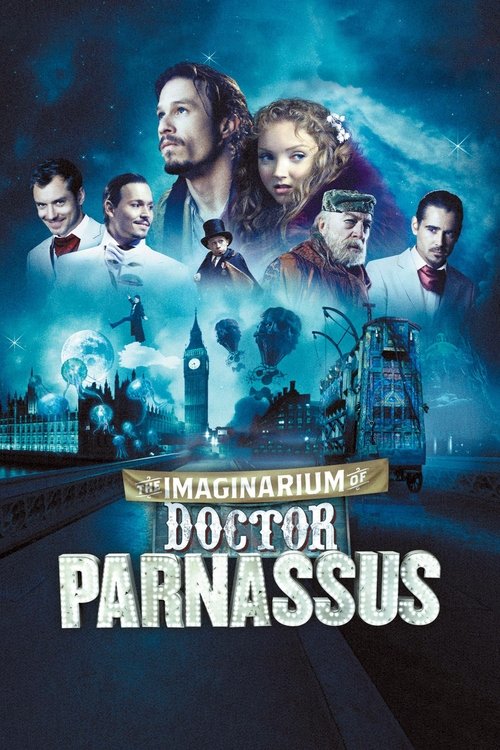
The Imaginarium of Doctor Parnassus
2009After a carnival troupe saves his life, a man agrees to help its immortal leader collect five souls and win a bet with the devil.
Constructed as a kaleidoscopic tribute to a lost collaborator, this film pushes the limits of digital artifice to create a morality play that feels like a Victorian stage show. It is an ornate, bittersweet exploration of the debt every storyteller owes to the audience and the sacrifices made to keep the show on the road.
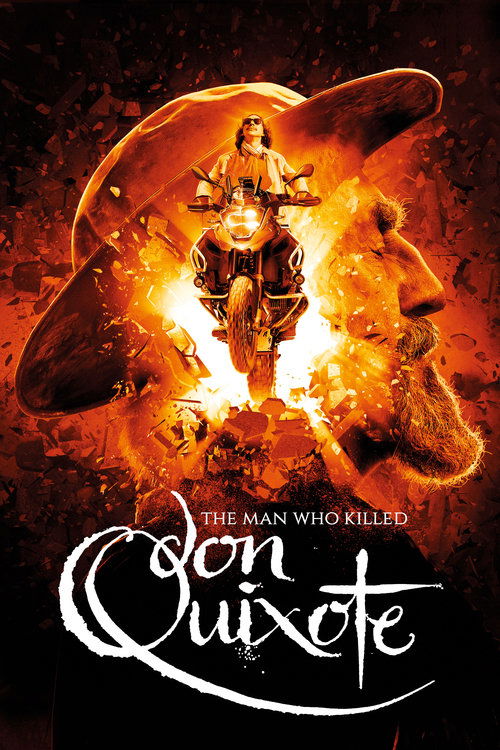
The Man Who Killed Don Quixote
2018Toby, a cynical film director finds himself trapped in the outrageous delusions of an old Spanish shoe-maker who believes himself to be Don Quixote. In the course of their comic and increasingly surreal adventures, Toby is forced to confront the tragic repercussions of a film he made in his idealistic youth.
Finally realized after decades of developmental hell, this meta-textual epic serves as a poignant, self-reflexive coda to the director’s lifelong obsession with Cervantes. The film blurs the boundary between the creator and the creation, reflecting the director’s own stubborn refusal to succumb to the windmills of the studio system.
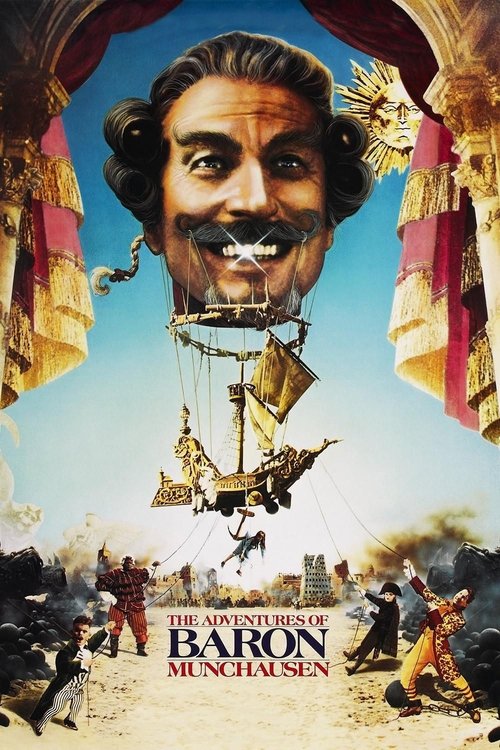
The Adventures of Baron Munchausen
1988An account of Baron Munchausen's supposed travels and fantastical experiences with his band of misfits.
A sprawling monument to the necessity of the tall tale, this production is as famous for its behind-the-scenes turmoil as it is for its baroque beauty. It represents Gilliam at his most defiant, championing the glory of the extravagant lie over the gray, literal-mindedness of the Enlightenment.
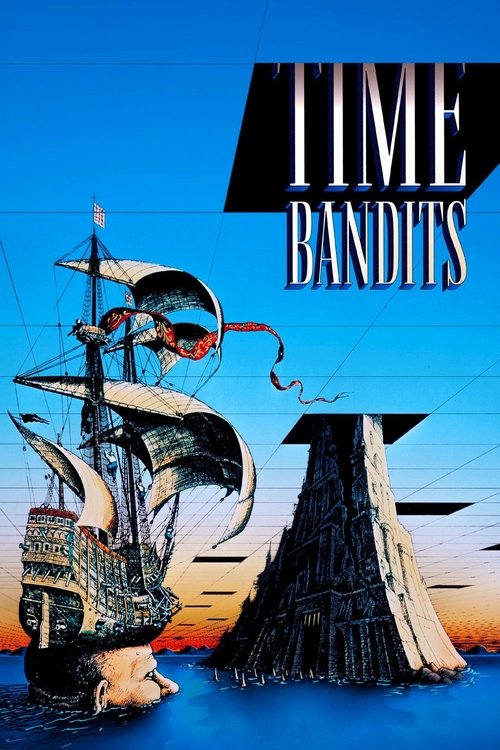
Time Bandits
1981Young history buff Kevin can scarcely believe it when six dwarfs emerge from his closet one night. Former employees of the Supreme Being, they've purloined a map charting all of the holes in the fabric of time and are using it to steal treasures from different historical eras. Taking Kevin with them, they variously drop in on Napoleon, Robin Hood and King Agamemnon before the Supreme Being catches up with them.
This chaotic fairy tale established the quintessential Gilliam hero: a lonely dreamer lost in a universe that is indifferent to logic. It is a masterpiece of practical effects and childhood cynicism, marking the moment his idiosyncratic world-building first achieved its full, unbridled scale.
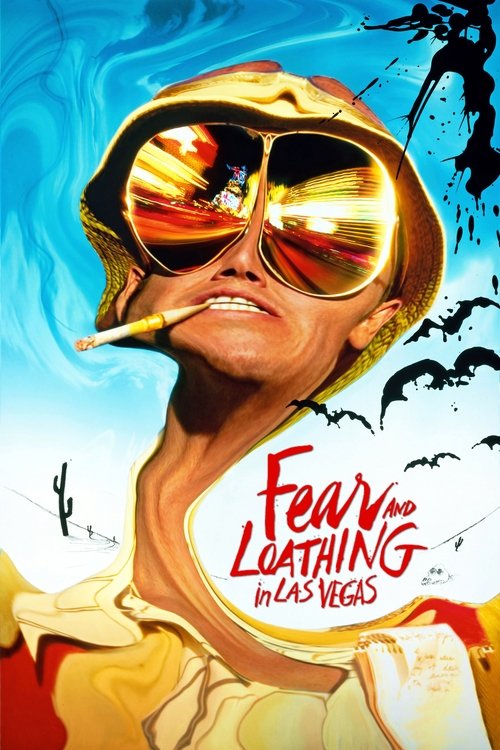
Raoul Duke and his attorney Dr. Gonzo drive a red convertible across the Mojave desert to Las Vegas with a suitcase full of drugs to cover a motorcycle race. As their consumption of drugs increases at an alarming rate, the stoned duo trash their hotel room and fear legal repercussions. Duke begins to drive back to L.A., but after an odd run-in with a cop, he returns to Sin City and continues his wild drug binge.
This hallucinatory odyssey into the wreckage of the American dream is perhaps the most faithful translation of gonzo literature ever attempted. Gilliam utilizes a nauseating, tilt-shift visual language to simulate a drug-induced delirium that is as exhausting as it is technically brilliant.
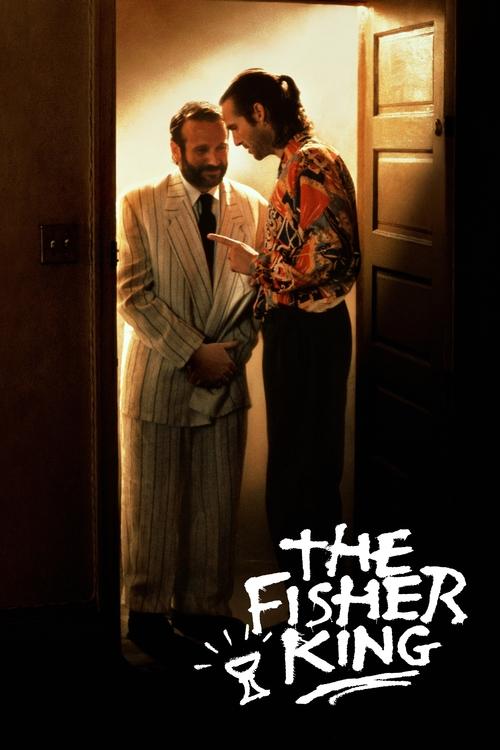
The Fisher King
1991Two troubled men face their terrible destinies and events of their past as they join together on a mission to find the Holy Grail and thus to save themselves.
By grounding his fantastical impulses in the grit of contemporary Manhattan, Gilliam discovered a profound cinematic empathy for the fractured mind. The film stands as his most humanistic work, utilizing his distinct wide-angle distortion not for satire, but to illustrate the thin line between psychosis and the redemptive power of personal mythology.
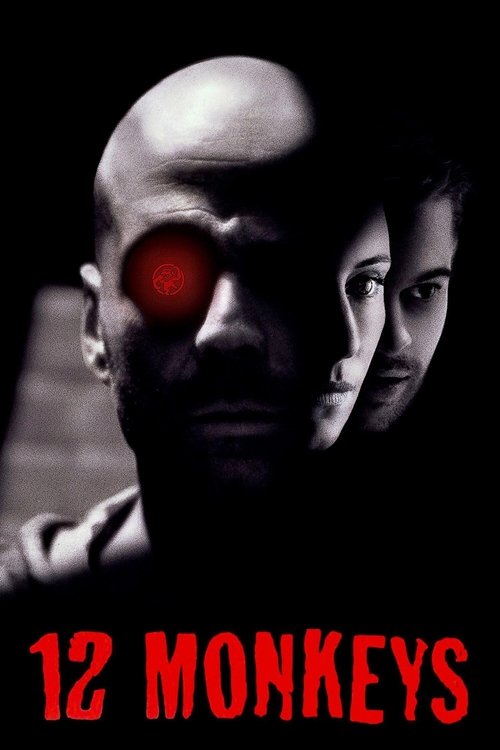
Twelve Monkeys
1995In the year 2035, convict James Cole reluctantly volunteers to be sent back in time to discover the origin of a deadly virus that wiped out nearly all of the earth's population and forced the survivors into underground communities. But when Cole is mistakenly sent to 1990 instead of 1996, he's arrested and locked up in a mental hospital. There he meets psychiatrist Dr. Kathryn Railly and the son of a famous virus expert who may hold the key to the Army of the 12 Monkeys; thought to be responsible for unleashing the killer disease.
Gilliam exercises rare restraint in this slick yet soulful science fiction thriller, proving he can channel his chaotic energy into a tight, circular narrative without losing his penchant for grotesque industrial textures. This film solidified his status as a master of the cerebral blockbuster, balancing high-concept paradoxes with a deeply felt melancholy.
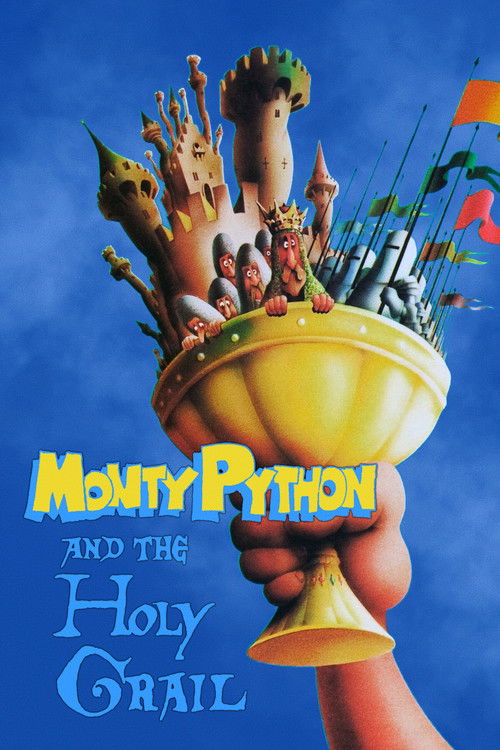
Monty Python and the Holy Grail
1975King Arthur, accompanied by his squire, recruits his Knights of the Round Table, including Sir Bedevere the Wise, Sir Lancelot the Brave, Sir Robin the Not-Quite-So-Brave-As-Sir-Lancelot and Sir Galahad the Pure. On the way, Arthur battles the Black Knight who, despite having had all his limbs chopped off, insists he can still fight. They reach Camelot, but Arthur decides not to enter, as "it is a silly place".
Co-directed with Terry Jones, this medieval romp introduced the world to Gilliam’s signature marriage of historical filth and surrealist animation. It remains a foundational text of absurdist cinema, proving that a minuscule budget is no match for a director capable of turning cardboard sets into icons of comedic subversion.
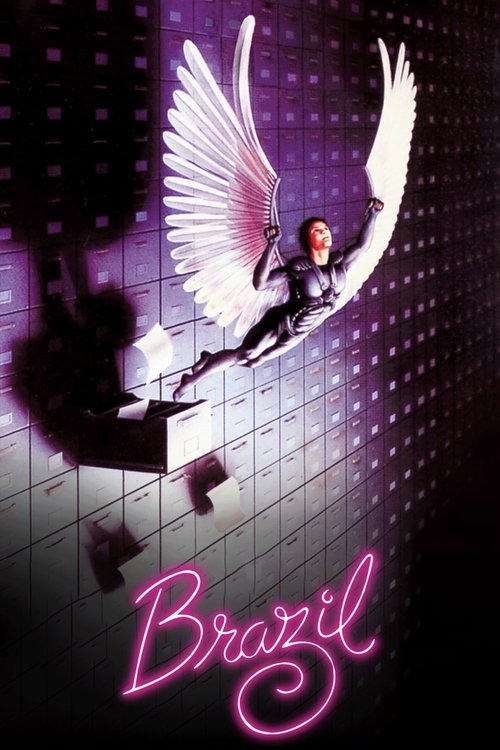
Brazil
1985Low-level bureaucrat Sam Lowry escapes the monotony of his day-to-day life through a recurring daydream of himself as a virtuous hero saving a beautiful damsel. Investigating a case that led to the wrongful arrest and eventual death of an innocent man instead of wanted terrorist Harry Tuttle, he meets the woman from his daydream, and in trying to help her gets caught in a web of mistaken identities, mindless bureaucracy and lies.
A towering achievement in dystopian satire, this film serves as the definitive expression of Gilliam’s career-long war against bureaucracy and the crushing weight of modern existence. Its sprawling, claustrophobic kit-bash aesthetic creates a terrifyingly tactile future where the imagination is both the ultimate escape and a dangerous liability.
Frequently Asked Questions
Everything you need to know about this list and SnakeDrafts
- Terry Gilliam's films often explore themes of dystopia, fantasy, and the clash between reality and imagination. Movies like Brazil and Twelve Monkeys highlight his fascination with chaotic futures and psychological complexity.
- Gilliam's distinctive visual style, characterized by tilted horizons, wide-angle lenses, and cluttered sets, creates immersive and surreal worlds. This maximalist approach amplifies the emotional and thematic depth of films such as Fear and Loathing in Las Vegas and The Adventures of Baron Munchausen.
- Twelve Monkeys is a prime example of Gilliam's skill in blending science fiction with thriller and mystery elements. The film's complex narrative and dystopian vision create a gripping cinematic experience.
- Yes, Time Bandits is a family-friendly fantasy adventure that showcases Gilliam's imaginative storytelling suitable for younger audiences while retaining appeal for adults.
- Gilliam skillfully combines humor with fantastical and adventurous elements, using absurdity and satire to enhance stories. Movies like Jabberwocky and The Brothers Grimm exemplify this blend, delivering comedy alongside whimsical narratives.
- Myth and legend are central to films like Monty Python and the Holy Grail and The Adventures of Baron Munchausen, where Gilliam reinterprets classic tales with surreal and subversive humor, creating fresh and engaging cinema.
- The Fisher King stands out as a blend of comedy and psychological drama, exploring themes of trauma, redemption, and human connection with Gilliam's unique narrative flair.