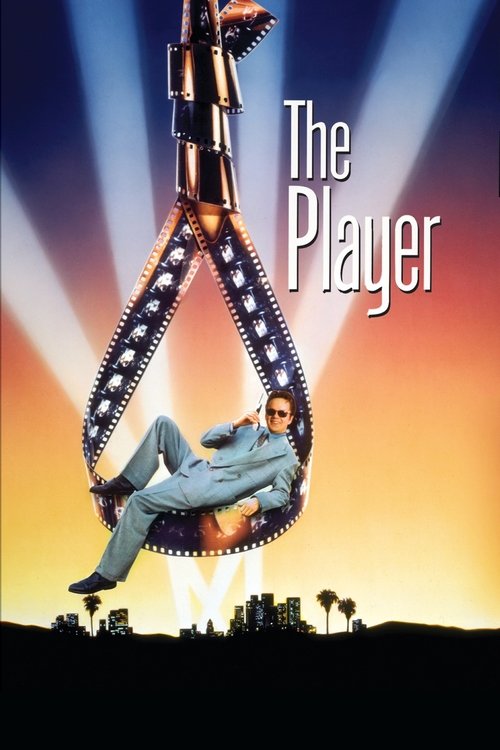
The Player
In the cynical heart of Hollywood, a high-powered studio executive finds his life spiraling into a thrilling mystery when he becomes the target of a vengeful, anonymous screenwriter. "The Player" is a masterclass in satire, offering a razor-sharp look at the industry's underbelly, blending suspense with dark humor and an unforgettable ensemble.
Director
Release Year
1992
Runtime
124 minutes
Main Cast
Tim Robbins, Greta Scacchi, Fred Ward, Whoopi Goldberg, Peter Gallagher
About The Player
"The Player," released in 1992, remains a quintessential Robert Altman film, a scathing Hollywood satire that simultaneously embraces and critiques the industry it depicts. Its innovative long takes and overlapping dialogue became hallmarks of Altman's distinctive directorial style, influencing a generation of filmmakers and solidifying his reputation as a cinematic auteur. The film's unique blend of dark comedy, mystery, and drama resonated deeply with critics and audiences, offering a rare glimpse into the cutthroat world of moviemaking.
The premise follows Griffin Mill (Tim Robbins), a hotshot studio executive who rejects pitches with ruthless efficiency. His carefully constructed world unravels when he begins receiving anonymous death threats, ostensibly from a disgruntled screenwriter whose work he once dismissed. As Mill desperately tries to identify his tormentor, he becomes entangled in a murder investigation, blurring the lines between victim and perpetrator, power and paranoia. The narrative brilliantly navigates the murky moral landscape of Hollywood, where ambition often trumps ethics.
Critically, "The Player" was a triumph, earning widespread acclaim for its intelligent screenplay, Altman's masterful direction, and Tim Robbins' nuanced performance. It garnered numerous awards and nominations, including three Academy Award nominations (Best Director, Best Adapted Screenplay, and Best Film Editing) and a Golden Globe for Best Motion Picture – Musical or Comedy. Its cultural impact endures as a definitive cinematic statement on the perils and absurdities of the film industry, often cited in discussions about meta-cinema and industry self-reflection.
Beyond its immediate success, "The Player" has left a lasting legacy as one of the most insightful and entertaining satires ever made. It not only dissects the manipulative power dynamics within Hollywood but also foreshadows the increasing self-awareness of the industry in subsequent decades. Its biting humor and suspenseful plot continue to captivate new audiences, ensuring its place as a timeless classic for anyone fascinated by the magic and the madness of moviemaking.
Drafts Featuring The Player
Every SnakeDrafts listicle where this movie appears
The Best Bruce Willis Movie
Ranked #22
The Best Gina Gershon Movies Ranked
Ranked #9
The Best Burt Reynolds Acting Roles
Ranked #21
The Best Lily Tomlin Movies Ranked
Ranked #13
The Best Malcolm McDowell Movies
Ranked #13
The Best Anjelica Huston Movies Ranked
Ranked #16
A Ranking of the Best Jeff Goldblum Movies
Ranked #17
The Best Peter Gallagher Movies
Ranked #3
The Best Sydney Pollack Movies Ranked
Ranked #9
The Best Mimi Rogers Movies Ranked
Ranked #19
The Best of Tim Robbins Filmography
Ranked #5
The Best Vincent D'Onofrio Movies
Ranked #4
The Ultimate Ranking of Whoopi Goldberg’s Best Movie Performances
Ranked #8
The Definitive Ranking of Robert Altman Films
Ranked #4
The Best Movies of the 1990s Ranked
Ranked #70
The Greatest Films of 1992
Ranked #25
The Greatest Jeremy Piven Movies Ever
Ranked #4
Best Crime Movies of 1992, Ranked
Ranked #2
The Greatest 1990s Comedy Movies Ranked
Ranked #36
Top James Coburn Movies Ranked
Ranked #9
The Best Thriller Movies of 1992, Ranked
Ranked #23
Similar Movies
Movies related to The Player
Frequently Asked Questions
Everything you need to know about The Player
- The film masterfully employs a staggering number of real-life celebrity cameos, often in uncredited roles, to blur the lines between fiction and reality. These appearances enhance the film's satirical edge by showcasing the pervasive presence of star power in Hollywood, reinforcing the idea that everyone is, in some way, a 'player' in the industry's intricate game. It adds an authentic layer of insider humor and critical commentary.
- The postcard sent to Griffin Mill, depicting a snake wrapped around a heart, is a recurring visual motif that symbolizes betrayal, temptation, and the poisonous nature of Hollywood ambition. It serves as a constant reminder of the anonymous threats and the moral compromises Mill faces, subtly foreshadowing the unfolding drama and his own ethical descent.
- The ending of "The Player" is a brilliant culmination of the film's satirical vision, demonstrating how Hollywood, for all its moral failings, ultimately prioritizes profit and superficial success over justice or genuine artistic merit. It cynically suggests that in this cutthroat environment, even murder can be swept under the rug if the right project moves forward, leaving audiences with a poignant reflection on the industry's unwavering power.
- June Gudmundsdottir serves as a mysterious and enigmatic figure in Griffin Mill's life, representing an escape from the superficiality and moral bankruptcy of Hollywood. Her artistic sensibility and quieter demeanor offer a stark contrast to the relentless ambition and deceit that surround him, yet she also becomes unwittingly embroiled in his escalating problems, highlighting the pervasive nature of his industry's influence.
- The incessant talk of movie pitches and story ideas throughout the film serves as a meta-commentary on Hollywood's cyclical, self-referential nature. It underscores the industry's obsession with storytelling, often at the expense of genuine human connection or moral integrity, revealing how even real-life events can be sanitized and repackaged for mass consumption, epitomizing the film's core critique of the dream factory.

