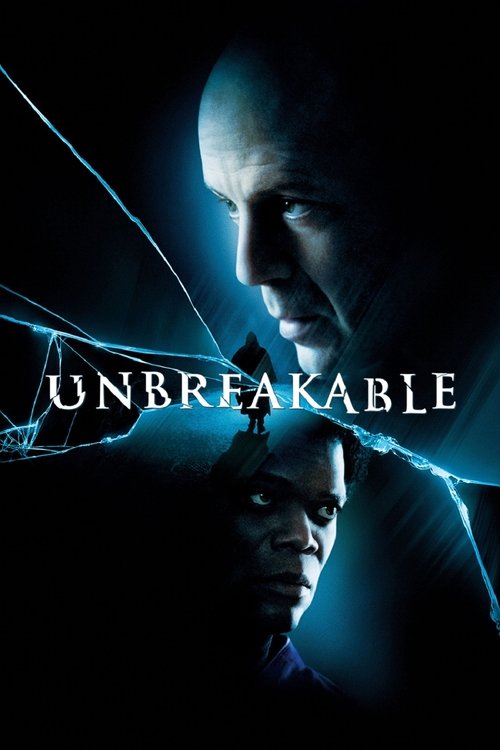
Unbreakable
M. Night Shyamalan's "Unbreakable" shatters the mold of the superhero genre, presenting a grounded, psychological thriller that explores destiny, extraordinary abilities, and the thin line between vulnerability and invincibility. Delve into a world where comic book mythology meets stark reality, leaving audiences questioning the true nature of heroism.
Director
Release Year
2000
Runtime
106 minutes
Main Cast
Bruce Willis, Samuel L. Jackson, Robin Wright, Spencer Treat Clark, Charlayne Woodard
About Unbreakable
Released in 2000, "Unbreakable" arrived on the heels of M. Night Shyamalan's breakout success with "The Sixth Sense," cementing his reputation as a master of suspense and unexpected twists. The film resonated with audiences for its unique take on the superhero origin story, long before the mainstream cinematic universe boom. It deftly avoided capes and superpowers, instead focusing on the intimate, often painful, journey of self-discovery.
The premise introduces David Dunn, an ordinary security guard who miraculously survives a devastating train crash without a scratch. This inexplicable event draws him into the enigmatic orbit of Elijah Price, a disabled comic book art dealer with a lifelong fascination for heroes and villains. As David grapples with his newfound invulnerability, the film subtly builds a taut narrative exploring themes of fate, human potential, and the inherent duality of good and evil within us all.
Critically, "Unbreakable" received praise for its strong performances, particularly from Bruce Willis and Samuel L. Jackson, and Shyamalan's signature atmospheric direction. While initially dividing some critics who expected a more straightforward thriller, its slow-burn narrative and thought-provoking themes have led to a significant re-evaluation over time, with many now considering it one of Shyamalan's most profound works. It has garnered a dedicated cult following and is often cited as a cornerstone in the evolution of the modern superhero film.
Its legacy extends beyond its immediate reception, influencing subsequent superhero narratives by demonstrating that compelling stories could be told within the genre without relying on overt fantasy. "Unbreakable" is a testament to the power of grounded storytelling, proving that the most extraordinary abilities can emerge from the most ordinary lives, leaving an indelible mark on cinematic history.
Drafts Featuring Unbreakable
Every SnakeDrafts listicle where this movie appears
Similar Movies
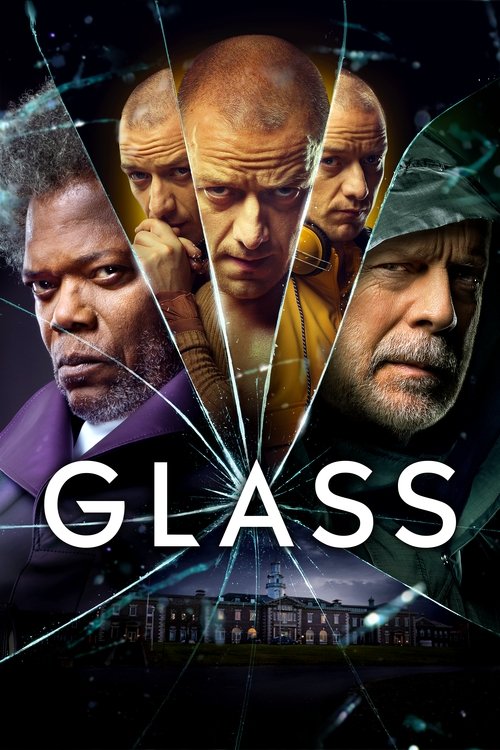
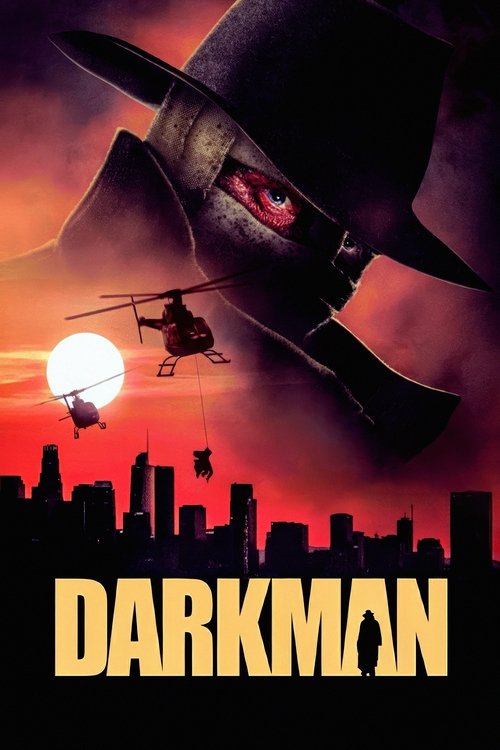
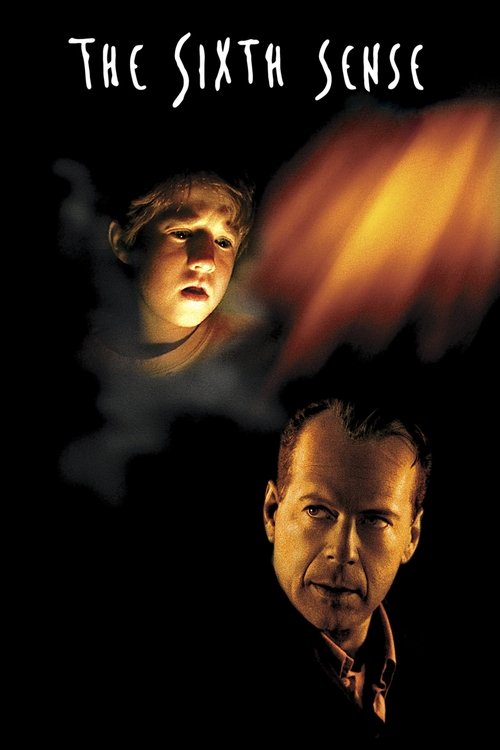
Movies related to Unbreakable
Frequently Asked Questions
Everything you need to know about Unbreakable
- The color purple is frequently associated with Elijah Price, often seen in his clothing or surroundings. It symbolizes royalty, wisdom, mystery, and also a certain melancholy, subtly hinting at his complex character and his self-proclaimed role as a mentor figure with a darker purpose.
- David Dunn's vulnerability to water is a crucial element that grounds his extraordinary abilities in a relatable weakness, echoing classic superhero tropes. It serves as his Achilles' heel, making him a more complex and human hero, and provides a significant narrative challenge he must overcome.
- The shocking ending reveals Elijah Price, also known as Mr. Glass, as the orchestrator of the very events that led to David's self-discovery. It unveils his deeply troubled psyche, his belief that for every unbreakable person, there must be a completely fragile one, and his manipulative quest to find his antithesis.
- Elijah Price, due to his lifelong fragility and isolation, developed an intense worldview where comic books were not mere fiction but exaggerated historical records of humanity's true nature. He believes they provide a clear dichotomy of heroes and villains, a blueprint for understanding extraordinary individuals.
- The title 'Unbreakable' directly refers to David Dunn's physical invulnerability, symbolic of his burgeoning superhero identity. However, it also subtly alludes to the unyielding belief and psychological resilience required to embrace one's destiny, whether as a hero or, tragically, as a villain.
- Shyamalan frequently uses mirrors and reflections to symbolize self-discovery, duality, and the characters confronting their true identities. These visual motifs underscore the internal journeys of both David and Elijah, highlighting their struggles with self-perception and destiny.

