The Ultimate John McTiernan Movie Rankings
The Definitive King of Action Cinema
Explore the legendary filmography of John McTiernan, director of action masterpieces and high-stakes thrillers that redefined the genre.
About John McTiernan

In the late 1980s, the blueprint for the American blockbuster underwent a seismic shift that few saw coming. Before John McTiernan stepped behind the lens, action cinema was often a blunt instrument characterized by invincible, muscle-bound caricatures. He arrived with a sophisticated, Ivy League sensibility that traded wooden machismo for spatial intelligence and genuine tension. He did not just film gunfights; he choreographed them with the precision of a geometer, ensuring the audience always understood the physical relationship between the hunter and the hunted.
Predator serves as the perfect opening salvo for this philosophy. While it begins as a standard jungle mission, it quickly mutates into a deconstruction of the genre, stripping its commandos of their firepower and forcing them into a primitive, terrifying game of hide and seek. The camerawork is fluid and predatory in its own right, moving through the foliage with a rhythmic grace that distinguishes it from the clunky staginess of its contemporaries. This was the work of a visual storyteller who prioritized the geography of a scene over mindless pyrotechnics.
The director solidified his status as the premier architect of the modern thriller with Die Hard. By trapping Bruce Willis in a high-rise, he created a masterclass in tension, using the vertical layout of Nakatomi Plaza as a character in its own right. He understood that an audience connects more deeply with a hero who is bleeding and desperate than one who is bulletproof. The film remains the gold standard because of its impeccable pacing and its ability to make a massive set piece feel intimate. He repeated this magic with Die Hard With a Vengeance, though he swapped the claustrophobic skyscraper for the sprawling, chaotic energy of New York City, proving he could manage scale without losing his signature narrative clarity.
His versatility extended far beyond the urban jungle. With The Hunt for Red October, he managed to make a submarine interior feel as expansive and high stakes as a battlefield. It is perhaps his most intellectual exercise, relying on chess-like maneuvers and the psychological weight of Cold War paranoia. Later, with The Thomas Crown Affair, he traded the heavy weaponry for the sleek, erotic world of high-end art heists. Even here, the DNA of his style is evident in the rhythmic editing and the way he uses space to heighten the sexual and intellectual tension between his leads.
What defines this body of work is a refusal to speak down to the viewer. Even his misunderstood meta-commentary Last Action Hero attempted to interrogate the very tropes he helped establish. His films possess a certain muscular elegance that is rare in today’s CGI-saturated landscape. Whether he was exploring the visceral brutality of The 13th Warrior or the twisty, cerebral layers of Basic, he remained committed to the craft of the kinetic image. He turned the action movie into a thinking person’s medium, leaving behind a legacy of films that feel as taut and vital today as they did decades ago.
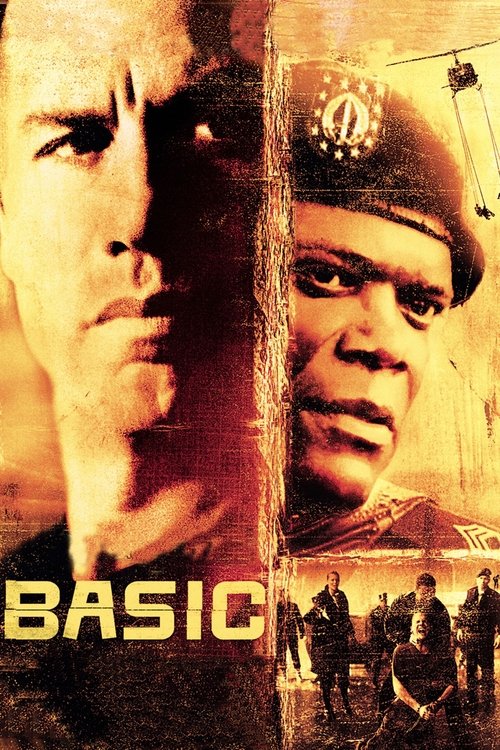
Basic
2003When a hurricane hits a US Army base on the edge of the Panama Canal, an elite covert operations team of US Army Rangers recruits are on a routine jungle training exercise that goes horribly awry. Only two recruits are rescued, one of which is badly injured, but both have different accounts regarding the fate of their leader, legendary and ruthless Army Ranger Drill Sergeant Nathan West, and the rest of their platoon. Tom Hardy, an ex-army Ranger turned maverick DEA agent is brought in to solve the mystery and uncover what really happened out there.
A convoluted exercises in Rashomon-style perspective that pushes the director's penchant for atmospheric tension into the realm of the military noir. While heavily reliant on its twist-heavy architecture, it highlights his career-long fascination with the blurring lines between objective truth and tactical deception.
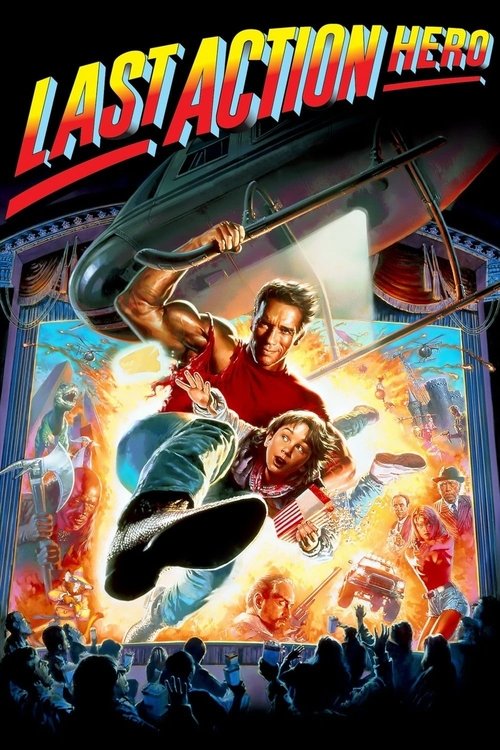
Last Action Hero
1993After his father's death, a young boy finds solace in action movies featuring an indestructible cop. Given a magic ticket by a theater manager, he is transported into the film and teams up with the cop to stop a villain who escapes into the real world.
This ambitious meta-commentary serves as a cynical yet loving deconstruction of the very tropes McTiernan helped codify. It is a bold, kaleidoscopic experiment that challenges the audience's relationship with cinematic violence while pushing the boundaries of the self-aware blockbuster.
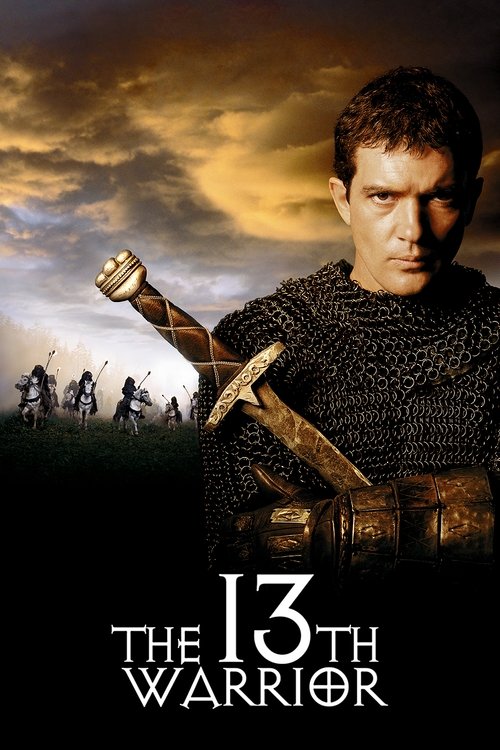
The 13th Warrior
1999A Muslim ambassador exiled from his homeland joins a group of Vikings, initially offended by their behavior but growing to respect them. As they travel together, they learn of a legendary evil closing in and must unite to confront this formidable force.
Despite its fractured production history, this film stands as a fascinatingly gritty take on epic folklore that favors mud and steel over magical tropes. McTiernan’s eye for immersive atmosphere and tactile combat creates a visceral sense of historical realism that remains unfairly overlooked in his body of work.
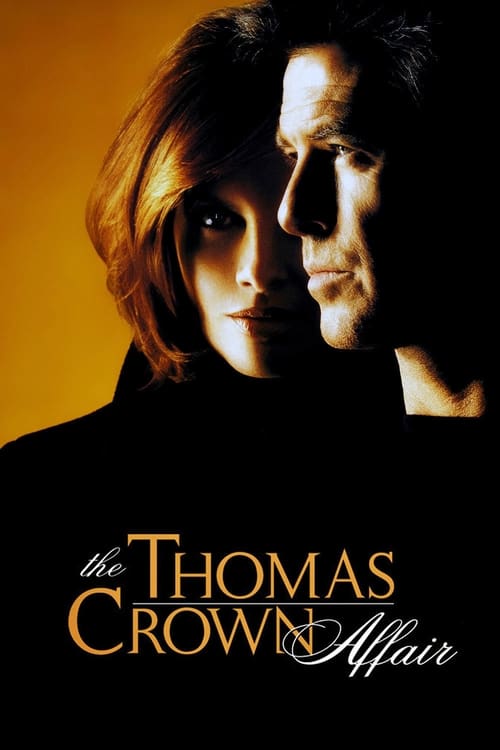
The Thomas Crown Affair
1999Bored billionaire executive Thomas Crown entertains himself by stealing a Monet from a reputed museum with an elaborate diversion. When Catherine Banning, the insurance company's investigator, takes an interest in Crown, he may have met his match, and a complicated back-and-forth game with seductive undertones begins between them.
Switching gears into a world of high-society elegance, the director proves his aesthetic versatility by treating an art heist with the same strategic precision as a military raid. It is a slick, sophisticated reimagining that prioritizes sensual visual storytelling and witty psychological gamesmanship over brute force.
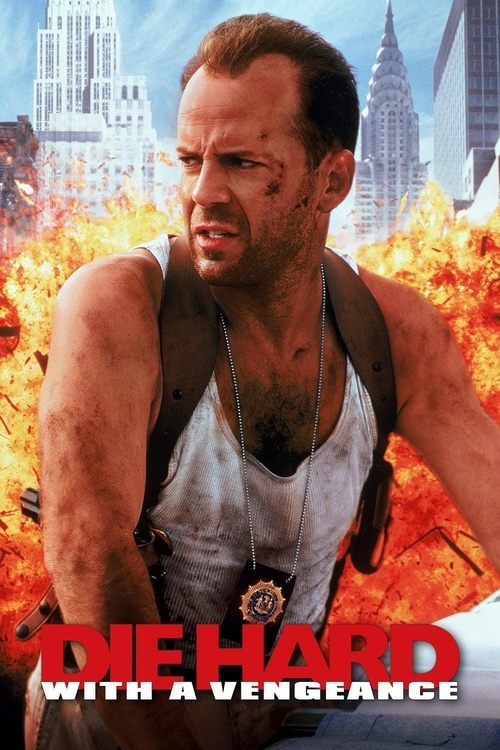
Die Hard: With a Vengeance
1995New York detective John McClane is back and kicking bad-guy butt in the third installment of this action-packed series, which finds him teaming with civilian Zeus Carver to prevent the loss of innocent lives. McClane thought he'd seen it all, until a genius named Simon engages McClane, his new "partner" -- and his beloved city -- in a deadly game that demands their concentration.
By shattering the isolated blueprint of the original, McTiernan treats the entirety of New York City as a kinetic playground for chaos. The film captures a frantic, sweaty energy that revitalized the franchise through aggressive editing and a rhythmic, buddy-comedy chemistry that feels dangerous rather than forced.
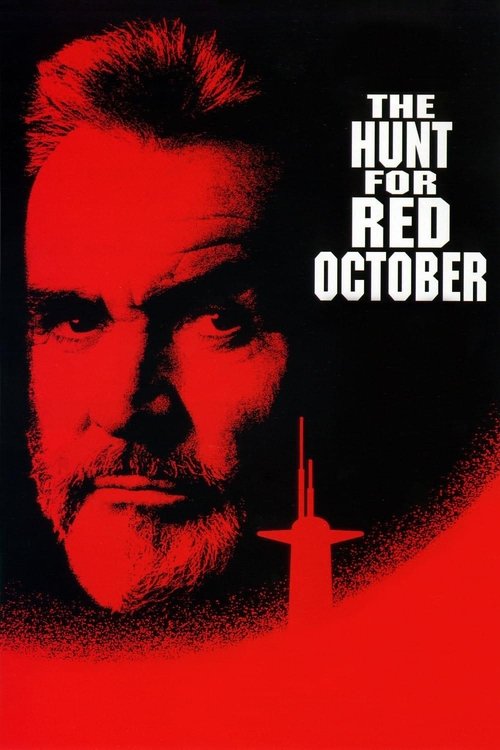
A new technologically-superior Soviet nuclear sub, the Red October, is heading for the U.S. coast under the command of Captain Marko Ramius. The American government thinks Ramius is planning to attack. Lone CIA analyst Jack Ryan has a different idea: he thinks Ramius is planning to defect, but he has only a few hours to find him and prove it - because the entire Russian naval and air commands are trying to find Ramius, too. The hunt is on!
This cold war procedural showcases McTiernan’s mastery of internal geography, turning the cramped confines of a submarine into a sprawling stage for intellectual warfare. It is a sophisticated exercise in high-stakes pacing where sonar pings and tactical silences carry as much weight as any explosion.
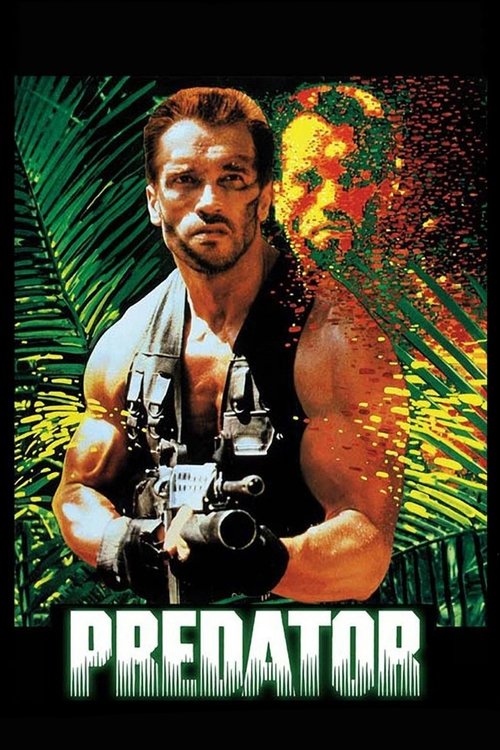
Predator
1987A team of elite commandos on a secret mission in a Central American jungle come to find themselves hunted by an extraterrestrial warrior.
A brilliant subversion of eighties machismo that begins as a standard war picture before devolving into a primal, stylistic slasher. The director utilizes the dense jungle canopy to create a claustrophobic sense of dread, proving his unparalleled ability to visualize an unseen threat.
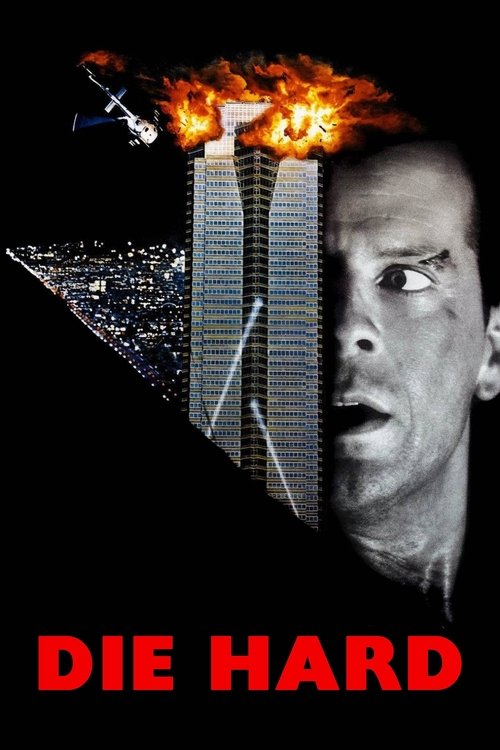
Die Hard
1988NYPD cop John McClane's plan to reconcile with his estranged wife is thrown for a serious loop when, minutes after he arrives at her office's Christmas Party, the entire building is overtaken by a group of terrorists. With little help from the LAPD, wisecracking McClane sets out to single-handedly rescue the hostages and bring the bad guys down.
McTiernan redefined the modern blockbuster by grounding kinetic spectacle in spatial logic and a vulnerable, blue-collar protagonist. It remains the definitive masterclass in vertical filmmaking, using every floor of the Nakatomi Tower to engineer tension and elevate the action genre into high art.
Frequently Asked Questions
Everything you need to know about this list and SnakeDrafts
- John McTiernan revolutionized action filmmaking by choreographing gunfights and combat with spatial intelligence and precision, as seen in films like "Die Hard" and "Predator." His approach creates genuine tension and immersive, strategically crafted sequences that engage viewers beyond typical action clichés.
- McTiernan skillfully combines action with elements of thriller, science fiction, and even romance, evident in "The Thomas Crown Affair" and "The Hunt for Red October." This genre blending enriches his films, offering complex narratives alongside intense action.
- "The 13th Warrior" stands out for fusing adventure with historical and action elements. The film explores Viking culture with a dramatic narrative, showcasing McTiernan's versatility beyond purely contemporary action settings.
- "Die Hard: With a Vengeance" delivers the high-stakes tension and intricate plot twists characteristic of McTiernan's style, expanding the iconic franchise with fresh energy and complex villainy. It exemplifies his talent for reinvigorating established action series.
- "Last Action Hero" uniquely blends action with fantasy, comedy, and family elements, creating a meta-cinematic experience that satirizes Hollywood tropes. This departure from straightforward action showcases McTiernan's creative range.
- McTiernan expertly builds suspense through meticulous pacing and layered storytelling, as seen in "Basic" and "The Hunt for Red October." His use of atmosphere and character-driven tension keeps audiences engaged throughout the film.
- While McTiernan is primarily celebrated for action choreography, many of his films, like "The Thomas Crown Affair," incorporate rich character development, balancing thrills with emotional and psychological depth to enrich the narrative experience.

