Best Movies Starring Damon Wayans
The Definitive Filmography of a Comedy Legend
Explore the best theatrical performances of Damon Wayans, from hilarious slapstick hits to hard-hitting action classics and cult favorites.
About Damon Wayans
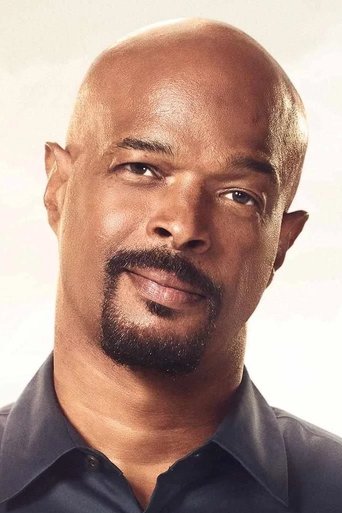
In the sprawling lineage of the Wayans family, Damon has always functioned as the architect of the sharpest edges. While his brothers often leaned into the broad and the bawdy, he carved out a space for the cerebral, the cynical, and the physically transformative. He emerged during a golden era of Black comedy but refused to be siloed into a single lane, bridging the gap between high-concept satire and the kind of hard-boiled charisma that usually belongs to traditional action stars. Audiences gravitated toward him because he carried an inner life that felt slightly unpredictable, a mischievous glint in his eye that suggested he was always the smartest person in the room.
His early climb was defined by an ability to steal scenes with minimal real estate. Think back to his brief moment in Beverly Hills Cop, where his flamboyant banana man bit remains more memorable than many of the film’s lead supporting roles. This knack for character work exploded in the late eighties with I'm Gonna Git You Sucka and Colors, projects that showcased his range from broad parody to gritty realism. But the nineties belonged to him. He reinvented the mismatched buddy cop dynamic alongside Bruce Willis in The Last Boy Scout, playing a disgraced athlete with a chip on his shoulder and a weary soul. It was a performance that proved he could hold his own in a high-octane noir without losing his comedic footing.
The mid-nineties saw him leaning into his own brand of leading-man eccentricity. Major Payne became a foundational text for a generation of kids, showing off his gift for vocal distortion and rigid physical comedy. Around the same time, he was exploring the pitfalls of the hustle in Mo' Money and playing the accidental superhero in Blankman, a film that remains a cult favorite for its earnest, low-fi charm. He was never afraid to look ridiculous, yet he maintained a certain dignity that made his characters feel like underdogs worth rooting for. Whether he was playing an inept kidnapper in Celtic Pride or a smooth-talking fixer in The Great White Hype, he played with a rhythmic confidence that made the dialogue sing.
As his career matured, he took bolder swings, most notably in Spike Lee’s Bamboozled. His performance as Pierre Delacroix was a masterclass in suppressed rage and corporate assimilation, a jarring departure that reminded critics of his dramatic weight. This willingness to critique the industry from the inside, combined with his work on Lethal Weapon and the family favorite My Wife and Kids, solidified his reputation as a versatile veteran. He remains a pillar of American comedy because he understands the mechanics of a joke as well as the mechanics of a man pushed to his limit. Even in a film like Bulletproof or the soulful Harlem Aria, he brings a distinct energy that bridges the gap between the playground and the pavement. He didn't just participate in popular culture; he helped draw the blueprint for what a modern, multi-hyphenate comedy star should look like.
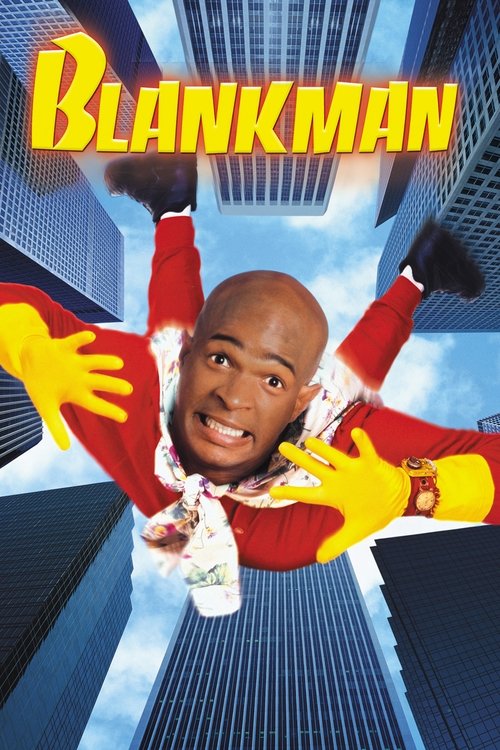
Blankman
1994Darryl is a childlike man with a genius for inventing various gadgets out of junk. When he stumbles on a method to make his clothes bulletproof, he decides to use his skills to be the lowest budgeted superhero of all.
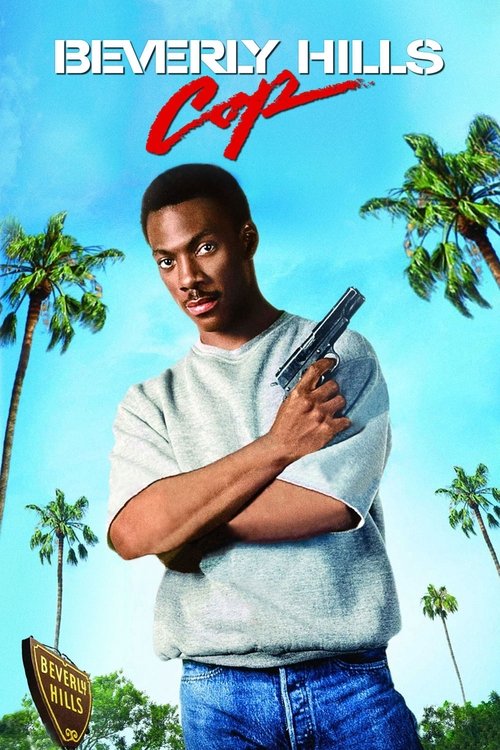
Fast-talking, quick-thinking Detroit street cop Axel Foley has bent more than a few rules and regs in his time, but when his best friend is murdered, he heads to sunny Beverly Hills to work the case like only he can.
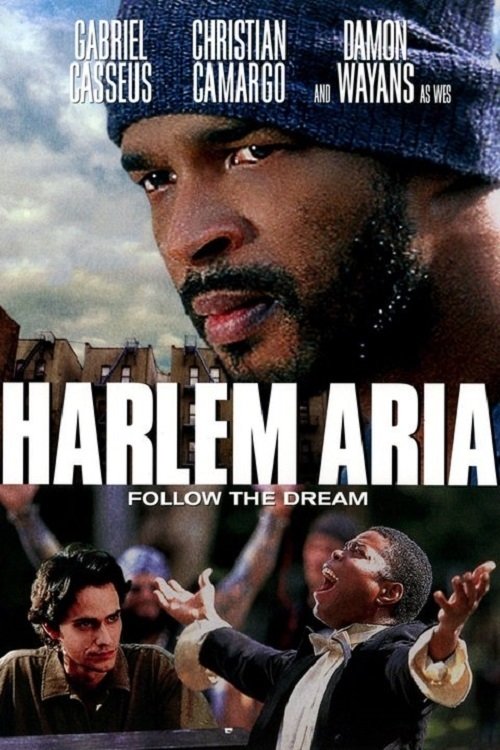
Harlem Aria
1999An aspiring opera singer from Harlem teams up with a charismatic busker and a kindhearted hustler to share his voice with the world, and teaches his two newfound friends the importance of taking your destiny into your own hands. Anton (Gabriel Casseus) lives in Harlem with his aunt. He dreams of moving to Italy and becoming a famous opera singer, and though he's been blessed with a magnificent singing voice, his passion has made him an outsider in his neighborhood. Running away from home, Anton meets passionate street pianist Matthew (Christian Carmago) and together the two begin drawing large, appreciate crowds on the street. Working the crowd as they do their thing is Wes (Damon Wayans), whose natural charm always gets the cash flowing. And while life on the streets is never easy, Anton, Matthew, and Wes soon discover that by following their dreams, they may find a means of transforming their lives forever.
Capturing a softer, more protective side of his screen presence, Wayans provides the emotional backbone to this indie drama. It is a subtle departure from his high-octane comedy, emphasizing a refined ability to play off his costars in a collaborative, character-driven environment.
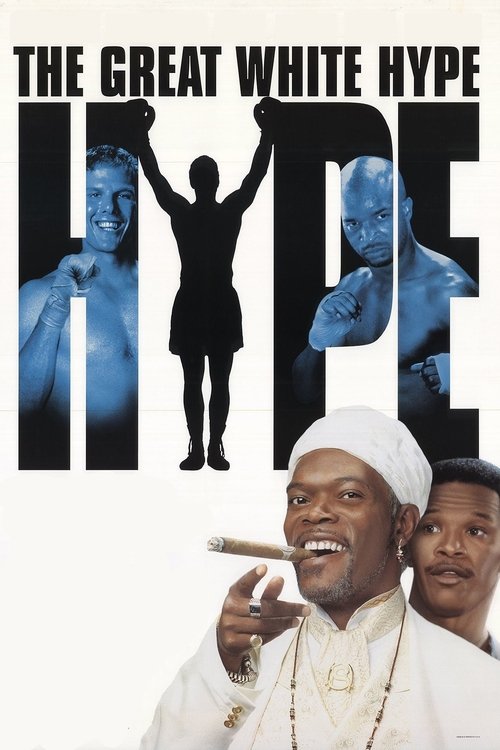
The Great White Hype
1996When the champ's promoter, Rev. Sultan, decides something new is needed to boost the marketability of the boxing matches, he searches and finds the only man to ever beat the champ. The problem is that he isn't a boxer anymore and he's white. However, once Rev. Sultan convinces him to fight, he goes into heavy training while the confident champ takes it easy and falls out of shape.
Embodying a flamboyant boxing promoter, Wayans leans into a sharp, satirical persona that skewers the commercialism of professional sports. His performance is a masterclass in fast-talking manipulation, echoing the heightened archetypes of the industry he parodies.
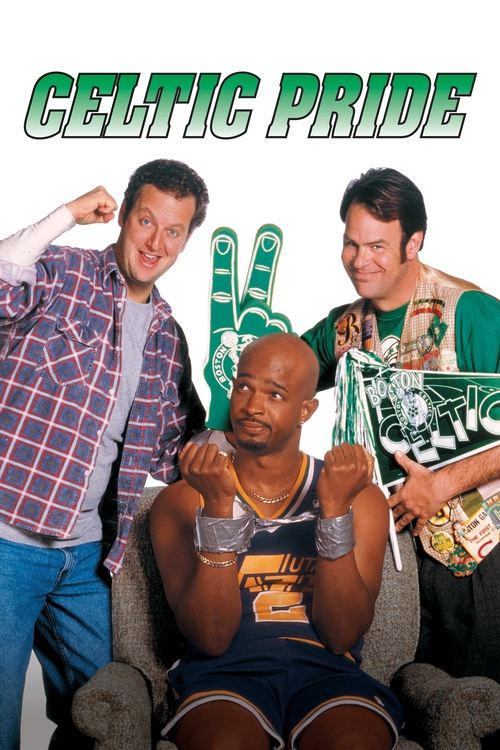
Celtic Pride
1996Two over-loyal Celtic fans kidnap their opponent's star player in order to guarantee their team the championship.
Wayans portrays a kidnapped basketball star with a mix of athletic arrogance and bewildered vulnerability. He successfully navigates the film’s frantic pace, serving as the necessary anchor for the surrounding ensemble's obsession-fueled lunacy.
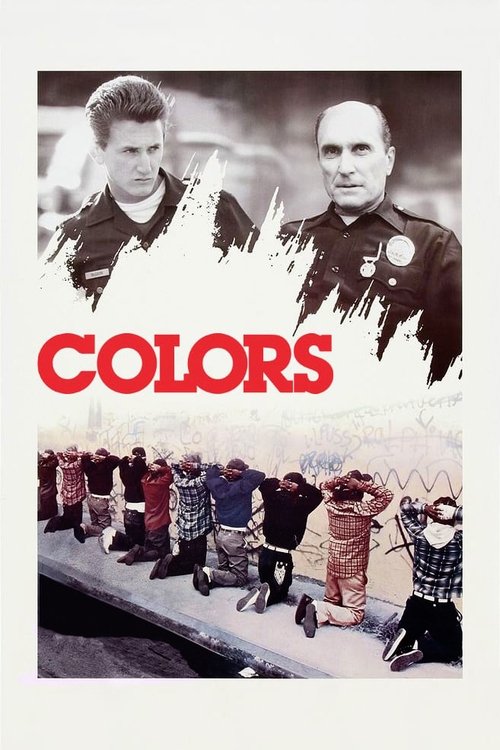
Colors
1988A confident young cop is shown the ropes by a veteran partner in the dangerous gang-controlled barrios of Los Angeles, where the gang culture is enforced by the colors the members wear.
Though his screen time is brief, Wayans leaves a haunting impression as a gang member caught in the crossfire of a volatile L.A. landscape. This dramatic glimpse proved early on that his talent was not restricted to the punchlines that would later define his fame.
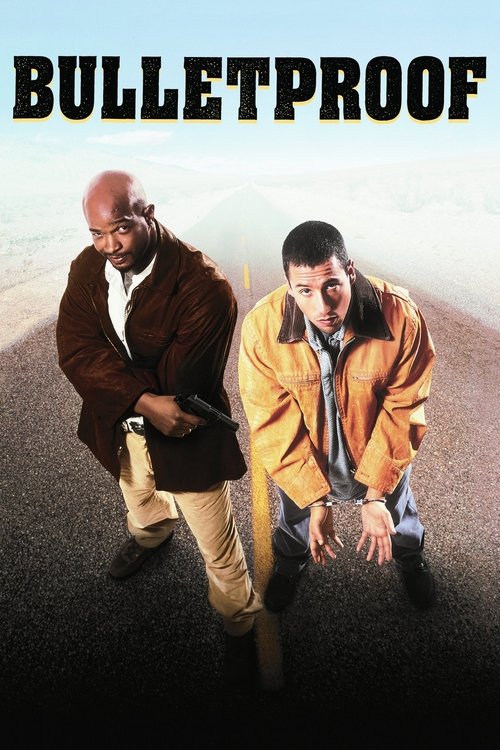
Bulletproof
1996An undercover police officer named Rock Keats befriends a drug dealer and car thief named Archie Moses in a bid to catch the villainous drug lord Frank Coltan. But the only problem is that Keats is a cop, his real name is Jack Carter, and he is working undercover with the LAPD to bust Moses and Colton at a sting operation the LAPD has set up.
Playing the undercover operative, Wayans finds a gritty equilibrium against Adam Sandler’s chaotic energy. The film highlights his capacity to ground a high-concept buddy comedy with a toughened, professional edge that keeps the stakes feeling genuine.
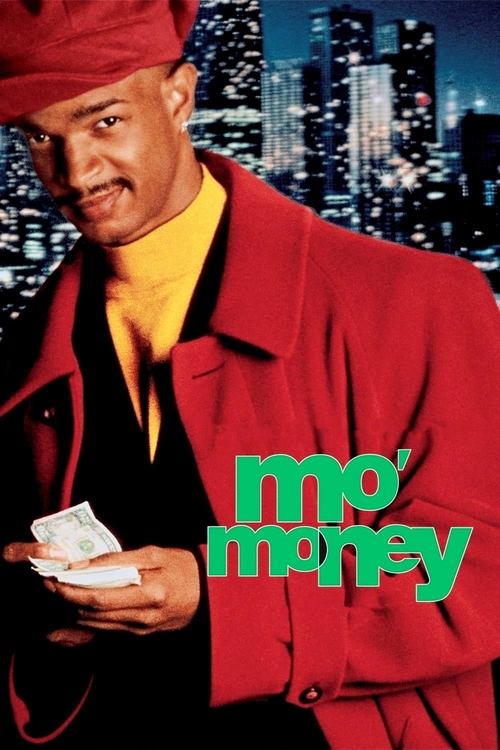
Mo' Money
1992Trying to get his act together, a con artist gets a job in a credit card company. He falls in love with a fellow employee, he steals a couple of cards, everything is going great. But soon, the chief of security drags him into the big leagues of criminals...
This project allowed Wayans to flex his muscles as both a romantic lead and a street-smart hustler, bridging the gap between his 'In Living Color' personas and mainstream stardom. He injects a kinetic energy into the screen that elevates the material into a personal showcase of his range.
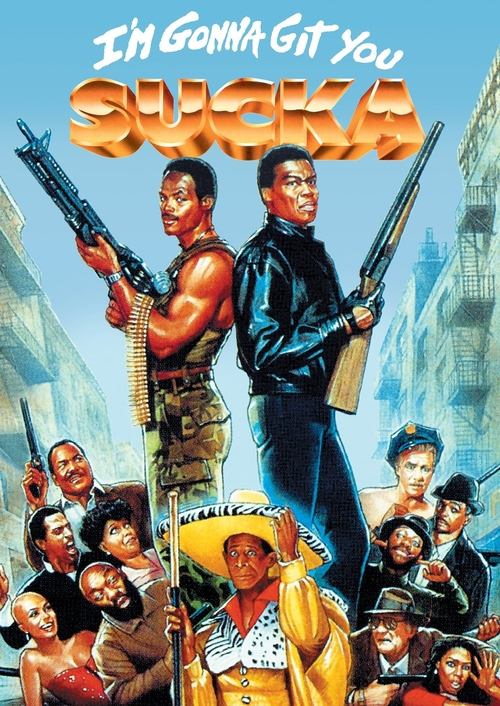
I'm Gonna Git You Sucka
1988Jack Spade returns from the army in his old ghetto neighbourhood when his brother, June Bug, dies. Jack declares war on Mr. Big, powerful local crimelord. His army is led by John Slade, his childhood idol who used to fight bad guys in the 70s.
As the quintessential blaxploitation hero, Wayans demonstrates his mastery of parody by playing the straight man in a world of absurdity. This early role established his impeccable comedic timing and fixed his place as a foundational architect of late eighties urban satire.
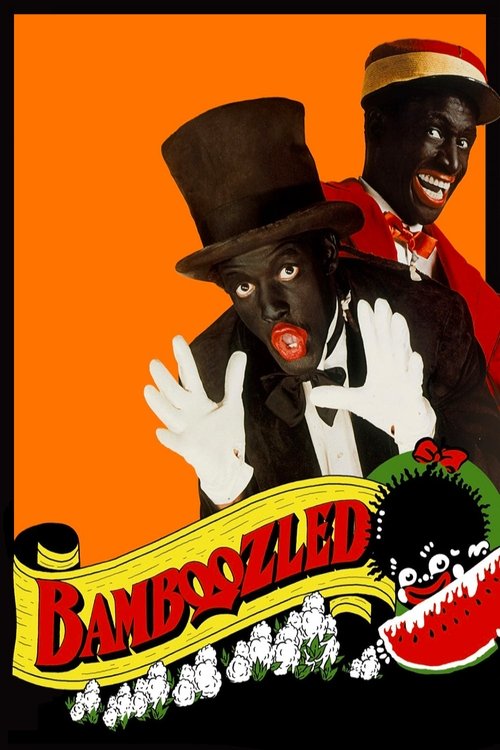
Bamboozled
2000Frustrated when network brass reject his sitcom idea, producer Pierre Delacroix pitches the worst idea he can think of in an attempt to get fired: a 21st century minstrel show. The network not only airs it, but it becomes a smash hit.
In Spike Lee's scorching satire, Wayans pivots toward a chillingly controlled performance that explores the psychological toll of creative complicity. He navigates the film's tonal shifts with a tragic grace that marks the most sophisticated dramatic turn of his career.
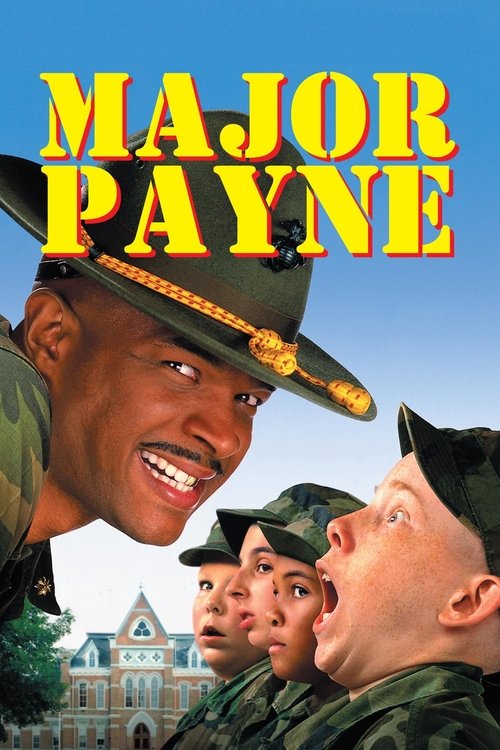
Major Payne
1995Major Benson Winifred Payne is being discharged from the Marines. Payne is a killin' machine, but the wars of the world are no longer fought on the battlefield. A career Marine, he has no idea what to do as a civilian, so his commander finds him a job - commanding officer of a local school's JROTC program, a bunch of ragtag losers with no hope.
Deploying a bizarre, high-pitched vocal affectation that should not work, Wayans transforms a rigid military archetype into a surreal comedic icon. It remains the definitive showcase of his ability to carry a film through sheer physical commitment and eccentric character work.
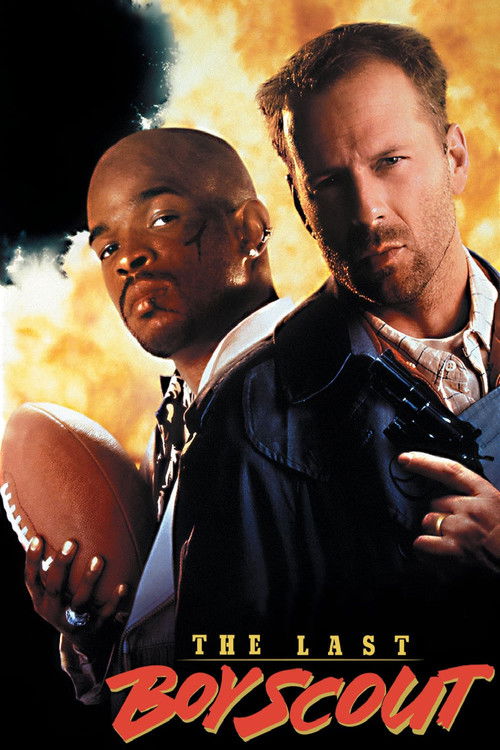
The Last Boy Scout
1991Somewhere in Los Angeles, the city of broken dreams, a stripper is murdered. Now, the private detective she had hired and her ex-footballer boyfriend are going to find her murderer... if they don't kill each other first. But the more they dig, the deeper they become enmeshed in a web of extortion, blackmail and corrupt politics hidden beneath the surface of professional football.
Wayans serves as the perfect cynical foil to Bruce Willis, proving he could anchor a massive Shane Black action vehicle with a soulful, bruised brand of charisma. This performance transitioned him from a sketch comedy standout to a legitimate heavyweight in the buddy-cop subgenre.
Frequently Asked Questions
Everything you need to know about this list and SnakeDrafts
- "The Last Boy Scout" is ranked highest due to Damon Wayans' compelling performance alongside Bruce Willis in this action thriller. The film showcases Wayans' ability to balance sharp wit with intense action, making it a standout in his diverse filmography.
- In "Major Payne," Wayans' comedic timing and charismatic portrayal of a tough marine-turned-childcare provider highlight his versatility. The movie’s mix of family-friendly humor and action secures its place as a fan favorite and a top-tier Damon Wayans film.
- "Bamboozled" is a critical drama directed by Spike Lee that diverges from Damon Wayans' usual comedic roles. Its exploration of race and media stereotypes adds depth to Wayans' career, demonstrating his range and willingness to engage in socially significant projects.
- This film, directed by Keenen Ivory Wayans, features Damon in a satirical take on blaxploitation films. It is essential for appreciating his blend of humor and cultural critique, marking a pivotal point in his early career within the Wayans family's comedic legacy.
- Both "Mo' Money" and "Bulletproof" highlight Damon Wayans' skill at merging action sequences with comedic flair. These films emphasize his unique ability to attract audiences who enjoy fast-paced plots with sharp humor, solidifying his brand in this hybrid genre.
- "Colors" is a gritty crime thriller that complements the more comedic entries by showcasing Wayans in a serious dramatic context. This inclusion underscores his range beyond comedy and action, contributing to a well-rounded representation of his career.
- The top movies often blend comedy with action or social commentary, reflecting Damon Wayans’ ability to cross genres effectively. Themes of satire, cultural identity, and resilience are frequently explored, highlighting his versatile appeal as both a comedic and dramatic actor.
- While Damon Wayans had a memorable role in "Beverly Hills Cop," it was not one of his leading performances, which explains its lower ranking. The list focuses more on films where he had substantial screen time and character development to showcase his talents fully.