Best Richard Gere Movies: Ranking His Most Iconic Performances
The Definitive Career Ranking of a Hollywood Icon
From Pretty Woman to Primal Fear, discover the best films featuring Richard Gere ranked by performance and cultural impact.
About Richard Gere
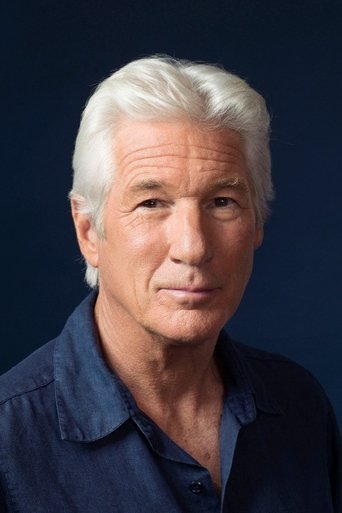
Richard Gere possesses a specific kind of cinematic gravity that has remained unchanged for nearly five decades. He does not just walk into a scene; he glides, carrying a mix of quiet intensity and polished charm that suggests he knows something the rest of us do not. While many of his peers from the late seventies relied on raw grit, he carved out a niche as the thinking person’s heartthrob, an actor who could play vanity and vulnerability in the same breath. He first signaled this duality in Days of Heaven, where his face became a canvas for Terrence Malick’s golden hour lighting, but it was the slick, tailored confidence of American Gigolo that defined his early mythos. He became the face of a new masculine elegance, a reputation he solidified by sweeping audiences off their feet in An Officer and a Gentleman.
There is a deceptive ease to his work that often masks a sharp technical skill. In the nineties, he successfully transitioned from the blue-collar romantic lead into the realm of the sophisticated thriller. He played against his own likability in Internal Affairs, leaning into a predatory slickness that reminded everyone he was more than just a handsome face. That same decade, he anchored the seismic cultural phenomenon of Pretty Woman, providing the steady, wealthy straight man to Julia Roberts' lightning bolt energy. Yet, he rarely allowed himself to be pigeonholed. He pivoted toward the intense legal drama of Primal Fear and the supernatural dread of The Mothman Prophecies, proving that his screen presence could adapt to almost any atmospheric shift.
What draws people to him is a visible sense of inner peace that seems to bleed through his characters, even the flawed ones. This Zen-like quality made his Golden Globe-winning turn as the silver-tongued Billy Flynn in Chicago particularly delicious; he leaned into the art of the huckster with a wink and a tap dance. Outside of the blockbuster machinery, he found deep emotional resonance in smaller, more intimate stories. Hachi: A Dog’s Tale showcased a tenderness that resonated globally, while his work in Unfaithful and Shall We Dance? explored the complexities of domestic life and middle-aged longing with a grace few actors of his stature can manage.
Later in his career, he traded the romantic lead mantle for that of the morally compromised titan. His performance in Arbitrage stands as an masterclass in sustained tension, portraying a hedge fund magnate watching his world crumble with a desperate, quiet dignity. He brought a similar weary authority to Brooklyn’s Finest and showcased a chameleonic eccentricity in the Bob Dylan biopic I'm Not There. Even when playing a weathered knight in First Knight, he maintained that signature poise. He remains one of the few actors who can command a room without raising his voice, relying instead on a tilt of the head or a squint of those famous eyes. He is a rare constant in an industry built on fleeting trends, a performer who understands that sometimes the most powerful thing an actor can do is simply sit still and let the camera seek them out.
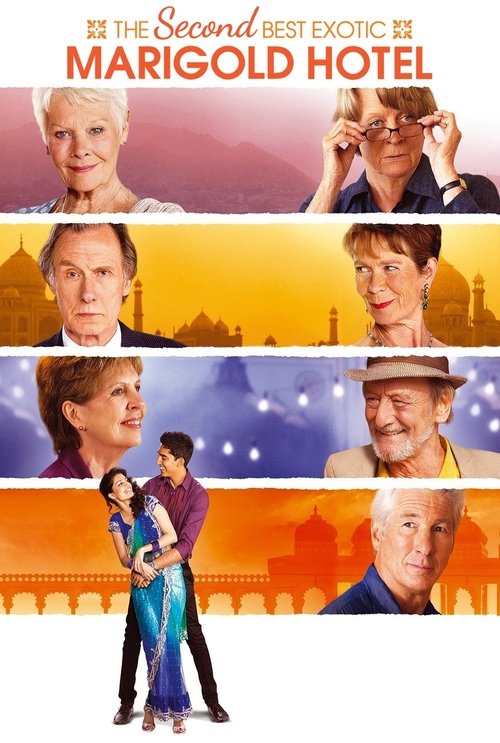
The Second Best Exotic Marigold Hotel
2015As the Best Exotic Marigold Hotel has only a single remaining vacancy - posing a rooming predicament for two fresh arrivals - Sonny pursues his expansionist dream of opening a second hotel.
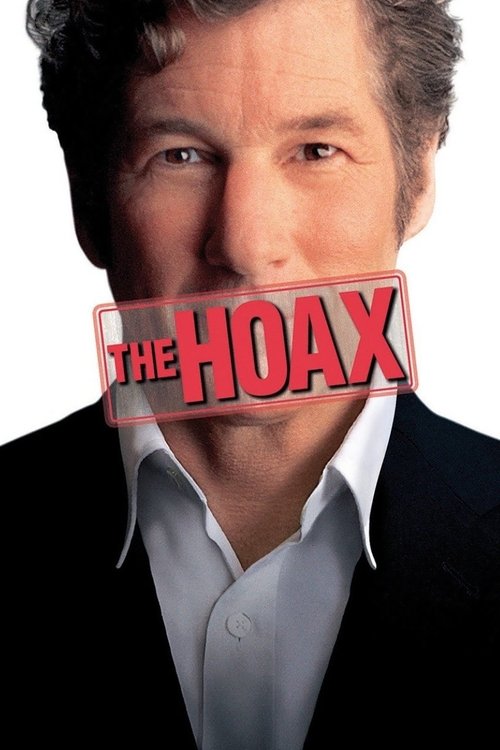
The Hoax
2006In what would cause a fantastic media frenzy, Clifford Irving sells his bogus biography of Howard Hughes to a premiere publishing house in the early 1970s.
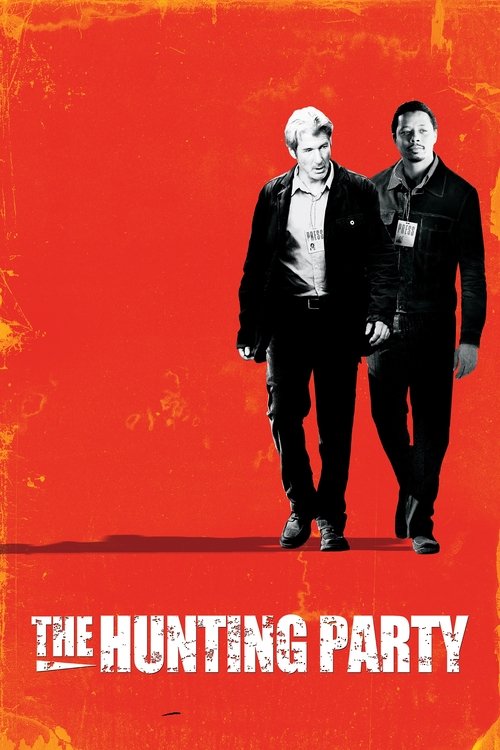
The Hunting Party
2007A young journalist, an experienced cameraman and a discredited reporter find their bold plan to capture Bosnia's top war criminal quickly spiraling out of control when a UN representative mistakes them for a CIA hit squad.
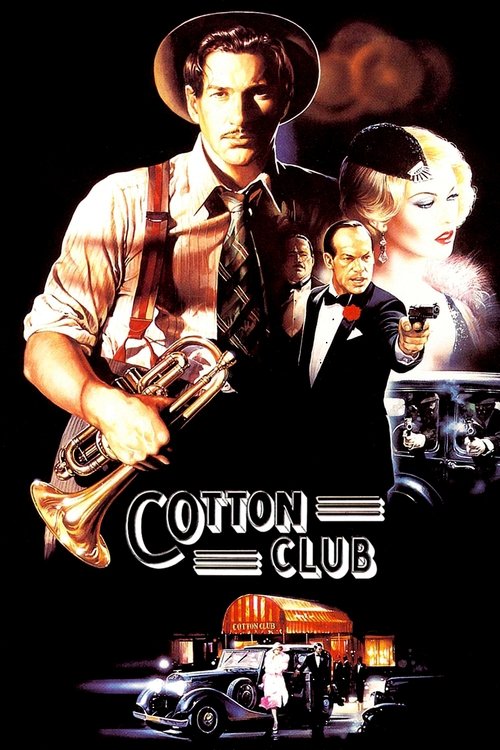
The Cotton Club
1984Harlem's legendary Cotton Club becomes a hotbed of passion and violence as the lives and loves of entertainers and gangsters collide.
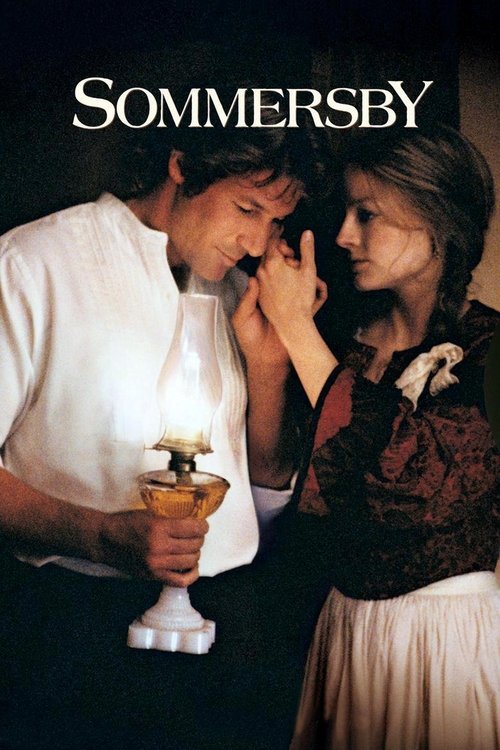
Sommersby
1993Set in the South just after the US Civil War, Laurel Sommersby is just managing to work the farm without her husband, believed killed in battle. By all accounts, Jack Sommersby was not a pleasant man, thus when he suddenly returns, Laurel has mixed emotions. It appears that Jack has changed a great deal, leading some people to believe that this is not actually Jack but an imposter. Laurel herself is unsure, but willing to take the man into her home, and perhaps later into her heart.
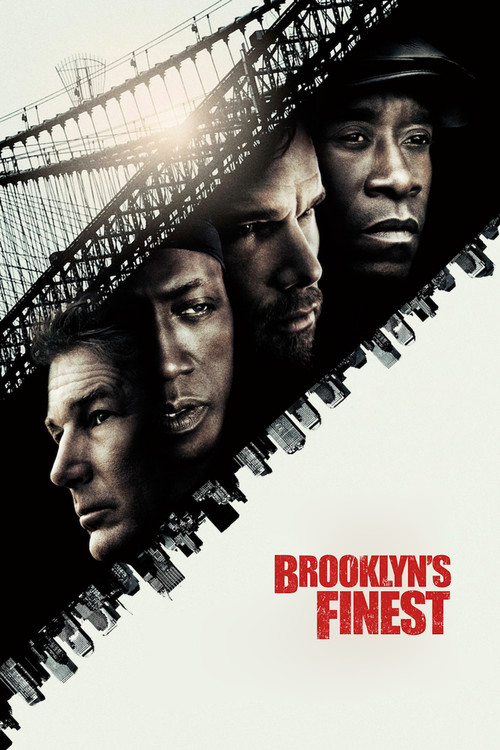
Brooklyn's Finest
2010Enforcing the law within the notoriously rough Brownsville section of the city and especially within the Van Dyke housing projects is the NYPD's sixty-fifth precinct. Three police officers struggle with the sometimes fine line between right and wrong.
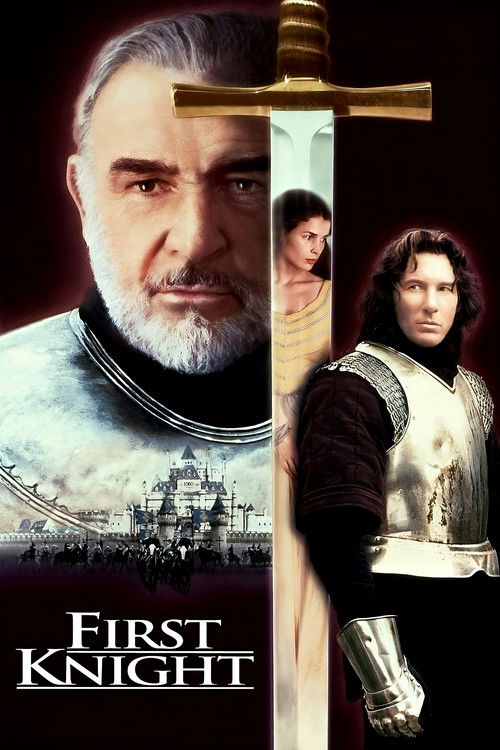
First Knight
1995The timeless tale of King Arthur and the legend of Camelot are retold in this passionate period drama. Arthur is reluctant to hand the crown to Lancelot, and Guinevere is torn between her loyalty to her husband and her growing love for his rival. But Lancelot must balance his loyalty to the throne with the rewards of true love.
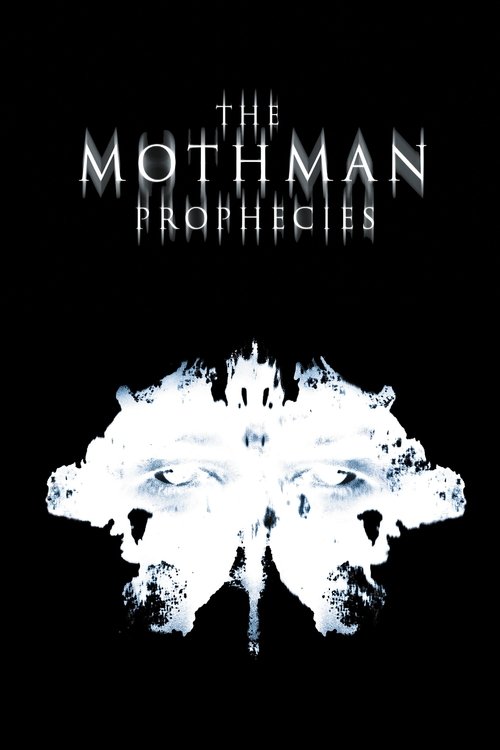
The Mothman Prophecies
2002Reporter John Klein is plunged into a world of impossible terror and unthinkable chaos when fate draws him to a sleepy West Virginia town whose residents are being visited by a great winged shape that sows hideous nightmares and fevered visions.
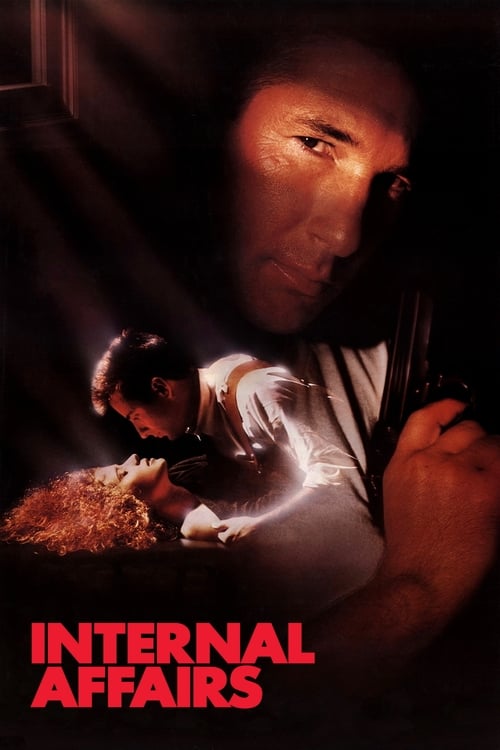
Internal Affairs
1990Keen young Raymold Avila joins the Internal Affairs Department of the Los Angeles police. He and partner Amy Wallace are soon looking closely at the activities of cop Dennis Peck whose financial holdings start to suggest something shady. Indeed Peck is involved in any number of dubious or downright criminal activities. He is also devious, a womaniser, and a clever manipulator, and he starts to turn his attention on Avila.
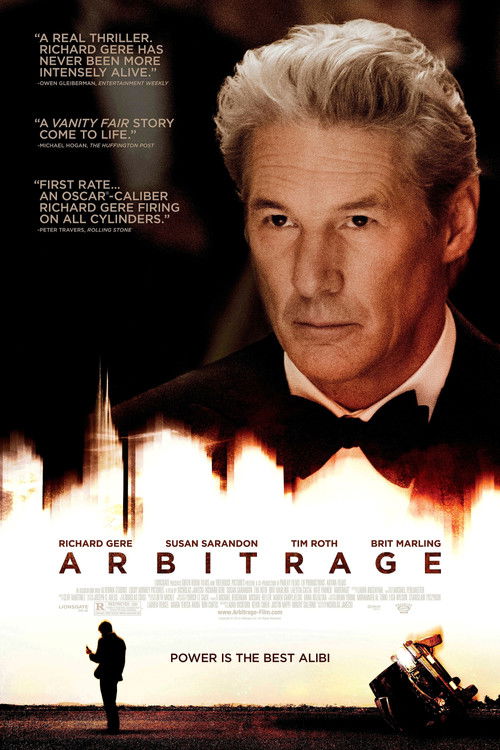
Arbitrage
2012A troubled hedge fund magnate, desperate to complete the sale of his trading empire, makes an error that forces him to turn to an unlikely person for help.

I'm Not There
2007Six actors portray six personas of music legend Bob Dylan in scenes depicting various stages of his life, chronicling his rise from unknown folksinger to international icon and revealing how Dylan constantly reinvented himself.
Tasked with representing the Billy the Kid incarnation of Bob Dylan, Gere leans into the surreal and the folkloric with surprising ease. He provides a meditative, Western-inflected gravity to this experimental ensemble, proving his willingness to disappear into avant-garde textures.
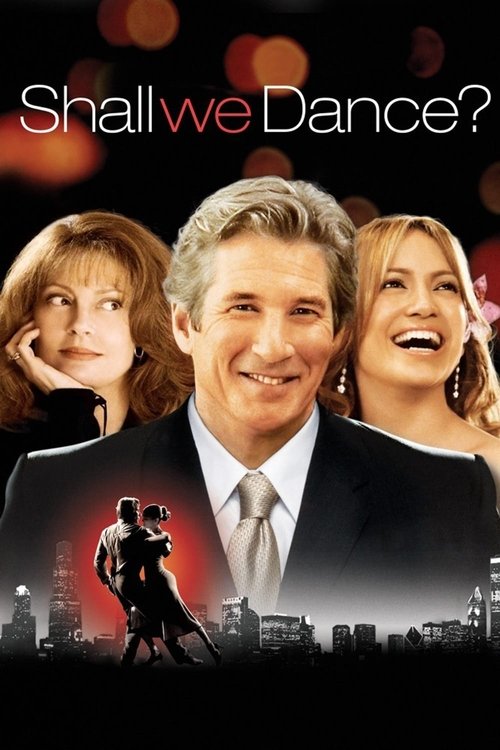
Shall We Dance?
2004A bored estate lawyer spots a beautiful woman in the window of a ballroom dance studio. He secretly starts taking dancing lessons to be near her, and then over time discovers how much he loves dancing. His wife, meanwhile, has hired a private detective to find out why he has started coming home late smelling of perfume.
There is a gentle, mid-career warmth in Gere’s portrayal of a man seeking rhythm in a stagnant life. He moves away from the aggressive intensity of his earlier work to embrace a light-footed charm that feels both earned and authentic.
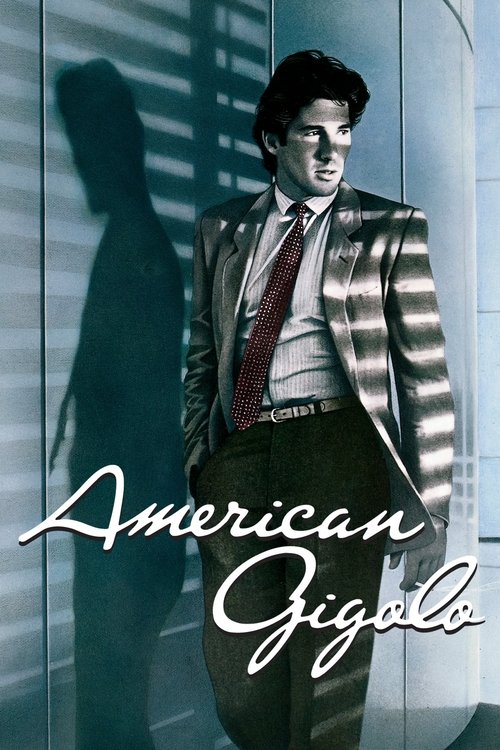
American Gigolo
1980Julian makes a lucrative living as an escort to older women in the Los Angeles area. He begins a relationship with Michelle, a local politician's wife, without expecting any pay. One of his clients is murdered and Detective Sunday begins pumping him for details on his different clients, something he is reluctant to do considering the nature of his work. Julian begins to suspect he's being framed. Meanwhile Michelle begins to fall in love with him.
Gere’s turn as Julian Kay redefined masculine style on film, using a detached, narcissistic grace to explore the shallowness of the disco era. This performance established the cool, aesthetic precision that would become his career trademark for decades to follow.
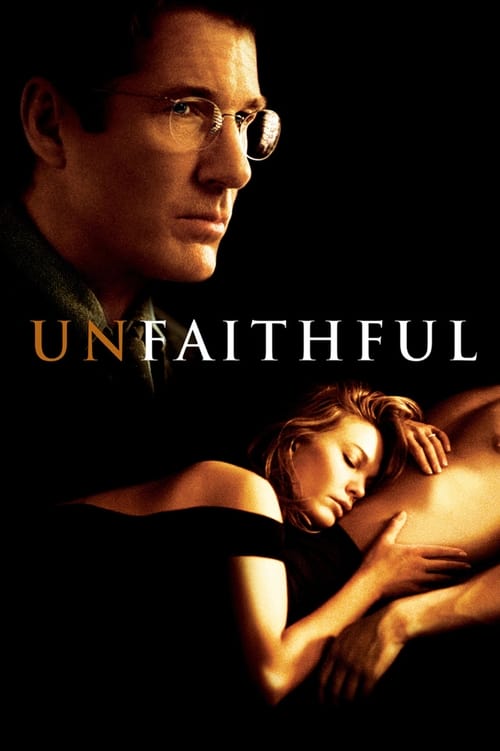
Unfaithful
2002Connie is a wife and mother whose 11-year marriage to Edward has lost its sexual spark. When Connie literally runs into handsome book collector Paul, he sweeps her into an all-consuming affair. But Edward soon becomes suspicious and decides to confront the other man.
By playing against type as a cuckolded, everyday husband, Gere trades his standard magnetism for a haunting portrait of domestic erosion. His slow-burn descent from stability into wreckage remains one of the most grounded and psychological chapters of his filmography.
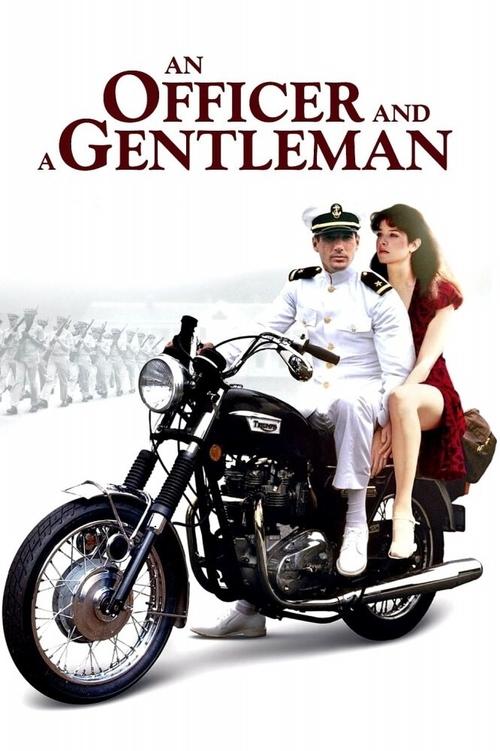
Zack Mayo is an aloof, taciturn man who aspires to be a navy pilot. Once he arrives at training camp for his 13-week officer's course, Mayo runs afoul of abrasive, no-nonsense drill Sergeant Emil Foley. Mayo is an excellent cadet, but a little cold around the heart, so Foley rides him mercilessly, sensing that the young man would be prime officer material if he weren't so self-involved. Zack's affair with a working girl is likewise compromised by his unwillingness to give of himself.
This is the quintessential showcase of Gere's physical discipline and brooding intensity, blending military rigidity with a simmering blue-collar resentment. He successfully navigated the transition from niche arthouse actor to a global box-office powerhouse through this high-stakes romantic drama.
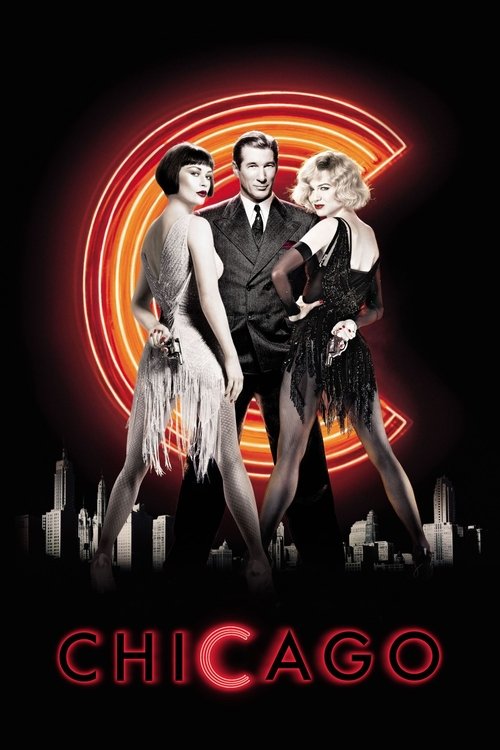
Chicago
2002Murderesses Velma Kelly and Roxie Hart find themselves on death row together and fight for the fame that will keep them from the gallows in 1920s Chicago.
Gere taps into a sleazy, tap-dancing vitality as Billy Flynn, effortlessly satirizing his own public persona as a silver-tongued charmer. It is a transformative turn that showcased his untapped musicality and a sharp, comedic cynicism that critics had long overlooked.
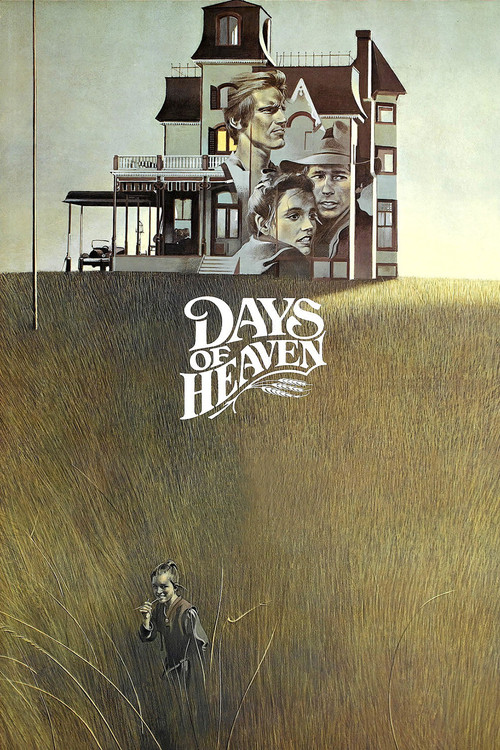
Days of Heaven
1978In 1916, a Chicago steel worker accidentally kills his supervisor and flees to the Texas panhandle with his girlfriend and little sister to work harvesting wheat in the fields of a stoic farmer.
In Malick’s golden-hued masterpiece, a young Gere utilizes a feral, combustible energy that marked him as the natural successor to Brando. His presence here is more elemental than theatrical, capturing the desperate yearning of the American underclass with startling physical intensity.
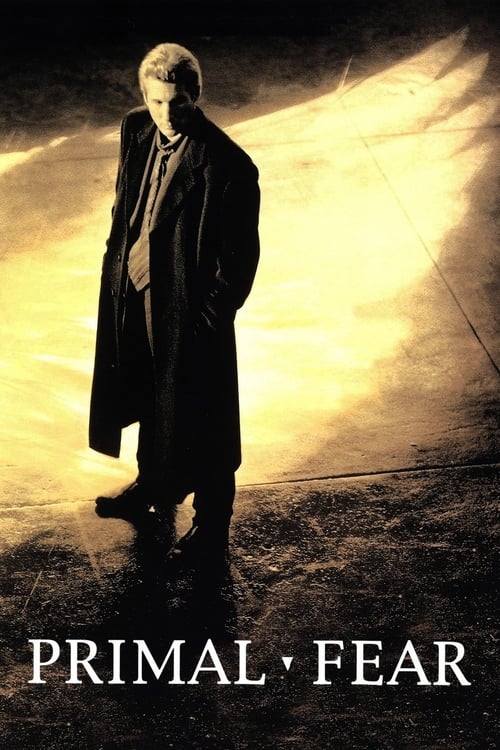
Primal Fear
1996Defense attorney Martin Vail takes on jobs for money and prestige rather than any sense of the greater good. His latest case involves an altar boy, accused of brutally murdering the archbishop of Chicago. Vail finds himself up against his ex-pupil and ex-lover, but as the case progresses and the Church's dark secrets are revealed, Vail finds that what appeared a simple case takes on a darker, more dangerous aspect.
As a cynical defense attorney whose ego is his greatest liability, Gere delivers a masterclass in tactical charisma. The performance is a fascinating study of a man who believes he is the smartest person in the room, only to realize he provides the film's moral and emotional vacuum.
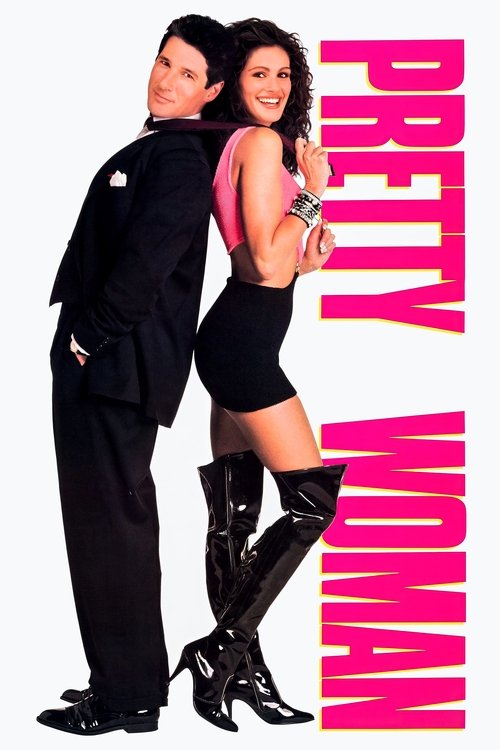
Pretty Woman
1990While on a business trip in Los Angeles, Edward Lewis, a millionaire entrepreneur who makes a living buying and breaking up companies, picks up a prostitute, Vivian, while asking for directions; after, Edward hires Vivian to stay with him for the weekend to accompany him to a few social events, and the two get closer only to discover there are significant hurdles to overcome as they try to bridge the gap between their very different worlds.
Mastering the difficult task of playing the straight man to a whirlwind breakout star, Gere provides the essential sophisticated friction that makes the fairy tale work. This role solidified his status as the premier romantic icon of the nineties, proving he could modernize the classic Hollywood suave archetype.

Hachi: A Dog's Tale
2009Professor Wilson discovers a lost Akita puppy on his way home. Despite objections from his wife, Hachi endears himself to the family and grows to be Parker's loyal companion. As their bond grows deeper, a beautiful relationship unfolds.
Gere strips away his usual cool artifice to find a raw, devastating vulnerability that anchors this tear-jerker. It stands as the ultimate testament to his ability to command the screen through quiet, compassionate observation rather than leading-man bravado.
Frequently Asked Questions
Everything you need to know about this list and SnakeDrafts
- In 'Hachi: A Dog's Tale,' Richard Gere delivers a heartwarming performance that highlights his capacity to convey profound affection and loyalty, capturing the touching true story of a man's bond with his dog.
- Richard Gere's role in 'Pretty Woman' reinvented the romantic comedy by blending charm and sophistication with genuine emotional depth, making the film an iconic classic that solidified his status as a leading man in Hollywood.
- Gere has notably excelled in the thriller and crime genres with films like 'Primal Fear,' where he plays a determined lawyer navigating intricate legal mysteries, and 'Internal Affairs,' showcasing his skill in portraying morally complex characters.
- Films such as 'An Officer and a Gentleman' and 'Unfaithful' see Gere exploring intense romantic relationships marked by emotional conflicts, revealing his versatility in handling both passionate and dramatic narratives.
- Gere shines in musical dramas like 'Chicago,' where his charismatic performance supports the film's vibrant and dynamic storytelling, demonstrating his ability to adapt to varied cinematic styles.
- In 'American Gigolo,' Gere embodies a complex character that combines elegance with vulnerability, creating a captivating portrayal that delves into the darker aspects of identity and survival within the crime drama genre.
- His diverse roles in films like 'Shall We Dance?' and 'Days of Heaven' illustrate his flexibility, seamlessly transitioning between romantic comedy lightness and the profound emotional layers of romantic drama.
- Working with esteemed directors such as Terrence Malick in 'Days of Heaven' and Rob Marshall in 'Chicago' has allowed Gere to explore multifaceted characters and elevate his craft, contributing to a distinguished and varied filmography.