Top Michael Bay Directed Movies Ranked
Master of Explosive Action and Cinematic Grandeur
Discover the essential Michael Bay filmography, featuring high-octane blockbusters, legendary action sequels, and his most intense cinematic spectacles.
About Michael Bay
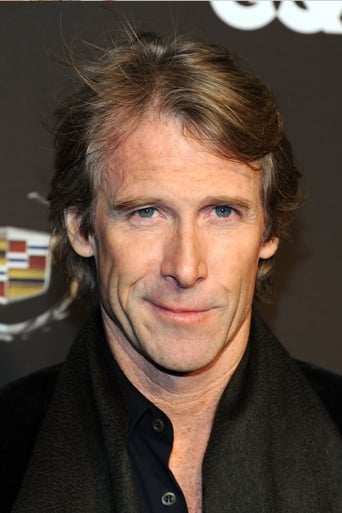
In the landscape of modern blockbusters, there is a specific, high-octane frequency that belongs exclusively to Michael Bay. To sit in a darkened theater before one of his frames is to surrender to a sensory assault where light, steel, and gunpowder collide in a choreographed dance of beautiful chaos. Critics often wrestle with his relentless maximalism, yet few can deny that his visual signature is more recognizable than almost any other living filmmaker. He treats the camera as a kinetic participant rather than a passive observer, swirling around his subjects with a restlessness that suggests the world might end if the shutter stays still for a single second. This isn't just action cinema; it is a sermon of sweat and heavy machinery.
The early swagger of his career manifested in the sun-drenched, neon-lit streets of Miami with Bad Boys, a film that redefined the buddy-cop aesthetic through slow-motion power walks and saturated horizons. By the time he reached the heights of The Rock, he had perfected a brand of kinetic tension that felt both operatic and incredibly expensive. His frames are crowded with what fans call Bayhem, a cocktail of low-angle hero shots, orange-hued sunsets, and debris that seems to fly directly into the lens. Whether it is a giant robot collapsing through a Chicago skyscraper in Transformers: Dark of the Moon or the claustrophobic, high-speed chase through Los Angeles in his technical masterclass Ambulance, the objective is always the same: absolute immersion.
While he is often synonymous with the toy-box scale of the Transformers franchise, there is a darker, more satirical muscle beneath his gloss. Films like Pain and Gain reveal a filmmaker obsessed with the hollowness of the American dream, using his signature style to mock the very excess he usually celebrates. Even in a somber historical context like 13 Hours: The Secret Soldiers of Benghazi or the sprawling romance of Pearl Harbor, he finds a way to make heroism look monumental, bordering on the mythological. He possesses a strange, singular ability to make a simple conversation feel like a ticking time bomb, utilizing rapid-fire editing cuts that shouldn't work but somehow create a heartbeat within the machinery.
His legacy is one of unapologetic scale. From the asteroid-dodging bravado of Armageddon to the sleek, futuristic paranoia of The Island, he has spent decades proving that bigger is almost always better. He understands the lizard brain of the audience, knowing exactly when to trigger a roar of engines or a flare of light. He remains a pure populist, a director who builds cathedrals out of pyrotechnics and views the silver screen as a canvas for the loudest, most vibrant colors imaginable. To watch his work is to experience the movies at their most primal, visceral, and unyieldingly confident.
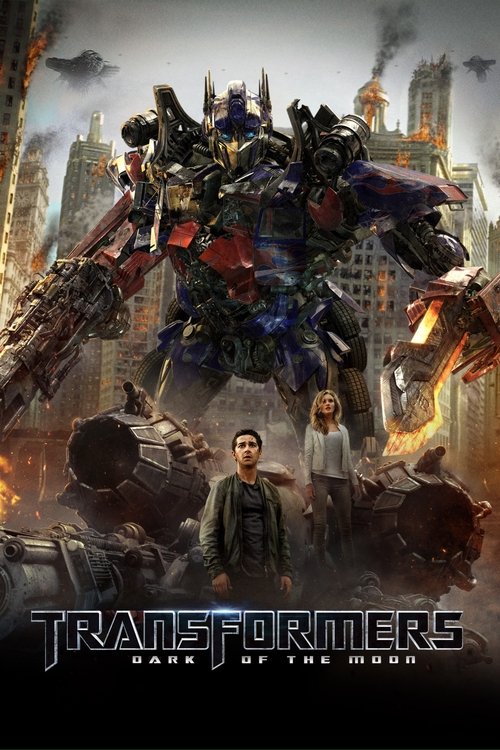
The Autobots continue to work for NEST, now no longer in secret. But after discovering a strange artifact during a mission in Chernobyl, it becomes apparent to Optimus Prime that the United States government has been less than forthright with them.
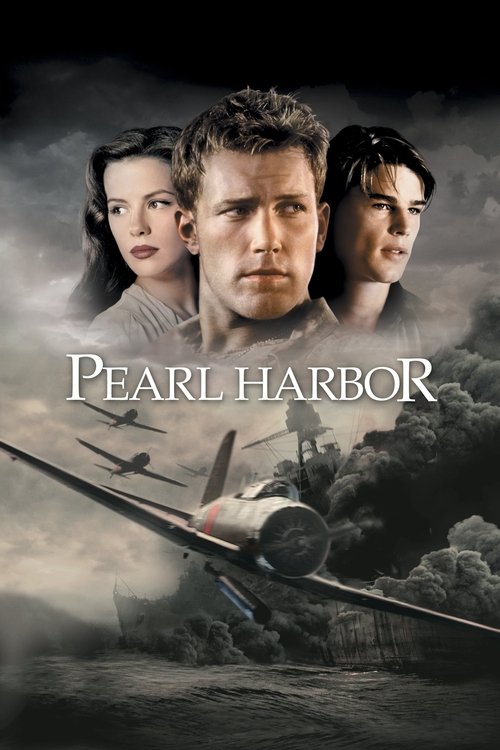
Pearl Harbor
2001The lifelong friendship between Rafe McCawley and Danny Walker is put to the ultimate test when the two ace fighter pilots become entangled in a love triangle with beautiful Naval nurse Evelyn Johnson. But the rivalry between the friends-turned-foes is immediately put on hold when they find themselves at the center of Japan's devastating attack on Pearl Harbor on Dec. 7, 1941.
Despite its narrative sprawl, the central sequence remains a technical marvel that demonstrates an unparalleled command of logistical complexity. It stands as a testament to the director’s ability to orchestrate mechanical carnage on a historical scale, even when wrestling with traditional melodrama.
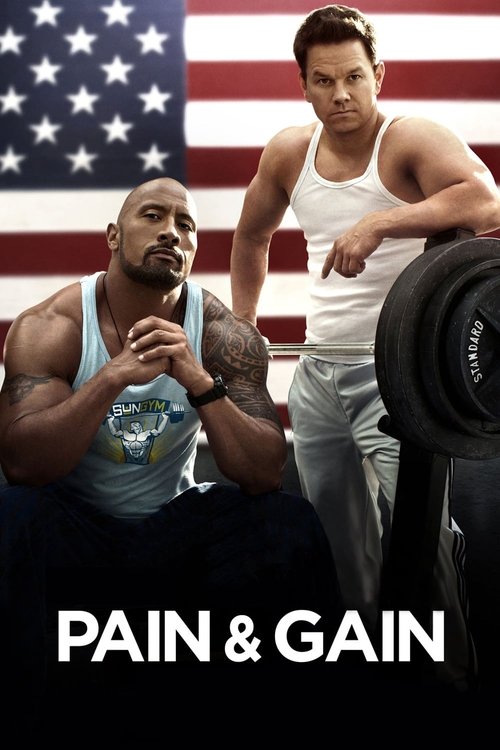
Pain & Gain
2013Daniel Lugo, manager of the Sun Gym in 1990s Miami, decides that there is only one way to achieve his version of the American dream: extortion. To achieve his goal, he recruits musclemen Paul and Adrian as accomplices. After several failed attempts, they abduct rich businessman Victor Kershaw and convince him to sign over all his assets to them. But when Kershaw makes it out alive, authorities are reluctant to believe his story.
Bay turns his lens on the dark side of the American Dream in this frantic, satirical deconstruction of gym culture and consumerist greed. It is his most self-aware work, using his own obsession with hyper-masculinity to critique the very archetypes he spent his career building.
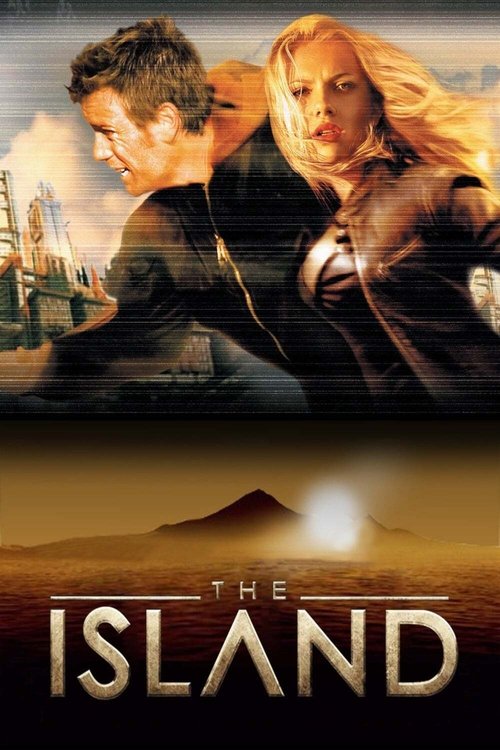
The Island
2005In 2019, Lincoln Six-Echo is a resident of a seemingly "Utopian" but contained facility. Like all of the inhabitants of this carefully-controlled environment, Lincoln hopes to be chosen to go to The Island — reportedly the last uncontaminated location on the planet. But Lincoln soon discovers that everything about his existence is a lie.
A rare foray into speculative fiction that retains the director’s obsession with polished surfaces and high-speed pursuits. While it leans on familiar tropes, the film showcases a sharp eye for sterile, corporate futurism that provides a slick contrast to his typical grit.
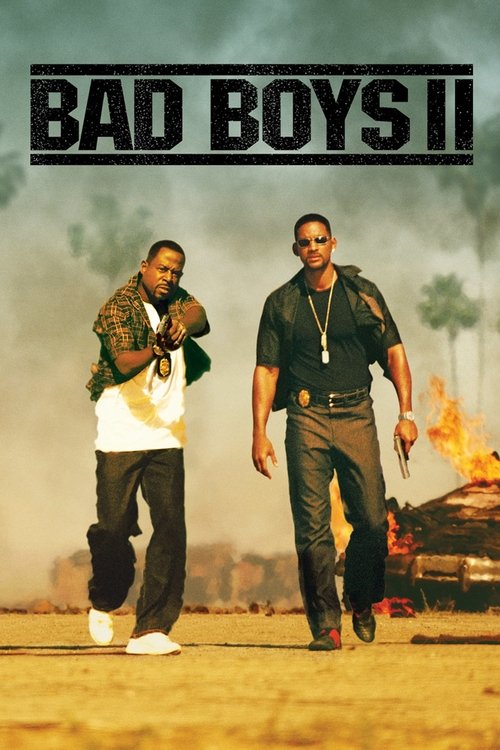
Bad Boys II
2003Detectives Marcus Burnett and Mike Lowrey of the Miami Narcotics Task Force are tasked with stopping the flow of the drug Ecstasy into Miami. They track the drugs to the whacked-out Cuban drug lord Johnny Tapia, who is also involved in a bloody war with Russian and Haitian mobsters. If that isn't bad enough, there's tension between the two detectives when Marcus discovers that playboy Mike is secretly romancing Marcus’ sister, Syd.
This is Michael Bay at his most unfiltered and nihilistic, pushing the boundaries of the action genre into a state of pure, grotesque visual poetry. It stands as a fascinating, polarizing monument to mid-aughts maximalism where every frame is pushed to its absolute breaking point.
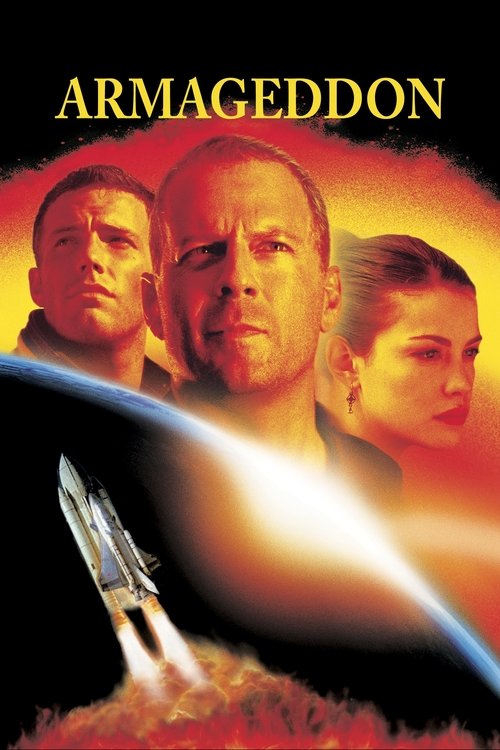
Armageddon
1998When an asteroid threatens to collide with Earth, NASA honcho Dan Truman determines the only way to stop it is to drill into its surface and detonate a nuclear bomb. This leads him to renowned driller Harry Stamper, who agrees to helm the dangerous space mission provided he can bring along his own hotshot crew. Among them is the cocksure A.J. who Harry thinks isn't good enough for his daughter, until the mission proves otherwise.
The quintessential disaster epic of its decade, this film serves as the loud, proud heart of the director’s filmography. Its unapologetic sentimentality and sheer scale of destruction solidified the Bayhem brand as a globally recognized form of maximalist Americana.
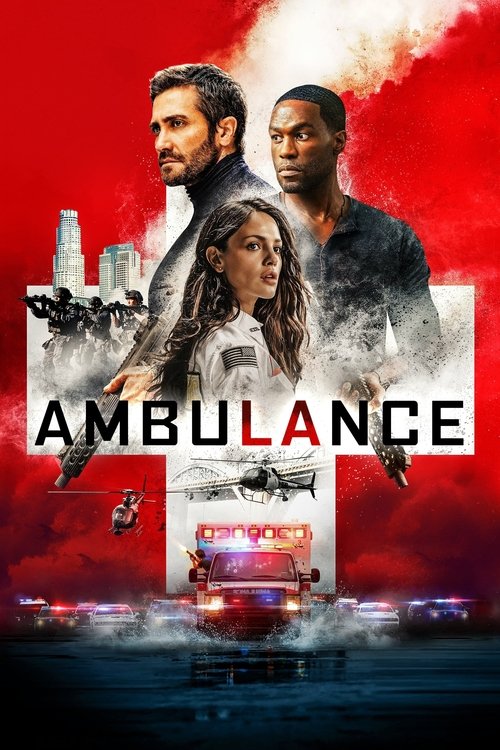
Ambulance
2022Decorated veteran Will Sharp, desperate for money to cover his wife's medical bills, asks for help from his adoptive brother Danny. A charismatic career criminal, Danny instead offers him a score: the biggest bank heist in Los Angeles history: $32 million.
In a late-career burst of experimental fervor, Bay utilizes dizzying FPV drone cinematography to turn a single-location premise into a relentless exercise in spatial vertigo. This film serves as a neon-soaked manifesto for purely physical filmmaking in an era increasingly dominated by sterile green-screen environments.
Bad Boys
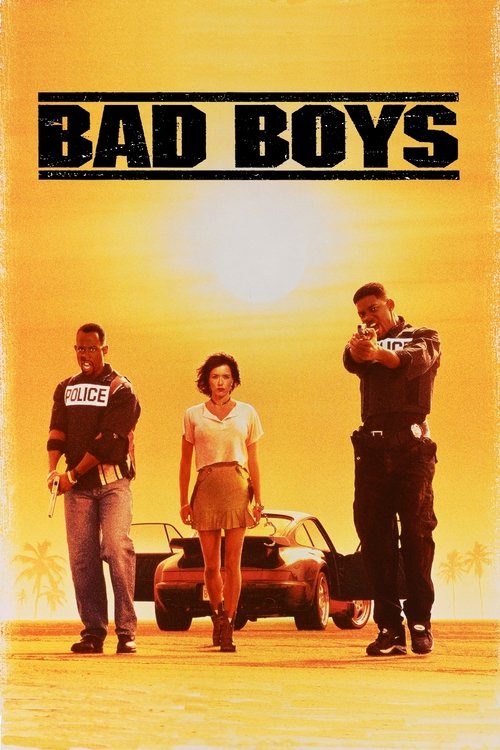
1995Marcus Burnett is a henpecked family man. Mike Lowrey is a footloose and fancy free ladies' man. Both Miami policemen, they have 72 hours to reclaim a consignment of drugs stolen from under their station's nose. To complicate matters, in order to get the assistance of the sole witness to a murder, they have to pretend to be each other.
The blueprint for the modern buddy-cop dynamic, this debut displays a hungry filmmaker translating music-video sleekness into a new language of cinematic cool. It established the sun-drenched, high-contrast palette and relentless pacing that would eventually become the industry standard for stylized action.
Transformers
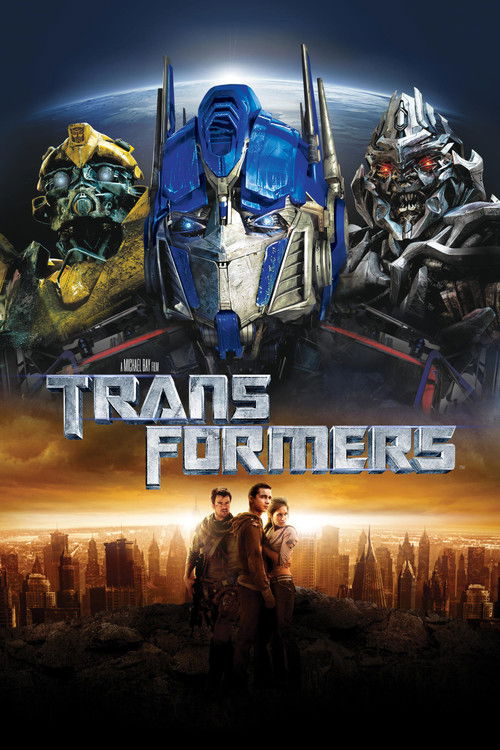
2007Young teenager Sam Witwicky becomes involved in the ancient struggle between two extraterrestrial factions of transforming robots – the heroic Autobots and the evil Decepticons. Sam holds the clue to unimaginable power and the Decepticons will stop at nothing to retrieve it.
A landmark achievement in digital tactility, this film transformed toy-aisle nostalgia into a sensory-overload spectacle that redefined the modern visual effects pipeline. Here, Bay’s obsession with scale and mechanical complexity found its ultimate muse, launching a billion-dollar aesthetic that would dominate the next decade of blockbusters.
13 Hours: The Secret Soldiers of Benghazi
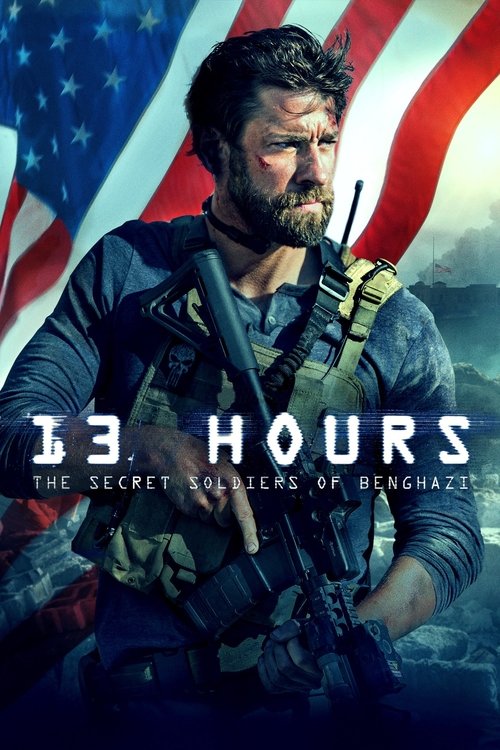
2016An American Ambassador is killed during an attack at a U.S. compound in Libya as a security team struggles to make sense out of the chaos.
Bay strips away his usual pop-color artifice to deliver a haunting, visceral study of tactical claustrophobia and modern warfare. This film marks his most disciplined stylistic evolution, proving he can channel his chaotic energy into a somber and technically masterful tribute to professional grit.
The Rock
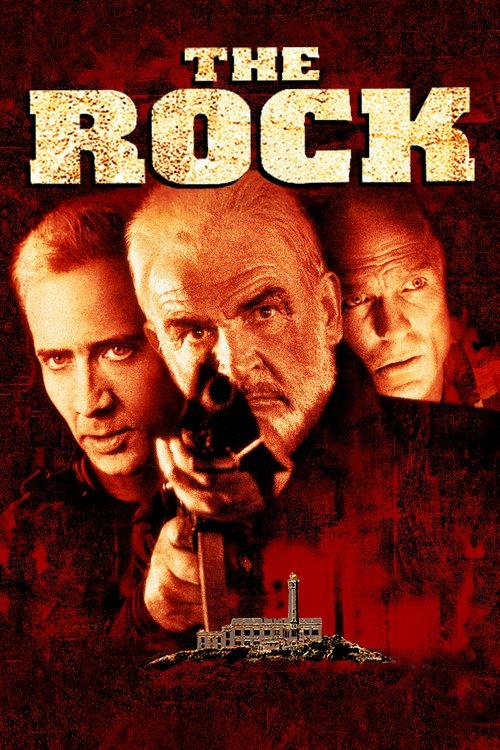
1996When vengeful General Francis X. Hummel seizes control of Alcatraz Island and threatens to launch missiles loaded with deadly chemical weapons into San Francisco, only a young FBI chemical weapons expert and notorious Federal prisoner have the skills to penetrate the impregnable island fortress and take him down.
The pinnacle of nineties high-concept cinema, this masterpiece perfectly balances Bay’s signature kinetic bravado with a grounded sense of geography and stakes. It represents the rare moment where the director’s instinct for excess found a perfect harmonious container within a rock-solid screenplay.
Frequently Asked Questions
Everything you need to know about this list and SnakeDrafts
- Michael Bay's directing style is characterized by high-energy action sequences, dynamic camera movements, and explosive visual effects. His films like Transformers and Armageddon showcase his trademark blend of intense spectacle and kinetic storytelling.
- While action is central to Michael Bay's films, his top-ranked movies also incorporate elements of thriller, science fiction, and even drama, as seen in movies like 13 Hours: The Secret Soldiers of Benghazi and Pearl Harbor. This blend helps broaden the emotional and narrative scope beyond pure action.
- In films such as Bad Boys and The Island, Michael Bay balances story and spectacle by combining fast-paced plotlines with character-driven moments. His approach ensures that high-stakes action scenes complement the story rather than overshadow it.
- Recurring themes in Michael Bay’s movies include heroism under extreme circumstances, explosive confrontations, and survival against overwhelming odds. These themes are evident across his diverse works from Armageddon’s asteroid crisis to Ambulance’s intense crime drama.
- Transformers stands out for its pioneering use of CGI and large-scale robot battles, pushing the boundaries of visual effects. Compared to other Michael Bay films, it emphasizes sci-fi adventure while maintaining his signature high-octane action style.
- Pearl Harbor is one of Michael Bay’s films that prominently features historical war drama combined with romance and action. Similarly, 13 Hours: The Secret Soldiers of Benghazi offers a gripping portrayal of recent military history through intense action sequences.
- Yes, the listicle shows an evolution in Michael Bay’s directing, from early works like Bad Boys to more recent films like Ambulance. His more recent movies demonstrate refined storytelling techniques alongside his hallmark explosive action, reflecting growth in narrative depth and visual sophistication.