The Essential M. Night Shyamalan Films Ranked
Master of the Twist and Suspenseful Cinema
Explore the essential films of M. Night Shyamalan, from supernatural thrillers and superhero subversions to claustrophobic horror masterpieces.
About M. Night Shyamalan
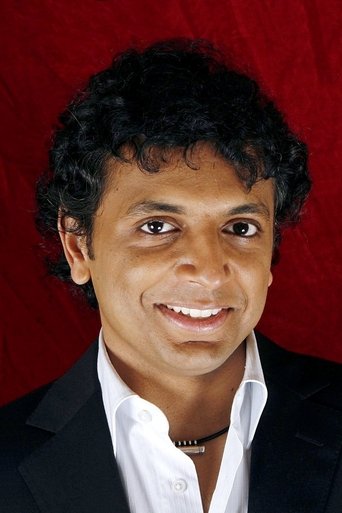
To step into an M. Night Shyamalan film is to enter a world where the camera moves with a slow, predatory grace and the silence is just as heavy as the dialogue. For over two decades, he has operated as a singular brand in an industry that usually prefers committees. He treats the high-concept thriller not just as a vehicle for scares, but as a rigid exercise in framing and faith. While the public often focuses on the tectonic plate shifts of his third-act reveals, his real mastery lies in how he dictates exactly what the audience is allowed to see. He uses tight close-ups and deliberate blocking to create a sense of claustrophobia that makes even an open cornfield in Signs feel like a locked room.
His meteoric rise with The Sixth Sense established him as a wunderkind of the supernatural, but it was Unbreakable that proved his deeper obsession with deconstructing modern mythology. He saw the cinematic potential of comic book lore long before the rest of Hollywood caught up, stripping away the spandex to find the grounded, melancholy heart of a man discovering his own invulnerability. This remains his greatest gift: the ability to take an absurd or impossible premise and treat it with deadly, unshakable earnestness. He never winks at the camera. Whether he is exploring the terrifying erosion of time on a beach in Old or the apocalyptic stakes of a home invasion in Knock at the Cabin, he demands that we take his nightmares as seriously as he does.
Every auteur faces a wilderness period, and his was more public than most. Yet, the sheer resilience of his creative voice led to one of the most impressive third acts in film history. By retreating from massive budgets and returning to his roots with the found-footage chills of The Visit, he rediscovered the lean, mean storytelling that makes him such a precise technician. That resurgence culminated in Split, a psychological tightrope act that reminded everyone why his name on a poster still carries the weight of an event. He remains one of the few directors working today who can command a massive audience based on his vision alone, rather than an existing intellectual property.
What truly distinguishes his filmography is a profound undercurrent of spirituality and grief. Beneath the jump scares and the clockwork plotting of The Village, there is usually a story about a family trying to heal from a jagged wound. He views the world through a lens of wonder and terror, convinced that there is a grand design hidden just out of view. His style is characterized by a formalist rigor that feels almost Hitchcockian, favoring long, uninterrupted takes that force the viewer to sit in discomfort. He refuses to cut away when things get weird, grounding even his most eccentric flourishes in a deeply human sense of yearning. He is a filmmaker who believes in the power of the singular perspective, reminding us that in the right hands, a simple twist of the camera can change everything we thought we knew about the world.

Old
2021A group of families on a tropical holiday discover that the secluded beach where they are staying is somehow causing them to age rapidly – reducing their entire lives into a single day.
Transforming a beach into a biological trap, this high-concept experiment trades subtle atmosphere for a frantic, body-horror exploration of the passage of time. It is a bold example of his late-career obsession with rigid mechanical conceits and the inevitable cruelty of nature.
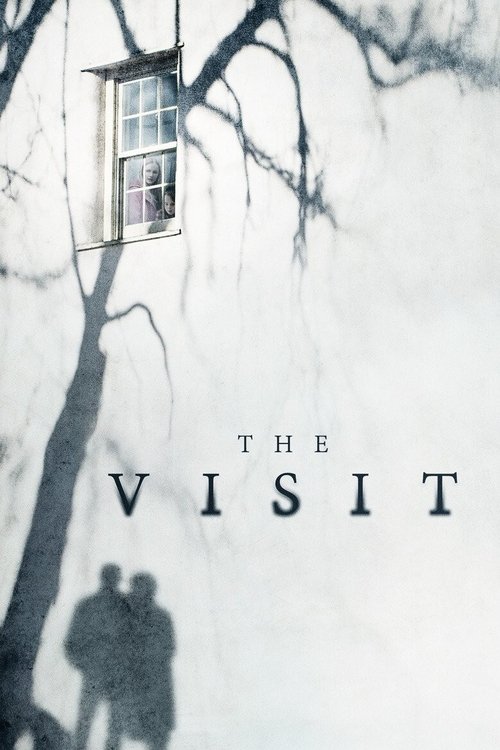
The Visit
2015A brother and sister are sent to their grandparents' remote Pennsylvania farm for a week, where they discover that the elderly couple is involved in something deeply disturbing.
This foray into the found-footage subgenre successfully pivots between grotesque uncomfortable comedy and genuine suburban horror. It captures a raw, unpolished energy that proved the director could adapt his meticulous sensibilities to a more chaotic and voyeuristic visual style.
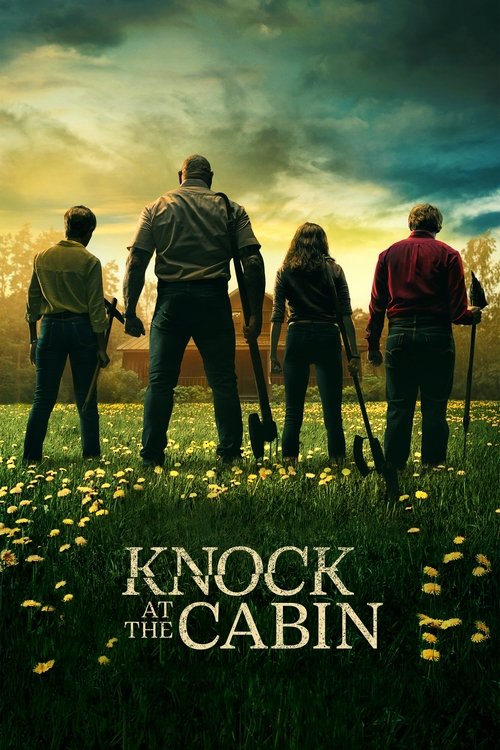
Knock at the Cabin
2023While vacationing at a remote cabin, a young girl and her two fathers are taken hostage by four armed strangers who demand that the family make an unthinkable choice to avert the apocalypse. With limited access to the outside world, the family must decide what they believe before all is lost.
A lean and aggressive exercise in single-location tension, this film pushes the director’s fascination with faith and sacrifice to its most uncomfortable extremes. It thrives on a relentless, ticking-clock momentum that forces the audience to grapple with unimaginable moral dilemmas in real time.
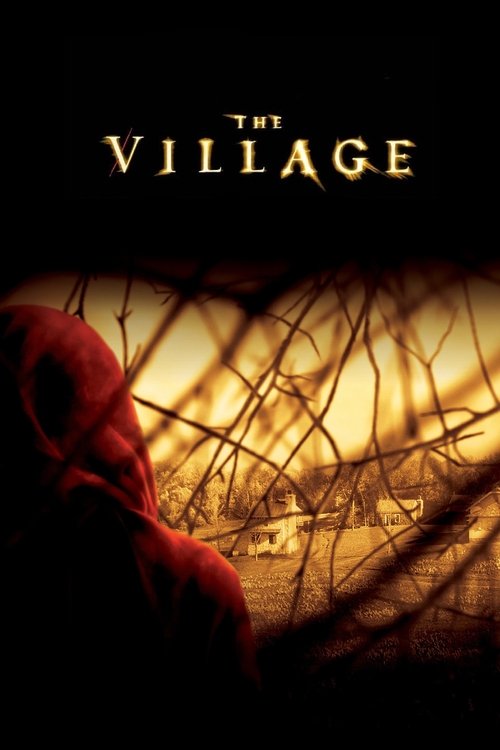
The Village
2004When a willful young man tries to venture beyond his sequestered Pennsylvania hamlet, his actions set off a chain of chilling incidents that will alter the community forever.
Often misunderstood at the time of its release, this period piece serves as a hauntingly beautiful interrogation of isolationism and the deceptive nature of communal grief. The film showcases his talent for creating vivid, painterly aesthetics that mask a deeply cynical view of institutional control.
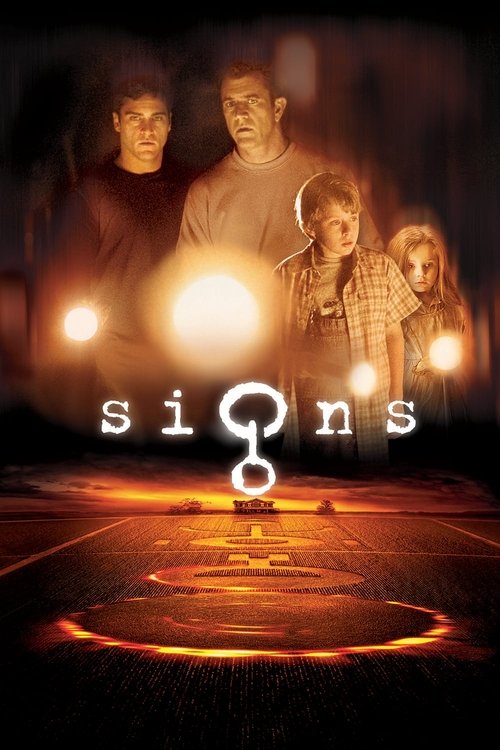
Signs
2002A family living on a farm finds mysterious crop circles in their fields which suggests something more frightening to come.
By filtering a global invasion through the narrow, intimate lens of a fractured family, this film masters the art of the slow burn. It stands as a definitive example of his ability to weaponize off-screen space and sound design to create a sense of encroaching cosmic dread.
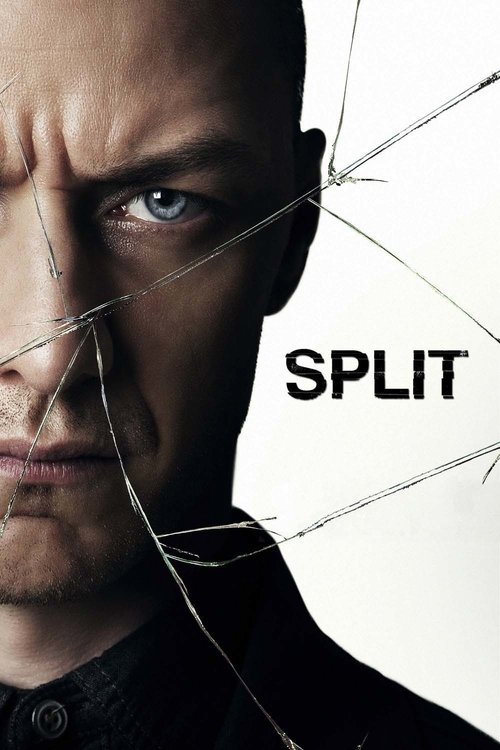
Split
2017Though Kevin has evidenced 23 personalities to his trusted psychiatrist, Dr. Fletcher, there remains one still submerged who is set to materialize and dominate all the others. Compelled to abduct three teenage girls led by the willful, observant Casey, Kevin reaches a war for survival among all of those contained within him — as well as everyone around him — as the walls between his compartments shatter apart.
This claustrophobic character study revitalized the director's career by marrying grindhouse intensity with a sophisticated exploration of psychological trauma as a catalyst for evolution. It marks a daring pivot toward more visceral, high-stakes kineticism while secretly expanding his idiosyncratic cinematic universe.
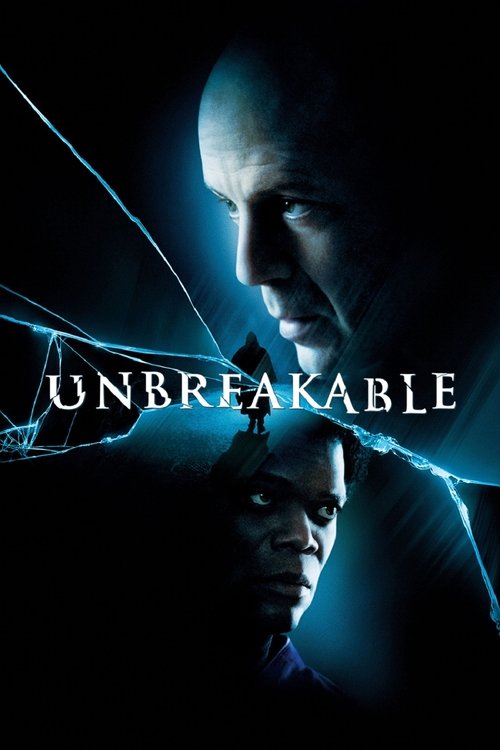
Unbreakable
2000An ordinary man makes an extraordinary discovery when a train accident leaves his fellow passengers dead — and him unscathed. The answer to this mystery could lie with the mysterious Elijah Price, a man who suffers from a disease that renders his bones as fragile as glass.
Before the superhero genre became a bloated industry standard, this deconstructed comic book mythos treated extraordinary abilities with a grounded, melancholic realism. It remains the director's most sophisticated work of visual storytelling, utilizing a sophisticated color palette and deliberate framing to elevate graphic novel tropes into a somber meditation on human destiny.
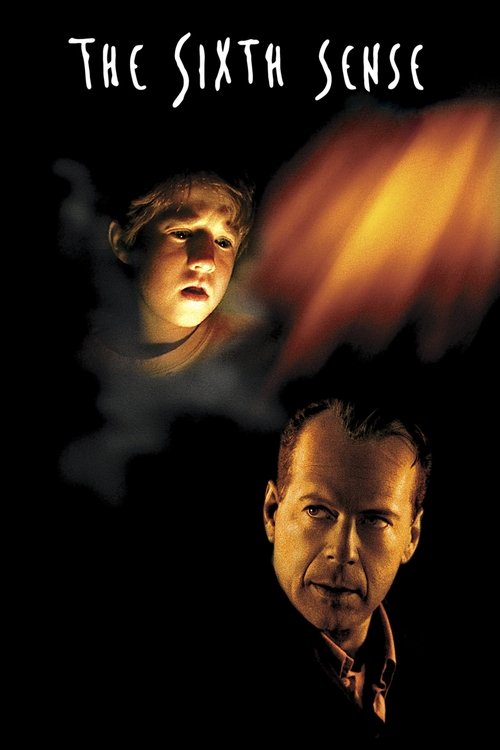
The Sixth Sense
1999Following an unexpected tragedy, child psychologist Malcolm Crowe meets a nine year old boy named Cole Sear, who is hiding a dark secret.
A masterclass in formal restraint and atmospheric tension, this supernatural drama redefined the modern cinematic twist and established Shyamalan as the premier architect of the high-concept psychological thriller. Its enduring legacy lies in the surgical precision of its visual grammar, proving that silence and suggestion are far more chilling than overt spectacle.
Frequently Asked Questions
Everything you need to know about this list and SnakeDrafts
- M. Night Shyamalan's essential films consistently explore themes of faith, human fragility, and the supernatural, often framed through tightly controlled suspense and dramatic tension. His movies like "The Sixth Sense" and "Signs" balance psychological depth with eerie atmospheres, making faith and fear central motifs.
- Shyamalan employs a distinctive slow-building suspense through meticulous framing and a predatory camera style, emphasizing silence and subtle cues over jump scares. Films such as "Unbreakable" and "Split" showcase his ability to cultivate a claustrophobic tension that heightens the impact of his signature plot twists.
- "The Sixth Sense" is widely regarded as Shyamalan's breakthrough film due to its innovative blending of psychological thriller and supernatural drama, paired with an iconic twist ending that redefined modern thriller storytelling. It set the tone for his career and established him as a master of suspense.
- In "Knock at the Cabin" and "Old," Shyamalan continues to blend horror with mystery, enhancing his narratives with more complex character studies and existential questions. These recent works maintain his focus on confined settings and escalating dread, while deepening thematic exploration of time, mortality, and belief.
- Plot twists are a signature of Shyamalan's storytelling style, serving as pivotal turning points that recontextualize the narrative and challenge viewers' perceptions. Movies like "The Sixth Sense" and "The Village" exemplify his skillful use of surprise endings to create lasting emotional and intellectual impact.
- While many of Shyamalan's films contain strong horror elements, especially "Split" and "The Visit," his work spans multiple genres including thriller, drama, science fiction, and mystery. This genre-blending allows him to explore complex themes within innovative storytelling frameworks.
- "Unbreakable" stands out for its unique take on the superhero genre, focusing on human vulnerability and destiny rather than typical comic book spectacle. Its deep character-driven narrative and subtle suspense mark a mature evolution in Shyamalan’s filmography.