Amanda Peet's Top Movies Ranked
Charismatic Performances and Versatile Roles
Explore the finest cinematic performances of Amanda Peet, from gripping psychological thrillers to beloved romantic comedies and blockbuster dramas.
About Amanda Peet

There is a specific brand of lightning that Amanda Peet brings to a frame, a mixture of high-strung intelligence and an effortless, blue-blooded relatability. She arrived in the public consciousness during an era of hyper-stylized starlets, yet she always felt like the smartest person in the room who was nonetheless willing to trip over a rug for a laugh. It is this refusal to be precious about her own luminescence that defines her longevity. Whether she is playing the moral compass in a gritty legal thriller or the neurotic foil in a blockbuster comedy, she possesses a kinetic energy that makes every line of dialogue feel like it was thought up three seconds before it left her mouth.
The shift into the cultural mainstream happened largely through her comedic timing, which remains some of the sharpest in the business. In The Whole Nine Yards, she didn't just hold her own against established heavyweights; she stole the movie by leaning into a delightful, bloodthirsty quirkiness. This ability to be both the girl next door and a chaotic wildcard allowed her to navigate the romantic comedy boom with projects like A Lot Like Love and Griffin & Phoenix. Even when the scripts leaned toward the sentimental, she anchored them with a grounded sincerity that prevented the stories from floating off into cliché.
Peet has always been too restless to stay boxed into a single genre. Her filmography suggests a performer who is deeply suspicious of being typecast. She brought a simmering, pressurized intensity to Changing Lanes and High Crimes, proving she could pivot from slapstick to high-stakes tension without losing her signature spark. In the sprawling geopolitical web of Syriana, she offered a humanizing glimpse into the domestic costs of global ambition. Even in massive spectacles like 2012, she provided a necessary emotional pulse, reminding audiences that beneath the special effects, there were real lives worth rooting for.
What makes her truly essential to the modern cinematic landscape is her lack of vanity. In independent gems like Igby Goes Down and Please Give, she peeled back the layers of privilege and insecurity with an unflinching honesty. She excels at playing characters who are beautifully, messily human. This was perhaps best seen in projects like The Way Way Back and Identity Thief, where she provided the essential connective tissue of the narrative, often playing the voice of reason while maintaining her own distinct edge.
In later years, her evolution into a formidable writer and producer has only clarified what audiences sensed all along: she is a craftsman with an innate understanding of how people actually speak and suffer. From the tension of Identity to the cynical wit of Sleeping with Other People, she has curated a body of work that feels less like a series of jobs and more like a long-form conversation with her audience. She remains one of the few actors who can jump between a massive studio production and a delicate character study while keeping her wit entirely intact. We trust her because she never seems to be performing a version of herself. She is simply there, vibrant and sharp, making the complicated business of being human look like an art form.

The Whole Ten Yards
2004Jimmy "The Tulip" Tudeski now spends his days compulsively cleaning his house and perfecting his culinary skills with his wife, Jill, a purported assassin who has yet to pull off a clean hit. Suddenly, an uninvited and unwelcome connection to their past unexpectedly shows up on Jimmy and Jill's doorstep; it's Oz, and he's begging them to help him rescue his wife, Cynthia.

Playing by Heart
1998In a vibrant tapestry of love and longing, nine interconnected souls navigate romance and heartbreak in L.A., where passions collide and truths unfold, revealing that the heart's desires often lead us where we least expect.

Melinda and Melinda
2004While dining out with friends, Sy suggests the difficulty of separating comedy from tragedy. To illustrate his point, he tells his guests two parallel stories about Melinda ; both versions have the same basic elements, but one take on her state of affairs leans toward levity, while the other is full of anguish. Each story involves Melinda coping with a recent divorce through substance abuse while beginning a romantic relationship with a close friend's husband.
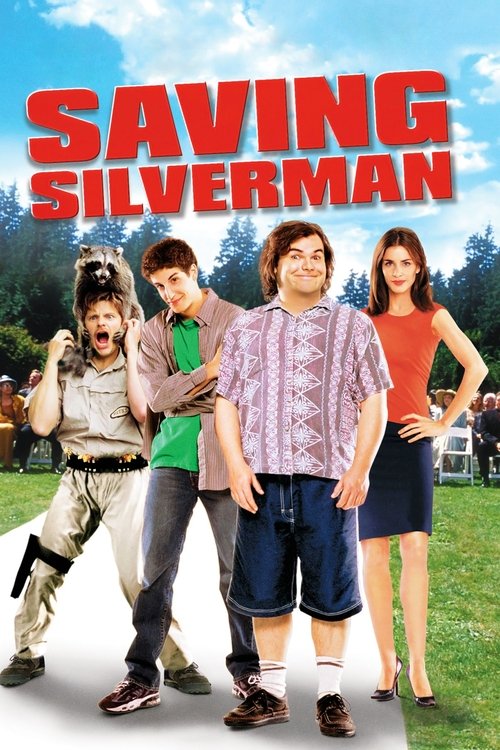
Saving Silverman
2001A pair of buddies conspire to save their best friend from marrying the wrong woman, a cold-hearted beauty who snatches him from them and breaks up their Neil Diamond cover band.

Battle for Terra
2007A peaceful alien planet faces annihilation, as the homeless remainder of the human race sets its eyes on Terra. Mala, a rebellious Terrian teenager, will do everything she can to stop it.

One Fine Day
1996Melanie Parker, an architect and mother of Sammy, and Jack Taylor, a newspaper columnist and father of Maggie, are both divorced. They meet one morning when overwhelmed Jack is left unexpectedly with Maggie and forgets that Melanie was to take her to school. As a result, both children miss their school field trip and are stuck with the parents. The two adults project their negative stereotypes of ex-spouses on each other, but end up needing to rely on each other to watch the children as each must save his job. Humor is added by Sammy's propensity for lodging objects in his nose and Maggie's tendency to wander.

Identity Thief
2013When a mild-mannered businessman learns his identity has been stolen, he hits the road in an attempt to foil the thief -- a trip that puts him in the path of a deceptively harmless-looking woman.
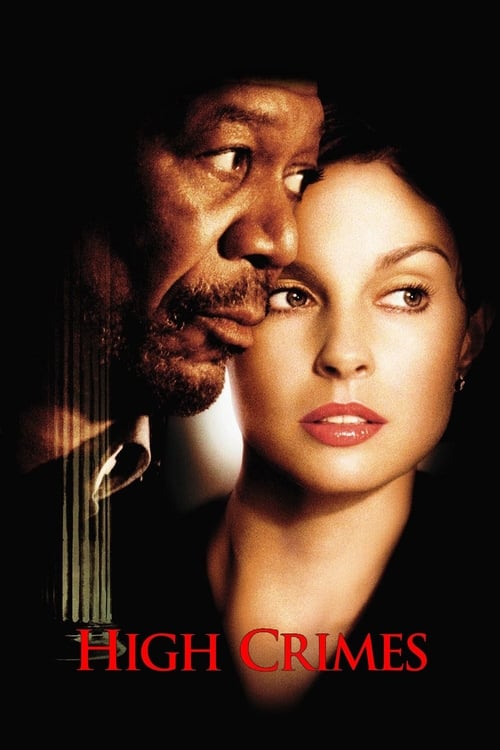
High Crimes
2002A female attorney learns that her husband is really a marine officer awol for fifteen years and accused of murdering fifteen civilians in El Salvador. Believing her husband when he tells her that he's being framed as part of a U.S. Military cover-up, the attorney defends him in a military court.

Syriana
2005The Middle Eastern oil industry is the backdrop of this tense drama, which weaves together numerous story lines. Bennett Holiday is an American lawyer in charge of facilitating a dubious merger of oil companies, while Bryan Woodman, a Switzerland-based energy analyst, experiences both personal tragedy and opportunity during a visit with Arabian royalty. Meanwhile, veteran CIA agent Bob Barnes uncovers an assassination plot with unsettling origins.

Please Give
2010In New York City, a husband and wife butt heads with the granddaughters of the elderly woman who lives in the apartment the couple owns.

Sleeping with Other People
2015Can two serial cheaters get a second chance at love? After a one-night stand in college, New Yorkers Lainey and Jake meet by chance twelve years later and discover they each have the same problem: because of their monogamy-challenged ways, neither can maintain a relationship. Determined to stay friends despite their mutual attraction, they make a pact to keep it platonic, a deal that proves easier said than done.

2012
2009Dr. Adrian Helmsley, part of a worldwide geophysical team investigating the effect on the earth of radiation from unprecedented solar storms, learns that the earth's core is heating up. He warns U.S. President Thomas Wilson that the crust of the earth is becoming unstable and that without proper preparations for saving a fraction of the world's population, the entire race is doomed. Meanwhile, writer Jackson Curtis stumbles on the same information. While the world's leaders race to build "arks" to escape the impending cataclysm, Curtis struggles to find a way to save his family. Meanwhile, volcanic eruptions and earthquakes of unprecedented strength wreak havoc around the world.
Tasked with humanizing a spectacle of global proportions, Peet manages to maintain a sense of personal stakes amidst the digital apocalypse. Even within a blockbuster framework, she brings a frantic, relatable maternal instinct that gives the audience a much-needed rooting interest.

Griffin & Phoenix
2006A terminally ill man falls in love with a woman who has a secret that threatens their time spent together.
Peet tackles a delicate balance of vulnerability and defiance, steering the melodrama away from cliché with her raw, unvarnished reactions. She demonstrates a profound emotional range here, anchoring the tragic plot with a spirited desperation that feels painfully authentic.
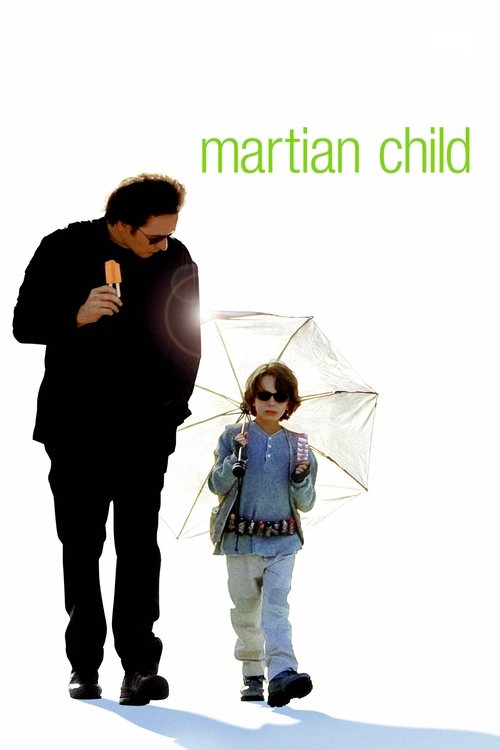
Martian Child
2007A recently-widowed science fiction writer considers whether to adopt a hyper-imaginative 6-year-old abandoned and socially-rejected boy who says he's really from Mars.
Offering a softer, more maternal frequency, Peet provides the essential connective tissue in this whimsical exploration of grief and belonging. Her presence offers a stabilizing influence that prevents the film’s eccentricities from veering into the sentimental deep end.

Igby Goes Down
2002Igby Slocumb, a rebellious and sarcastic 17-year-old boy, is at war with the stifling world of old money privilege he was born into. With a schizophrenic father, a self-absorbed, distant mother, and a shark-like young Republican big brother, Igby figures there must be a better life out there -- and sets about finding it.
Peet leans into a delicious, social-climbing vapidity that perfectly complements the film’s sharp-tongued satirical bite. Her ability to embody a specific brand of East Coast affluent messiness adds a textured layer of comedy to this acidic portrait of fractured adolescence.
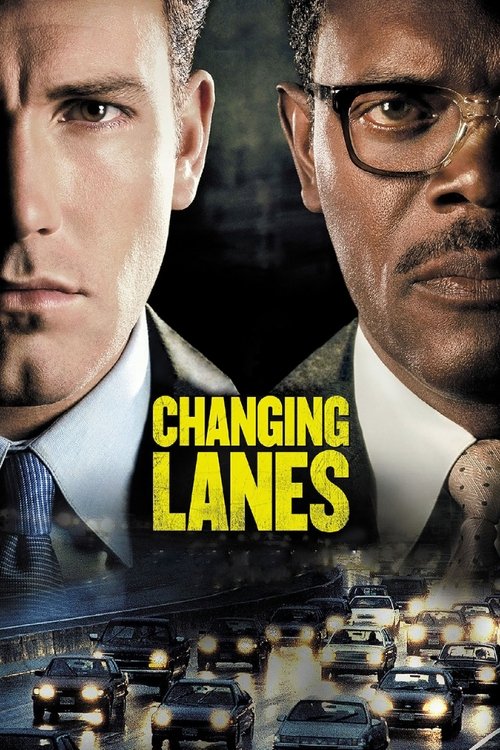
Changing Lanes
2002A rush-hour fender-bender on New York City's crowded FDR Drive, under most circumstances, wouldn't set off a chain reaction that could decimate two people's lives. But on this day, at this time, a minor collision will turn two complete strangers into vicious adversaries. Their means of destroying each other might be different, but their goals, ultimately, will be the same: Each will systematically try to dismantle the other's life in a reckless effort to reclaim something he has lost.
In this taut moral drama, Peet utilizes a cold, pragmatic steeliness that serves as a crucial catalyst for the narrative’s escalating tension. It remains a standout example of her capacity for playing high-stakes characters driven by uncompromising domestic and social agendas.

A Lot Like Love
2005On a flight from Los Angeles to New York, Oliver and Emily make a connection, only to decide that they are poorly suited to be together. Over the next seven years, however, they are reunited time and time again, they go from being acquaintances to close friends to... lovers?
This film hinges entirely on Peet’s kinetic chemistry and her ability to chart a character’s evolution over the span of a decade. She breathes spontaneous life into the quintessential mid-aughts rom-com template, asserting herself as a specialist in conversational intimacy and manic pixie realism.

When perpetually single, aging music industry exec Harry Sanborn, and his latest trophy girlfriend, Marin, arrive at her mother's beach house in the Hamptons, they find that her mother, playwright Erica Barry, also plans to stay for the weekend. Erica is scandalized by the relationship and Harry's sexist ways. But when Harry has a heart attack while there, and the doctor prescribes bedrest, his only option is to stay at the Barry home. Left in the care of Erica and his doctor, a love triangle starts to take shape.
Peet radiates a sharp, professional intelligence that allows her to stand toe-to-toe with legends like Diane Keaton and Jack Nicholson. By portraying a modern woman with such self-assured clarity, she elevated what could have been a peripheral role into a vital reflection of the film’s multi-generational romantic discourse.
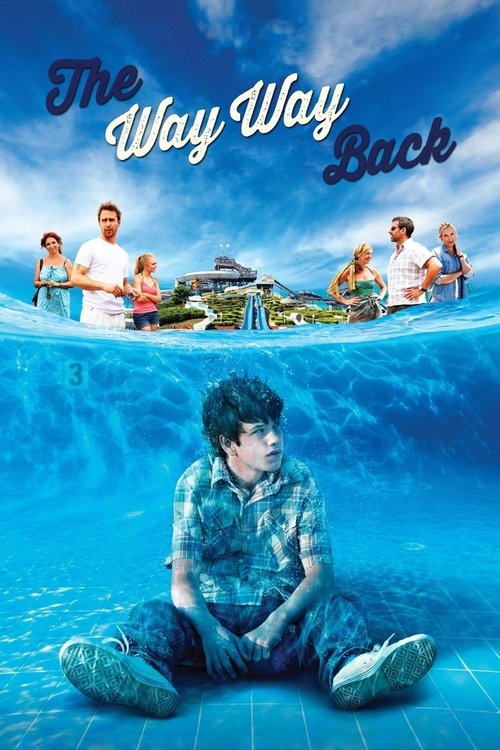
The Way Way Back
2013Shy 14-year-old Duncan goes on summer vacation with his mother, her overbearing boyfriend, and her boyfriend's daughter. Having a rough time fitting in, Duncan finds an unexpected friend in Owen, manager of the Water Wizz water park.
Playing against her usual vivacity, Peet brings a stinging, lived-in cynicism to the role of a woman navigating the complexities of adult neglect. Her performance adds a necessary layer of friction to the film’s coming-of-age warmth, proving her mastery of the understated indie drama.
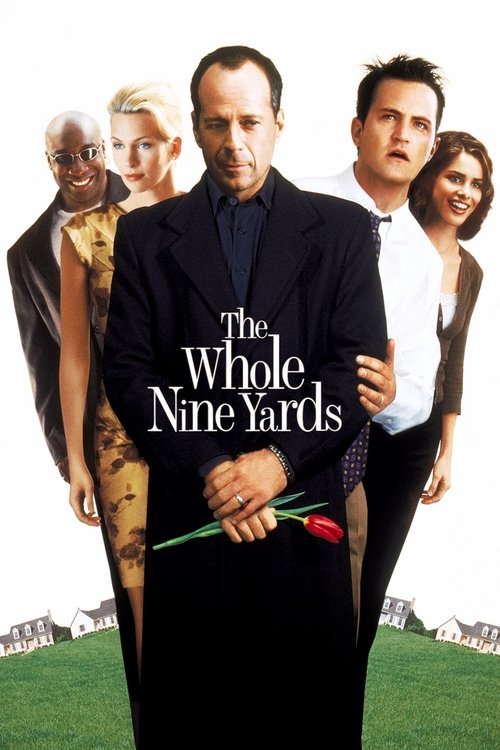
After a mobster agrees to cooperate with an FBI investigation in order to stay out of prison, he's relocated by the authorities to a life of suburban anonymity as part of a witness protection program. It's not long before a couple of his new neighbours figure out his true identity and come knocking to see if he'd be up for one more hit—suburban style.
In a breakout turn of comedic precision, Peet weaponizes a fearless, wide-eyed enthusiasm that nearly outshines her veteran co-stars. It is the definitive showcase of her ability to pivot between slapstick energy and genuine charm, establishing her as a formidable leading lady in the early 2000s.

Identity
2003Complete strangers stranded at a remote desert motel during a raging storm soon find themselves the target of a deranged murderer. As their numbers thin out, the travelers begin to turn on each other, as each tries to figure out who the killer is.
Peet serves as the grounded emotional anchor in James Mangold’s twisty psychological puzzle, providing a gritty survivalist edge that anchors the high-concept chaos. This role proved her capability to command the screen within an ensemble of heavy hitters, marking her transition into serious atmospheric thrillers.
Frequently Asked Questions
Everything you need to know about this list and SnakeDrafts
- Amanda Peet's top movies span a diverse range of genres including psychological thrillers like 'Identity,' romantic comedies such as 'Something's Gotta Give' and 'A Lot Like Love,' as well as dramatic narratives seen in 'Please Give' and 'Syriana.' This showcases her versatility as an actress capable of handling both intense and lighthearted roles.
- 'Identity' is a key film where Amanda Peet delivers a gripping performance in the psychological thriller genre, working under director James Mangold. The movie emphasizes suspense and mystery, highlighting her ability to contribute to complex narratives.
- Amanda Peet's comedic prowess shines in movies like 'The Whole Nine Yards,' a comedy-crime blend, and 'Sleeping with Other People,' a romantic comedy. These films allow her to balance humor with relatable character depth effectively.
- In romantic comedies such as 'Something's Gotta Give' and 'A Lot Like Love,' Amanda Peet brings warmth and relatability, enriching the romantic narrative with her nuanced and engaging portrayals. Her performances add emotional depth and charm that resonate with audiences.
- Yes, Amanda Peet stars in the blockbuster disaster film '2012,' directed by Roland Emmerich. Her involvement in this action-packed, science fiction movie demonstrates her range and appeal in large-scale Hollywood productions.
- Amanda Peet frequently appears in ensemble casts where her performances add significant value, as seen in 'Please Give' and 'Igby Goes Down.' However, she also takes on vital leading roles in films like 'Martian Child' and 'Griffin & Phoenix,' showcasing her adaptability.
- Common themes in Amanda Peet's top movies include navigating complex interpersonal relationships, self-discovery, and moral dilemmas, exemplified in films like 'Changing Lanes' and 'Syriana.' These narratives allow her to explore multifaceted characters with emotional and ethical depth.
- Amanda Peet masterfully blends dramatic and comedic elements in many of her films, such as 'The Way Way Back' and 'Please Give,' where humor is intertwined with poignant storytelling. This balance highlights her range and ability to engage audiences through authentic, multifaceted performances.