The Best Sidney Poitier Movies Ranked
The Legendary Career of a Hollywood Trailblazer
Discover the most iconic performances by Sidney Poitier, from groundbreaking dramas to intense thrillers that redefined cinema history.
About Sidney Poitier
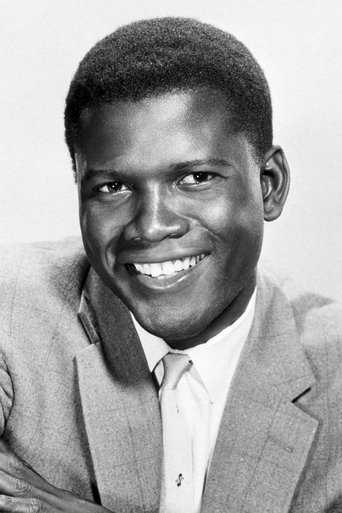
In an era when Hollywood looked for caricatures, Sidney Poitier insisted on delivering a man. He arrived at a time when the American film industry was fundamentally unequipped to handle a Black lead who possessed both a terrifyingly cool intellect and an unshakeable sense of self. To watch him on screen was to witness a quiet insurrection. He didn't just break the color barrier; he dismantled the notion that a protagonist had to be anything less than fully human.
His presence was rooted in a specific kind of stillness. In The Defiant Ones, he established a standard for grit that felt entirely modern, refusing to be the secondary figure in his own survival story. By the time he starred in Edge of the City and Blackboard Jungle, it was clear that he wasn't just another rising star but the moral center of every frame he occupied. Audiences gravitated toward him because he carried a weight of dignity that felt earned rather than performed. He represented a bridge between a fractured reality and the ideal version of what a citizen should be.
The year 1967 remains one of the most remarkable singular runs in cinema history. To release To Sir, with Love, Guess Who's Coming to Dinner, and In the Heat of the Night within a single twelve-month span is a feat of cultural stamina that few have ever matched. As Virgil Tibbs, he gave the world one of its most indelible lines of dialogue, delivered with a precision that cut through the tension of the Jim Crow South like a razor. He managed to play characters who were smarter, sharper, and more composed than the people trying to hold them back, making his eventual Oscar win for Lilies of the Field feel less like a victory for an individual and more like a tectonic shift for the medium.
Even when the material leaned into melodrama, such as A Patch of Blue or the high-stakes tension of The Bedford Incident, he found the nuance. He could play a man of deep faith or a doctor grappling with the darkest corners of human nature in No Way Out without ever losing that signature poise. In A Raisin in the Sun, he channeled the frustrations of an entire generation of Black men seeking their piece of the American dream, proving that his range extended far beyond the saintly figures he was often asked to portray.
As his career matured, he transitioned into a statesman of the screen, taking the director’s chair for Buck and the Preacher and reminding everyone of his effortless charisma in later hits like Sneakers and The Jackal. He remained the gold standard for what it meant to lead a film with grace. If modern cinema feels more expansive today, it is because he spent decades widening the lens. He wasn't just a movie star. He was the architecture upon which the modern leading man was built, leaving behind a legacy defined by the sheer power of his silhouette against a landscape that once tried to pretend he wasn't there.
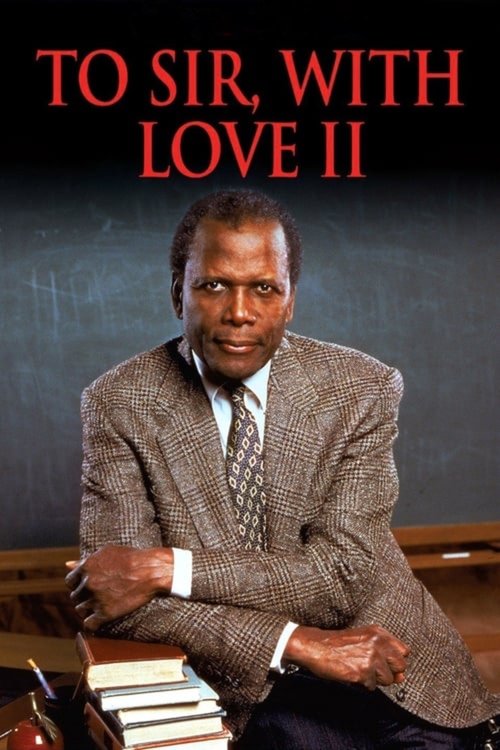
To Sir, with Love II
1996After thirty years teaching in London, Mark Thackeray retires and returns to Chicago. There, however, the challenge of teaching kids in an inner city school proves to be too much to resist.
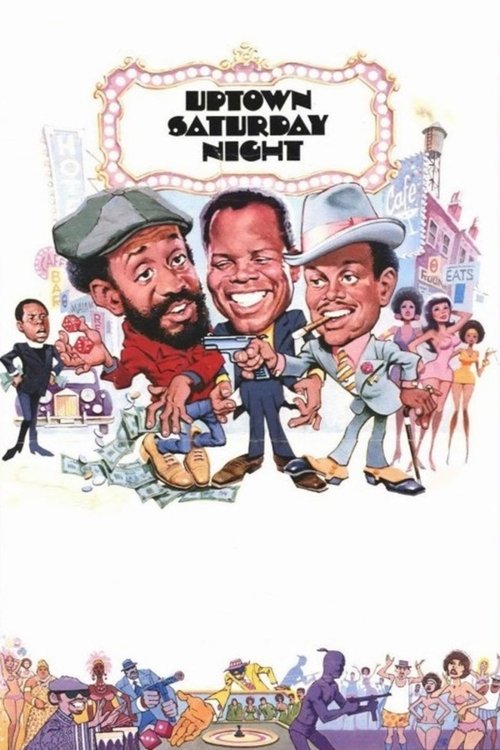
Uptown Saturday Night
1974Two blue-collar buddies search the underworld for a winning lottery ticket lost in a nightclub holdup.
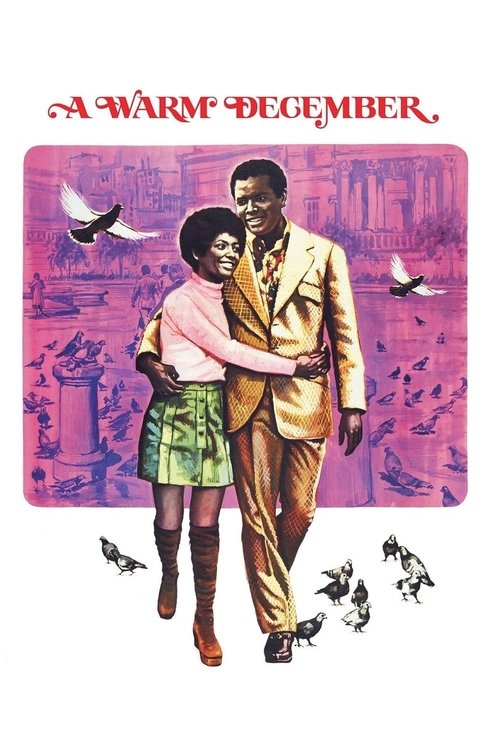
A Warm December
1973Widower Dr. Matt Younger and his daughter go to London for a month of dirt-bike racing. While there, Dr. Younger is surprised by finding himself attracted to Catherine, a charming but elusive woman who seems to have some mysterious men following her. A romance slowly develops between the doctor and Catherine, but there are complications to their happiness.
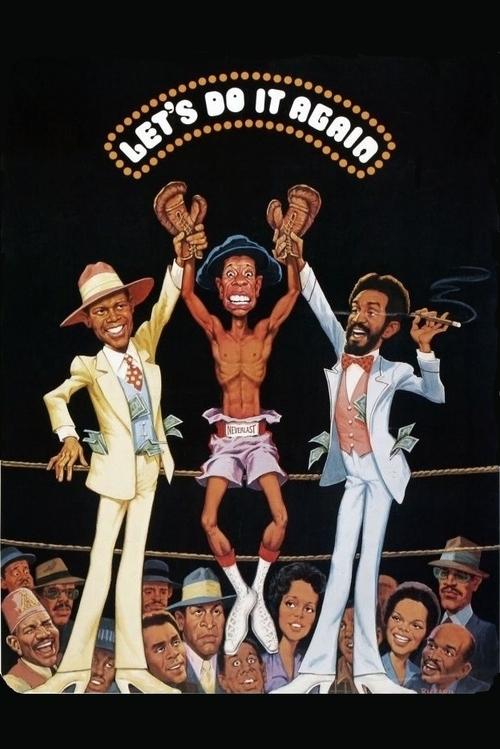
Let's Do It Again
1975Clyde Williams and Billy Foster are a couple of blue-collar workers in Atlanta who have promised to raise funds for their fraternal order, the Brothers and Sisters of Shaka. However, their method for raising the money involves travelling to New Orleans and rigging a boxing match.
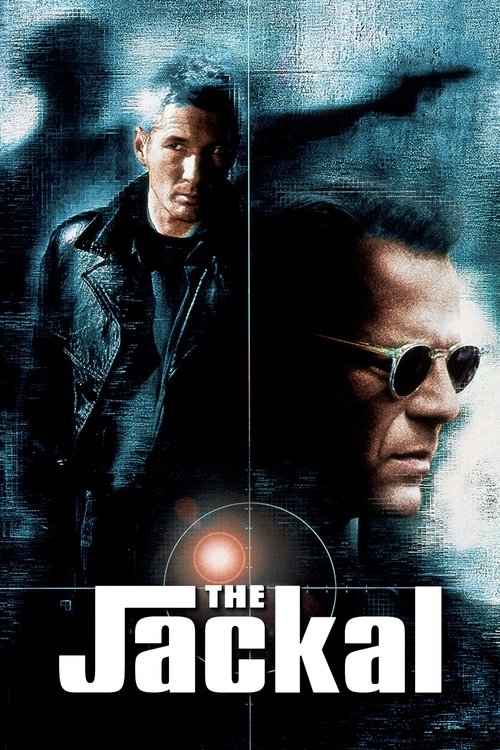
The Jackal
1997Hired by a powerful member of the Russian mafia to avenge an FBI sting that left his brother dead, a psychopathic hitman known only as The Jackal proves an elusive target for the people charged with the task of bringing him down: a deputy FBI director, a Russian MVK Major, and a jailed IRA terrorist who can recognize him.

Sneakers
1992When shadowy U.S. intelligence agents blackmail a reformed computer hacker and his eccentric team of security experts into stealing a code-breaking 'black box' from a Soviet-funded genius, they uncover a bigger conspiracy. Now, he and his 'sneakers' must save themselves and the world economy by retrieving the box from their blackmailers.
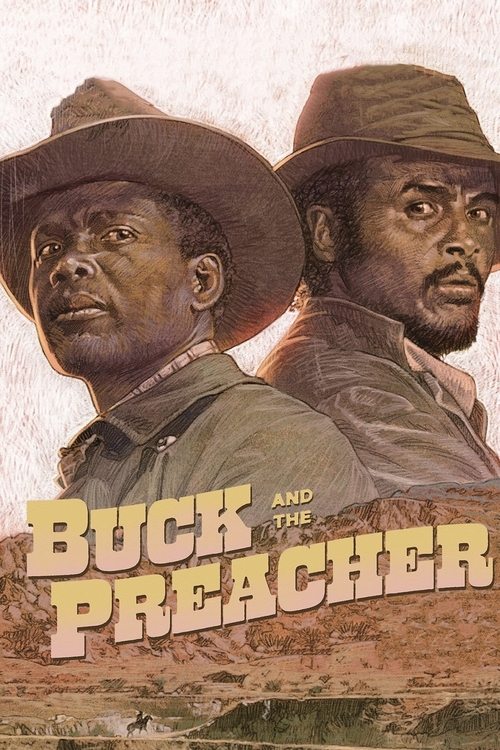
Buck and the Preacher
1972A wagon master and a con-man preacher help freed slaves dogged by cheap-labor agents out West.
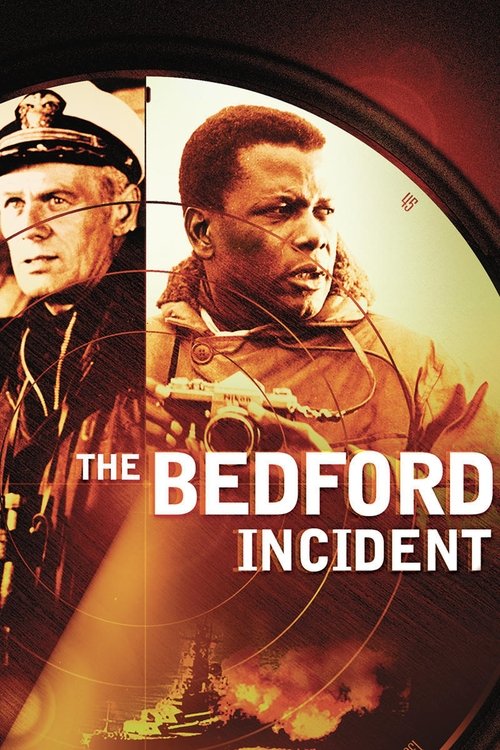
The Bedford Incident
1965During a routine patrol, a reporter is given permission to interview a hardened cold-war warrior and captain of the American destroyer USS Bedford. The reporter gets more than he bargained for when the Bedford discovers a Soviet sub and the captain begins a relentless pursuit, pushing his crew to breaking point.
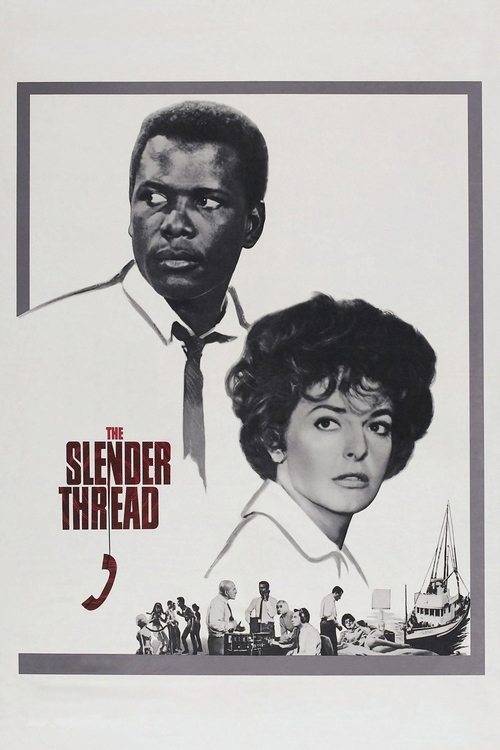
The Slender Thread
1965Alan is a Seattle college student volunteering at a crisis center. One night when at the clinic alone, a woman calls up the number and tells Alan that she needs to talk to someone. She informs Alan she took a load of pills, and he secretly tries to get help. During this time, he learns more about the woman, her family life, and why she wants to die. Can Alan get the cavalry to save her in time before it's too late?
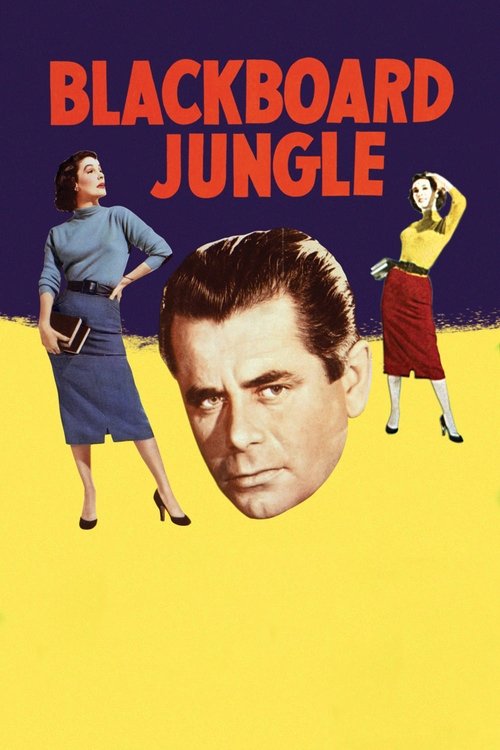
Blackboard Jungle
1955Richard Dadier is a teacher at North Manual High School, an inner-city school where many of the pupils frequently engage in anti-social behavior. Dadier makes various attempts to engage the students' interest in education, challenging both the school staff and the pupils. He is subjected to violence as well as duplicitous schemes.
Poitier injects this juvenile delinquency drama with a simmering, rebellious charisma that nearly steals the film from its veteran leads. His portrayal of a talented but cynical student serves as a pivotal bridge between his early supporting work and his future as a revolutionary protagonist.
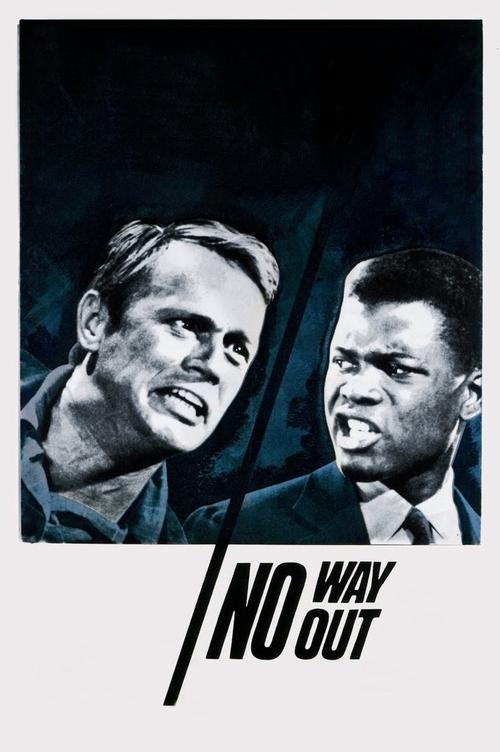
No Way Out
1950Two hoodlum brothers are brought into hospital for gunshot wounds, and when one dies, the other accuses their Black doctor of murder.
Even in his debut, Poitier displays an astonishing level of professional restraint while portraying a doctor under fire from unvarnished bigotry. It is a foundational turn that established his career-long commitment to portraying Black professionals with an unshakeable sense of self-worth.
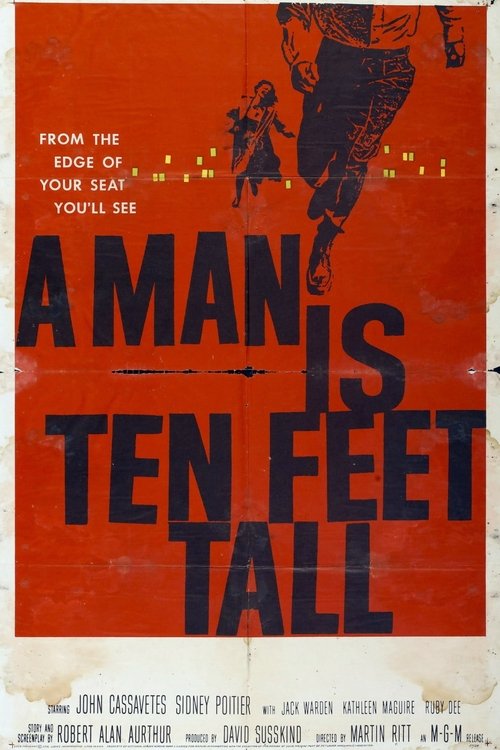
Edge of the City
1957A male army deserter and a black male dock worker join forces against a corrupt manager, in a corrupt environment, and as their connection blossoms they must face the oppressive and morally decaying city they live in.
During an era of pervasive stereotyping, Poitier’s role as a stevedore provided a rare and refreshing glimpse into a character defined by his integrity and friendship rather than his race. The performance is grounded in a grit that signaled the arrival of a new, naturalistic power in American cinema.
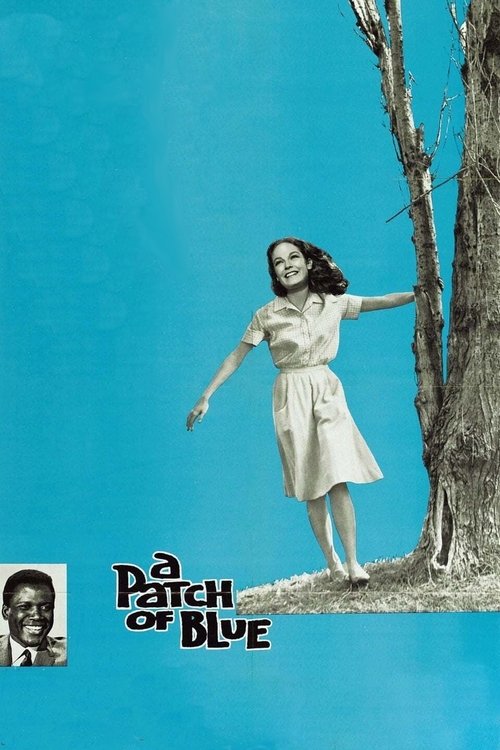
A Patch of Blue
1965A blind, uneducated white girl is befriended by a black man, who becomes determined to help her escape her impoverished and abusive home life.
In a delicate performance defined by tenderness, Poitier plays against a backdrop of racial ignorance with a sensitivity that bypasses sentimentality. He functions as the film's moral architecture, demonstrating a quiet empathy that highlights the profound humanity at the core of his acting philosophy.
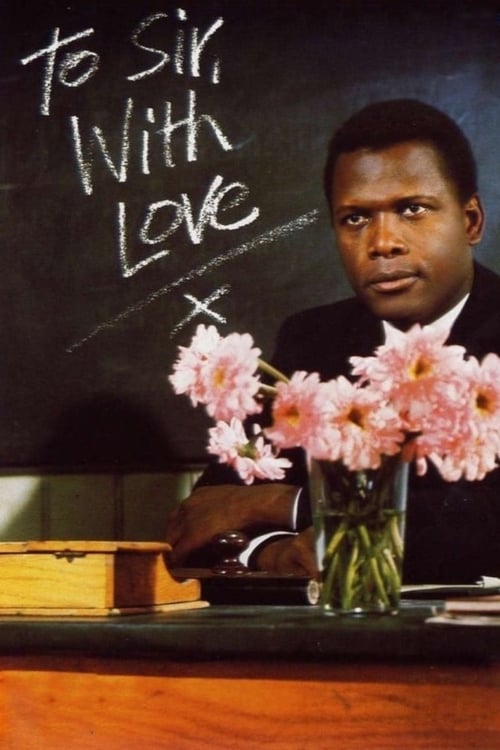
To Sir, with Love
1967A British Guianese engineer starts a job as a high school teacher in London’s East End, where his uninterested and delinquent pupils are in desperate need of attention and care.
Poitier subverts the traditional educator archetype by infusing Mark Thackeray with a weary, battle-hardened sophistication that commands immediate respect. His ability to project an aura of unwavering composure became a blueprint for cinematic mentors for decades to follow.
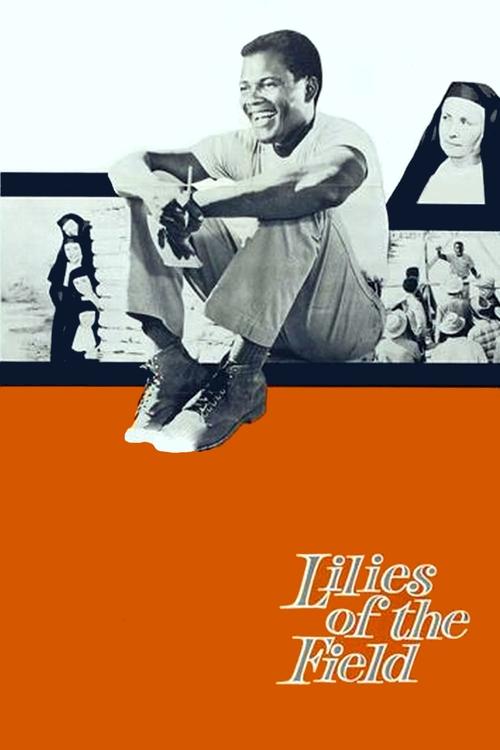
Lilies of the Field
1963An unemployed construction worker heading out west stops at a remote farm in the desert to get water when his car overheats. The farm is being worked by a group of East European Catholic nuns, headed by the strict mother superior, who believes the man has been sent by God to build a much needed church in the desert.
The role that earned him his historic Academy Award allowed Poitier to showcase a lighter, more rhythmic charm without sacrificing his signature gravity. He radiates a soulful warmth that anchors the film's gentle spirituality, proving he could command the screen with quiet grace just as effectively as with grand defiance.
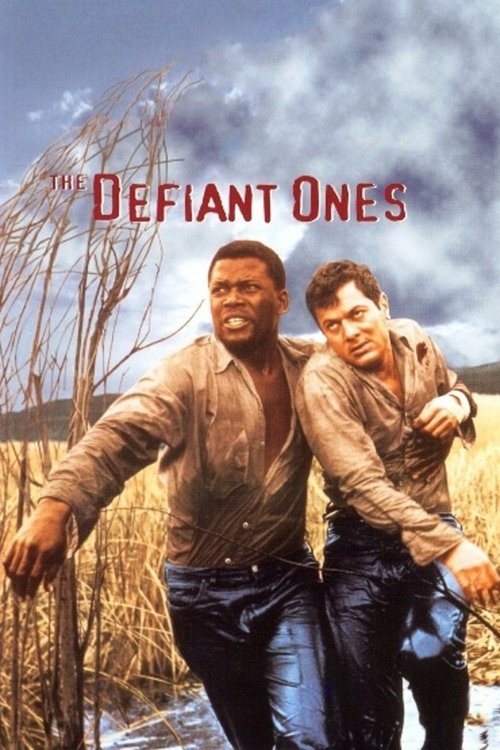
The Defiant Ones
1958Two convicts—one white, one black—escape while chained to each other.
Bound by steel and mutual survival, Poitier’s portrayal of a fugitive is a masterclass in escalating tension and hard-won evolution. This breakout performance forced Hollywood to recognize him as a formidable leading man capable of holding his own against any contemporary heavyweight.
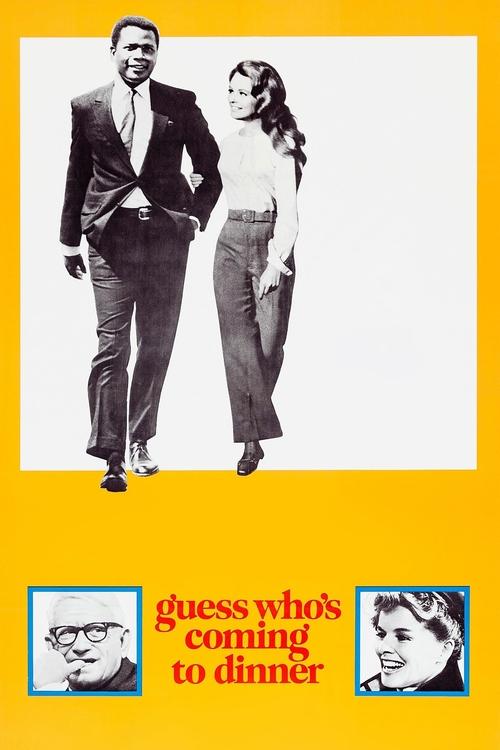
Guess Who's Coming to Dinner
1967A couple's attitudes are challenged when their daughter brings home a fiancé who is black.
Tasked with representing an impossible ideal of modern perfection, Poitier navigates this high-stakes social satire with a deceptive ease that masks the heavy burden of his character's symbolic weight. The film solidified his status as the industry's ultimate moral compass during a period of massive national transition.
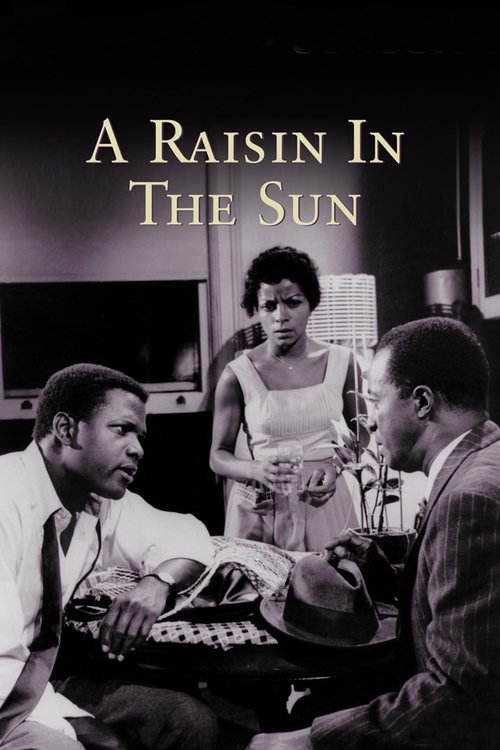
A Raisin in the Sun
1961Walter Lee Younger is a young man struggling with his station in life. Sharing a tiny apartment with his wife, son, sister and mother, he seems like an imprisoned man. Until, that is, the family gets an unexpected financial windfall.
Translating his stage intensity to the screen, Poitier captures the claustrophobic desperation of Walter Lee Younger with a raw, jagged energy seldom seen in his more polished roles. It is a masterful study of wounded pride that proved his ability to anchor deeply complex, character-driven dramas.
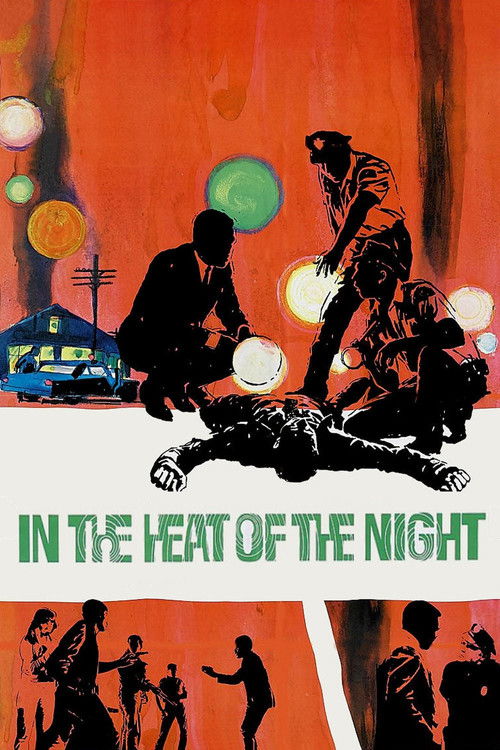
In the Heat of the Night
1967African-American Philadelphia police detective Virgil Tibbs is arrested on suspicion of murder by Bill Gillespie, the racist police chief of tiny Sparta, Mississippi. After Tibbs proves not only his own innocence but that of another man, he joins forces with Gillespie to track down the real killer. Their investigation takes them through every social level of the town, with Tibbs making enemies as well as unlikely friends as he hunts for the truth.
Poitier weaponizes a cool, calculated intellect to dismantle the tropes of the era, demanding dignity through the sheer force of his presence as Virgil Tibbs. This remains his definitive cinematic statement, marking the moment he transcended mere stardom to become a vital cultural icon of authority.
Frequently Asked Questions
Everything you need to know about this list and SnakeDrafts
- Sidney Poitier's films often explore themes of racial tension, social justice, and personal integrity. For example, In the Heat of the Night and Guess Who's Coming to Dinner both tackle complex issues of race and prejudice, showcasing Poitier's powerful portrayals of dignified, intelligent protagonists.
- During the 1960s, Sidney Poitier broke significant racial barriers by starring in leading roles that portrayed Black characters with depth and humanity. His performances in films like Lilies of the Field and To Sir, with Love challenged stereotypical representations and paved the way for future Black actors.
- Buck and the Preacher is a notable film where Sidney Poitier not only starred but also took on directing duties. This 1972 action-comedy-western highlighted his multifaceted talent and contribution to filmmaking beyond acting.
- A Raisin in the Sun and A Patch of Blue are two of Poitier's films celebrated for their strong dramatic and romantic storytelling. These movies explore emotional and social challenges with nuanced performances that highlight Poitier's range as an actor.
- The Defiant Ones is a standout Sidney Poitier film blending crime, drama, and social commentary. The movie features Poitier alongside Tony Curtis, emphasizing themes of racial cooperation and survival.
- 'In the Heat of the Night' is memorable for Sidney Poitier's strong portrayal of Virgil Tibbs, a Black detective confronting racism while solving a murder mystery in the South. His performance is iconic for its blend of toughness, intelligence, and grace under pressure.
- Early roles in films such as 'Blackboard Jungle' and 'No Way Out' established Poitier as a compelling actor tackling serious social issues like juvenile delinquency and racial violence. These formative performances set the stage for his later groundbreaking work in Hollywood.