Matthew Perry Movies Ranked Definitively
The Essential Cinema of a Comedy Legend
Discover the best theatrical film roles of Matthew Perry, from hilarious screwball comedies to meaningful dramatic performances on the big screen.
About Matthew Perry
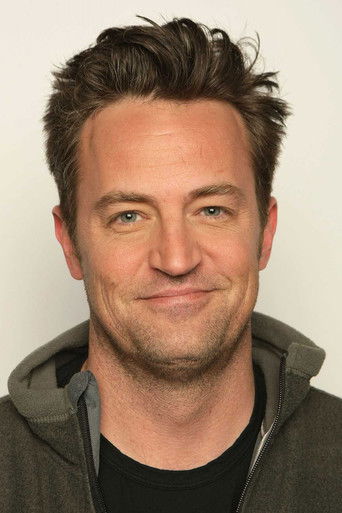
To look at Matthew Perry was to see the definitive architect of modern sarcasm. While he became a global fixture through television, his cinematic output revealed a performer constantly trying to balance high-concept slapstick with a deeply moving vulnerability. He possessed a rhythmic mastery over the English language, often emphasizing the unexpected syllable to find humor where others found silence. This specific brand of nervous energy made him the ultimate surrogate for a generation of viewers who felt just as out of place as he did.
His early forays into film, such as A Night in the Life of Jimmy Reardon and She's Out of Control, captured a boyish charm that felt ready for the spotlight long before the world caught up to him. Even in the darker corners of his filmography like Deadly Relations or the witty Getting In, there was a sense of a ticking clock behind his eyes. He worked with a kinetic urgency. When he finally hit his stride as a leading man in the late nineties, he chose projects that played with his persona as a frantic everyman. In Fools Rush In, he grounded a whirlwind romance with a sincerity that proved he could carry a studio feature on his back. He followed this with Three to Tango, leanly navigating the world of physical comedy with the grace of a silent film star trapped in a modern suit.
Perhaps his most effective silver screen partnership was with Bruce Willis in The Whole Nine Yards. As a high-strung dentist caught between mobsters, Perry turned panic into an art form. His ability to flail through a room while maintaining a razor-sharp verbal wit was a rare gift. Even when returning for The Whole Ten Yards, it was his commitment to the absurdity of the character that kept the engine running. He wasn't afraid to look ridiculous if it meant the audience felt something.
As his career deepened, he drifted toward roles that mirrored his own complicated internal life. In the quiet, indie-leaning Numb, he explored the fog of depersonalization with a sobriety that surprised critics used to his punchlines. He brought that same weight to The Ron Clark Story, earning accolades for a performance that traded jokes for an inspiring, grounded humanity. He still leaned into his commercial appeal with 17 Again, playing a man desperate for a do-over, a theme that resonated with his own public journey toward healing. In smaller gems like Birds of America, he showcased a weathered maturity that felt like the natural evolution of the frantic young man we first met in the eighties.
Audiences didn't just watch him because he was funny. They watched him because he felt remarkably accessible. He wore his anxieties on his sleeve, making the polished world of Hollywood feel a little more human. Whether he was playing a cynical neighbor or a dedicated teacher, he projected a desperate need for connection. This honesty turned him into more than just a famous face. He became a cultural shorthand for the way we navigate our own insecurities. He left behind a body of work that serves as a masterclass in timing, but more importantly, he left a legacy of empathy. He was the guy who made being awkward look like a superpower.
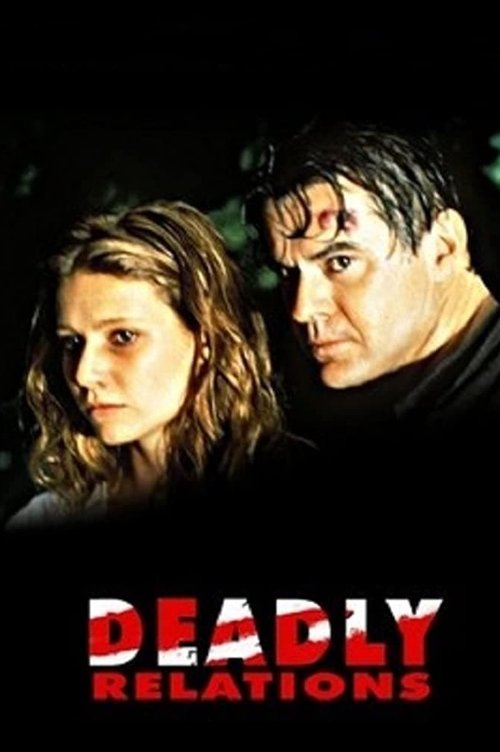
Deadly Relations
1993Leonard Fagot has four daughters and loves them so much, that he usurps his control over them. He lets them know how he feels about the men they date. And if he disapproves of them, he probably will have them killed to get them out of his daughters' life.
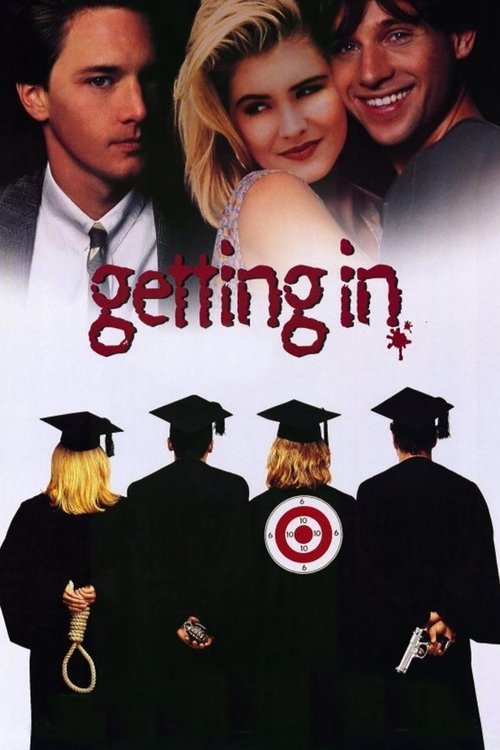
Getting In
1994Gabriel Higgs has failed to get into Johns Hopkins to study medicine. He's sixth on a list of backup candidates, and must persuade the five people ahead of him to drop out. Gabriel has a family tradition to live up to. Things don't go to plan.
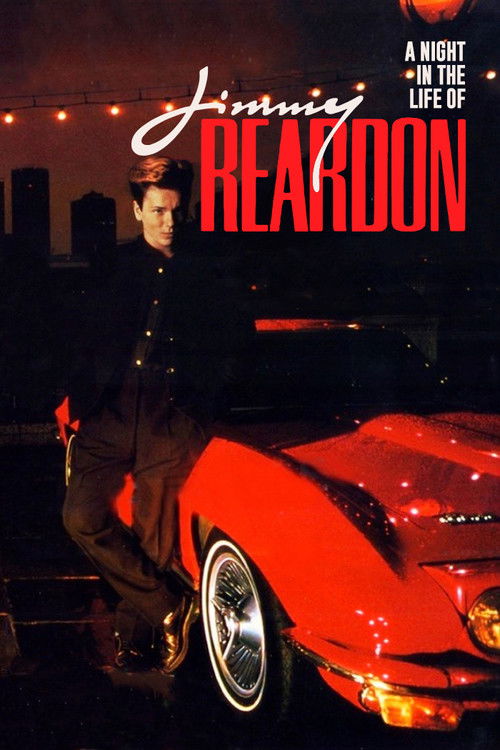
A Night in the Life of Jimmy Reardon
1988A recent high school graduate is faced with two options, either go to a business school where his father wants him to go to, or get a full time job. However he decides to defy his father and go to Hawaii. Trouble is he has no money. Along the way he comes to understand his parents and eventually bonds with his father.
Making his film debut alongside River Phoenix, Perry provides a grounded counterpoint that hints at the reliable sidekick energy he would later subvert. It stands as a fascinating artifact of his transition from a teenage character actor to a future comedic icon.
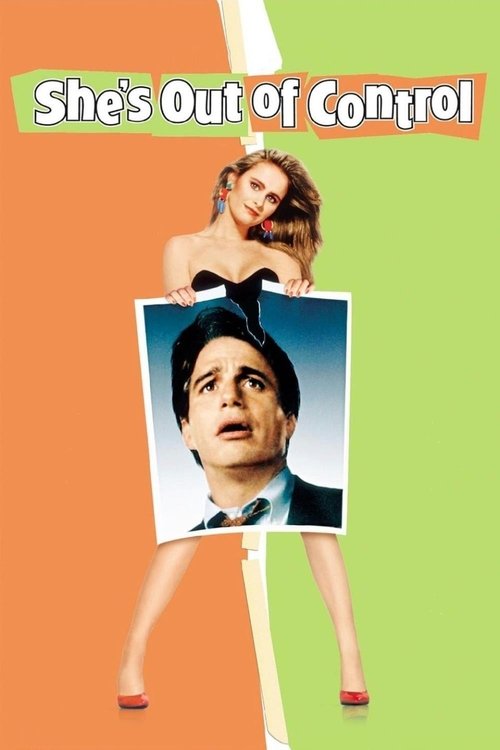
She's Out of Control
1989A Los Angeles radio-station manager's girlfriend shows his teenage daughter how to be sexy.
A glimpse into Perry’s screen evolution, this early supporting turn captures the raw beginnings of the fast-talking persona he would eventually master. Even in a minor role, his natural instinct for comedic timing is already vibrating beneath the surface.
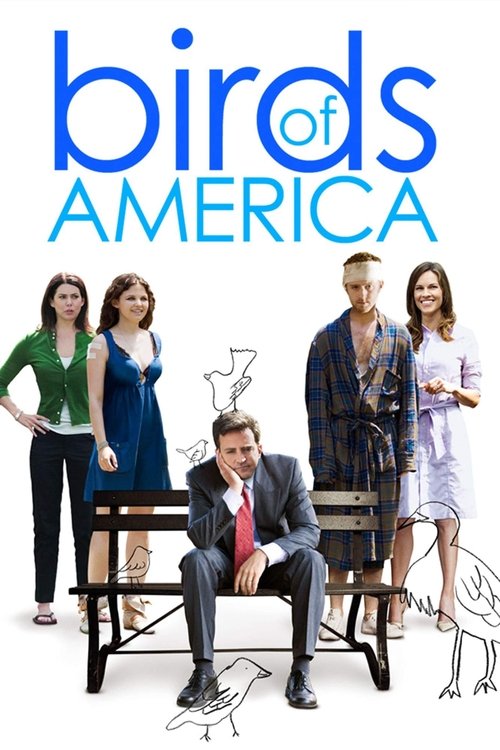
Birds of America
2008A regular guy struggles with a repressive home and professional life, as well as making amends for the trouble his free-spirited brother and sister cause about town.
As the eldest brother in an eccentric family, Perry adopts a weary, observational tone that contrasts sharply with his more famous histrionic roles. It is a quiet study in frustration that underscores his capacity for subtle, ensemble-driven indie work.
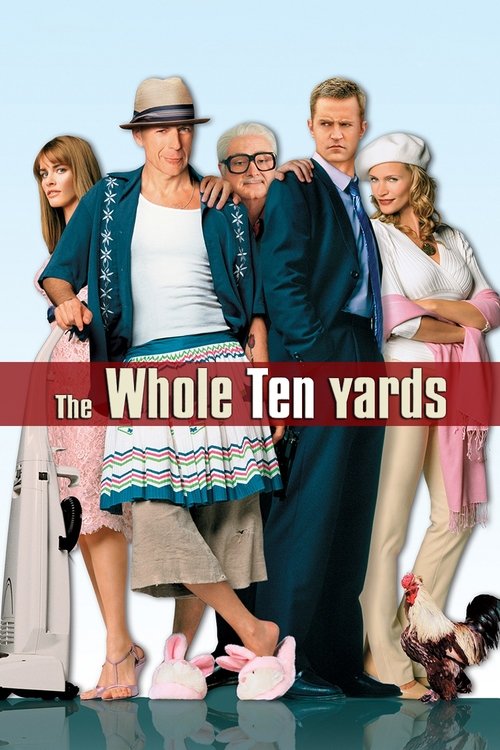
The Whole Ten Yards
2004Jimmy "The Tulip" Tudeski now spends his days compulsively cleaning his house and perfecting his culinary skills with his wife, Jill, a purported assassin who has yet to pull off a clean hit. Suddenly, an uninvited and unwelcome connection to their past unexpectedly shows up on Jimmy and Jill's doorstep; it's Oz, and he's begging them to help him rescue his wife, Cynthia.
While the sequel struggles to find its footing, Perry’s chemistry with the ensemble remains an undeniable highlight of his early 2000s output. He leans heavily into a heightened, more manic version of his character that highlights his fearlessness in looking foolish for a laugh.
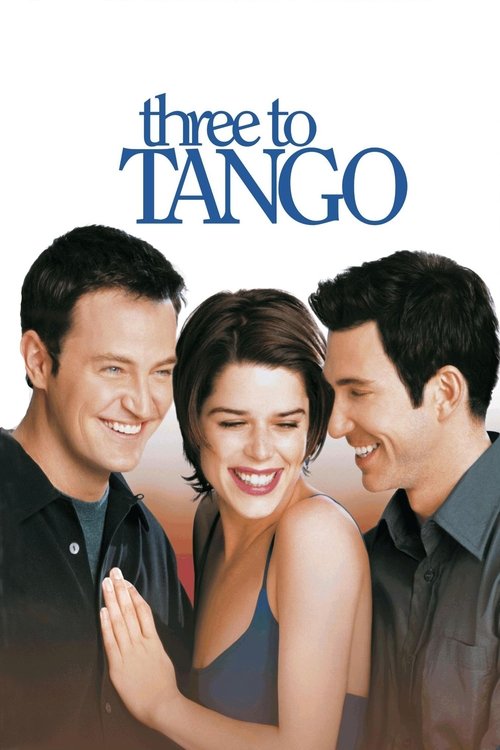
Three to Tango
1999Oscar and Peter land a career-making opportunity when a Chicago tycoon chooses them to compete for the design of a cultural center. The tycoon mistakenly believes that Oscar is gay and has him spy on his mistress Amy. Oscar goes along with it and ends up falling in love with Amy.
Tasked with navigating an absurdly dated premise, Perry’s frantic commitment to physical comedy provides the only kinetic energy in the room. He manages to elevate the material through sheer charisma, even when the script fails to meet his level of wit.
Numb
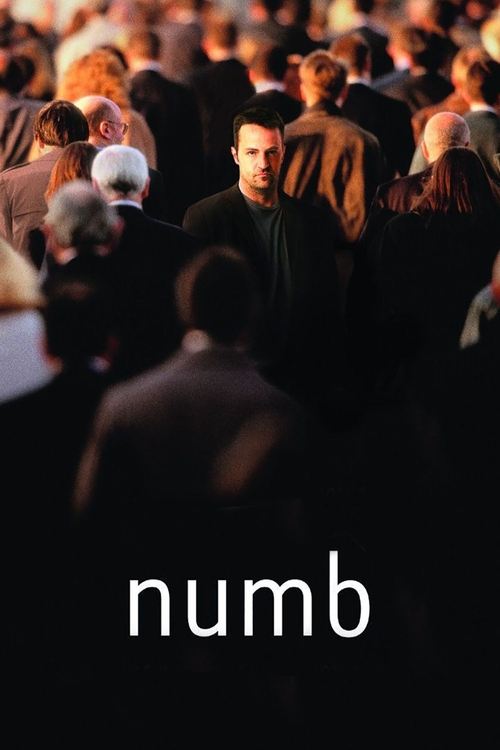
2007Hudson Milbank is a successful Hollywood screenwriter who suddenly and strangely finds himself without any emotional feelings. He tries doctor after doctor and shrink after shrink, but nothing works. The Golf Channel, lesbian exercise classes and a dizzying variety of pills get him through the day, but don't quite solve his problem. His writing partner tries everything to get him back to normal, but it's not until Hudson meets Sara that he finds a real motivation to get better and to actually start feeling again. From the writer of Deuce Bigalow, comes NUMB, a romantic comedy following an unusual man looking for strange love.
In this raw exploration of depersonalization, Perry explores a hauntingly internal landscape that mirrors his own well-documented personal struggles. It is a gritty, somber departure that treats mental health with a desperate sincerity rather than a punchline.
The Ron Clark Story
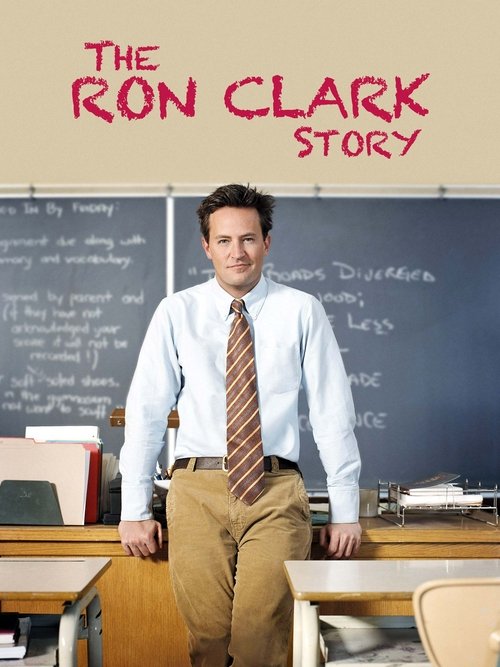
2006Passionate and innovative teacher Ron Clark leaves his small hometown to teach in one of Harlem's toughest schools. But to break through to the students, he must use unconventional methods, including his ground-breaking classroom rules, to help them reach their potential. Based on a true story.
Shedding his comedic safety net, Perry earns legitimate dramatic credentials through a restrained and earnest portrayal of a real-life educator. This Emmy-nominated role stripped away the familiar tics to reveal a deeper, more intentional range that critics rarely saw coming.
17 Again
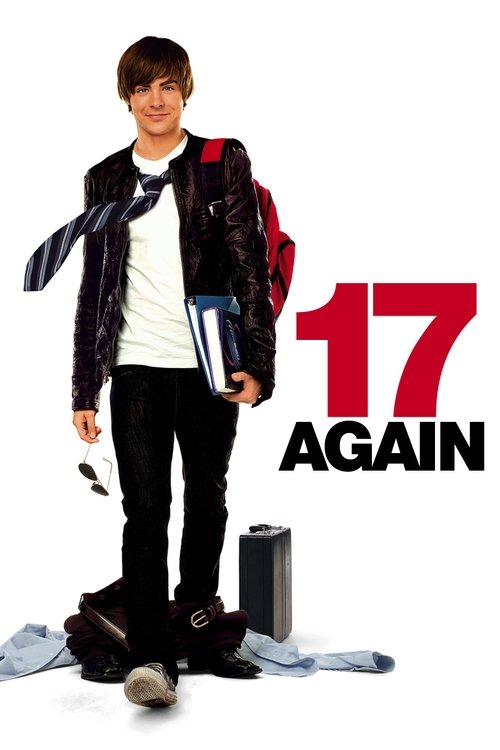
2009On the brink of a midlife crisis, 30-something Mike O'Donnell wishes he could have a "do-over." And that's exactly what he gets when he wakes up one morning to find he's 17 years old again. With his adult mind stuck inside the body of a teenager, Mike actually has the chance to reverse some decisions he wishes he'd never made. But maybe they weren't so bad after all.
As the disillusioned adult anchor of the story, Perry provides the necessary emotional weight that allows the film's fantastical premise to land. His ability to convey a lifetime of regret in just a few opening scenes sets the stakes for Zac Efron’s high-energy performance.
Fools Rush In
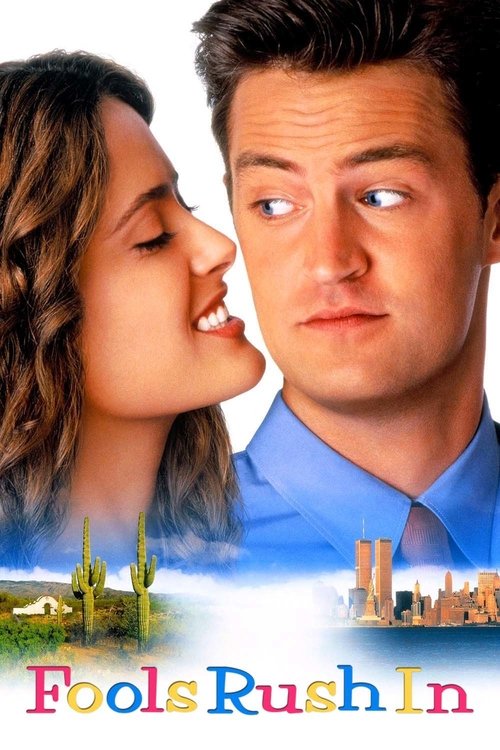
1997After a one night stand with Alex, Isabel realizes that she is pregnant and they decide to get married. However, along with the marriage comes compromise of one's own cultural traditions.
This charming turn as a buttoned-up architect out of his element showcases a romantic leading-man vulnerability often masked by his trademark sarcasm. It serves as a vital pivot point that proved his comedic sensibilities could flourish within the constraints of a traditional Hollywood romance.
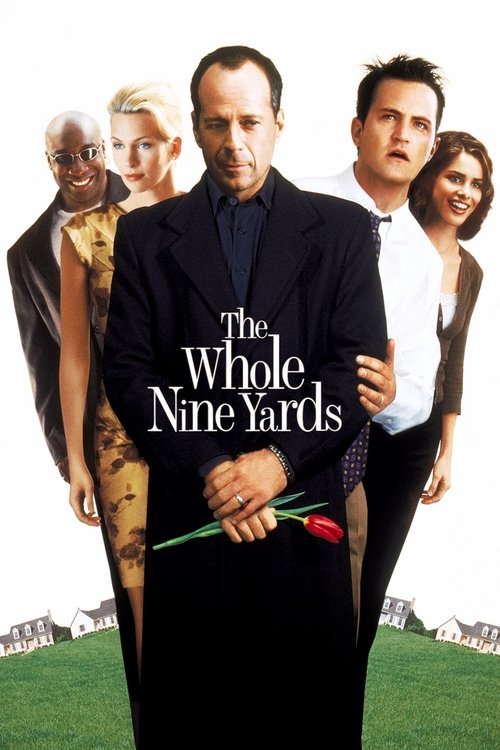
After a mobster agrees to cooperate with an FBI investigation in order to stay out of prison, he's relocated by the authorities to a life of suburban anonymity as part of a witness protection program. It's not long before a couple of his new neighbours figure out his true identity and come knocking to see if he'd be up for one more hit—suburban style.
Perry perfects the art of the high-stakes neurotic, proving his slapstick agility is sharp enough to hold its own against Bruce Willis’s stoic cool. It remains his definitive big-screen translation of the chaotic energy and impeccable timing that made him a household name.
Frequently Asked Questions
Everything you need to know about this list and SnakeDrafts
- Matthew Perry brilliantly balances comedy and crime in 'The Whole Nine Yards,' where his timing and sarcastic delivery enhance the film's playful yet suspenseful tone.
- In romantic comedies like 'Fools Rush In' and 'Three to Tango,' Perry showcases versatility by blending heartfelt vulnerability with his signature sarcasm, delivering both emotional depth and humor effectively.
- Matthew Perry’s performances in 'The Ron Clark Story' and 'Deadly Relations' reveal his ability to take on serious and intense characters, reflecting a profound emotional range distinct from his comedic work.
- '17 Again' mixes comedy, fantasy, drama, and romance, allowing Perry to bring a youthful energy and comedic timing to a story with emotional resonance, showcasing his skill in balancing multi-genre roles.
- Yes, Matthew Perry stars in impactful TV movies like 'The Ron Clark Story' and 'Deadly Relations,' which offer compelling narratives and strong performances that highlight his dramatic capabilities outside theatrical releases.
- Matthew Perry’s films often explore themes of love, personal transformation, and poignant humor, as seen in titles like 'Numb' and 'Birds of America,' where he combines heartfelt stories with sharp comedic elements.
- While both share a comedic and crime-driven plot, 'The Whole Ten Yards' adds thriller elements and continues to highlight Perry’s knack for quick wit and sarcasm, maintaining audience engagement with a blend of humor and suspense.