Ranking Guillermo del Toro's Greatest Films
The Master of Monsters and Gothic Fantasy
Discover the essential films of Guillermo del Toro, from dark fairy tales like Pan's Labyrinth to Oscar-winning masterpieces like The Shape of Water.
About Guillermo del Toro

In the basement of a sprawling California mansion known as Bleak House, Guillermo del Toro keeps a curated collection of monsters, anatomical oddities, and occult artifacts. This is not just a hobbyist’s hoard; it is the physical blueprint of an imagination that has redefined modern cinema. While other directors treat the supernatural as a source of cheap jump scares, this Mexican maestro views the grotesque with a profound, almost religious empathy. He does not look at the beast under the bed and see a villain. He sees a misunderstood protagonist, often more human than the men in suits hunting it.
His filmography operates as a lush, tactile rejection of digital perfection. Even in large scale spectacles like Pacific Rim or the neon drenched Blade II, there is a tangible weight to the world building. He prefers the smell of latex and the click of clockwork gears over the sterile sheen of computer generated imagery. This obsession with the physical extends to his clockmaker precision in Cronos, his 1993 debut that reimagined vampirism as a mechanical addiction. From that first outing, it was clear that his loyalty lay with the outcasts.
Complexity defines his most celebrated work, where he weaves historical trauma into dark fairytales. Pan’s Labyrinth remains the gold standard of this approach, nesting a child’s terrifying fantasy world inside the brutal reality of post Civil War Spain. It is a film that refuses to offer easy comfort, suggesting that the only way to survive a fascist regime is through the radical power of the imagination. He explored similar thematic territory in The Devil’s Backbone, using a ghost story to articulate the lingering scars of war. In his hands, the supernatural becomes a lens to examine the rot within human institutions.
The director’s visual language is unmistakable, defined by a painterly use of amber and cyan and a relentless focus on biological detail. Crimson Peak serves as a gothic poem in high contrast, where the house itself breathes and bleeds, while The Shape of Water treats a government laboratory as the setting for a transcendent romance. By centering a love story between a mute janitor and a captive amphibian man, he managed to sweep the Oscars while staying true to his creature feature roots. It was a victory for the weirdos, proving that high art could be found in the gills of a monster.
Even when he steps away from the overtly magical, as he did with the rain slicked noir Nightmare Alley, the atmosphere remains thick with a sense of impending doom and moral decay. He understands that the real monsters often wear expensive suits and speak with silver tongues. Whether he is handling the popcorn thrills of Hellboy or the intricate stop motion of his later projects, his voice remains singular. He has spent his career building a cathedral for the strange, reminding audiences that there is a terrifying beauty in the dark if only we are brave enough to look.

Blade II
2002Blade forms an uneasy alliance with the vampire council in order to combat the Reapers, who are feeding on vampires.
Injecting a stylish, visceral energy into the superhero genre, this follow-up remains a high-water mark for action choreography and creature design. It showcases del Toro’s unique ability to elevate studio assignments through his idiosyncratic, bio-mechanical visual flair.
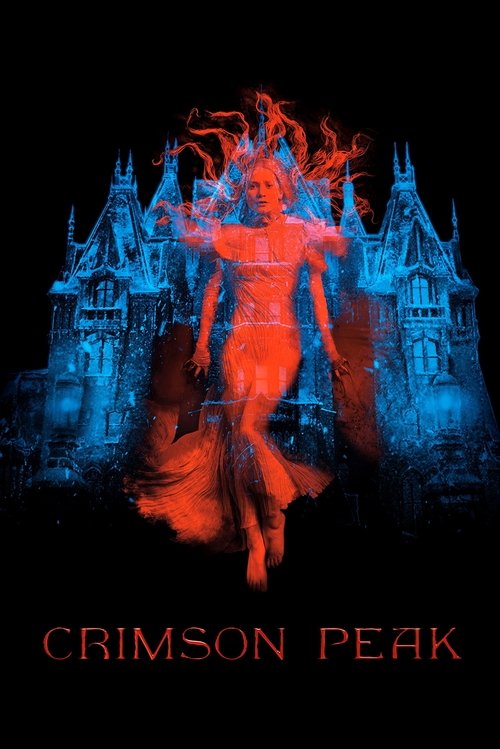
Crimson Peak
2015In the aftermath of a family tragedy, an aspiring author is torn between love for her childhood friend and the temptation of a mysterious outsider. Trying to escape the ghosts of her past, she is swept away to a house that breathes, bleeds… and remembers.
A decadent exercise in Victorian Gothic, this film prioritizes the architecture of the haunted house as much as the ghosts within it. Every frame is a saturated, bleeding painting that prioritizes thematic atmosphere over traditional jump scares.
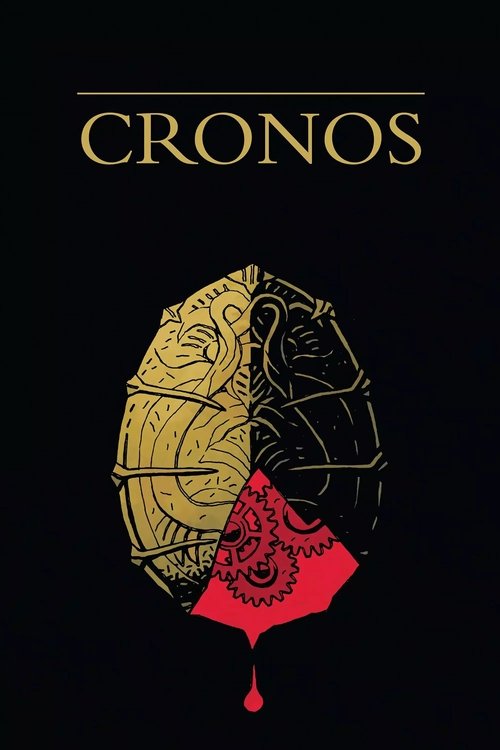
Cronos
1993Faced with his own mortality, an ingenious alchemist tried to perfect an invention that would provide him with the key to eternal life. It was called the Cronos device. When he died more than 400 years later, he took the secrets of this remarkable device to the grave with him. Now, an elderly antiques dealer has found the hellish machine hidden in a statue and learns about its incredible powers. The more he uses the device, the younger he becomes...but nothing comes without a price. Life after death is just the beginning as this nerve-shattering thriller unfolds and the fountain of youth turns bloody.
His startlingly original debut reconfigures vampire mythology through a lens of clockwork alchemy and domestic tragedy. Even with a limited budget, the film displays the tactile obsession with machinery and biological horror that would become his aesthetic signature.

Hellboy
2004In the final days of World War II, the Nazis attempt to use black magic to aid their dying cause. The Allies raid the camp where the ceremony is taking place, but not before they summon a baby demon who is rescued by Allied forces and dubbed "Hellboy". Sixty years later, Hellboy serves the cause of good rather than evil as an agent in the Bureau of Paranormal Research & Defense, along with Abe Sapien - a merman with psychic powers, and Liz Sherman - a woman with pyrokinesis, protecting America against dark forces.
The film that solidified del Toro’s ability to inject soul into mainstream franchises, it balances pulpy action with a deeply felt sensitivity for the outcast. It serves as an essential bridge between his early independent horrors and the large-scale mythmaking of his later career.

Hellboy II: The Golden Army
2008Hellboy, his pyrokinetic girlfriend, Liz, and aquatic empath, Abe Sapien, face their biggest battle when an underworld elven prince plans to reclaim Earth for his magical kindred. Tired of living in the shadow of humans, Prince Nuada tries to awaken an ancient force of killing machines, the all-powerful Golden Army, to clear the way for fantasy creatures to roam free. Only Hellboy can stop the dark prince and prevent humanity's annihilation.
This sequel represents the director at his most uninhibited, flooding the frame with an astonishing array of practical puppet work and high-fantasy concepts. It transcends its comic book origins to become a vibrant, melancholic exploration of the fading magic in a modern world.

Nightmare Alley
2021An ambitious carnival man with a talent for manipulating people with a few well-chosen words hooks up with a female psychologist who is even more dangerous than he is.
Stripping away his signature supernatural elements, del Toro reveals that his eye for the macabre is just as sharp when focused on the rot of the human psyche. This noir exercise demonstrates a command over shadow and art deco cynicism that expands his directorial range into classic psychological tragedy.

Pacific Rim
2013Using massive piloted robots to combat the alien threat, earth's survivors take the fight to the invading alien force lurking in the depths of the Pacific Ocean. Nearly defenseless in the face of the relentless enemy, the forces of mankind have no choice but to turn to two unlikely heroes who now stand as earth's final hope against the mounting apocalypse.
Here, the director scales his creature designs to a gargantuan degree, infusing a blockbustersque canvas with an infectious, tactile joy. It is a rare example of a high-budget spectacle that prioritizes mechanical weight and world-building over hollow digital artifice.
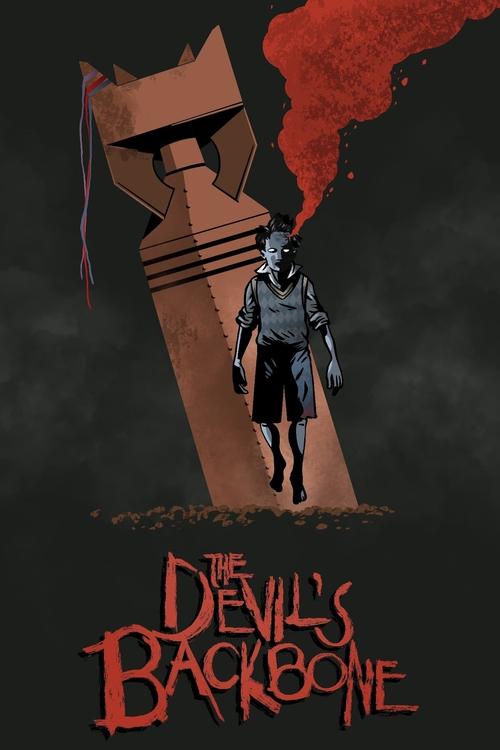
The Devil's Backbone
2001Spain, 1939. In the last days of the Spanish Civil War, the young Carlos arrives at the Santa Lucía orphanage, where he will make friends and enemies as he follows the quiet footsteps of a mysterious presence eager for revenge.
Establishing the template for his Spanish Civil War gothicism, this chilling ghost story utilizes the supernatural to articulate the lingering scars of political conflict. The precision of its atmospheric dread proves that del Toro’s most haunting monsters are often the ones born of human frailty.
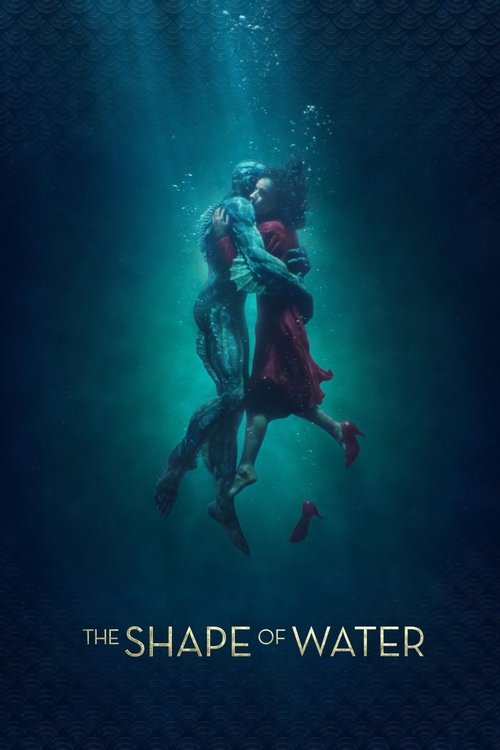
The Shape of Water
2017An other-worldly story, set against the backdrop of Cold War era America circa 1962, where a mute janitor working at a lab falls in love with an amphibious man being held captive there and devises a plan to help him escape.
This Best Picture winner serves as the ultimate culmination of the director's lifelong obsession with the misunderstood monster as a romantic lead. It is a lush, textured ode to silent cinema and the transformative power of empathy in a cynical world.
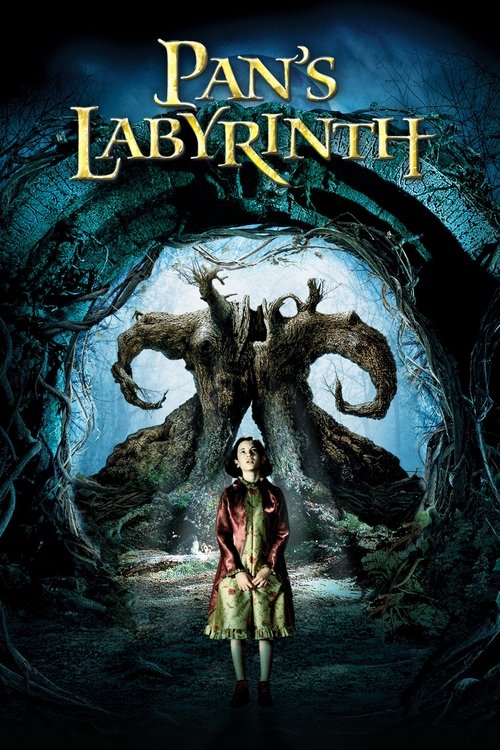
Pan's Labyrinth
2006In post–civil war Spain, 10-year-old Ofelia moves with her pregnant mother to live under the control of her cruel stepfather. Drawn into a mysterious labyrinth, she meets a faun who reveals that she may be a lost princess from an underground kingdom. To return to her true father, she must complete a series of surreal and perilous tasks that blur the line between reality and fantasy.
A staggering synthesis of historical trauma and dark folklore, this masterpiece remains the definitive statement on the power of imagination as a tool of resistance. Del Toro achieves a seamless visual grammar where the grotesque and the beautiful occupy the same breath.
Frequently Asked Questions
Everything you need to know about this list and SnakeDrafts
- Guillermo del Toro's films often explore themes of fantasy intertwined with dark fairy tale elements, the supernatural, and human emotion. Movies like 'Pan's Labyrinth' and 'The Devil's Backbone' reflect his obsession with innocence lost in harsh realities, highlighting his signature blend of fantasy and drama.
- Del Toro masterfully weaves romance into his fantasy films, creating emotional depth and complex characters. 'The Shape of Water' showcases this by blending a love story with a fantastical creature feature, illustrating how his romantic narratives transcend traditional genres.
- 'Pacific Rim' is the film that combines intense action with science fiction and adventure elements. It stands out in del Toro's filmography for its epic battles involving giant robots and monsters, showcasing his flair for visual spectacle alongside storytelling.
- Del Toro's horror films often blend Gothic aesthetics with emotional storytelling, making the supernatural elements more atmospheric than just frightening. In 'Crimson Peak' and 'The Devil's Backbone,' he uses haunting visuals and poignant narratives to elevate the horror genre beyond typical scares.
- Yes, the 'Hellboy' films are significant as they highlight del Toro's ability to adapt comic book characters into visually distinctive and engaging fantasy action movies. Both 'Hellboy' and 'Hellboy II: The Golden Army' demonstrate his skillful mix of mythology, action, and character-driven stories.
- 'Nightmare Alley' diverges from del Toro's usual fantasy and horror focus by delving into crime drama and thriller genres. It showcases his versatility and storytelling prowess beyond supernatural themes, emphasizing psychological depth and moral complexities.
- 'Cronos' represents del Toro's unique style early in his career, combining horror and drama with mythological elements. It sets the tone for his lifelong fascination with the supernatural and the macabre, themes that continue throughout his subsequent films.
- Films like 'Pan's Labyrinth,' 'The Shape of Water,' and 'Pacific Rim' showcase del Toro's meticulous attention to visual effects and immersive set design. These movies highlight his ability to create richly detailed worlds that enhance the storytelling and emotional impact.

