The Ultimate Lars von Trier Movie Rankings
Provocative Masterpieces of Cinematic Provocation
Explore the complete guide to Lars von Trier's most iconic films, from the Golden Heart trilogy to the controversial Depression trilogy and beyond.
About Lars von Trier

In the high-stakes theater of global cinema, Lars von Trier operates as both the grand architect and the primary arsonist. To watch one of his films is to enter a contract where the terms are dictated by a man who views comfort as a creative failure. He has spent four decades dismantling the safety net of the medium, trading polished artifice for a raw, often agonizing honesty that makes most contemporary dramas look like commercials. Whether he is stripping the set down to chalk outlines on a black floor in Dogville or capturing the literal end of the world through a lens of crushing depression in Melancholia, his work serves as a relentless interrogation of the human spirit under extreme duress.
His legacy is rooted in a refusal to let the audience remain passive. This began in earnest with the Dogme 95 manifesto, a vow of cinematic chastity that rejected special effects and artificial lighting in favor of a handheld, voyeuristic intimacy. While films like The Idiots showcased this naturalist chaos, his earlier work like Europa and The Element of Crime demonstrated a meticulous, almost hypnotic command over visual style and noir aesthetics. He is a director who oscillates between these extremes, jumping from the stark, stagey minimalism of Manderlay to the baroque, terrifying imagery of Antichrist. He treats the camera as a surgical instrument, carving out the neuroses of his characters until there is nothing left but nerves.
The power of his filmography often rests on the shoulders of his female protagonists, who endure cosmic injustices with a haunting resilience. In Breaking the Waves, he transformed a remote Scottish village into a sacrificial altar of faith and carnal devotion. He followed this with Dancer in the Dark, a subversion of the Hollywood musical that weaponized the genre's inherent joy to deliver a devastating blow to the soul. These stories are rarely easy to swallow, yet they possess a gravity that makes them impossible to ignore. He does not just tell stories; he constructs psychological labyrinths that reflect his own battles with phobias and despair.
Even when he enters the realm of the pitch-black comedy or the philosophical epic, the provocateur remains at the helm. The Nymphomaniac diptych used sexuality as a gateway to discuss everything from fishing to religious art, while The House That Jack Built turned a serial killer’s spree into a meta-commentary on the vanity of the artist. He thrives in the friction between high art and exploitation, pushing boundaries until they snap. While his public persona often courts controversy, his films endure because they possess an agonizing beauty that few others dare to touch. He remains the definitive outsider of the film world, a master of the uncomfortable truth who reminds us that cinema is at its most potent when it hurts.
Images of Liberation
1982A German officer visits his Danish mistress after the occupation of Denmark has ended.
The Element of Crime
1984Fisher, an ex-detective, decides to take one final case when a mysterious serial killer claims the lives of several young girls. Fisher, unable to find the culprit, turns to Osbourne, a writer who was once respected for his contributions to the field of criminology. Fisher begins to use Osbourne's technique, which involves empathizing with serial killers; however, as the detective becomes increasingly engrossed in this method, things take a disturbing turn.
The Boss of It All
2006The owner of an Information Technology firm wants to sell his business for profit. The trouble is that when he started his firm he invented a nonexistent company president to hide behind when unpopular steps needed to be taken. When potential purchasers insist on negotiating with the "Boss" face to face the owner has to hire a failed actor to play the part.
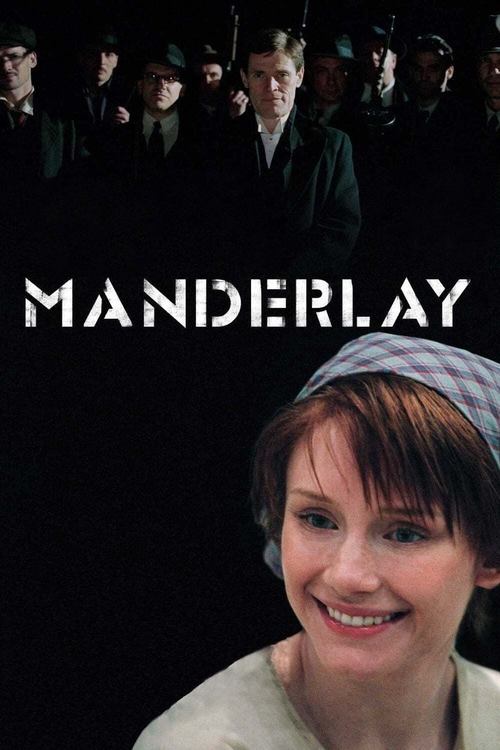
Manderlay
2005In 1933, a young woman and her father discover an Alabama plantation whose inhabitants live as if slavery had never been abolished. Feeling a sense of duty to those behind the heavy gates, she stays to liberate the people and see them through their first harvest. With four of her father's colleagues and a lawyer, she faces the daunting task of resurrecting the place known as Manderlay.
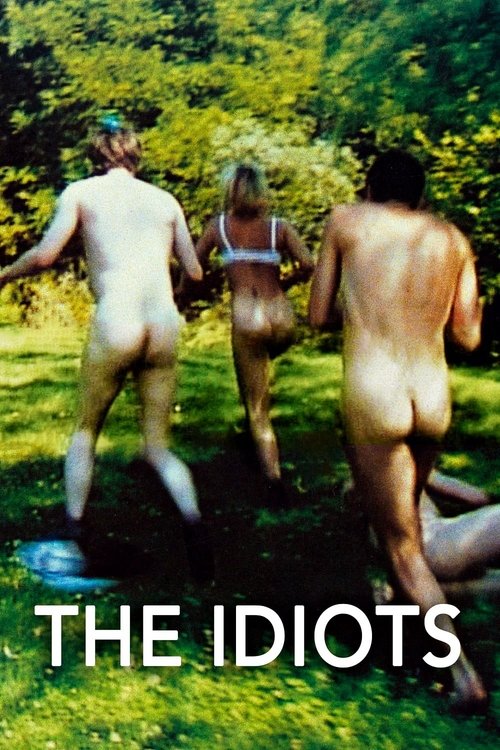
The Idiots
1998A group of people gather at a Copenhagen suburban home to break all the limitations and to bring out the 'inner idiot' in themselves.
As the most pure exertion of the Dogme 95 manifesto, this film explores the boundaries of social transgression through a lens of chaotic, unpolished realism. It remains a foundational document of his career that questions the authenticity of rebellion and the inherent hypocrisy of the bourgeoisie.

Nymphomaniac: Vol. II
2013The continuation of Joe's sexually dictated life delves into the darker aspects of her adult life and what led to her being in Seligman's care.
The second half of this epic odyssey abandons the curiosity of the first in favor of a much bleaker, more nihilistic interrogation of loneliness. It completes a sprawling portrait of a life lived in opposition to social norms, concluding with a final note of profound cynicism.

Nymphomaniac: Vol. I
2013A man named Seligman finds a fainted wounded woman in an alley and he brings her home. She tells him that her name is Joe and that she is nymphomaniac. Joe tells her life and sexual experiences with hundreds of men since she was a young teenager while Seligman tells about his hobbies, such as fly fishing, reading about Fibonacci numbers or listening to organ music.
This intellectualized exploration of desire operates as a polyphonic dialogue between sex and culture, referencing everything from fly fishing to Fibonacci sequences. It showcases von Trier’s transition into a more discursive, essayistic mode of filmmaking that challenges the viewer's moral comfort.
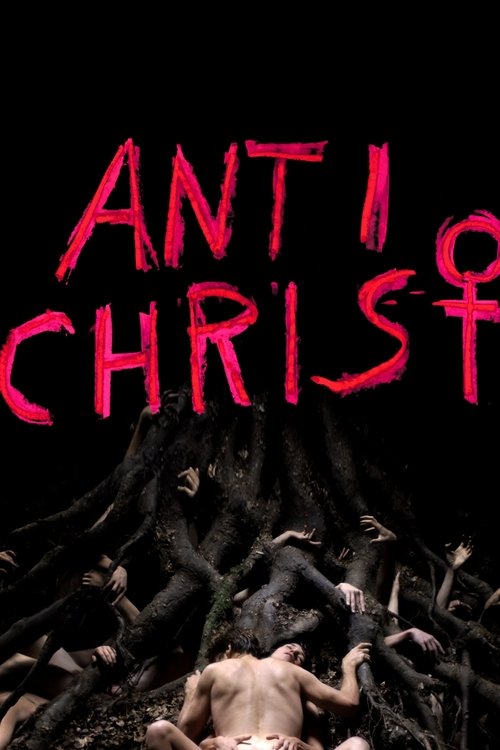
Antichrist
2009A grieving couple retreats to their cabin 'Eden' in the woods, hoping to repair their broken hearts and troubled marriage. But nature takes its course and things go from bad to worse.
Grief is distilled into a visceral, primordial landscape of horror where the natural world reflects the chaos of the fractured human psyche. This polarizing work serves as a brutal exorcism of the director's own anxieties, prioritizing atmosphere and psychological shock over conventional narrative logic.
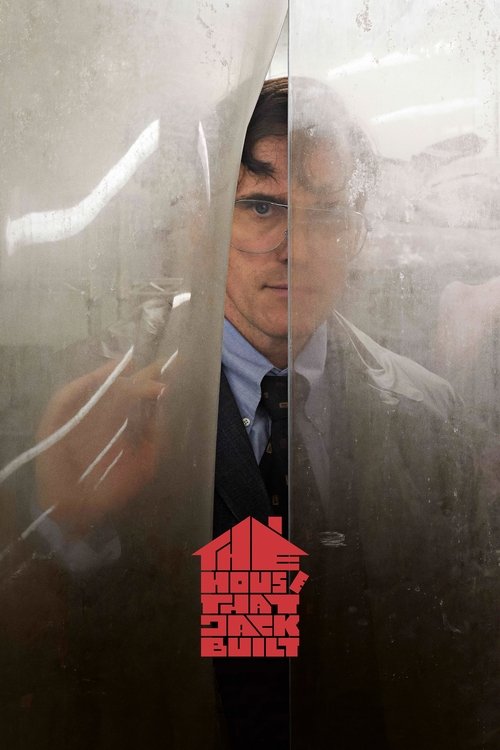
The House That Jack Built
2018Failed architect, engineer and vicious murderer Jack narrates the details of some of his most elaborately orchestrated crimes, each of them a towering piece of art that defines his life's work as a serial killer for twelve years.
Functioning as a darkly comedic self-portrait, this descent into the abyss uses the serial killer genre to interrogate the ego and narcissism of the creative process. It is a confrontational thesis on the relationship between art and suffering, delivered with a provocateur's smirk.
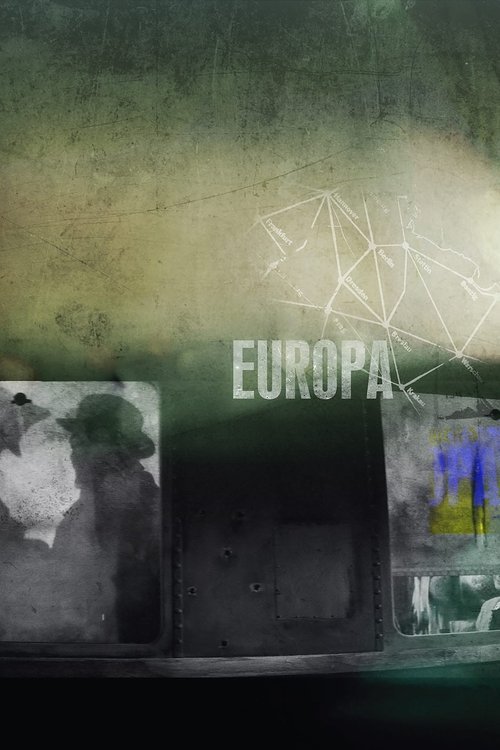
Europa
1991Just after World War II, an American takes a railway job in Germany, but finds his position politically sensitive with various people trying to use him.
A hypnotic immersion into the psychological debris of postwar Germany, this film utilizes complex rear projection and monochrome layering to simulate a waking nightmare. It represents the height of his technical fetishism, where formal experimentation creates a claustrophobic sense of historical entrapment.

Melancholia
2011Two sisters find their already strained relationship challenged as a mysterious new planet threatens to collide with Earth.
The apocalyptic scale of the narrative serves as a profound externalization of clinical depression, rendering internal despair as a cosmic inevitability. Its visual grandiosity marks a pivot away from austerity toward a lush, Wagnerian formalist style that remains unsurpassed in his body of work.
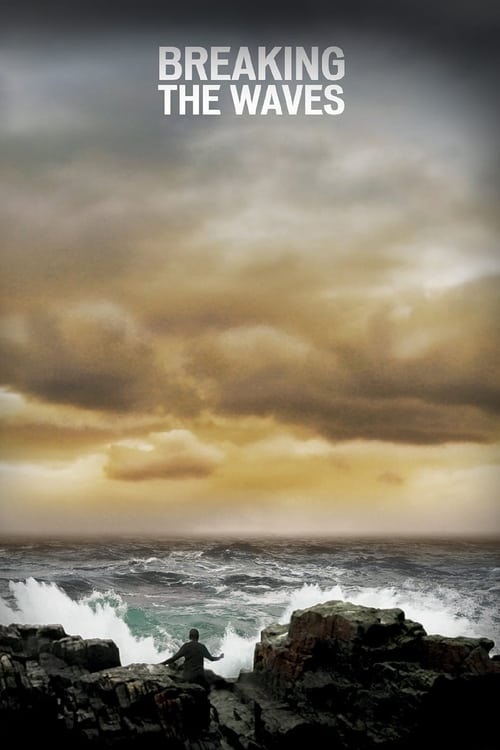
Breaking the Waves
1996In a small, conservative Scottish village, an oilman is paralyzed in an accident. His wife, who prayed for his return, feels guilty; even more, when he urges her to have sex with another.
This spiritual odyssey redefined contemporary religious cinema by blurring the lines between psychotic delusion and genuine divine intervention. It remains the definitive example of von Trier’s ability to find breathtaking beauty within the most grotesque emotional degradation.
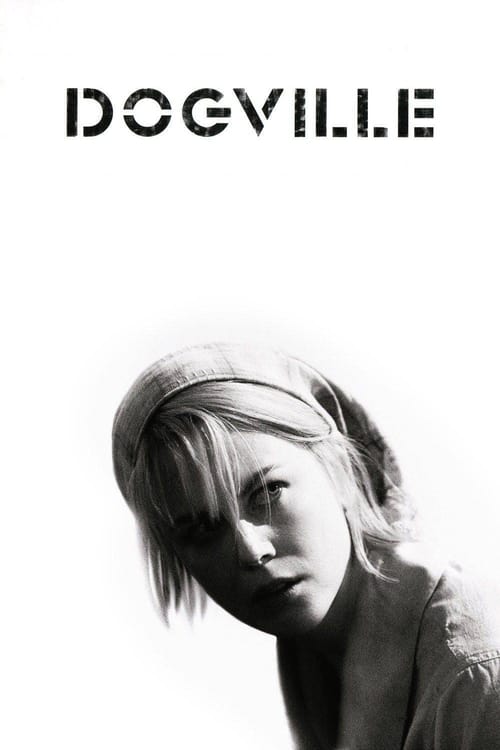
Dogville
2003A woman on the run from the mob is reluctantly accepted in a small Colorado community in exchange for labor, but when a search visits the town, she learns that their support has a price.
By stripping the cinematic frame of its traditional artifice and utilizing a minimalist soundstage, von Trier forces a confrontation with the raw mechanics of human cruelty. This Brechtian experiment stands as his most cynical masterpiece, proving that physical walls are unnecessary when the architecture of a community's malice is so vividly rendered.
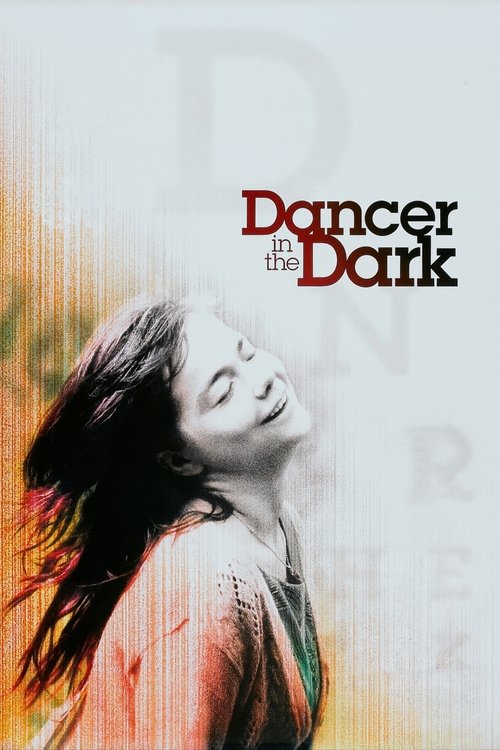
Dancer in the Dark
2000Selma, a Czech immigrant on the verge of blindness, struggles to make ends meet for herself and her son, who has inherited the same genetic disorder and will suffer the same fate without an expensive operation. When life gets too difficult, Selma learns to cope through her love of musicals, dreaming up little numbers to the rhythmic beats of her surroundings.
A harrowing subversion of the Hollywood musical, this film weaponizes the genre's inherent escapism to accentuate a crushing, inescapable reality. Von Trier’s utilize of Dogme 95 aesthetics creates a jarring, handheld intimacy that transforms a simple tragedy into a transcendental sensory assault.
Frequently Asked Questions
Everything you need to know about this list and SnakeDrafts
- Lars von Trier's Depression Trilogy, which includes films like 'Antichrist,' delves into themes of psychological distress, grief, and human suffering. These films are known for their intense emotional rawness and often controversial imagery, making them profound explorations of mental illness and existential despair.
- 'Dogville' is a quintessential Lars von Trier film that uses minimalistic stage-like sets to focus on character and narrative, challenging traditional filmmaking. Its story of betrayal and moral complexity embodies von Trier's penchant for provoking deep emotional and ethical questions in viewers.
- 'Dancer in the Dark' is notable for its blend of musical drama with dark, tragic storytelling, showcasing von Trier's ability to mix genres. The film's emotional depth is amplified by Björk's compelling performance, exemplifying von Trier's commitment to raw and honest cinematic experiences.
- 'Melancholia' uses the impending collision of a rogue planet with Earth as a metaphor for depression and existential crisis. Lars von Trier skillfully merges science fiction elements with deeply personal drama to explore psychological themes and human responses to catastrophe.
- 'The Element of Crime' showcases Lars von Trier's early exploration of neo-noir and dystopian aesthetics that inform his later stylistic and thematic choices. This film's dark, atmospheric tone and experimental narrative techniques paved the way for the complex storytelling seen in his acclaimed later works.
- Controversy is often integral to Lars von Trier's films, provoking strong reactions due to their challenging content and themes, such as in 'The House That Jack Built.' This contentious nature fuels discussions about art, morality, and censorship, cementing his reputation as a polarizing auteur in contemporary cinema.
- The 'Nymphomaniac' volumes employ a framed storytelling approach, narrated by the protagonist recounting her life experiences. This technique allows Lars von Trier to explore themes of sexuality, identity, and human complexity in a nonlinear and intimate manner.

