The Essential Ansel Elgort Movie Ranking
Ranking the Standout Roles of a Modern Leading Man
Explore the best films featuring Ansel Elgort, from his breakout in YA dramas to high-octane action and masterful musical performances.
About Ansel Elgort

In the mid-2010s, Ansel Elgort possessed the kind of effortless, lanky charisma that seemed tailor-made for the YA revolution. He became a household name not through a slow burn, but via the emotional explosion of The Fault in Our Stars, where his portrayal of Augustus Waters managed to be simultaneously cocky and heartbreaking. It was a performance that weaponized his crooked smile and deep, resonant voice, turning him into a generational heartthrob virtually overnight. This era saw him dominating multiplexes as a cornerstone of the Divergent series, moving through the dystopian landscapes of Insurgent and Allegiant with a physical presence that belied his theater-kid roots. Audiences gravitated toward him because he felt like a throwback to a mid-century leading man, yet he occupied his roles with a very modern, slightly detached cool.
That sense of detached rhythm found its perfect vessel in 2017 with Baby Driver. Under Edgar Wright’s hyper-stylized direction, the actor transformed into a getaway driver who navigated life through a perpetual soundtrack. It shifted his reputation from a teenage idol to a legitimate action star capable of carrying a high-concept blockbuster with minimal dialogue. He proved he could hold the screen through pure physicality and timing, a skill set that felt distinct from his more somber, psychological work in projects like Jonathan or the tech-focused alienation of Men, Women & Children. Even when tackling the dense, literary weight of The Goldfinch, he leaned into a specific type of wounded refinement that has become his professional calling card.
His career reached a crescendo of classicism when Steven Spielberg tapped him to lead the 2021 reimagining of West Side Story. Stepping into the shoes of Tony, he leaned heavily into his background as a trained singer and dancer, grounding a legendary musical in a grit that felt authentic to old New York. This role solidified the dual nature of his screen presence: the ability to oscillate between the brutal reality of a street gang and the soaring idealism of a star-crossed lover. While films like Billionaire Boys Club showcased his ability to play into the darker, more manipulative corners of ambition, West Side Story served as a reminder of his inherent romanticism.
Cultural impact for an actor of this caliber is often measured by the friction between their public persona and their artistic choices. He remains a polarizing figure in the discourse, yet his filmography reflects a persistent ambition to bypass the easy path. Whether he is playing a boy dying of cancer or a legendary Broadway lead, there is a consistent refusal to be ordinary. He possesses an old-school New York energy that feels inherited from the city's artistic elite, a quality that makes him stand out in an era of cookie-cutter leading men. People watch him because he is unpredictable, carrying a volatile blend of arrogance and vulnerability that keeps every performance from feeling entirely safe. He does not just occupy the center of the frame; he demands the viewer figure out exactly what he is thinking behind that inscrutable gaze.

Allegiant
2016Beatrice Prior and Tobias Eaton venture into the world outside of the fence and are taken into protective custody by a mysterious agency known as the Bureau of Genetic Welfare.
Elgort maintains a consistent sense of curiosity and intellectual agency as his character navigates the ultimate collapse of his society. Even in a concluding chapter, he finds ways to emphasize the human cost of a systemic struggle.
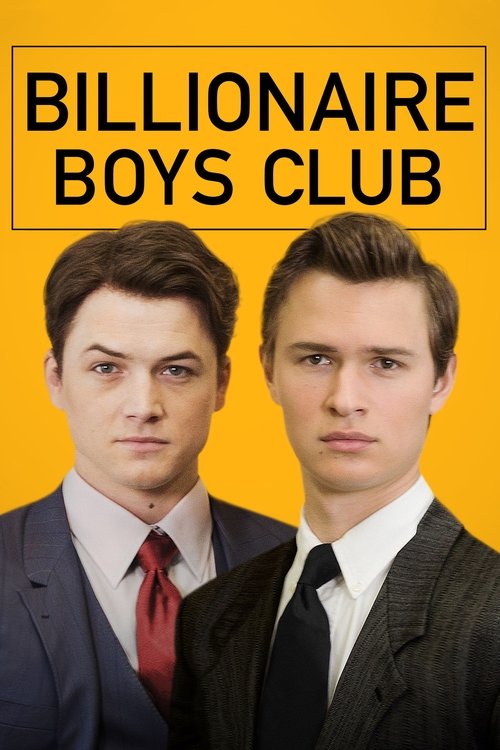
Billionaire Boys Club
2018A group of wealthy boys in Los Angeles during the early 1980s establishes a get rich quick scam that turns deadly.
Portraying a calculated mastermind of a Ponzi scheme, Elgort trades his typical vulnerability for a sharp, predatory ambition. It is a rare turn toward the villainous that highlights his versatility in playing figures fueled by greed rather than heart.

Jonathan
2018Jonathan is a young man with a strange condition that only his brother understands. But when he begins to yearn for a different life, their unique bond becomes increasingly tested.
Through a dual role that demands extreme technical discipline, Elgort creates two distinct identities sharing a single body. This high-concept sci-fi exercise serves as a masterclass in his ability to differentiate characters through subtle shifts in gaze and temperament.

Insurgent
2015Beatrice Prior must confront her inner demons and continue her fight against a powerful alliance which threatens to tear her society apart.
Elgort leans into the betrayal and shifting loyalties of this sequel, providing a needed friction against the central protagonist's goals. He effectively mines the tension of a character torn between logic and familial bond, even amidst the chaos of a big-budget action set piece.

Men, Women & Children
2014Follows the story of a group of high school teenagers and their parents as they attempt to navigate the many ways the internet has changed their relationships, their communication, their self-image, and their love lives.
In this ensemble exploration of digital disconnection, Elgort captures the specific loneliness of a high school athlete opting out of the social rat race. His nuanced work here hinted at a preference for the character-driven indie fare that would define his early prestige aspirations.

Divergent
2014In a world divided into factions based on personality types, Tris learns that she's been classified as Divergent and won't fit in. When she discovers a plot to destroy Divergents, Tris and the mysterious Four must find out what makes Divergents dangerous before it's too late.
Playing the morally ambiguous Caleb Prior, Elgort injected a necessary dose of intellectual calculation into the YA dystopian landscape. This introduction to franchise filmmaking demonstrated his knack for making a supporting character feel essential to the broader world-building.

The Goldfinch
2019A boy in New York is taken in by a wealthy family after his mother is killed in a bombing at the Metropolitan Museum of Art. In a rush of panic, he steals 'The Goldfinch', a painting that eventually draws him into a world of crime.
Tasked with portraying the internalized grief of Theo Decker, Elgort adopts a restrained and weary posture that reflects the weight of the film's literary origins. This ambitious swing toward prestige drama showcased a maturing actor willing to embrace stillness over showiness.

West Side Story
2021Two youngsters from rival New York City gangs fall in love, but tensions between their respective friends build toward tragedy.
Stepping into the formidable shoes of Tony, Elgort provides a grounded, soulful counterpoint to Spielberg’s soaring visual compositions. His vocal range and classical romantic presence hold their own within a cast of seasoned musical theater powerhouses.

The Fault in Our Stars
2014Despite the tumor-shrinking medical miracle that has bought her a few years, Hazel has never been anything but terminal, her final chapter inscribed upon diagnosis. But when a patient named Augustus Waters suddenly appears at Cancer Kid Support Group, Hazel's story is about to be completely rewritten.
As Augustus Waters, Elgort weaponizes a distinctive cocky charm to balance the heavy melodrama of a terminal romance. It remains his most culturally resonant performance, proving his ability to navigate sensitive emotional territory without succumbing to cheap sentimentality.
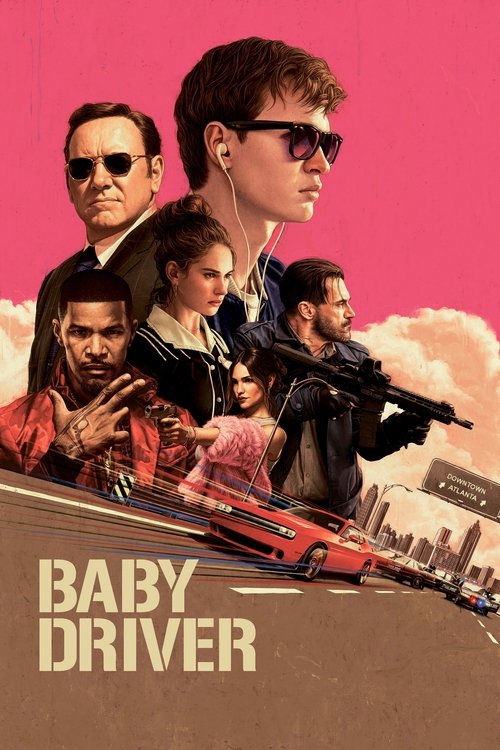
Baby Driver
2017After being coerced into working for a crime boss, a young getaway driver finds himself taking part in a heist doomed to fail.
Elgort finds his perfect rhythmic match in Edgar Wright, utilizing a stoic physicality to anchor this high-octane spectacle. This role transformed him from a teen idol into a legitimate leading man capable of carrying an original blockbuster through sheer charisma and precision.
Frequently Asked Questions
Everything you need to know about this list and SnakeDrafts
- Baby Driver is the film that best highlights Ansel Elgort's versatility, combining high-octane action scenes with an exceptional musical soundtrack, making it a standout in his career.
- Ansel Elgort's performance in The Fault in Our Stars catapulted him to fame by capturing the emotional depth of Augustus Waters, establishing him as a leading actor in YA dramas and a generational heartthrob.
- In West Side Story, Elgort took on a classic musical drama role directed by Steven Spielberg, showcasing his singing and dancing skills, which marked a departure from his usual action and YA drama films.
- Divergent, Insurgent, and Allegiant are the key science fiction franchise movies in Ansel Elgort's filmography, demonstrating his involvement in action-packed futuristic narratives.
- Ansel Elgort’s drama films often delve into complex emotional and psychological themes, as seen in The Goldfinch and Jonathan, where his characters navigate personal trauma and identity.
- Billionaire Boys Club stands out by portraying Elgort in a true crime drama centered on financial schemes, differing from his more youth-oriented and action roles in other projects.
- Ansel Elgort has collaborated multiple times with director Robert Schwentke on the science fiction action films Insurgent and Allegiant, highlighting a recurring partnership in that genre.
- Ansel Elgort balances genres by choosing diverse roles from romantic dramas like The Fault in Our Stars, to action thrillers like Baby Driver, and musicals such as West Side Story, showing his range as an actor.