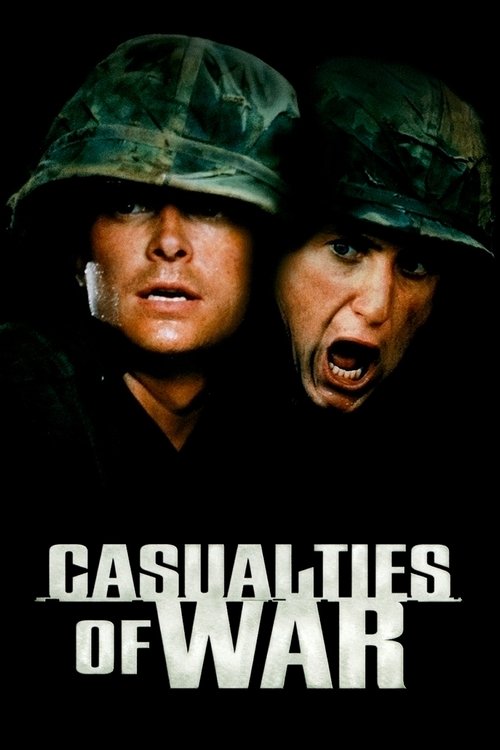
Casualties of War
Casualties of War is a harrowing Vietnam War drama that delves into the darkest corners of human nature amidst the chaos of conflict, exploring themes of morality, complicity, and the struggle for justice. This powerful film offers a stark and unforgettable portrayal of the psychological toll of war.
Director
Release Year
1989
Runtime
113 minutes
Genres
Drama, History, War
Main Cast
Michael J. Fox, Sean Penn, Don Harvey, John C. Reilly, John Leguizamo
About Casualties of War
Brian De Palma’s 1989 film “Casualties of War” plunges viewers into the moral abyss of the Vietnam War, a stark departure for lead actor Michael J. Fox, known at the time for his comedic roles. The film meticulously reconstructs a real-life incident documented in Daniel Lang’s 1969 New Yorker article, focusing on the abduction and sexual assault of a young Vietnamese woman by a squad of American soldiers. This challenging subject matter, combined with De Palma’s unflinching direction, sparked considerable debate upon its release, forcing audiences to confront uncomfortable truths about military conduct and the dehumanizing effects of prolonged conflict.
The narrative centers on Private First Class Max Eriksson (Michael J. Fox), a new recruit who finds himself caught between his conscience and the brutal realities of war when his squad, led by the volatile Sergeant Tony Meserve (Sean Penn), commits a heinous crime. Eriksson’s isolation and his courageous, albeit perilous, decision to report the incident form the emotional core of the film. The plot masterfully builds tension, highlighting the immense pressure to conform and the severe consequences of standing up against injustice within a military hierarchy.
Critically, “Casualties of War” received a mixed reception, with some reviewers praising its raw power and the acting prowess of its leads, particularly Sean Penn’s terrifying portrayal of Meserve. Others found its depiction of violence and its challenging themes difficult. Despite this, the film cemented its place as a significant anti-war statement, contributing to the broader cinematic conversation about the Vietnam War alongside films like “Platoon” and “Apocalypse Now.” It doesn't shy away from depicting the moral ambiguities and psychological scars left on those who fought.
The film’s legacy lies in its persistent relevance as a study of ethical dilemmas under extreme duress. It continues to provoke thought on the nature of morality, leadership, and the burden of witnessing atrocities. “Casualties of War” serves as a potent reminder of the individual's capacity for both immense cruelty and extraordinary courage in the face of unspeakable acts, ensuring its lasting impact on discussions surrounding war, justice, and humanity.
Drafts Featuring Casualties of War
Every SnakeDrafts listicle where this movie appears
The Best Sean Penn Movies Ranked
Ranked #20
The Ultimate John Leguizamo Movie Ranking: Career-Defining Roles
Ranked #12
The Definitive Ving Rhames Movie Ranking: Iconic Performances
Ranked #16
Brian De Palma Films Ranked Definitively
Ranked #10
Best Michael J. Fox Films of All Time
Ranked #4
1989's Best Movies Ranked
Ranked #59
Similar Movies
Movies related to Casualties of War
Frequently Asked Questions
Everything you need to know about Casualties of War
- Private Eriksson, portrayed by Michael J. Fox, comes from a more innocent, idealistic background compared to his hardened squad mates. This upbringing likely contributes to his moral compass remaining intact and his inability to passively accept the atrocities committed by his squad, making him an outlier in their brutal environment.
- The bridge scene is a pivotal moment that symbolizes Eriksson's definitive break from his squad and his commitment to pursuing justice. It represents his crossing a point of no return, where he actively resists the cover-up and attempts to seek help, solidifying his role as the moral center of the film.
- While Brian De Palma took some cinematic liberties, "Casualties of War" is largely based on a true incident that occurred in Vietnam in 1966, as reported by Daniel Lang in The New Yorker. The film captures the essence of the event and the subsequent moral struggle faced by the soldier who reported it, offering a dramatized yet emotionally truthful account.
- The film powerfully conveys that war not only involves combat but can also corrupt individuals and erode their humanity, leading to unspeakable acts. It highlights the moral compromises and psychological scars inflicted by conflict, emphasizing the importance of individual conscience even in the most brutal circumstances.
- Sergeant Meserve's control stems from his experience, rank, and manipulative personality, combined with the extreme pressure and dehumanizing environment of war. He exploits the squad's cohesion, fear, and desire for survival to coerce them into complicity, making it incredibly difficult for individuals to defy his authority.

