Ranking George C. Scott's Greatest Movies
The Commanding Presence of a Cinema Legend
Explore the finest performances of George C. Scott, from his iconic role in Patton to his intense turns in Dr. Strangelove and The Hustler.
About George C. Scott
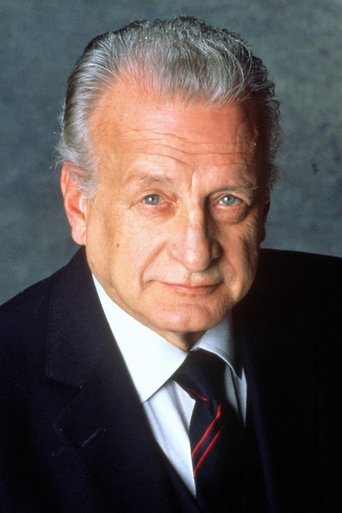
George C. Scott walked onto a set with the heavy, deliberate tread of a man who didn't just play authority, he embodied the very concept of it. There was a jagged, volcanic quality to his presence that made him impossible to ignore and, for many directors, terrifying to manage. He didn't just act; he interrogated his characters until they bled. This intensity was seasoned with a gravelly voice that could move from a whisper to a roar in a heartbeat, creating a magnetic field that drew the audience into his orbit whether he was playing a hero, a villain, or a man drowning in his own cynicism.
His reputation as the ultimate professional contrarian was cemented when he famously rejected his Academy Award for Patton. To him, the ceremony was a meat parade, yet his performance in that film remains the gold standard for cinematic biography. He captured the general not as a caricature, but as a complicated poet of war, standing before that oversized American flag and demanding our attention. It was a role that required a specific kind of arrogance that only he could deliver with such soulful precision.
Long before he donned the helmet, he was sharpening his teeth against titans like Jimmy Stewart and Paul Newman. In Anatomy of a Murder, he played a prosecutor with the cold, calculating grace of a shark, while his turn as the soul-crushing gambler Bert Gordon in The Hustler proved he could be the most dangerous man in the room without ever raising his hand. He possessed a rare ability to weaponize silence. Even when he veered into satire, as the manic General Buck Turgidson in Dr. Strangelove, he played the absurdity with a terrifying commitment that made the end of the world feel both hilarious and inevitable.
The 1970s and 80s revealed the deeper fissures in his onscreen persona. He moved away from the military brass to explore the wreckage of the modern man. In The Hospital, his portrayal of a disillusioned doctor captured a specific brand of middle aged nihilism that felt painfully honest. He brought that same raw, exposed nerve to Hardcore and the haunted grief of The Changeling, proving he could navigate the supernatural and the seedy underbelly of society with equal gravitas. Even when taking on a literary staple like Ebenezer Scrooge in A Christmas Carol, he stripped away the theatrical fluff to find the bitter, wounded heart of the man, making the redemption feel earned rather than scripted.
Whether he was leading cadets into a doomed standoff in Taps or pursuing a cosmic mystery in They Might Be Giants, his work felt vital. Audiences connected with him because he never winked at the camera. He treated every role, from the epic scale of The Bible to the gritty realism of The New Centurions, as a matter of life and death. He remained a man of immense, often frightening contradictions, a performer who demanded excellence from everyone around him because he gave nothing less than his entire being to the frame. He was the last of the true lions, a performer whose shadow still looms over any actor brave enough to try and play a man of conviction.
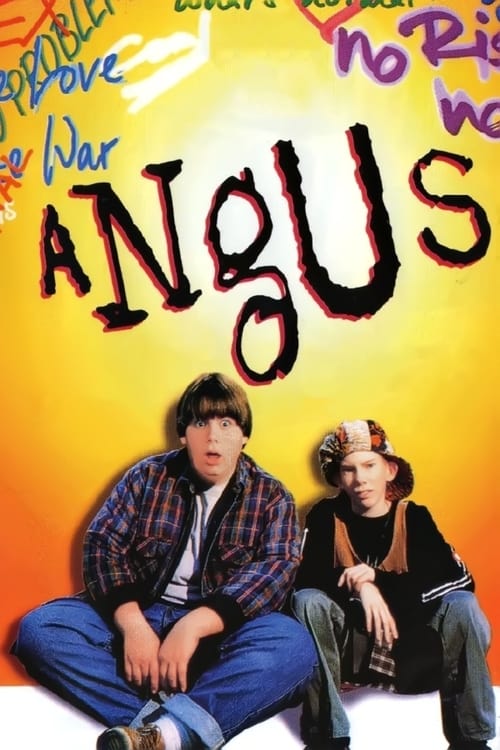
Angus
1995Angus is a large, pathetic 14-year-old whose thoughts are most often filled with the image of only one girl, Melissa Lefevre. Angus is shy and thinks that he has no chance of ever 'getting' her. Being especially uncool, he is incredibly surprised (along with the rest of the school) that he is chosen to dance with her at the Winter Ball. The only one not surprised is the cool kid who set him up to fail, but Angus' best friend is going to help him win the heart of Melissa by developing a new look for him
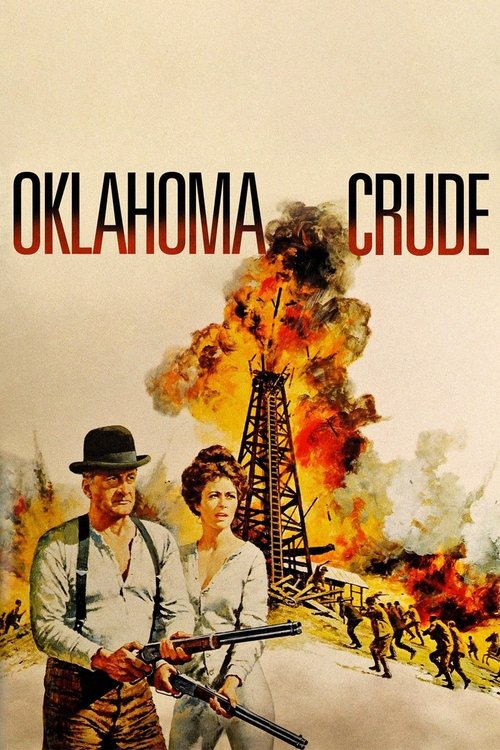
Oklahoma Crude
1973In 1913, in Oklahoma, oil derrick owner Lena Doyle, aided by her father and a hobo, is stubbornly drilling for oil despite the pressure from major oil companies to sell her land.
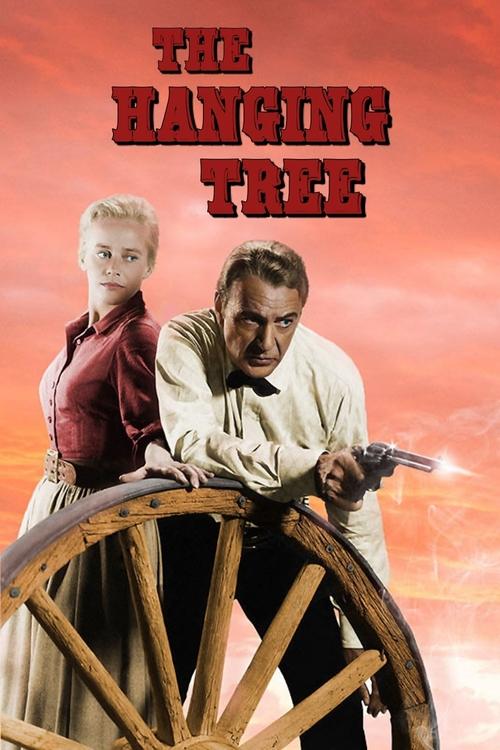
The Hanging Tree
1959Joseph "Doc" Frail is a doctor with a past he's trying to outrun. While in Montana, he comes across a mining camp with a hanging tree and rescues a man named Rune from the noose. With Rune as his servant, Frail decides to settle down, and he takes over as town doctor. He meets Elizabeth, who is suffering from shock, and the two soon fall in love. But when Elizabeth is attacked, Frail's attempt to help her lands them both in trouble.
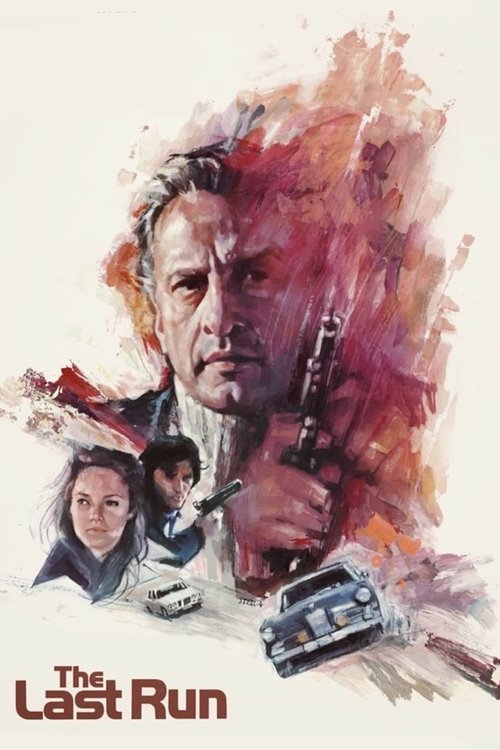
The Last Run
1971A former mob getaway driver from Chicago has retired to a peaceful life in a Portuguese fishing village. He is asked to pull off one last job - to drive a dangerous crook and his girlfriend to France.
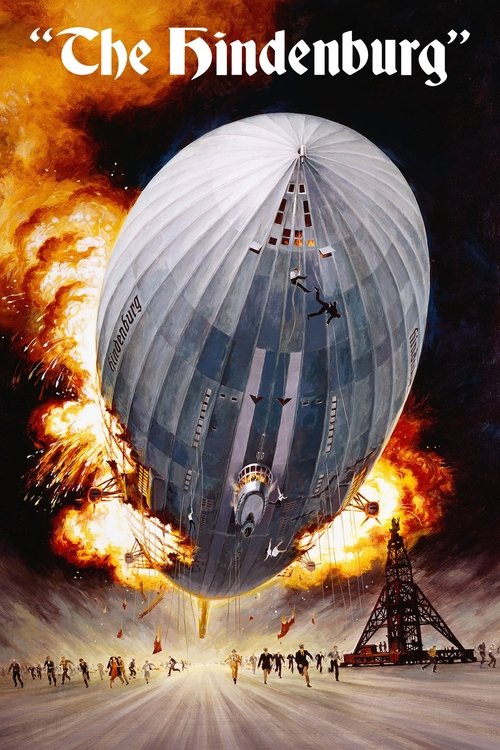
The Hindenburg
1975Colonel Franz Ritter, a former hero pilot now working for military intelligence, is assigned to the great Hindenburg airship as its chief of security. As he races against the clock to uncover a possible saboteur aboard the doomed zeppelin he finds that any of the passengers and crew could be the culprit.
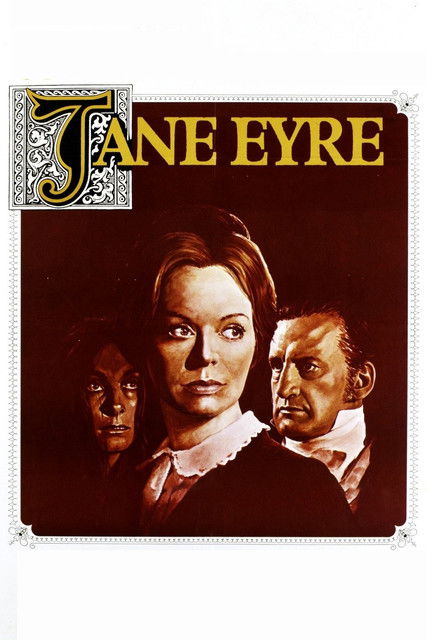
Jane Eyre
1970After a bleak childhood, Jane Eyre goes out into the world to become a governess. As she lives happily in her new position at Thornfield Hall, she meet the dark, cold, and abrupt master of the house, Mr. Rochester. Jane and her employer grow close in friendship and she soon finds herself falling in love with him. Happiness seems to have found Jane at last, but could Mr. Rochester's terrible secret be about to destroy it forever?
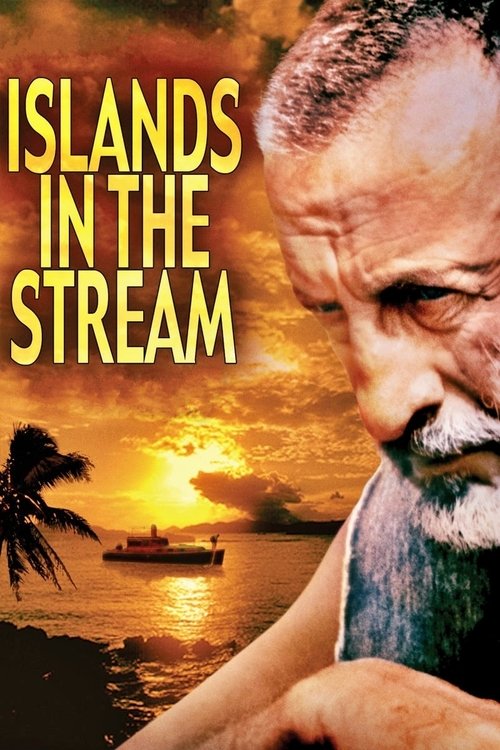
Islands in the Stream
1977An isolated sculptor is visited by his three sons just before the start of WWII.
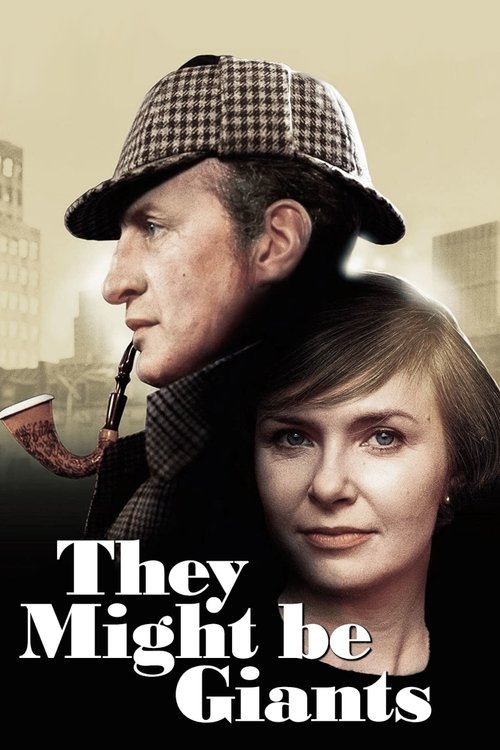
They Might Be Giants
1971After the death of his wife, wealthy retiree Justin Playfair creates a fantasy world for himself in which he is the legendary detective Sherlock Holmes, even dressing like the character. Out of concern for Justin's money more than his health, his brother Blevins puts him under the care of psychiatrist Dr. Mildred Watson. As Dr. Watson grows fond of Justin, she begins to play along with his theories, eventually becoming an assistant in his investigations.
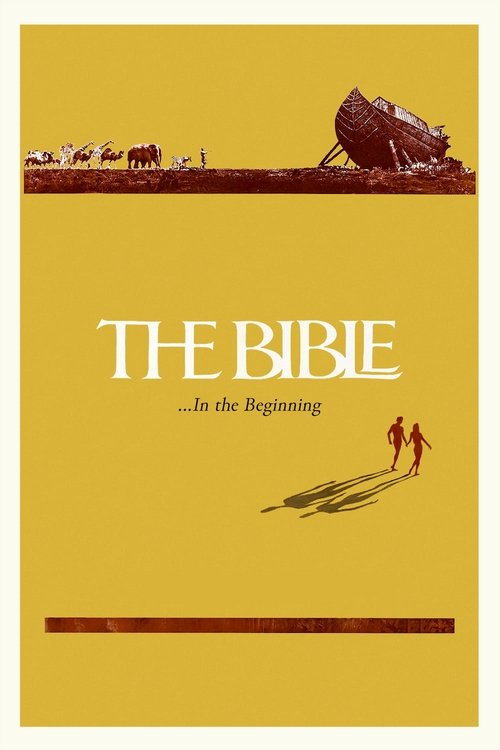
The Bible: In the Beginning...
1966Covering only the first 22 chapters of the Book of Genesis, vignettes include: Adam and Eve frolicking in the Garden of Eden until their indulgence in the forbidden fruit sees them driven out; Cain murdering his brother Abel; Noah building an ark to preserve the animals of the world from the coming flood; and Abraham making a covenant with God.
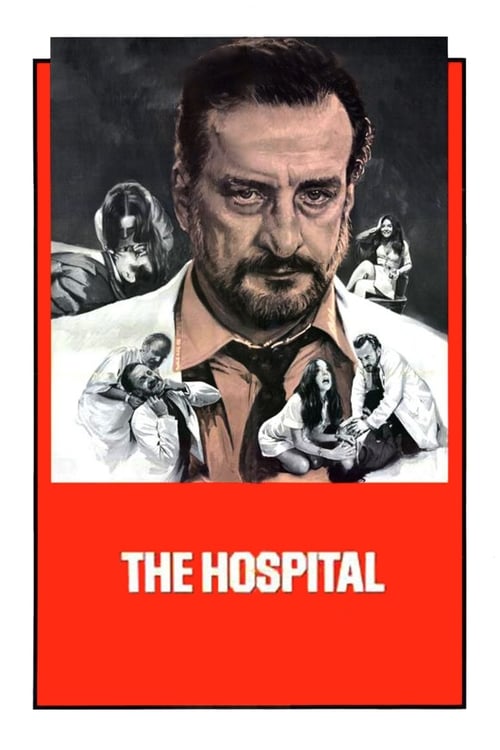
The Hospital
1971Dr. Bock, the chief of medicine at a Manhattan hospital, is suicidal after the collapse of his personal life. When an intern is found dead in a hospital bed, it appears to Bock to be a case of unforgivable malpractice. Hours later, another doctor, who happens to be responsible for another case of malpractice, is found dead. Despondent, Bock finds himself drawn to Barbara, the daughter of a comatose missionary.
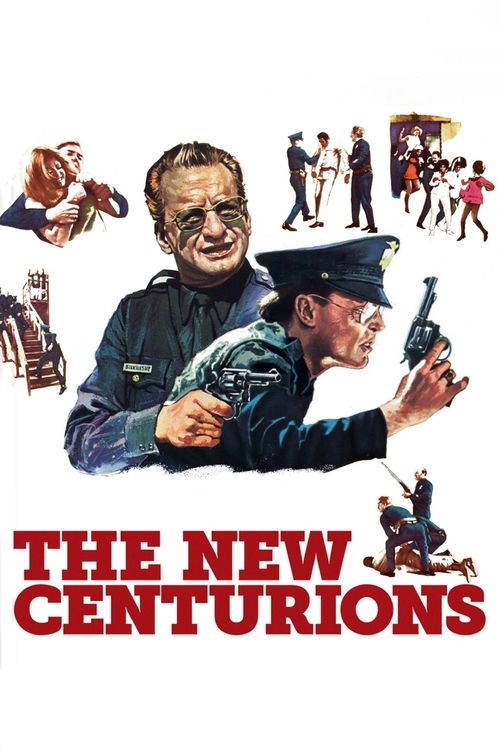
The New Centurions
1972An idealistic rookie cop joins the LAPD to make ends meet while finishing law school, and is indoctrinated by a seasoned veteran. As time goes on, he loses his ambitions and family as police work becomes his entire life.
In this gritty procedural, Scott portrays a veteran officer contemplating the erosion of his profession with a sense of dignified exhaustion. It is a cynical, grounded performance that serves as a vital counterpoint to the more flamboyant roles of his earlier filmography.
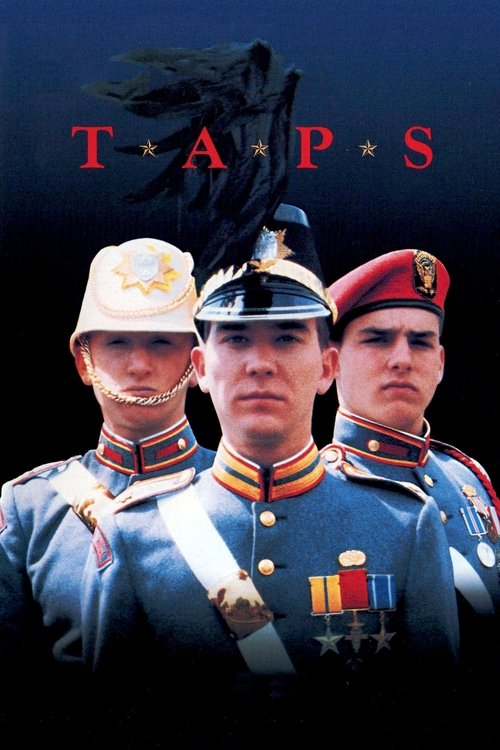
Taps
1981Military cadets take extreme measures to ensure the future of their academy when its existence is threatened by local condo developers.
Scott projects a tragic, outdated sense of honor as the commander of a doomed military academy. He serves as the film's moral and professional spine, illustrating the dangerous allure of the rigid codes he spent much of his career portraying.
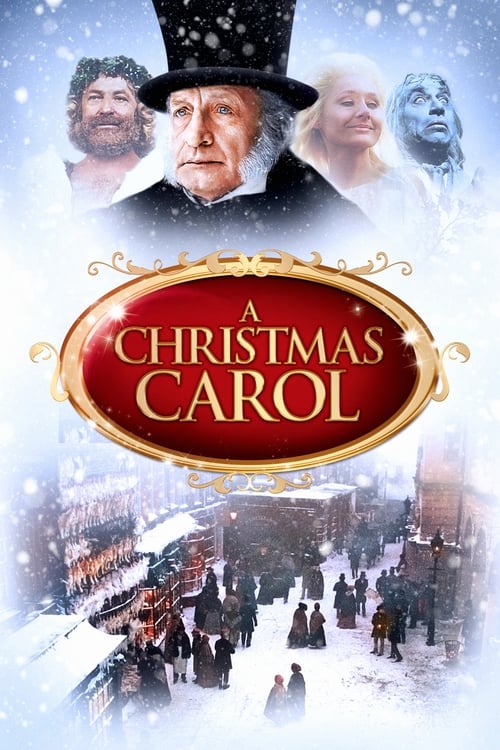
A Christmas Carol
1984Miser Ebenezer Scrooge is awakened on Christmas Eve by spirits who reveal to him his own miserable existence, what opportunities he wasted in his youth, his current cruelties, and the dire fate that awaits him if he does not change his ways. Scrooge is faced with his own story of growing bitterness and meanness, and must decide what his own future will hold: death or redemption.
By stripping away the pantomime theatrics often associated with Ebenezer Scrooge, Scott unearths the cold, pragmatic logic of the character. This interpretation stands as a late-career triumph where his natural authoritarian sternness finally meets its perfect literary match.

The Exorcist III
1990On the fifteenth anniversary of the exorcism that claimed Father Damien Karras' life, Police Lieutenant Kinderman's world is once again shattered when a boy is found decapitated and savagely crucified.
Often overlooked, Scott’s work here is a weary, cynical marvel that elevates the material into a profound meditation on the nature of evil. His skeptical, world-worn Kinderman provides the necessary human grit to ground the film's more surrealist horror elements.
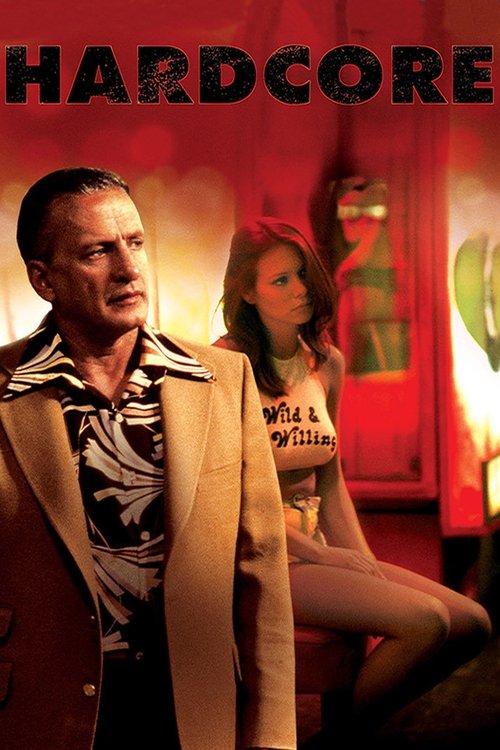
Hardcore
1979A conservative Midwest businessman ventures into the sordid underworld of pornography in search of his runaway teenage daughter who’s making hardcore films in the pits of Los Angeles.
The actor brings a suffocating sense of moral outrage to his role as a father descending into the underworld of the adult film industry. It is a visceral, uncomfortable performance that sits at the intersection of Scott's innate conservative rigidity and his capacity for volcanic emotion.
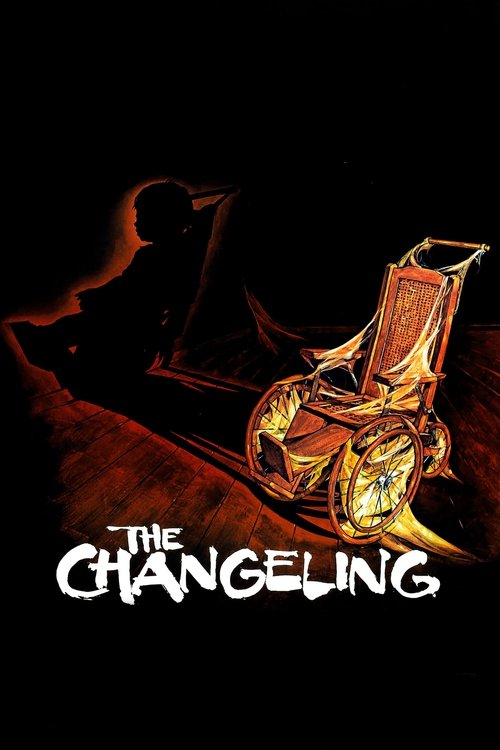
The Changeling
1980After a tragic event happens, composer John Russell moves to Seattle to try to overcome it and build a new and peaceful life in a lonely big house that has been uninhabited for many years. But, soon after, the obscure history of such an old mansion and his own past begin to haunt him.
Trading his usual bravado for a haunting vulnerability, Scott anchors this supernatural classic with an uncharacteristic, deeply felt grief. It is a rare, quiet turn that proves he could hold an audience's attention through silent observation just as easily as through explosive dialogue.
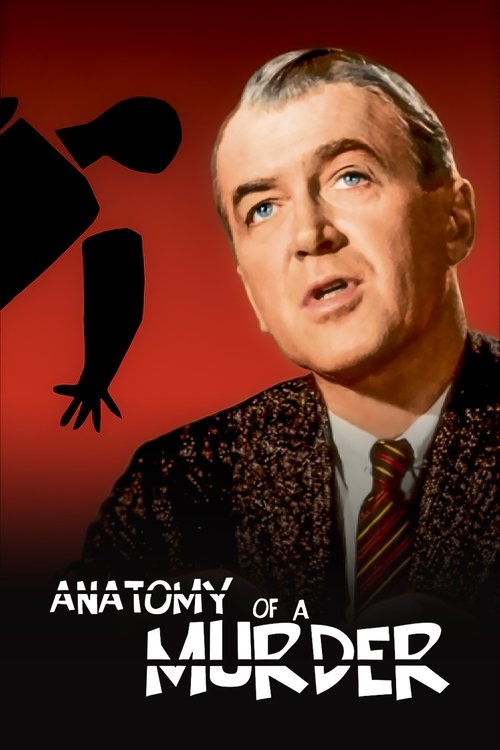
Anatomy of a Murder
1959Semi-retired Michigan lawyer Paul Biegler takes the case of Army Lt. Manion, who murdered a local innkeeper after his wife claimed that he raped her. Over the course of an extensive trial, Biegler parries with District Attorney Lodwick and out-of-town prosecutor Claude Dancer to set his client free, but his case rests on the victim's mysterious business partner, who's hiding a dark secret.
Scott’s turn as the high-functioning, razor-sharp prosecutor Claude Dancer is a masterclass in stillness and sudden, calculated strikes. His presence here represents the arrival of a major heavyweight, capable of matching veteran Jimmy Stewart in a battle of pure screen presence.
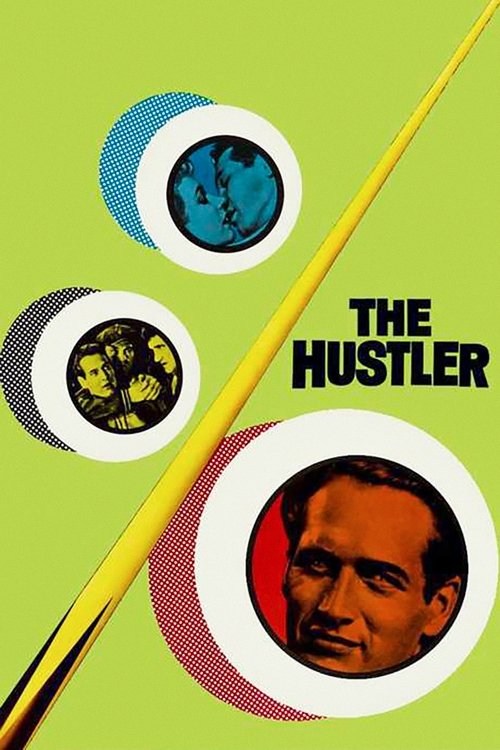
The Hustler
1961Fast Eddie Felson is a small-time pool hustler with a lot of talent but a self-destructive attitude. His bravado causes him to challenge the legendary Minnesota Fats to a high-stakes match.
Playing the predatory Bert Gordon, Scott radiates a subtle, shark-like malice that serves as the perfect icy foil to Paul Newman's raw desperation. This role solidified his reputation as a master of the intellectual antagonist, capable of dominating a room without ever raising his voice.
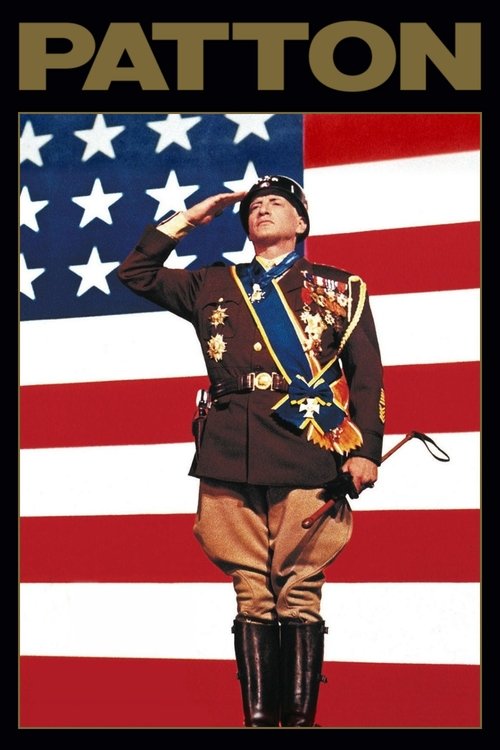
Patton
1970"Patton" tells the tale of General George S. Patton, famous tank commander of World War II. The film begins with Patton's career in North Africa and progresses through the invasion of Germany and the fall of the Third Reich. Side plots also speak of Patton's numerous faults such his temper and habit towards insubordination.
This is Scott at his most mountainous, inhabiting the complex psyche of a warrior-poet with a ferocity that famously terrified the Academy. He commands the screen with a rasping, gravelly authority that arguably redefined the masculine biopic for decades.
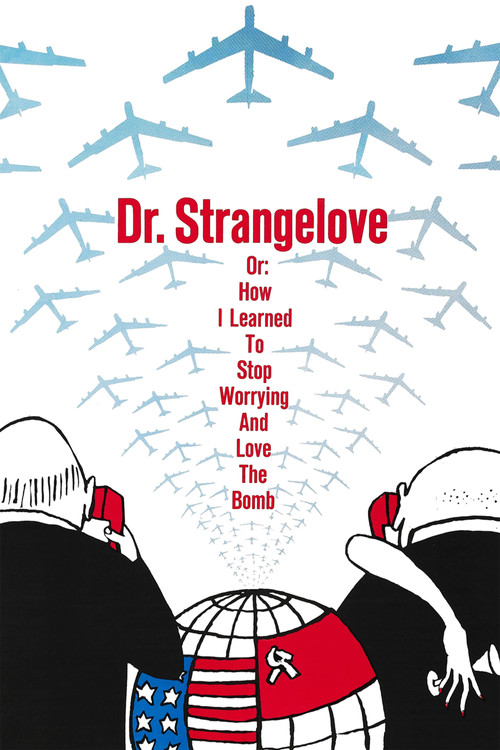
Dr. Strangelove or: How I Learned to Stop Worrying and Love the Bomb
1964After the insane General Jack D. Ripper initiates a nuclear strike on the Soviet Union, a war room full of politicians, generals and a Russian diplomat all frantically try to stop it.
As General Buck Turgidson, Scott vibrates with a manic, gum-chewing energy that transforms military paranoia into high art. It remains the definitive showcase of his ability to weaponize facial contortions and vocal theatrics for biting political satire.
Frequently Asked Questions
Everything you need to know about this list and SnakeDrafts
- George C. Scott's portrayal of General George S. Patton is legendary for its commanding presence and intense authenticity. His ability to embody the complexity of a military leader with both charisma and vulnerability set a new standard for biographical war dramas.
- In Dr. Strangelove, George C. Scott demonstrates his comedic genius by playing multiple roles with sharp timing and satirical flair. This marks a striking contrast to his typically serious roles and highlights his range as an actor.
- The Hustler is crucial in Scott's career because it captures his skill at portraying morally complex, intense characters. His dynamic performance alongside Paul Newman helped establish him as a serious and magnetic screen presence in the early 1960s.
- George C. Scott delivered chilling performances in horror films such as The Changeling and The Exorcist III. His gravitas and intense screen presence added depth to these supernatural narratives, enhancing their eerie and suspenseful atmospheres.
- In Anatomy of a Murder, George C. Scott showcases his ability to convey authority and moral complexity in a courtroom drama. His nuanced performance brings credibility and tension to the story, exemplifying his mastery of dramatic roles.
- George C. Scott frequently explores themes of authority, moral ambiguity, and psychological intensity across his films. Whether it’s military, legal, or supernatural settings, his characters often wrestle with leadership and inner conflict.
- Scott’s style of intense character interrogation and emotional volatility lends a magnetic and often unsettling energy to his movies. This approach captivates audiences and elevates the storytelling with a powerful, authentic presence.
- Yes, George C. Scott starred in TV movies like A Christmas Carol and Jane Eyre, where he brought his trademark intensity to classic literary adaptations. His performances in these were marked by a deep understanding of character nuance and emotional depth.