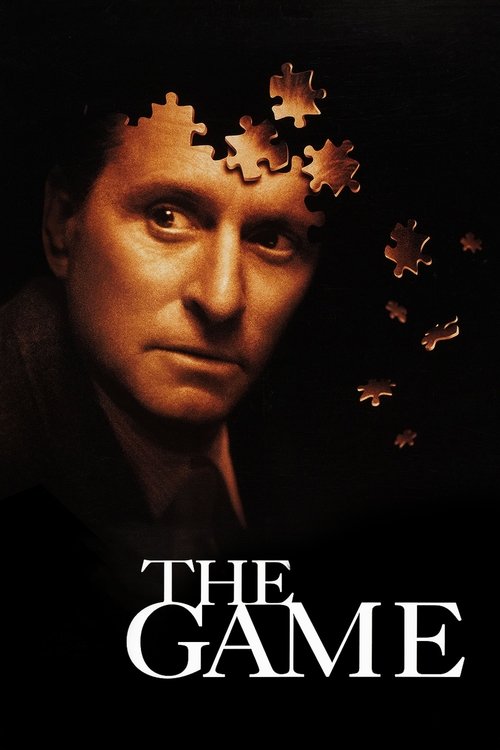
The Game
David Fincher's "The Game" plunges viewers into a labyrinthine thriller where a jaded investment banker's reality unravels, offering a masterclass in psychological suspense and leaving audiences questioning every twist. This taut mystery, starring Michael Douglas, explores themes of control, perception, and the terrifying blurred lines between an elaborate game and genuine danger. Prepare for a relentless cinematic experience that will keep you on the edge of your seat until its final, astonishing revelation.
Director
Release Year
1997
Runtime
129 minutes
Main Cast
Michael Douglas, Sean Penn, Deborah Kara Unger, James Rebhorn, Peter Donat
About The Game
David Fincher's 1997 psychological thriller, "The Game," arrived after his successful "Se7en" and before the cult phenomenon of "Fight Club," solidifying his reputation as a master of suspense and cerebral cinema. The film's intricate plot and disorienting narrative struck a chord with audiences who craved intelligent, challenging thrillers, contributing to its enduring appeal and positioning it as a significant entry in 90s filmmaking that explored themes of existentialism and the fragility of perception.
At its core, "The Game" introduces Nicholas Van Orton, a wealthy, emotionally distant investment banker whose ordered life is spectacularly disrupted when his estranged brother gifts him participation in a mysterious organization called Consumer Recreation Services (CRS). What begins as an innocuous, personalized "game" quickly escalates into a series of increasingly bizarre and terrifying events, systematically dismantling Nicholas's sense of security and forcing him to confront his deepest fears. The film masterfully builds tension by keeping both the protagonist and the audience uncertain of what is real and what is part of the elaborate construct, creating a truly immersive and anxiety-inducing viewing experience.
Upon its release, "The Game" received generally positive critical acclaim, with many praising Fincher's meticulous direction, the relentless pacing, and Michael Douglas's compelling performance as the increasingly desperate Nicholas. Critics often highlighted the film's intricate plot and its ability to maintain suspense throughout, even as some found the ending polarizing. Despite not reaching the same box office heights as some of Fincher's other works, it has garnered a dedicated following over the years, celebrated for its unique premise and audacious storytelling.
"The Game" has left a notable legacy as a quintessential psychological thriller, frequently cited for its innovative narrative structure and its exploration of paranoia and identity. Its influence can be seen in subsequent films and television series that delve into similar themes of reality manipulation and elaborate cons. The film continues to spark discussion among viewers about its ending and the true nature of CRS, cementing its place as a thought-provoking and unforgettable cinematic puzzle that challenges perceptions long after the credits roll.
Drafts Featuring The Game
Every SnakeDrafts listicle where this movie appears
The Best Sean Penn Movies Ranked
Ranked #8
The Best Michael Douglas Movies Ranked
Ranked #2
David Fincher Films Ranked Definitively
Ranked #7
Best Movies of 1997
Ranked #13
The Best Thriller Movies of All Time, Ranked
Ranked #20
Top 1990s Thriller Movies Ranked
Ranked #10
Best Thriller Movies of 1997, Ranked
Ranked #1
Similar Movies
Movies related to The Game

Frequently Asked Questions
Everything you need to know about The Game
- The film centers around Nicholas Van Orton, a wealthy banker who receives a mysterious gift from his brother. This gift is a ticket to participate in an elaborate game that blurs the lines between reality and deception. As the game unfolds, Nicholas must navigate increasingly dangerous challenges that test his sanity and survival.
- San Francisco's diverse urban landscape adds a complex backdrop of sophistication and unpredictability to the story. The city's iconic locations enhance the thriller elements by providing visually striking and sometimes claustrophobic environments. This setting complements the film's themes of uncertainty and disorientation.
- The movie delves into themes such as trust, reality versus illusion, and the psychological impact of isolation. It also explores the consequences of control and power in one's life, especially through the protagonist’s journey. These themes intertwine to create a suspenseful narrative that questions the nature of identity.
- David Fincher uses tight pacing, unexpected twists, and a shifting narrative perspective to keep the audience on edge. The unpredictable developments in the game challenge the protagonist and viewers alike to question what is real. Strategic use of cinematography and score also heighten the tension.
- Nicholas begins the film as a detached and emotionally closed-off individual. Throughout the game, events force him to confront his past, fears, and vulnerabilities. This character evolution adds depth to the thriller, making the psychological elements more impactful.
- Yes, the ending leaves some ambiguity, inviting viewers to reflect on the nature of the experience Nicholas went through. It prompts questions about the boundaries between games and reality and about personal transformation. This open-ended conclusion is a hallmark of Fincher’s storytelling style.
- Unlike many thrillers that rely primarily on external conflicts, 'The Game' focuses heavily on psychological tension and character introspection. Its narrative complexity and use of uncertainty set it apart. The film blends mystery and drama to create a more cerebral and disturbing experience.
- The gift certificate acts as the catalyst for the entire narrative, introducing Nicholas to the game that disrupts his life. It symbolizes the unexpected intrusion of chaos into his controlled existence. This item triggers the suspense and mystery that drive the plot forward.

