The Best Madonna Movies Ranked
From Baseball Diamonds to Broadway Stages
Discover the most iconic films from the Queen of Pop, featuring her best dramatic roles, musical masterpieces, and unforgettable cult classics.
About Madonna
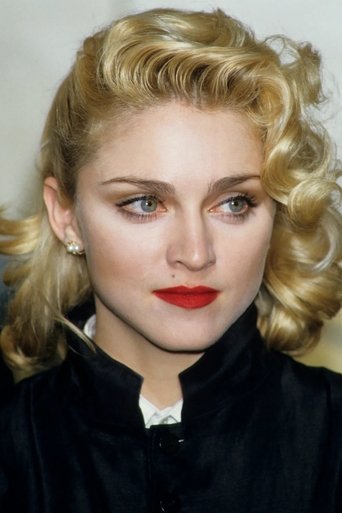
In the landscape of 20th-century iconography, she remains the ultimate shape-shifter, a woman who treated the silver screen not just as a stage, but as a laboratory for her own shifting identity. While history frequently prioritizes her sonic influence, her filmography serves as a fascinating map of an artist obsessed with reinvention. She arrived in cinema with the same downtown grit that fueled her music, instantly crystallizing an era in Desperately Seeking Susan. As Roberta, she didn't just play a character; she validated a subculture, blending vintage thrift-store aesthetics with a street-smart confidence that made every frame feel like a manifesto.
Critics often struggled to categorize her cinematic presence because she refused to stick to a single lane. She could pivot from the cartoonish, Technicolor camp of Breathless Mahoney in Dick Tracy to the raw, visceral deconstruction of an actor's psyche in Abel Ferrara’s Dangerous Game. There is a specific kind of magnetism she brings to the lens—a self-awareness that demands the audience look closer, even when the material is provocative or polarizing. It is this refusal to be demure that made her turn in Body of Evidence so scandalous, yet it was that same steely resolve that eventually earned her a Golden Globe. In Evita, she found the role she was seemingly born to play, channeling the grand ambition and complicated legacy of Eva Perón with a vocal and emotional precision that silenced her skeptics.
Her filmography is punctuated by moments where she plays with her own tabloid image, often with a wink to the camera. Whether she was leaning into screwball comedy in Who’s That Girl or portraying the sharp-tongued Mae Mordabito in A League of Their Own, she understood the power of the ensemble. In the latter, she traded her high-fashion armor for a baseball dirt-suit, delivering a performance that grounded the film’s nostalgia with a necessary, hard-edged wit. Her brief, sharp appearances in projects as varied as Shadows and Fog, Bloodhounds of Broadway, and Woody Allen’s noir-inspired world showcased a performer willing to be a single color in a larger director’s palette.
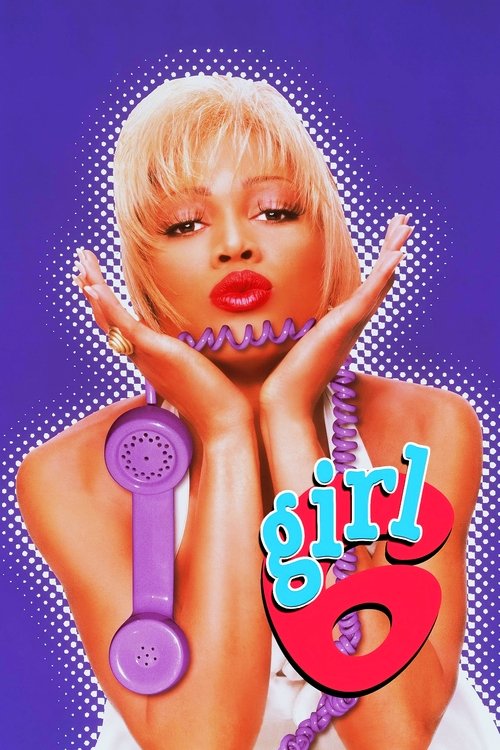
Audiences connect with her because she embodies the American religion of self-creation. Even when she stumbled with projects like the ill-fated Swept Away or the domestic melodrama of The Next Best Thing, the failure felt monumental and daring rather than safe. She never lacked for nerve, whether she was playing a sharp-edged yoga instructor or a fencing master in the Bond universe via Die Another Day. Even her cameos in cult favorites like Four Rooms or Spike Lee’s Girl 6 ripple with the energy of a woman who knows she is the most interesting person in the room.
Recent glimpses into her legacy, such as her presence in The Greatest Night in Pop, remind us that she has navigated decades of scrutiny without ever losing her autonomy. She remains a polarizing figure precisely because she refuses to be a static nostalgia act. To watch her on screen is to watch a woman constantly negotiating with her own fame, using every role to challenge the boundaries of what a female superstar is allowed to be. She isn't just an actor; she is a disruptor who happened to use the medium of film to tell a story about power, desire, and the relentless pursuit of the next version of herself.
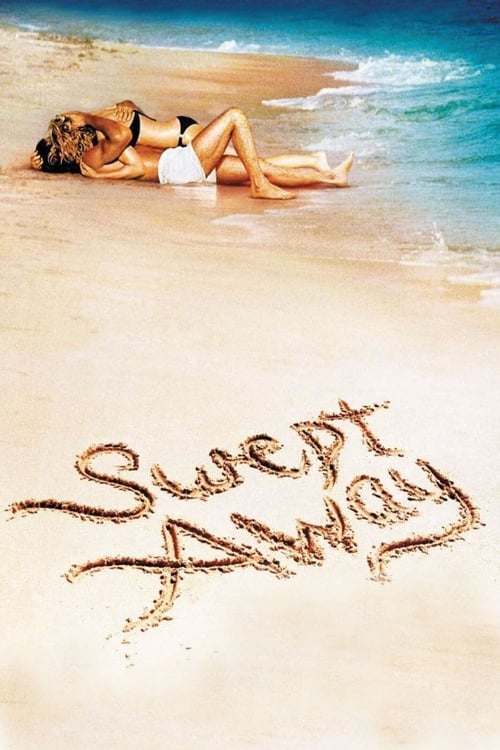
Swept Away
2002Stranded and alone on a desert island during a cruise, a spoiled rich woman and a deckhand fall in love and make a date to reunite after their rescue.
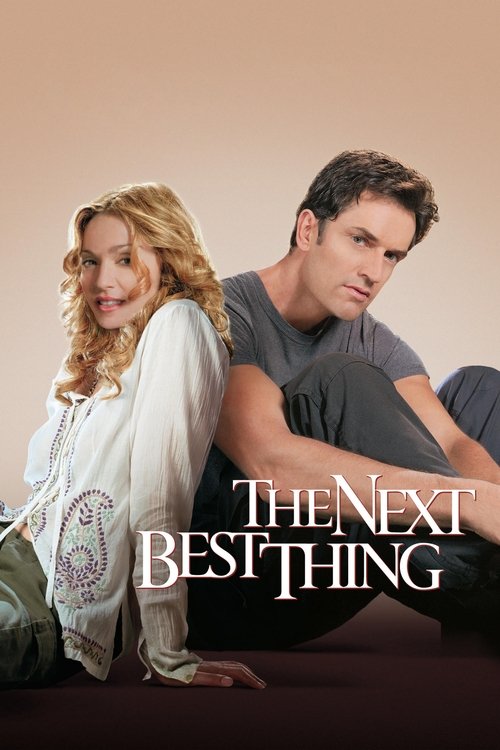
The Next Best Thing
2000A comedy-drama about best friends - one a straight woman, Abbie, the other a gay man, Robert - who decide to have a child together. Five years later, Abbie falls in love with a straight man and wants to move away with her and Robert's little boy Sam, and a nasty custody battle ensues.
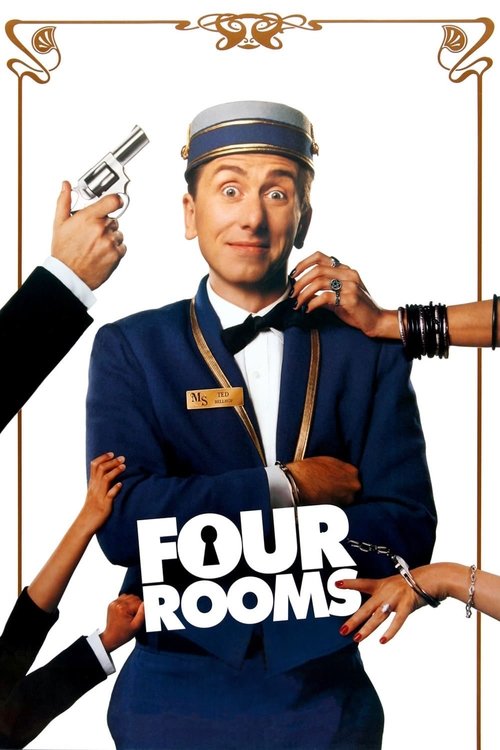
Four Rooms
1995It's Ted the Bellhop's first night on the job...and the hotel's very unusual guests are about to place him in some outrageous predicaments. It seems that this evening's room service is serving up one unbelievable happening after another.
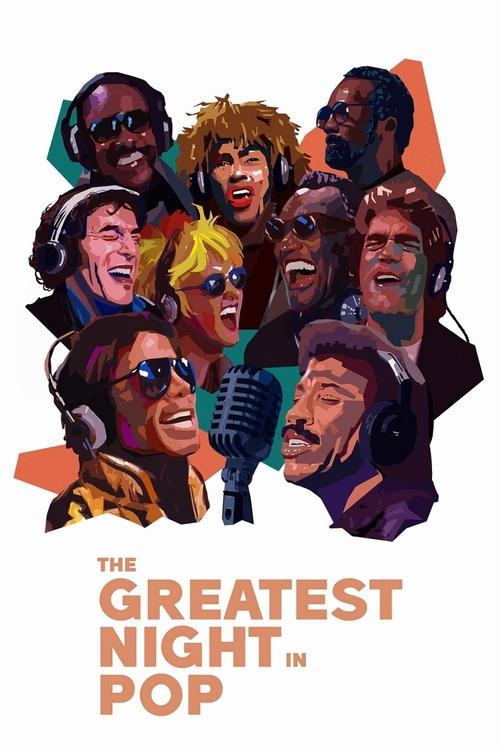
The Greatest Night in Pop
2024On a January night in 1985, music's biggest stars gathered to record "We Are the World." This documentary goes behind the scenes of the historic event.
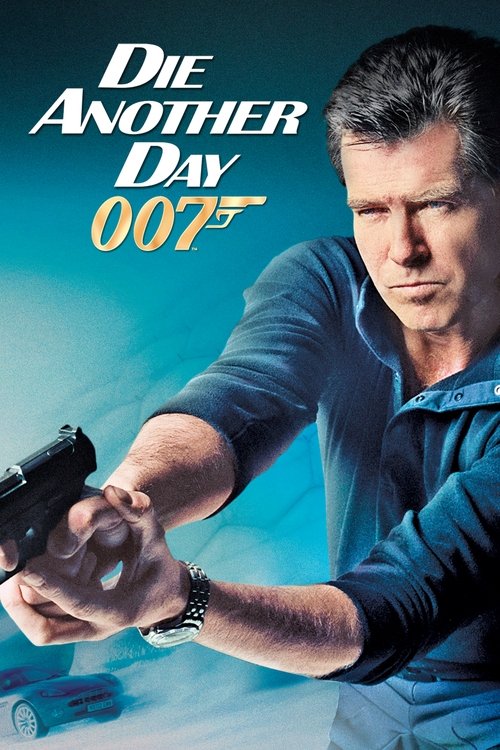
Die Another Day
2002James Bond is sent to investigate the connection between a North Korean terrorist and a diamond mogul, who is funding the development of an international space weapon.
Madonna delivers a high-camp, stilted cameo as fencing instructor Verity, leaning into a sharpened persona that feels more like a music video outtake than organic acting. It remains a notorious footprint in her filmography, marking the exact moment her cinematic aspirations collided with the self-parody of a global pop icon playing at being an ice queen. Though her screentime is brief, the performance is unforgettable for its sheer awkwardness and the Razzie-winning audacity she brought to the Bond franchise.
Bloodhounds of Broadway
1989This musical is based on four short stories by Damon Runyon. In one tale, gambler Feet Samuels sells his body to science just as he realizes that Hortense loves him and that he would rather live than die. In another story, Harriet's parrot is killed, and she has problems dealing with her loss. Then, there is a gambler, "Regret", who has bloodhounds on his trail when he becomes a murder suspect. Finally, "The Brain" is bleeding profusely, and his friends search for a way to save his life through a blood transfusion.
Madonna leans into her brassy material girl persona with a stylized, high-pitched kewpie-doll delivery that serves as one of her final tributes to Old Hollywood glamour before pivoting to the darker, more industrial edge of the 1990s. As nightingale Hortense Hathaway, she captures a specific brand of Depression-era moxie, proving she could hold her own as a specialized character actress when given a vaudevillian sandbox to play in. It remains a fascinating artifact of her career, capturing the exact moment her blonde ambition met its most literal, vintage-costumed peak.
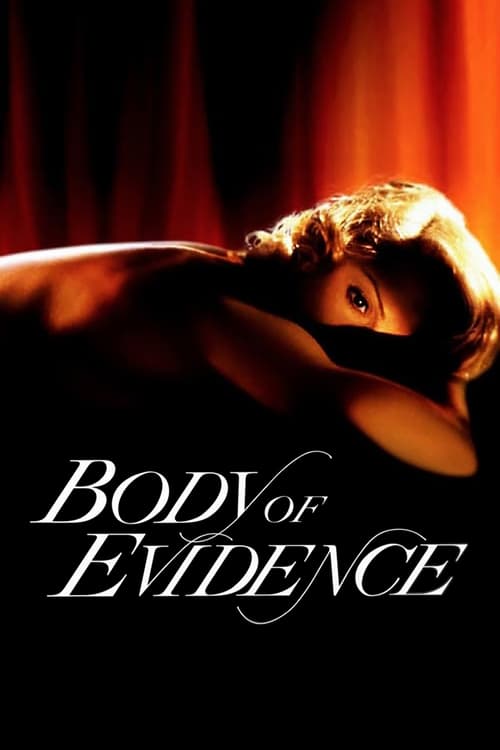
Body of Evidence
1993When an elderly millionaire is found dead with cocaine in his system, his will leaves $8 million to Rebecca Carlson, who was having an affair with him. District attorney Robert Garrett decides to prosecute Rebecca, arguing that she deliberately engaged in wild sex with the old man to overexcite him and lead to his premature death. Defense attorney Frank Dulaney defends Rebecca in court while getting sucked into a dangerous affair with her.
Madonna attempts to weaponize her provocative pop persona into a high-stakes legal thriller, but her icy, hyper-calculated delivery feels more like a staged music video than a lived-in performance. This role remains the ultimate artifact of her early 90s erotic obsession, proving that while she could master the camera’s gaze, she struggled to translate that magnetism into credible cinematic dialogue. It is a fascinating, rigid exercise in image-building that prioritized shock value over genuine dramatic weight.
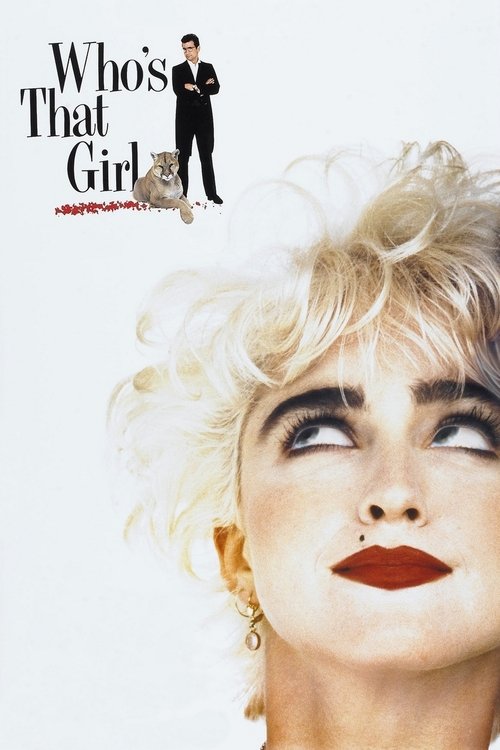
Who's That Girl
1987An uptight New York City tax lawyer gets his life turned upside down one day when he's asked to escort a feisty free-spirited ex-convict who asks him to help prove her innocence of her crime.
Madonna pivots into screwball territory with a high-pitched, frenetic energy that channels Judy Holliday by way of the Lower East Side. This role marked her most aggressive attempt to translate her MTV superstardom into comedic leading-lady status, trading her "Material Girl" coolness for a cartoonish, wide-eyed eccentricity. It remains a fascinating artifact of her peak-transformation era, proving she could command the frame even when the script couldn’t keep up with her manic charisma.
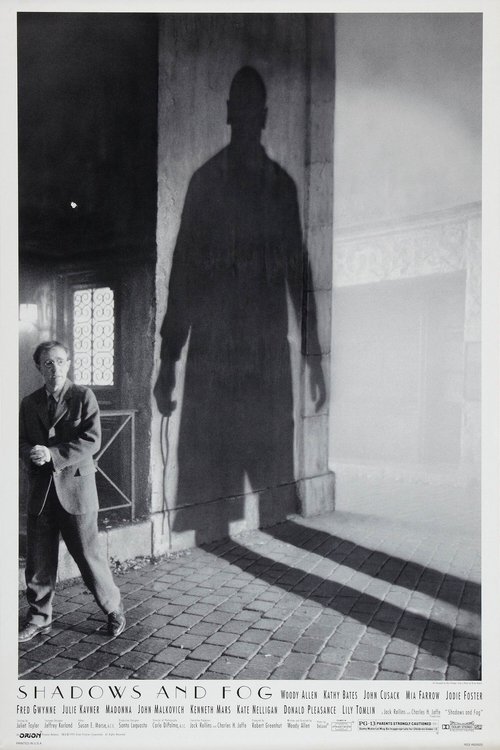
Shadows and Fog
1991With a serial strangler on the loose, a bookkeeper wanders around town searching for the vigilante group intent on catching the killer.
Madonna channels a brittle, brassy cynicism as Marie the trapeze artist, trading her pop-star persona for a stylized, noir-inflected brevity. It marks an underrated pivot in her filmography where she finally traded glamor for grit, proving she could hold her own within a dense ensemble without demanding the spotlight. She delivers her cynical barbs with a weary precision that perfectly suits the film's German Expressionist atmosphere.
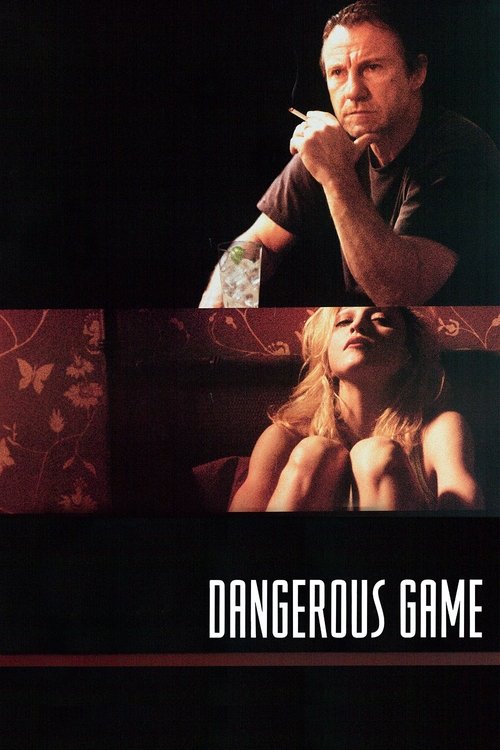
Dangerous Game
1993A New York film director, working on his latest movie in Los Angeles, begins to reflect the actions in his movie and real life, especially when he begins an affair with the lead actress.
Madonna sheds her carefully curated pop persona for a raw, frayed vulnerability that remains the most grounded work of her screen career. Playing an actress caught in a cycle of psychological abuse, she delivers a surprisingly internal performance that trades her usual polished artifice for something genuinely unsettling and unvarnished.
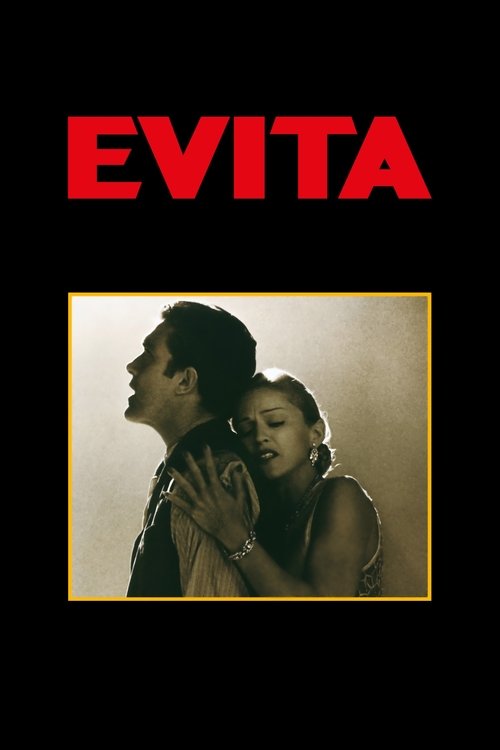
Evita
1996The hit musical based on the life of Evita Duarte, an Argentinian actress who eventually became the wife of Argentinian president Juan Perón, and the most beloved and hated woman in Argentina.
Madonna channels her own polarizing celebrity into a calculation of steely ambition, delivering a disciplined, vocal-forward turn that remains her most accomplished cinematic achievement. She trades her usual pop provocateur persona for a brittle, haunting elegance, capturing the specific friction between Eva Perón’s meticulously crafted public saintliness and her ruthless interior drive. It is the rare moment in her filmography where her legendary self-possession perfectly aligns with the requirements of the script.
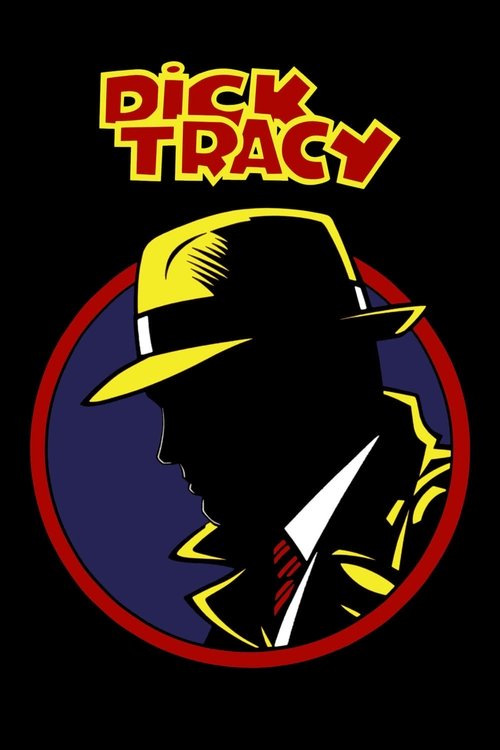
Dick Tracy
1990The comic strip detective finds his life vastly complicated when Breathless Mahoney makes advances towards him while he is trying to battle Big Boy Caprice's united mob.
Madonna is all purring artifice and silver-screen magnetism as Breathless Mahoney, channeling the vampiric cool of classic noir sirens with a precision that remains her finest hour as an actor. She weaponizes her public persona to bridge the gap between pop icon and cinematic femme fatale, proving she could master a stylized, comic-strip aesthetic better than any of her peers. It is the rare moment in her filmography where her star power and the character’s calculated seduction align in perfect, breathy harmony.
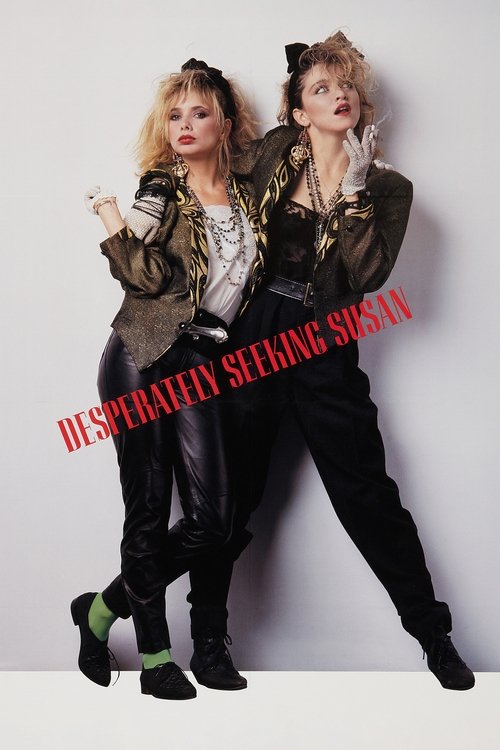
Desperately Seeking Susan
1985A bored New Jersey suburban housewife's fascination with a free-spirited woman she has read about in the personal columns leads to her being mistaken for the woman herself and into a chaotic adventure of amnesia and self-discovery.
Madonna doesn't so much act as inhabit her own burgeoning myth, projecting a thrift-shop cool and gum-snapping indifference that remains the most authentic extension of her early-eighties persona. It is the definitive capture of her "Boy Toy" era, proving that her greatest cinematic asset was simply the magnetism of her own curated mystery. This wasn't a stretch into character work, but rather the essential lightning-in-a-bottle moment that weaponized her celebrity for the big screen.
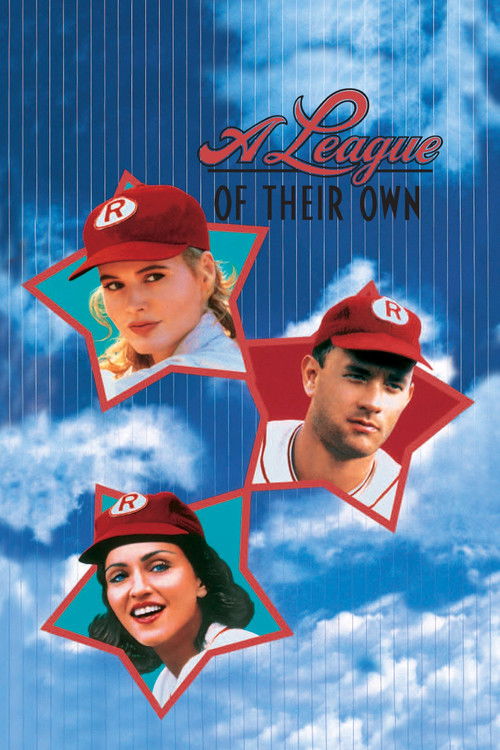
As America's stock of athletic young men is depleted during World War II, a professional all-female baseball league springs up in the Midwest, funded by publicity-hungry candy maker Walter Harvey. Competitive sisters Dottie Hinson and Kit Keller spar with each other, scout Ernie Capadino and grumpy has-been coach Jimmy Dugan on their way to fame.
Madonna sheds her pop-star persona by leaning into Mae Mordabito’s sharp-tongued, taxi-squad sass, delivering a performance of unexpected warmth and comic timing. It remains her most natural screen turn, proving she could disappear into a gritty ensemble without sacrificing her signature brassy charisma. This was the moment she transitioned from a music video icon to a legitimate, grounded supporting player with genuine blue-collar soul.
Frequently Asked Questions
Everything you need to know about this list and SnakeDrafts
- "Desperately Seeking Susan" is widely regarded as Madonna's breakout film, where she showcased her unique downtown grit and charisma. This movie helped establish her as a credible actress beyond her music career.
- Madonna's portrayal of Eva Perón in 'Evita' is one of her most critically acclaimed performances, highlighting her ability to lead a musical drama with depth and emotion. This role showcased her talent for combining singing and acting, earning her a Golden Globe Award.
- Madonna's movies span a diverse range of genres including drama, comedy, crime, thriller, and musical. From the romantic comedy 'Who's That Girl' to the thriller 'Body of Evidence' and the historical musical 'Evita', her filmography reflects her versatility as an actress.
- Madonna appeared in the comedy-drama 'A League of Their Own', which centers around a women's baseball league during World War II. Her role in this film is significant as it highlights a historical narrative and showcases her strong dramatic abilities within an ensemble cast.
- Yes, 'Desperately Seeking Susan' is often cited as a cult classic, known for its iconic 1980s style and Madonna's memorable performance. This film has maintained a devoted following and is a staple in discussions about Madonna's cinematic contributions.
- Madonna collaborated with a variety of esteemed directors such as Penny Marshall, Alan Parker, and Woody Allen, which enriched her performances and diversified her roles. For example, working with Alan Parker in 'Evita' helped her blend musical and dramatic acting, while Woody Allen's direction in 'Shadows and Fog' placed her within a unique comedic mystery context.
- Yes, Madonna made a notable appearance in the James Bond franchise with 'Die Another Day', blending her star power with high-octane adventure. This marked a rare foray into the action genre in her diverse film career.
- 'Desperately Seeking Susan' best encapsulates Madonna's fascination with reinvention and shifting identities, as her character embodies a free-spirited and elusive persona that mirrors her own artistic evolution. The film serves as a cinematic laboratory for her shape-shifting image.