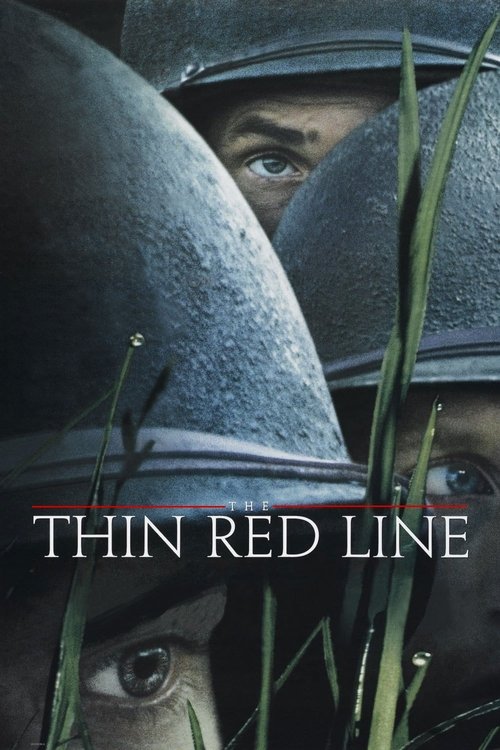
The Thin Red Line
Terrence Malick's 1998 masterpiece, "The Thin Red Line," offers a poetic and profound meditation on the brutal realities of World War II, focusing on the harrowing experiences of American soldiers during the Battle of Guadalcanal. This visually stunning film explores themes of humanity, nature, and the devastating impact of conflict, leaving an indelible mark on cinematic history. Prepare for a deeply immersive and thought-provoking journey into the heart of war.
Director
Terrence Malick
Release Year
1998
Runtime
171 minutes
Genres
Drama, History, War
Main Cast
Jim Caviezel, Nick Nolte, Sean Penn, Ben Chaplin, Elias Koteas
About The Thin Red Line
Terrence Malick's "The Thin Red Line" arrived in 1998, marking his triumphant return to filmmaking after a two-decade hiatus, and immediately challenged conventional war narratives. Departing from typical action-oriented approaches, Malick crafted a film that prioritizes introspection and philosophical inquiry amidst the chaos of battle. Its release alongside other prominent war films of the era, such as "Saving Private Ryan," sparked critical debate and solidified its place as a unique entry in the genre, renowned for its artistic ambition and distinct visual language.
At its core, "The Thin Red Line" follows the soldiers of C Company as they are thrust into the brutal and unforgiving Battle of Guadalcanal during World War II. The plot, while present, takes a backseat to the internal struggles and existential reflections of the characters. We witness their initial innocence erode under the weight of combat, their connections to nature, and their search for meaning in the face of senseless violence. Malick masterfully uses voiceovers, often ethereal and contemplative, to delve into the servicemen's innermost thoughts and fears, creating a mosaic of individual experiences within a shared horror. The film refrains from glorifying war, instead presenting it as a destructive force that profoundly alters the human spirit.
Upon its release, "The Thin Red Line" garnered widespread critical acclaim for its breathtaking cinematography, evocative score, and Malick's audacious vision. While some critics initially found its non-linear structure and meditative pace challenging, many championed it as a groundbreaking work that redefined the war film. It was nominated for seven Academy Awards, including Best Picture, Best Director, and Best Cinematography, solidifying its status as a critical darling. Its lasting legacy lies in its bold artistic choices and its unwavering commitment to exploring the deeper philosophical implications of warfare, influencing subsequent films in the genre.
"The Thin Red Line" has had a profound cultural impact, compelling audiences and filmmakers to reconsider the portrayal of war on screen. Its influence can be seen in later films that prioritize psychological depth and visual poetry over overt action. The film's exploration of humanity's connection to nature, even in destructive environments, and its questioning of the very nature of good and evil resonate deeply, making it a timeless and essential viewing experience. Its haunting imagery and philosophical underpinnings continue to spark discussions about the human condition under extreme duress, cementing its place as a modern cinematic classic.
Drafts Featuring The Thin Red Line
Every SnakeDrafts listicle where this movie appears
The Best Woody Harrelson Movies
Ranked #9
The Best John C. Reilly Movies Ranked
Ranked #14
The Best Sean Penn Movies Ranked
Ranked #6
The Best John Travolta Movies Ranked
Ranked #5
The Best George Clooney Movies Ranked
Ranked #9
The Best Nick Nolte Movies Ranked
Ranked #2
The Ultimate John Cusack Movie Ranking
Ranked #13
The Ultimate Jared Leto Career Ranking: Every Essential Movie Ranked
Ranked #8
Adrien Brody's Top Movies Ranked
Ranked #6
Best 1998 Movies of All Time
Ranked #18
Ranking John Savage's Greatest Movies
Ranked #7
Similar Movies
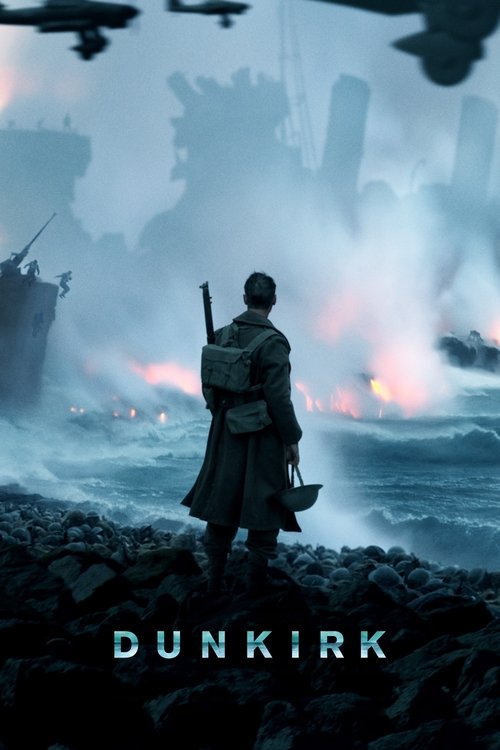
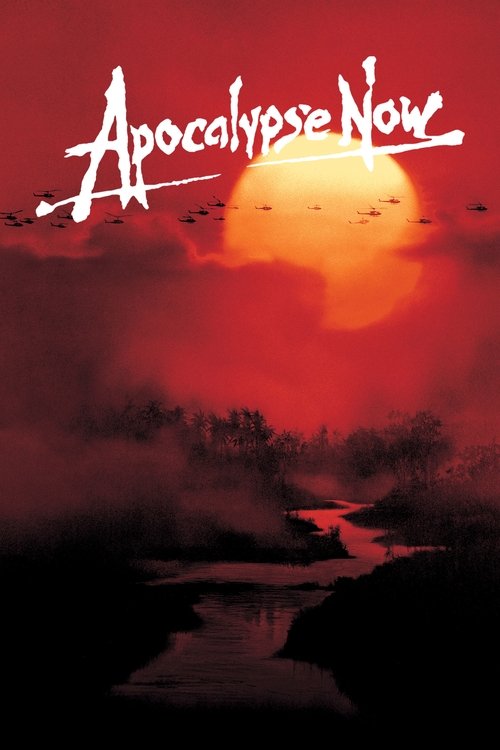
Movies related to The Thin Red Line
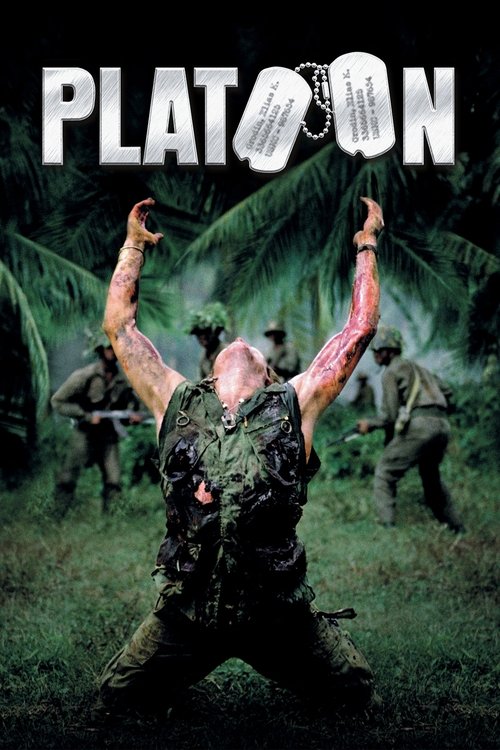
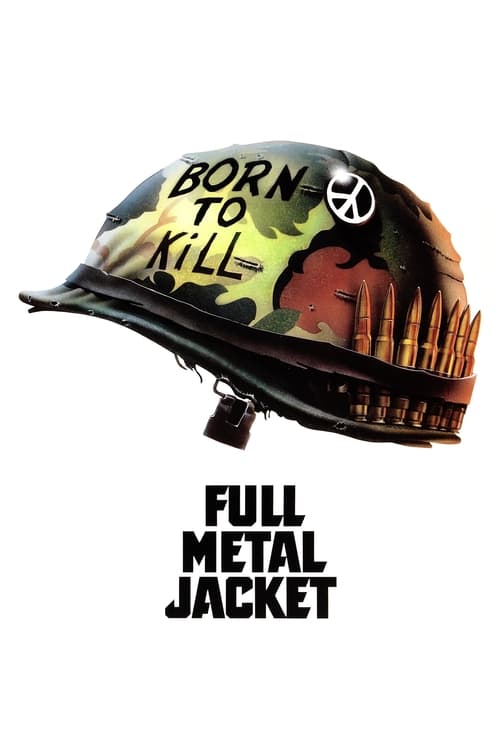
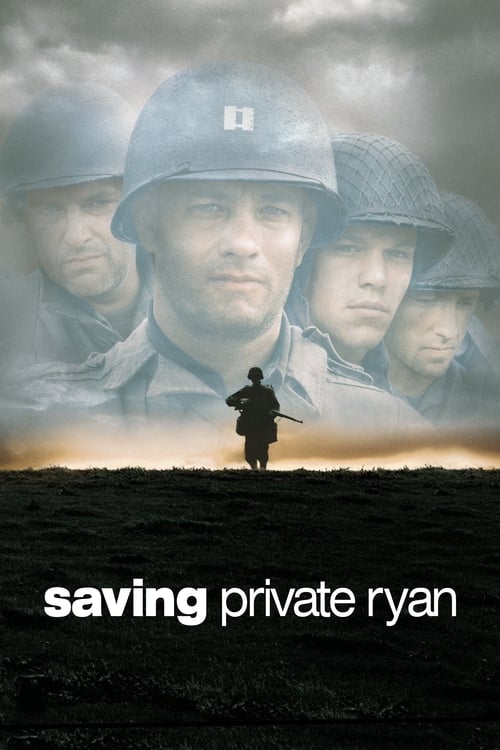
Frequently Asked Questions
Everything you need to know about The Thin Red Line
- The title "The Thin Red Line" is a reference to a line from James Jones' novel, which implies the fine line between sanity and madness, civilization and savagery, and life and death on the battlefield. It symbolizes the precarious existence of soldiers in combat, constantly teetering on the edge of these extremes.
- The film extensively uses the lush, vibrant natural environment of Guadalcanal as a stark contrast to the brutality of war. Nature is depicted as both beautiful and indifferent to human suffering, often overshadowing the human conflict and emphasizing the transient nature of human existence against the eternal backdrop of the natural world.
- C Company serves as the primary focus of the film, representing a cross-section of American soldiers drawn into the conflict. Through their individual and collective experiences, the film explores the psychological toll of war, the bonds formed under duress, and the varied ways men confront fear, death, and their own humanity.
- Rather than presenting traditional heroic archetypes, "The Thin Red Line" offers a more nuanced and often melancholic view of heroism. It suggests that heroism can be found in quiet acts of compassion, endurance, and the mere will to survive, rather than solely in acts of aggressive valor.
- The non-linear structure, characterized by fragmented narratives, voiceovers, and shifting perspectives, mirrors the disorienting and chaotic experience of war. It allows Malick to delve into the internal states of his characters and present a more impressionistic, rather than strictly chronological, account of the battle, highlighting the emotional and psychological impact of the conflict.

