Top Harry Dean Stanton Movies Ranked
The Soulful Legacy of a Cult Cinema Icon
Discover the essential films of Harry Dean Stanton, from indie masterpieces like Paris, Texas to sci-fi classics and unforgettable character roles.
About Harry Dean Stanton

Harry Dean Stanton did not just inhabit a frame; he haunted it. With a face that looked like a crumpled road map of the American West and eyes that seemed to have watched the sun rise and set on a thousand lost causes, he turned the art of the character actor into a spiritual discipline. He belonged to a rare breed of performer who understood that presence often had nothing to do with dialogue. He was the king of the quiet moment, the man who could say more with a weary drag on a cigarette than most leading men could with a three page monologue.
His career began in the shadows of the studio system, playing uncredited bits in classics like Alfred Hitchcock’s The Wrong Man, but he quickly became a staple of tough, gritty cinema. In the sixties, he brought a soulful melancholy to Cool Hand Luke, and by the seventies, he was seamlessly weaving himself into the fabric of masterpieces like The Godfather Part II. He was an essential ingredient in the era of New Hollywood, a reliable anchor for directors who needed someone who looked like they had actually lived a life. This culminated in his unforgettable turn as Brett in Alien, where his blue collar pragmatism provided a grounded, human counterpoint to the cosmic horror unfolding around him.
The eighties saw him evolve into a cult icon, thanks in large part to his ability to bridge the gap between mainstream blockbusters and avant garde experiments. He was the beating heart of Repo Man, capturing a specific kind of cynical, neon soaked wisdom, and he broke mainstream hearts as the tender, misunderstood father in Pretty in Pink. In John Carpenter’s Christine, he played the detective with a sharp, suspicious edge, while Red Dawn allowed him to channel a raw, paternal desperation. He became a favorite of David Lynch, crafting surreal and deeply moving performances in projects like Wild at Heart, Twin Peaks: Fire Walk with Me, and the gentle, pastoral The Straight Story. Lynch famously remarked that everything Harry Dean did was perfect because he simply was who he was.
What made audiences connect so deeply with him was his lack of vanity. Whether he was playing a convict in The Green Mile or leaning into his comedic timing in Anger Management and You, Me and Dupree, he never felt like he was performing for applause. He was authentic to a fault. Even in later roles like Alpha Dog, he maintained that signature aura of a man who had seen it all and held no grudges against the world for its cruelty. He was the philosopher king of the supporting cast, a man who proved that you do not need to be the center of the poster to be the soul of the story. When he passed away, it felt as though a specific kind of American honesty had vanished from the screen, leaving behind a legacy of work that feels as weathered and enduring as the man himself.
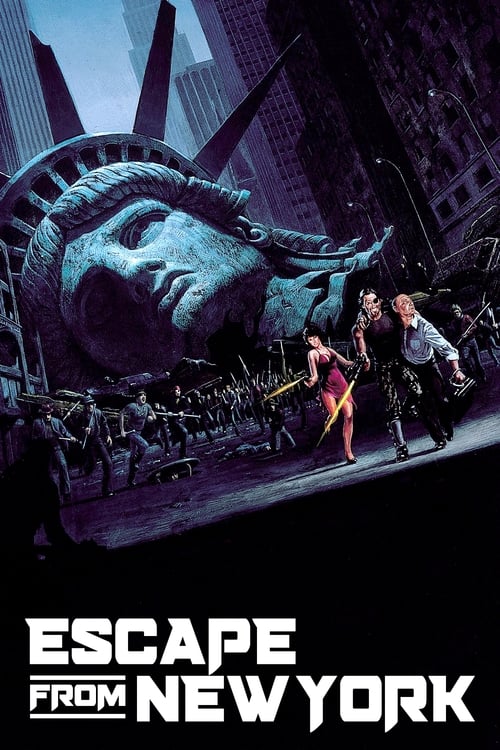
In a world ravaged by crime, the entire island of Manhattan has been converted into a walled prison where brutal prisoners roam free. After the US president crash-lands inside, war hero Snake Plissken has 24 hours to bring him back.
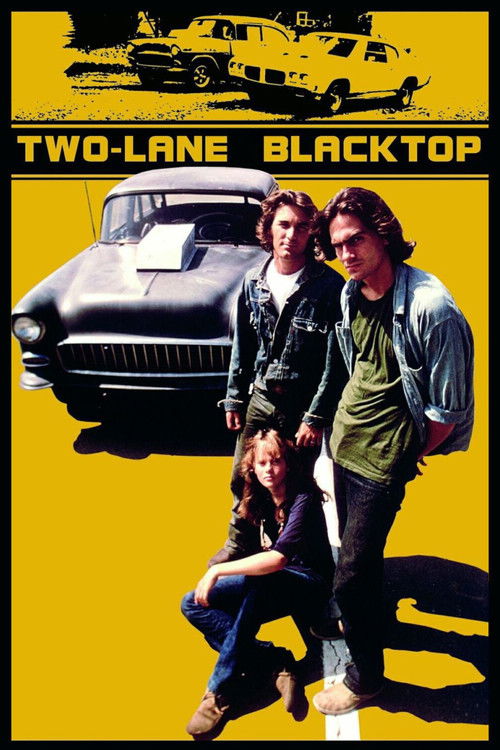
Two-Lane Blacktop
1971A driver and mechanic drag racing for money cross paths with a female hitchhiker and a drifter who challenges them to a cross-country race.
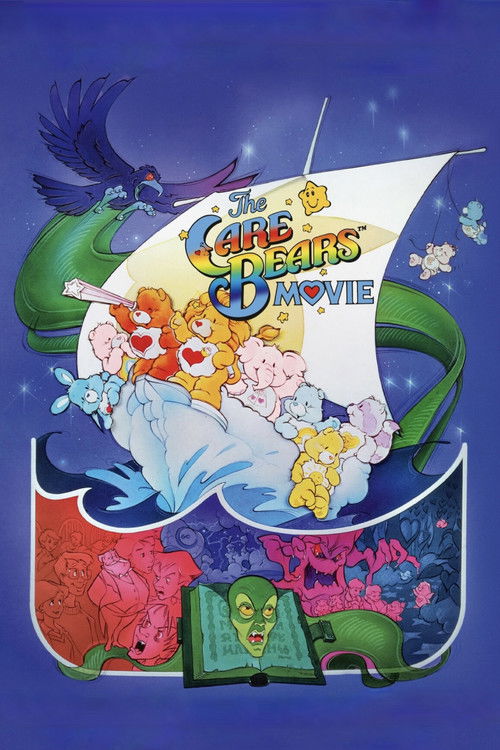
The Care Bears Movie
1985The Care Bears team up with a troubled brother and sister who just moved to a new town to help a neglected young magician's apprentice whose evil spell book causes sinister things to happen.
Jesus, a humble Judean carpenter beginning to see that he is the son of God, is drawn into revolutionary action against the Roman occupiers by Judas -- despite his protestations that love, not violence, is the path to salvation. The burden of being the savior of mankind torments Jesus throughout his life, leading him to doubt.
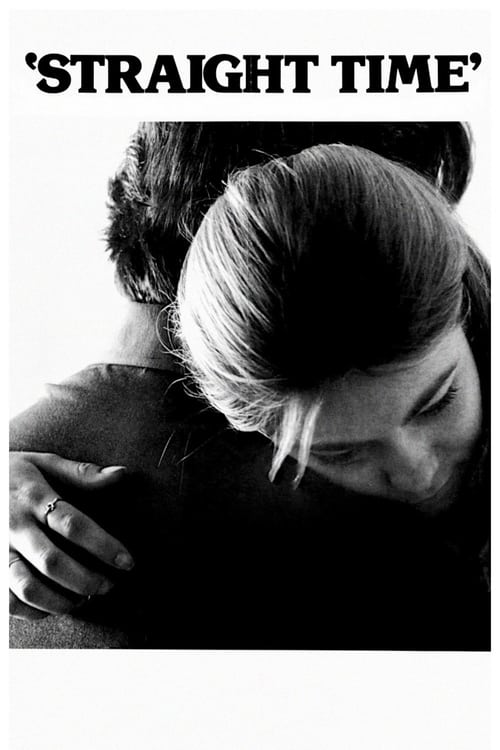
Straight Time
1978After being released on parole, a burglar attempts to go straight, get a regular job, and just go by the rules. He soon finds himself back in jail at the hands of a power-hungry parole officer.
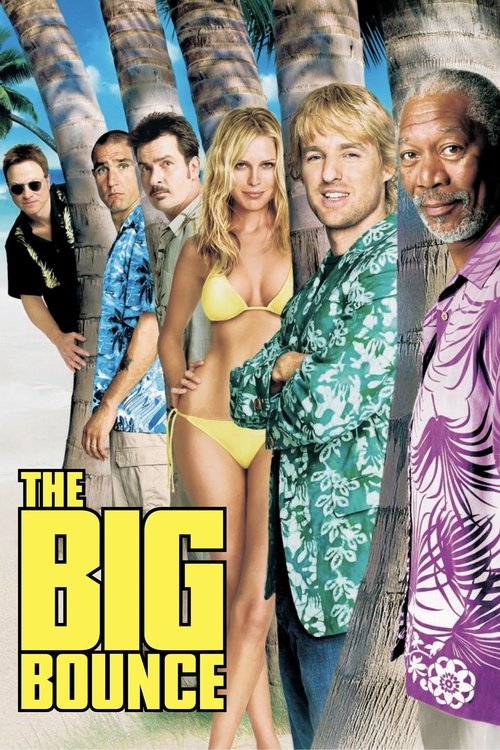
The Big Bounce
2004A small-time con artist and a Hawaiian real estate developer's mischievous, enterprising mistress team up for a potential $200,000 score.
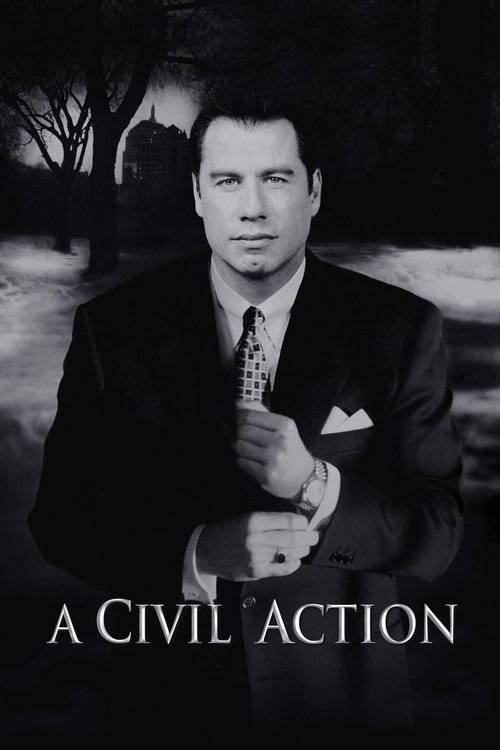
A Civil Action
1998Jan Schlickmann is a cynical lawyer who goes out to 'get rid of' a case, only to find out it is potentially worth millions. The case becomes his obsession, to the extent that he is willing to give up everything—including his career and his clients' goals—in order to continue the case against all odds.
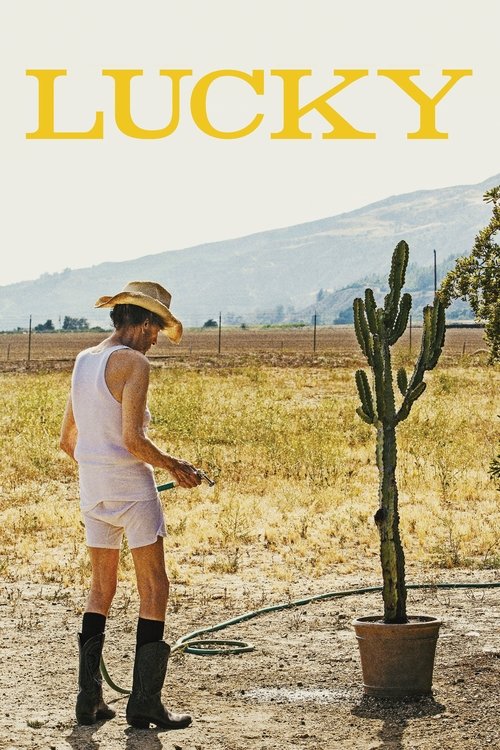
Lucky
2017Follows the journey of a 90-year-old atheist and the quirky characters that inhabit his off-the-map desert town. He finds himself at the precipice of life, thrust into a journey of self-exploration.
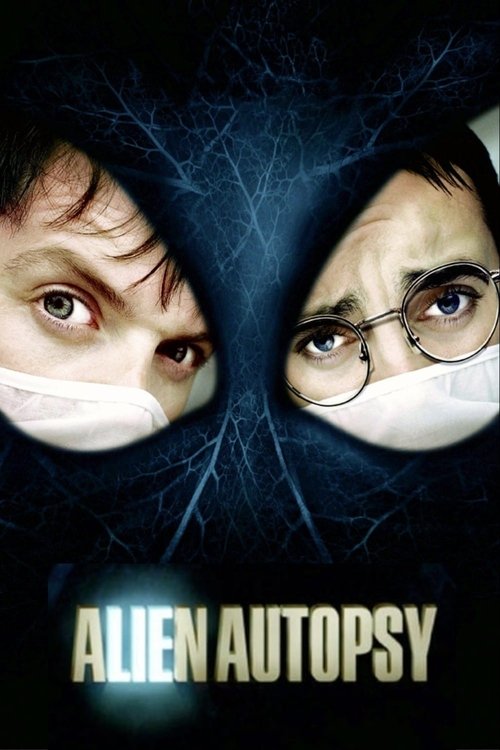
Alien Autopsy
2006Humouristic reconstruction of the 1995 scandal when two British lads were accused of having faked a documentary from the Roswell incident in 1947.
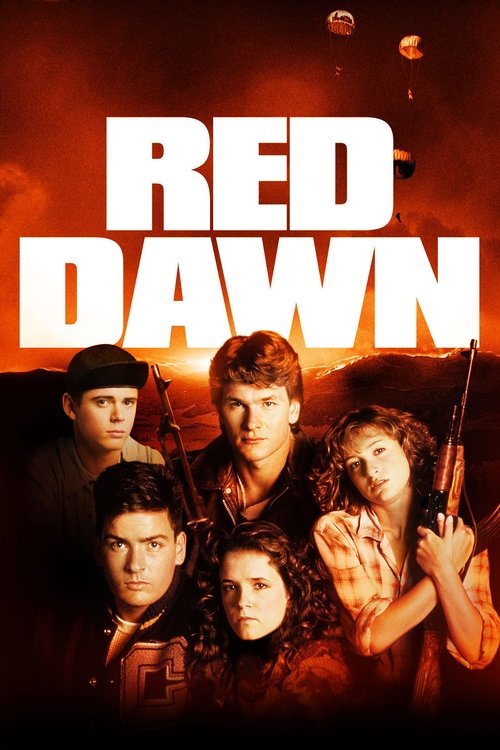
Red Dawn
1984It is the dawn of World War III. In mid-western America, a group of teenagers band together to defend their town—and their country—from invading Soviet forces.
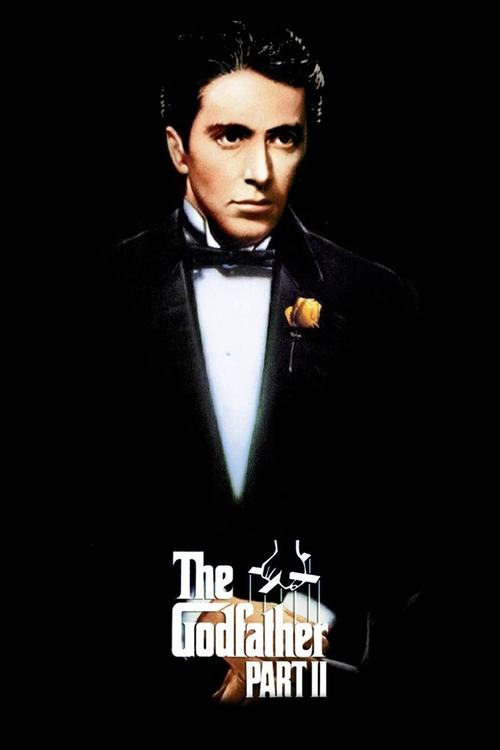
In the continuing saga of the Corleone crime family, a young Vito Corleone grows up in Sicily and in 1910s New York. In the 1950s, Michael Corleone attempts to expand the family business into Las Vegas, Hollywood and Cuba.
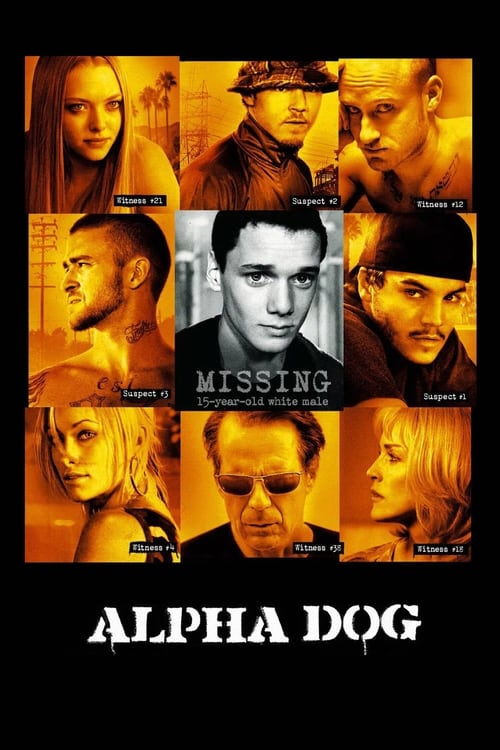
Alpha Dog
2006Johnny Truelove likes to see himself as tough. He's the son of an underworld figure and a drug dealer. Johnny also likes to get tough when things don't go his way. When Jake Mazursky fails to pay up for Johnny, things get worse for the Mazursky family, as Johnny and his 'gang' kidnap Jake's 15 year old brother and hold him hostage.
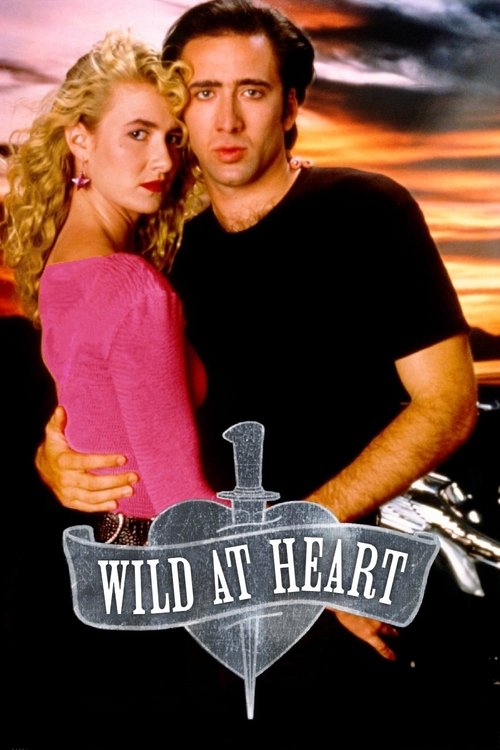
Wild at Heart
1990Young lovers Sailor and Lula hit the road to start a new life together away from the wrath of Lula’s deranged, disapproving mother, who has hired a team of hitmen to cut the lovers’ surreal honeymoon short.
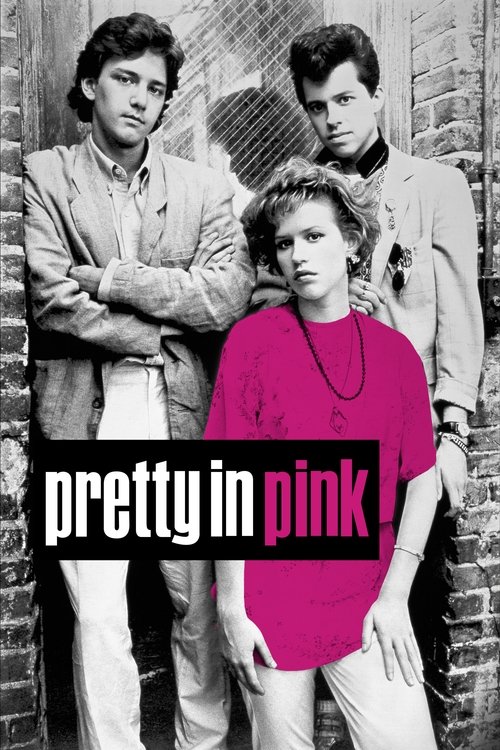
Pretty in Pink
1986Andie is an outcast, hanging out either with her older boss, who owns the record store where she works, or her quirky high school classmate Duckie, who has a crush on her. When one of the rich and popular kids at school, Blane, asks Andie out, it seems too good to be true. As Andie starts falling for Blane, she begins to realize that dating someone from a different social sphere is not easy.
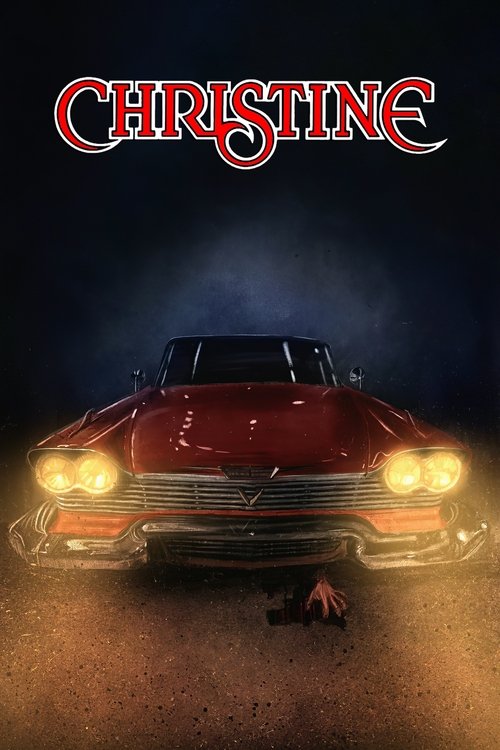
Christine
1983Nerdy high schooler Arnie Cunningham falls for Christine, a rusty 1958 Plymouth Fury, and becomes obsessed with restoring the classic automobile to her former glory. As the car changes, so does Arnie, whose newfound confidence turns to arrogance behind the wheel of his exotic beauty. Arnie's girlfriend Leigh and best friend Dennis reach out to him, only to be met by a Fury like no other.
Playing a cynical detective, Stanton brings a much-needed skepticism to John Carpenter’s supernatural thriller. He maneuvers through the genre tropes with a world-weary charisma that adds a layer of hard-boiled reality to the high-concept premise.
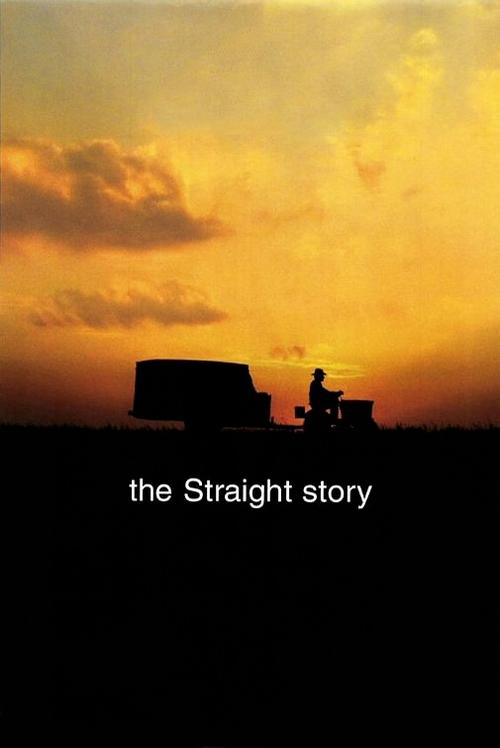
The Straight Story
1999Retired farmer and widower Alvin Straight learns one day that his distant brother Lyle has suffered a stroke and may not recover. Alvin is determined to make things right with Lyle while he still can, but his brother lives in Wisconsin, while Alvin is stuck in Iowa with no car and no driver's license. He then has the idea of making the trip on his old lawnmower, thus beginning a picturesque and at times deeply spiritual odyssey.
In just a few minutes of screen time, Stanton conveys a lifetime of regret and silent reconciliation through a single, tearful gaze. This collaboration with Lynch highlights his power as a minimalist performer capable of carrying an entire film’s emotional resolution on his shoulders.
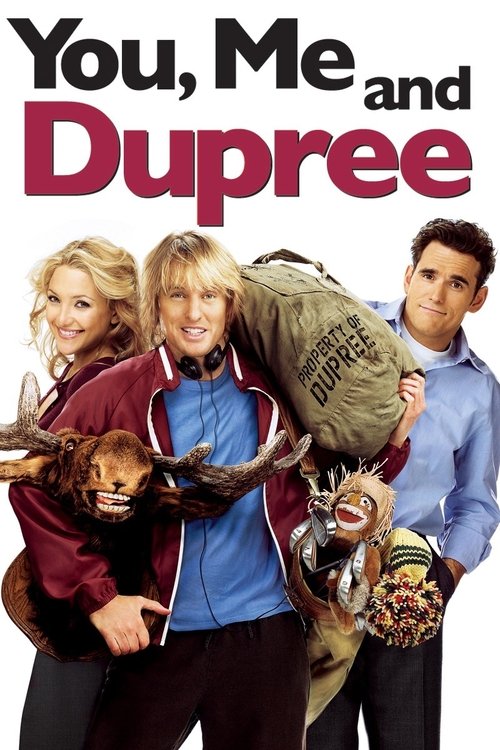
You, Me and Dupree
2006After standing in as best man for his longtime friend Carl Petersen, Randy Dupree loses his job, becomes a barfly and attaches himself to the newlywed couple almost permanently -- as their houseguest. But the longer Dupree camps out on their couch, the closer he gets to Carl's bride, Molly, leaving the frustrated groom wondering when his pal will be moving out.
Functioning as a quiet elder statesman of the screen, Stanton brings a surprising depth to this broad comedy with minimal dialogue. His ability to radiate history and weariness makes him a compelling contrast to the film's louder, more kinetic leads.
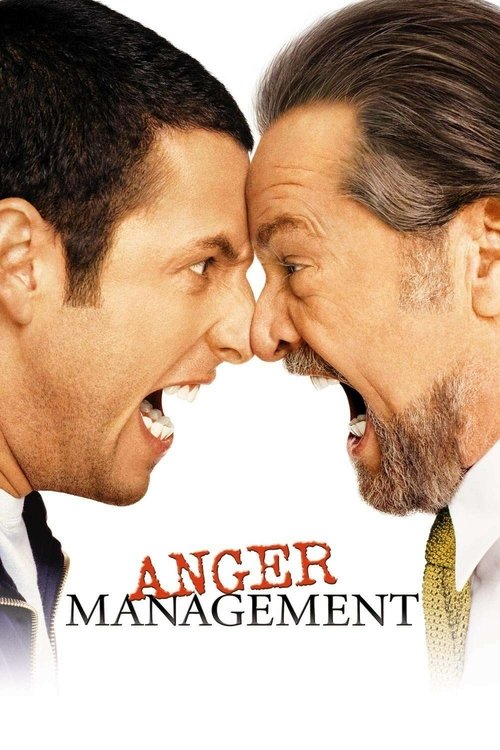
Anger Management
2003After a small misunderstanding aboard an airplane escalates out of control, timid businessman Dave Buznik is ordered by the court to undergo anger management therapy at the hands of specialist Dr. Buddy Rydell. But when Buddy steps up his aggressive treatment by moving in, Dave goes from mild to wild as the unorthodox treatment wreaks havoc with his life.
Stanton’s late-career turn as a blind man allows him to lean into his natural eccentricity and provide a dry, observational wit. This comedic pivot demonstrates his versatility in subverting his usual gritty persona for a more playful, absurdist tone.
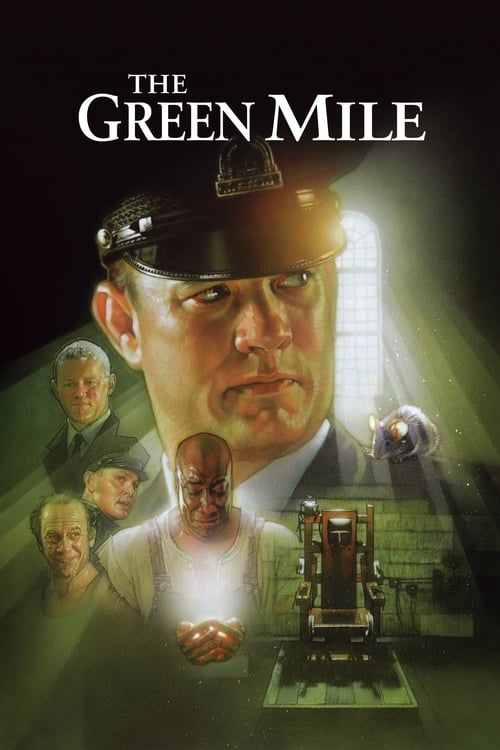
The Green Mile
1999A supernatural tale set on death row in a Southern prison, where gentle giant John Coffey possesses the mysterious power to heal people's ailments. When the cell block's head guard, Paul Edgecomb, recognizes Coffey's miraculous gift, he tries desperately to help stave off the condemned man's execution.
As the eccentric Toot-Toot, Stanton provides a sharp jolt of black comedy to the film’s somber death row proceedings. He utilizes his hollowed-out features to evoke a tragicomic spirit, proving his mastery over even the briefest character vignettes.
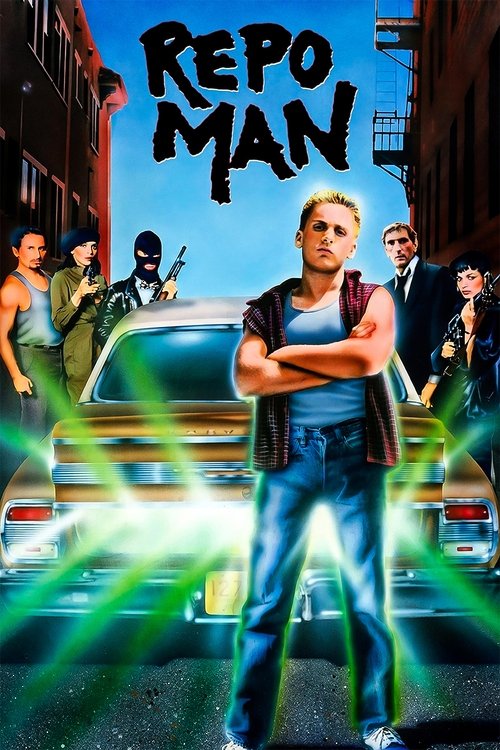
Repo Man
1984A down and out young punk gets a job working with a seasoned repo man, but what awaits him in his new career is a series of outlandish adventures revolving around aliens, the CIA, and a most wanted '64 Chevy.
Stanton is a caustic revelation as Bud, radiating a weathered punk-rock philosophy that defines the film’s cult aesthetic. He dictates the frantic energy of the narrative with a jagged, high-strung intensity that few other character actors could sustain.
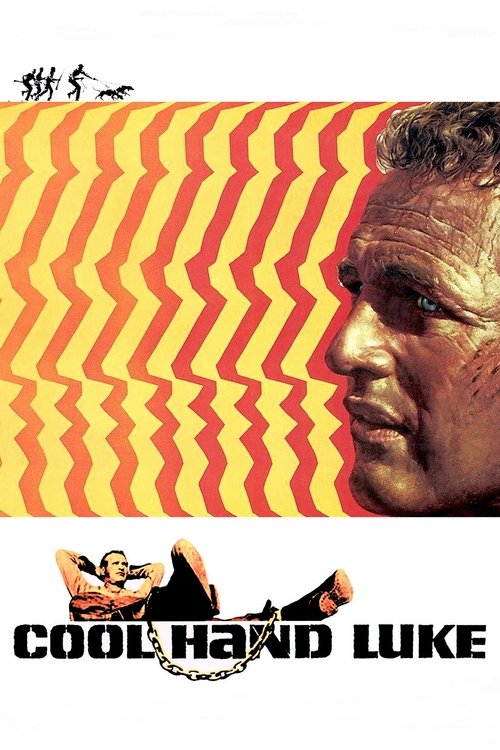
Cool Hand Luke
1967When petty criminal Luke Jackson is sentenced to two years in a Florida prison farm, he doesn't play by the rules of either the sadistic warden or the yard's resident heavy, Dragline, who ends up admiring the new guy's unbreakable will. Luke's bravado, even in the face of repeated stints in the prison's dreaded solitary confinement cell, "the box," make him a rebel hero to his fellow convicts and a thorn in the side of the prison officers.
Stanton’s Tramp is the melancholic heartbeat of the chaingang, using his musicality to color the film’s underlying sense of despair. His haunted expressions contribute significantly to the grit of this classic, solidifying his status as a premiere ensemble player.
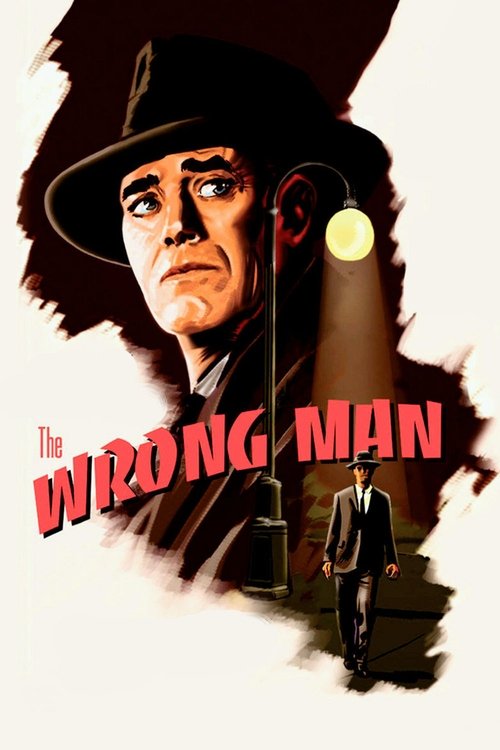
The Wrong Man
1956In 1953, an innocent man named Christopher Emmanuel "Manny" Balestrero is arrested after being mistaken for an armed robber.
Appearing as an uncredited department store clerk, this early role captures Stanton’s innate ability to vanish into the periphery of a Hitchcockian nightmare. It marks the genesis of his career-long habit of commanding the frame through sheer, unassuming authenticity.
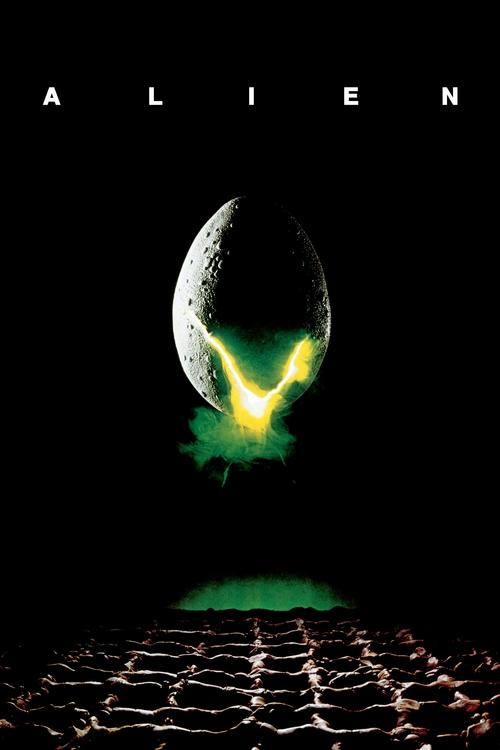
Alien
1979During its return to the earth, commercial spaceship Nostromo intercepts a distress signal from a distant planet. When a three-member team of the crew discovers a chamber containing thousands of eggs on the planet, a creature inside one of the eggs attacks an explorer. The entire crew is unaware of the impending nightmare set to descend upon them when the alien parasite planted inside its unfortunate host is birthed.
In Brett, Stanton crafts a masterclass in blue-collar friction, transforming a standard space-age engineer into a sweating, cynical portrait of working-class exploitation. His lethargic rhythm serves as the perfect atmospheric counterpoint to the tightening screws of the film’s industrial horror.

Twin Peaks: Fire Walk with Me
1992In the questionable town of Deer Meadow, Washington, FBI Agent Desmond inexplicably disappears while hunting for the man who murdered a teen girl. The killer is never apprehended, and, after experiencing dark visions and supernatural encounters, Agent Dale Cooper chillingly predicts that the culprit will claim another life. Meanwhile, in the more cozy town of Twin Peaks, hedonistic beauty Laura Palmer hangs with lowlifes and seems destined for a grisly fate.
Stanton embodies a weary, cosmic resignation as Carl Rodd, serving as the soulful anchor for David Lynch’s surreal descent into suburban trauma. His presence provides a crucial groundedness that bridges the gap between the mundane and the supernatural.
Frequently Asked Questions
Everything you need to know about this list and SnakeDrafts
- This ranking is influenced by picks made in SnakeDrafts drafts. When users draft the Best Harry Dean Stanton Movies, their selections contribute to our overall rankings. The most-picked items rise to the top over time.
- Absolutely! Download SnakeDrafts, create a group, and start a "Harry Dean Stanton" draft. You and other drafters take turns picking, then AI judges (and humans) vote on who had the best overall picks.
- SnakeDrafts is a mobile app where you draft movies, music, food, or any topic with friends. Think fantasy sports, but for everything else. You pick, you compete, you brag about your taste.
- In a snake draft, the pick order reverses each round. So if you pick last in round 1, you pick first in round 2. It keeps things fair and adds strategy to every selection.
- A combination of AI judges and human friends. You can invite friends to vote on whose picks were best, and our AI provides an objective perspective. The combined scores determine the winner.
- Yes! SnakeDrafts is free to download and play. Create groups, invite friends, and run as many drafts as you want without paying a cent.
- Our rankings reflect what the SnakeDrafts community actually picks when drafting Best Harry Dean Stanton Movies. Everyone has different taste—that's what makes drafting fun. Start your own draft and make your case!
- For sure. In the app, you can create a custom draft on any topic you want. Best pizza toppings? Ranking your friend group's exes? Pick any topic, SnakeDrafts works for anything.