Liv Ullmann's Best Movies
The Muse of Cinema and Master of the Soul
Explore the most legendary performances of Liv Ullmann, from her iconic collaborations with Ingmar Bergman to her acclaimed international dramas.
About Liv Ullmann
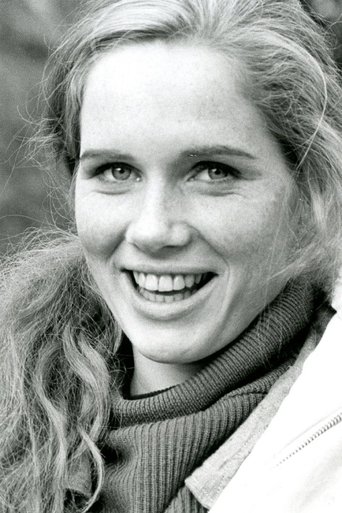
In the history of cinema, few faces have been scrutinized with as much intensity as Liv Ullmann's. To watch her on screen is to witness a soul being slowly unspooled, a process most famously captured through her long, symbiotic partnership with Ingmar Bergman. While many actors project a persona, she offers a profound transparency. Her features became a landscape where silence spoke louder than dialogue, and where the slightest flicker of an eyelid could signal a psychological collapse. She did not just act out scripts; she navigated the deepest, darkest trenches of human intimacy and isolation.
The world first stood still for her in Persona, a film where she played an actress who suddenly falls mute. In that vacuum of speech, she commanded the screen with a haunting, wordless presence that redefined what screen acting could achieve. It was the beginning of a run of masterpieces that felt less like movies and more like spiritual excavations. In Cries and Whispers, she embodied the agonizing friction of family resentment, while in the jagged, surrealist landscapes of Hour of the Wolf and Shame, she grounded high-concept existential dread in a terrifyingly recognizable reality.
What makes her so magnetic to audiences is her refusal to look away from the uncomfortable. In the epic duology of The Emigrants and The New Land, she shed the modernist skin of her European art-house roles to portray the grueling physical and emotional toll of the pioneer experience. She turned what could have been a standard historical drama into a visceral study of survival and hope. Whether navigating the crumbling domesticity of Scenes from a Marriage or the suffocating maternal tensions of Autumn Sonata, she possessed a unique ability to make the viewer feel like an intruder in a private moment. She never asked for the audience's sympathy; she demanded their empathy through sheer, unvarnished truth.
Even as she ventured into international English-language productions like the wartime epic A Bridge Too Far or the moody suspense of The Night Visitor, that signature gravity remained intact. She brought a specific, cerebral weight to every frame, ensuring that the characters felt lived-in rather than performed. Her late-career work, including the devastating Saraband and the complex historical layers of Two Lives, proved that her instrument had only grown more refined with age. She transitioned into directing with the same intellectual rigor she brought to her acting, yet it is that face, capable of conveying a lifetime of grief or a sudden spark of joy in a single close-up, that remains her greatest legacy. She didn't just play characters; she mapped the human condition, leaving behind a body of work that serves as a masterclass in the art of being seen.
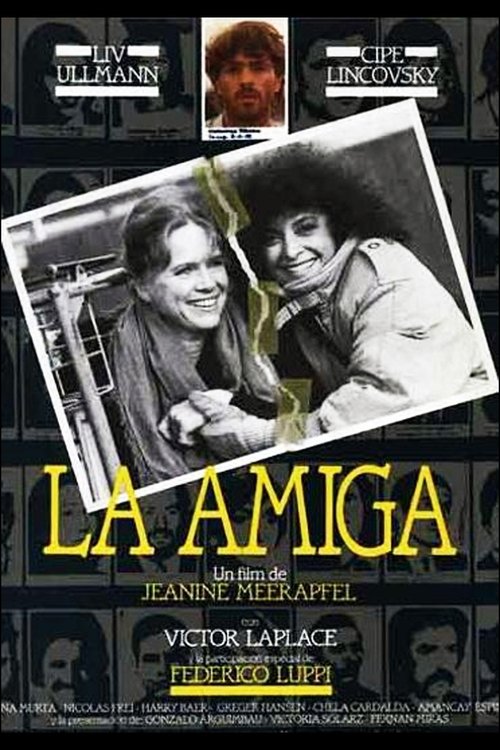
The Girlfriend
1989Since childhood, Raquel and Maria have been close friends. Now all grown-up, Raquel has fulfilled her dream of becoming an actress, while Maria has married a handyman, given birth to three children and runs the family household. In the wake of the Argentine military coup of 1976, Maria's oldest son Carlos is abducted. Desperate, Maria turns to her prominent friend for help. Yet the more Raquel gets involved in the search for Carlos, the more she becomes herself a target of the junta. Finally, she flees from Argentina to Berlin. Meanwhile Maria joins a group of women who investigate the fate of their disappeared relatives. In 1983, after the fall of the dictatorship, the two friends meet again.
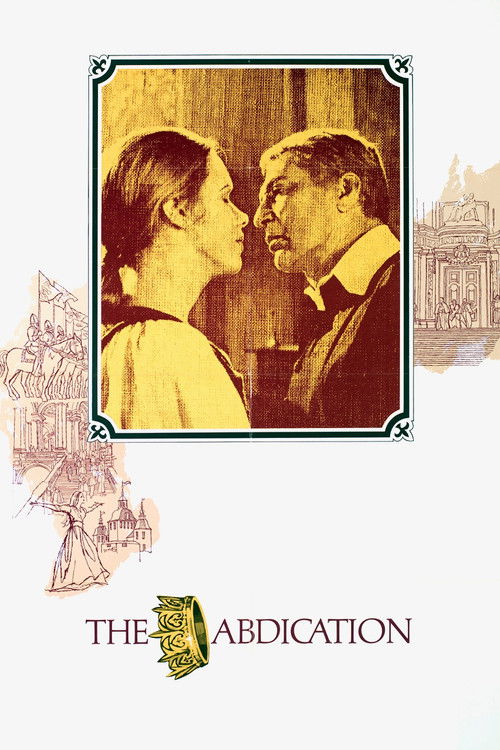
The Abdication
1974Queen Christina of Sweden abdicates and travels to Rome to embrace the Catholic church.
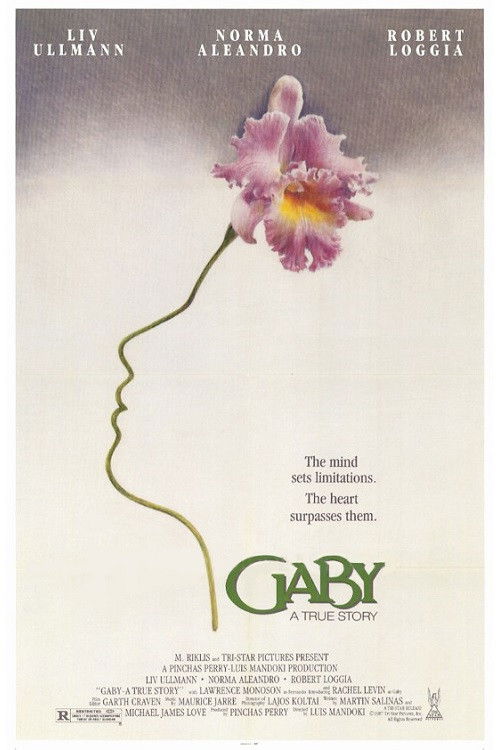
Gaby: A True Story
1987The life of Gaby Brimmer, a girl physically handicapped, who finally gets her goals of study and triumph.
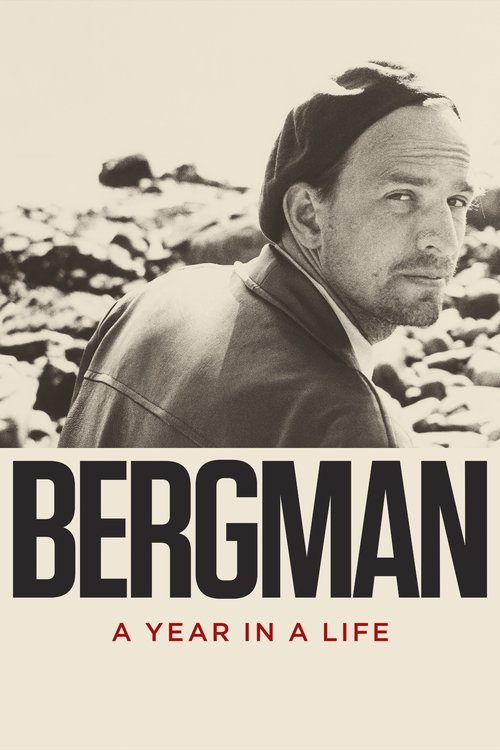
Bergman: A Year in a Life
2018The year 1957 was one of the most prolific for the Swedish filmmaker Ingmar Bergman: he shot two films, released two of his most celebrated films and produced four plays and a TV movie while juggling with a complicated private life.

40 Carats
1973After an overnight fling with a man nearly 20 years her junior while vacationing in Greece, Ann Stanley returns to New York assuming she'll never see Peter Latham again. Until, that is, he shows up on her doorstep to take her daughter to a party. Despite her yearning for Peter and the encouragement of her friends and family, Ann initially rebuffs him when he pursues her, but slowly she yields to his charm and her own stifled emotions.
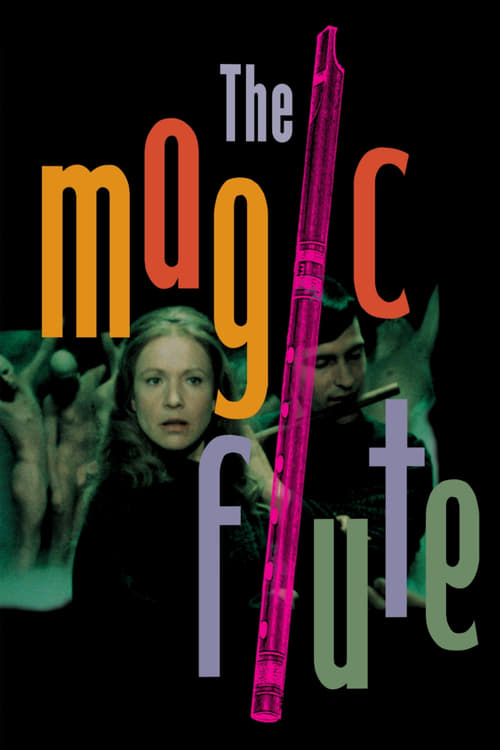
The Magic Flute
1975The Queen of the Night enlists a handsome prince named Tamino to rescue her beautiful kidnapped daughter, Princess Pamina, in this screen adaptation of the beloved Mozart opera. Aided by the lovelorn bird hunter Papageno and a magical flute that holds the power to change the hearts of men, young Tamino embarks on a quest for true love, leading to the evil Sarastro's temple where Pamina is held captive.

Farewell Moscow
1987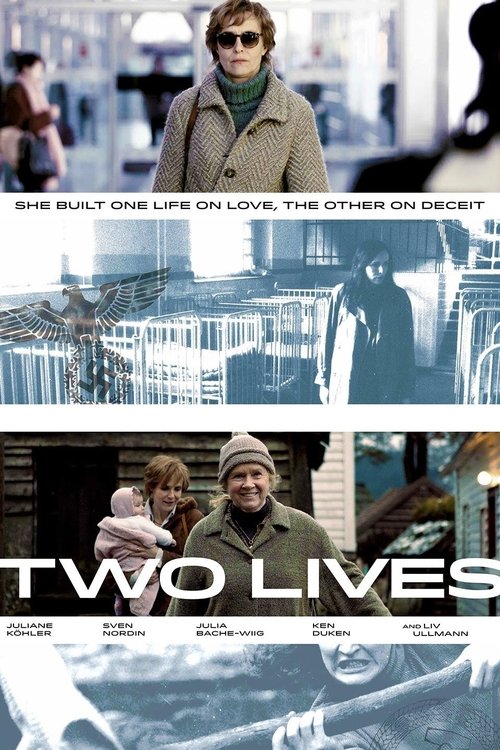
Two Lives
2012Europe 1990, the Berlin wall has just crumbled: Katrine, raised in East Germany, but now living in Norway for the last 20 years, is a “war child”; the result of a love relationship between a Norwegian woman and a German occupation soldier during World War II. She enjoys a happy family life with her mother, her husband, daughter and granddaughter. But when a lawyer asks her and her mother to witness in a trial against the Norwegian state on behalf of the war children, she resists. Gradually, a web of concealments and secrets is unveiled, until Katrine is finally stripped of everything, and her loved ones are forced to take a stand: What carries more weight, the life they have lived together, or the lie it is based on?
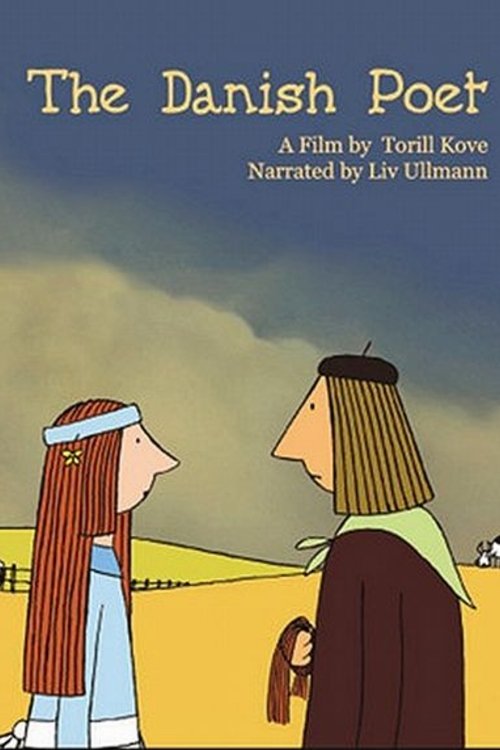
The Danish Poet
2006A woman ponders over the strange coincidences that made her forefathers and -mothers meet and create the premises for her becoming the person that she is.
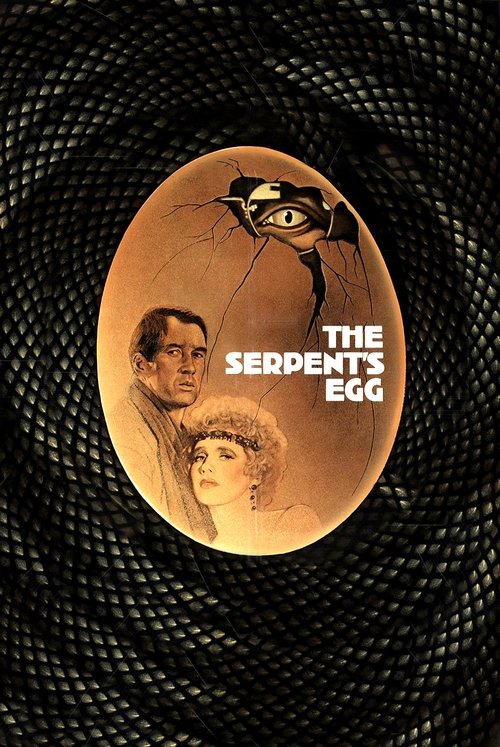
The Serpent's Egg
1977In 1923 Berlin, following the suicide of his brother, an American acrobat struggles to survive while facing unemployment, depression, alcoholism, and the social decay of Germany during the Weimar Republic.
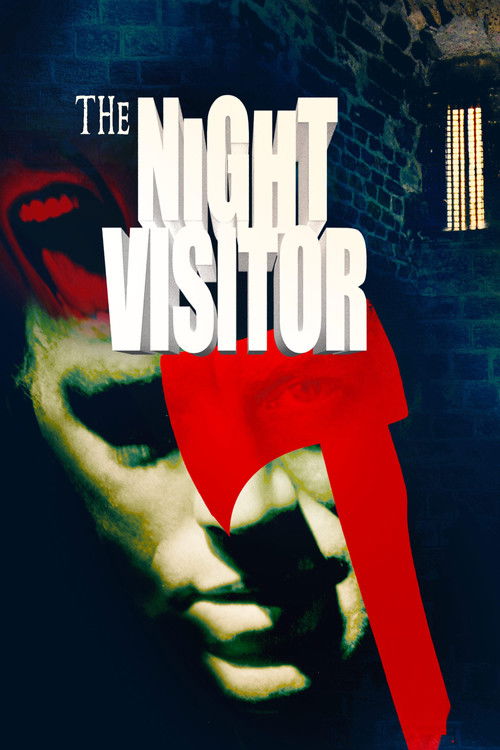
The Night Visitor
1971An insane Swedish farmer escapes from an asylum to get revenge on his sister, her husband and others.
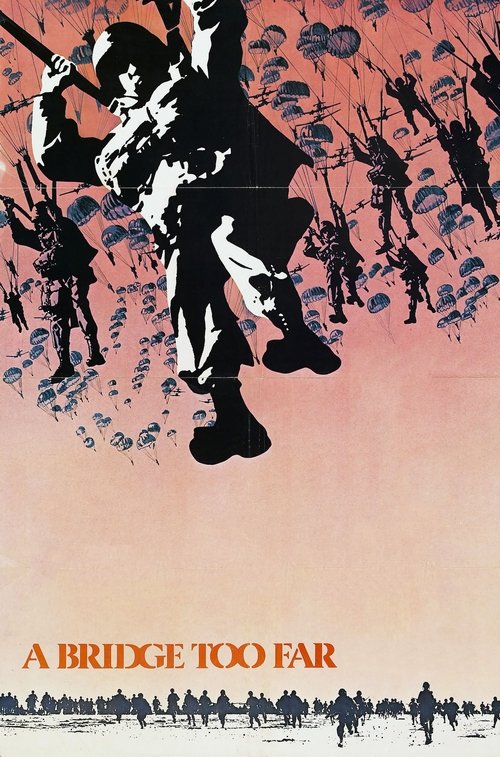
A Bridge Too Far
1977The story of Operation Market Garden—a failed attempt by the allies in the latter stages of WWII to end the war quickly by securing three bridges in Holland allowing access over the Rhine into Germany. A combination of poor allied intelligence and the presence of two crack German panzer divisions meant that the final part of this operation (the bridge in Arnhem over the Rhine) was doomed to failure.
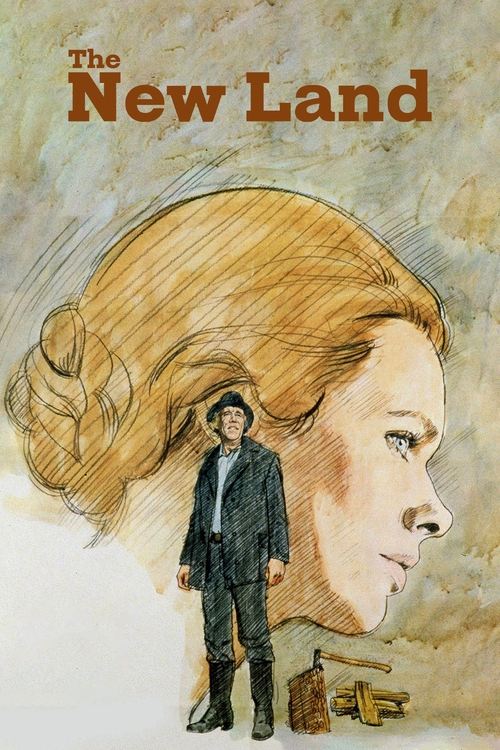
The New Land
1972A Swedish immigrant family struggles to adapt to their new life on the American frontier during the second half of the 19th century amidst civil war, native uprising and the lure of gold in California.
In this expansive sequel, Ullmann continues her visceral exploration of frontier life with a performance defined by resilience and maternal fervor. She provides the emotional connective tissue for the saga, ensuring the historical weight never overshadows the intimate human cost.
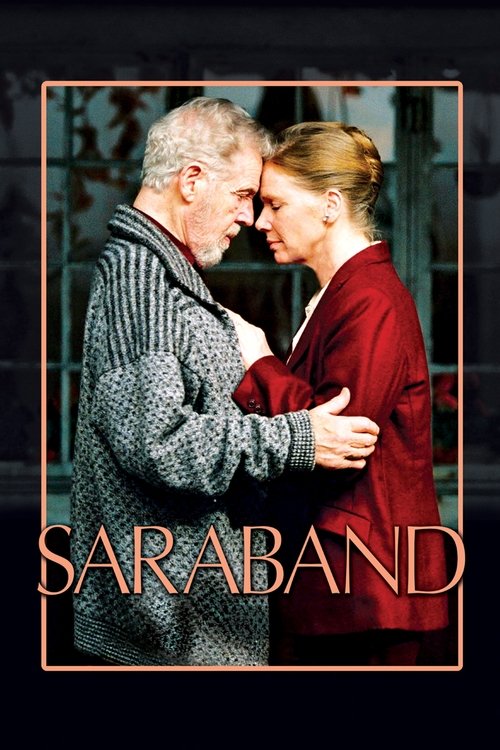
Saraband
2003Reuniting the characters of Johan and Marianne three decades after "Scenes from a Marriage," "Saraband" follows Marianne’s visit to her reclusive ex-husband, where she finds him locked in a destructive conflict with his troubled son Henrik and Henrik’s musically gifted daughter Karin. Told as an intimate chamber drama, the film explores love, resentment, forgiveness, and the inescapable pull of family bonds.
Returning to her most iconic role decades later, Ullmann displays a weathered wisdom and a sharp, intellectual edge. This swan song performance demonstrates her evolved craft, finding new layers of grace and exhaustion in a familiar character.
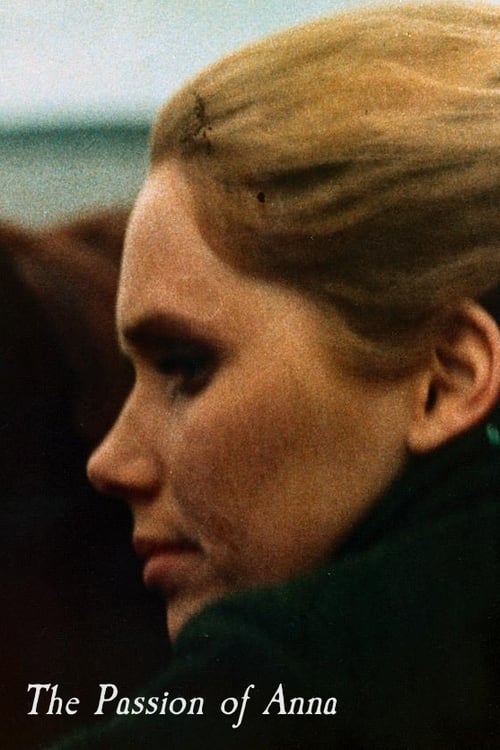
The Passion of Anna
1969A recently divorced man and an emotionally devastated widow begin a love affair.
Ullmann masterfully handles some of the most complex monologues of her career, blurring the lines between deceit and psychological necessity. This role solidified her status as the ultimate vessel for Bergman’s explorations of the unreliable human psyche.
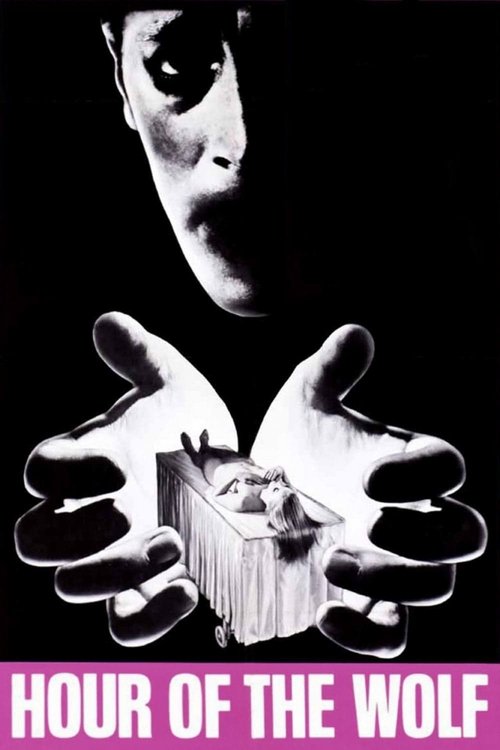
Hour of the Wolf
1968While vacationing on a remote German island with his younger pregnant wife, an artist has an emotional breakdown while confronting his repressed desires.
Her performance here serves as the audience's tether to reality amidst a surrealist descent into madness and Gothic horror. Ullmann's character functions as a tragic witness, conveying a profound sense of helplessness as she watches a loved one unravel.
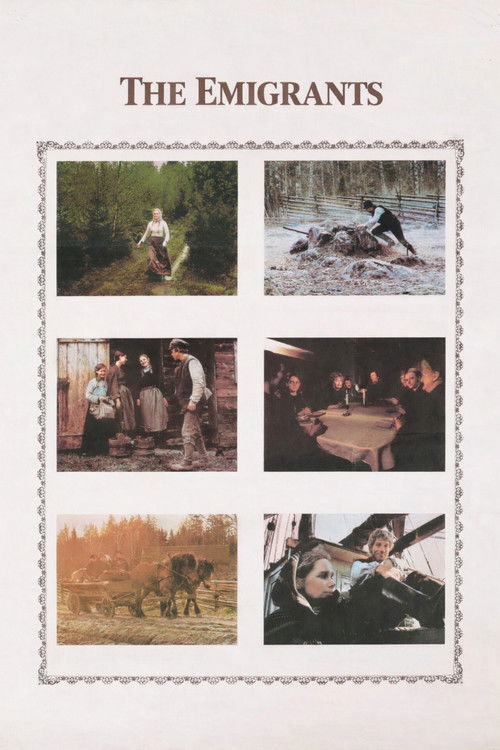
The Emigrants
1971Karl and Kristina Nilsson work on a farm in a cold and desolate area of 19th century rural Sweden. Growing privations, combined with increasing social and religious persecution, motivate the Nilssons and many of their neighbors to strike out for the United States. Following a treacherous ocean crossing and an equally grueling land passage, the emigrants find themselves in seemingly idyllic Minnesota.
Breaking away from European arthouse abstraction, Ullmann anchors this epic with a grit and earthiness that garnered her significant international acclaim. She imbues the immigrant experience with a physical exhaustion and quiet dignity that feels entirely tactile.
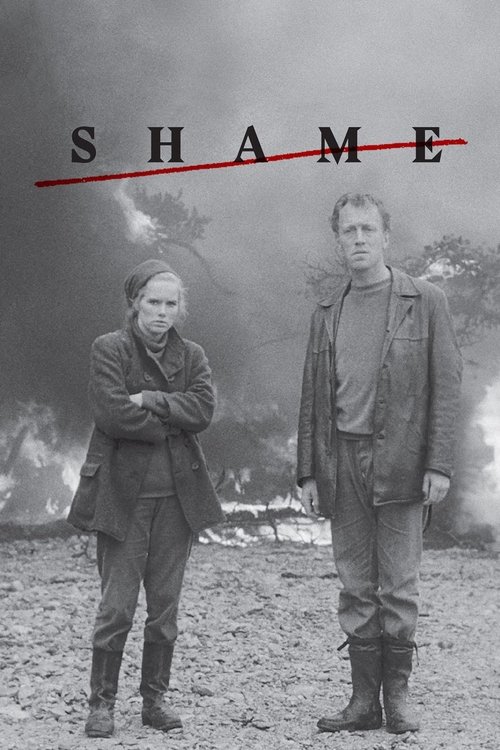
Shame
1968In the midst of a civil war, a pair of former violinists in a tempestuous marriage oversee a farm on a rural island. In spite of their best efforts to escape their homeland, the war impinges on every aspect of their lives.
Ullmann captures the gradual erosion of the human spirit with haunting precision as external warfare mirrors internal collapse. Her descent into a primal, shell-shocked state serves as the definitive cinematic portrait of survivalist desperation.
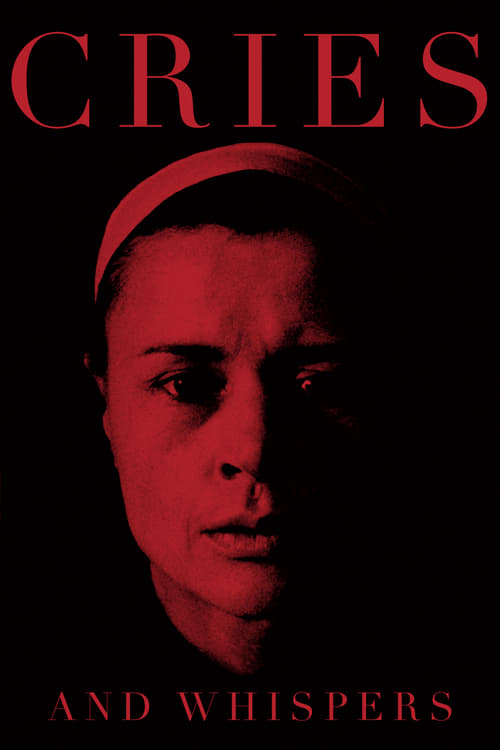
Cries and Whispers
1972As Agnes slowly dies of cancer, her sisters are so immersed in their own psychic pains that they are unable to offer her the support she needs.
Amidst a sea of crimson decor, Ullmann provides the film's chilling moral vacuum through a characteristically icy and detached portrayal of sisterly neglect. It is a vital showcase for her range, demonstrating her capacity for cruelty just as effectively as her capacity for empathy.

Autumn Sonata
1978After a seven-year absence, Charlotte Andergast travels to Sweden to reunite with her daughter Eva. The pair have a troubled relationship: Charlotte sacrificed the responsibilities of motherhood for a career as a classical pianist. Over an emotional night, the pair reopen the wounds of the past. Charlotte gets another shock when she finds out that her mentally impaired daughter, Helena, is out of the asylum and living with Eva.
Opposite Ingrid Bergman, Ullmann commands the screen through a performance of devastating restraint and bottled resentment. She expertly navigates the claustrophobia of the mother-daughter dynamic, proving herself the more formidable of the two legends in their tense, nocturnal confrontation.
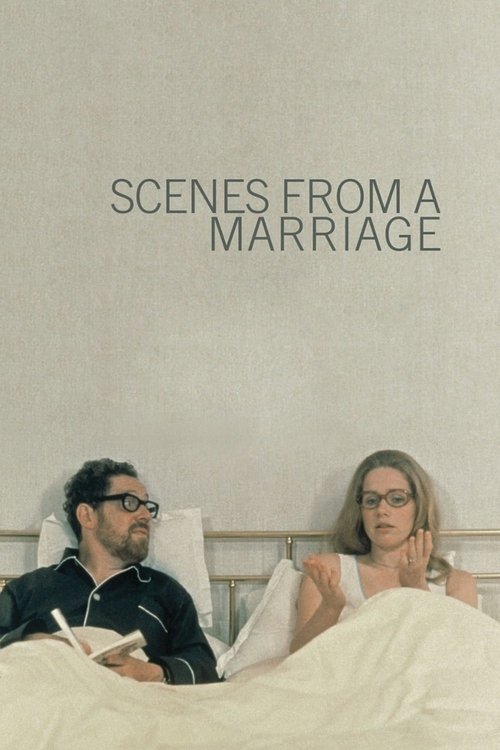
Scenes from a Marriage
1974Johan and Marianne are married and seem to have it all. Their happiness, however, is a façade for a troubled relationship, which becomes even rockier when Johan admits that he's having an affair. Before long, the spouses separate and move towards finalizing their divorce, but they make attempts at reconciling. Even as they pursue other relationships, Johan and Marianne realize that they have a significant bond, but also many issues that hinder that connection.
Charting the seismic shifts of a dissolving union, Ullmann modulates her presence from domestic complacency to raw, blood-curdling vulnerability. Her ability to map decades of emotional scar tissue onto a single expression remains an unparalleled masterclass in naturalism.
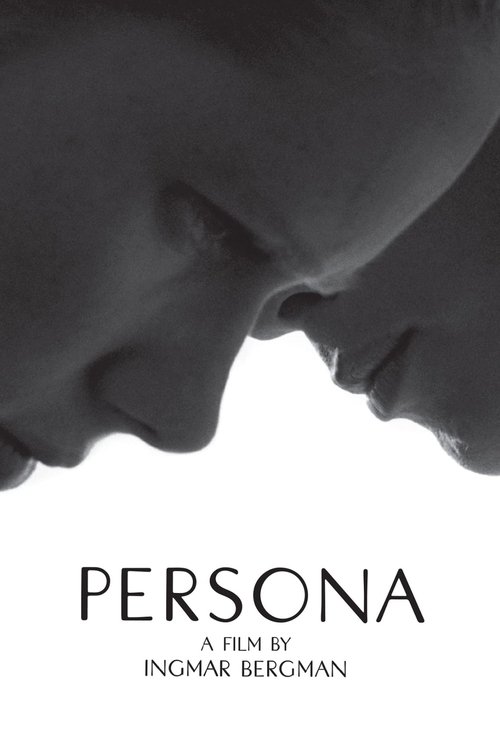
Persona
1966A young nurse, Alma, is put in charge of Elisabeth Vogler: an actress who is seemingly healthy in all respects, but will not talk. As they spend time together, Alma speaks to Elisabeth constantly, never receiving any answer.
Ullmann achieves a miraculous feat of non-verbal communication, weaponizing silence into a terrifying psychological force. This transformative role established her as the definitive face of modern existential cinema within the Bergman troupe.
Frequently Asked Questions
Everything you need to know about this list and SnakeDrafts
- Liv Ullmann's most notable collaborations with Ingmar Bergman include Persona, Scenes from a Marriage, Autumn Sonata, Cries and Whispers, and Hour of the Wolf. These films highlight her profound and introspective acting style, deeply intertwined with Bergman's exploration of human psychology.
- 'Persona' is considered one of Liv Ullmann's most defining performances, where she portrays a nurse who slowly loses her identity. The film's intense psychological depth and Ullmann's ability to convey complex emotions without words exemplify her skill in transforming on-screen silence into powerful storytelling.
- Common themes in Liv Ullmann's acclaimed movies include psychological introspection, complex relationships, identity crises, and emotional turmoil. These themes are especially prominent in her work with Ingmar Bergman, where drama and human vulnerabilities are intricately explored.
- Beyond her work with Bergman, Liv Ullmann stars in international dramas like The Emigrants and The New Land, directed by Jan Troell. These films portray historical and emotional narratives, expanding her repertoire into period dramas with strong character development.
- Liv Ullmann has explored a variety of genres including drama, romance, horror, war, thriller, and historical films. Notable examples include the war drama Shame, the horror-infused Hour of the Wolf, and the historical epic A Bridge Too Far.
- 'Scenes from a Marriage' is significant for its raw and intimate portrayal of a couple's disintegrating relationship, showcasing Liv Ullmann's nuanced performance in the emotional drama and romance genres. The film's focus on dialogue and character development highlights her capacity for deep emotional expression.
- Yes, Liv Ullmann starred in the television movie Saraband, directed by Ingmar Bergman. This film revisits themes from 'Scenes from a Marriage' and is acclaimed for its intense character study and Ullmann's compelling performance.
- 'Shame' stands out for its backdrop of war and moral ambiguity, contrasting with the more personal and psychological dramas typical of her Bergman collaborations. Ullmann delivers a poignant performance as a woman caught in the horrors of conflict, adding a layer of social commentary to her body of work.