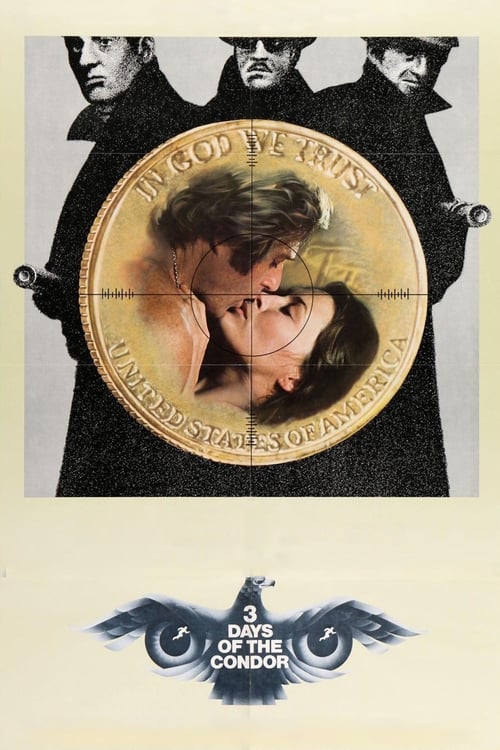
Three Days of the Condor
"Three Days of the Condor" is a gripping 1975 thriller that masterfully combines political intrigue with a suspenseful mystery, keeping audiences on edge as a lone CIA analyst fights for his survival amidst deadly conspiracies. This film, directed by Sydney Pollack and starring Robert Redford, blends sharp storytelling with a cautious examination of trust and betrayal in espionage.
Director
Release Year
1975
Runtime
117 minutes
Genres
Thriller, Mystery
Main Cast
Robert Redford, Faye Dunaway, Cliff Robertson, Max von Sydow, John Houseman
About Three Days of the Condor
"Three Days of the Condor" emerged during the 1970s, a period when political distrust was rampant in America, notably post-Watergate, making its themes resonate deeply with contemporary audiences. Its depiction of covert government operations and ethical ambiguity added to the cultural conversation about transparency and power. The film’s premise centers on Joe Turner, a bookish CIA researcher who discovers his entire office wiped out in a mysterious attack. Forced to team up with a wary woman whom he initially suspects of ill intent, Joe navigates a labyrinth of shadowy threats in a desperate quest for truth and survival.
The film's plot is carefully woven, balancing moments of intense suspense with quieter, tension-filled dialogue sequences. Sydney Pollack’s direction ensures a steady pace that maintains intrigue without overwhelming the viewer, while Robert Redford’s performance grounds the film in relatable human vulnerability amid espionage chaos. The screenplay deftly explores themes of paranoia, government secrecy, and moral compromise without resorting to overt political commentary.
Critically, "Three Days of the Condor" was well received for its smart script, compelling performances, and atmospheric tension, securing its place as a standout thriller of the decade. While not sweeping major awards, it earned significant acclaim for its screenplay and its relevance to the era's geopolitical climate. Its influence persists in the spy genre, inspiring later films that blend intellectual intrigue with action elements.
The legacy of "Three Days of the Condor" lies in its subtle critique of institutional power and its portrayal of an everyman caught in the crossfire of espionage. Its memorable moments, including its chilling depiction of surveillance and betrayal, continue to be referenced in popular culture and espionage narratives. The film remains a benchmark for political thrillers and is noted for its intelligent approach to the spy genre's moral dilemmas.
Drafts Featuring Three Days of the Condor
Every SnakeDrafts listicle where this movie appears
The Best Robert Redford Movies
Ranked #5
Faye Dunaway Movie Ranking: The Greatest Films of a Cinema Icon
Ranked #4
The Essential Sydney Pollack Films Ranked
Ranked #1
The Greatest 1975 Films
Ranked #10
The Best Movies of the 1970s Ranked
Ranked #70
Best Max von Sydow Movies Ranked
Ranked #8
The Best Thriller Movies of 1975, Ranked
Ranked #1
Top 1970s Thriller Movies Ranked
Ranked #15
Similar Movies
Movies related to Three Days of the Condor
The Parallax View
1974
The Manchurian Candidate
1962
Marathon Man
1976
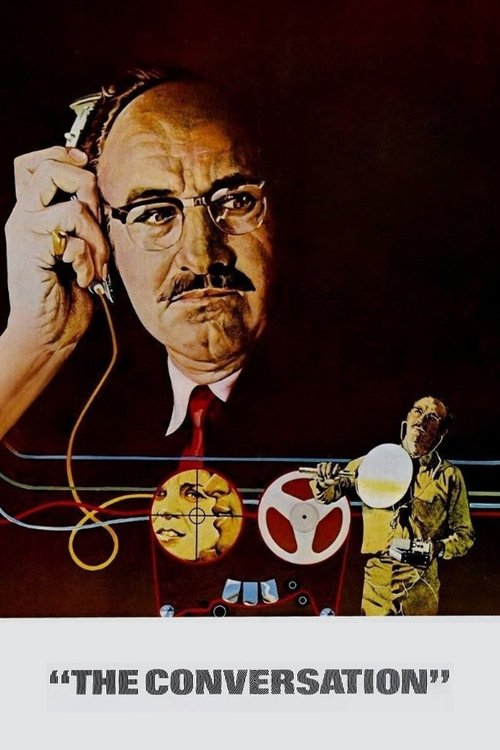
The Conversation
1974
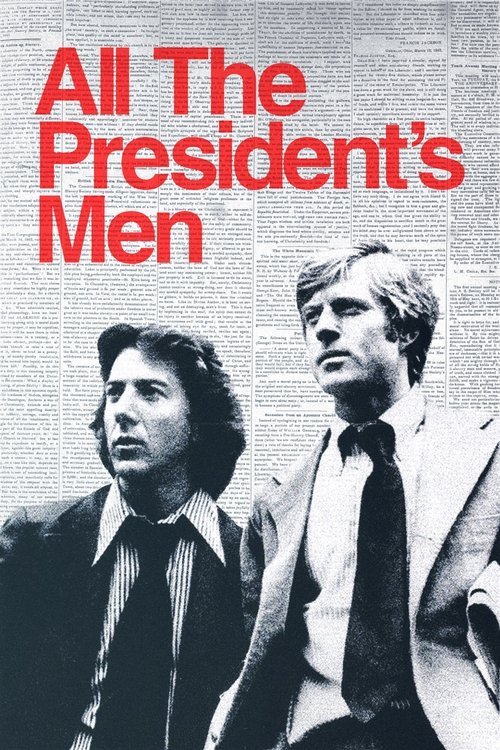
All the President's Men
1976
Frequently Asked Questions
Everything you need to know about Three Days of the Condor
- Joe Turner's primary motivation is survival after discovering his CIA office killed. As a researcher rather than a field agent, he is driven by a need to understand who betrayed him and to protect himself from further attacks.
- The film intricately explores trust through Joe's uneasy alliance with a woman he initially suspects, emphasizing the dangers of deception in espionage. Betrayal is central to the plot, highlighting the expendability of agents within shady government operations.
- Unlike typical espionage heroes, Joe Turner is an intellectual, a bookish analyst, which contrasts with the action-oriented field agents usually seen. This uniqueness underscores vulnerability and the tension of being unprepared for violent conspiracies.
- The ending is deliberately ambiguous, reflecting the murky ethics and unresolved tensions in intelligence work. It leaves viewers contemplating the consequences of secrecy and the cost of survival in a corrupt system.
- The film was influenced by the post-Watergate era's cynicism and suspicion towards government agencies. It captures the era's fear of unchecked governmental power and secretive intelligence activities, embedding those anxieties into its narrative.
- Yes, one iconic line is when Joe Turner says, "I'm just a researcher," underscoring his ordinary, non-combatant status in extraordinary circumstances, highlighting the everyman thrust into dangerous intrigue.
- She provides a vital alliance and emotional depth to the narrative, complicating Joe's isolated struggle. Their dynamic reflects themes of mistrust, necessity, and interpersonal connection within espionage.
- The film portrayed the CIA in a somewhat critical light, emphasizing internal corruption and moral ambiguity. While not overtly controversial, it contributed to broader cultural skepticism of intelligence agencies during the 1970s.
- Suspense is generated through dialogue, atmosphere, and the threat of unseen enemies rather than frequent action. The film's pacing and use of tension in quieter moments engage the audience psychologically.
- It set a precedent for intelligent, character-driven espionage films focusing on psychological tension and political context. Its influence can be seen in later thrillers that emphasize moral complexity over pure action.

