Top Ingmar Bergman Directed Movies Ranked
Masterworks of Existential Cinema and Human Emotion
Explore the definitive filmography of Ingmar Bergman, featuring essential cinematic masterpieces that redefined modern psychological drama.
About Ingmar Bergman
To step into a film by Ingmar Bergman is to submit to a psychological interrogation. While his contemporaries across Europe were busy reinventing the camera's relationship to the city or the state, the Swedish master turned his lens inward, deep into the claustrophobic corridors of the human soul. He didn't just make movies; he mapped the geography of the face. His signature move was the extreme closeup, a technique that transformed the countenances of Liv Ullmann and Bibi Andersson into vast, emotional landscapes. In Persona, this fixation reaches an almost feverish peak, where the merging of two women’s identities becomes a haunting visual poem about the fragility of the self.
His work operates in the thin space between the waking world and the nightmare. He possessed a rare ability to make the metaphysical feel tactile. In The Seventh Seal, a knight plays chess with Death on a desolate beach, an image so iconic it has become a shorthand for existential dread. Yet, for all his reputation as a dour philosopher, there is a vibrating sensuality and a jagged humor in his filmography. Smiles of a Summer Night proves he could handle farce with diamond-cut precision, while Summer with Monika captures the fleeting, bruising heat of youthful rebellion. He understood that the silence between people is often louder than any dialogue, a theme he pushed to its breaking point in the bleak, atmospheric tension of The Silence.
The director’s creative life was a sprawling, often painful dialogue with his own upbringing and his fluctuating faith. Through a Glass Darkly and Winter Light form parts of a loose trilogy that grapples with God’s absence, yet he could pivot from cosmic silence to the lush, domestic intimacy of Fanny and Alexander. That late-career masterpiece functions as a grand summation of his obsessions, blending childhood wonder with gothic terror. It is a warm, sprawling embrace compared to the surgical cruelty of Cries and Whispers, where the saturated reds of the Victorian interiors feel like open wounds.
Much of his power came from his loyalty to a dedicated troupe of actors and his partnership with cinematographer Sven Nykvist. Together, they mastered the art of light, or rather, the way shadows fall across a person’s spirit. Scenes from a Marriage stripped away the artifice of cinema entirely, delivering a brutal, microscopic look at a decaying relationship that felt so real it reportedly spiked divorce rates in Sweden. Whether he was exploring the surrealist horror of Hour of the Wolf or the generational resentment in Autumn Sonata, his vision remained uncompromising. He demanded that we look at the things we usually try to ignore: aging, the failure of communication, and the terrifying beauty of being alone. He didn't just direct films; he conducted a lifelong autopsy of the human heart, leaving behind a legacy that remains the gold standard for any artist brave enough to look life directly in the eye.
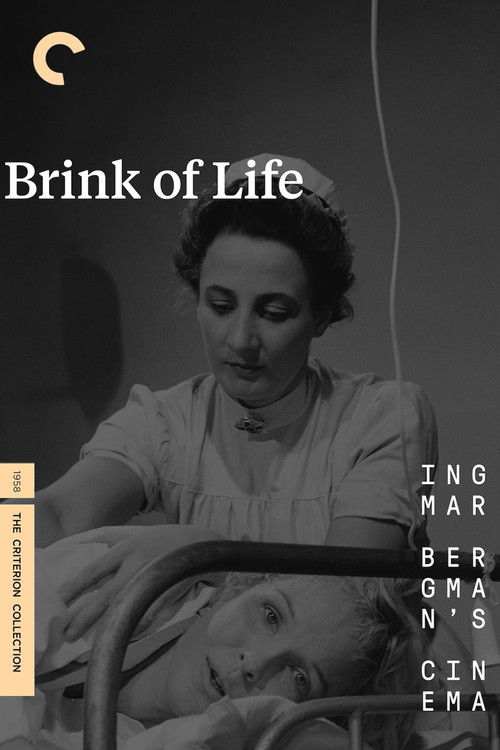
Brink of Life
1958Three women sharing a maternity ward confront miscarriage, unwanted pregnancy, and childbirth, revealing the emotional strain and quiet solidarity surrounding motherhood.
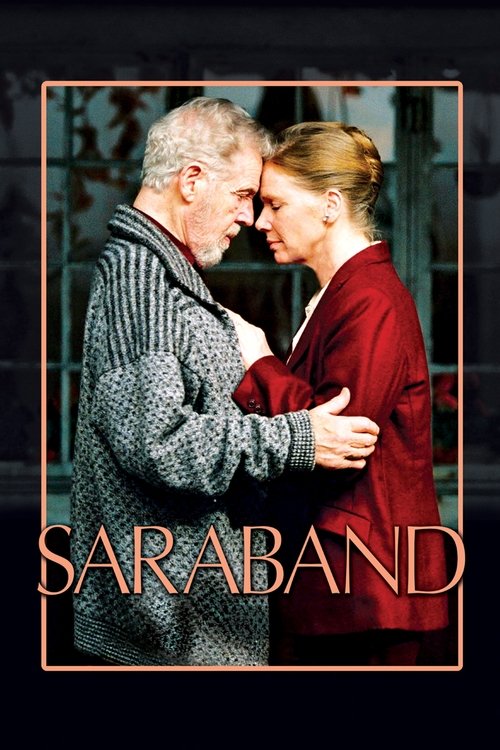
Saraband
2003Reuniting the characters of Johan and Marianne three decades after "Scenes from a Marriage," "Saraband" follows Marianne’s visit to her reclusive ex-husband, where she finds him locked in a destructive conflict with his troubled son Henrik and Henrik’s musically gifted daughter Karin. Told as an intimate chamber drama, the film explores love, resentment, forgiveness, and the inescapable pull of family bonds.

Sawdust and Tinsel
1953A number of complicated relationships develop between a circus ringmaster, his estranged wife and his lover.

Summer Interlude
1951During a brief summer vacation, a lonely woman recalls her first love thirteen years earlier.
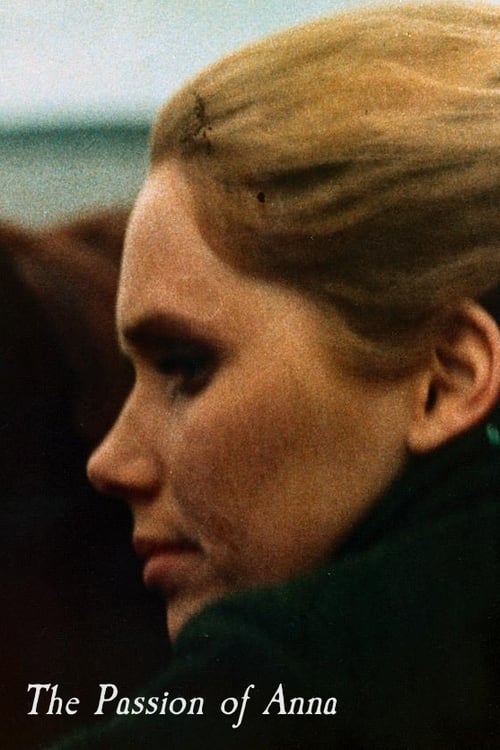
The Passion of Anna
1969A recently divorced man and an emotionally devastated widow begin a love affair.
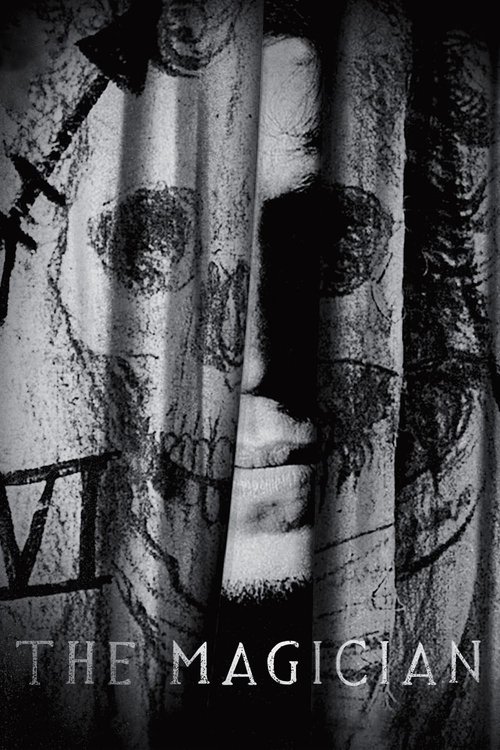
The Magician
1958A traveling magician and his troupe arrive in a Swedish town in the 1840s, where their act is scrutinized by local authorities and a skeptical medical official. Their stay leads to a series of confrontations that test the boundaries between performance, belief, and deception.
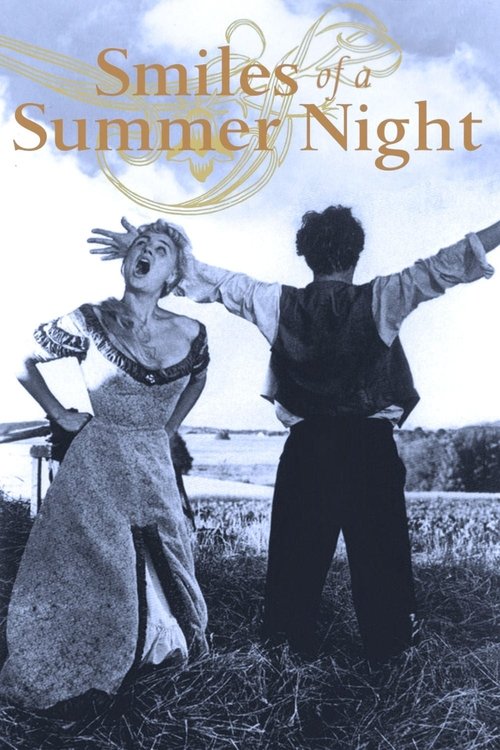
Smiles of a Summer Night
1955Early in the 20th century, middle-aged lawyer Fredrik Egerman and his young wife, Anne, have still not consummated their marriage, while Fredrik's son finds himself increasingly attracted to his new stepmother. To make matters worse, Fredrik's old flame Desiree makes a public bet that she can seduce him at a romantic weekend retreat where four couples convene, swapping partners and pairing off in unexpected ways.

Summer with Monika
1953One summer day, two teens begin a reckless affair and abandon their families to be with one another.
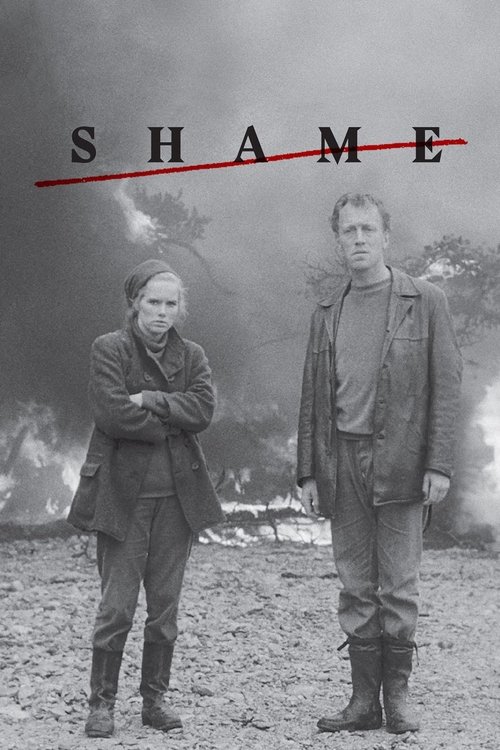
Shame
1968In the midst of a civil war, a pair of former violinists in a tempestuous marriage oversee a farm on a rural island. In spite of their best efforts to escape their homeland, the war impinges on every aspect of their lives.
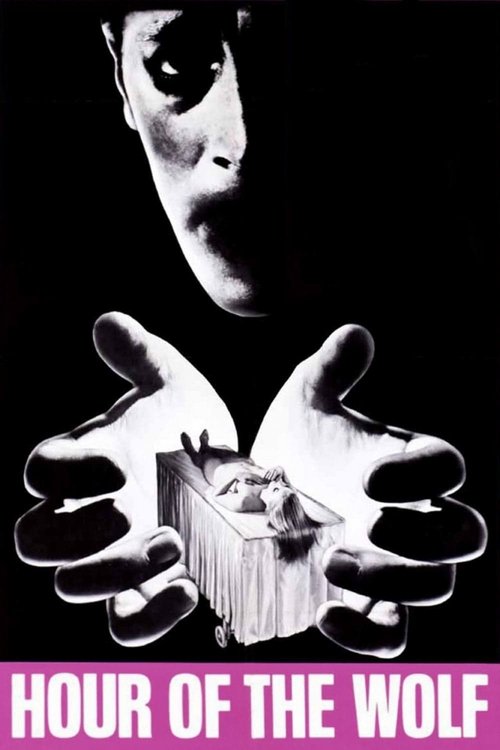
Hour of the Wolf
1968While vacationing on a remote German island with his younger pregnant wife, an artist has an emotional breakdown while confronting his repressed desires.
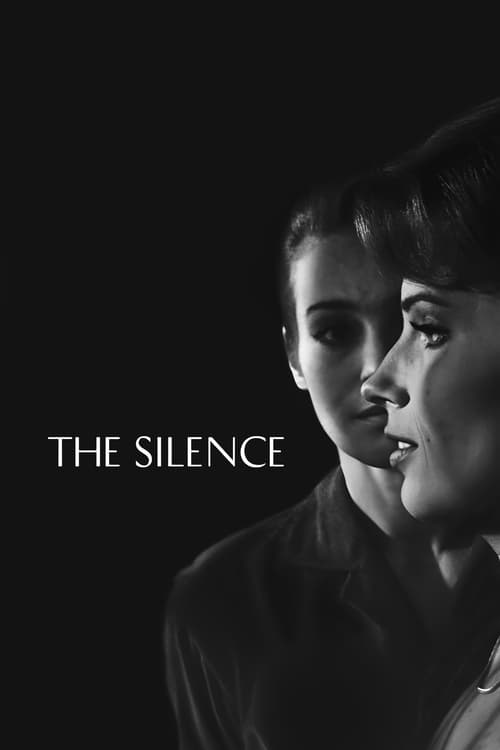
The Silence
1963Traveling through an unnamed European country on the brink of war, sickly, intellectual Ester, her sister Anna and Anna's young son, Johan, check into a near-empty hotel. A basic inability to communicate among the three seems only to worsen during their stay. Anna provokes her sister by enjoying a dalliance with a local man, while the boy, left to himself, has a series of enigmatic encounters that heighten the growing air of isolation.
Bergman weaponizes sensory deprivation and linguistic barriers to create a haunting portrait of estrangement in an unrecognizable world. It is a bold exercise in atmospheric tension where the lack of communication becomes a physical, suffocating presence on the screen.
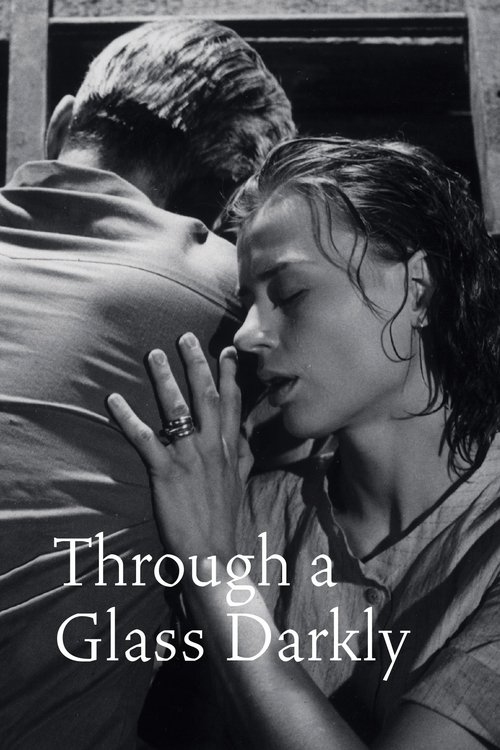
Through a Glass Darkly
1961Karin hopes to recover from her recent stay at a mental hospital by spending the summer at her family's cottage on a tiny island. Her husband, Martin, cares for her but is frustrated by her physical withdrawal. Her younger brother, Minus, is confused by Karin's vulnerability and his own budding sexuality. Their father, David, cannot overcome his haughty remoteness. Beset by visions, Karin descends further into madness.
Marking a shift toward a more ascetic and minimalist aesthetic, this film initiates the director’s profound interrogation of divine absence. The isolation of its setting heightens the terrifying fragility of the human mind when confronted with the crushing weight of spiritual void.
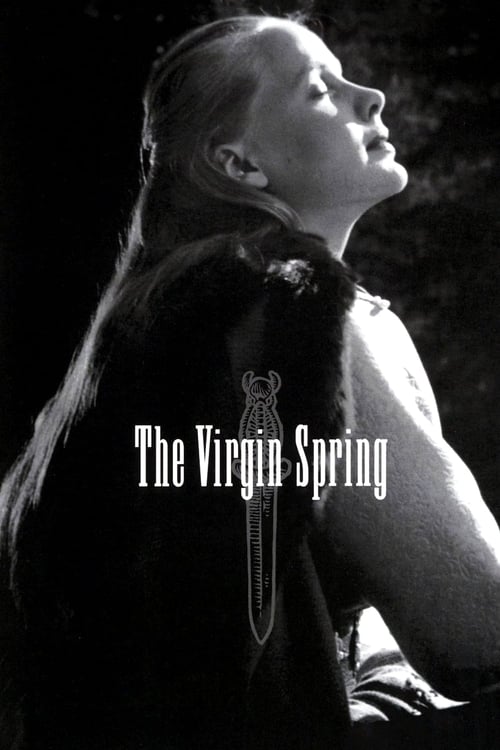
The Virgin Spring
1960Devout Christians Töre and Märeta send their only daughter, the virginal Karin, and their foster daughter, the unrepentant Ingeri, to deliver candles to a distant church. On their way through the woods, the girls encounter a group of savage goat herders who brutally rape and murder Karin as Ingeri remains hidden. When the killers unwittingly seek refuge in the farmhouse of Töre and Märeta, Töre plots a fitting revenge.
Constructed with the stark logic of a folk ballad, this violent parable explores the intersection of pagan instinct and Christian morality. It showcases a starker, more primitive visual style that challenges the viewer to find grace within a harsh and indifferent landscape.
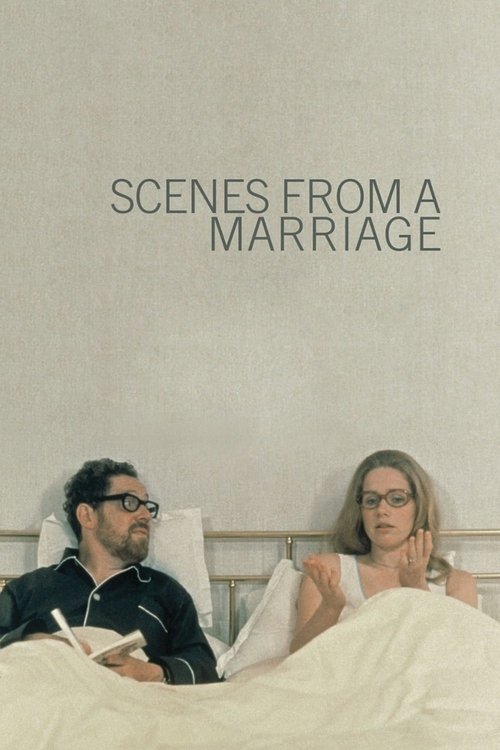
Scenes from a Marriage
1974Johan and Marianne are married and seem to have it all. Their happiness, however, is a façade for a troubled relationship, which becomes even rockier when Johan admits that he's having an affair. Before long, the spouses separate and move towards finalizing their divorce, but they make attempts at reconciling. Even as they pursue other relationships, Johan and Marianne realize that they have a significant bond, but also many issues that hinder that connection.
This grueling dissection of a collapsing union set the gold standard for honest, unvarnished chronicling of intimacy and its discontents. Through its sheer endurance and linguistic intensity, it dismantles the social performance of marriage to reveal the raw, shifting power dynamics beneath.
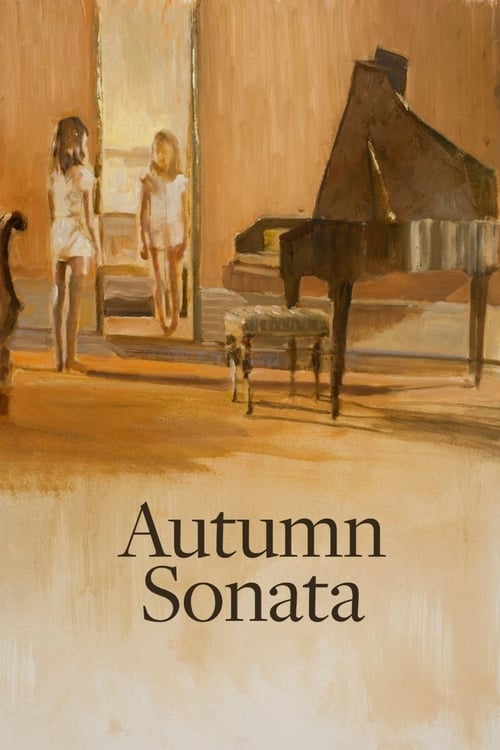
Autumn Sonata
1978After a seven-year absence, Charlotte Andergast travels to Sweden to reunite with her daughter Eva. The pair have a troubled relationship: Charlotte sacrificed the responsibilities of motherhood for a career as a classical pianist. Over an emotional night, the pair reopen the wounds of the past. Charlotte gets another shock when she finds out that her mentally impaired daughter, Helena, is out of the asylum and living with Eva.
Bergman strip mines the mother-daughter dynamic in this chamber piece, turning a simple domestic reunion into a devastating concerto of resentment. The film’s power lies in its concentrated focus on the architecture of the human face, providing a masterclass in the economy of psychological storytelling.
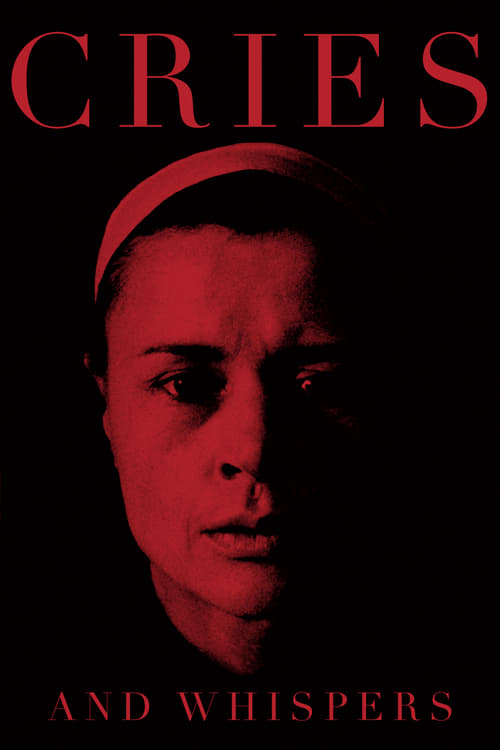
Cries and Whispers
1972As Agnes slowly dies of cancer, her sisters are so immersed in their own psychic pains that they are unable to offer her the support she needs.
Drenched in a visceral palette of crimson and white, this film utilizes color as a medium for agony and repressed emotion. It is a lacerating study of the body's fragility and the spirit’s isolation, executed with a surgical aesthetic rigor that is both beautiful and deeply unsettling.
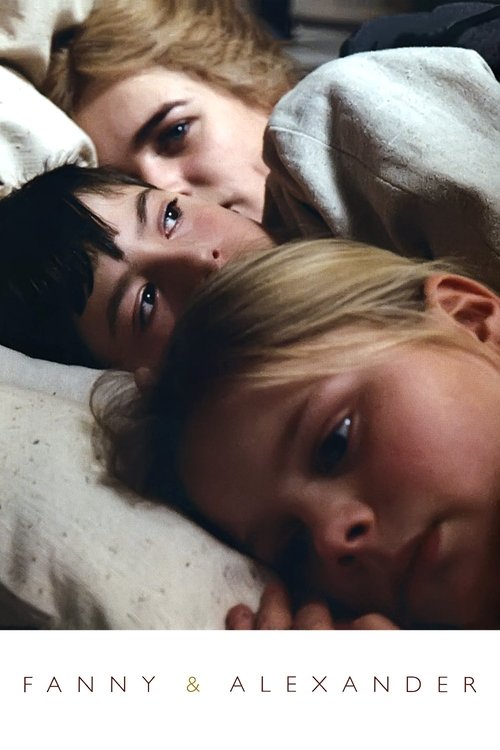
Fanny and Alexander
1982As children in the loving Ekdahl family, Fanny and Alexander enjoy a happy life with their parents, who run a theater company. After their father dies unexpectedly, however, the siblings end up in a joyless home when their mother, Emilie, marries a stern bishop. The bleak situation gradually grows worse as the bishop becomes more controlling, but dedicated relatives make a valiant attempt to aid Emilie, Fanny and Alexander.
The filmmaker’s most expansive and opulent work functions as a vibrant summation of his life’s themes, oscillating between Dickensian warmth and terrifying gothic repression. It is a triumphant victory lap that proves Bergman could master the epic scope of a childhood saga just as effectively as his most claustrophobic chamber dramas.

Wild Strawberries
1957Crotchety retired doctor Isak Borg travels from Stockholm to Lund, Sweden, with his pregnant and unhappy daughter-in-law, Marianne, in order to receive an honorary degree from his alma mater. Along the way, they encounter a series of hitchhikers, each of whom causes the elderly doctor to muse upon the pleasures and failures of his own life. These include the vivacious young Sara, a dead ringer for the doctor's own first love.
This tender yet unflinching meditation on time serves as a bridge between the director's early romanticism and his later psychological austerity. By weaving dreamscapes into a linear journey, Bergman captures the aching fluidity of memory with a lyrical precision that remains unsurpassed.

Persona
1966A young nurse, Alma, is put in charge of Elisabeth Vogler: an actress who is seemingly healthy in all respects, but will not talk. As they spend time together, Alma speaks to Elisabeth constantly, never receiving any answer.
Bergman shatters the boundary between observer and subject in this radical exploration of psychological fragmentation and the elasticity of the soul. Its daring technical formalisms and haunting close ups redefined the visual vocabulary of modernism, making it arguably the most influential work of avant-garde narrative ever filmed.
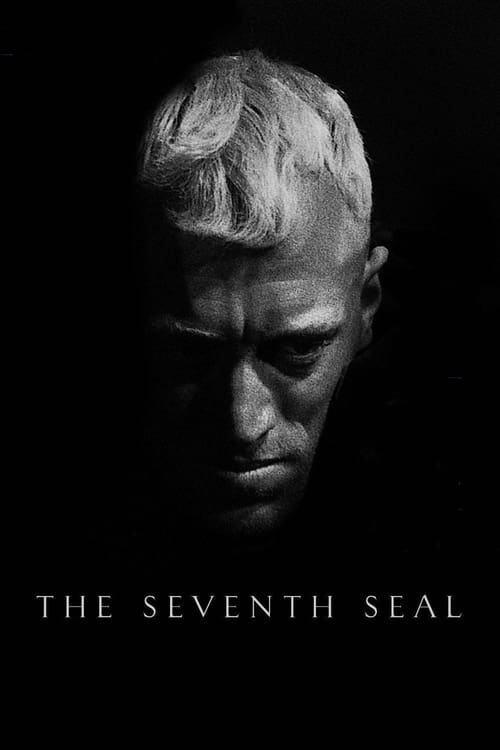
The Seventh Seal
1957When disillusioned Swedish knight Antonius Block returns home from the Crusades to find his country in the grips of the Black Death, he challenges Death to a chess match for his life. Tormented by the belief that God does not exist, Block sets off on a journey, meeting up with traveling players Jof and his wife, Mia, and becoming determined to evade Death long enough to commit one redemptive act while he still lives.
A monumental achievement in metaphysical cinema, this masterpiece transformed the screen into a theological battlefield where silence and symbolism collide. It remains the definitive cinematic inquiry into existential dread, grounding high concept medieval iconography in a profound, universal search for meaning.
Frequently Asked Questions
Everything you need to know about this list and SnakeDrafts
- Ingmar Bergman's films frequently delve into themes of existential angst, human psychology, and the complexities of relationships. Movies like 'Persona' and 'Cries and Whispers' exemplify his deep exploration of identity and emotional suffering.
- Bergman skillfully incorporates fantasy to enhance psychological and philosophical narratives, as seen in 'The Seventh Seal' and 'Fanny and Alexander.' These films blend surreal imagery with human drama to probe existential questions about life and death.
- Liv Ullmann and Bibi Andersson are two of Bergman's most frequent collaborators, appearing prominently in films such as 'Persona' and 'Cries and Whispers.' Their performances are integral to the intense emotional and psychological depth Bergman achieved.
- Bergman is renowned for his use of extreme close-ups, especially on actors' faces, to capture subtle emotional nuances. His restrained camera work combined with stark lighting enhances the intimate and intense mood in movies like 'Autumn Sonata' and 'The Virgin Spring.'
- Yes, motifs like silence, faith, death, and human isolation appear throughout Bergman's work. For example, 'The Silence' and 'Through a Glass Darkly' explore themes of spiritual and communicative breakdown, adding layers of existential inquiry.
- 'Persona' is widely regarded as Bergman’s most psychologically intense film, focusing on the blurred identities of its two lead characters. This drama challenges viewers with its exploration of self and madness through experimental narrative techniques.
- Bergman's war and historical dramas, such as 'Shame' and 'The Virgin Spring,' contextualize personal and moral conflicts within broader societal upheavals. These films combine his psychological depth with external historical forces, adding layers of political and ethical complexity.
- 'Scenes from a Marriage' stands out due to its raw and realistic portrayal of the disintegration of a relationship over time. This drama and romance fusion marked a shift to more contemporary settings while retaining Bergman's signature emotional intensity.