The Best James Gandolfini Movies Ranked: A Tribute to a Legend
Celebrating the Screen Legacy of a Gentle Giant
Discover the most iconic performances by James Gandolfini, from intense crime dramas to heartfelt indie roles in this definitive ranking.
About James Gandolfini
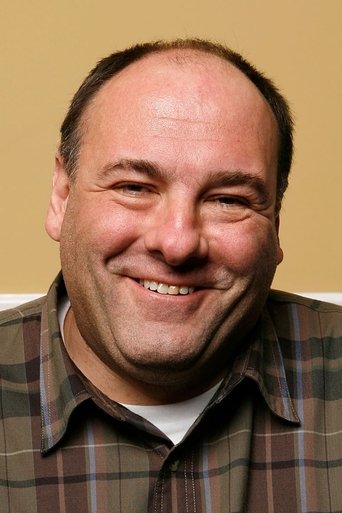
To look at the face of James Gandolfini was to witness a landscape of conflicting human impulses. He possessed a rare, heavy-lidded magnetism that could shift from a terrifying prehistoric chill to a wounded, childlike vulnerability in the span of a single breath. While the world will forever link him to the volcanic psyche of Tony Soprano, his cinematic catalog reveals a performer who was far more than a neighborhood heavy. He was an actor of meticulous quietude, someone who understood that the loudest things a person says are often the ones they leave unspoken.
His early work highlighted an uncanny ability to steal scenes from under the noses of established icons. In the cult classic True Romance, he transformed what could have been a standard henchman role into a masterclass of polite menace, engaging in a brutal, flirtatious standoff with Patricia Arquette that remains one of the most chilling sequences of the nineties. Even in popcorn fare like The Last Boy Scout or Get Shorty, he injected his characters with a physical weariness that made them feel lived-in and dangerously real. He didn't just play tough guys; he played men who were tired of being tough.
As his career progressed, Gandolfini steered away from the predictable, seeking out roles that poked holes in his own masculine image. In the Coen brothers' The Man Who Wasn't There, he portrayed a blustering department store owner whose bravado masks a desperate insecurity. He thrived in the shadows of ensemble pieces like Fallen and A Civil Action, grounding legal and supernatural dramas with a granite-like presence. Even when playing a disgraced general in The Last Castle or a high-ranking CIA official in Zero Dark Thirty, he avoided the trap of caricature. He inhabited power with an exhausted, cynical grace that felt distinctly modern.
What truly endeared him to audiences, however, was his capacity for extreme tenderness. Late in his career, he delivered a soul-baring performance in Enough Said, playing an ordinary divorced father navigating the minefield of middle-aged romance. Opposite Julia Louis-Dreyfus, he stripped away every vestige of the mob boss persona, revealing a man who was soft, insecure, and deeply lovable. It was a reminder that his greatest gift wasn't his ability to intimidate, but his willingness to be seen. Whether he was playing a grieving father in Welcome to the Rileys or a foul-mouthed general in the political satire In the Loop, he brought a specific, working-class dignity to the screen.
Even his final appearance in The Drop serves as a poignant coda to a career defined by moral complexity. He navigated the screen with a lumbering, deceptive stillness, proving that he never needed a monologue to command a room. He was a performer who carried the weight of the world in his shoulders, making him the ultimate avatar for the American everyman. We didn't just watch him; we felt him. He wasn't just a star of the prestige television era, but a foundational architect of human empathy who reminded us that even the monsters among us carry a heavy heart.

Romance & Cigarettes
2005Ironworker Nick lives with his wife, Kitty, and three daughters. When he meets a significantly younger woman, Tula, he starts an affair with her, much to the chagrin of his wife, and his life is thrown into upheaval. Kitty kicks Nick out of the house, and he is forced to make some difficult decisions.
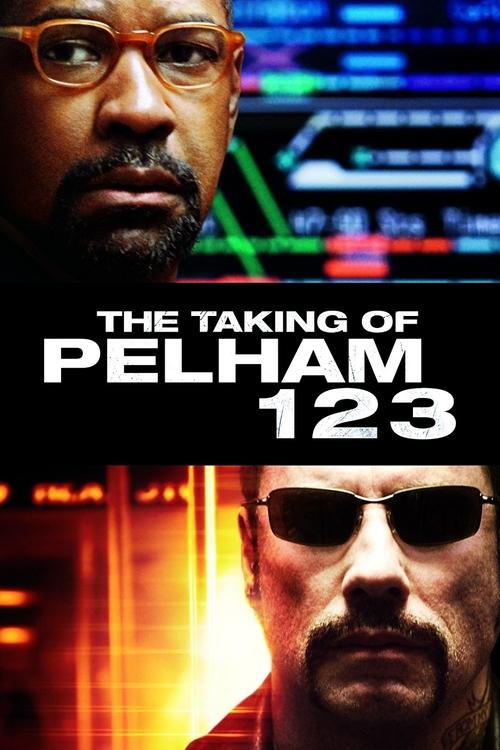
The Taking of Pelham 1 2 3
2009Armed men hijack a New York City subway train, holding the passengers hostage in return for a ransom, and turning an ordinary day's work for dispatcher Walter Garber into a face-off with the mastermind behind the crime.

Not Fade Away
2012Set in suburban New Jersey in the 1960s, a group of friends form a rock band and try to make it big.
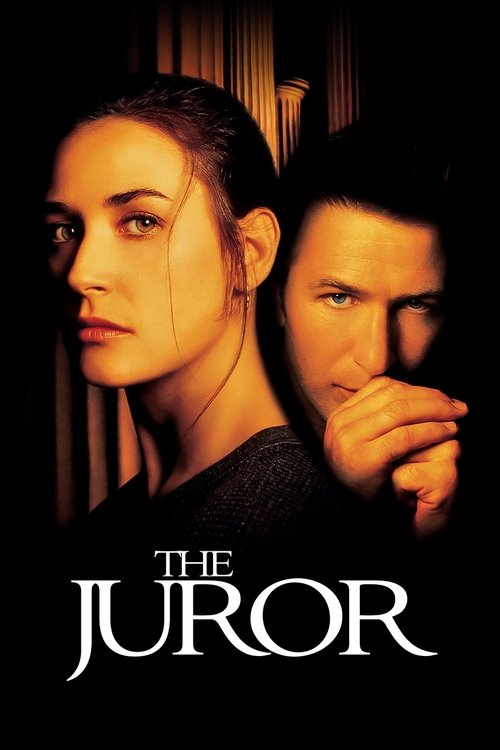
The Juror
1996With his gangster boss on trial for murder, a mob thug known as "the Teacher" tells Annie Laird she must talk her fellow jurors into a not-guilty verdict, implying that he'll kill her son Oliver if she fails. She manages to do this, but, when it becomes clear that the mobsters might want to silence her for good, she sends Oliver abroad and tries to gather evidence of the plot against her, setting up a final showdown.
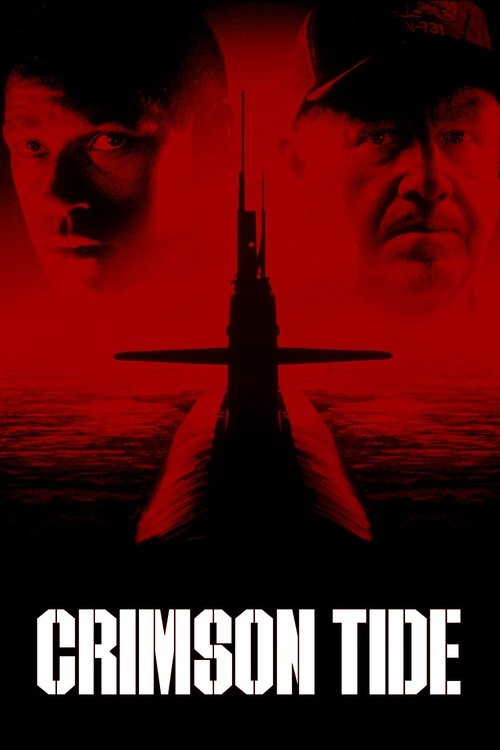
Crimson Tide
1995After the Cold War, a breakaway Russian republic with nuclear warheads becomes a possible worldwide threat. U.S. submarine Capt. Frank Ramsey signs on a relatively green but highly recommended Lt. Cmdr. Ron Hunter to the USS Alabama, which may be the only ship able to stop a possible Armageddon. When Ramsey insists that the Alabama must act aggressively, Hunter, fearing they will start rather than stop a disaster, leads a potential mutiny to stop him.

Where the Wild Things Are
2009Max imagines running away from his mom and sailing to a far-off land where large talking beasts—Ira, Carol, Douglas, the Bull, Judith and Alexander—crown him as their king, play rumpus, build forts and discover secret hideaways.
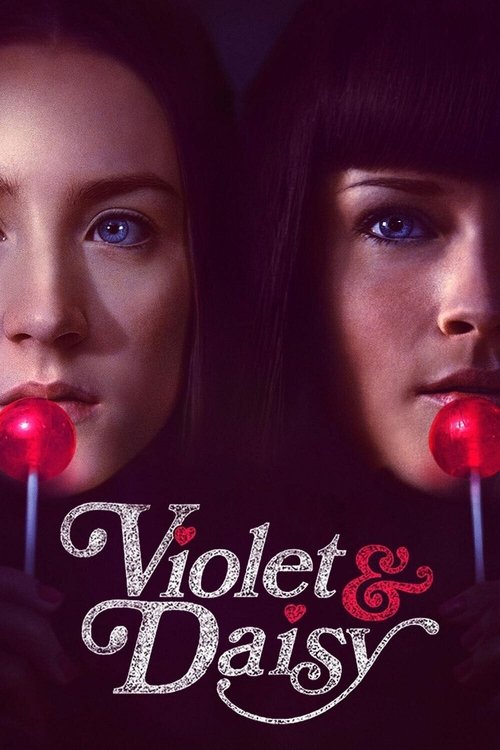
Violet & Daisy
2011Two teenage assassins accept what they think will be a quick-and-easy job, until an unexpected target throws them off their plan.
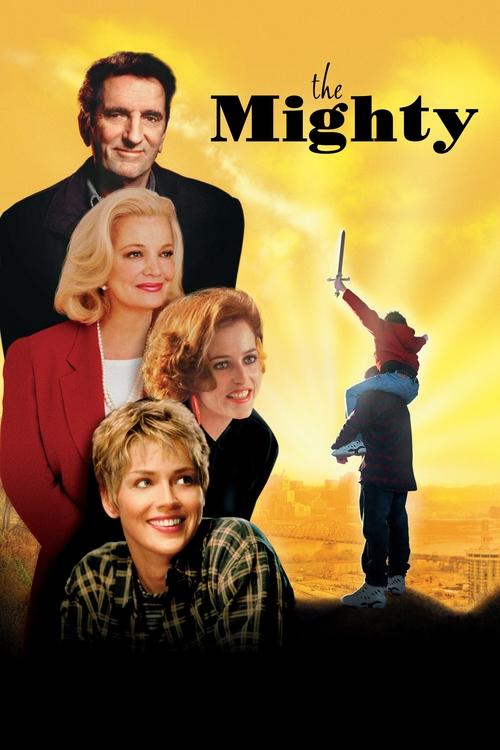
The Mighty
1998Kevin, an intelligent guy helps out Maxwell to improve his reading skills. In return, Kevin wants Maxwell to take him out places since he is not authorized to go out. Being the social outcasts of the town, Kevin and Maxwell come to realize that they are similar to each other and accept that they are "freaks" and nothing will stop them.
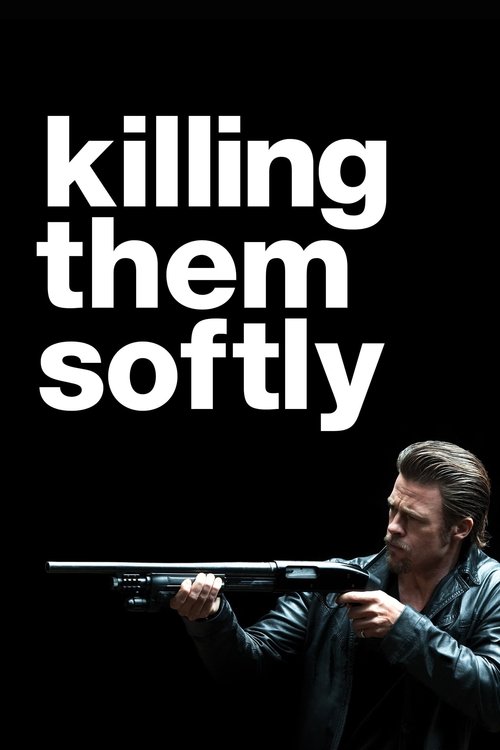
Killing Them Softly
2012Jackie Cogan is an enforcer hired to restore order after three dumb guys rob a Mob protected card game, causing the local criminal economy to collapse.
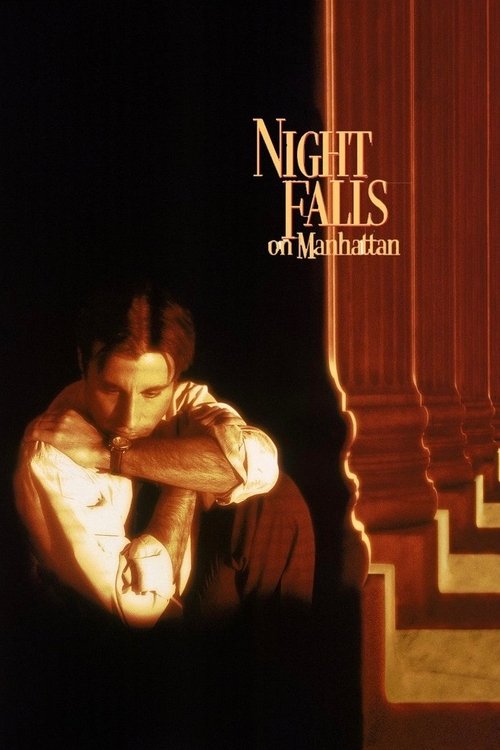
Night Falls on Manhattan
1997A newly elected District attorney finds himself in the middle of a police corruption investigation that may involve his father and his partner.
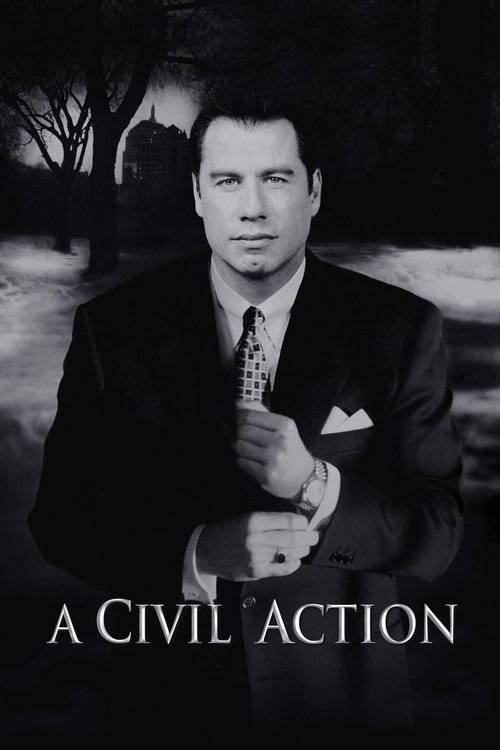
A Civil Action
1998Jan Schlickmann is a cynical lawyer who goes out to 'get rid of' a case, only to find out it is potentially worth millions. The case becomes his obsession, to the extent that he is willing to give up everything—including his career and his clients' goals—in order to continue the case against all odds.
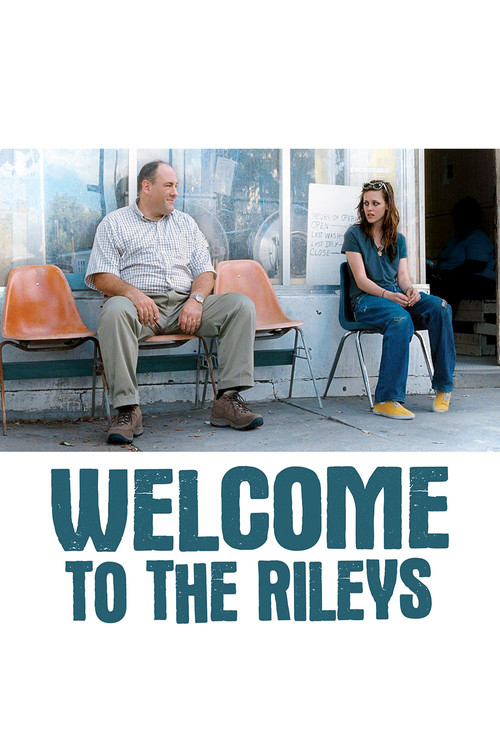
Welcome to the Rileys
2010Years after their teenage daughter’s death, Lois and Doug Riley, an upstanding Indiana couple, are frozen by estranging grief. Doug escapes to New Orleans on a business trip. Compelled by urgencies he doesn’t understand, he insinuates himself into the life of an underage hooker, becoming her platonic guardian.
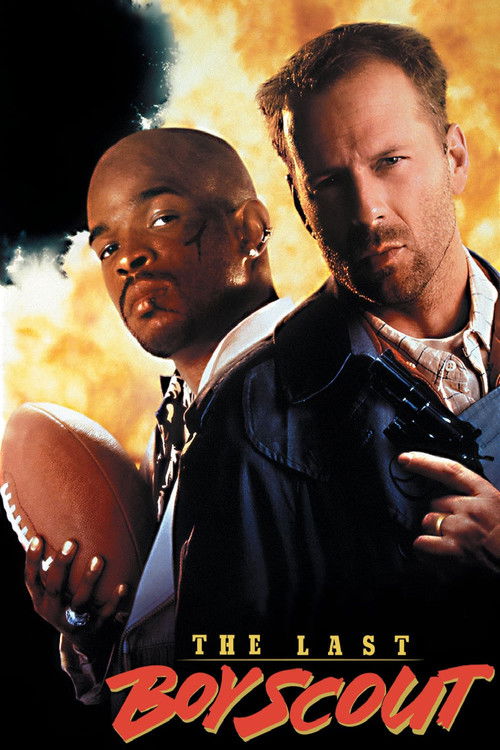
The Last Boy Scout
1991Somewhere in Los Angeles, the city of broken dreams, a stripper is murdered. Now, the private detective she had hired and her ex-footballer boyfriend are going to find her murderer... if they don't kill each other first. But the more they dig, the deeper they become enmeshed in a web of extortion, blackmail and corrupt politics hidden beneath the surface of professional football.
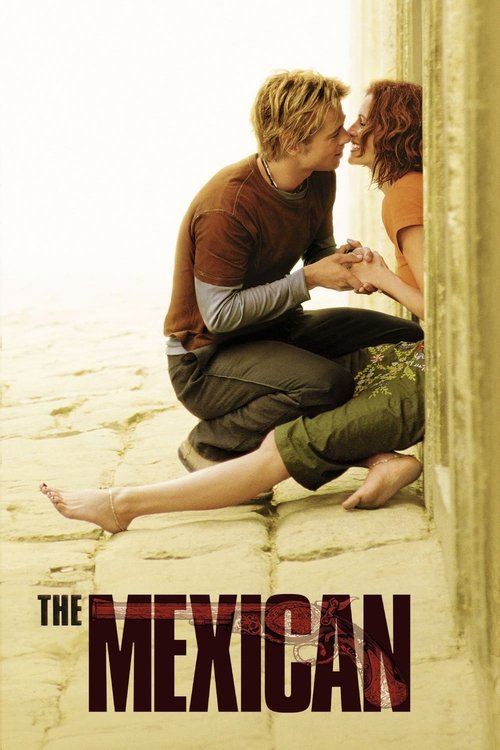
The Mexican
2001Jerry Welbach, a reluctant bagman, has been given two ultimatums: The first is from his mob boss to travel to Mexico and retrieve a priceless antique pistol, known as "the Mexican"... or suffer the consequences. The second is from his girlfriend Samantha to end his association with the mob. Jerry figures alive and in trouble with Samantha is better than the more permanent alternative, so he heads south of the border.
Gandolfini steals this star-studded caper by injecting an unexpected layer of pathos into the hitman-with-a-heart archetype. He finds a strange, soulful rhythm in the character's personal revelations, turning what could have been a caricature into the film’s emotional center.
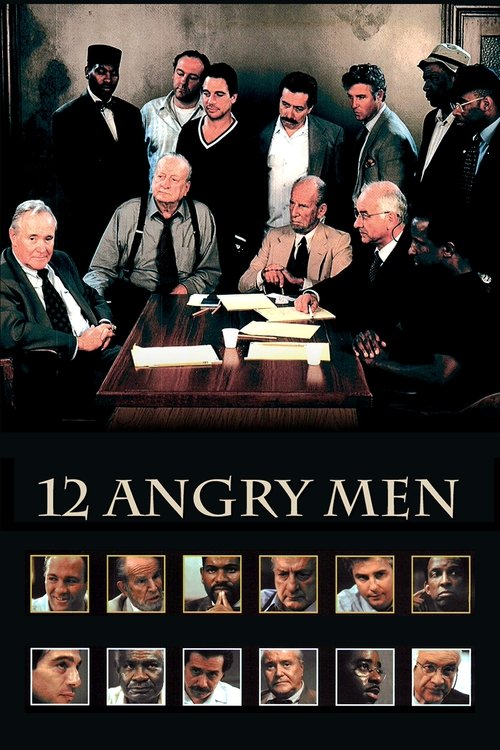
12 Angry Men
1997During the trial of a man accused of his father's murder, a lone juror takes a stand against the guilty verdict handed down by the others as a result of their preconceptions and prejudices.
Occupying a seat once held by Hollywood legends, he brings a blue-collar volatility to the jury room that feels dangerously modern. His contribution to this ensemble emphasizes his strength as a reactive actor who can shift the emotional temperature of a scene with a single look of disgust.
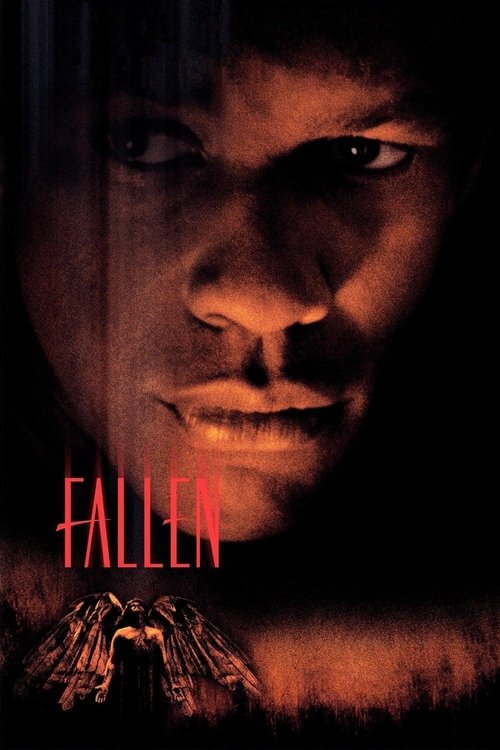
Fallen
1998Homicide detective John Hobbes witnesses the execution of serial killer Edgar Reese. Soon after the execution the killings start again, and they are very similar to Reese's style.
Playing the quintessential skeptical detective, Gandolfini provides the crucial human anchor in a narrative defined by the supernatural. His work here illustrates his ability to elevate genre material by infusing a standard procedural role with lived-in weary professionalism.
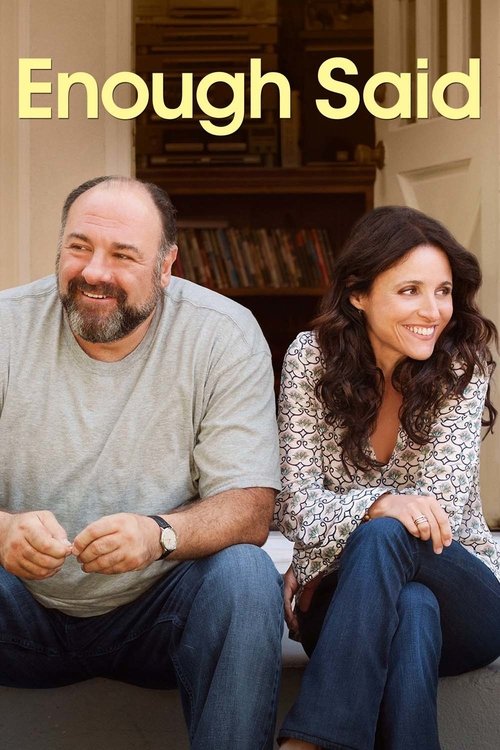
Enough Said
2013Eva is a divorced soon-to-be empty-nester wondering about her next act. Then she meets Marianne, the embodiment of her perfect self. Armed with a restored outlook on being middle-aged and single, Eva decides to take a chance on her new love interest Albert — a sweet, funny and like-minded man. But things get complicated when Eva discovers that Albert is in fact the dreaded ex–husband of Marianne...
This rare foray into gentle romantic comedy highlights a tender, self-deprecating side that Hollywood too often ignored in favor of his ferocity. He navigates the anxieties of middle-aged dating with a soft-spoken charm, proving he could be a magnetic leading man in the most domestic of settings.
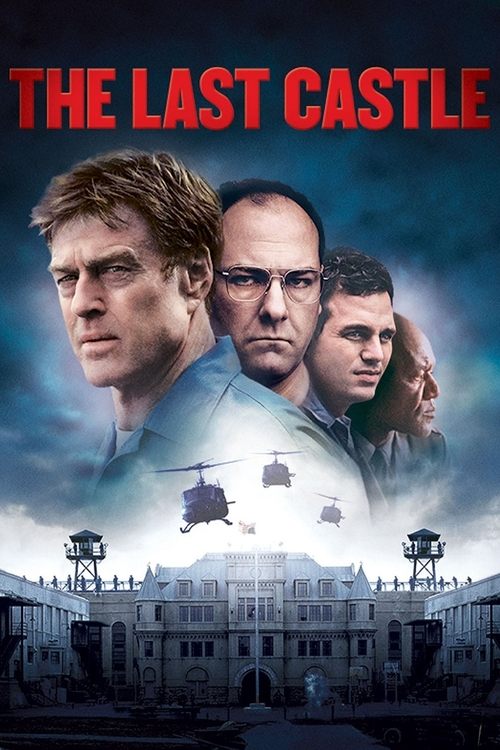
The Last Castle
2001A court-martialed general rallies together 1200 inmates to rise against the system that put him away.
As the bureaucratic antagonist, he eschews cartoonish villainy to play a fragile administrator obsessed with the aesthetics of rank. The tension he creates stems from an intellectual insecurity, marking a fascinating departure where he utilizes his stature to portray a man profoundly outmatched by a superior spirit.
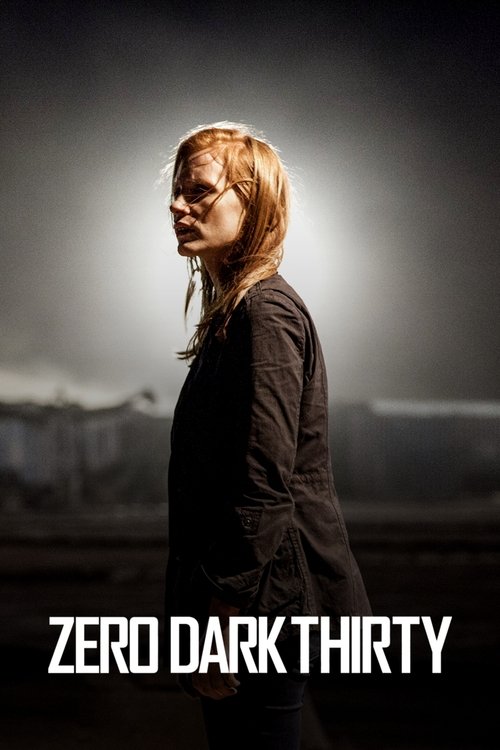
Zero Dark Thirty
2012A chronicle of the decade-long hunt for al-Qaeda terrorist leader Osama bin Laden after the September 2001 attacks, and his death at the hands of the Navy S.E.A.L. Team 6 in May, 2011.
Stepping into the corridors of the CIA, Gandolfini anchors this sprawling procedural with the heavy, silent authority of a man who knows exactly where the bodies are buried. Even with limited screen time, his presence suggests a lifetime of institutional secrets and the exhausting weight of global leadership.
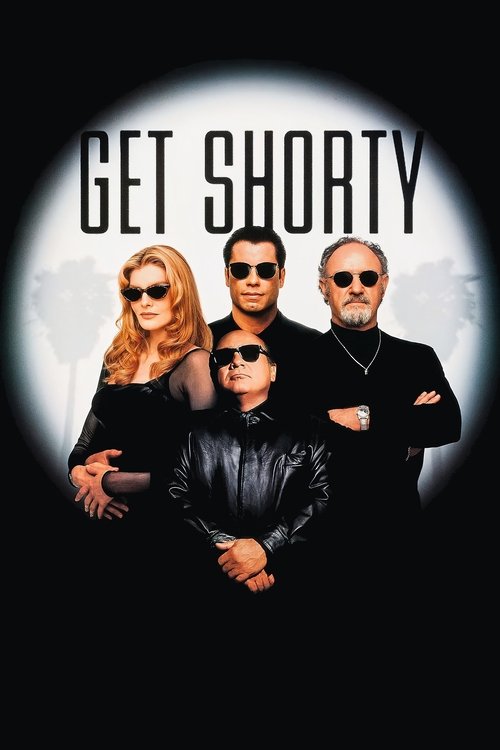
Get Shorty
1995Chili Palmer is a Miami mobster who gets sent to L.A. to collect a bad debt from Harry Zimm, a Hollywood producer who specializes in cheesy horror films. When Chili meets Harry's leading lady, the romantic sparks fly. After pitching his own life story as a movie idea, Chili learns that being a mobster and being a Hollywood producer really aren't all that different.
Gandolfini radiates a weary, soulful menace as Bear, the bearded stuntman-turned-henchman who feels far too human for the shallow Hollywood underworld. This role served as a crucial proof of concept for Tony Soprano, showcasing his rare ability to blend physical intimidation with a flicker of sweet, vulnerable intelligence. He manages to steal scenes by doing remarkably little, proving that his quietest moments often carried the most weight.
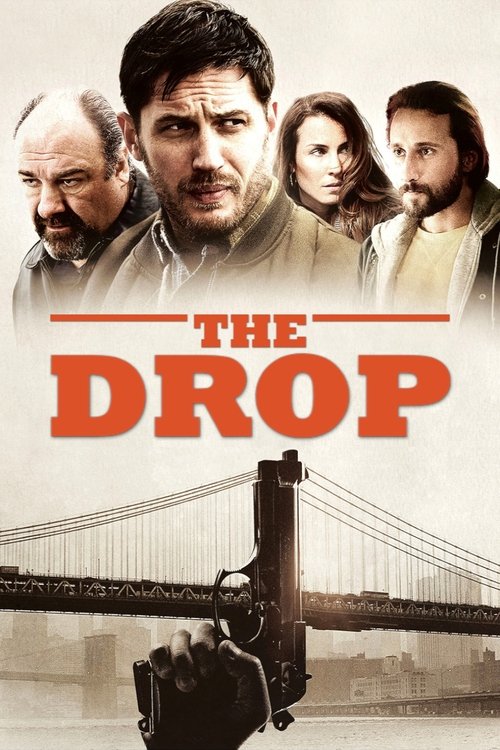
The Drop
2014Bob Saginowski finds himself at the center of a robbery gone awry and entwined in an investigation that digs deep into the neighborhood's past where friends, families, and foes all work together to make a living - no matter the cost.
His final screen appearance serves as a haunting masterclass in resentment, portraying a man drowning in the wake of his own faded relevance. The performance is a masterfully quiet study of a neighborhood kingpin reduced to a bitter spectator, providing a soulful, elegiac bookend to his career.
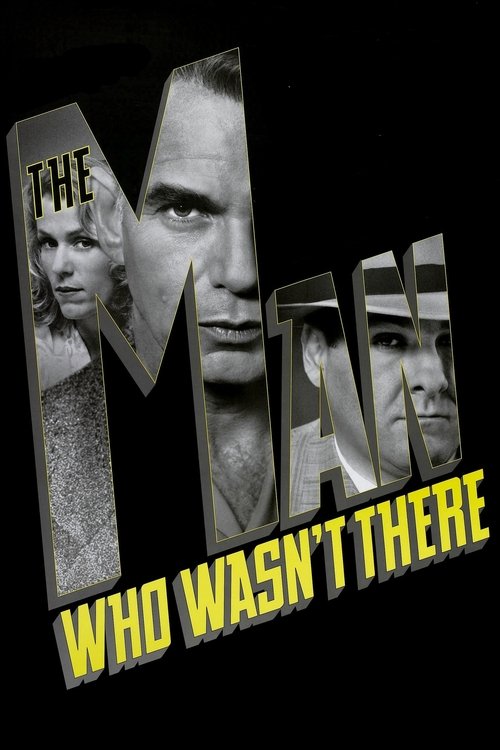
The Man Who Wasn't There
2001A tale of murder, crime and punishment set in the summer of 1949. Ed Crane, a barber in a small California town, is dissatisfied with his life, but his wife Doris' infidelity and a mysterious opportunity presents him with a chance to change it.
In this Coen brothers noir, Gandolfini deconstructs the archetype of the blustering big shot into a puddle of tragic, cuckolded desperation. It is a vital subversion of his tough-guy image, revealing a capacity for pathetic vulnerability hidden beneath layers of mid-century pomade and bravado.
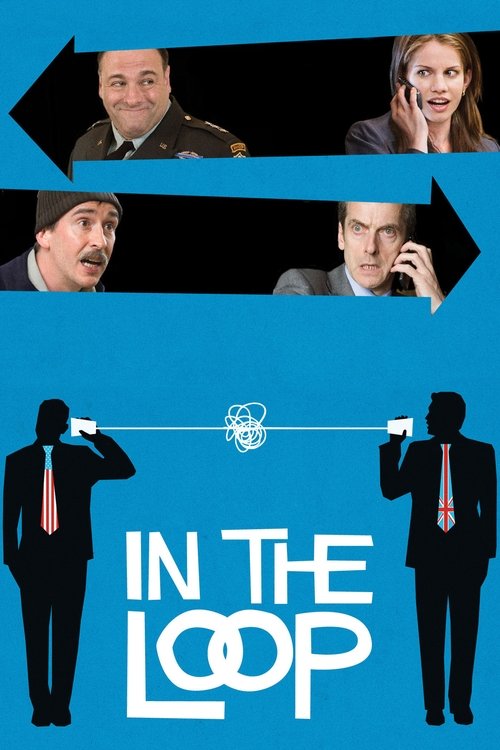
In the Loop
2009The US President and the UK Prime Minister are planning on launching a war in the Middle East, but—behind the scenes—government officials and advisers are either promoting the war or are trying to prevent it.
Trading his usual street-level grit for the bureaucratic battlefield, Gandolfini masterfully embodies a dovish general who uses a calculator as a weapon of war. He provides a grounded, weary counterpoint to the film's frantic profanity, showcasing a sophisticated comedic timing that relied on subtle exasperation.
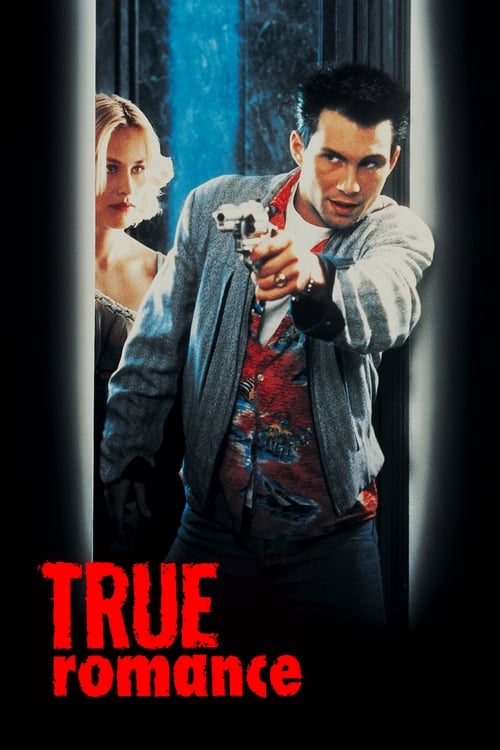
True Romance
1993Clarence marries hooker Alabama, steals cocaine from her pimp, and tries to sell it in Hollywood, while the owners of the coke try to reclaim it.
Gandolfini’s Virgil is a terrifying pivot point in 1990s cinema, blending predatory grace with a chillingly jovial locker-room sociopathy. This breakout turn effectively weaponized his physical inheritance, proving he could dominate the screen opposite heavyweights through sheer, unblinking intimidation.
Frequently Asked Questions
Everything you need to know about this list and SnakeDrafts
- "True Romance" tops the list due to Gandolfini's memorable portrayal of Virgil, the menacing yet captivating hitman. This role highlights his ability to bring intensity and dark charisma to a supporting character, cementing his place in cinema history beyond his iconic TV role.
- In "In the Loop," Gandolfini showcases his sharp timing and wit in a political satire, a stark contrast to his usual intense, dramatic roles. This film reveals his versatility and skill in comedy, expanding the perception of his acting range.
- Both "The Drop" and "The Man Who Wasn't There" explore themes of crime, morality, and complex human emotions. Gandolfini's performances in these films emphasize his strength in portraying nuanced characters caught in morally ambiguous situations.
- "Enough Said" is significant as it captures Gandolfini's talent for subtle, heartfelt performances in romantic comedy-dramas. His role in this film demonstrates a softer, more vulnerable side that contrasts with his usual tough-guy image.
- While the list covers many of Gandolfini's acclaimed roles, some fans might notice the absence of "Get Shorty" and "The Mexican" which showcase his flair for blending crime and comedy. However, the list focuses on his most impactful and critically celebrated performances.
- In "Zero Dark Thirty," Gandolfini delivers a compelling performance as a CIA officer, adding gravitas and tension to the film’s portrayal of the hunt for Osama bin Laden. His presence enhances the movie's realism and dramatic stakes.
- Gandolfini's role in the TV movie "12 Angry Men" is noteworthy for its portrayal of a juror's passionate stance in a high-stakes courtroom drama. This performance highlights his ability to convey conviction and moral complexity in confined settings.