A Ranking of Kathryn Bigelow's Best Films
Master of High Stakes Tension and Visceral Cinema
Explore the definitive filmography of Kathryn Bigelow, from intense war dramas to cult action classics and groundbreaking thrillers.
About Kathryn Bigelow

To watch a Kathryn Bigelow film is to experience a sensory assault that feels both calculated and chaotic. She operates in a high stakes arena where the adrenaline is thick enough to swallow the audience whole, yet her gaze remains clinical and steady. Long before she became the first woman to win the Academy Award for Best Director, she was already rewriting the rules of the action genre, trading the camp of the eighties for a gritty, muscular aesthetic that prioritizes texture over theater. Her work does not just tell a story; it captures the visceral vibration of a moment, whether that involves a bank heist in a surf mask or a bomb technician sweating through a desert afternoon.
Her early career defied easy categorization, blending high art sensibilities with low-brow tropes to create something entirely new. In Near Dark, she reimagined the vampire mythos as a dusty, gasoline soaked Western, stripping away the gothic lace for something far more primal. She followed this with Blue Steel, a sleek, cold blooded thriller that examined the psychosexual relationship between a rookie cop and her weapon. These films established her obsession with people who live on the jagged edges of society, driven by obsessions they cannot fully explain. By the time Point Break hit theaters, Bigelow had perfected a kinetic style that made audiences feel the weight of the water and the rush of the freefall. It remains a masterpiece of kinetic energy, proving she could handle blockbuster thrills without losing her signature atmospheric density.
As her career matured, the fantasy of her early work gave way to a harrowing preoccupation with the cost of institutional power and the men trapped within its gears. K-19 The Widowmaker signaled this shift, focusing on the suffocating pressure of a failing submarine, but it was The Hurt Locker that solidified her status as the preeminent chronicler of modern conflict. Through her lens, war is not a heroic journey but a relentless, nerve shredding addiction centered on a man who only feels alive when he is inches away from obliteration. She avoids the easy sentimentality of traditional war cinema, opting instead for a documentary style realism that makes every tick of a clock feel like a gunshot.
This unwavering commitment to the uncomfortable truth continued with Zero Dark Thirty and Detroit. In these films, she turns her camera toward the darker corridors of American history, examining the moral decay of the war on terror and the explosive trauma of racial violence. Her style in these later works is relentless, using handheld camerawork and tight framing to trap the viewer in the same claustrophobic tension as her protagonists. Strange Days may have predicted a fragmented future, but Bigelow’s recent work confirms she is more interested in the fractures of our present. Her legacy is one of pure, unadulterated intensity, a filmmaker who refuses to blink even when the rest of the world wants to look away. She has spent decades proving that the most powerful weapon in any director's arsenal is not the explosion itself, but the unbearable silence that precedes it.
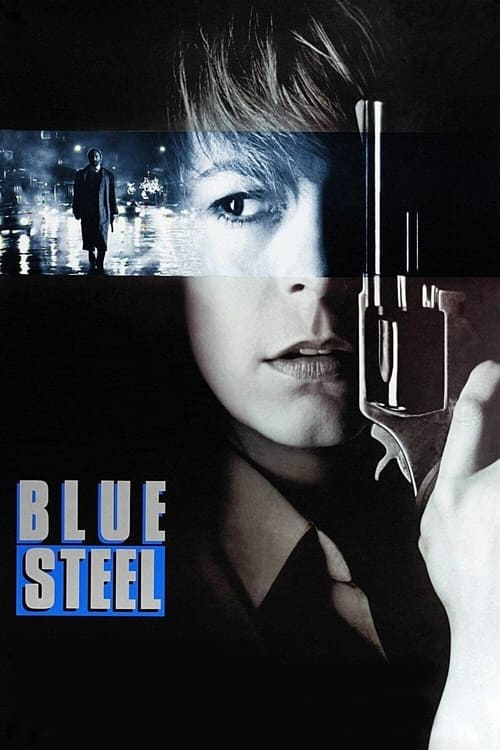
Blue Steel
1990Rookie cop Megan Turner orders a burglar to drop his gun. He whirls to shoot. Too late. Turner fires, killing him instantly. When someone lifts the assailant's gun from the crime scene, the police hold Turner accountable for killing an unarmed man. That same someone carves Turner's name into the bullets and uses them in a series of murders. Turner teams up with detective Nick Mann to clear her name and catch the killer. But she is drawn into a deadly game of wits with a psychopath who's always one step ahead… and much closer than she thinks!
This stylish urban nightmare subverts the hyper-masculine tropes of the nineties police thriller by placing a female protagonist at the center of a fetishistic, predatory storm. Bigelow’s eye for metallic textures and cool-toned lighting elevates this genre exercise into a sharp study of power and obsession.
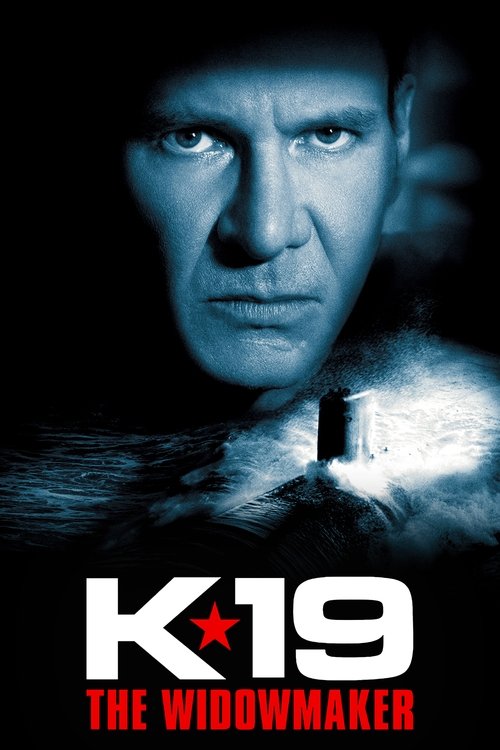
K-19: The Widowmaker
2002When Russia's first nuclear submarine malfunctions on its maiden voyage, the crew must race to save the ship and prevent a nuclear disaster.
Bigelow excels at navigating the crushing physical stakes of a steel coffin, using the mechanical failures of a nuclear sub to mirror the escalating psychological decay of its crew. This film proves her capacity to maintain a high-pressure atmosphere even within the most rigid and traditional historical frameworks.
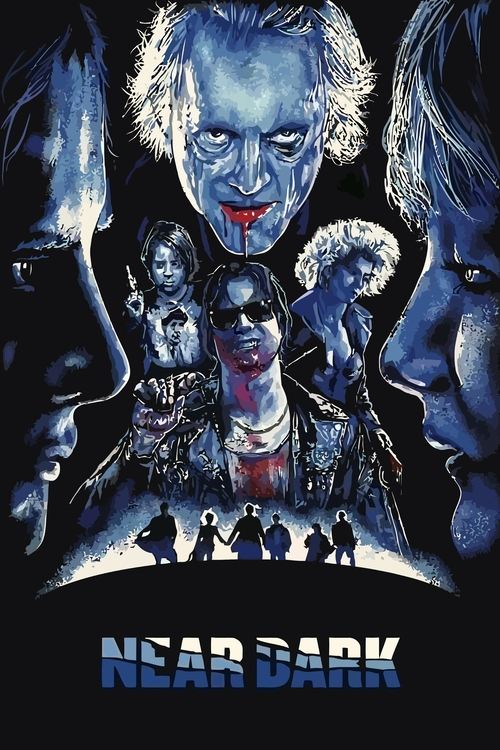
Near Dark
1987A farm boy reluctantly becomes a member of the undead when a girl he meets turns out to be part of a band of vampires who roam the highways in stolen cars.
By stripping the vampire mythos of its gothic camp and injecting it with the gritty dust of a Western, Bigelow created a visceral hybrid that feels dangerously authentic. It is a stylish, blood-soaked testament to her career-long fascination with outsiders and the violent allure of the American fringe.
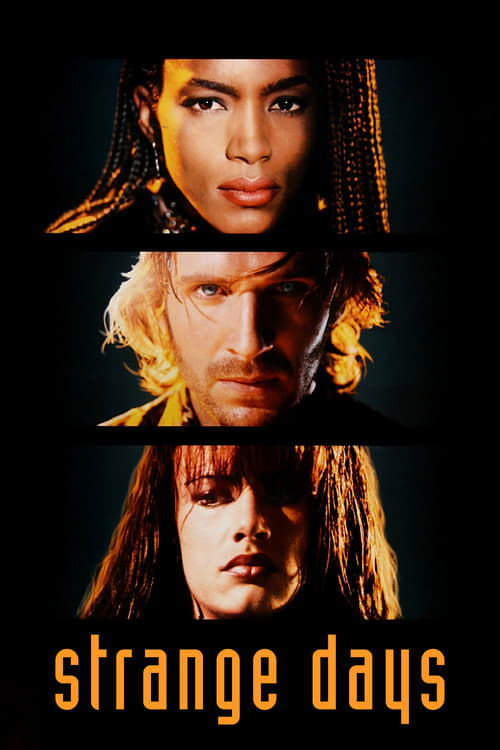
Strange Days
1995In the last days of 1999, ex-cop turned street hustler Lenny Nero receives a disc which contains the memories of the murder of a prostitute. With the help of bodyguard Mace, he starts to investigate and is pulled deeper and deeper in a whirl of murder, blackmail and intrigue.
An ambitious blend of noir and cyberpunk, this film serves as a prophetic critique of the voyeuristic gaze and the commodification of memory. Bigelow’s immersive use of first-person perspective remains a technical marvel that interrogates the very nature of cinematic empathy.
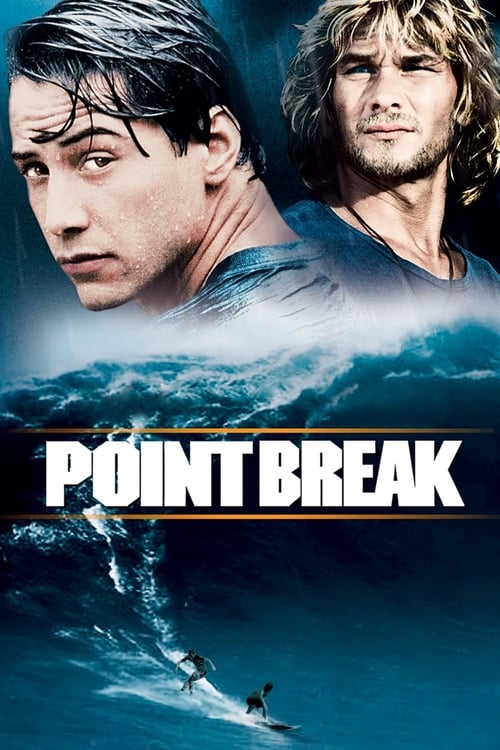
Point Break
1991In Los Angeles, a gang of bank robbers who call themselves The Ex-Presidents commit their crimes while wearing masks of Reagan, Carter, Nixon and Johnson. Believing that the members of the gang could be surfers, the F.B.I. sends young agent Johnny Utah to the beach undercover to mix with the surfers and gather information.
Transcending its high-concept pitch, this cult classic showcases Bigelow’s unique ability to find poetic kineticism within masculine subcultures. Her fluid camera work and kinetic editing transform a standard undercover thriller into a sensory exploration of spiritual extremism and physical grace.
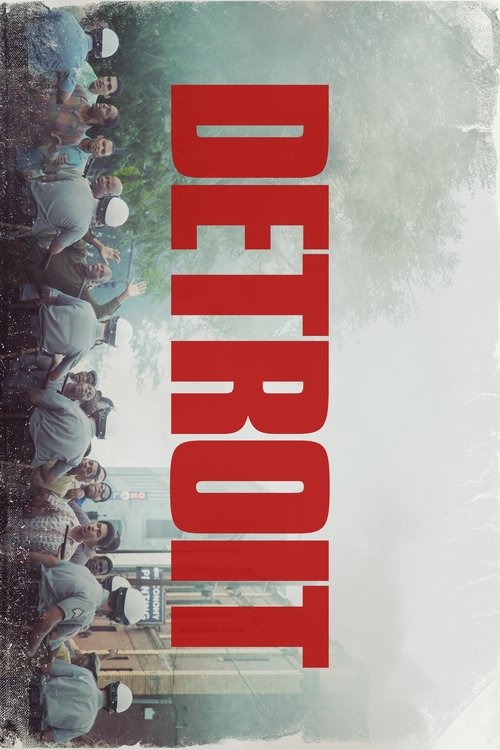
Detroit
2017A police raid in Detroit in 1967 results in one of the largest citizens' uprisings in the history of the United States.
This harrowing dive into systemic collapse utilizes an aggressive, handheld aesthetic to trap the viewer in a state of perpetual claustrophobia. By prioritizing a grueling, real-time sense of dread, Bigelow demands a reckoning with historical trauma through the lens of a horror film.
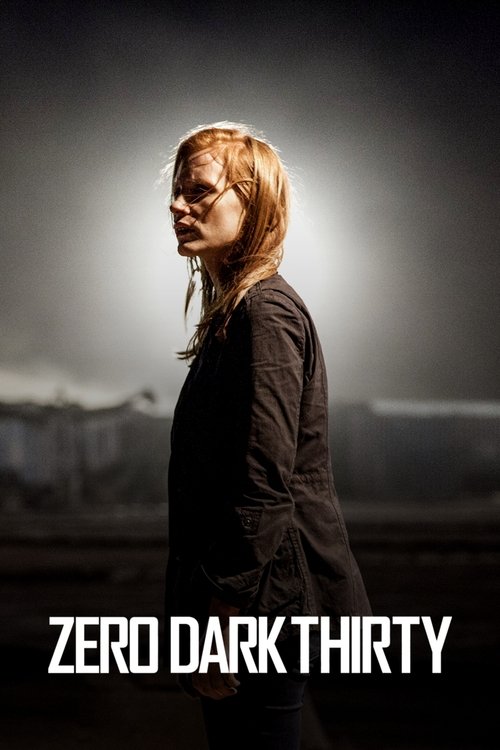
Zero Dark Thirty
2012A chronicle of the decade-long hunt for al-Qaeda terrorist leader Osama bin Laden after the September 2001 attacks, and his death at the hands of the Navy S.E.A.L. Team 6 in May, 2011.
Bigelow weaponizes the procedural, turning a sprawling intelligence hunt into a cold and clinical descent into the moral fog of the war on terror. The film stands as a monumental exercise in structural discipline, culminating in a night-vision finale that remains a benchmark for immersive modern action.
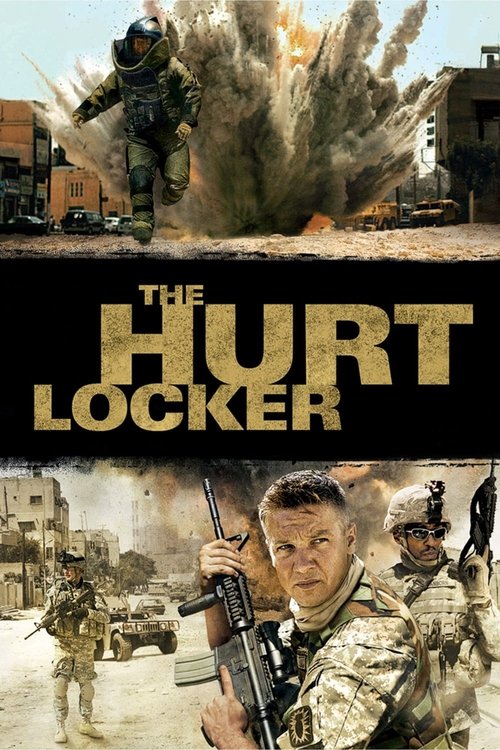
The Hurt Locker
2008During the Iraq War, a Sergeant recently assigned to an army bomb squad is put at odds with his squad mates due to his maverick way of handling his work.
A masterclass in tactile tension, Bigelow’s Oscar-winning tour de force redefines the war genre by treating adrenaline as a physical substance. Her precision-engineered direction strips away political artifice to focus on the visceral, bone-deep obsession of a man addicted to the fuse.
Frequently Asked Questions
Everything you need to know about this list and SnakeDrafts
- Kathryn Bigelow's film, The Hurt Locker, is widely regarded for its masterful blend of intense war drama and thriller elements. It captures the psychological and physical tension of bomb disposal in a war zone, showcasing her ability to create a gripping, high-stakes narrative.
- 'Zero Dark Thirty' stands out as a meticulously crafted thriller that delves into the hunt for Osama bin Laden. Bigelow's direction emphasizes realism and suspense, reinforcing her reputation for handling politically charged and complex narratives.
- In 'Detroit,' Bigelow explores themes of racial tension, police brutality, and social injustice with a raw and gripping realism. Her clinical yet immersive style brings an unflinching spotlight on historical events, consistent with her focus on intense, socially relevant storytelling.
- 'Point Break' redefined the action genre by introducing a gritty and muscular aesthetic that contrasts with the campy style of the 1980s. Bigelow's dynamic direction elevated the film to cult status, blending thrilling action sequences with a compelling crime story.
- 'Strange Days' showcases Bigelow's experimental storytelling through its use of a futuristic, immersive narrative that explores memory and experience. The film combines science fiction with crime and thriller genres, highlighting her willingness to push genre boundaries.
- 'Near Dark' is a cult classic that marks Bigelow's exploration into horror, blending vampire mythology with a gritty, realistic tone. Her approach subverts typical horror tropes by infusing the story with a dark, atmospheric sense of Americana.
- 'K-19: The Widowmaker' intertwines historical drama with thriller and mystery, focusing on a Soviet submarine crisis during the Cold War. Bigelow effectively builds tension through claustrophobic settings and character-driven suspense, emphasizing human endurance under pressure.
- 'Blue Steel' exemplifies Bigelow’s thriller style by centering on a female rookie cop facing danger and psychological challenges. Her direction combines intense action with a focus on character development, showcasing her ability to blend emotional depth with genre expectations.

