The Essential Kieran Culkin Movie Ranking: His Most Iconic Roles
From Scene-Stealing Sidekick to Indie Icon
Explore the best movies of Kieran Culkin, from his breakout role in Igby Goes Down to his unforgettable performance in Scott Pilgrim vs. the World.
About Kieran Culkin

For years, Kieran Culkin was the best-kept secret in Hollywood, a performer who possessed a singular, jagged energy that seemed to defy the standard trajectory of a former child star. While the world first met him as the bed-wetting Fuller McCallister in Home Alone and its frantic New York sequel, he spent the following three decades refining a very specific brand of charismatic friction. He never quite fit the mold of a traditional leading man, and that was exactly his superpower. He thrived in the margins, playing the observant sibling or the acerbic outsider, waiting for the rest of the industry to catch up to his particular frequency.
By the time he reached the cultural peak of the prestige television era, he had already built a resume defined by sophisticated restlessness. In the cult classic Scott Pilgrim vs. the World, he stole every scene as the coolly detached roommate, landing punchlines with a surgical precision that felt entirely spontaneous. It was a glimpse into the magnetism he would later weaponize. His work in indie darlings like Lymelife and the sprawling, emotional wreck of Margaret showed an actor capable of deep vibration, someone who could articulate the specific agony of being young and misunderstood without ever resorting to sentimentality.
Audiences connect with him because there is an inherent honesty in his discomfort. He moves through scenes with a twitchy, lived-in unpredictability that suggests he might say something brilliant or devastating at any moment. This sense of danger made him the perfect fit for the heist mechanics of No Sudden Move or the surreal, suburban oddity of Wiener-Dog. Even in his early years, navigating the gentle domesticity of Father of the Bride or the high school tropes of She is All That, he possessed an edge that his contemporaries lacked. There is a sense that he is always in on the joke, yet deeply affected by the stakes of the story.
The current chapter of his career feels like a hard-earned victory lap for a man who has been working since he was barely out of diapers. In A Real Pain, his kinetic performance anchors a story about trauma and heritage, proving that his frantic energy can be channeled into something profoundly moving. He has shed the shadow of his famous surname through sheer force of personality, emerging as one of the most vital actors of his generation. Whether he is playing a precocious kid in The Mighty or a cynical adult facing a family crisis, he remains the most interesting person in the frame. He does not just play characters; he inhabits their anxieties, their arrogance, and their hidden vulnerabilities, reminding us that being a little bit broken is often the most human way to be.
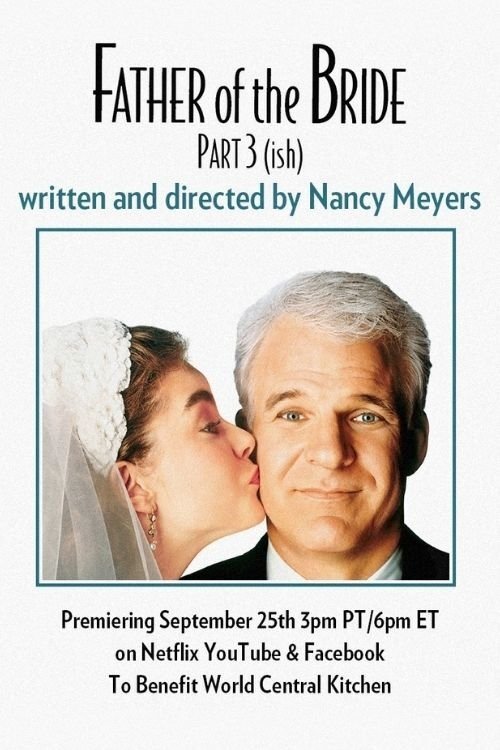
Father of the Bride Part 3 (ish)
2020The Banks Family reunites 25 years later for a very special event to benefit World Central Kitchen.
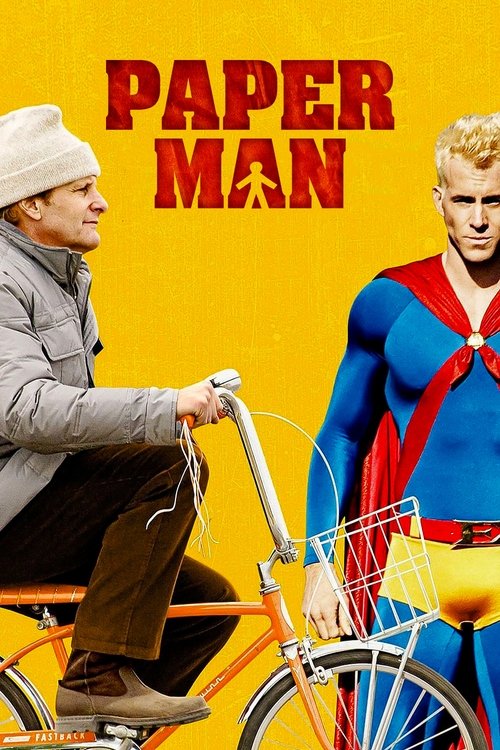
Paper Man
2009A coming-of-middle-age comedy that chronicles the unlikely friendship between failed author Richard Dunne and a Long Island teen who teaches him a thing or two about growing up, all under the disapproving eye of his long-suffering wife and his imaginary Superhero friend.

Wiener-Dog
2016A dachshund passes from oddball owner to oddball owner, whose radically dysfunctional lives are all impacted by the pooch.

She's All That
1999High school hotshot Zach Siler is the envy of his peers. But his popularity declines sharply when his cheerleader girlfriend, Taylor, leaves him for sleazy reality-television star Brock Hudson. Desperate to revive his fading reputation, Siler agrees to a seemingly impossible challenge. He has six weeks to gain the trust of nerdy outcast Laney Boggs -- and help her to become the school's next prom queen.

Music of the Heart
1999After Roberta Guaspari separates from her husband, she receives encouragement from her mother to take up a job of a music teacher at the Central Park East School in East Harlem.
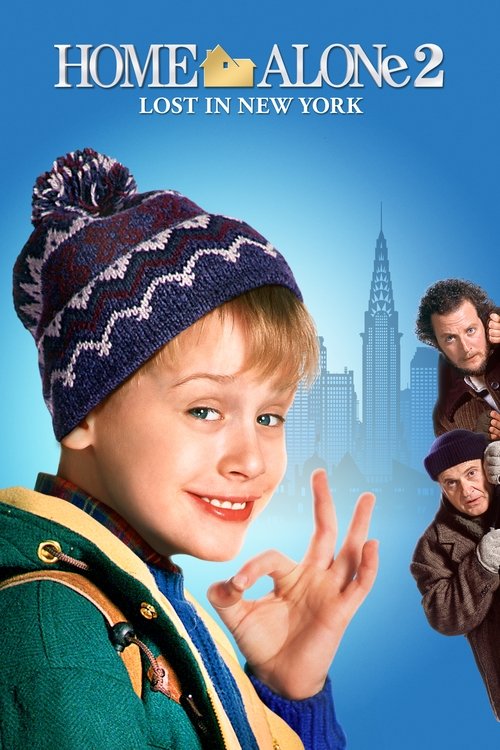
Instead of flying to Florida with his folks, Kevin ends up alone in New York, where he gets a hotel room with his dad's credit card—despite problems from a clerk and meddling bellboy. But when Kevin runs into his old nemeses, the Wet Bandits, he's determined to foil their plans to rob a toy store on Christmas Eve.
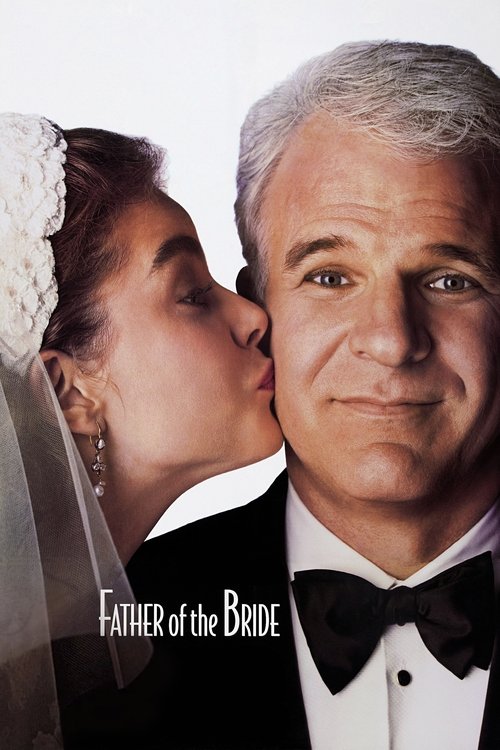
Father of the Bride
1991George Banks is an ordinary, middle-class man whose 22 year-old daughter Annie has decided to marry a man from an upper-class family, but George can't think of what life would be like without his daughter. His wife tries to make him happy for Annie, but when the wedding takes place at their home and a foreign wedding planner takes over the ceremony, he becomes slightly insane.
As the youngest member of the Banks family, Culkin offers a sweet and steady presence that rounds out the film's domestic heart. This role functioned as a crucial introduction to his naturalistic style and ease in front of a camera.
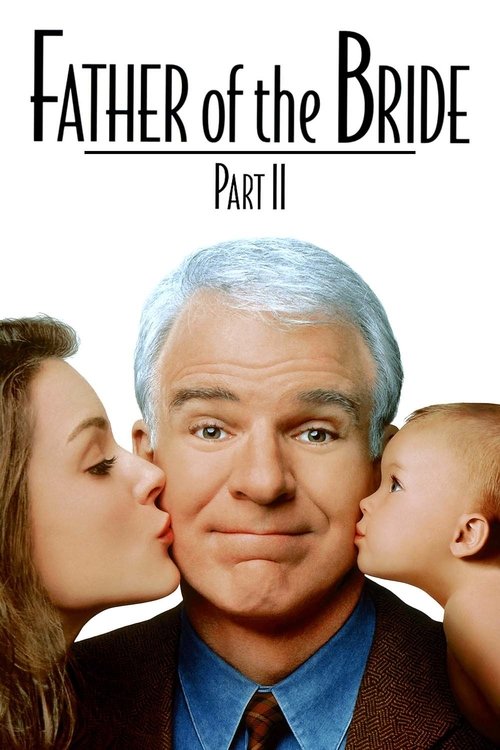
Father of the Bride Part II
1995Just when George Banks has recovered from his daughter's wedding, he receives the news that she's pregnant ... and that George's wife is expecting too. He was planning on selling their home, but that's a plan that—like George—will have to change with the arrival of both a grandchild and a kid of his own.
Culkin displays a maturing comedic timing in this sequel, evolving his role into a reliable source of grounded levity amidst the chaotic slapstick of the central plot. He proves his utility as a foundational ensemble player in large-scale studio productions.
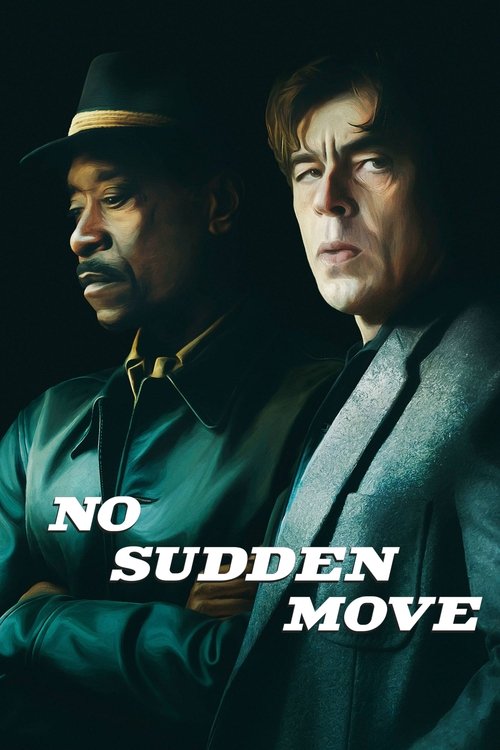
No Sudden Move
2021A group of criminals are brought together under mysterious circumstances and have to work together to uncover what's really going on when their simple job goes completely sideways.
Under Soderbergh’s direction, Culkin utilizes a jittery, high-strung intensity that adds a layer of unpredictable danger to the ensemble's criminal dynamics. It is a masterclass in making a significant impact with limited, high-voltage screen time.
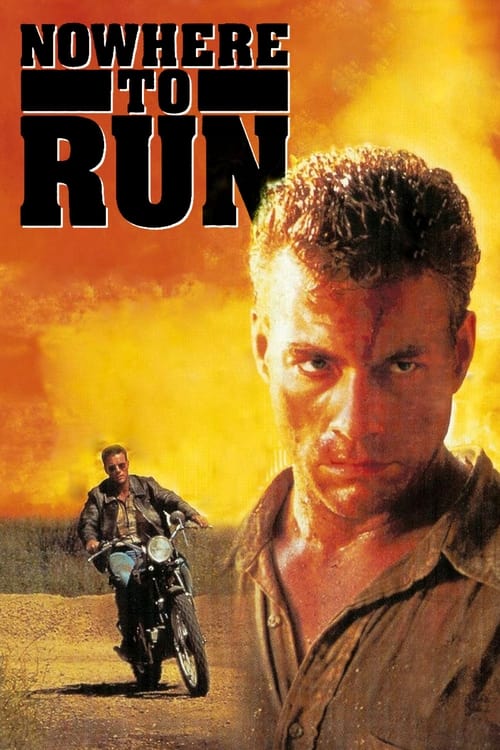
Nowhere to Run
1993Escaped convict Sam Gillen single-handedly takes on ruthless developers who are determined to evict a widow with two young children.
Working within the constraints of a traditional action vehicle, Culkin provides an essential emotional tether that grounds the film's more explosive elements. He showcases an early aptitude for holding his own against massive screen icons without being overshadowed.

Lymelife
2008A coming of age dramedy where infidelity, real estate, and Lyme disease have two families falling apart on Long Island in the early eighties. Scott, 15, is at the point in his life when he finds out that the most important people around him, his father, his mother, and his brother, are not exactly who he thought they were. They are flawed and they are human.
This performance captures Culkin at his most raw, navigating the stifling atmospheres of 1970s suburbia with a quiet, observant tension. He eschews flashy theatrics in favor of a nuanced, simmering portrait of adolescent disillusionment.

Home Alone
1990Eight-year-old Kevin McCallister makes the most of the situation after his family unwittingly leaves him behind when they go on Christmas vacation. When thieves try to break into his home, he puts up a fight like no other.
While his screen time is brief, Culkin’s mischievous turn as the bed-wetting cousin Fuller established a distinct, quirky charm that hinted at a long future in character acting. It remains a fascinating artifact of his professional origin story alongside his brother.

A Real Pain
2024Mismatched cousins David and Benji reunite for a tour through Poland to honor their beloved grandmother. The adventure takes a turn when the pair's old tensions resurface against the backdrop of their family history.
Drawing on a career-best level of manic spontaneity, Culkin vibrates with a restless, agonizing energy that feels startlingly lived-in. He manages to pivot between abrasive humor and devastating silence with the surgical precision of a seasoned veteran.

Margaret
201117-year-old Lisa feels certain that she inadvertently played a role in causing a traffic accident that claimed a woman's life. In her attempts to set things right, she meets with opposition at every step. Torn apart with frustration, she begins emotionally brutalizing her family, her friends, her teachers, and, most of all, herself. She has been confronted quite unexpectedly with a basic truth: that her youthful ideals are on a collision course with the realities and compromises of the adult world.
Culkin leans into a jagged, unpolished charisma that perfectly matches the volatile energy of Kenneth Lonergan's masterpiece. His presence here serves as a vital bridge between his child-actor roots and the sophisticated cynicism of his later adult roles.
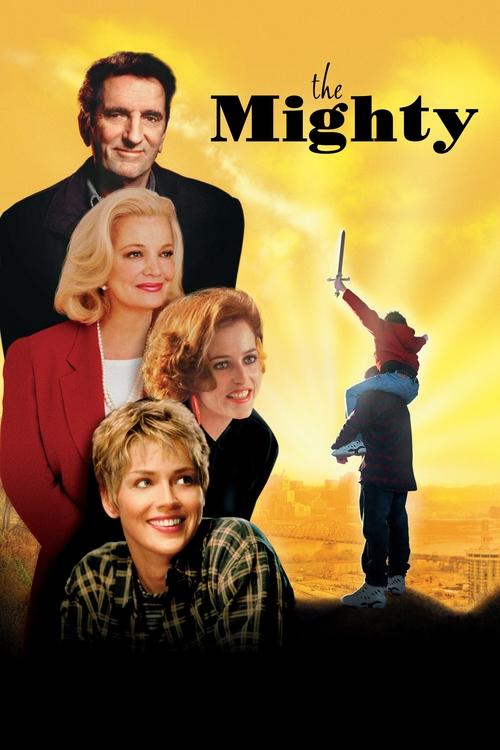
The Mighty
1998Kevin, an intelligent guy helps out Maxwell to improve his reading skills. In return, Kevin wants Maxwell to take him out places since he is not authorized to go out. Being the social outcasts of the town, Kevin and Maxwell come to realize that they are similar to each other and accept that they are "freaks" and nothing will stop them.
In this early career high, Culkin balances physical vulnerability with a fierce intellectual intensity that elevates the film beyond standard coming-of-age tropes. It proved his capability to anchor a narrative with profound emotional gravity despite his young age.

As bass guitarist for a garage-rock band, Scott Pilgrim has never had trouble getting a girlfriend; usually, the problem is getting rid of them. But when Ramona Flowers skates into his heart, he finds she has the most troublesome baggage of all: an army of ex-boyfriends who will stop at nothing to eliminate him from her list of suitors.
Culkin steals every frame as the arch, effortlessly cool Wallace Wells, weaponizing a dry wit that serves as the film's comedic backbone. This performance crystallized his persona as the premier deadpan scene-stealer of his generation.
Frequently Asked Questions
Everything you need to know about this list and SnakeDrafts
- Kieran Culkin's breakout role was as Fuller McCallister in the beloved holiday classic Home Alone, where he captured audiences with his mischievous yet charming portrayal. This role set the foundation for his diverse and enduring acting career.
- In Scott Pilgrim vs. the World, Kieran Culkin delivered an unforgettable performance with his sharp comedic timing and unique energy, distinguishing himself from his earlier, more innocent roles. His portrayal added a distinct edge and depth to the film’s quirky ensemble cast.
- Lymelife is a prime example of Kieran Culkin showcasing his versatility by balancing dramatic intensity with subtle comedic elements. This film highlights his ability to navigate complex emotional landscapes while maintaining engaging screen presence.
- Kieran Culkin frequently embodies characters with a mix of charismatic friction and offbeat charm, often exploring themes of family dynamics, personal growth, and social awkwardness. Films like Home Alone and Margaret demonstrate his skill in capturing nuanced emotional struggles within relatable narratives.
- Yes, Kieran Culkin stars in the 2024 comedy-drama A Real Pain, where he embraces both humor and emotional depth to deliver a compelling lead performance. This recent work continues to solidify his reputation as a versatile and engaging actor.
- In Home Alone 2: Lost in New York, Culkin reprised his role as the mischievous Fuller McCallister, bringing a familiar charm and playful energy that delighted fans of the original. His consistent portrayal helped maintain the beloved family humor across both films.
- Margaret stands out as a film where Kieran Culkin tackles mature and thought-provoking themes, contributing to a drama that explores guilt and moral ambiguity. His nuanced performance adds depth to the film’s intricate emotional narrative.
- Absolutely, Kieran Culkin has worked with prominent directors like Edgar Wright in Scott Pilgrim vs. the World and Steven Soderbergh in No Sudden Move, showcasing his adaptability and appeal in high-profile projects. These collaborations have helped elevate his status in Hollywood.