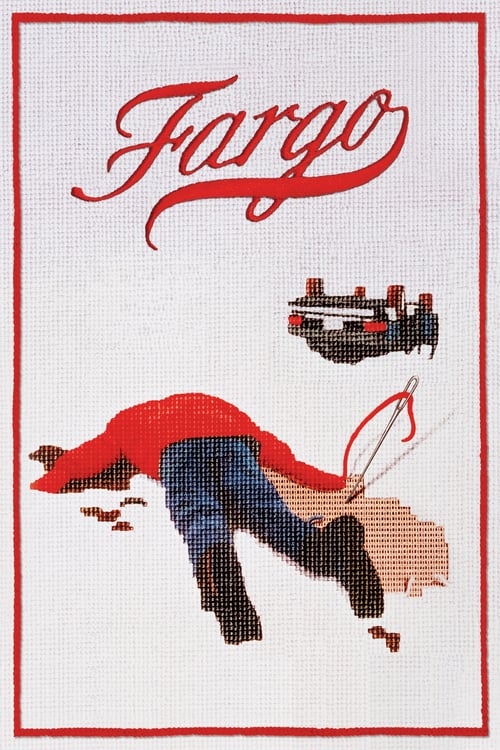
Fargo
In the desolate, snow-covered landscapes of Minnesota and North Dakota, a desperate car salesman orchestrates a bumbling kidnapping that spirals into a darkly comedic and tragically violent nightmare. Fargo is a masterclass in crime storytelling, blending quirky characters with brutal realism and unforgettable Coen Brothers flair.
Director
Joel Coen
Release Year
1996
Runtime
98 minutes
Main Cast
Frances McDormand, William H. Macy, Steve Buscemi, Peter Stormare, Harve Presnell
About Fargo
Joel and Ethan Coen's 1996 cinematic triumph, "Fargo," transcends the typical crime thriller, offering a uniquely American blend of dark humor, stark violence, and deeply human characters. Its indelible mark on popular culture is evident in its quotable dialogue, distinctive midwestern accents, and iconic imagery, from the desolate snowy vistas to Marge Gunderson's unwavering resolve.
The film's premise follows Jerry Lundegaard, a financially strapped car salesman who, in a desperate attempt to rectify his debts, hires two criminals to kidnap his own wife for ransom. However, his meticulously flawed plan quickly unravels, leading to a series of increasingly violent and absurd events. The unfolding chaos is juxtaposed by the calm, unassuming, and heavily pregnant police chief, Marge Gunderson, who navigates the escalating absurdity with a grounded sense of morality and an almost folksy wisdom.
"Fargo" was met with widespread critical acclaim, lauded for its innovative screenplay, the Coen Brothers' distinctive directorial style, and the standout performances from its cast. Frances McDormand's portrayal of Marge Gunderson earned her an Academy Award for Best Actress, and the Coen Brothers secured an Oscar for Best Original Screenplay. The film's unique tone, seamlessly shifting between moments of laugh-out-loud comedy and chilling violence, set it apart from its contemporaries.
Beyond its initial success, "Fargo" has cemented its legacy as a modern classic. It spawned a critically acclaimed television series that expanded upon its thematic universe, and its influence can be seen in countless crime dramas and dark comedies that followed. The film remains a compelling study of human nature, greed, and the unexpected ways in which ordinary lives can descend into extraordinary chaos, all set against the Coen Brothers' signature backdrop of quirky Americana.
The film's exploration of moral ambiguity and the ordinary lives caught in extraordinary circumstances resonates deeply. It serves as a stark reminder that even in the most mundane settings, the capacity for both profound good and shocking evil can reside, often manifesting in the most unexpected and darkly humorous ways. This enduring exploration of the human condition ensures its continued relevance and iconic status within cinematic history.
Drafts Featuring Fargo
Every SnakeDrafts listicle where this movie appears
The Best Steve Buscemi Movies
Ranked #2
The Best Frances McDormand Movies
Ranked #1
William H. Macy’s Greatest Movie Roles Ranked
Ranked #1
1996's Best Movies Ranked
Ranked #1
The Best Movies of the 1990s Ranked
Ranked #7
Top Drama Movies Ranked
Ranked #49
The Greatest Crime Movies of 1996
Ranked #1
The Greatest Crime Movies Ranked
Ranked #18
The Best Thriller Movies of All Time, Ranked
Ranked #34
Top 1990s Thriller Movies Ranked
Ranked #13
The Greatest 1990s Crime Movies Ranked
Ranked #4
The Best Thriller Movies of 1996, Ranked
Ranked #10
Similar Movies
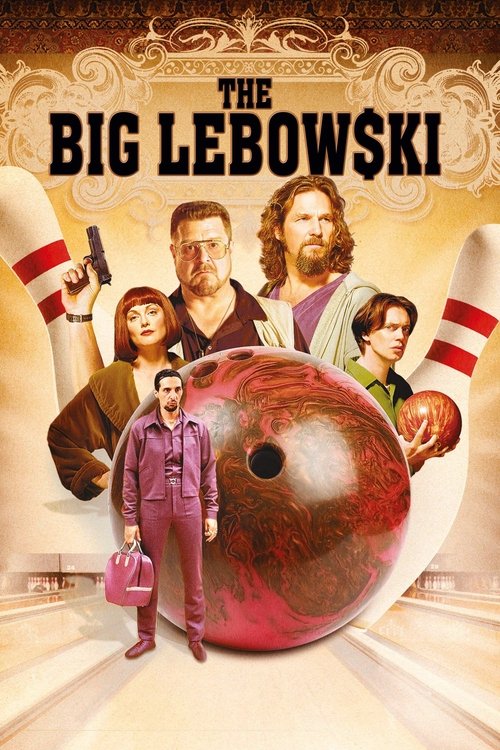
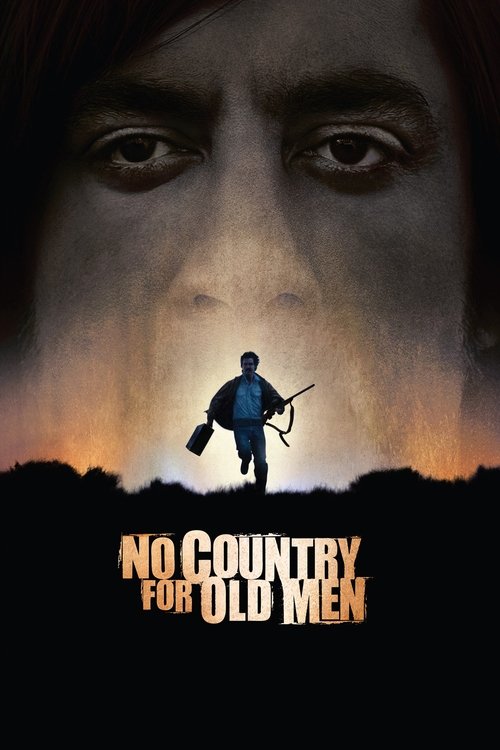
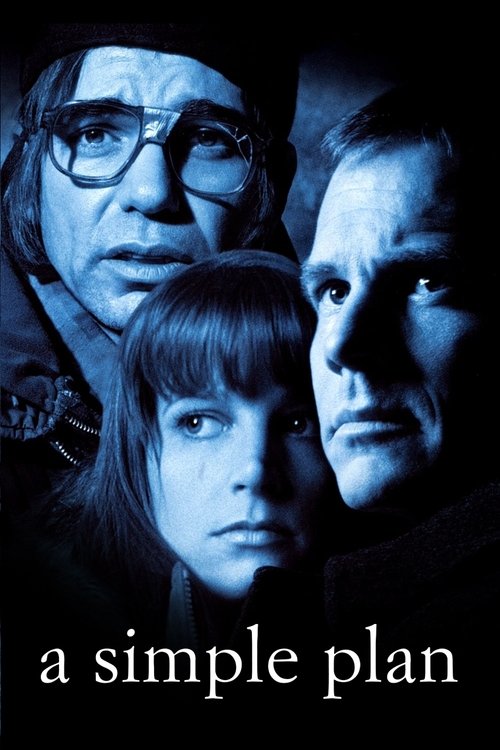
Movies related to Fargo

Frequently Asked Questions
Everything you need to know about Fargo
- The wood chipper scene is one of Fargo's most iconic and disturbing moments, symbolizing the extreme and gruesome escalation of Jerry Lundegaard's ill-conceived plan. While the film opens with a claim that it's based on a true story, this particular event, like much of the movie's narrative, was largely fictionalized for dramatic effect. The Coen Brothers often blend fact and fiction to create their unique storytelling style.
- Marge Gunderson, with her unwavering integrity, folksy charm, and keen detective skills, acts as the moral anchor amidst the film's escalating violence and moral decay. She represents common sense and genuine decency, offering a stark contrast to the greed and desperation that drive Jerry and the kidnappers. Her practicality and grounded nature highlight the absurdity of the criminal undertakings.
- Jerry Lundegaard's desperation in Fargo is a central thematic element, showcasing the destructive potential of financial strain and the lengths to which an ordinary man might go when backed into a corner. His character explores themes of greed, poor decision-making, and the tragic consequences of trying to take shortcuts in life. His increasingly poor choices serve as a cautionary tale within the narrative.
- Fargo presents a unique and often darkly humorous portrayal of the American Midwest, contrasting its outwardly polite and unassuming facade with the underlying capacity for darkness and violence. The film both leans into and subverts regional stereotypes, using the setting to amplify the unexpected nature of the crimes committed. It suggests that even in seemingly placid environments, profound moral struggles can unfold.
- The incessant snow and biting cold in Fargo serve as more than just a backdrop; they are powerful symbolic elements throughout the film. The harsh, unforgiving landscape mirrors the chilling nature of the crimes and the emotional detachment of some characters. It also emphasizes the isolation and bleakness of the characters' situations, contributing to the film's overall atmospheric and unsettling tone.

