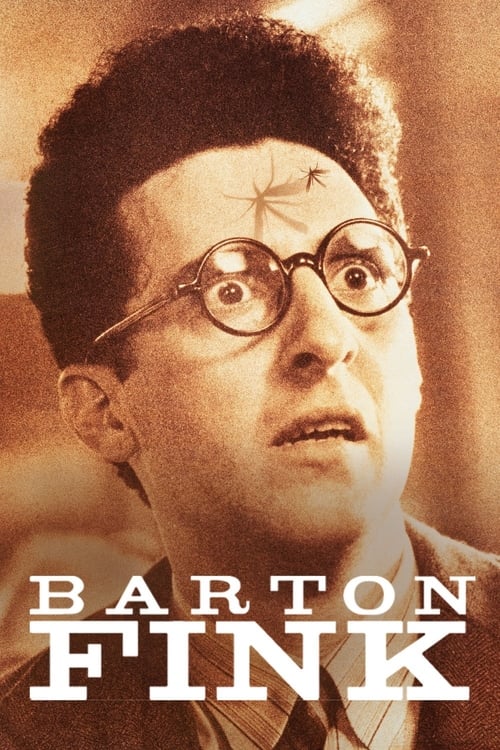
Barton Fink
Step into the surreal and unsettling world of 1940s Hollywood with "Barton Fink," a Coen Brothers masterpiece that blurs the lines between dreams and reality, offering a biting satire of the creative process and the film industry's golden age. This darkly comedic thriller, rich with symbolism and psychological depth, is a must-watch for cinephiles seeking a thought-provoking and unforgettable experience.
Director
Joel Coen
Release Year
1991
Runtime
117 minutes
Main Cast
John Turturro, John Goodman, Judy Davis, Michael Lerner, John Mahoney
About Barton Fink
Joel and Ethan Coen's "Barton Fink" arrived in 1991 as a potent deconstruction of the American Dream, as seen through the lens of a New York playwright's bewildering encounter with the studio system. The film quickly garnered critical acclaim, cementing the Coen Brothers' reputation for crafting unique, darkly humorous, and intellectually stimulating cinema.
The narrative centers on Barton Fink (John Turturro), an acclaimed New York playwright known for his populist dramas, who is lured to Hollywood to write a wrestling picture. What begins as a seemingly golden opportunity rapidly descends into a nightmarish ordeal of writer's block, bizarre encounters, and growing paranoia. The film masterfully uses its 1940s Hollywood setting not just as a backdrop, but as a symbolic landscape of creative compromise and the soul-crushing machinery of commercial art.
"Barton Fink" was a critical darling, earning significant accolades including the Palme d'Or, Best Director, and Best Actor (for John Turturro) at the 1991 Cannes Film Festival. Its themes of artistic integrity, isolation, and the elusive nature of inspiration resonated deeply with critics and audiences alike. The film bravely tackled the existential dread of the creative individual, wrapped in a meticulously crafted period piece that simultaneously celebrated and skewered classic Hollywood.
Beyond its initial reception, "Barton Fink" has maintained its status as a cult classic and a staple in discussions of cinematic surrealism and auteur filmmaking. Its influence can be seen in subsequent works that explore the darker side of creative ambition and the industry that often consumes it. The film's blend of dark comedy, psychological thriller elements, and profound social commentary ensures its enduring legacy as a powerful and unsettling cinematic achievement.
Drafts Featuring Barton Fink
Every SnakeDrafts listicle where this movie appears
Similar Movies
Movies related to Barton Fink
Frequently Asked Questions
Everything you need to know about Barton Fink
- The central theme of Barton Fink revolves around the struggles of a playwright facing writer's block while grappling with the complex and often dark realities of Hollywood. It explores the blurred lines between creativity and madness in a surreal, suspenseful narrative.
- The setting of 1940s Hollywood is crucial as it highlights the golden age of the film industry juxtaposed with the darker, more oppressive side of studio life. This period setting helps to deepen the film's atmosphere, emphasizing the contrast between artistic ambition and the commercial pressures of the movie business.
- The hotel in which Barton Fink stays serves almost as a character itself, representing isolation and a nightmarish space where reality and hallucination blur. It amplifies the protagonist's psychological torment and symbolizes the oppressive nature of his creative and personal struggles.
- Barton Fink masterfully blends comedy, drama, and thriller elements to create a unique cinematic experience. The film uses dark humor and suspense alongside dramatic exploration of human psyche and artistic dilemmas to engage viewers on multiple levels.
- Barton Fink's interactions with characters like his neighbor and the studio executives reveal different facets of the industry and himself. These relationships highlight themes of exploitation, loneliness, and the search for meaning within the chaotic world of Hollywood.
- Yes, the film is rich in symbolism, including recurring motifs such as the mysterious knocking sounds and the ominous presence of the hotel. These elements symbolize deeper themes like guilt, creative paralysis, and the pressures of conformity.
- The ambiguous and unsettling ending of Barton Fink reflects the film's message about the elusive nature of truth and artistic expression. It leaves the audience contemplating the costs of creativity and the often surreal experience of the human mind under stress.
- Joel Coen’s direction is marked by a meticulous attention to atmosphere, blending absurdity with intense psychological drama. His use of visual style, framing, and pacing enhances the film’s haunting mood and supports its layered narrative themes.

