Ranking Billy Crudup's Greatest Movies
The Commanding Screen Presence of a Modern Character Actor
Explore the best Billy Crudup movies, from rock stardom in Almost Famous to the god-like Dr. Manhattan in Watchmen and gritty dramas like Spotlight.
About Billy Crudup
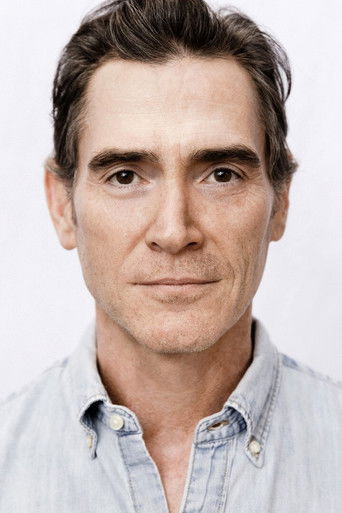
There is a specific kind of alchemy required to be a movie star who refuses to be a celebrity. For three decades, Billy Crudup has operated as the industry’s most dependable secret weapon, a performer possessing the jawline of a classic matinee idol and the restless, unpredictable soul of a character actor. He occupies a rare space in Hollywood where his face is instantly recognizable, yet his essence remains delightfully slippery. Whether he is playing a rock god, a superhero, or a disgraced news executive, he brings a shimmering intensity that suggests he knows something the rest of us don't.
Most audiences first fell under his spell through the golden haze of Almost Famous. As Russell Hammond, the guitarist riding the line between profound and pretentious, he captured the fleeting, magnetic arrogance of 1970s stardom. It was a performance that could have easily trapped him in heartthrob territory, but he chose a more jagged path. He has always seemed more interested in the friction of a character than the polish. This was evident early on in the dark, bruising atmosphere of Sleepers and later in Without Limits, where he channeled the raw, obsessive friction of runner Steve Prefontaine. He doesn't just play men; he inhabits their specific brands of mania.
His filmography reads like a masterclass in versatility, skipping across genres without ever losing his signature intellectual hum. In Big Fish, he provided the grounded, emotional heartbeat to a world of tall tales, while in Watchmen and Zack Snyder's Justice League, he transformed into something ethereal and detached as Doctor Manhattan. Even when buried under blue CGI or acting through the stoic lens of a period piece like Stage Beauty, his voice remains a precision instrument, capable of cutting through the noise with a dry, quiet authority.
The middle chapter of his career saw him becoming the ultimate ensemble player, the kind of actor directors rely on to add layers of moral complexity to an already crowded frame. He was the subtle, sharp-edged lawyer in the Oscar winning Spotlight and the gentle, slightly out of time handyman in 20th Century Women. He navigates the high stakes of Mission Impossible III or the existential dread of Alien Covenant with the same level of commitment he brings to the bureaucratic tension of Jackie or the financial collapse in Too Big to Fail. Even in smaller, soul baring projects like Rudderless or the chillingly clinical The Stanford Prison Experiment, he finds the humanity within the hollowed out or the cruel.
What draws us to him is a sense of controlled chaos. He possesses a charismatic intelligence that can feel warm one moment and terrifyingly cold the next. He never asks the audience for permission to be unlikable, which paradoxically makes him impossible to look away from. He is the actor who makes the smart movies smarter and the big movies feel more intimate. He has spent thirty years avoiding the easy route, choosing instead to become a foundational fixture of modern cinema, a man who remains essential precisely because he is so difficult to pin down.

Where'd You Go, Bernadette
2019When architect-turned-recluse Bernadette Fox goes missing prior to a family trip to Antarctica, her 15-year-old daughter, Bee, goes on a quest with Bernadette's husband to find her.
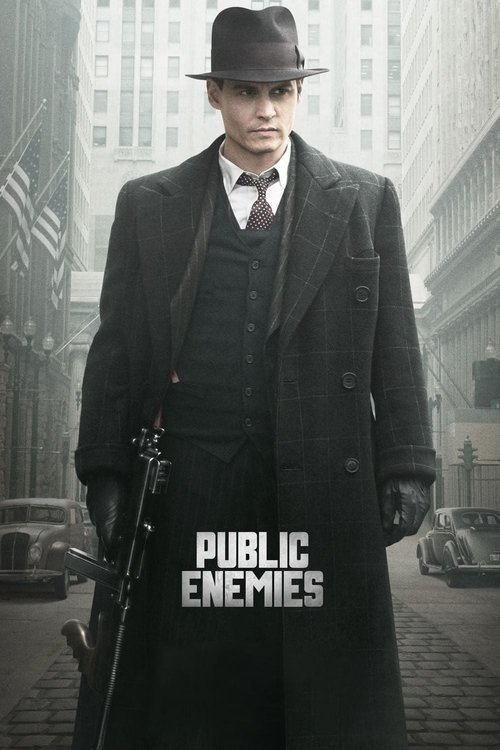
Public Enemies
2009Depression-era bank robber John Dillinger's charm and audacity endear him to much of America's downtrodden public, but he's also a thorn in the side of J. Edgar Hoover and the fledgling FBI. Desperate to capture the elusive outlaw, Hoover makes Dillinger his first Public Enemy Number One and assigns his top agent, Melvin Purvis, the task of bringing him in dead or alive.

Stage Beauty
2004Humble Maria, who outfits top London theater star Ned Kynaston, takes none of the credit for the male actor's success at playing women. And because this is the 17th century, Maria, like other females, is prohibited from pursuing her dream of acting. But when powerful people support her, King Charles II lifts the ban on female stage performers. And just as Maria aided Ned, she needs his help to learn her new profession.
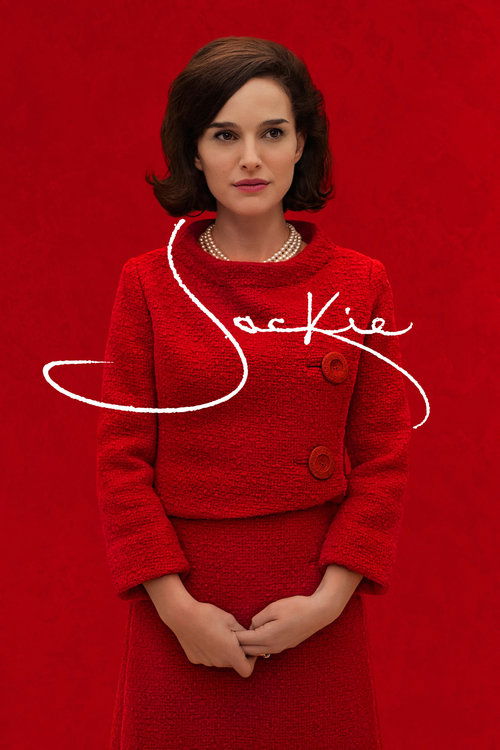
Jackie
2016An account of the days of First Lady, Jacqueline Kennedy, in the immediate aftermath of John F. Kennedy's assassination in 1963.
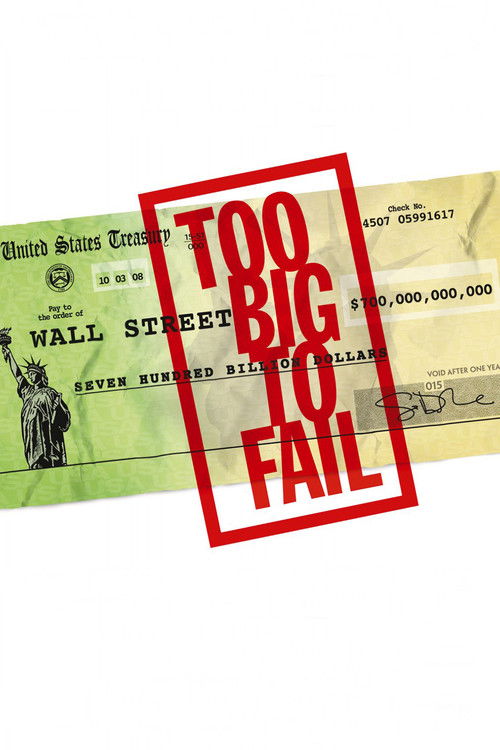
Too Big to Fail
2011An intimate look at the epochal financial crisis of 2008 and the powerful men and women who decided the fate of the world's economy in a matter of a few weeks.
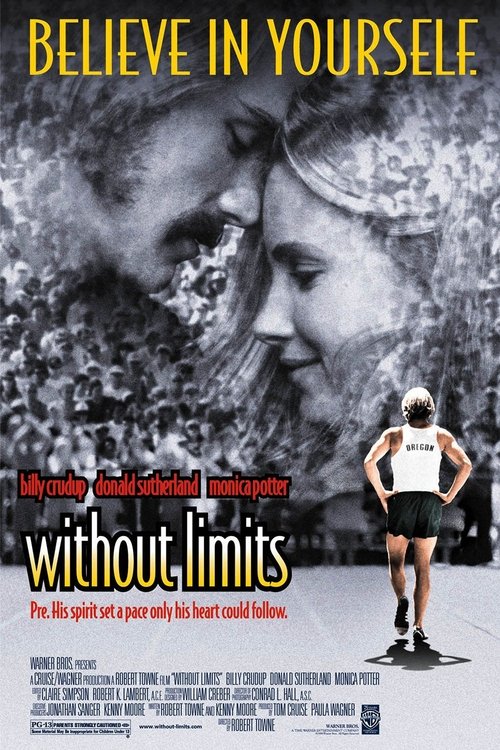
Without Limits
1998The life of renowned runner Steve Prefontaine and his relationship with legendary coach Bill Bowerman.
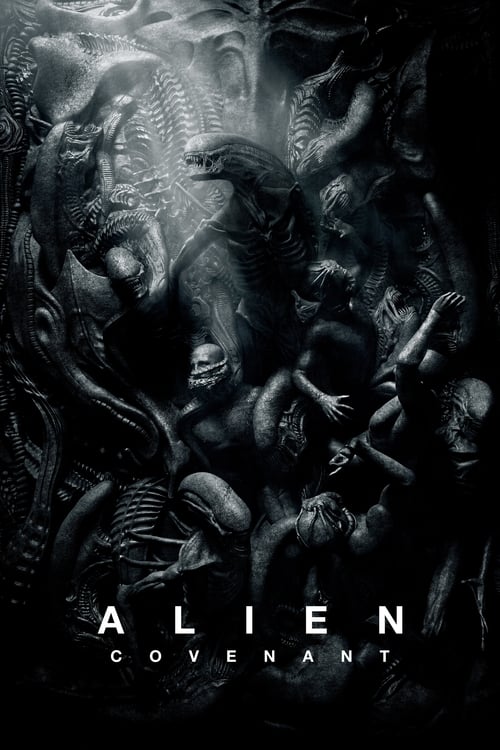
Alien: Covenant
2017The crew of the colony ship Covenant, bound for a remote planet on the far side of the galaxy, discovers what they think is an uncharted paradise but is actually a dark, dangerous world.
Crudup tackles the role of a crisis-averse man of faith with a palpable sense of mounting dread. He elevates the traditional captain archetype by playing the character as a man struggling to reconcile his religious convictions with the visceral, cosmic horrors unfolding around him.
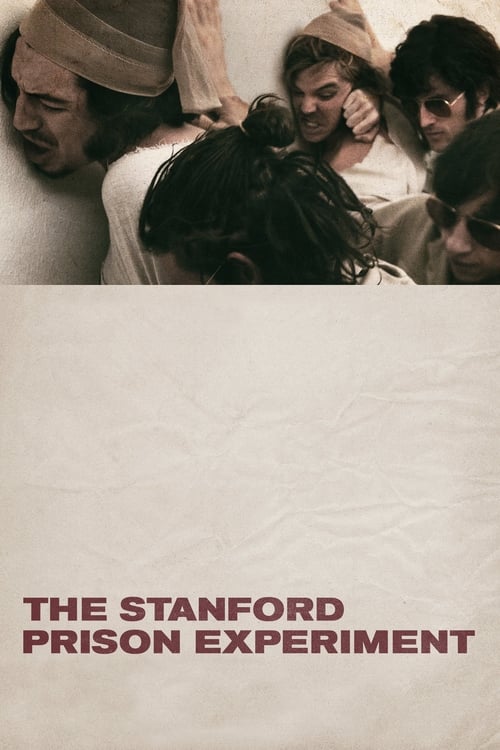
The Stanford Prison Experiment
2015In 1971, Stanford's Professor Philip Zimbardo conducts a controversial psychology experiment in which college students pretend to be either prisoners or guards, but the proceedings soon get out of hand. Based on a true story.
Crudup anchors the film with a chilling, clinical detachment, portraying Dr. Philip Zimbardo as a man whose academic curiosity curdles into a god complex. He brilliantly navigates the character's descent from objective observer to manipulative architect, marking a pivotal shift in his career toward playing more complex, morally compromised authority figures. It is a masterclass in controlled intensity that finds the terrifying humanity within a cold bureaucratic ego.
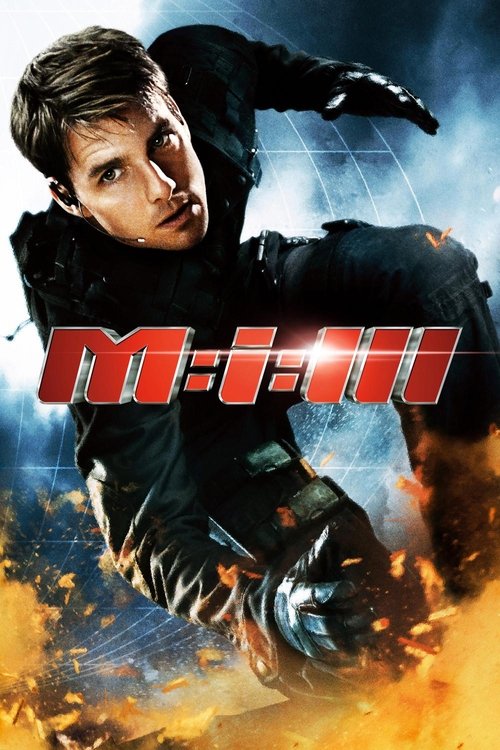
Retired from active duty, and training recruits for the Impossible Mission Force, agent Ethan Hunt faces the toughest foe of his career: Owen Davian, an international broker of arms and information, who's as cunning as he is ruthless. Davian emerges to threaten Hunt and all that he holds dear – including the woman Hunt loves.
Functioning as the quintessential corporate snake, Crudup’s turn as John Musgrave is defined by a calculated propriety that masks hidden agendas. He excels at the sort of high-stakes verbal sparring that makes him an ideal foil within the frantic pacing of a blockbuster spy thriller.
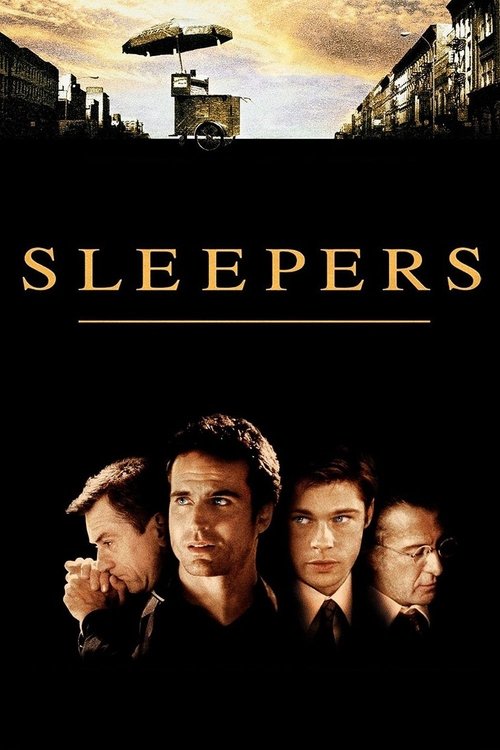
Sleepers
1996Two gangsters seek revenge on the state jail worker who during their stay at a youth prison sexually abused them. A sensational court hearing takes place to charge him for the crimes.
In one of his earliest significant roles, Crudup depicts a soul hardened by trauma with a cold, piercing intensity. He navigates the transition from victim to vigilante by avoiding theatricality, opting instead for a haunting, hollowed-out stare that suggests a lifetime of buried pain.
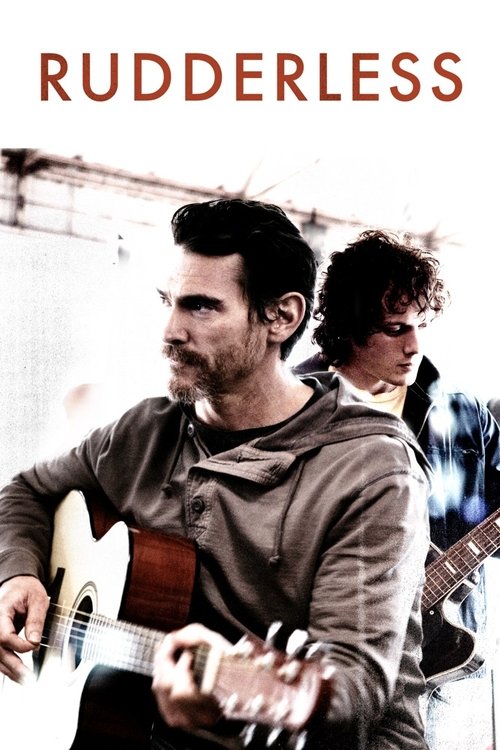
Rudderless
2014A grieving father in a downward spiral stumbles across a box of his recently deceased son's demo tapes and lyrics. Shocked by the discovery of this unknown talent, he forms a band in the hope of finding some catharsis.
Crudup carries the heavy burden of grief in this musical drama, utilizing his own vocal talents to explore the messy intersection of mourning and art. It is a raw, jagged performance that forces the audience to confront the more uncomfortable facets of a father’s public redemption.

20th Century Women
2016In 1979 Santa Barbara, California, Dorothea Fields is a determined single mother in her mid-50s who is raising her adolescent son, Jamie, at a moment brimming with cultural change and rebellion. Dorothea enlists the help of two younger women – Abbie, a free-spirited punk artist living as a boarder in the Fields' home and Julie, a savvy and provocative teenage neighbour – to help with Jamie's upbringing.
Playing a gentle, slightly drifted handyman, Crudup demonstrates a remarkable capacity for supporting the female-led ensemble without ever overstepping. His work here is a masterclass in stillness, providing a soft-spoken masculinity that beautifully complements the film's complex maternal themes.
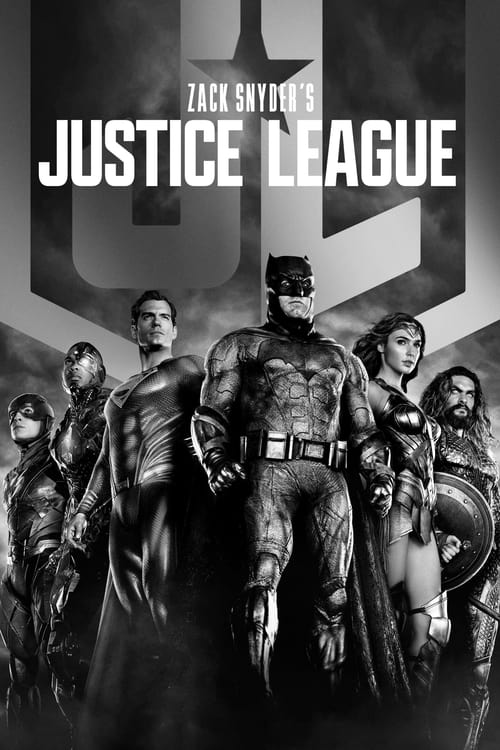
Determined to ensure Superman's ultimate sacrifice was not in vain, Bruce Wayne aligns forces with Diana Prince with plans to recruit a team of metahumans to protect the world from an approaching threat of catastrophic proportions.
In his brief but crucial appearances as Henry Allen, Crudup prioritizes quiet dignity over superhero spectacle. He brings an understated pathos to the father-son dynamic, providing a human heartbeat to an otherwise sprawling operatic epic.
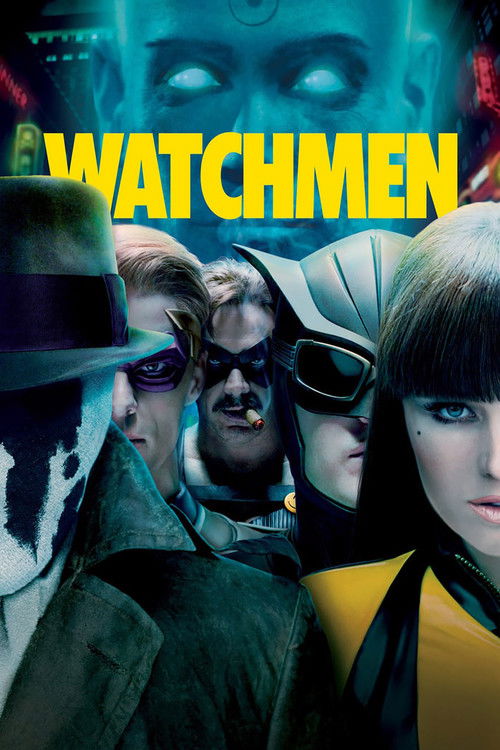
Watchmen
2009In a gritty and alternate 1985, the glory days of costumed vigilantes have been brought to a close by a government crackdown. But after one of the masked veterans is brutally murdered, an investigation into the killer is initiated. The reunited heroes set out to prevent their own destruction, but in doing so they uncover a sinister plot that puts all of humanity in grave danger.
Even behind layers of digital rendering and a glowing cerulean hue, Crudup’s voice work and facial capture convey a profound sense of cosmic detachment. He transforms Dr. Manhattan into a tragic figure of absolute power, effectively portraying the chilling loneliness of a god who has outgrown humanity.
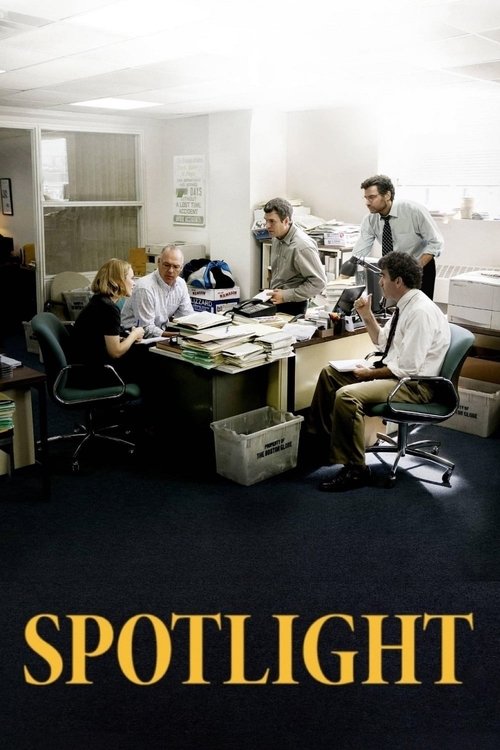
Spotlight
2015The true story of how the Boston Globe uncovered the massive scandal of child molestation and cover-up within the local Catholic Archdiocese, shaking the entire Catholic Church to its core.
Occupying the murky periphery of the Boston legal world, Crudup leans into a slippery, bureaucratic charm as attorney Eric MacLeish. He weaponizes silence and subtle deflection to portray a man whose morality has been quietly eroded by systemic institutionalism.
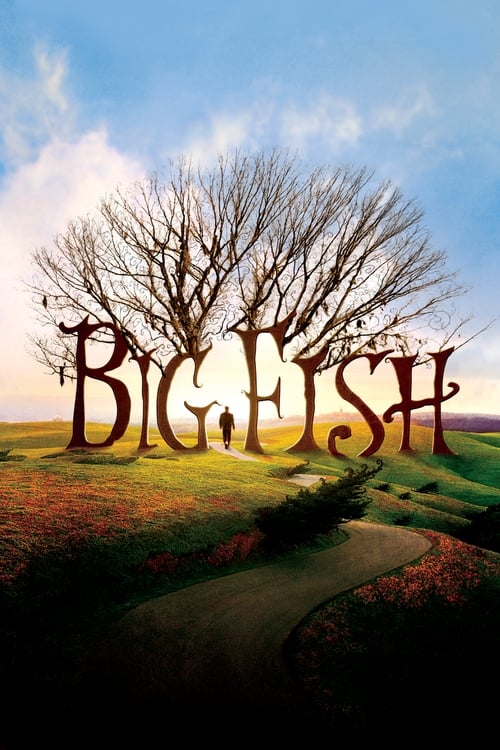
Big Fish
2003Throughout his life Edward Bloom has always been a man of big appetites, enormous passions and tall tales. In his later years, he remains a huge mystery to his son, William. Now, to get to know the real man, Will begins piecing together a true picture of his father from flashbacks of his amazing adventures.
Crudup serves as the cynical, modern anchor to Tim Burton’s whimsical flights of fancy, playing the estranged son with a sharp, necessary edge. His grounded skepticism provides the emotional friction required to make the film’s final catharsis resonate beyond mere artifice.
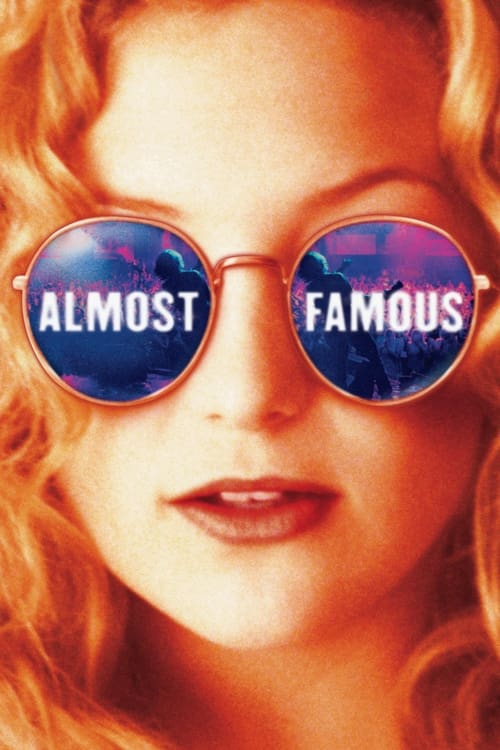
Almost Famous
2000In 1973, 15-year-old William Miller's unabashed love of music and aspiration to become a rock journalist lands him an assignment from Rolling Stone magazine to interview and tour with the up-and-coming band, Stillwater.
As the enigmatic Russell Hammond, Crudup captures the precarious balance between rock-god vanity and a desperate, grounding vulnerability. It remains his definitive screen contribution, grounding the film’s nostalgic idealism in a performance that feels both mythic and painfully human.
Frequently Asked Questions
Everything you need to know about this list and SnakeDrafts
- Billy Crudup's musical talent is most prominently showcased in 'Almost Famous,' where he plays a charismatic rock journalist. The film blends drama and music, highlighting his ability to embody the spirit of rock stardom authentically.
- In 'Watchmen,' Billy Crudup portrays Dr. Manhattan, a god-like superhero, marking a significant shift into science fiction and action genres in his career. This role is notable for its complexity and physical transformation, setting it apart from his other dramatic roles.
- Many of Billy Crudup's top movies explore themes of identity, morality, and human complexity, whether through music in 'Almost Famous,' journalistic integrity in 'Spotlight,' or supernatural elements in 'Watchmen.' These films often delve into deep character studies and ethical dilemmas.
- Billy Crudup's dramatic versatility is evident in films like 'Spotlight,' dealing with investigative journalism, and '20th Century Women,' which explores family dynamics. His performances range from intense real-life stories to nuanced character-driven narratives.
- Yes, 'Spotlight' and 'Too Big to Fail' feature Billy Crudup in settings related to significant historical events. 'Spotlight' focuses on the investigation into the Catholic Church scandals, while 'Too Big to Fail' dramatizes the 2008 financial crisis.
- Billy Crudup has made notable contributions to science fiction and fantasy through films like 'Watchmen' and 'Alien: Covenant.' These roles exhibit his range in playing complex characters in visually imaginative and intense narrative settings.
- In 'Big Fish,' Billy Crudup plays a pivotal role in a fantastical narrative blending adventure and drama. His performance complements the film's whimsical storytelling style, showcasing his ability to adapt to a more imaginative, fairy-tale-like environment.