The Best Crime Movies of 1986, Ranked
Gritty Noir and Cult Thrillers from the Mid Eighties
Explore the best crime cinema including neo-noir classics, gritty psychological thrillers, and intense action dramas released during a landmark year.
About 1986 Crime Movies
In the velvet-lined history of eighties cinema, 1986 serves as a fascinating pivot point for the crime genre. It was a year where the neon soaked excess of the early decade began to curdle into something more cynical, artistic, and deeply unsettling. While the box office was busy with high flying fighter jets and mechanical aliens, the crime films of 1986 were conducting a radical autopsy on the American dream.
The landscape was dominated by a shift toward the visceral. Director Michael Mann, already famous for his stylistic overhaul of the detective aesthetic with Miami Vice, released Manhunter in August. Today, we recognize it as the cinematic birth of Hannibal Lecktor, but at the time, it was a cold, blue hued masterclass in forensic procedural. It stripped away the traditional hero tropes, replacing them with Will Graham, a man so empathetic to monsters that he risked becoming one. Mann used architecture and synthesizers to create a crime film that felt like a fever dream, proving that the genre could be high art without losing its pulse.
While Mann was cooling things down, David Lynch was setting the suburbs on fire with Blue Velvet. Though often categorized as neo-noir or surrealism, at its heart, it is a classic detective story about a hidden underworld. By placing a severed ear in a pristine field, Lynch signaled that the criminality of 1986 was no longer confined to dark alleys or urban docks. It was living next door, hidden behind white picket fences and fueled by sexual deviancy. It broke the genre wide open, suggesting that the most terrifying crimes were the ones we chose to ignore in our own neighborhoods.
On the grittier end of the spectrum, John Woo was busy redefining action cinema in Hong Kong with A Better Tomorrow. This film launched the heroic bloodshed subgenre, blending operatic violence with a strict code of brotherhood and betrayal. Its influence would eventually travel across the ocean to shape a generation of American filmmakers like Quentin Tarantino. It reminded audiences that crime movies were fundamentally about morality plays, even if those plays were choreographed with thousands of bullets and slow motion explosions.
Meanwhile, River's Edge offered a devastating look at teenage apathy and homicide in small town America. It was a crime film stripped of any glamour, focusing on the chilling indifference of youths who find a classmate murdered and feel nothing. It stood in stark contrast to the slick, wisecracking detectives of the era, providing a sobering reminder of the genre's power to reflect social decay.
Even the more traditional offerings had a unique bite. At Close Range featured Sean Penn and Christopher Walken in a brutal father son tragedy based on a real Pennsylvania crime family. It remains one of the most haunting depictions of rural criminality ever captured on film.
Looking back, 1986 was the year the crime movie grew up and moved out of the city. It found horror in the suburbs, poetry in the lab, and tragedy in the family unit. The genre stopped being just about the chase and started being about the psychological debris left behind. It was a year of shadows that lingered long after the credits rolled.
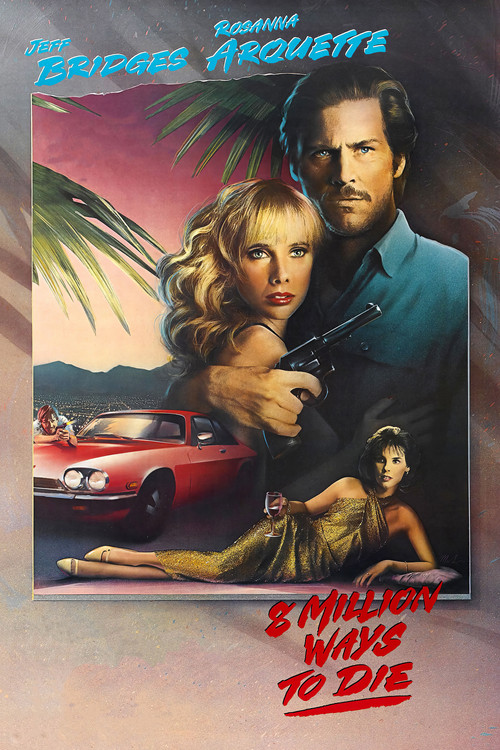
8 Million Ways to Die
1986Scudder is a detective with the Sheriff's Department who is forced to shoot a violent suspect during a narcotics raid. The ensuing psychological aftermath of this shooting worsens his drinking problem and this alcoholism causes him to lose his job, as well as his marriage.
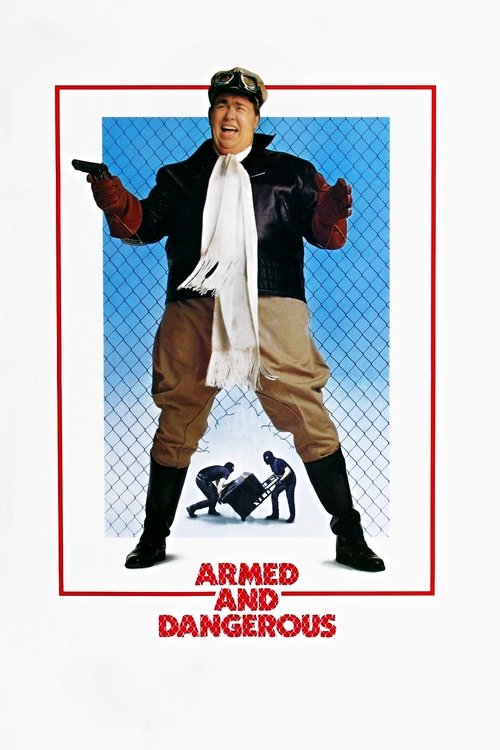
Armed and Dangerous
1986After policeman Frank Dooley is framed for theft and loses his job on the force, he joins a security guard agency and teams up with inept former defense lawyer Norman Kane. When the two botch a job guarding a local warehouse, they begin to uncover corruption within the company and their union.
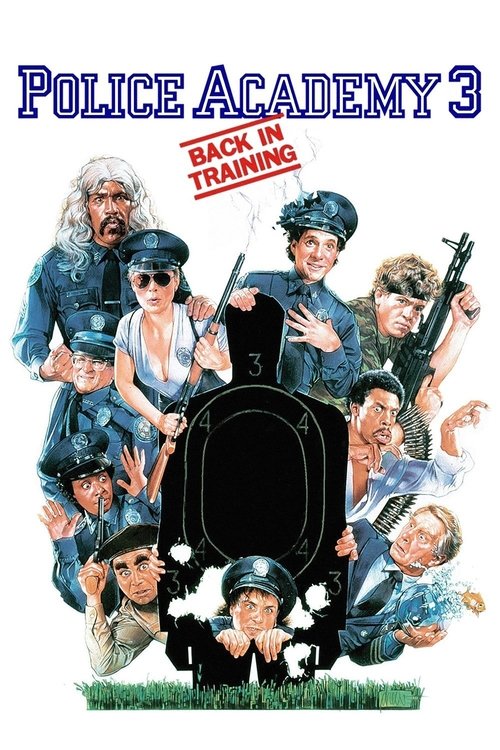
Police Academy 3: Back in Training
1986When police funding is cut, the Governor announces he must close one of the academies. To make it fair, the two police academies must compete against each other to stay in operation. Mauser persuades two officers in Lassard's academy to better his odds, but things don't quite turn out as expected...
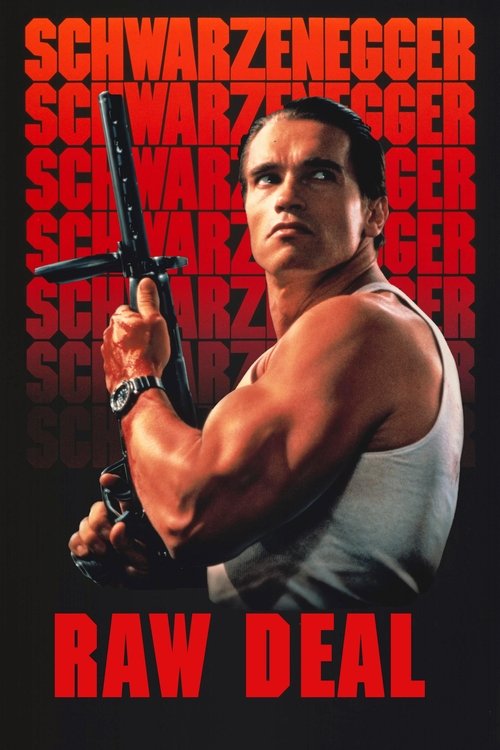
Raw Deal
1986Mark Kaminsky is kicked out of the FBI for his rough treatment of a suspect. He winds up as the sheriff of a small town in North Carolina. FBI Chief Harry Shannon, whose son has been killed by a mobster named Patrovina, enlists Kaminsky in a personal vendetta with a promise of reinstatement into the FBI if Patrovina is taken down. To accomplish this, he must go undercover and join Patrovina's gang.
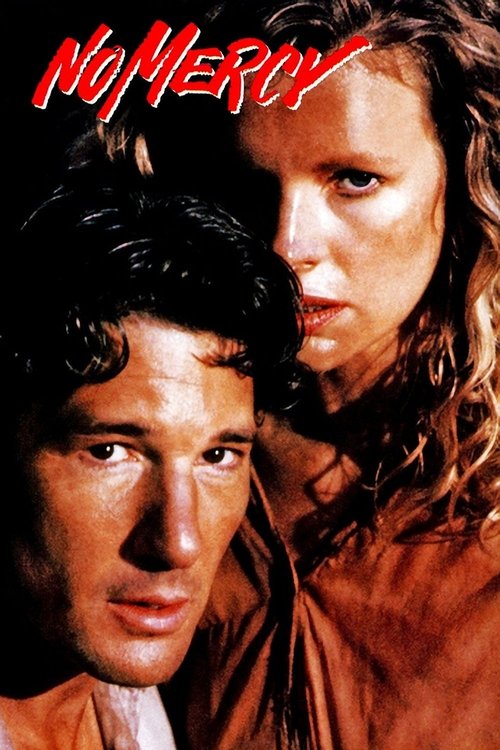
No Mercy
1986An unconventional undercover Chicago cop and his partner are recruited to commit the murder of a New Orleans criminal kingpin.
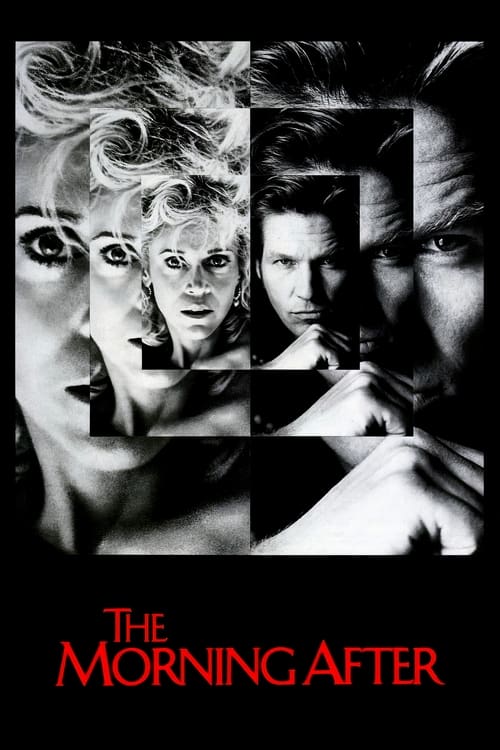
The Morning After
1986Failed actress Alex Sternbergen wakes up hungover one morning in an apartment she does not recognize, unable to remember the previous evening -- and with a dead body in bed next to her. As she tries to piece together the events of the night, Alex cannot totally rely on friends or her estranged husband, Joaquin, for assistance. Only a single ally, loner ex-policeman Turner Kendall, can help her escape her predicament and find the true killer.
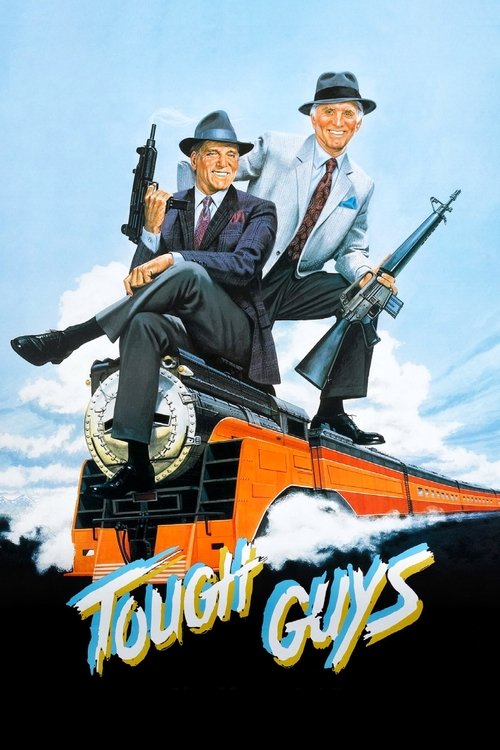
Tough Guys
1986Harry Doyle and Archie Lang are two old-time train robbers, who held up a train in 1956 and have been incarcerated for thirty years. After serving their time, they are released from jail and have to adjust to a new life of freedom. and soon realize that they still have the pizzazz when, picking up their prison checks at a bank, they foil a robbery attempt.
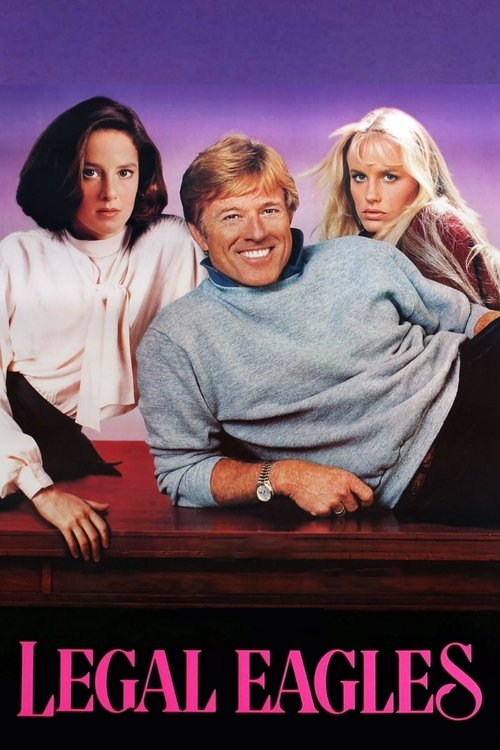
Legal Eagles
1986District Attorney Tom Logan is set for higher office, at least until he becomes involved with defence lawyer Laura Kelly and her unpredictable client Chelsea Deardon. It seems the least of Chelsea's crimes is the theft of a very valuable painting, but as the women persuade Logan to investigate further and to cut some official corners, a much more sinister scenario starts to emerge.
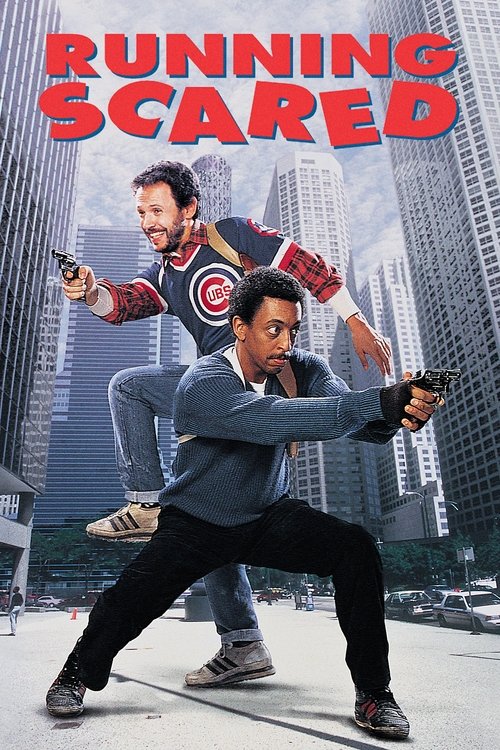
Running Scared
1986Two street-wise Chicago cops have to shake off some rust after returning from a Key West vacation to pursue a drug dealer that nearly killed them in the past.
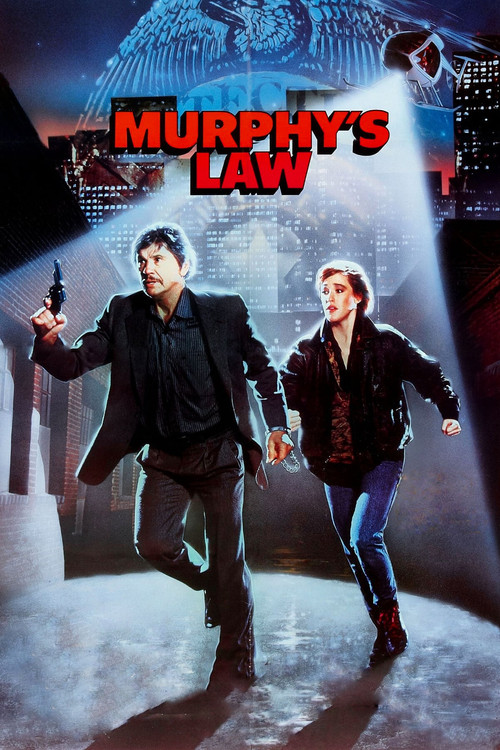
Murphy's Law
1986A tough police detective escapes from custody after being framed and arrested for the murder of his ex-wife, and must now find the real killer and prove his innocence.
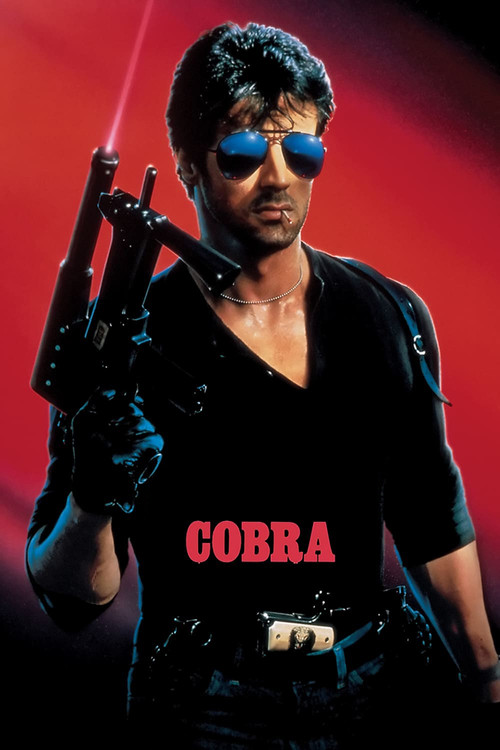
Cobra
1986A tough-on-crime street cop must protect the only surviving witness to a strange murderous cult with far reaching plans.
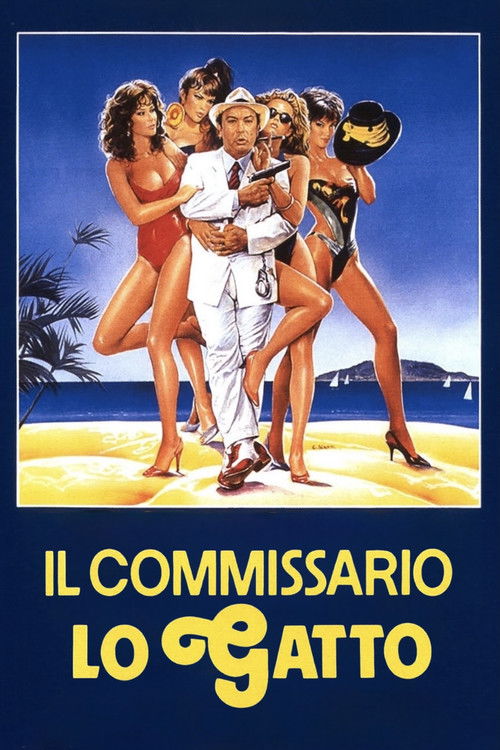
Il commissario Lo Gatto
1986Police commissioner Lo Gatto is in charge of the local Italian police station within Vatican State. During an investigation, following the murder of a Vatican priest, he decides to question the Pope! For this reason Lo Gatto is sent to a Sicilian remote island Favignana. There is very little for the commissioner to do on the quiet island, so Lo Gatto decides to investigate the vanishing of a tourist which quickly becomes a very complicated affair.
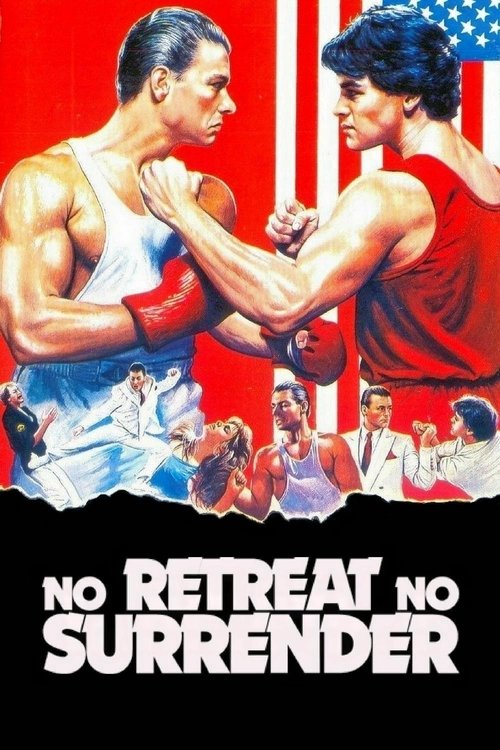
No Retreat, No Surrender
1986The mob is trying to strongarm local martial arts schools, forcing young Jason Stillwell and his family to move after his father is injured defending their dojo. With his father now rejecting violence, Jason is forced to train on his own to protect himself and his best friend from the members of a rival karate school.
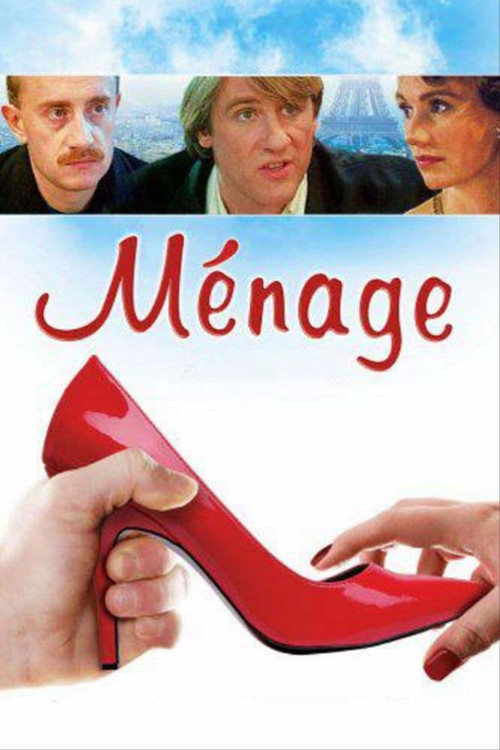
Ménage
1986A bisexual petty criminal named Bob encounters a married couple arguing in a bar. Bob breaks up the fight and proceeds to seduce first the wife and then the husband. Then Bob teaches the couple how to be burglars and they join him in his criminal exploits.
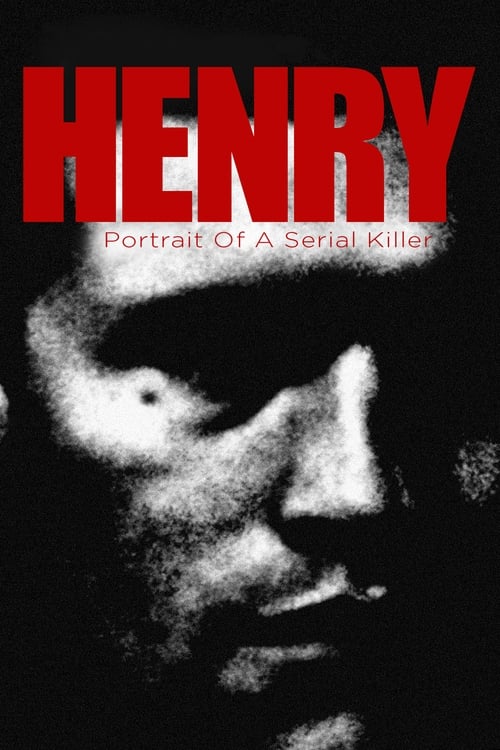
Arriving in Chicago, Henry moves in with ex-con acquaintance Otis and starts schooling him in the ways of the serial killer.
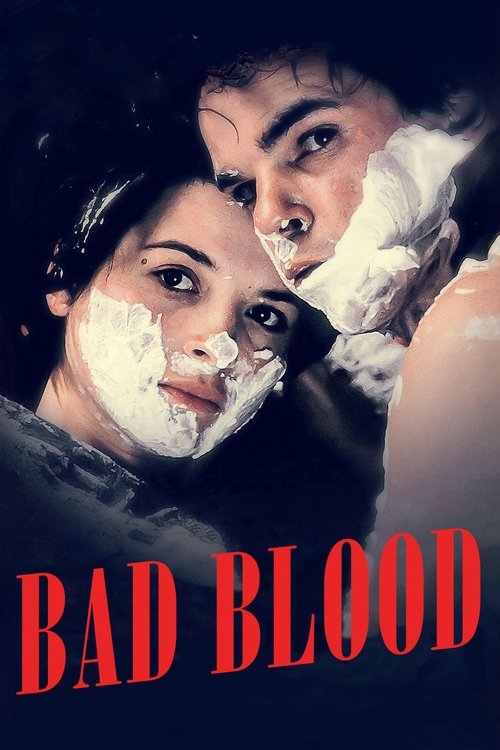
Mauvais Sang
1986Two aging crooks are given two weeks to repay a debt to a woman named The American. They recruit their recently deceased partner's son to help them break into a laboratory and steal the vaccine against STBO, a sexually transmitted disease that is sweeping the country. It's spread by having sex without emotional involvement, and most of its victims are teenagers who make love out of curiosity rather than commitment.
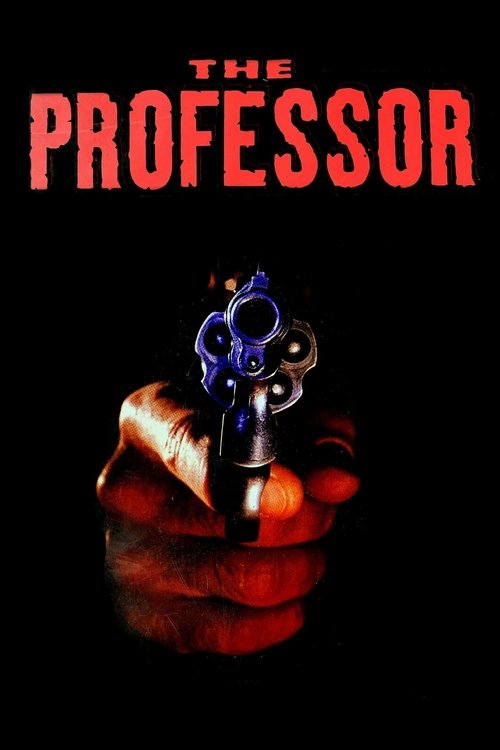
The Professor
1986An imprisoned murderer carries out a violent bid for control of Naples' underworld crime syndicate.
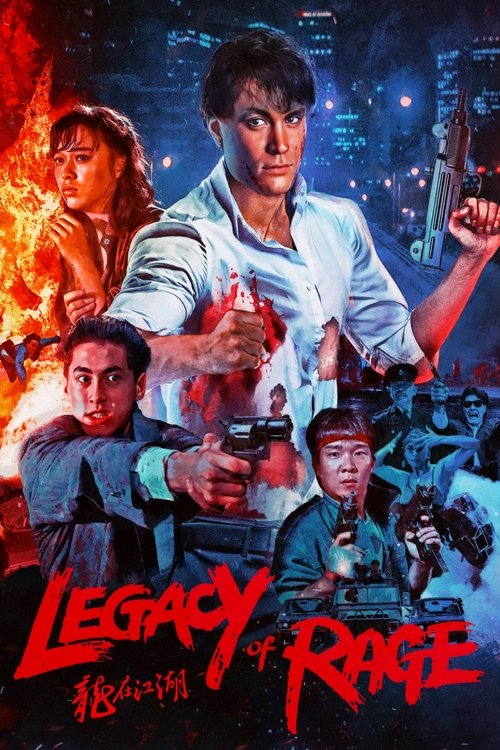
Legacy of Rage
1986A man is framed for murder by his drug-dealing best friend who covets his girlfriend, leading to eight years in jail and a vow of revenge upon release.
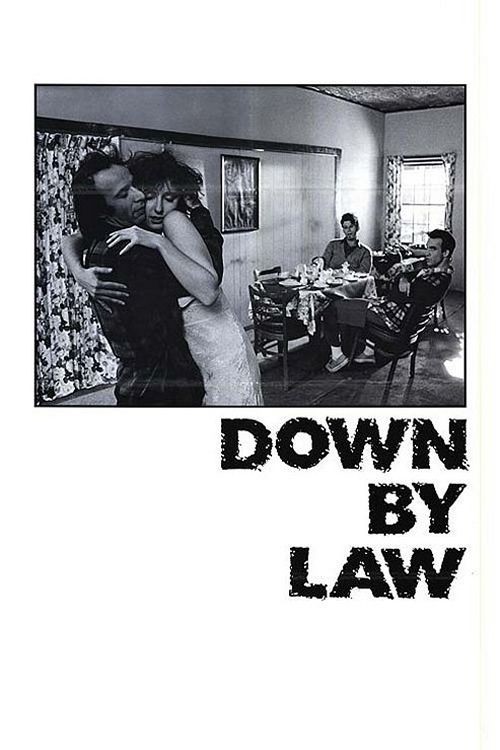
Down by Law
1986A disc jockey, a pimp and an Italian tourist escape from jail in New Orleans.

Terrorizers
1986An uncompromising look into urban life from the eyes of a voyeuristic photographer, a rebellious teenager, and a married couple teetering on the edge of adultery.
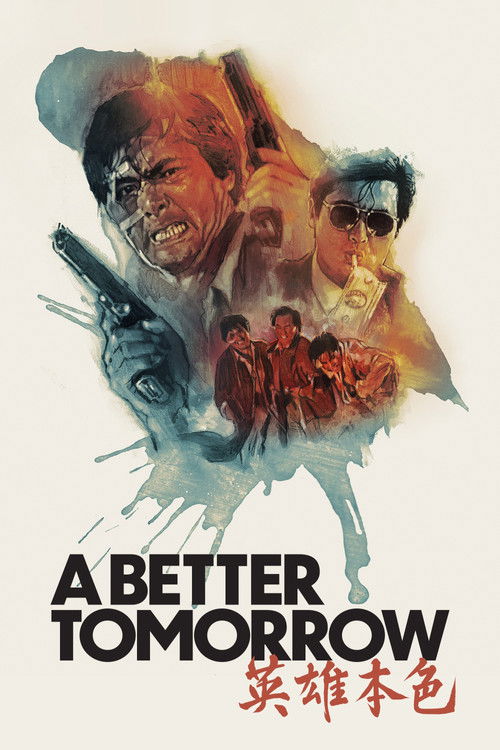
A Better Tomorrow
1986A reforming ex-gangster tries to reconcile with his estranged policeman brother, but the ties to his former gang are difficult to break.
John Woo revolutionized the action landscape by infusing the triad thriller with operatic melodrama and a balletic, high-caliber kineticism. This film established the heroic bloodshed aesthetic, prioritizing code-of-honor brotherhood and stylistic excess over gritty realism.
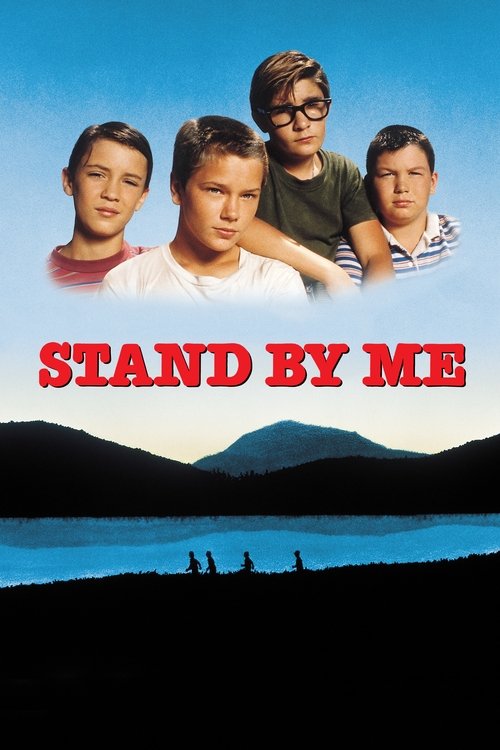
Stand by Me
1986After learning that a boy their age has been accidentally killed near their rural homes, four boys decide to go see the body. Gordie, Vern, Chris, and Teddy encounter a mean junk man and a marsh full of leeches, but they also learn more about one another and their very different home lives. Just a lark at first, the boys' adventure evolves into a defining event in their lives.
While often viewed as a coming-of-age staple, this is a quintessential crime narrative about the heavy burden of a corpse and the loss of innocence under the threat of local thuggery. It captures the exact moment when the romanticism of childhood adventure is punctured by the cold reality of mortality.
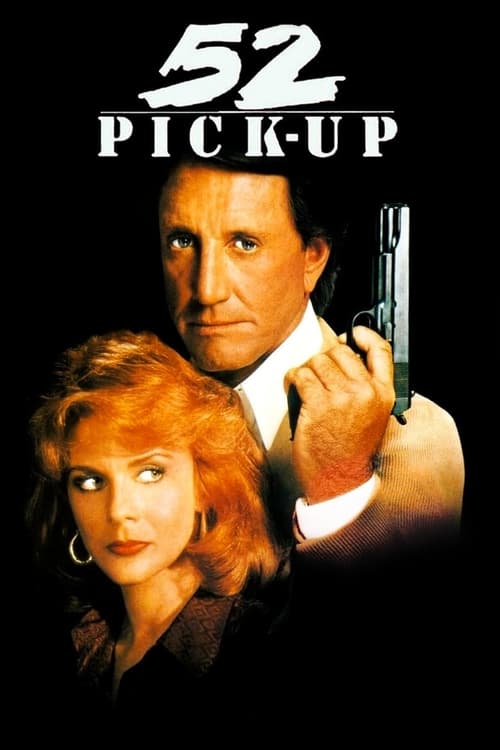
52 Pick-Up
1986Harry Mitchell is a successful Los Angeles manufacturer whose wife is running for city council. His life is turned upside down when three blackmailers confront him with a videotape of him with his young mistress and demand $100,000. Fearing that the story will hurt his wife's political campaign if he goes to the police, Harry pretends that he will pay the men, but does not follow through.
John Frankenheimer breathes nasty, hard-boiled life into Elmore Leonard's prose with a sleazy tale of blackmail and professional amorality. This is stripped-down, uncompromising cinema that wallows in the decadent grit of the eighties' video-porn industry.
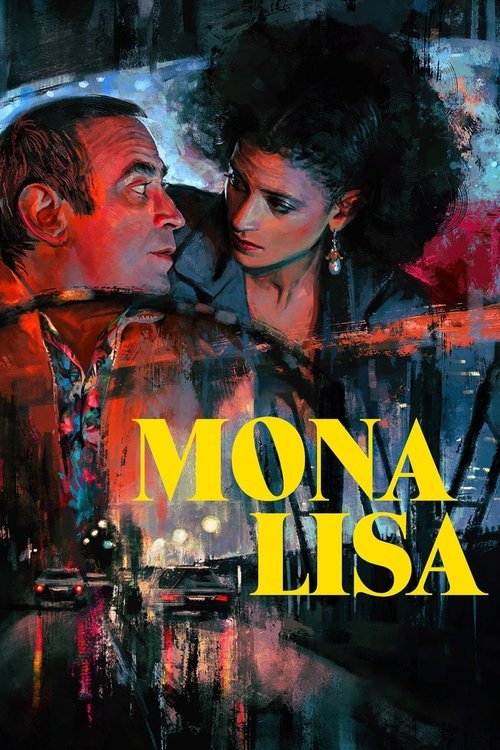
Mona Lisa
1986George is a small-time crook just out of prison who discovers his tough-guy image is out of date. Reduced to working as a minder/driver for high class call girl Simone, he has to agree when she asks him to find a young colleague from her King's Cross days. That's when George's troubles just start.
Neil Jordan crafts a melancholic, high-stakes character study that navigates the grime of the London underworld with surprising tenderness. It is a sophisticated subversion of the gangster genre, trading explosive gunfights for a heartbreaking look at unrequited loyalty and romantic delusion.
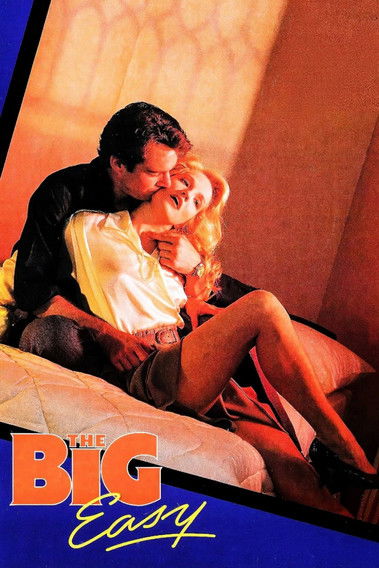
The Big Easy
1986Remy McSwain is a New Orleans police lieutenant who investigates the murder of a local mobster. His investigation leads him to suspect that fellow members of the police force may be involved.
This humid slice of New Orleans pulp excels through its kinetic chemistry and atmospheric corruption, treating the city as a sweating, breathing co-conspirator. It remains the definitive example of how a slick detective story can be revitalized by local texture and moral ambiguity.
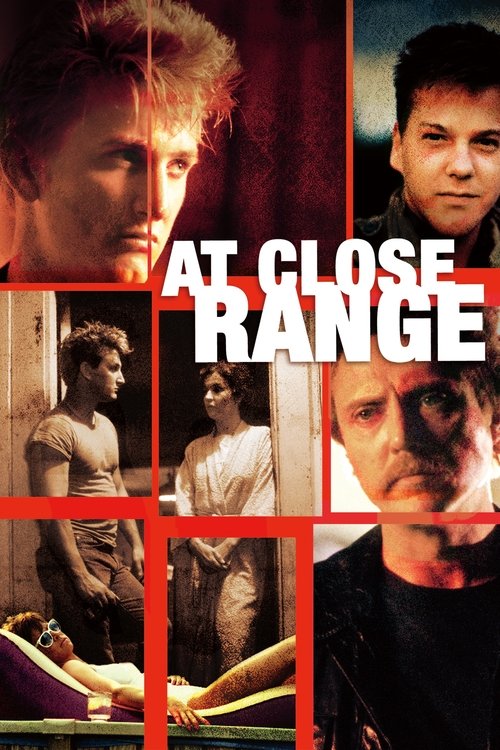
At Close Range
1986Brad Whitewood Jr. lives in rural Pennsylvania and has few prospects. Against his mother's wishes, he seeks out his estranged father, the head of a gang of thieves in a nearby town. Though his new girlfriend supports his criminal ambitions, Brad Jr. soon learns that his father is a dangerous man. Inspired by the real events that led to the end of the Johnston Gang, who operated in the northeastern United States in the 1970s.
James Foley delivers a suffocatingly bleak rural noir that explores the poisonous legacy of family ties and pathological machismo. The film eschews polished heist tropes in favor of a raw, Shakespearean tragedy set against the backdrop of a Pennsylvania crime syndicate.
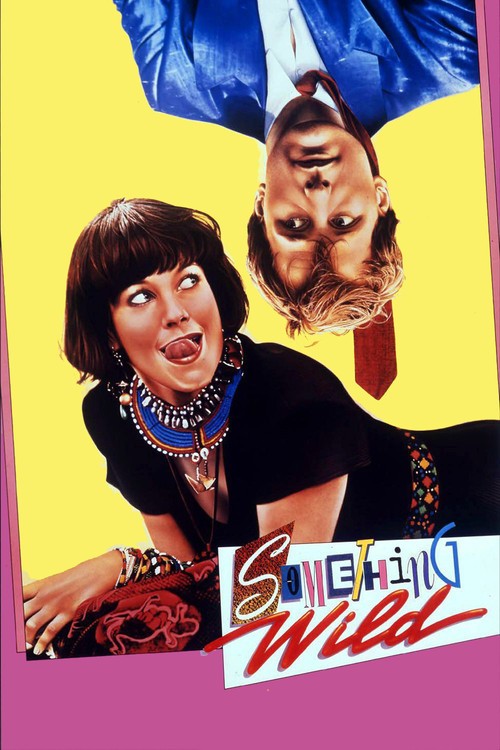
Something Wild
1986A free-spirited woman "kidnaps" a yuppie for a weekend of adventure. But the fun quickly takes a dangerous turn when her ex-con husband shows up.
Jonathan Demme masterfully pivots from a screwball road movie into a menacing domestic thriller, capturing the volatile intersection of yuppie curiosity and genuine criminal danger. It is a vibrant, tonal tightrope walk that proves the most terrifying villains often wear a charming smile.
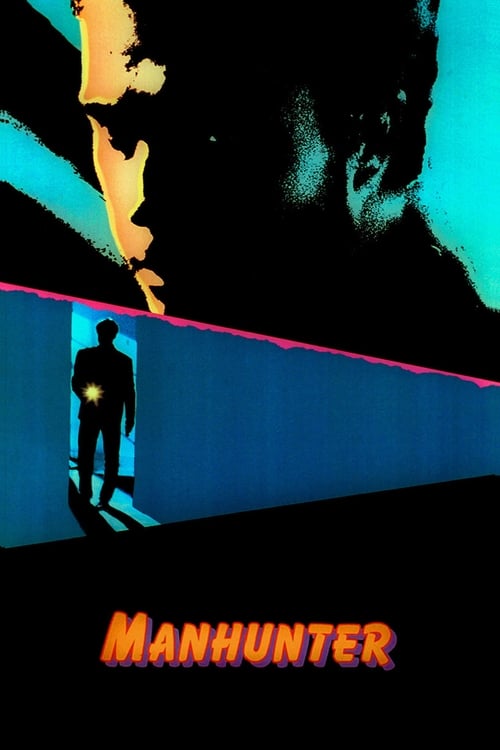
Manhunter
1986FBI Agent Will Graham, who retired after catching Hannibal Lecktor, returns to duty to engage in a risky cat-and-mouse game with Lecktor to capture a new killer.
Michael Mann pioneered a sleek, neon-drenched aesthetic that reinvented the procedural as a cold, synthesized fever dream. By focusing on the psychological erosion of the investigator, the film elevates the serial killer subgenre into a high-art study of fractured identity.
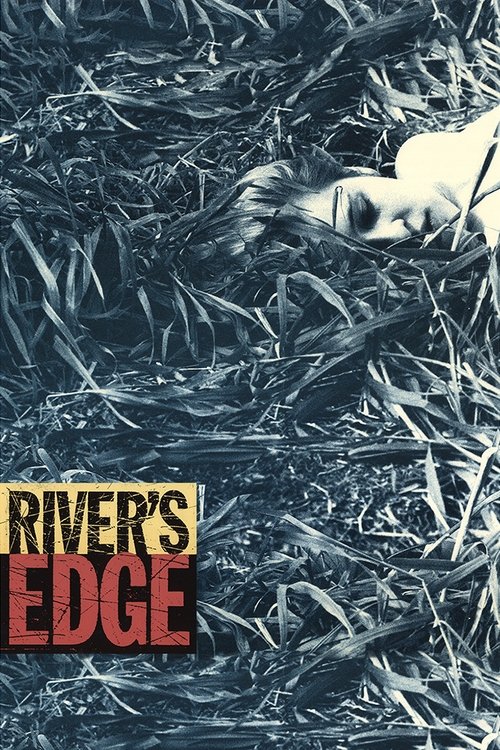
River's Edge
1986A group of high-school friends must come to terms with the fact that one of them, Samson, killed another, Jamie. Faced with the brutality of death, each must decide whether to turn their friend in to the police, or to help him escape the consequences of his dreadful deed.
This chilling examination of adolescent apathy transforms a cold-blooded murder into a haunting portrait of moral vacuum and generational decay. Its power lies not in the crime itself, but in the devastatingly casual shrug with which its teenage protagonists greet the macabre.
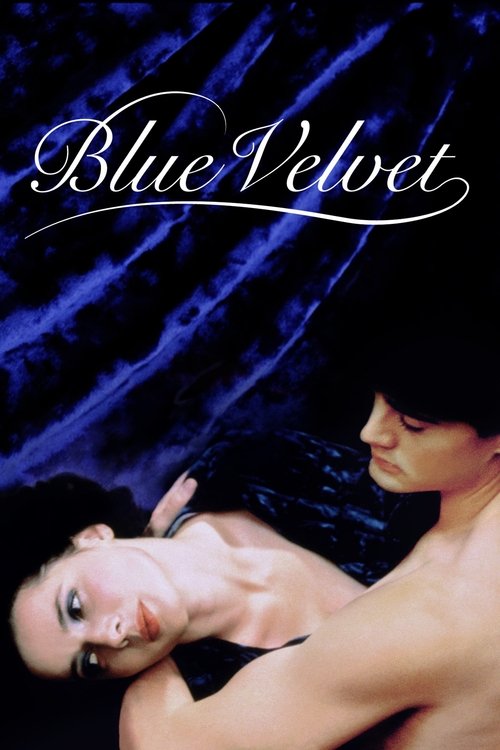
Blue Velvet
1986The discovery of a severed human ear found in a field leads a young man on an investigation related to a beautiful, mysterious nightclub singer and a group of psychopathic criminals who have kidnapped her child.
David Lynch shatters the artifice of Reagan-era optimism by unearthing a fetishistic, voyeuristic underworld bubbling just beneath the manicured lawns of suburbia. It remains a foundational text of neo-noir that trades traditional procedural rhythms for a waking nightmare of psychosexual violence.
Frequently Asked Questions
Everything you need to know about this list and SnakeDrafts
- The 1986 crime movies on this listicle explore themes of psychological tension, moral ambiguity, and the dark undercurrents of American society. Films like 'Blue Velvet' and 'Manhunter' highlight neo-noir elements and a visceral approach to crime storytelling, reflecting a shift toward more unsettling and artistic narratives.
- Directors like Michael Mann, David Lynch, and Jonathan Demme are prominently featured for their influential crime films of 1986. Mann's 'Manhunter' is a landmark in crime thriller history, while Lynch's 'Blue Velvet' blends mystery with surreal psychological drama, showcasing the year's directorial diversity and innovation.
- 'Blue Velvet' stands out for its blend of mystery, thriller, and surrealist elements, diverging from traditional crime dramas by delving into psychological darkness and suburban horror. Its unique style and narrative complexity have made it a seminal film influencing the neo-noir genre.
- Yes, films like 'Something Wild' and 'Mona Lisa' incorporate genres such as comedy, romance, and science fiction into the crime framework. This genre-blending adds layers of narrative depth and breaks conventional mold, contributing to the dynamic storytelling of 1986 crime cinema.
- Settings in these 1986 crime movies often reflect the socio-economic tensions and cultural landscapes of America. For example, 'The Big Easy' uses New Orleans' vibrant yet gritty atmosphere, while 'River's Edge' captures the bleakness of suburban youth culture, enhancing the mood and themes of each crime narrative.
- 'Manhunter' and 'Blue Velvet' are prime examples that intertwine crime with psychological thriller elements. They focus on the inner workings of criminal minds and victims, making the tension as much about mental and emotional landscapes as about physical danger.
- 'A Better Tomorrow,' directed by John Woo, offers an action-packed, stylized portrayal of crime rooted in Hong Kong cinema, contrasting with the more down-to-earth and psychological American crime films. This international perspective introduces themes of honor and redemption amidst crime, enriching the global crime genre landscape of 1986.