Charles Bronson's Top Movies Ranked
The Ultimate Guide to Hollywood's Toughest Icon
Explore the most essential performances by Charles Bronson, from legendary spaghetti westerns to hard-hitting vigilante action classics.
About Charles Bronson
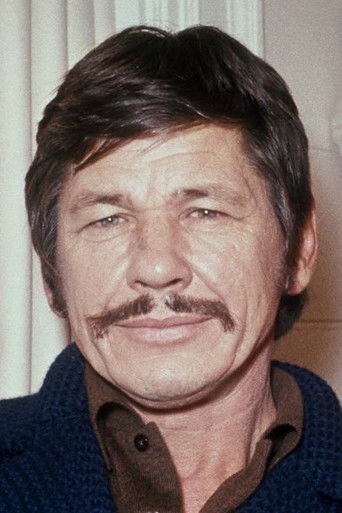
Charles Bronson did not inhabit the screen so much as he patrolled it. With a face like a mountain range and a physique that looked forged in the Pennsylvania coal mines of his youth, he became the ultimate cinematic shorthand for resilience. He was the quiet man who spoke mostly through action, a granite-solid presence who never needed to beg for an audience's attention. While his contemporaries leaned into the theater of the method or the flash of the swinging sixties, he remained a stoic artifact of a harder era.
His trajectory was a slow burn that eventually caught fire across continents. Before he was a solo titan, he served as the indispensable glue in massive ensemble epics. In The Magnificent Seven, he provided the soul of the group, playing a lethal mercenary with an unexpected tenderness for children. He brought that same gritty utility to The Great Escape, where his claustrophobic tunnel king felt agonizingly real, and later to The Dirty Dozen, standing out as the most reliable of the condemned. There was an inherent trustworthiness in his gaze. You believed he could survive whatever hell the script threw at him because he looked like a man who had already survived everything else.
The shift from character actor to global icon happened when Europe realized what Hollywood had overlooked. Sergio Leone saw in him the destiny of the Western, casting him in Once Upon a Time in the West as a mysterious, harmonica-playing vengeful spirit. That performance stripped away the dialogue and focused on the eyes, cementing his status as a man of few words but infinite intent. By the time he returned to American screens as a primary lead, he was a seasoned force of nature. In films like the bare-knuckle boxing drama Hard Times or the intricate hitman thriller The Mechanic, he moved with a cat-like economy. He didn't waste movement, and he certainly didn't waste emotion.
The mid-seventies saw him become a lightning rod for cultural debate with Death Wish. As Paul Kersey, he tapped into a raw, urban anxiety that resonated with millions of frustrated viewers. This period defined his mythos as the lone wolf dispensing his own brand of justice, a motif he explored through various lenses in Mr. Majestyk and the snowy pursuit of Death Hunt. Whether he was thwarting spies in Telefon or navigating the high-speed tension of Breakheart Pass, the appeal remained the same. He was the protector, the survivor, and the man who kept his cool while the world fell apart.
Even in his earlier supporting roles in Vera Cruz or Jubal, the intensity was already simmering. He could play the heavy, the hero, or the weary soldier in Battle of the Bulge with equal parts menace and grace. He even bridged the gap between East and West in Red Sun, standing toe-to-toe with Toshiro Mifune as an equal in cinematic gravity. Audiences connected with him because he felt authentic in an industry of artifice. He was the blue-collar superstar, a man who looked like he had put in a full shift before the cameras even started rolling. To watch him was to watch the quiet power of a man who knew exactly who he was, requiring no validation beyond the job at hand.
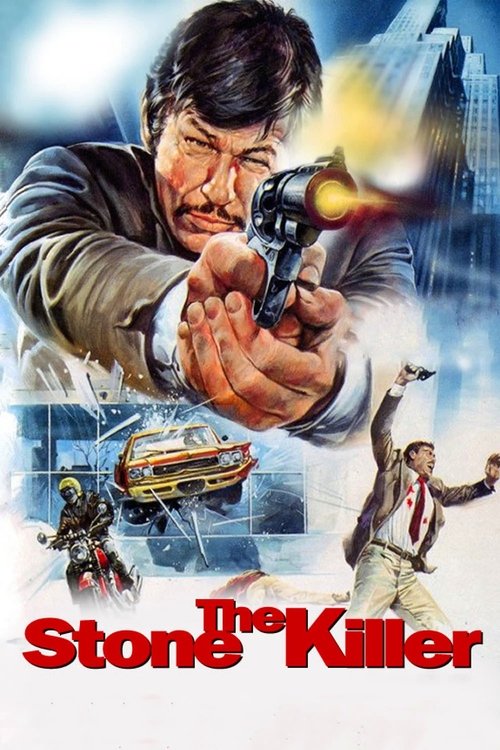
The Stone Killer
1973A Los Angeles detective is sent to New York where he must solve a case involving an old Sicilian Mafia family feud.
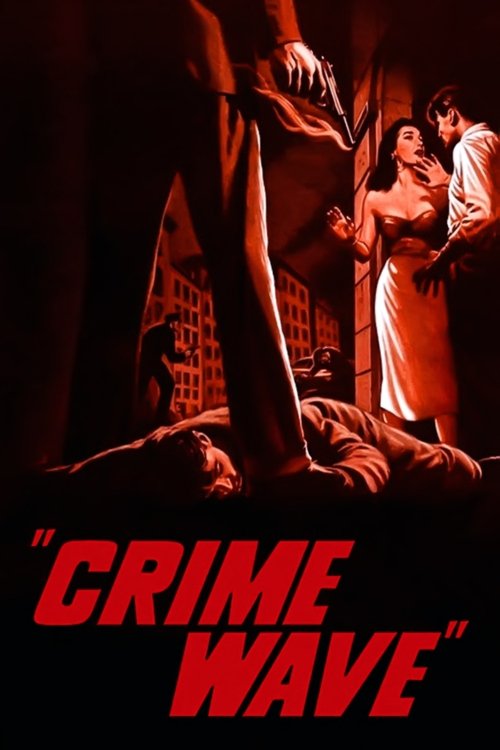
Crime Wave
1953Reformed parolee Steve Lacey is caught in the middle when a wounded former cellmate seeks him out for shelter. The other two former cellmates then attempt to force him into doing a bank job.
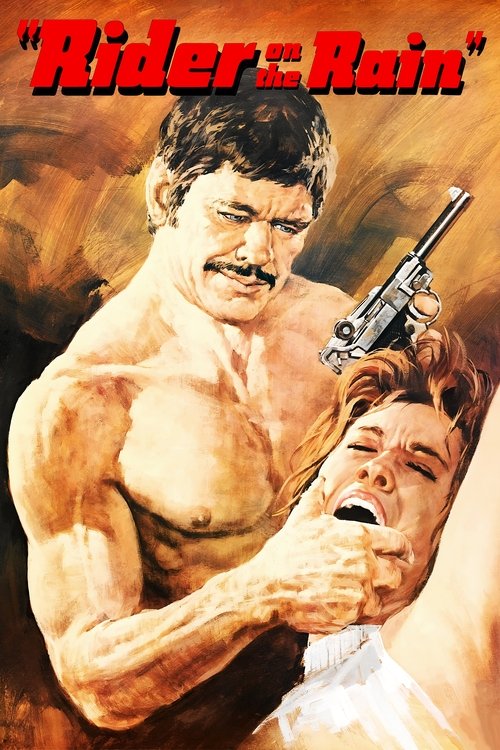
Rider on the Rain
1970A US Army colonel in France tries to track down an escaped sex maniac.
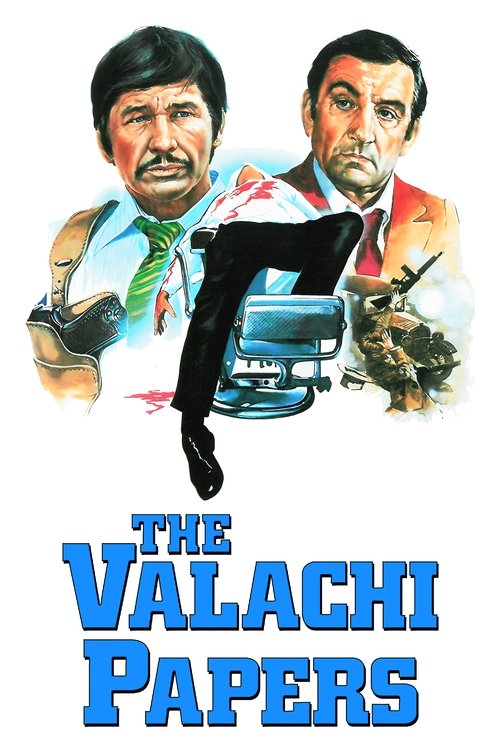
The Valachi Papers
1972When Joe Valachi has a price put on his head by Don Vito Genovese, he must take desperate steps to protect himself while in prison. An unsuccessful attempt to slit his throat puts him over the edge to break the sacred code of silence.
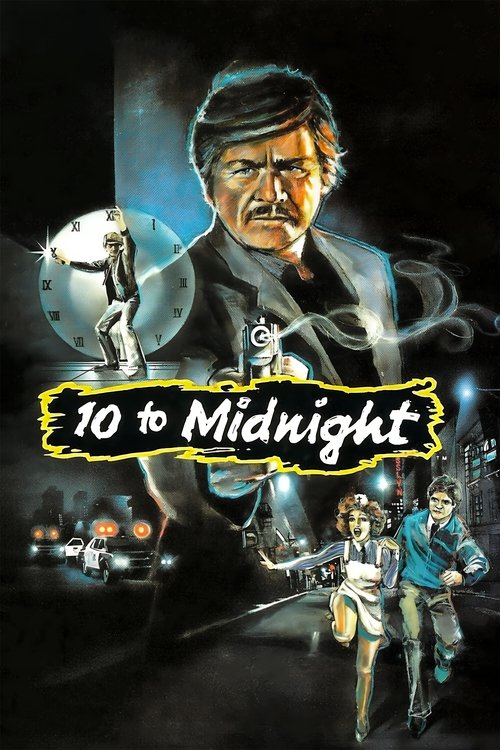
10 to Midnight
1983Warren Stacy, an office equipment repairman, begins murdering women after they reject his advances. To minimize the evidence, Stacy always kills while naked, wearing nothing but gloves, and further evades the law with his strong alibis. Veteran detective Leo Kessler is convinced of Stacy's guilt and begins using questionable methods to catch him.
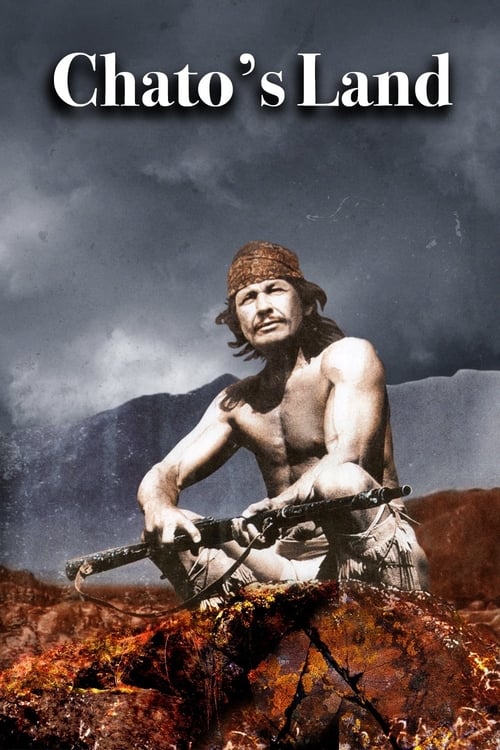
Chato's Land
1972In 1870s New Mexico, a half-breed kills a bigoted sheriff in self-defense but the posse that eventually hunts him finds itself in dangerous territory.
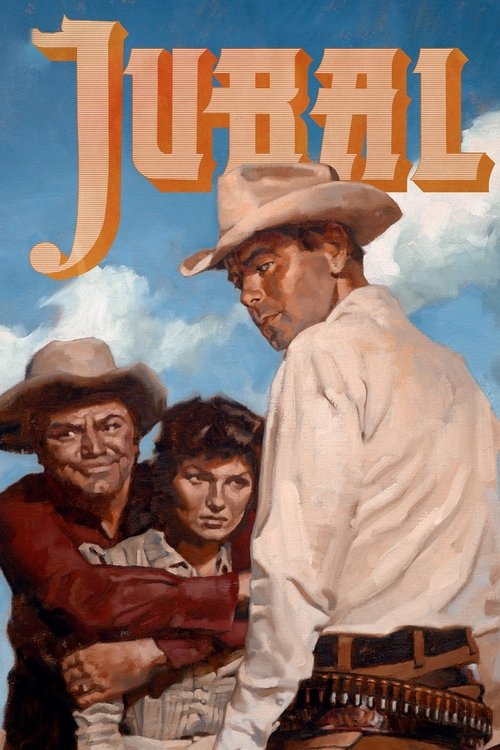
Jubal
1956Jubal Troop is a cowboy who is found in a weakened condition, without a horse. He is given shelter at Shep Horgan's large ranch, where he quickly makes an enemy in foreman Pinky, a cattleman who accuses Jubal of carrying the smell of sheep.
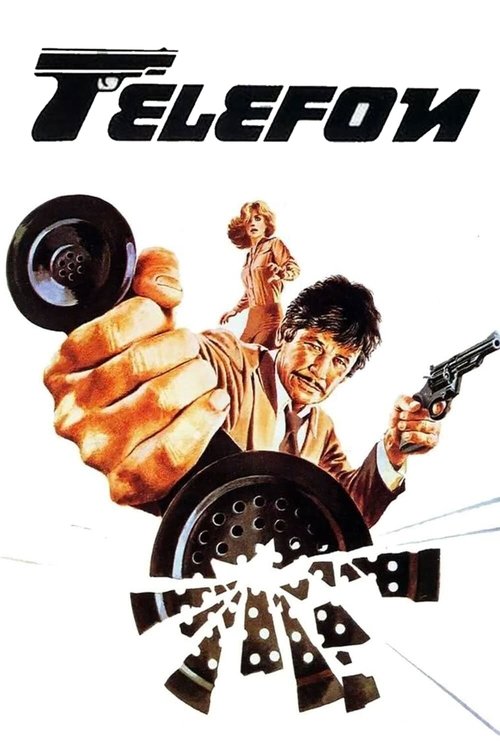
Telefon
1977Nicolai Dalchimski, a mad KGB agent steals a notebook full of names of "sleeping" undercover KGB agents sent to the U.S. in the 1950's. These agents got their assignments under hypnosis, so they can't remember their missions until they're told a line of a Robert Frost poem. Dalchimski flees to the U.S. and starts phoning these agents who perform sabotage acts against military targets.
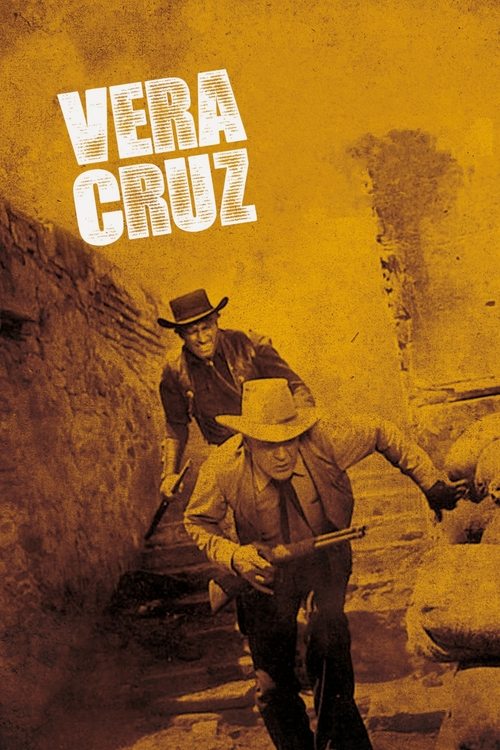
Vera Cruz
1954After the American Civil War, mercenaries travel to Mexico to fight in their revolution for money. The former soldier and gentleman Benjamin Trane meets the gunman and killer Joe Erin and his men, and together they are hired by the Emperor Maximillian and the Marquis Henri de Labordere to escort the Countess Marie Duvarre to the harbor of Vera Cruz.
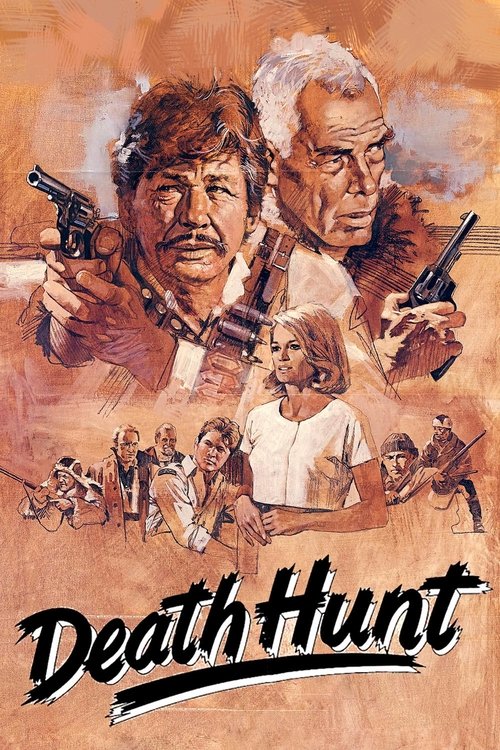
Death Hunt
1981Yukon Territory, Canada, November 1931. Albert Johnson, a trapper who lives alone in the mountains, buys a dog almost dead after a brutal dogfight, a good deed that will put him in trouble.
Battle of the Bulge
1965In the winter of 1944, the Allied Armies stand ready to invade Germany at the coming of a New Year. To prevent it, Hitler orders an all-out offensive to re-take French territory and capture the major port city of Antwerp.
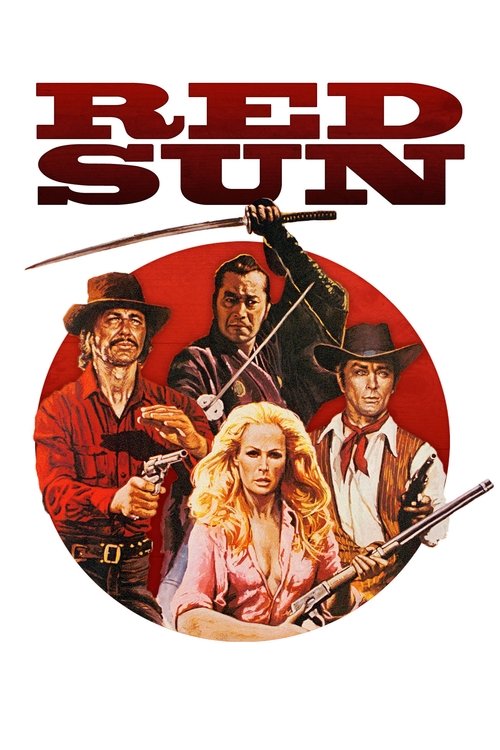
Red Sun
1971In 1870, Japanese ambassador Sakaguchi and his entourage travel by train to Washington to deliver a valuable sword to the President of the United States, a gift from the Emperor of Japan. On board the same train are two robbers, Link and Gauche, ready to make their move…
This East-meets-West curiosity pairs Bronson with Toshiro Mifune, forcing him to play the roguish foil to samurai discipline. The result is a playful yet rugged display of his versatility within an international action framework.
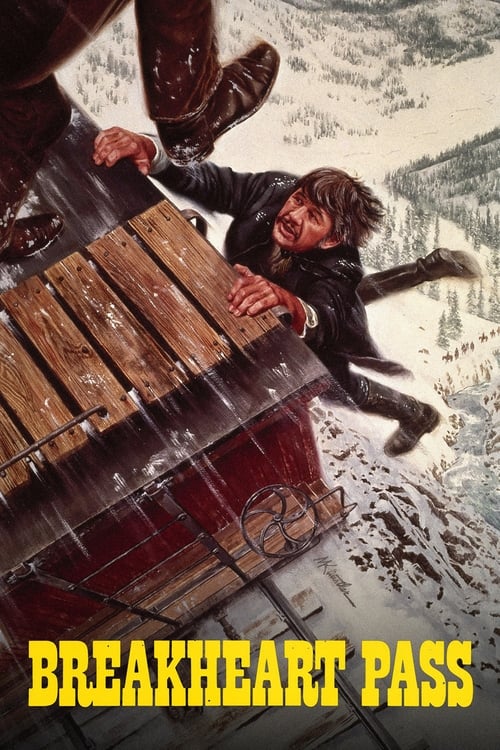
Breakheart Pass
1975At the height of the frontier era, a train races through the Rocky Mountains on a classified mission to a remote army post. But one by one the passengers are being murdered, and their only hope is the mysterious John Deakin, who's being transported to face trial for murder.
Navigating a complex whodunit on a speeding train, his performance here relies on sharp intuition rather than just his trademark fists. It remains a standout example of his ability to anchor a high-concept genre hybrid with unwavering credibility.
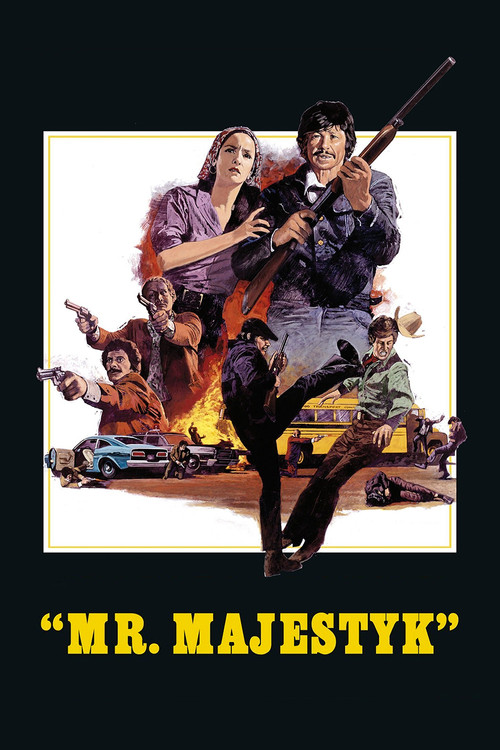
Mr. Majestyk
1974A melon farmer battles organized crime and a hit man who wants to kill him.
Bronson brings an amusingly stubborn dignity to a melon farmer who simply refuses to be intimidated by organized crime. Written by Elmore Leonard, this role allowed him to showcase a wryer, more understated grit than his typical revenge vehicles.
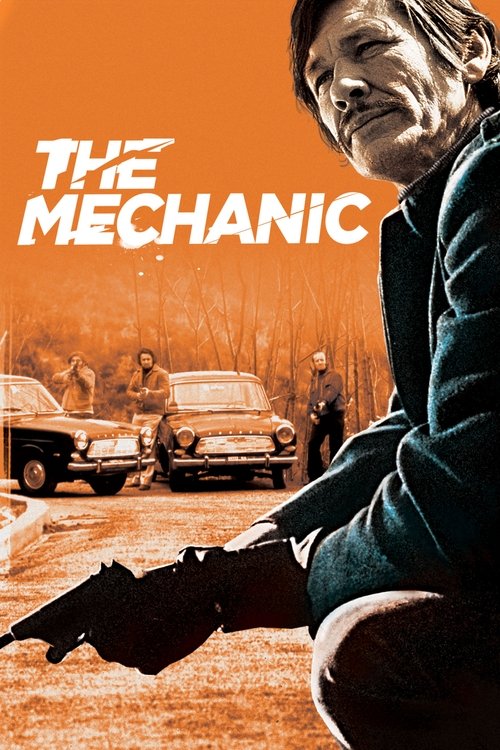
The Mechanic
1972Arthur Bishop is a veteran hit man who, owing to his penchant for making his targets' deaths seem like accidents, thinks himself an artist. It's made him very rich, but as he hits middle age, he's so depressed and lonely that he takes on one of his victim's sons, Steve McKenna, as his apprentice. Arthur puts him through a rigorous training period and brings him on several hits. As Steven improves, Arthur worries that he'll discover who killed his father.
Portraying the methodical Arthur Bishop, he strips the hitman archetype of any glamour and replaces it with a chilling, clockwork precision. The role established the template for the 'lonely professional' trope that would dominate his 1970s output.
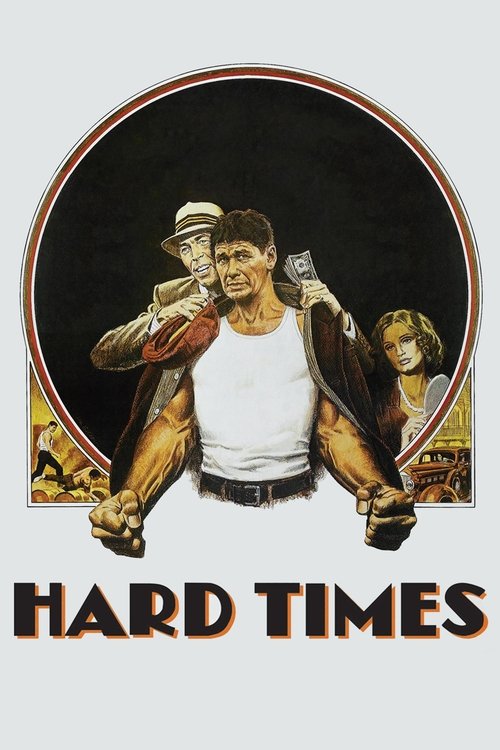
Hard Times
1975In the depression, Chaney, a strong silent streetfighter, joins with Speed, a promoter of no-holds-barred street boxing bouts. They go to New Orleans where Speed borrows money to set up fights for Chaney, but Speed gambles away any winnings.
In Walter Hill’s lean directorial debut, Bronson’s granite physique and economic movement make him the perfect vessel for a Depression-era street fighter. It is perhaps his most refined physical performance, utilizing his stillness as a tactical weapon.
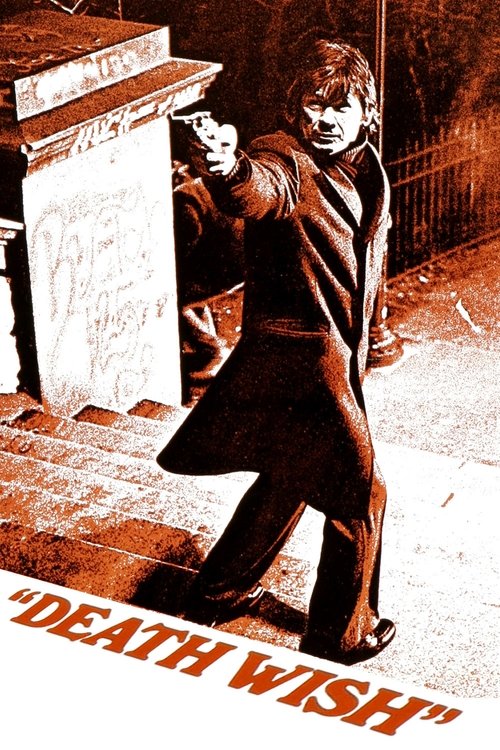
Death Wish
1974After his wife is murdered by street punks, a pacifistic New York City architect becomes a one-man vigilante squad, prowling the streets for would-be muggers after dark.
This controversial turning point redefined the vigilante genre, casting Bronson as a mild-mannered architect transformed into a cold instrument of urban retribution. It crystallized his late-career persona as the silent protector of the crumbling American metropolis.
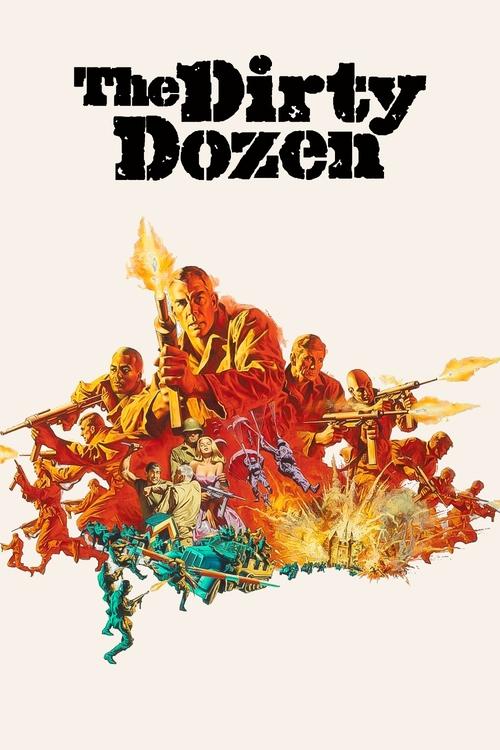
The Dirty Dozen
196712 American military prisoners in World War II are ordered to infiltrate a well-guarded enemy château and kill the Nazi officers vacationing there. The soldiers, most of whom are facing death sentences for a variety of violent crimes, agree to the mission and the possible commuting of their sentences.
Bronson offers a grounded, cynical counterpoint to the surrounding ensemble of lunatics and killers as Joseph Wladislaw. His performance solidifies his status as the premier cinematic avatar for the weary, blue-collar professional amidst wartime chaos.
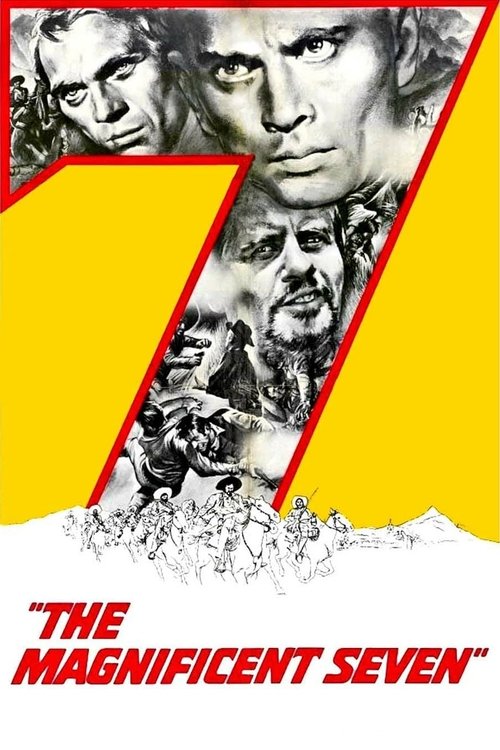
The Magnificent Seven
1960An oppressed Mexican peasant village hires seven gunfighters to help defend their homes.
As the formidable Bernardo O'Reilly, he provides the ensemble's emotional heartbeat by balancing lethal proficiency with an unexpected, paternal softness. This film served as his definitive transition from a reliable character actor to a formidable Hollywood fixture.
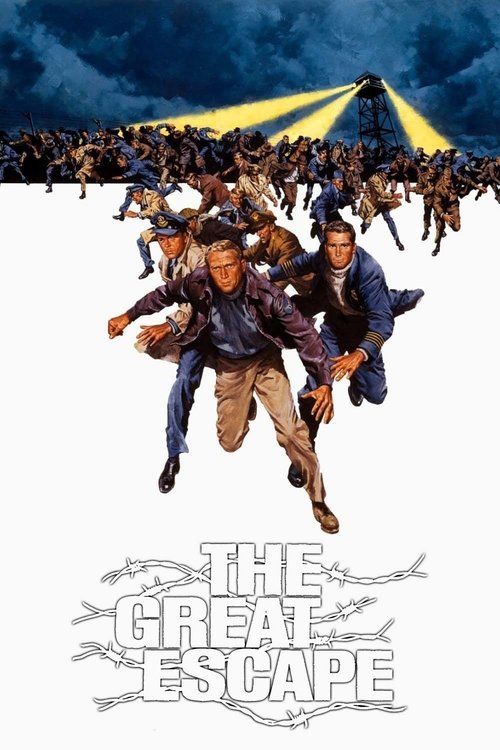
The Great Escape
1963The Nazis, exasperated at the number of escapes from their prison camps by a relatively small number of Allied prisoners, relocate them to a high-security 'escape-proof' camp to sit out the remainder of the war. Undaunted, the prisoners plan one of the most ambitious escape attempts of World War II. Based on a true story.
Playing the claustrophobic Tunnel King, Bronson channels his own real-life mining background into a performance of raw, psychological vulnerability. It is a rare moment where his physical toughness is matched by a palpable, haunting fragility.
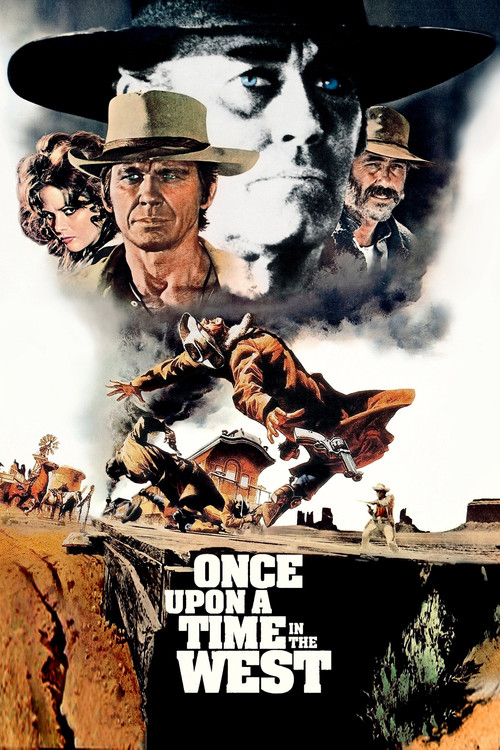
Once Upon a Time in the West
1968As the railroad builders advance unstoppably through the Arizona desert on their way to the sea, Jill arrives in the small town of Flagstone with the intention of starting a new life.
Bronson reaches the zenith of his stoic magnetism as the harmonica-playing specter of vengeance in Leone's operatic masterpiece. This role stripped away the dialogue to prove he could command the screen through sheer, weathered presence alone.
Frequently Asked Questions
Everything you need to know about this list and SnakeDrafts
- Charles Bronson's performance in "Once Upon a Time in the West," directed by Sergio Leone, stands out as a hallmark of spaghetti western cinema. His stoic and commanding presence perfectly complements Leone's epic storytelling style, making it an essential watch for fans of the genre.
- Bronson made notable contributions to war films like "The Great Escape" and "The Dirty Dozen," where he portrayed tough, resilient characters amid intense conflict. These roles highlight his ability to embody grit and endurance, solidifying his reputation in both action and war movie genres.
- Themes of resilience, justice, and survival are central to Bronson's filmography, especially in movies like "Death Wish" and "Hard Times." His characters often face moral dilemmas and physical challenges, reflecting a tough yet understated heroism that defines his legacy.
- "Mr. Majestyk" features Bronson as a tough yet principled melon farmer caught in violent confrontations, blending western motifs with modern action. This role highlights his trademark stoicism and ability to portray complex, rugged protagonists.
- Charles Bronson worked multiple times with director Michael Winner, notably in "Death Wish" and "The Mechanic." These collaborations helped cement Bronson's image as a vigilante and action star, integral to the 1970s action genre.
- "The Magnificent Seven" is a seminal western where Bronson played one of the titular seven gunfighters, solidifying his status as a key figure in ensemble action films. His subtle toughness and screen presence contributed significantly to the film’s enduring popularity.
- In thrillers like "Telefon" and action films such as "The Mechanic," Bronson's performances are marked by intense focus and physicality. These movies showcase his ability to carry tension and deliver compelling action sequences without relying on flashy dialogue.