The Complete Ranking of Burt Lancaster Movies
The Iconic Performances of a Hollywood Powerhouse
Explore the finest films of Burt Lancaster, from film noir classics and historical epics to hard-hitting dramas and Oscar-winning roles.
About Burt Lancaster
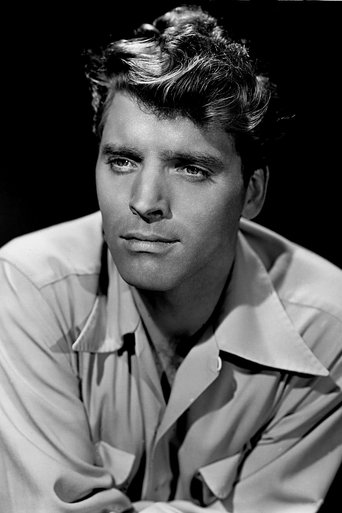
In the pantheon of Mid-Century Movie Stars, Burt Lancaster occupied a unique space where raw physical athleticism met a restless, intellectual curiosity. He possessed a grin that could look like a shark's one minute and a saint's the next. While many of his contemporaries were content to refine a singular persona, Lancaster spent four decades dismantling his own image, evolving from an acrobatic noir hunk into a sophisticated international statesman of the screen.
He first exploded into the public consciousness through the shadows of the 1946 masterpiece The Killers. In those early years, his background as a circus trapeze artist was evident in the way he moved. There was a coiled, feline tension in his performances in Brute Force and Gunfight at the O.K. Corral that made him the ultimate specimen of post-war masculinity. Audiences were initially drawn to that sheer vitality, most famously captured in the salt-sprayed embrace of From Here to Eternity, a moment that defined cinematic romance for a generation.
Yet Lancaster was never satisfied with being just a torso. He was a pioneer of the independent production model, using his box office clout to chase roles that challenged his natural charisma. This pivot revealed a performer of startling depth. In Sweet Smell of Success, he shed his likability to play J.J. Hunsecker, a venomous Broadway columnist whose power lay entirely in his intellect and cruelty. It remains one of the most chilling portraits of ego ever filmed. He soon followed this with an Oscar-winning turn in Elmer Gantry, leaning into his booming voice and evangelical energy to portray a charismatic huckster.
The 1960s saw him trade the dusty plains of the American West for the grand estates of Europe. His collaboration with Luchino Visconti on The Leopard transformed the once-agile acrobat into an aging Sicilian prince, a performance of quiet, mournful dignity that remains a high-water mark of film history. He managed to juggle these prestigious international dramas like 1900 with high-octane thrillers like The Train and Seven Days in May, proving that he could command a political boardroom just as effectively as he could leap onto a moving locomotive.
What sets Lancaster apart from the pack was his willingness to get weird and vulnerable. In The Swimmer, he delivered a haunting deconstruction of the American Dream, stripping himself bare both literally and metaphorically. Whether he was playing the stoic, confined intellectual in Birdman of Alcatraz or the morally compromised judge in Judgment at Nuremberg, he brought a weight to the screen that felt earned rather than practiced. Even as an elder statesman, he retained the power to move us, providing the emotional heartbeat of Field of Dreams as the quiet Dr. Moonlight Graham. He started his career as a physical marvel, but he ended it as something much rarer: a conscience. We connect with him because he never stopped reaching for something just out of his grasp, mirroring the restless ambition of the century he helped define.

Local Hero
1983An American oil company sends a man to Scotland to buy up an entire village where they want to build a refinery. But things don't go as expected.
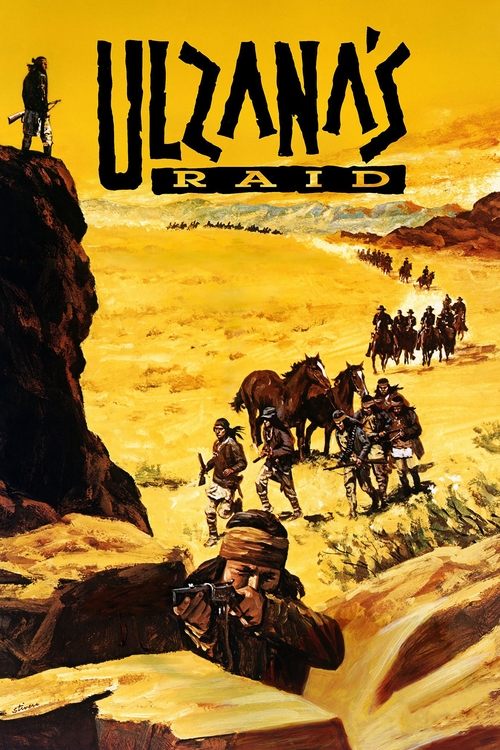
Ulzana's Raid
1972After fierce war chief Ulzana and a small war party jump the reservation bent on murder and terror, an inexperienced young lieutenant is assigned to track him down.
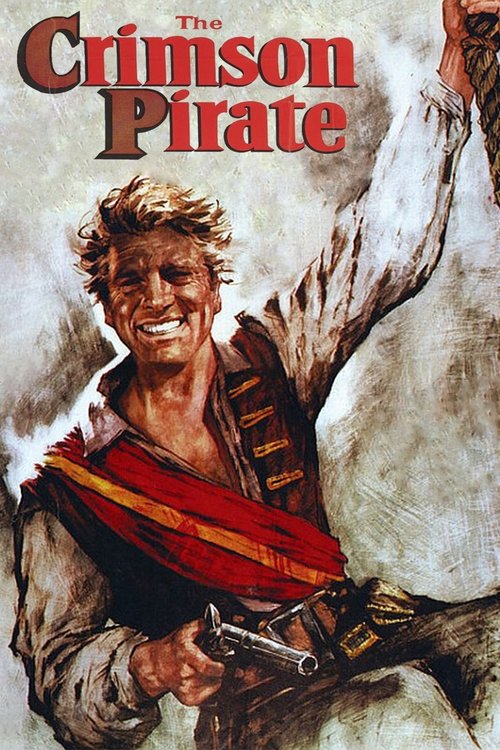
The Crimson Pirate
1952Burt Lancaster plays a pirate with a taste for intrigue and acrobatics who involves himself in the goings on of a revolution in the Caribbean in the late 1700s. A light hearted adventure involving prison breaks, an oddball scientist, sailing ships, naval fights and tons of swordplay.

Conversation Piece
1974A retired professor of American origin lives a solitary life in a luxurious palazzo in Rome. He is confronted by a vulgar Italian marchesa and her lover, her daughter and her daughter's boyfriend, and forced to rent to them an apartment on the upper floor of his palazzo. From this point on his quiet routine is turned into chaos by his tenants' machinations, and everybody's life takes an unexpected but inevitable turn.
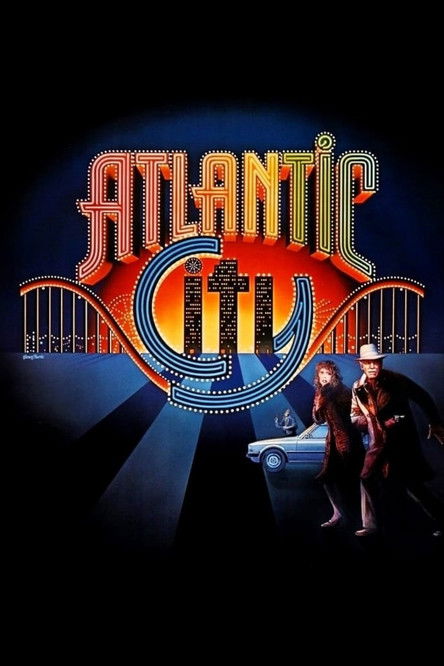
Atlantic City
1980In a corrupt city, a small-time gangster and the estranged wife of a pot dealer find themselves thrown together in an escapade of love, money, drugs and danger.
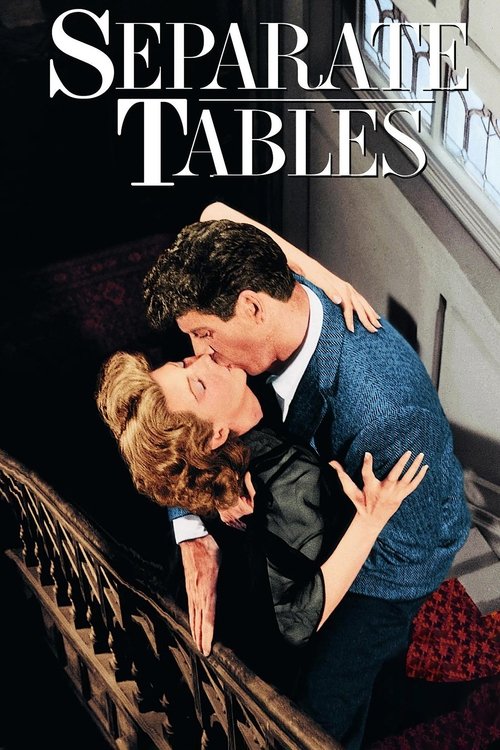
Separate Tables
1958The lives of a disparate group of unfulfilled people converge at a small, seaside English hotel.
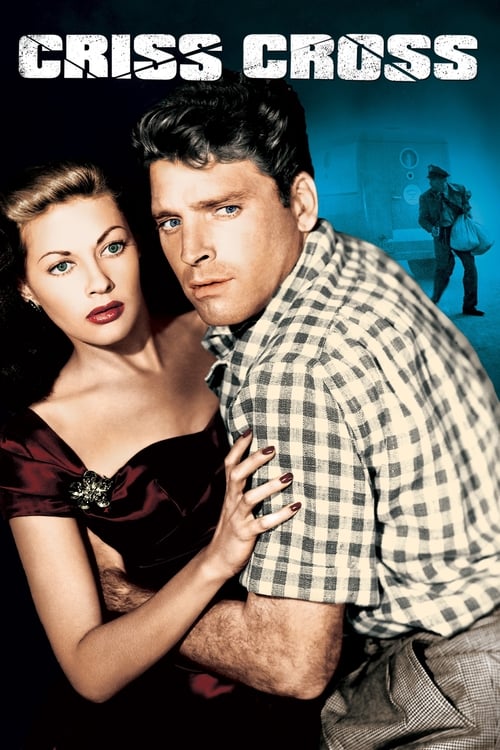
Criss Cross
1949An armored-car guard must join a robbery after being caught with his ex-wife by her gangster husband.
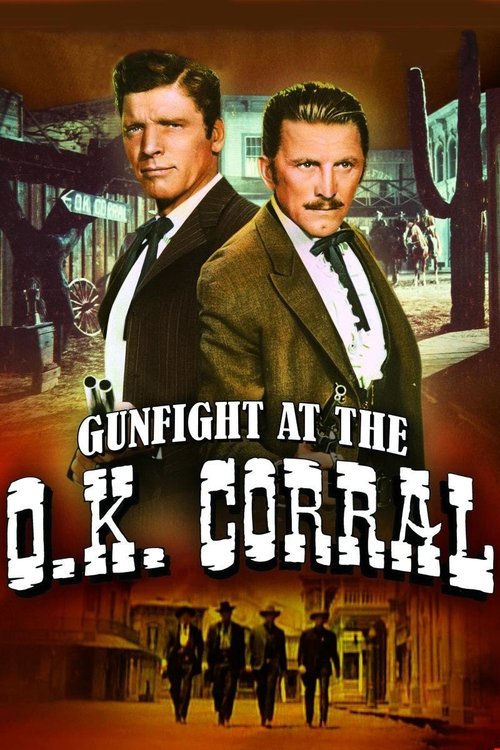
Gunfight at the O.K. Corral
1957Lawman Wyatt Earp and outlaw Doc Holliday form an unlikely alliance which culminates in their participation in the legendary Gunfight at the O.K. Corral.
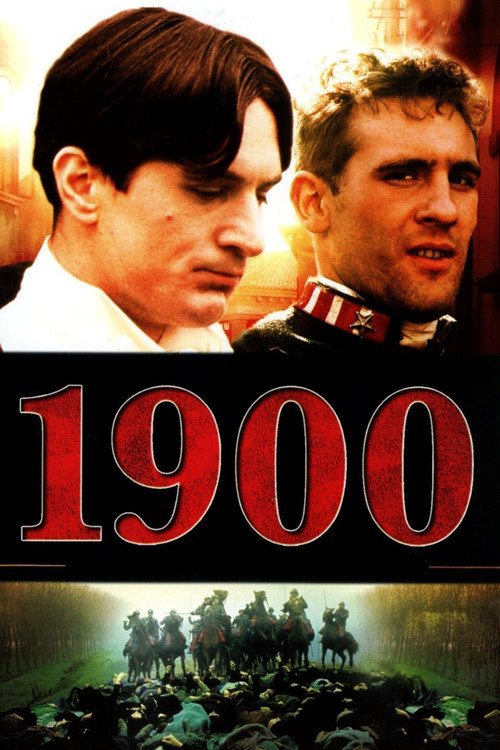
1900
1976The epic tale of a class struggle in twentieth century Italy, as seen through the eyes of two childhood friends on opposing sides.
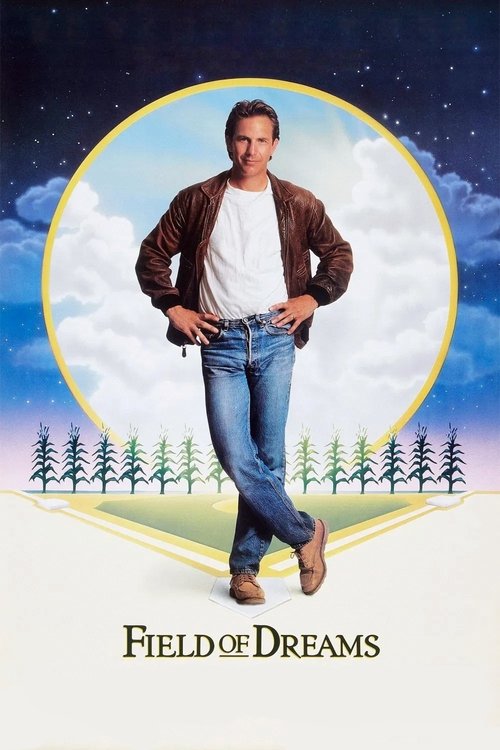
Field of Dreams
1989Ray Kinsella is an Iowa farmer who hears a mysterious voice telling him to turn his cornfield into a baseball diamond. He does, but the voice's directions don't stop -- even after the spirits of deceased ballplayers turn up to play.
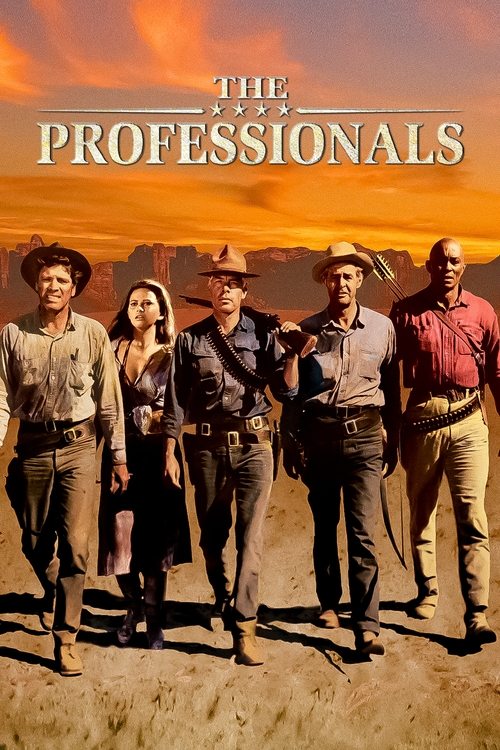
The Professionals
1966An arrogant Texas millionaire hires four adventurers to rescue his kidnapped wife from a notorious Mexican bandit.
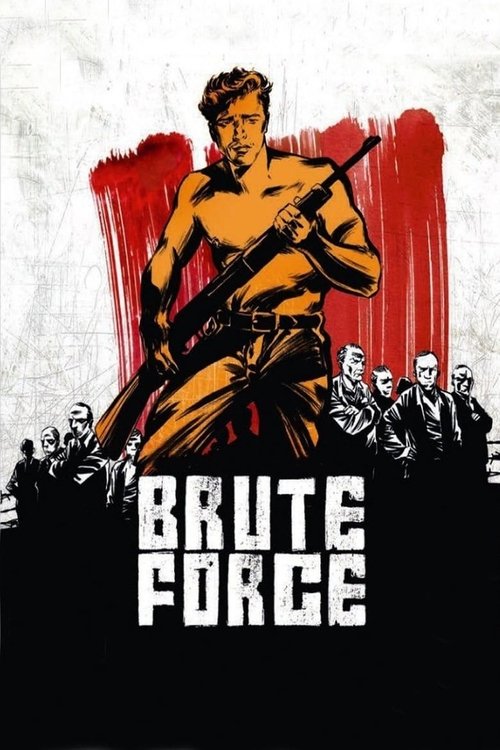
Brute Force
1947Timeworn Joe Collins and his fellow inmates live under the heavy thumb of the sadistic, power-tripping guard Captain Munsey. Only Collins' dreams of escape keep him going, but how can he possibly bust out of Munsey's chains?
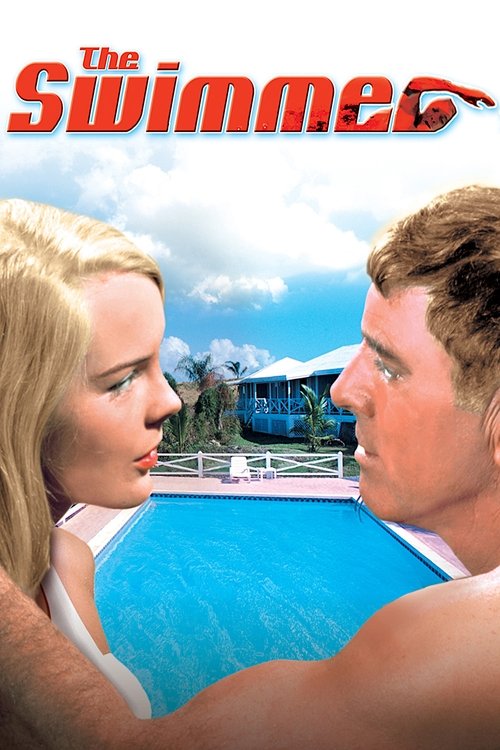
The Swimmer
1968A man spends a summer day swimming home via all the pools in his quiet suburban neighborhood.
In this surreal deconstruction of the American dream, Lancaster uses his aging but still impressive physique to tell a story of psychological collapse. Each pool he crosses strips away a layer of his character's delusions, resulting in a career-best exploration of suburban artifice and masculine fragility.
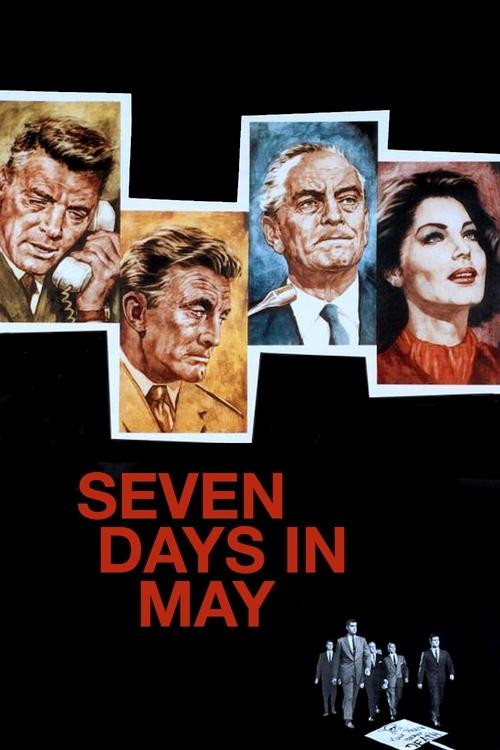
Seven Days in May
1964A U.S. Marine Corps colonel alerts the president of a planned military coup against him.
Playing a charismatic General plotting a coup, Lancaster projects a chillingly rational version of authoritarianism that feels uncomfortably plausible. He uses his natural command to explore the thin line between patriotism and megalomania, making the political stakes feel visceral and immediate.
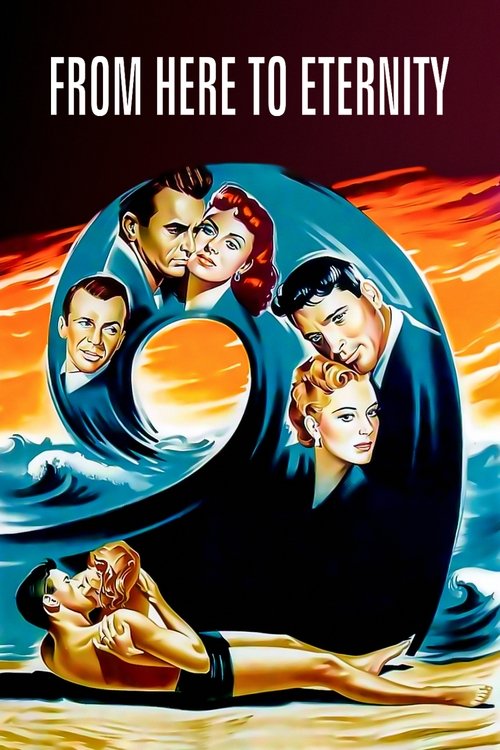
From Here to Eternity
1953In 1941 Hawaii, a private is cruelly punished for not boxing on his unit's team, while his captain's wife and second in command are falling in love.
Beneath the famous beach imagery lies a performance of rugged authority where Lancaster balances military discipline with a simmering, illicit romanticism. He serves as the film’s moral and physical center, projecting a worldly masculinity that redefined the mid-century leading man.
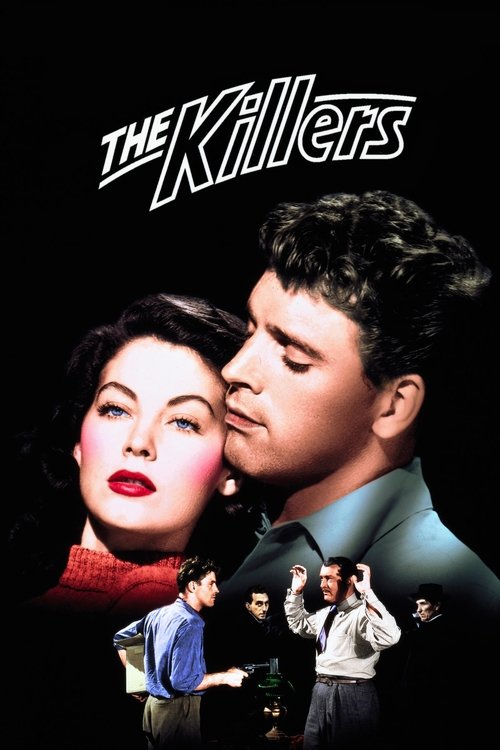
The Killers
1946Two hit men walk into a diner asking for a man called "the Swede". When the killers find the Swede, he's expecting them and doesn't put up a fight. Since the Swede had a life insurance policy, an investigator, on a hunch, decides to look into the murder. As the Swede's past is laid bare, it comes to light that he was in love with a beautiful woman who may have lured him into pulling off a bank robbery overseen by another man.
Making one of the most confident debuts in film history, Lancaster instantly established himself as a noir icon through his brooding vulnerability and sheer physical scale. He avoids the typical tough-guy tropes by infusing the Swede with a tragic, haunting passivity that lingers long after he leaves the screen.
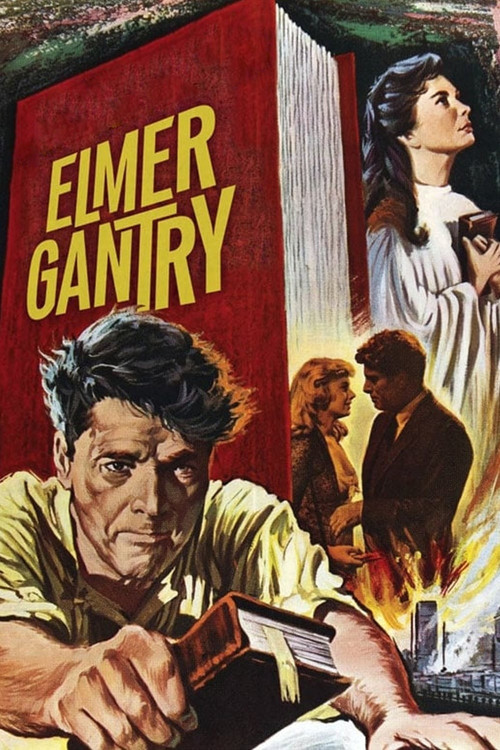
Elmer Gantry
1960A charismatic charlatan begins a business — and eventually romantic — relationship with a roadside evangelist to sell religion to 1920s America. Based on Sinclair Lewis' novel of the same name.
Lancaster’s Oscar-winning turn is a ferocious explosion of fire-and-brimstone energy that perfectly captures the seductive danger of the American huckster. He leans into his athletic showmanship to portray a man whose greatest talent is the physical manipulation of a crowd’s faith.
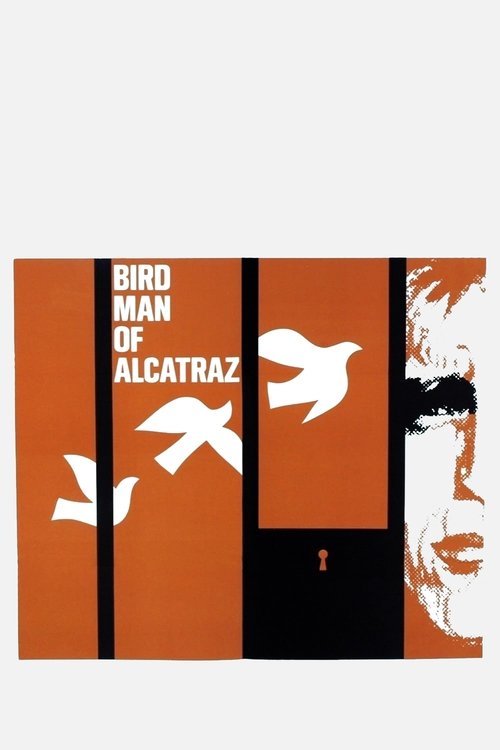
Birdman of Alcatraz
1962After killing a prison guard, convict Robert Stroud faces life imprisonment in solitary confinement. Driven nearly mad by loneliness and despair, Stroud's life gains new meaning when he happens upon a helpless baby sparrow in the exercise yard and nurses it back to health. Despite having only a third grade education, Stroud goes on to become a renowned ornithologist and achieves a greater sense of freedom and purpose behind bars than most people find in the outside world.
Confined to a cell, Lancaster delivers a transformative portrait of intellectual rebirth that relies almost entirely on his expressive eyes and quiet gestures. He strips away his typical bombast to capture the slow, painstaking patience of a man finding freedom within the most rigid of limitations.
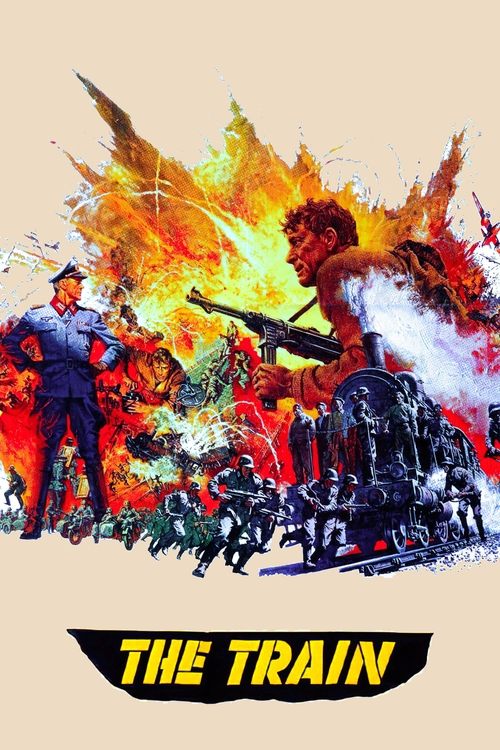
The Train
1964As the Allied forces approach Paris in August 1944, German Colonel Von Waldheim is desperate to take all of France's greatest paintings to Germany. He manages to secure a train to transport the valuable art works even as the chaos of retreat descends upon them. The French resistance however wants to stop them from stealing their national treasures but have received orders from London that they are not to be destroyed. The station master, Labiche, is tasked with scheduling the train and making it all happen smoothly but he is also part of a dwindling group of resistance fighters tasked with preventing the theft. He and others stage an elaborate ruse to keep the train from ever leaving French territory.
This high-stakes thriller utilizes Lancaster’s immense physical capability and stunt work to underscore the gritty realism of the French Resistance. It serves as a masterclass in kinetic acting, where his grueling manual labor on camera becomes a literal manifestation of his character's desperate resolve.
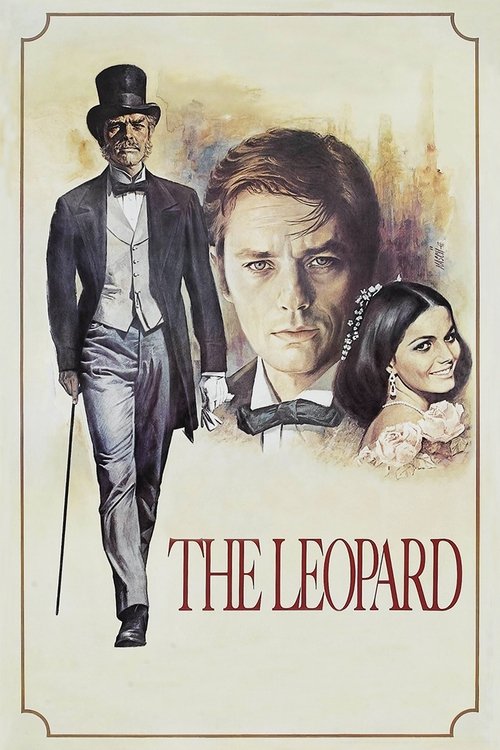
The Leopard
1963As Garibaldi's troops begin the unification of Italy in the 1860s, an aristocratic Sicilian family grudgingly adapts to the sweeping social changes undermining their way of life. Proud but pragmatic Prince Don Fabrizio Salina allows his war hero nephew, Tancredi, to marry Angelica, the beautiful daughter of gauche, bourgeois Don Calogero, in order to maintain the family's accustomed level of comfort and political clout.
Visconti’s sweeping epic finds Lancaster at his most regal, portraying an aging aristocrat who recognizes the inevitable sunset of his own era. He bridges the gap between Old Hollywood muscles and European art-house sensitivity, grounding the lush visual splendor with a weary, soulful dignity.
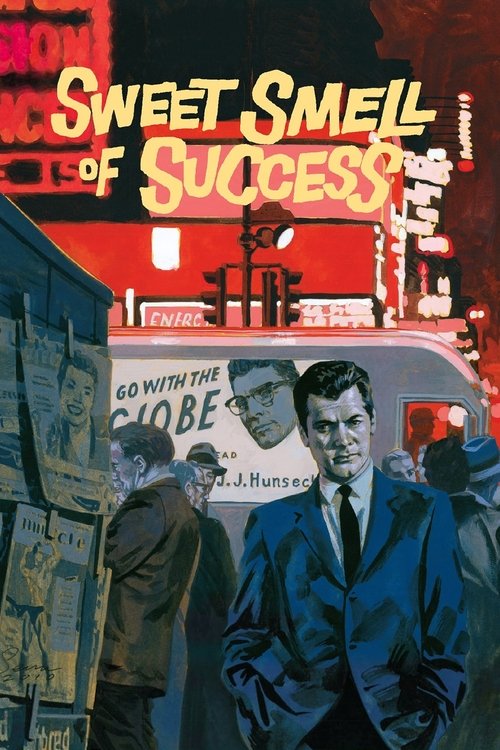
Sweet Smell of Success
1957New York City newspaper writer J.J. Hunsecker holds considerable sway over public opinion with his Broadway column, but one thing that he can't control is his younger sister, Susan, who is in a relationship with aspiring jazz guitarist Steve Dallas. Hunsecker strongly disapproves of the romance and recruits publicist Sidney Falco to find a way to split the couple, no matter how ruthless the method.
As the predatory J.J. Hunsecker, Lancaster weaponizes his natural charisma into something cold and reptilian, commanding every frame with a flick of his wrist or a sharp, acidic line. This role stands as the ultimate subversion of his heroic image, revealing a capacity for menacing elegance that redefined the cinematic villain.
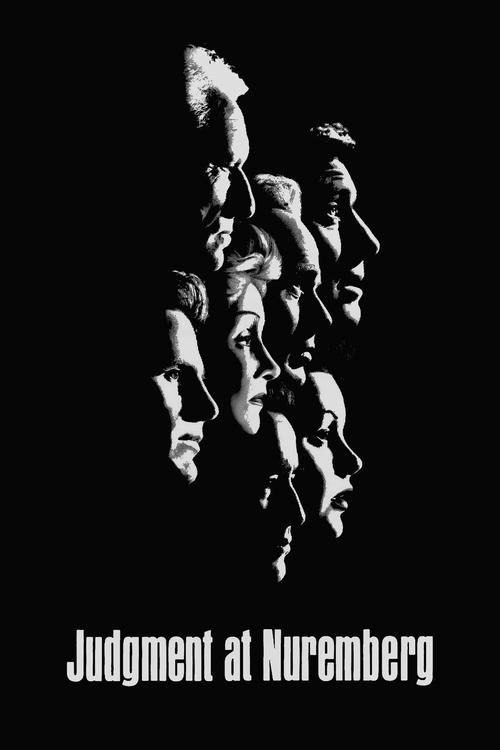
Judgment at Nuremberg
1961In 1947, four German judges who served on the bench during the Nazi regime face a military tribunal to answer charges of crimes against humanity. Chief Justice Haywood hears evidence and testimony not only from lead defendant Ernst Janning and his defense attorney Hans Rolfe, but also from the widow of a Nazi general, an idealistic U.S. Army captain and reluctant witness Irene Wallner.
Lancaster anchors this philosophical heavyweight by internalizing the collective guilt of a nation, trading his usual physical bravado for a terrifyingly still, intellectual intensity. It is the definitive proof of his evolution from a mere athlete of the screen into a profound character actor capable of carrying historical gravity.
Frequently Asked Questions
Everything you need to know about this list and SnakeDrafts
- Burt Lancaster's filmography in this ranking spans a variety of genres including drama, war, thriller, crime, mystery, romance, western, and fantasy. This range showcases his versatility as an actor from film noir classics like 'The Killers' to epic historical dramas such as 'The Leopard' and 'Judgment at Nuremberg.'
- Burt Lancaster collaborated with John Frankenheimer on several acclaimed films in the list, including 'The Train,' 'Birdman of Alcatraz,' and 'Seven Days in May.' These films emphasize Lancaster’s ability to portray complex characters in tension-filled thrillers and dramatic narratives.
- "Elmer Gantry" is a standout film in Burt Lancaster’s career as it earned him critical acclaim and an Academy Award for Best Actor. The movie highlights his skill in portraying charismatic yet morally ambiguous characters, adding depth and nuance to his celebrated performances.
- The ranking includes several significant historical and war films featuring Burt Lancaster, such as 'Judgment at Nuremberg,' 'From Here to Eternity,' and 'Gunfight at the O.K. Corral.' These films showcase his strong presence in narratives centered around pivotal moments in history and conflict.
- The list reflects Burt Lancaster’s evolution from an acrobatic noir actor in early crime dramas like 'Brute Force' and 'The Killers' to a mature artist in sophisticated roles in films like 'The Leopard' and 'Field of Dreams.' This diversity reveals his restless intellectual curiosity and adaptability over four decades.
- Notable themes in Burt Lancaster’s top-ranked films include justice and morality in 'Judgment at Nuremberg,' the corrupting power of ambition in 'Sweet Smell of Success,' and resilience and redemption in 'Birdman of Alcatraz.' These themes highlight his penchant for complex, often morally charged storytelling.
- The western genre appears prominently in Burt Lancaster’s career with films like 'Gunfight at the O.K. Corral' and 'The Professionals.' These films illustrate his skill in action-packed, character-driven western dramas that combine adventure and moral complexity.