The Essential Gregory Hines Movies Ranked
The Master of Rhythm and Screen Presence
Discover the essential filmography of Gregory Hines, from legendary tap dancing performances to iconic dramatic and comedic roles in Hollywood cinema.
About Gregory Hines
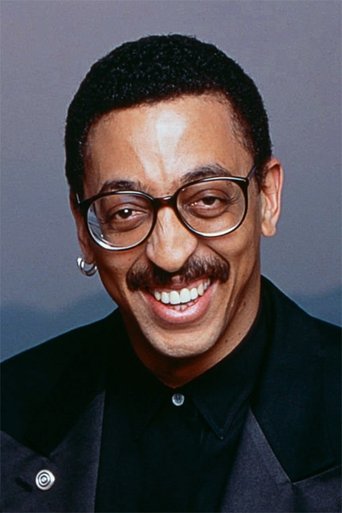
To watch Gregory Hines move was to witness a rare fusion of athletic grace and blue-collar grit. He didn't just dance; he improvised with the precision of a jazz drummer, turning his feet into percussion instruments that rearranged the air in the room. While he eventually became the face of a modern tap revival, his career was defined by a restless versatility that refused to let him be pigeonholed as a song-and-dance man. Hines possessed a lived-in charisma, a mixture of soulful warmth and sharp-witted confidence that made him one of the most bankable and beloved leading men of the eighties and nineties.
His cinematic breakthrough didn't happen on a stage, but rather in the gritty, supernatural atmosphere of Wolfen, followed quickly by a comedic turn in Mel Brooks' History of the World: Part I. These early roles established a crucial precedent: he could inhabit any genre without losing his distinct rhythmic identity. By the time he teamed up with Mikhail Baryshnikov for the Cold War drama White Nights, he was proving that a tap dancer from New York could hold his own against a ballet legend, creating a cultural bridge between two very different worlds of movement. That film, along with his work in The Cotton Club, cemented his status as an actor who used his body as an extension of his dialogue.
Audience connection came naturally to him because he lacked pretension. In the buddy-cop classic Running Scared, he traded quips with Billy Crystal with the ease of a veteran stand-up, showing off a comedic timing that felt entirely spontaneous. He brought that same effortless magnetism to the thriller Off Limits and the sci-fi grit of Eve of Destruction, always grounding heightened plots with a believable, human core. He was the kind of actor men wanted to grab a drink with and women found impossible to resist, a quality he maximized in late-career hits like Waiting to Exhale and The Preacher's Wife. In those films, he became the ultimate romantic foil, projecting a sophisticated tenderness that felt both classic and contemporary.
Beyond the box office, his legacy is inseparable from the film Tap, which served as both a love letter to his mentors and a passing of the torch to the next generation. He fought to keep his art form relevant, dragging it out of the nostalgia of the Vaudeville era and into the sleekness of modern cinema. Whether he was playing a tough hood in A Rage in Harlem or an ensemble player in more quiet, contemplative works like Things You Can Tell Just by Looking at Her, he approached every frame with a palpable sense of joy. He left behind a body of work that feels alive, punctuated by the staccato rhythm of a man who never stopped moving. When we remember him, we remember the smile, the style, and the sound of those shoes hitting the floor with a purpose that changed the culture forever.

Things You Can Tell Just by Looking at Her
2000In California, a group of women struggle with personal problems as their paths intertwine in unexpected ways. Dr. Elaine Keener, the sole caretaker for her aging mother, turns to tarot card reader Christine for spiritual aid. Christine grapples with her own angst due to her lover's debilitating illness. Meanwhile, a bank manager deals with an unwanted pregnancy, two sisters pursue romantic interests and a housewife gets back into the dating game.

Renaissance Man
1994An advertising man is slowly sliding downhill. When he is fired from his job in Detroit, he signs up for unemployment. One day they find him a job: teaching thinking skills to Army recruits. He arrives on base to find that there is no structure set up for the class.
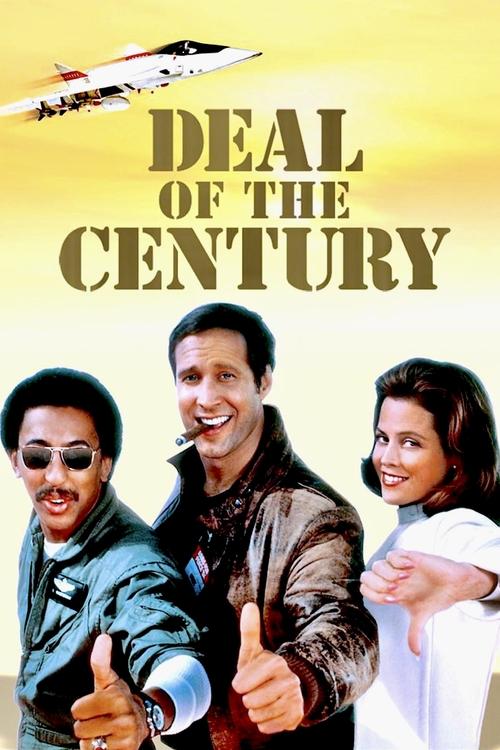
Deal of the Century
1983Arms dealers from several companies vie to sell the most expensive and highest tech weapons to a South American dictator. There are complications; understanding the exact nature of how 'gifts' are used to grease the wheels of a sale, a religious conversion from one of the salesman and a romance that begins to grow between two competitors.
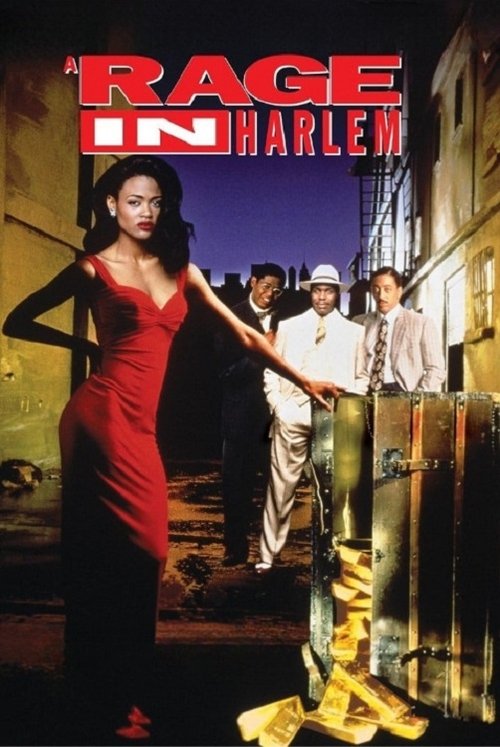
A Rage in Harlem
1991A beautiful black gangster's moll flees to Harlem with a trunkload of gold after a shootout, unaware that the rest of the gang, and a few other unsavoury characters, are on her trail. A pudgy momma's boy becomes the object of her affections and the unlikely hero of the tale.
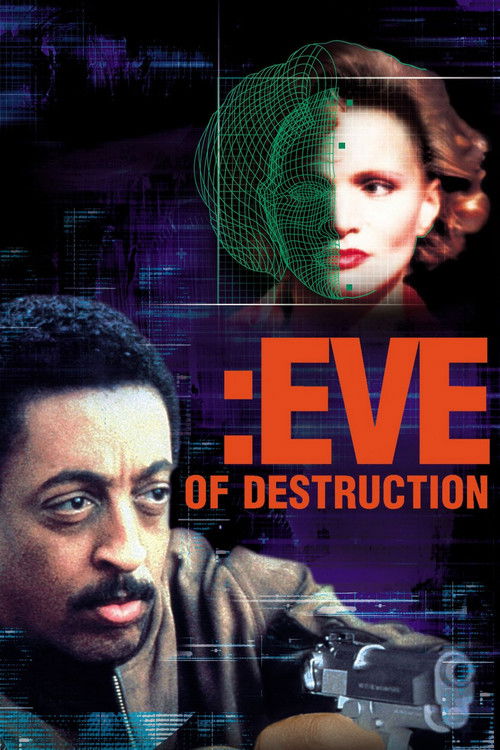
Eve of Destruction
1991Eve is a military robot made to look exactly like her creator, Dr. Eve Simmons. When she is damaged during a bank robbery, the robot becomes an unstoppable killing machine. Colonel Jim McQuade is assigned to stop the robot and with the help from Dr. Simmons they have to predict where she will go next.
Even when faced with eccentric sci-fi premises, Hines remains a grounded and authoritative screen force. He carries the weight of this high stakes pursuit with a gritty professionalism that almost elevates the surrounding genre camp into a legitimate thriller.
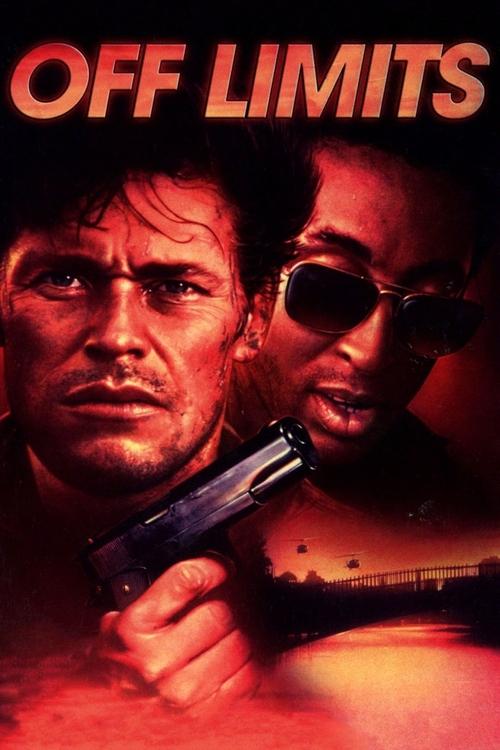
Off Limits
1988McGriff and Albaby are probably doing the worst law enforcement job in the world - they are plain clothes U.S. military policemen on duty in war-time Saigon. However, their job becomes even harder when they start investigating the serial killings of local prostitutes. Their prime suspect is high ranking U.S. Army officer which brings their lives in danger.
Navigating the claustrophobic chaos of wartime Saigon, Hines delivers a jagged and cynical performance that pushes him far into neo noir territory. He shed his polished persona here for something far more visceral and psychologically fraught.

Wolfen
1981A New York City cop and an expert criminologist trying to solve a series of grisly deaths in which the victims have seemingly been maimed by feral animals discover a sinister connection between the crimes and an old legend.
In this gritty, atmospheric horror debut, Hines utilizes his natural rhythmic timing to heighten the film’s mounting dread. Even in a procedural setting, he maintains an uncanny screen presence that hints at the multifaceted stardom to come.
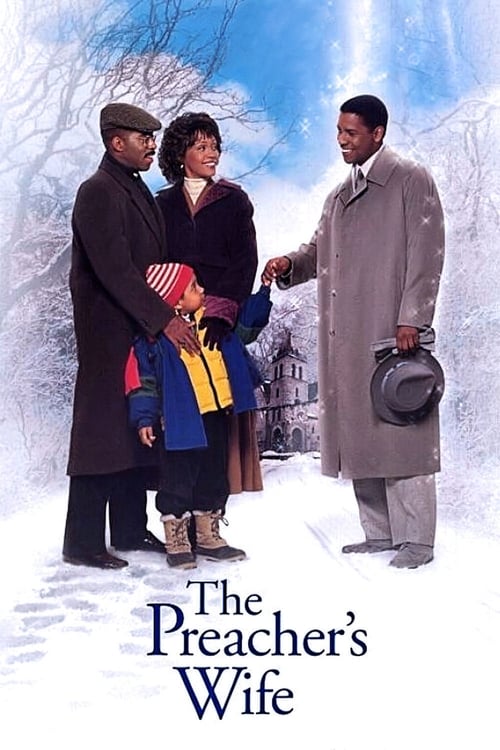
The Preacher's Wife
1996Good-natured Reverend Henry Biggs finds that his marriage to choir mistress Julia is flagging, due to his constant absence caring for the deprived neighborhood they live in. On top of all this, his church is coming under threat from property developer Joe Hamilton. In desperation, Biggs prays to God for help – which arrives in the form of an angel named Dudley.
Hines brings a sophisticated, gentlemanly friction to the screen as the persistent suitor in this holiday fable. He manages to make a secondary role feel essential by layering the character with a charming dignity that complicates the central domestic conflict.
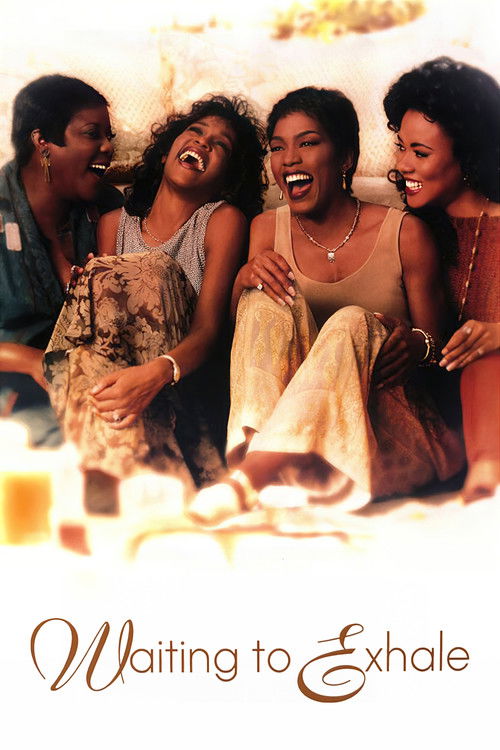
Waiting to Exhale
1995Cheated on, mistreated and stepped on, the women are holding their breath, waiting for the elusive "good man" to break a string of less-than-stellar lovers. Friends and confidants Vannah, Bernie, Glo and Robin talk it all out, determined to find a better way to breathe.
Exuding a matured, understated magnetism, Hines provides the necessary emotional ballast to this iconic ensemble piece. He navigates the nuances of romantic vulnerability with a quiet confidence that reminds audiences of his immense power as a dramatic character actor.
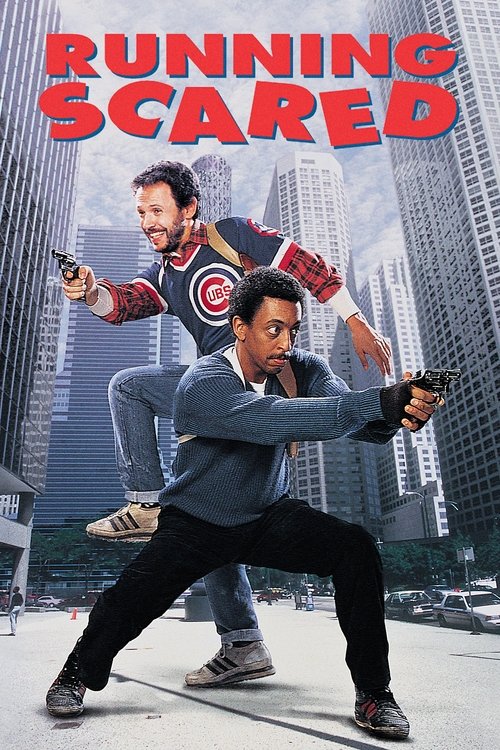
Running Scared
1986Two street-wise Chicago cops have to shake off some rust after returning from a Key West vacation to pursue a drug dealer that nearly killed them in the past.
Hines defies the rigid tropes of the eighties buddy cop flick by injecting his character with a loose, lived in cool that feels entirely unscripted. His effortless chemistry with Billy Crystal redefined the genre by prioritizing genuine banter over hollow pyrotechnics.
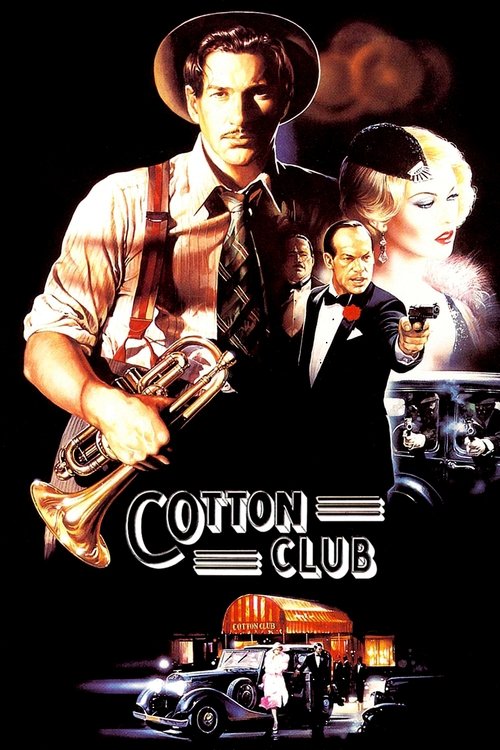
The Cotton Club
1984Harlem's legendary Cotton Club becomes a hotbed of passion and violence as the lives and loves of entertainers and gangsters collide.
Working under Coppola, Hines finds a complex dramatic frequency that matches the syncopation of his feet. He captures the desperate ambition of a performer navigating a segregated underworld, turning the stage into a site of profound personal protest.

History of the World: Part I
1981An uproarious version of history that proves nothing is sacred – not even the Roman Empire, the French Revolution and the Spanish Inquisition.
As the sandals and silk clad Josephus, Hines displays his nimble aptitude for Mel Brooks’ brand of lunacy while remaining the most charismatic presence in the ensemble. It is the breakthrough that signaled his arrival as a versatile leading man capable of anchoring high concept comedy.

White Nights
1985After his plane crashes in Siberia, a Russian dancer, who defected to the West, is held prisoner in the Soviet Union. The KGB keeps him under watch and tries to convince him to become a dancer for the Kirov Academy of Ballet again. Determined to escape, he befriends a black American expatriate and his pregnant Russian wife, who agree to help him escape to the American Embassy.
In a high stakes creative Duel with Mikhail Baryshnikov, Hines proves he can hold his own against classical royalty by weaponizing his improvisational street style. This performance is a masterclass in physical tension and ideological conflict told through the language of movement.
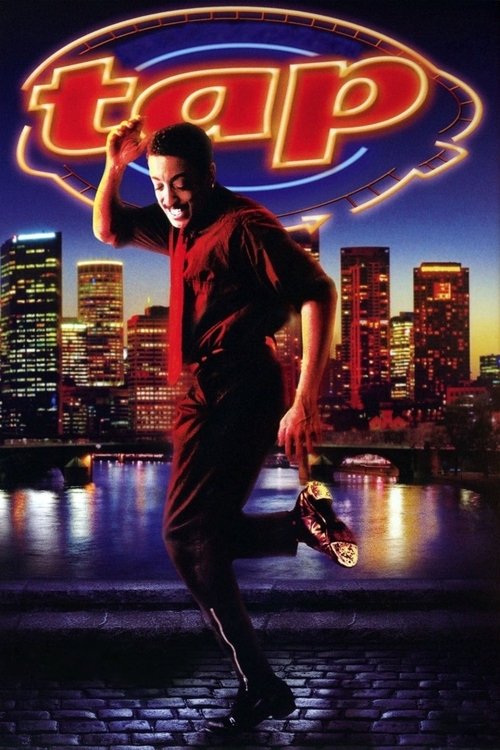
Tap
1989Max Washington has just been released from prison after serving time for burglary. He returns to his old hangout, a hoofer club. His old girl friend, Amy, who still works at the club as a Tap instructor, is less than thrilled to see him. Her father, Little Mo, is happy to see him, because he has plans for a show involving Max. In addition, Max's old partners in crime have another job for him.
Hines captures the sheer kinetic soul of his craft in this definitive homage to rhythm, serving as the bridge between the art form’s golden age and its modern evolution. His percussive elegance transforms the screen into an instrument, cementing his legacy as the premier dancer of his generation.
Frequently Asked Questions
Everything you need to know about this list and SnakeDrafts
- The film "Tap" is the definitive showcase of Gregory Hines' tap dancing brilliance. It not only highlights his technical mastery but also his ability to infuse emotional depth into dance sequences, capturing the essence of the tap dance revival.
- Gregory Hines showcased remarkable versatility by seamlessly transitioning between intense dramatic roles in films like "White Nights" and comedic performances in movies such as "History of the World: Part I." This balance illustrates his dynamic range as an actor beyond his dance background.
- Hines worked with acclaimed directors including Francis Ford Coppola in "The Cotton Club" and Mel Brooks in "History of the World: Part I." These collaborations underline his capacity to contribute significantly to diverse cinematic styles, from grand crime dramas to irreverent comedies.
- Many of Hines' notable films explore themes of resilience, cultural identity, and artistic expression, as seen in "Tap" and "The Cotton Club." Additionally, his work in thrillers like "White Nights" often includes tension and survival themes, showcasing his adaptability across genres.
- "Tap" uniquely blends music, drama, and dance to tell a compelling story centered on the art of tap dancing. Hines' performance in this film is a powerful tribute to the dance form and highlights his multidimensional talent.
- Yes, "Waiting to Exhale" features Gregory Hines as part of a strong ensemble cast with a focus on interpersonal relationships and life challenges. This film highlights his ability to contribute meaningfully to character-driven stories within ensemble settings.
- In "Running Scared," Gregory Hines navigates the intersection of comedy, crime, and thriller genres, delivering a performance that balances suspense with humor. This film demonstrates his knack for engaging audiences across blended genres.