The Definitive Ranking of Debra Winger Movies
The Definitive Guide to a Screen Legend's Career
Discover the finest performances of Debra Winger, from Oscar-winning dramas to cult classics, in this expert-curated filmography review.
About Debra Winger
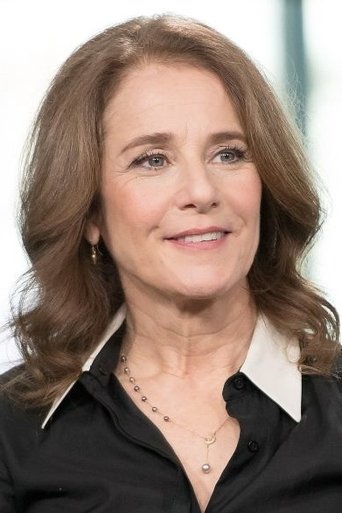
In the landscape of American cinema, few performers possess the raw, unvarnished magnetism of Debra Winger. She emerged during an era of glossy stardom yet refused to play by the rules of the Hollywood charm offensive. Instead, she offered audiences a specific kind of intensity: a husky-voiced realism that felt less like acting and more like an intrusion on a private moment. Her presence suggests a woman who has no time for pretense, a quality that transformed her into the definitive screen heroine of the eighties and a vital, unpredictable force in the decades that followed.
The world first truly took notice when she climbed aboard a mechanical bull in Urban Cowboy, instantly siphoning the spotlight from John Travolta with a mixture of grit and pheromonal heat. That performance set the template for what became her signature. She didn't just play romantic interests; she played complicated equals. Whether she was locking horns with Richard Gere in the high-stakes melodrama of An Officer and a Gentleman or navigating the heartbreaking, multi-generational friction of Terms of Endearment, she anchored every frame with a fierce, intelligent vitality. She had a way of making vulnerability look like a form of strength, turning the tragedy of Emma Horton into a masterclass in domestic resilience that still brings audiences to tears forty years later.
Her reputation as a formidable presence on set only added to her mystique. She was never interested in being a compliant starlet, opting instead for roles that challenged the comfort of the viewer. In the icy neo-noir Black Widow or the politically charged tension of Betrayed, she demonstrated a cerebral range that made her as effective in a thriller as she was in a traditional romance. Even when she pivoted toward lighter fare like the breezy Legal Eagles or the witty Forget Paris, that underlying sharpness remained. She possessed an uncanny ability to elevate high-concept projects like Leap of Faith or the soul-stirring Radio simply by treating her characters with absolute, unyielding dignity.
When she famously stepped away from the industry at the height of her powers, it felt less like a retirement and more like a refusal to settle for the diminishing returns offered to women of a certain age. Her eventual return proved she had lost none of her edge. In Rachel Getting Married, she entregued a chillingly detached performance as a mother unable to bridge the gap with her daughters, reminding everyone that her brand of honesty remains unmatched. More recently, her turn as a bizarre, eccentric matriarch in Kajillionaire showcased a willingness to embrace the avant-garde, while her work in Shadowlands and A Dangerous Woman remains some of the most nuanced portraiture of loneliness ever captured on film.
Audiences connect with her because she feels fundamentally honest. She captures that specific vibration of being a person who feels too much but says just enough. From the disciplined world of Boychoir to the dusty bars of Texas, she has spent her career stripping away the artifice of celebrity. We don't watch her to see a movie star; we watch her to see ourselves reflected back in all our messy, stubborn, and brilliant glory. She remains the quintessential actor for people who prefer their truth served straight, without a chaser.
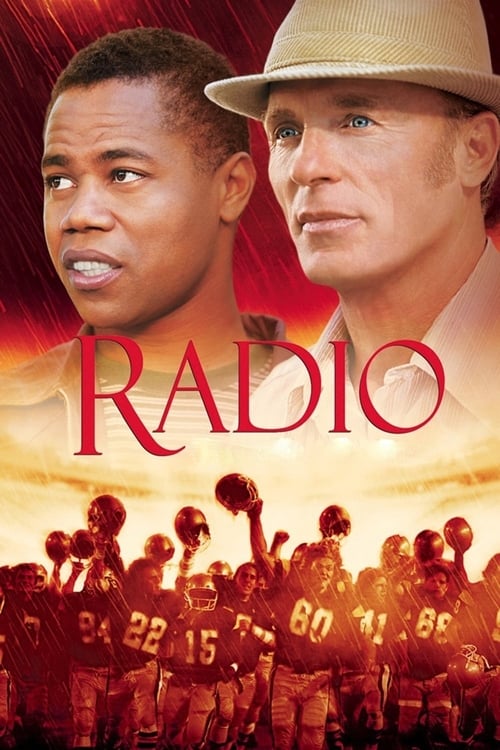
Radio
2003In the racially divided town of Anderson, South Carolina in 1976, football coach Harold Jones spots a mentally disabled African-American young man nicknamed Radio near his practice field and is inspired to befriend him. Soon, Radio is Jones' loyal assistant, and he becomes a student at T.L. Hanna High School. But things start to sour when Coach Jones begins taking guff from parents and fans who feel that his devotion to Radio is getting in the way of the team's quest for a championship.
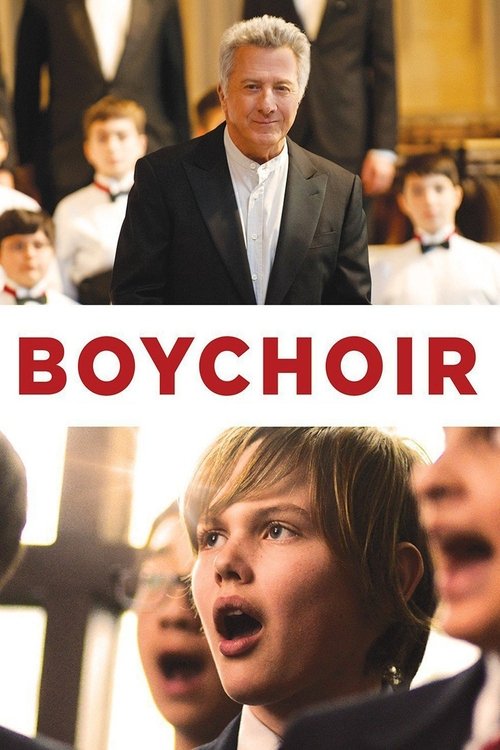
Boychoir
2015A troubled and angry 11-year-old orphan from a small Texas town, ends up at a Boy Choir school after the death of his single mother. Completely out of his element, he finds himself in a battle of wills with a demanding Choir Master who recognises a unique talent in this young boy as he pushes him to discover his creative heart and soul in music.
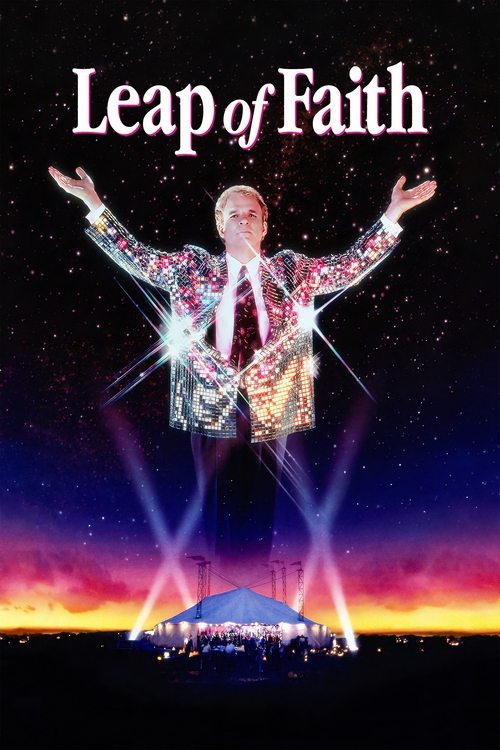
Leap of Faith
1992Jonas Nightengale is a fraudulent Christian faith healer who makes a living travelling around America holding revival meetings and conducting 'miracles' with the help of his friend and manager, Jane, and their entourage.
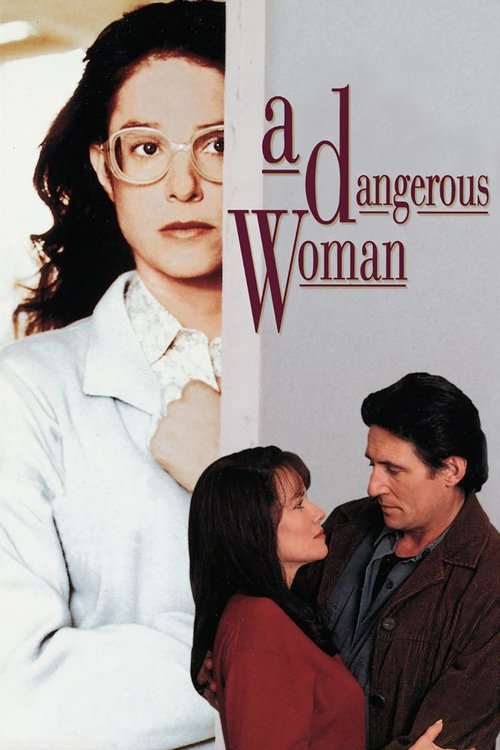
A Dangerous Woman
1993Martha Horgan is a withdrawn, mentally disabled woman who lives with her aunt, Frances. One of Martha's unusual traits is that she doesn't lie, a quality that leads to her getting fired from a dry-cleaning shop thanks to the actions of the shifty Getso. Conflict seems to follow Martha, since she also becomes romantically involved with local fix-it man, Mackey, who is sleeping with Frances as well.
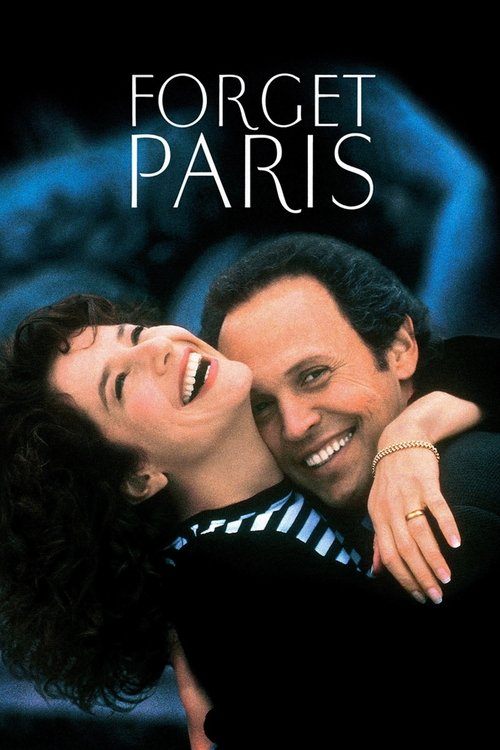
Forget Paris
1995Mickey Gordon is a basketball referee who travels to France to bury his father. Ellen Andrews is an American living in Paris who works for the airline he flies on. They meet and fall in love, but their relationship goes through many difficult patches.
Winger serves as the sophisticated anchor for this romantic comedy, bringing a necessary maturity and grounded wit to the genre's typical tropes. Her chemistry with Billy Crystal thrives on a believable, lived-in friction that only an actor of her caliber could sustain through a non-linear narrative.
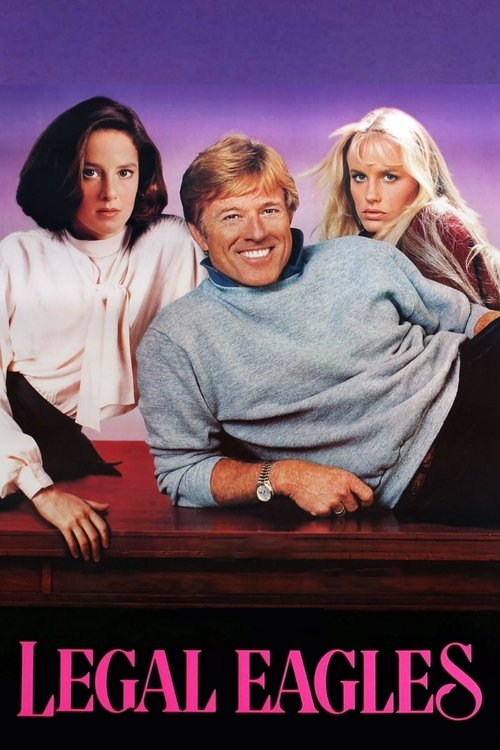
Legal Eagles
1986District Attorney Tom Logan is set for higher office, at least until he becomes involved with defence lawyer Laura Kelly and her unpredictable client Chelsea Deardon. It seems the least of Chelsea's crimes is the theft of a very valuable painting, but as the women persuade Logan to investigate further and to cut some official corners, a much more sinister scenario starts to emerge.
Leaning into rare, comedic territory, Winger displays a kinetic, physical energy that provides an essential spark to this glossy courtroom caper. Her presence elevates the material, proving she could handle lightweight studio fare with the same charisma she brought to her heaviest dramas.
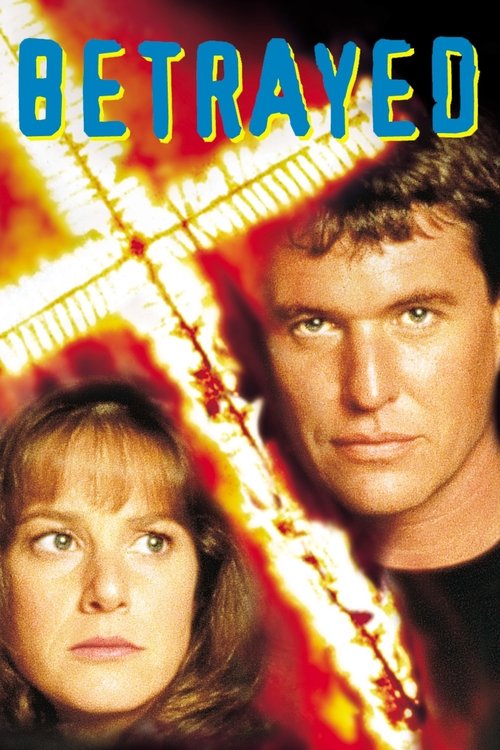
Betrayed
1988An FBI agent posing as a combine driver becomes romantically involved with a Midwest farmer who lives a double life as a white supremacist.
Winger navigates a treacherous ethical minefield as an undercover agent whose conscience becomes entangled with her dangerous surroundings. The film relies entirely on her ability to register subtle flickers of horror beneath a composed facade, making it a standout example of her underrated dramatic range.
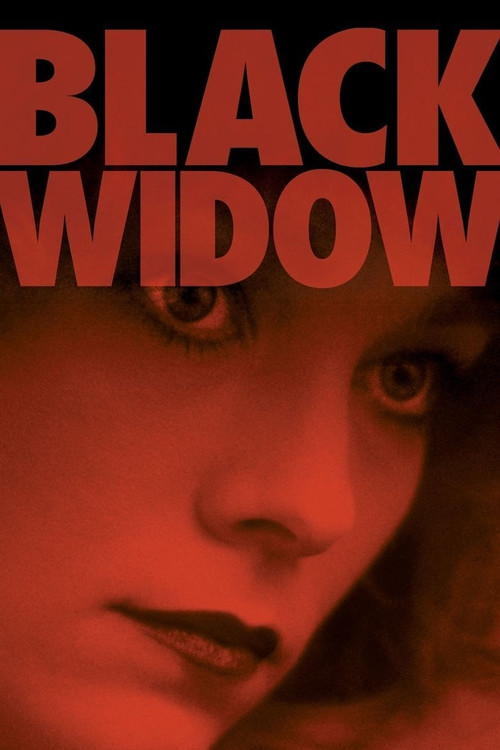
Black Widow
1987Federal agent Alexandra Barnes believes that Catherine Petersen is a serial killer who marries rich men and then murders them for their money. But since Catherine is seemingly a master of disguise and has multiple identities, Alexandra can't prove anything with conventional detective work. With no other option, she goes undercover, pursuing the same man as Catherine, and hoping that Catherine will slip up and reveal her true identity.
Occupying a claustrophobic psychological space, Winger plays a federal investigator whose growing obsession with her target mirrors the film’s noirish intensity. It is a taut, cerebral performance that highlights her unique capability for portraying internal conflict and intellectual drive.

Kajillionaire
2020Two con artists have spent 26 years training their only daughter to swindle, scam and steal at every turn. During a desperate and hastily conceived heist, they charm a stranger into joining them, only to have their entire world turned upside down.
Winger disappears into a surreal, deadpan landscape, playing an eccentric criminal matriarch with a fascinatingly muted affect. This role showcases her willingness to embrace the avant-garde, proving she remains one of the most unpredictable and versatile character actors in the industry.

Rachel Getting Married
2008A young woman who has been in and out from rehab for the past 10 years returns home for the weekend for her sister's wedding.
Playing a mother whose chilling emotional detachment borders on the alien, Winger provides the perfect, brittle counterpoint to the surrounding family chaos. This supporting turn marked a triumphant return to form, demonstrating her mastery of the unspoken and the deeply uncomfortable.
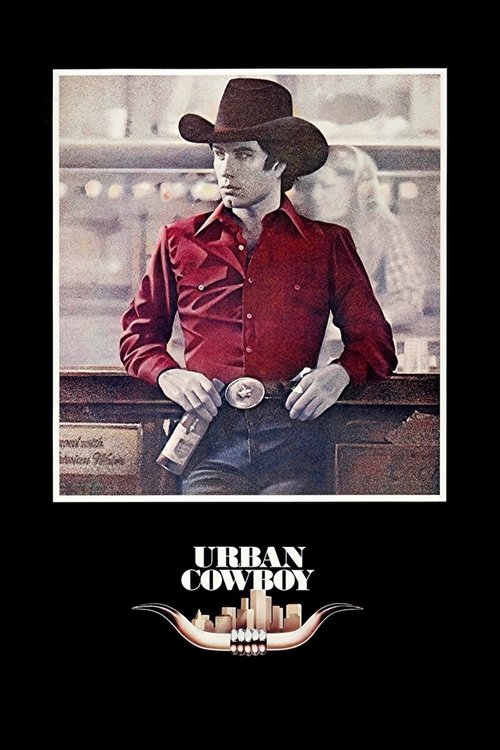
Urban Cowboy
1980After moving to Pasadena, Texas, country boy Bud Davis starts hanging around a bar called Gilley's, where he falls in love with Sissy, a cowgirl who believes the sexes are equal. They eventually marry, but their relationship is turbulent due to Bud's traditional view of gender roles. Jealousy over his rival leads to their separation, but Bud attempts to win Sissy back by triumphing at Gilley's mechanical bull-riding competition.
Few actors could steal the spotlight from a peak John Travolta, yet Winger’s Sissy is the undeniable soul of this honky-tonk epic. She radiates a restless, blue-collar hunger that defined the cinematic zeitgeist of the early Reagan era and established her reputation as a formidable talent with an edge.
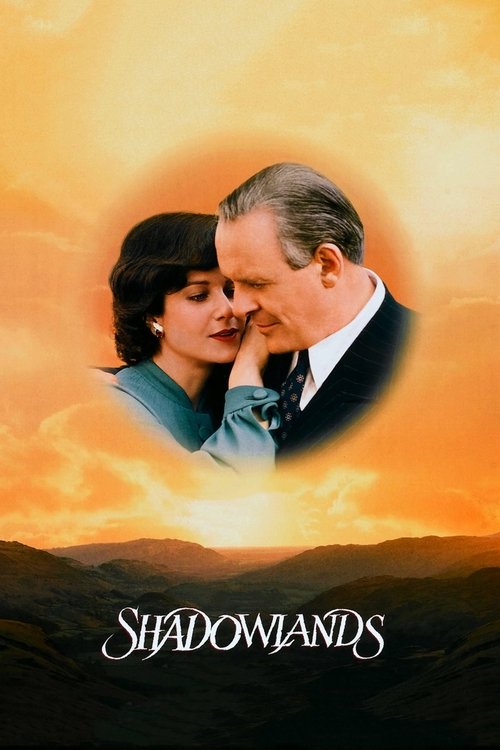
Shadowlands
1993C.S. Lewis, a world-renowned writer and professor, leads a passionless life until he meets spirited poet Joy Gresham.
In this later-career triumph, Winger avoids the trap of the saintly victim by imbuing Joy Gresham with a sharp-witted intellectualism that challenges her counterpart’s stoicism. Her ability to navigate a quiet, impending tragedy with such dignified restraint earned her a well-deserved third Academy Award nomination.
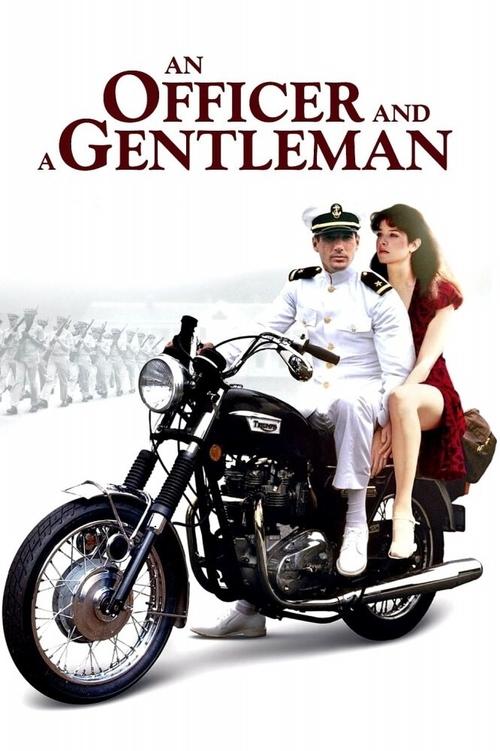
Zack Mayo is an aloof, taciturn man who aspires to be a navy pilot. Once he arrives at training camp for his 13-week officer's course, Mayo runs afoul of abrasive, no-nonsense drill Sergeant Emil Foley. Mayo is an excellent cadet, but a little cold around the heart, so Foley rides him mercilessly, sensing that the young man would be prime officer material if he weren't so self-involved. Zack's affair with a working girl is likewise compromised by his unwillingness to give of himself.
Raw and unvarnished, Winger’s performance here subverts the typical romantic interest archetype by infusing a factory worker's pragmatism into a high-stakes melodrama. It was the role that ignited her stardom, proving she could command the screen through pure, combustible chemistry and sheer force of will.
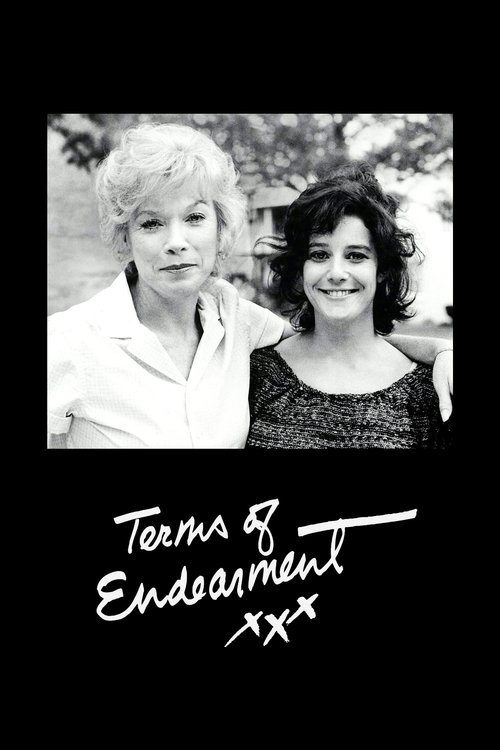
Aurora, a finicky woman, is in search of true love while her daughter faces marital issues. Together, they help each other deal with problems and find reasons to live a joyful life.
Winger anchors this tearjerker with a fierce, ground-level vitality that prevents the film from ever descending into mere sentimentality. Her portrayal of Emma remains the ultimate showcase for her signature blend of grit and vulnerability, cementing her status as the premier dramatic powerhouse of the eighties.
Frequently Asked Questions
Everything you need to know about this list and SnakeDrafts
- Debra Winger's most emotionally compelling performance is often cited in 'Terms of Endearment,' where her nuanced portrayal contributes deeply to the film's mix of drama and comedy, showcasing her ability to balance humor with intense emotional depth.
- In 'An Officer and a Gentleman,' Winger embodies a strong, independent love interest with a romantic and dramatic depth, whereas in 'Urban Cowboy,' her character reflects a more subdued and realistic portrayal of life within a working-class Texas setting, highlighting her versatility in romance and drama genres.
- Common themes in Debra Winger's films include complex romantic relationships, personal resilience, and nuanced emotional struggles, as seen in movies like 'Shadowlands' and 'Rachel Getting Married.' These films often explore the human condition with a raw, unfiltered realism.
- Several films in the list blend crime and thriller elements, notably 'Black Widow' and 'Betrayed,' where Winger plays roles that involve suspense and moral ambiguity, showcasing her range beyond romantic dramas.
- Yes, Debra Winger has collaborated with acclaimed directors across diverse genres in this ranking, including James L. Brooks in comedy-drama, Richard Attenborough in romantic drama, and Miranda July in crime-comedy, reflecting her adaptability to various storytelling styles.
- Debra Winger's performance in 'Rachel Getting Married' is distinguished by its raw intensity and emotional authenticity, contributing to the film's exploration of family dynamics and personal redemption, reaffirming her ability to deliver deeply human performances.
- In 'Boychoir,' Debra Winger plays a role connected to a musical educational environment, highlighting her capacity to engage with stories that focus on personal growth and artistic discipline within dramatic narratives.