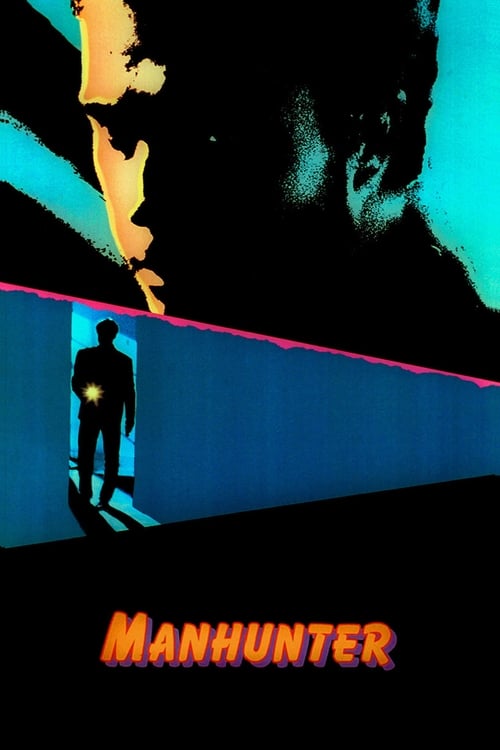
Manhunter
Manhunter plunges viewers into the chilling world of FBI profiler Will Graham as he confronts the darkness of serial killers and his own psyche. This stylish thriller, a precursor to modern crime dramas, offers a captivating and intense procedural experience.
Director
Release Year
1986
Runtime
120 minutes
Main Cast
William Petersen, Tom Noonan, Dennis Farina, Brian Cox, Kim Greist
About Manhunter
Michael Mann's 1986 neo-noir thriller *Manhunter* marks a pivotal moment in cinematic history, being the first film adaptation to feature Hannibal Lecter (here spelled Lecktor). While not a box office smash upon its release, its visual style, atmospheric tension, and psychological depth have cemented its status as a cult classic and an influential work within the crime and thriller genres. Mann's signature aesthetic, characterized by cool hues, stark architecture, and pulsating electronic scores, elevates the film beyond a standard serial killer narrative.
The film introduces us to Will Graham (William Petersen), a gifted but troubled FBI profiler who possesses an uncanny ability to empathize with the psychopathic minds he hunts. Forced out of retirement to track down a brutal killer known as the 'Tooth Fairy' (Tom Noonan), Graham must re-enter the dark recesses of criminal psychology, a journey that exacts a heavy personal toll. His methodology, which involves immersing himself in the killer's mindset, brings him dangerously close to the very evil he seeks to apprehend. The narrative expertly balances suspenseful detective work with profound character exploration, avoiding gratuitous gore in favor of psychological horror.
Critically, *Manhunter* was initially met with mixed reviews, with some critics finding it too cold or stylized. However, over time, its reputation has grown significantly, with many now recognizing its groundbreaking approach to the serial killer subgenre. It is celebrated for its intelligent screenplay, strong performances, particularly by Petersen and Noonan, and its innovative visual storytelling. The film's influence can be seen in countless subsequent thrillers and crime dramas, shaping the way audiences perceive and interact with stories about criminal profiling. Its distinct tone and meticulous attention to detail set a new standard for the genre.
*Manhunter*'s lasting legacy lies in its bold artistic vision and its pioneering depiction of psychological investigation. It laid crucial groundwork for future adaptations of Thomas Harris's novels, most notably *The Silence of the Lambs*, and introduced the world to the unsettling brilliance of Hannibal Lecter. The film challenged audiences to grapple with complex moral ambiguities and the thin line between hunter and hunted, good and evil. Its themes of identity, empathy, and the corrupting nature of darkness continue to resonate, making it a powerful and thought-provoking cinematic experience.
Drafts Featuring Manhunter
Every SnakeDrafts listicle where this movie appears
The Best Brian Cox Movies Ranked by Performance and Impact
Ranked #5
Michael Mann Films Ranked Definitively
Ranked #6
Best 1986 Movies of All Time
Ranked #67
Best Horror Movies of 1986
Ranked #28
The Best Crime Movies of 1986, Ranked
Ranked #3
The Best Thriller Movies of All Time, Ranked
Ranked #36
The Best Thriller Movies of 1986, Ranked
Ranked #1
Top 1980s Thriller Movies Ranked
Ranked #9
The Best 1980s Crime Movies Ranked
Ranked #9
The Greatest Dennis Farina Movies Ever
Ranked #4
The Best Movies of the 1980s Ranked
Ranked #86
Similar Movies
Movies related to Manhunter
Frequently Asked Questions
Everything you need to know about Manhunter
- Will Graham's profiling technique involves intensely empathizing with the killer, stepping into their mindset to understand their motives and actions. This deep immersion, while effective for his investigations, blurs the lines of his own identity and causes significant psychological distress, leading to nightmares and a profound internal conflict. His unique gift is also his greatest burden, pushing him to the brink of sanity.
- The 'red dragon' refers to Francis Dolarhyde's delusion of transforming into a powerful entity inspired by William Blake's painting 'The Great Red Dragon and the Woman Clothed in Sun.' This motif symbolizes Dolarhyde's distorted self-perception, his desire for transcendence through violence, and the terrifying internal world that drives his horrific crimes. It represents the ultimate manifestation of his psychopathy and obsession.
- Michael Mann masterfully employs a distinctive color palette, often dominated by cool blues, greens, and grays, along with high-contrast lighting, to create a sterile, almost clinical atmosphere that reflects the cold and methodical nature of the investigations and the killers. This deliberate aesthetic choice amplifies the film's psychological tension and highlights the emotional detachment present in its characters and their environment. The play of light and shadow often emphasizes isolation and the lurking darkness.
- The relationship between Will Graham and Hannibal Lecktor is one of profound and unsettling intellectual connection, born from their shared understanding of the criminal mind. Lecktor, having previously brutalized Graham, possesses a twisted respect for his former captor's abilities, offering cryptic insights that both aid and torment Graham. Their interactions are a psychological chess match, revealing the depth of their intertwined destinies and the fine line between genius and madness.
- Francis Dolarhyde targets families based on a complex and deeply disturbed psychological framework, often fixating on their perceived beauty or domestic bliss, which he feels he lacks. His actions are driven by a desire to 'transform' or acquire what he believes he is missing, projecting his internal struggle and fragmented identity onto his victims. These attacks are meticulously planned rituals reflecting his internal pathologies rather than random acts of violence or a simple desire for power.
- Will Graham's internal struggles during the investigation are multifaceted, stemming from his unique ability to empathize with serial killers. He grapples with the constant threat of losing himself in the minds of the monsters he hunts, the psychological toll of witnessing horrific violence, and the fear of succumbing to the darkness he confronts. This internal conflict is a central theme, highlighting the personal cost of his work and the inherent dangers of his gift.
- Manhunter delves into themes of identity and perception through Will Graham's struggle to maintain his own self while inhabiting the minds of killers, and through Francis Dolarhyde's desperate attempts to create a new identity for himself. The film questions what defines a person, how external perceptions shape internal realities, and the blurred lines between sanity and madness when deeply immersed in the world of extreme violence and psychological pathology. It prompts viewers to consider how much of ourselves we lose in the pursuit of understanding others, especially those on the fringes of humanity.

