Giuseppe Tornatore's Greatest Films Ranked
Masterpieces of Italian Sentiment and Cinematic Soul
Explore the definitive filmography of Giuseppe Tornatore, featuring legendary classics like Cinema Paradiso and atmospheric visual masterpieces.
About Giuseppe Tornatore

To watch a film by Giuseppe Tornatore is to step into a space where nostalgia is not just a sentiment, but a physical law of gravity. This Sicilian architect of memory builds worlds out of golden-hour light and the sweeping, operatic emotions of a bygone era. He belongs to a rare breed of filmmakers who treat the cinema screen as a sacred altar, viewing the act of projection as something akin to a religious miracle. While many of his contemporaries leaned into the gritty realism of modern life, he doubled down on the magic of the frame, creating a visual language punctuated by grand gestures and heartbreaking intimacy.
His masterpiece, Cinema Paradiso, serves as the ultimate manifesto for this worldview. Through the eyes of a young boy and an aging projectionist, he explores how flickering shadows can shape a soul. It is a film that breathes with the dust of the theater, capturing a specific brand of Italian sentimentalism that manages to be lush without becoming saccharine. This fixation on the past and its lingering grip on the present defines his finest work. Whether he is tracing the sun-drenched streets of a small town in Malena or exploring the sprawling, multi-generational tapestry of Baaria, he approaches his subjects with an almost tactile reverence for history.
There is a distinct rhythmic musicality to his direction, a trait bolstered by his legendary partnership with the late composer Ennio Morricone. Their collaboration reached its emotional peak in The Legend of 1900, where the director used the confines of an ocean liner to create an epic of isolation and artistic purity. His fascination with the maestro eventually culminated in the documentary Ennio, a film that plays less like a dry biography and more like a high-speed chase through the creative process. It reveals his own obsession with the architecture of sound and how a single melody can anchor an entire narrative.
Beyond the sun-soaked memories of Sicily, he possesses a sharp, Hitchcockian eye for the psychological puzzle. In A Pure Formality, he strips away the epic scale to focus on a claustrophobic, existential interrogation, proving he can command suspense just as effectively as sentiment. The Best Offer showcases this same flair for the sophisticated mystery, using the high-stakes world of art auctions to explore the blurred lines between authenticity and forgery. Even in darker fare like The Unknown Woman or the melancholic road trip of Everybody's Fine, his camera remains elegant and inquisitive, always searching for the human truth hidden beneath the artifice.
Ultimately, his legacy is one of profound romanticism. Films like The Star Maker celebrate the dreamers and the scammers who inhabit the fringes of the movie business, reflecting a deep empathy for anyone desperate enough to believe in a lie if it is beautiful enough. He understands that we do not remember our lives in chronological order, but in flashes of color, sound, and longing. By elevating these fragments of memory into grand cinematic events, he has ensured that his work remains a vital bridge between the golden age of film and the modern imagination. He does not just tell stories; he captures the feeling of looking back at a love that was never quite lost.
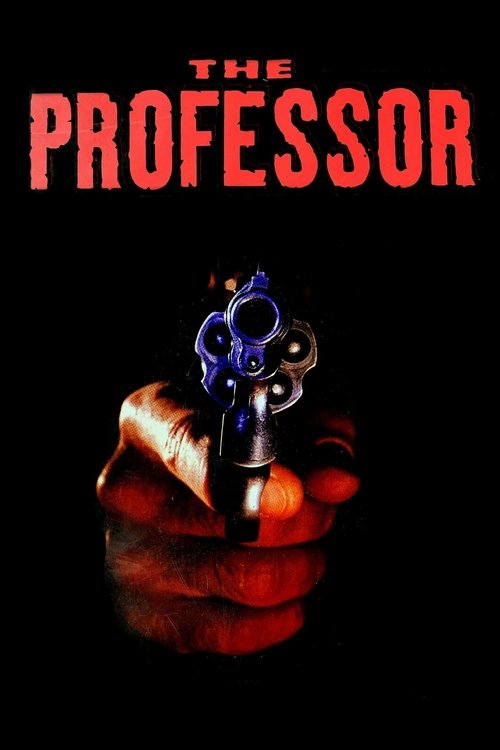
The Professor
1986An imprisoned murderer carries out a violent bid for control of Naples' underworld crime syndicate.
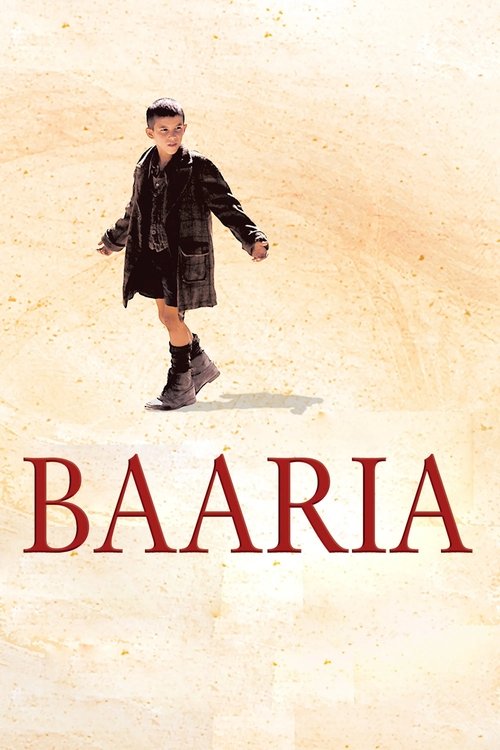
Baaria
2009Giuseppe Tornatore traces three generations of a Sicilian family in in the Sicilian town of Bagheria (known as Baarìa in the local Sicilian dialect), from the 1930s to the 1980s, to tell the story of the loves, dreams and delusions of an unusual community.
This sweeping Sicilian mosaic is Tornatore’s most autobiographical and maximalist endeavor, attempting to condense an entire century’s political and personal history into a vibrant, chaotic mural. It represents the culmination of his obsession with his homeland, rendered with an unrestrained, kaleidoscopic energy.
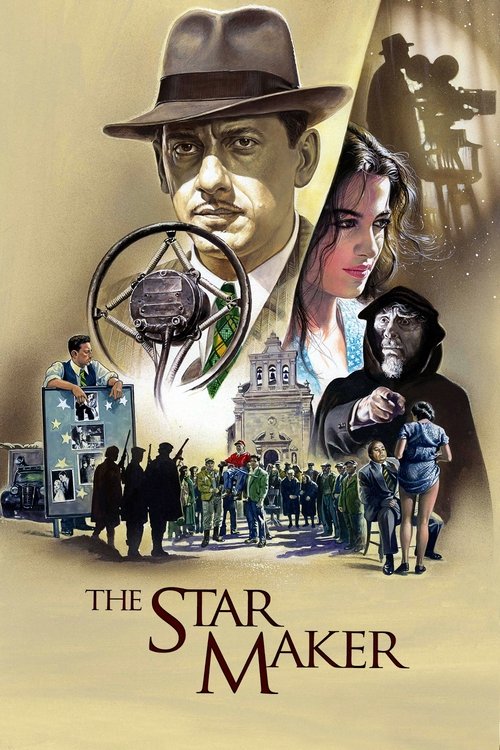
The Star Maker
1995The adventures and deceptions of a photographer who travels through small villages of 1950s Sicily pretending to work for the big film studios in Rome.
A cynical yet deeply affectionate interrogation of the cinematic dream, this film examines the predatory nature of hope and the artifice of the silver screen. It acts as the shadow side to his earlier pastoral works, focusing on the manipulation inherent in the act of making pictures.
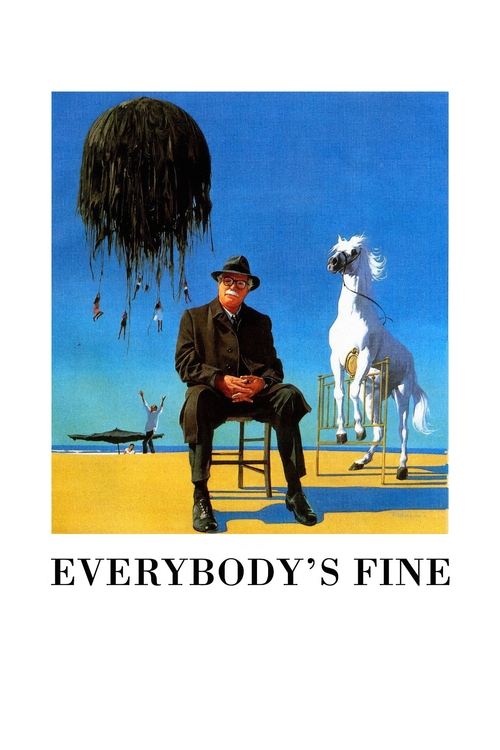
Everybody's Fine
1990Matteo Scuro is a retired Sicilian bureaucrat, a widower with five children, all of whom live on the mainland and hold responsible jobs. He decides to surprise each with a visit and finds none as he imagined.
This understated road movie captures the director in a minor key, trading grand spectacles for a poignant, bittersweet observation of shifting family dynamics in a modernized Italy. It serves as a grounded counterpoint to his more fantastical works, finding the cinematic in the quiet disillusionment of old age.
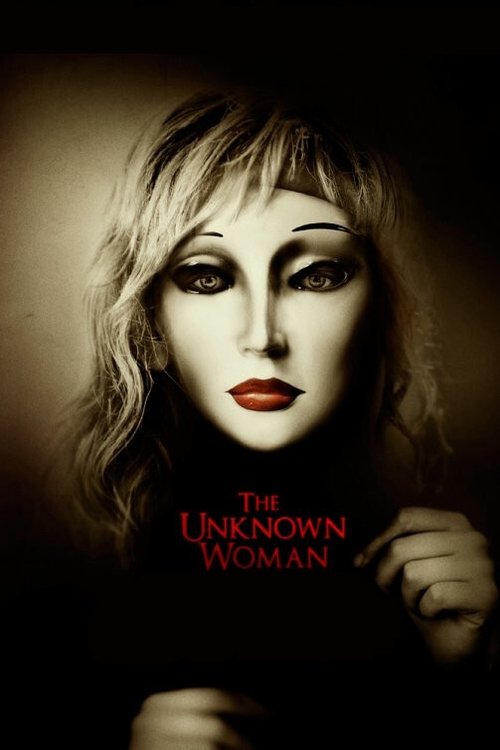
The Unknown Woman
2006Irena, a Ukrainian woman, comes to Italy looking for a job as a maid. She does everything she can to become a beloved nanny for an adorable little girl, Thea. However, that is just the very beginning of her unknown journey.
Blending the aesthetics of the giallo with a contemporary social conscience, this haunting exercise in suspense explores the scars of the past through a jagged, non-linear lens. It is Tornatore at his most visceral, trading sentiment for a dark and relentlessly propulsive tension.
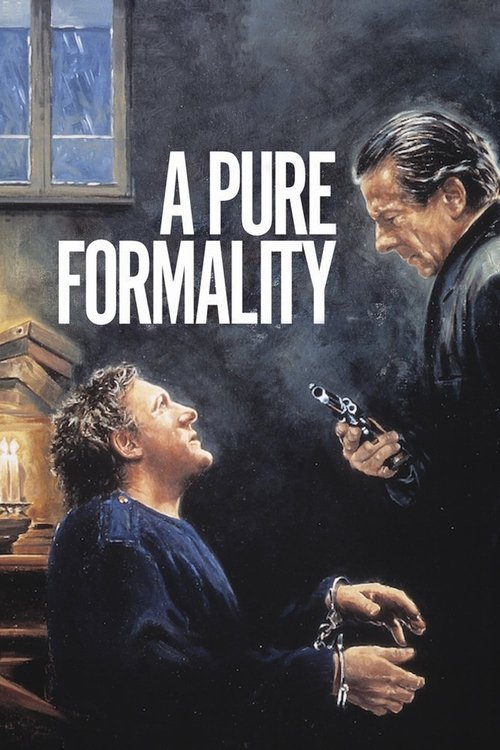
A Pure Formality
1994Onoff is a famous writer, now a recluse. The Inspector is suspicious when Onoff is brought into the station one night, disoriented and suffering a kind of amnesia. In an isolated, rural police station, the Inspector tries to establish the events surrounding a killing, to reach a startling resolution.
Tornatore strips away his typical panoramic flourishes for this tense, theatrical chamber piece that relies on existential dread and intellectual sparring. It represents a bold experiment in his filmography, favoring a gritty, Kafkaesque minimalism over his standard operatic style.
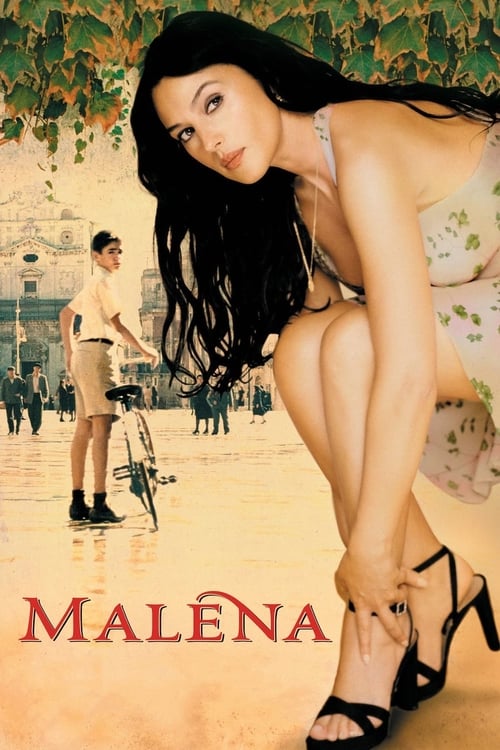
Malena
2000During WWII, a teenage boy discovering himself becomes love-stricken by Malèna, a sensual woman living in a small, narrow-minded Italian town.
This provocative study of the collective gaze showcases Tornatore's ability to transform a saturated, sun-drenched landscape into a claustrophobic theater of societal cruelty. It highlights his recurring fascination with the intersection of memory and the corrosive power of historical trauma.
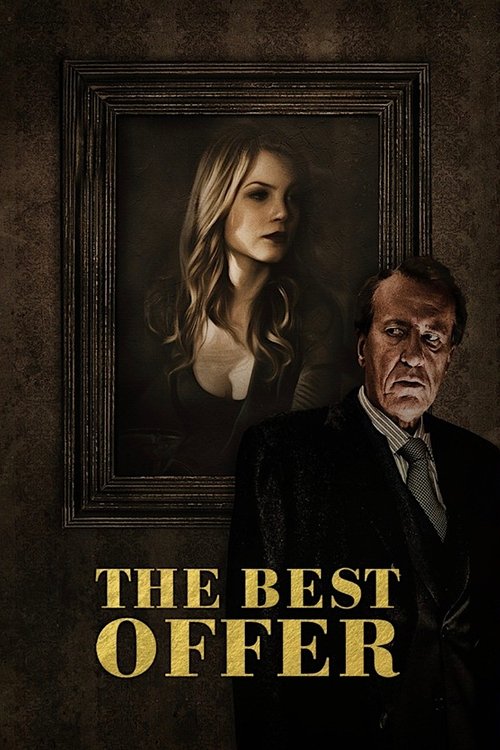
The Best Offer
2013Virgil Oldman is a world renowned antiques expert and auctioneer. An eccentric genius, he leads a solitary life, going to extreme lengths to keep his distance from the messiness of human relationships. When appointed by the beautiful but emotionally damaged Claire to oversee the valuation and sale of her family’s priceless art collection, Virgil allows himself to form an attachment to her – and soon he is engulfed by a passion which will rock his bland existence to the core.
Departing from his Mediterranean roots, Tornatore proves his versatility with this cold, elegant psychological thriller that functions as a meditation on the authenticity of art and emotion. The film’s clockwork precision demonstrates a rigorous control over atmosphere and a cynical departure from his usual sentimental warmth.
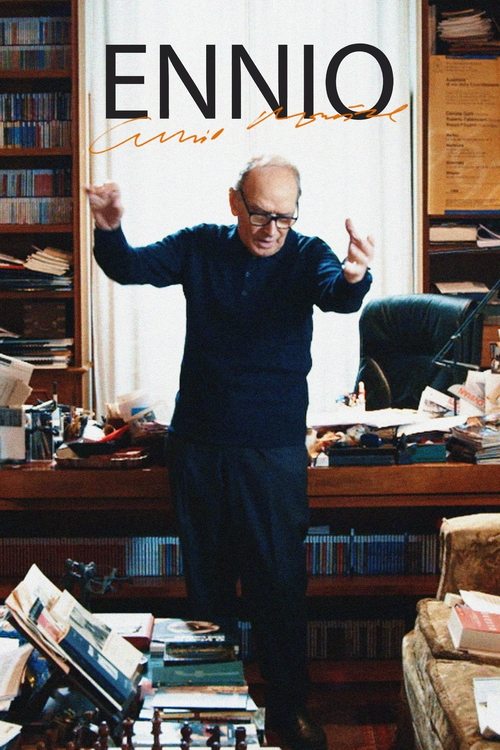
Ennio
2022A portrait of Ennio Morricone, the most popular and prolific film composer of the 20th century, the one most loved by the international public, a two-time Oscar winner and the author of over five hundred unforgettable scores.
In this monumental documentary, Tornatore crafts a meticulous love letter to his greatest collaborator, revealing an intimate mastery of the biographical form. It is a vital piece of his legacy that serves as both a scholarly archive and a deeply emotional interrogation of the creative process.
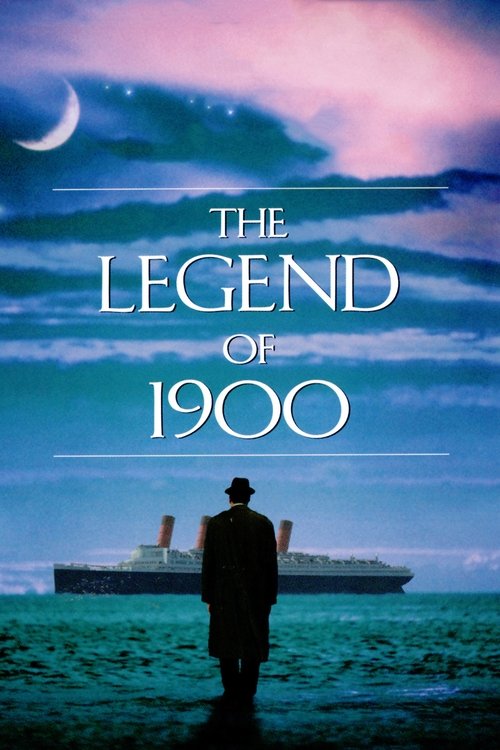
The Legend of 1900
1998The story of a virtuoso piano player who lives his entire life aboard an ocean liner. Born and raised on the ship, 1900 learned about the outside world through interactions with passengers, never setting foot on land, even for the love of his life. Years later, the ship may be destroyed, and a former band member fears that 1900 may still be aboard, willing to go down with the ship.
Tornatore embraces a heightened, fable-like grandiosity here, utilizing a sweeping visual scale to explore the isolation of genius. This lyrical epic stands as his most musically rhythmic work, where the director’s camera dances to the cadence of the protagonist’s internal compositions.
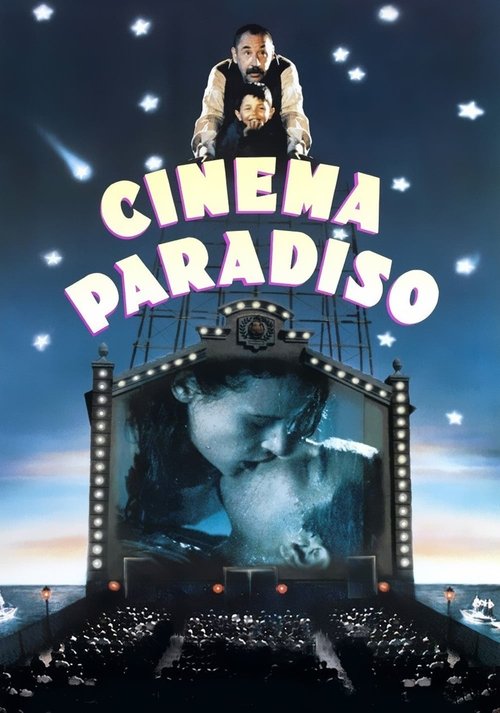
Cinema Paradiso
1988A filmmaker recalls his childhood, when he fell in love with the movies at his village's theater and formed a deep friendship with the theater's projectionist.
A luminous cornerstone of world cinema, this masterpiece serves as Tornatore’s definitive thesis on the spiritual communion between the celluloid image and the human soul. It remains the ultimate testament to his ability to weaponize nostalgia into a profound cinematic language that transcends cultural boundaries.
Frequently Asked Questions
Everything you need to know about this list and SnakeDrafts
- Giuseppe Tornatore's films often explore themes of nostalgia, memory, love, and the passage of time. For example, "Cinema Paradiso" delves into the bittersweet nostalgia of childhood and lost love, while "The Legend of 1900" tells a poetic tale of music and isolation.
- Music is a central element in Tornatore's storytelling, deeply enriching the emotional landscape. "The Legend of 1900" and the documentary "Ennio" highlight his collaboration with legendary composer Ennio Morricone, showcasing music as a narrative force.
- "A Pure Formality" and "The Unknown Woman" are prime examples of Tornatore's skill in blending thriller, mystery, and drama genres. Both films create suspenseful atmospheres while exploring complex human emotions and moral dilemmas.
- "Cinema Paradiso" is celebrated for its heartfelt tribute to the magic of cinema and its evocative portrayal of friendship and coming-of-age. Its lush cinematography and nostalgic narrative have cemented it as an iconic classic in Tornatore's filmography.
- In films like "Malena" and "The Best Offer," Tornatore portrays complex female characters who embody themes of beauty, mystery, and resilience. His nuanced storytelling offers insight into their personal struggles and societal roles, enriching the emotional depth of these stories.
- Tornatore’s visual style is characterized by atmospheric lighting, rich color palettes, and sweeping cinematography that evoke a sense of time and place. This style is evident in "Baaria" and "Cinema Paradiso," where the visuals serve to amplify the emotional and nostalgic tones.
- "Ennio" is a documentary that pays homage to Ennio Morricone, one of the most prolific film composers. Directed by Tornatore, it offers a historical and personal look into Morricone's life and work, highlighting their long-standing creative partnership.