The Best John Candy Movies Ranked
The Definitive Guide to a Comedy Legend's Best Roles
Discover the most iconic John Candy films, from heartwarming classics like Planes, Trains and Automobiles to the hilarious Spaceballs and Uncle Buck.
About John Candy
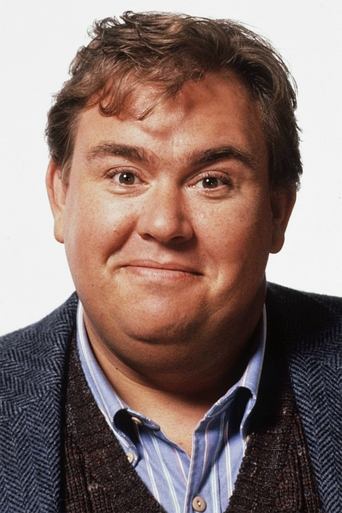
In the history of comedy, there are plenty of actors who can make an audience laugh, but very few who can make them feel safe. John Candy belonged to that elite tier of performers whose mere presence on screen acted as a warm invitation. He was the industry’s greatest contradiction: a titan of physical space who possessed the delicate touch of a character actor and the vulnerability of a silent film star. While his peers from the Second City and SCTV era often leaned into irony or razor-sharp cynicism, he anchored his humor in a profound, recognizable humanity.
Audiences gravitated toward him because he represented the chaotic but well-meaning heart of the everyman. In the 1980s, he became the ultimate ensemble secret weapon. Whether he was the dry-witted security guard in National Lampoon's Vacation, the smooth-talking recruiter in Stripes, or the orange-juice-sipping brother in Splash, he stole scenes not by shouting, but by being the most relatable person in the room. He didn't just play sidekicks; he provided the soul that held high-concept comedies together. This was never more evident than in his brief, frantic turn as the Polka King of the Midwest in Home Alone, a cameo that remains a masterclass in benevolent comedic chaos.
The definitive pivot in his career arrived when John Hughes realized that the big man’s greatest asset wasn't just his girth or his timing, but his pathos. As Del Griffith in Planes, Trains and Automobiles, he delivered a performance that remains the gold standard for the "annoying optimist" archetype. Underneath the shower ring sales pitches and the bumbling mishaps was a devastating loneliness that broke the audience’s heart just as they were finishing a laugh. He repeated this magic in Uncle Buck, turning a potentially sleazy, cigar-chomping misfit into a figure of unexpected paternal grace. He had a singular ability to play men who were slightly out of step with the world but refused to let the world harden them.
Even when he leaned into the absurd, like the half-man, half-dog Barf in Spaceballs or the corrupt, flamboyant Dean Andrews in JFK, there was a meticulousness to his work. He wasn't afraid to be the butt of the joke, yet he never sacrificed his dignity for a gag. By the time he reached the early nineties, films like Only the Lonely and Cool Runnings showed an actor settling into a seasoned, elder-statesman role, proving he could carry a sports underdog story or a tender romance with the same ease he brought to a slapstick romp like The Great Outdoors.
His legacy isn't just a filmography of hits like Brewster’s Millions or Summer Rental; it is the lingering sense of kindness that permeates every frame he occupied. To watch him is to feel like you are in the company of a friend who is trying slightly too hard to make you smile because he knows exactly what it feels like to be sad. He wasn't just a funny man; he was a giant who made the world feel a little smaller, a little closer, and infinitely more generous. Thirty years after his passing, that warmth hasn't cooled a bit.
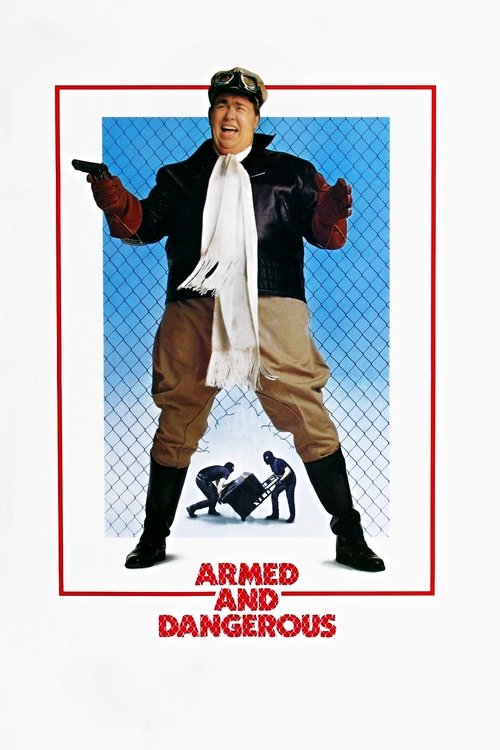
Armed and Dangerous
1986After policeman Frank Dooley is framed for theft and loses his job on the force, he joins a security guard agency and teams up with inept former defense lawyer Norman Kane. When the two botch a job guarding a local warehouse, they begin to uncover corruption within the company and their union.
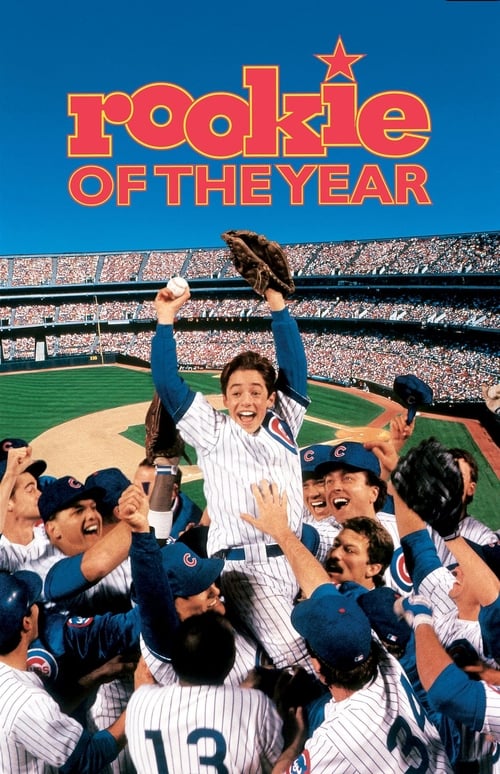
Rookie of the Year
199312-year-old Henry Rowengartner, whose late father was a minor league baseball player, grew up dreaming of playing baseball, despite his physical shortcomings. After Henry's arm is broken while trying to catch a baseball at school, the tendon in that arm heals too tightly, allowing Henry to throw pitches that are as fast as 103 mph. Henry is spotted at nearby Wrigley Field by Larry "Fish" Fisher, the general manager of the struggling Chicago Cubs, after Henry throws an opponent's home-run ball all the way from the outfield bleachers back to the catcher, and it seems that Henry may be the pitcher that team owner Bob Carson has been praying for.
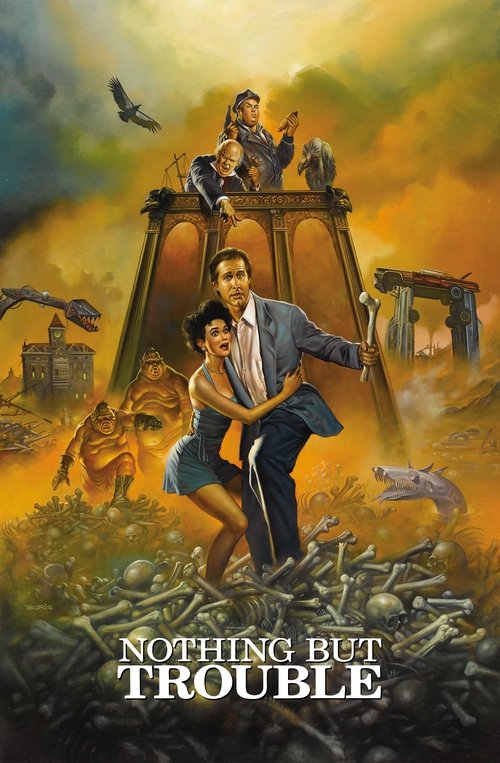
Nothing But Trouble
1991While attempting to seduce gorgeous lawyer Diane Lightson, wealthy gadabout Chris Thorne agrees to drive her to Atlantic City, N.J. But, when some reckless driving draws the attention of a deeply critical cop, they and the flamboyant "Brazillionaires" who tagged along end up in the court of a grotesque and vengeful judge, who has a special vendetta against the wealthy and erudite.
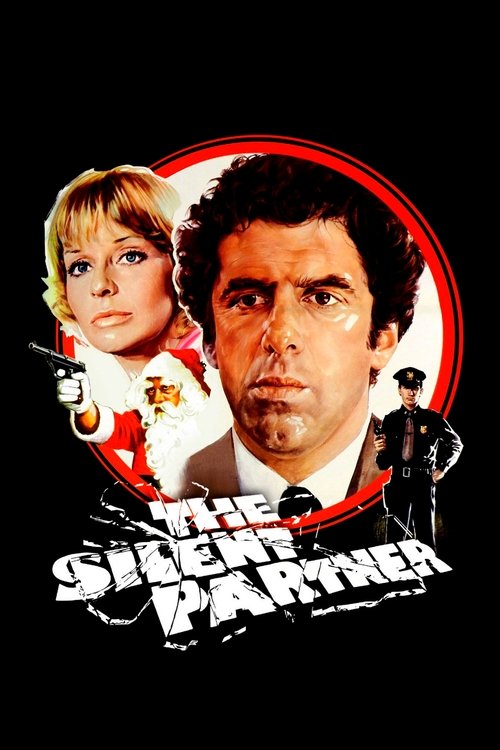
The Silent Partner
1978Toronto, Canada. A few days before Christmas, Miles Cullen, a bored teller working at a bank branch located in a shopping mall, accidentally learns that the place is about to be robbed when he finds a disconcerting note on one of the counters.
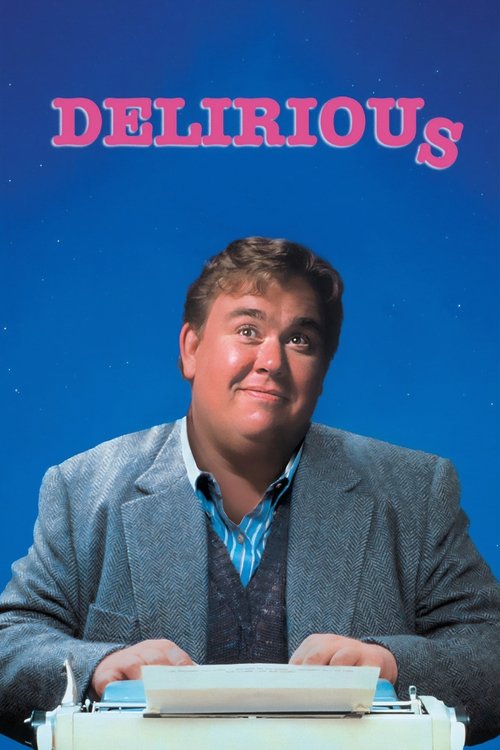
Delirious
1991A soap opera writer gets hit on the head and wakes up as a character in his own show.
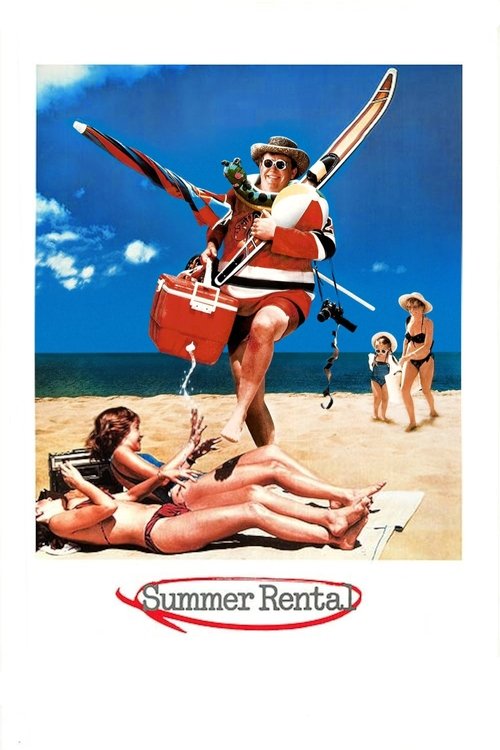
Summer Rental
1985Jack Chester, an overworked air traffic controller, takes his family on vacation to the beach. Things immediately start to go wrong for the Chesters, and steadily get worse. Jack ends up in a feud with a local yachtsman, and has to race him to regain his pride and family's respect.
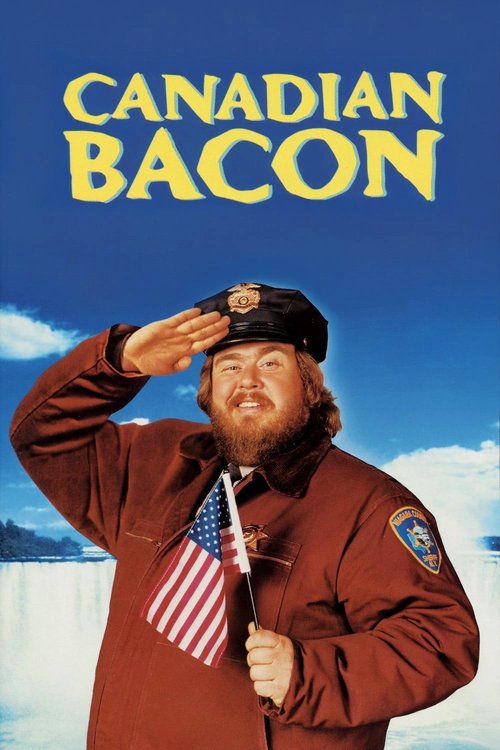
Canadian Bacon
1995The U.S. President, low in the opinion polls, gets talked into raising his popularity by trying to start a cold war with Canada.
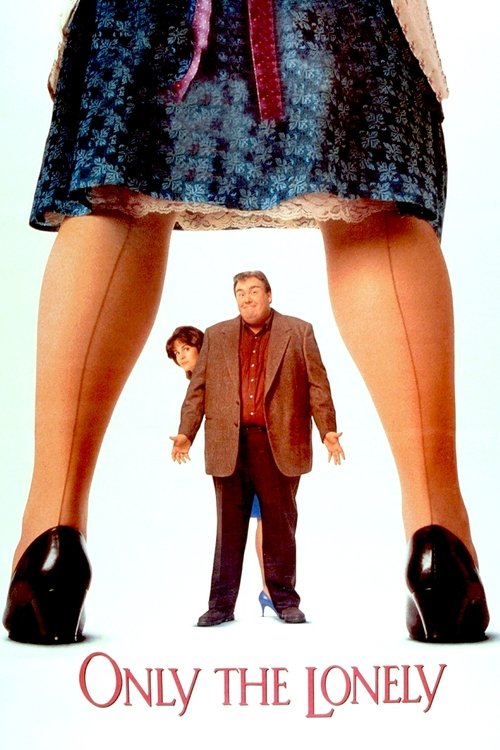
Only the Lonely
1991Danny Muldoon, a Chicago policeman, still lives with his overbearing mother Rose. He meets and falls in love with Theresa Luna, whose father owns the local funeral parlour. Naturally, his mother objects to the relationship, and Danny and Theresa must either overcome her objections or give up the romance.
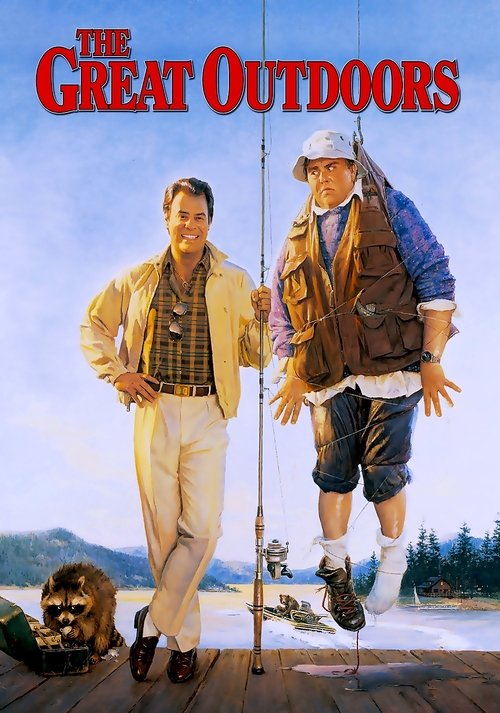
The Great Outdoors
1988It's vacation time for outdoorsy Chicago man Chet Ripley, along with his wife, Connie, and their two kids, Buck and Ben. But a serene weekend of fishing at a Wisconsin lakeside cabin gets crashed by Connie's obnoxious brother-in-law, Roman Craig, his wife, Kate, and the couple's two daughters. As the excursion wears on, the Ripleys find themselves at odds with the stuffy Craig family.
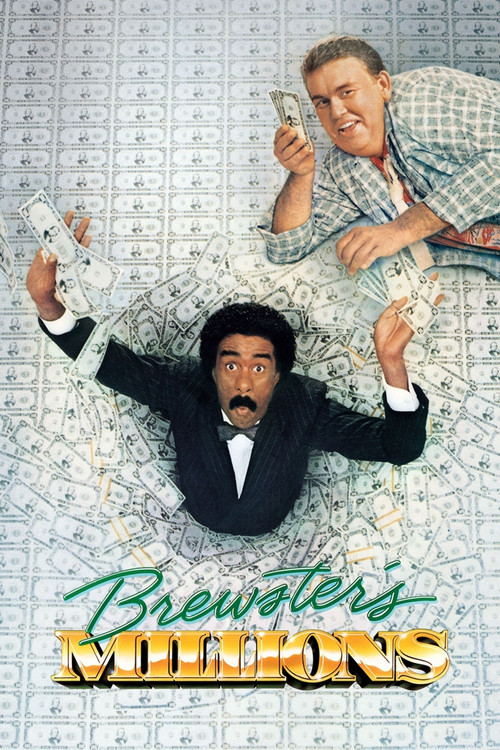
Brewster's Millions
1985Monty Brewster, an aging minor-league baseball player, stands to inherit $300 million if he can successfully spend $30 million in 30 days without anything to show for it, and without telling anyone what he's up to... A task that's a lot harder than it sounds!
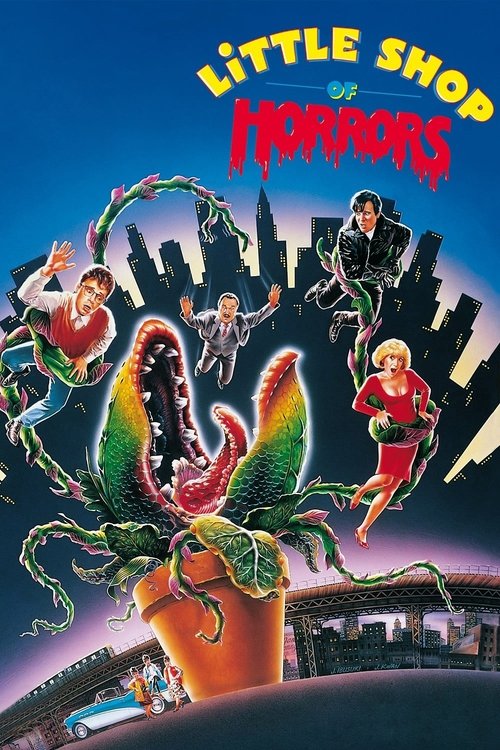
Seymour Krelborn is a nerdy orphan working at Mushnik's; a flower shop in urban Skid Row. He harbors a crush on fellow co-worker, Audrey Fulquard, and is berated by Mr. Mushnik daily. One day, Seymour finds a very mysterious unidentified plant which he calls Audrey II. The plant seems to have a craving for blood and soon begins to sing for it’s supper.
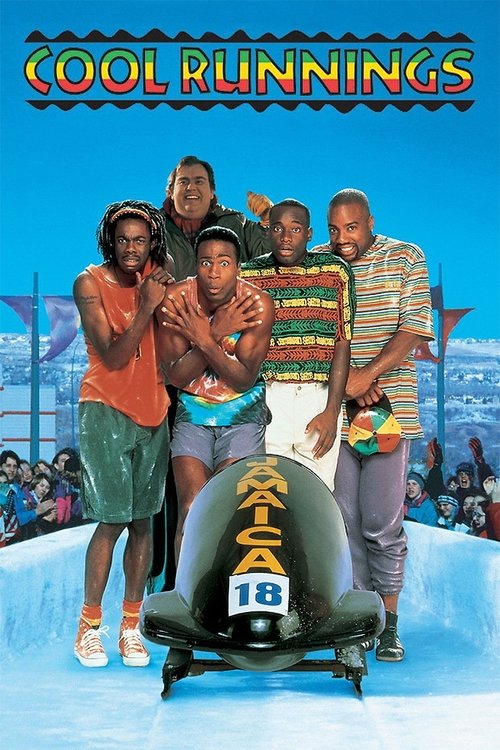
Cool Runnings
1993When a Jamaican sprinter is disqualified from the Olympic Games, he enlists the help of a dishonored coach to start the first Jamaican bobsled team.
Candy’s portrayal of a disgraced coach seeking redemption offers a more weathered, soulful version of his persona. He carries the film's emotional weight, successfully pivoting from a source of humor to a source of paternal inspiration.
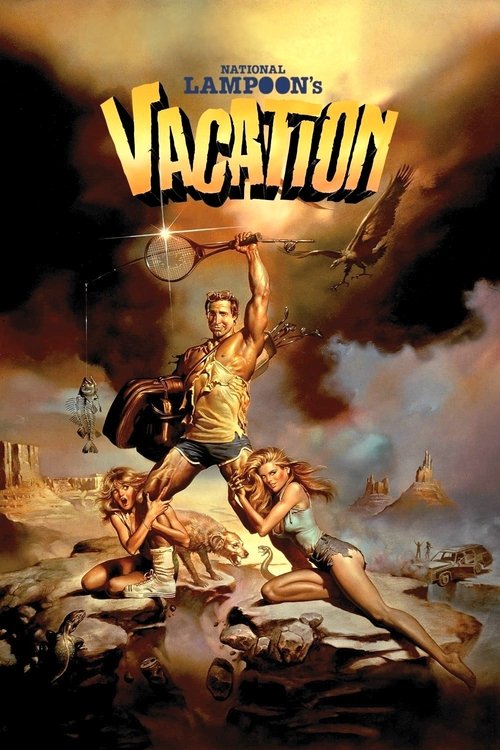
Clark Griswold is on a quest to take his family to the Walley World theme park for a vacation, but things don't go exactly as planned.
Playing the overly polite security guard at Walley World, Candy provides a hilariously rigid foil to Chevy Chase’s spiraling desperation. His deadpan commitment to the bit in the final act remains one of the most effective uses of his physical imposingness for ironic effect.
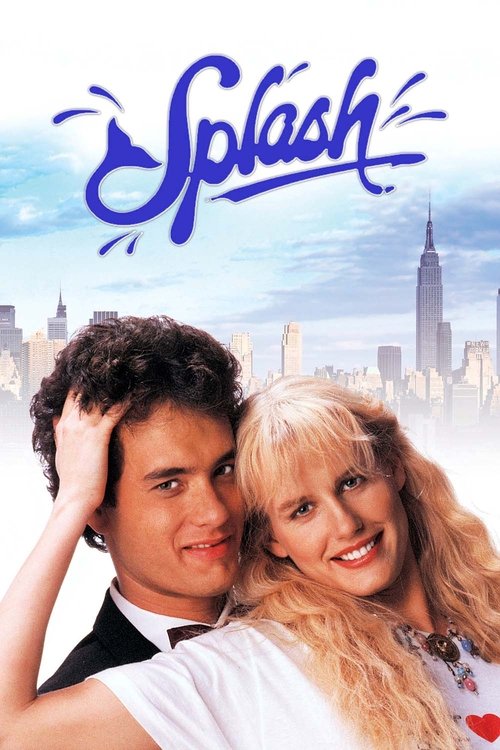
Splash
1984A successful businessman falls in love with the girl of his dreams. There's one big complication though; he's fallen hook, line and sinker for a mermaid.
As the quintessential hedonistic brother, Candy provides the essential friction required to make the central romance feel grounded. He dictates the film's comedic energy, proving he could elevate a supporting role into a vital engine of laughter.
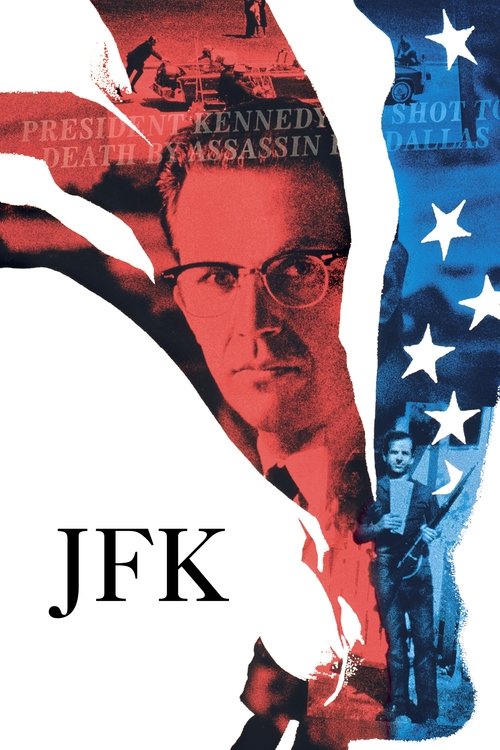
JFK
1991Follows the investigation into the assassination of President John F. Kennedy led by New Orleans district attorney Jim Garrison.
Shedding his comedic armor, Candy delivers an unsettling, sweat-soaked performance as Dean Andrews that layers the conspiracy with a sense of genuine sleaze. It remains a striking pivot that showcased his untapped range as a character actor capable of holding his own in a dense political thriller.
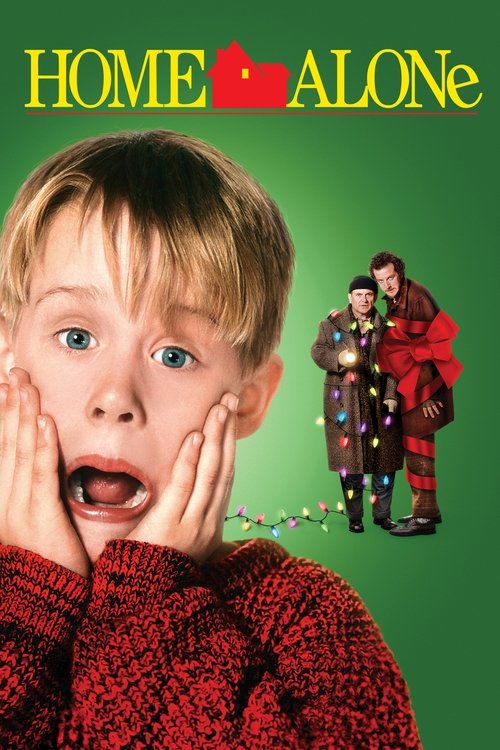
Home Alone
1990Eight-year-old Kevin McCallister makes the most of the situation after his family unwittingly leaves him behind when they go on Christmas vacation. When thieves try to break into his home, he puts up a fight like no other.
In a brief but pivotal cameo, Candy injects a sudden burst of warmth and midwestern humility into a frantic narrative. He functions as a humanizing bridge, using a few minutes of screen time to ground the film's slapstick stakes in genuine empathy.
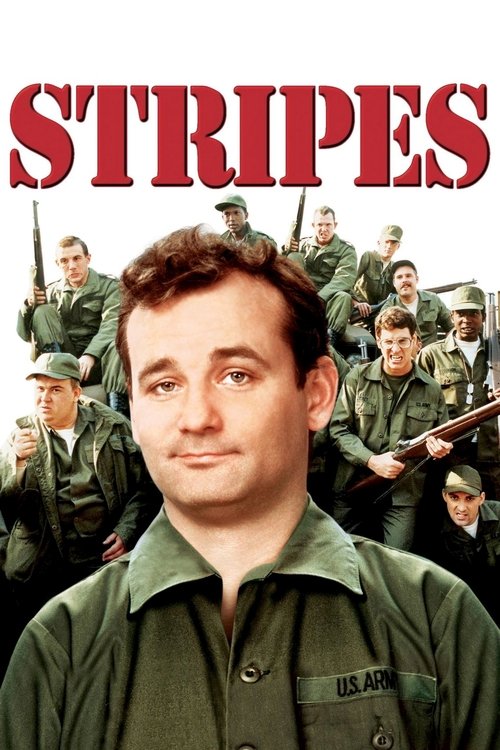
Stripes
1981Hard-luck cabbie John Winger, directionless after being fired from his job and dumped by his girlfriend, enlists in the U.S. Army with his close pal, Russell Ziskey. After his barely satisfactory performance in basic training, the irreverent Winger emerges as the figurehead for a ragtag band of misfits. However, his hijinks threaten to cause an international scandal when he inadvertently commandeers a military assault vehicle behind enemy lines.
As 'Ox' Baker, Candy solidified his place in the 80s comedy pantheon by turning a recruit archetype into a breakout star. His infectious energy in the mud-wrestling sequence remains a hallmark of his ability to find joy in the middle of structured military satire.
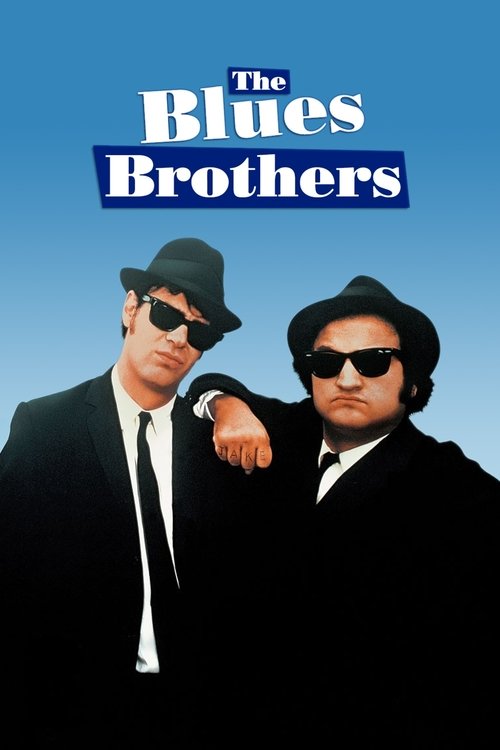
Jake Blues, just released from prison, puts his old band back together to save the Catholic home where he and his brother Elwood were raised.
As the persistent corrections officer Burton Mercer, Candy demonstrates his ability to steal scenes within a massive ensemble through sheer comedic momentum. This early role signaled his aptitude for playing the lovable authority figure, a niche he would refine throughout the following decade.
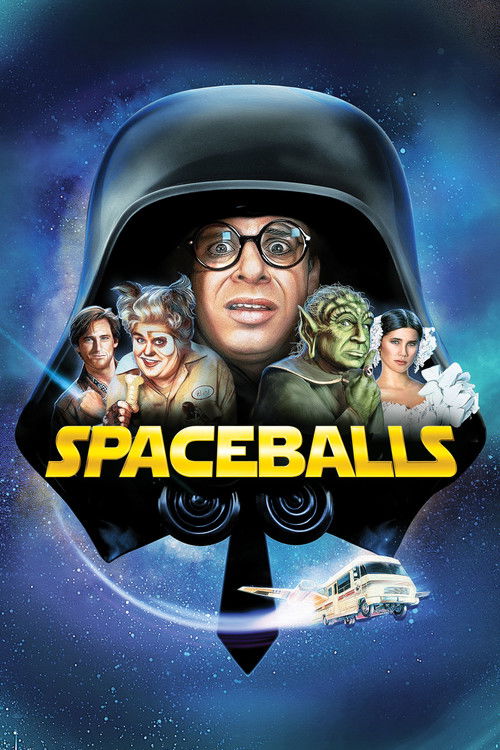
Spaceballs
1987When the nefarious Dark Helmet hatches a plan to snatch Princess Vespa and steal her planet's air, space-bum-for-hire Lone Starr and his clueless sidekick fly to the rescue. Along the way, they meet Yogurt, who puts Lone Starr wise to the power of "The Schwartz." Can he master it in time to save the day?
Under layers of prosthetic fur, Candy relies on impeccable vocal timing and puppy-dog physicality to ground Mel Brooks’ high-concept parody. He manages to be the film’s most endearing element, translating the loyal sidekick archetype into something uniquely tactile and absurdist.
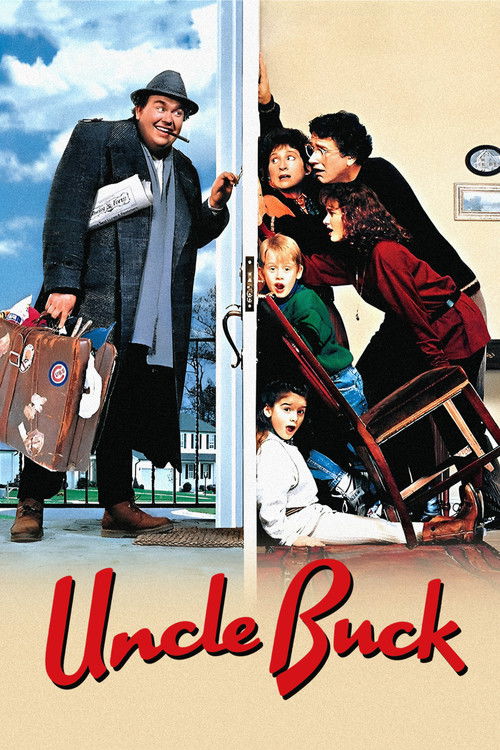
Uncle Buck
1989Buck Russell, a lovable but slovenly bachelor, suddenly becomes the temporary caretaker of his nephew and nieces after a family emergency. His freewheeling attitude soon causes tension with his older niece Tia, loyal girlfriend Chanice and just about everyone else who crosses his path.
This career-defining turn weaponizes Candy’s imposing physical presence for domestic comedy, portraying a chaotic but well-meaning bachelor who subverts the 'sloppy relative' trope. He navigates John Hughes’ script with a rhythmic precision, cementing his status as the definitive cinematic guardian of suburban childhood.
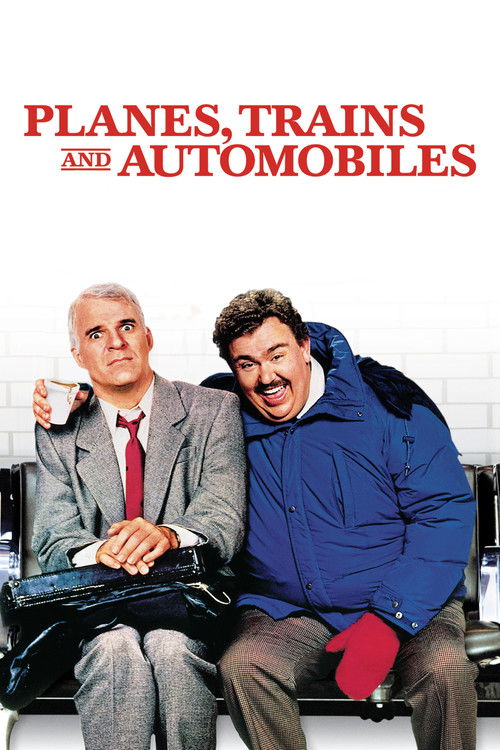
Planes, Trains and Automobiles
1987An irritable marketing executive, Neal Page, is heading home to Chicago for Thanksgiving when a number of delays force him to travel with a well meaning but overbearing shower curtain ring salesman, Del Griffith.
Candy finds the profound soul within the slapstick, transforming Del Griffith into a vulnerable avatar of loneliness that serves as the film’s emotional North Star. It is a masterclass in controlled chaos, proving he could anchor a prestige comedy by weaponizing his inherent sweetness against Steve Martin’s rigid cynicism.
Frequently Asked Questions
Everything you need to know about this list and SnakeDrafts
- Planes, Trains and Automobiles is a quintessential holiday comedy starring John Candy as a lovable and talkative shower curtain ring salesman who partners with an uptight businessman played by Steve Martin on a cross-country journey filled with mishaps and heartwarming moments.
- Uncle Buck highlights John Candy's ability to blend humor with heart, portraying a well-meaning but unconventional uncle who reconnects with his family, delivering both laugh-out-loud scenes and touching moments that highlight his depth as a performer.
- In Spaceballs, John Candy brings his signature comedic flair to the role of Barf, a half-man/half-dog sidekick, combining physical comedy with witty delivery, making the character an essential and memorable part of this Mel Brooks parody of popular sci-fi films.
- Films like The Blues Brothers exhibit John Candy in action-comedy settings, while JFK showcases him in a dramatic thriller, demonstrating his versatility in moving beyond comedy into more serious and complex roles.
- John Candy's performances in family favorites like Home Alone and Cool Runnings solidified his reputation as a warm and approachable figure in comedy, appealing to audiences of all ages with his affable on-screen persona and heartfelt humor.
- A recurring theme in John Candy's top movies is his portrayal of lovable underdogs or everyman characters who navigate chaotic or challenging situations with humor and heart, creating an enduring connection with the audience.
- Yes, John Candy worked with several renowned directors such as John Hughes in Planes, Trains and Automobiles and Uncle Buck, Mel Brooks in Spaceballs, and Chris Columbus in Home Alone and Only the Lonely, which helped shape the comedic style of many of his iconic roles.