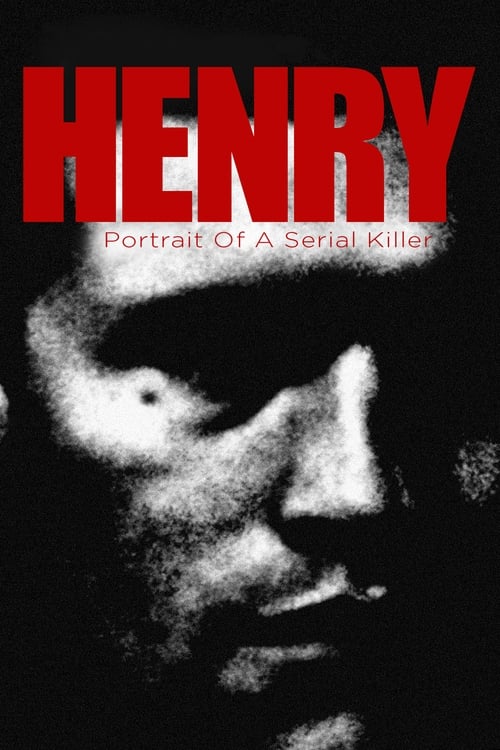
Henry: Portrait of a Serial Killer
Unflinching and disturbing, "Henry: Portrait of a Serial Killer" offers a chillingly realistic glimpse into the mind of a murderer, leaving an indelible mark on the landscape of independent cinema. This gritty psychological thriller explores the dark underbelly of human nature with raw authenticity, establishing itself as a seminal work in the crime and horror genres. It's a must-see for those seeking a profound and disturbing cinematic experience.
About Henry: Portrait of a Serial Killer
Released in 1986, "Henry: Portrait of a Serial Killer" transcended its low-budget origins to become a landmark film, forever altering the landscape of independent American cinema. Its stark realism and disturbing subject matter sparked considerable controversy upon its release, particularly regarding its graphic depictions of violence. Despite, or perhaps because of, the controversy, the film garnered significant critical attention, cementing its place as a cult classic and a touchstone in the exploration of cinematic violence.
The film derives its unsettling power from its unflinching, almost documentary-style approach to the life of a serial killer. Loosely based on the confessions of real-life murderer Henry Lee Lucas, the narrative follows Henry as he drifts through a bleak, industrial landscape, committing random acts of violence with a terrifying nonchalance. The plot largely focuses on his interactions with ex-con Otis and Otis' sister Becky, as Henry introduces Otis to his morbid lifestyle, blurring the lines between accomplice and victim.
"Henry: Portrait of a Serial Killer" was lauded for its groundbreaking performances, particularly Michael Rooker's chilling portrayal of the titular character. Critics praised the film's gritty aesthetic and audacious direction by John McNaughton, who managed to craft a deeply disturbing yet psychologically resonant work. Its influence can be seen in countless subsequent films that strive for a similar level of brutal honesty in depicting societalタブー and mental illness.
While largely overlooked by mainstream awards, the film's profound cultural impact is undeniable. It pushed boundaries and challenged audiences to confront uncomfortable truths about human depravity, ultimately contributing to a richer, more diverse canon of independent filmmaking. Its legacy endures through its continued influence on filmmakers and its status as a benchmark for realistic psychological horror.
Drafts Featuring Henry: Portrait of a Serial Killer
Every SnakeDrafts listicle where this movie appears
Similar Movies
Movies related to Henry: Portrait of a Serial Killer
Angst
1983
Maniac
2012
The Poughkeepsie Tapes
2007
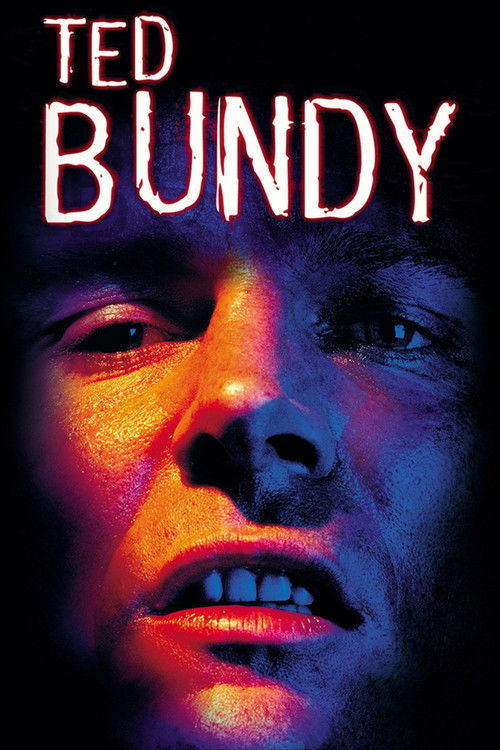
Ted Bundy
2002
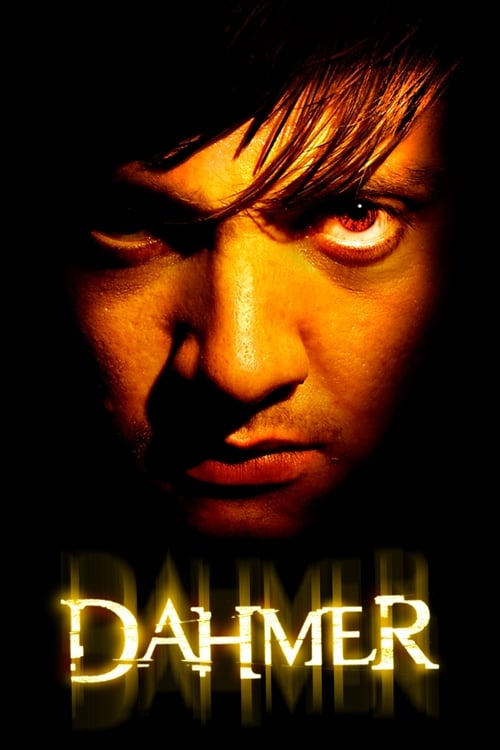
Dahmer
2002
Frequently Asked Questions
Everything you need to know about Henry: Portrait of a Serial Killer
- Henry's portrayal deviates significantly from traditional cinematic serial killers by offering no clear motivation or backstory for his actions. The film deliberately avoids psychological explanations or justifications, instead presenting his violence as an inherent, chilling aspect of his being, making him utterly terrifying in his banality.
- The home video camera serves as a chilling symbol of voyeurism and the normalization of violence. When Henry and Otis film their victims, it blurs the line between spectator and perpetrator, forcing the audience to confront their own complicity and the disturbing nature of mediated violence.
- The film masterfully explores moral ambiguity by presenting characters who are all deeply flawed and ethically compromised. Even Becky, initially a victim, finds herself drawn into Henry's orbit, highlighting how easily individuals can be corrupted or desensitized in the face of extreme violence and desperation.
- The ending of "Henry: Portrait of a Serial Killer" is deliberately ambiguous, leaving Henry's fate unresolved. This lack of closure reinforces the film's unsettling message that such evil is not easily contained or eradicated, suggesting the cyclical and pervasive nature of violence in society.
- The film's shoestring budget significantly contributes to its raw and visceral impact. The lack of elaborate production values enhances the gritty realism, making the violence feel more immediate and less stylized, further immersing the audience in its bleak and disturbing world.
- No, "Henry: Portrait of a Serial Killer" offers no real hope or redemption. The film is a bleak and unflinching look at the darkest aspects of humanity, presenting a world devoid of moral compass or uplifting conclusions. It's a challenging watch precisely because of its refusal to soften its brutal realities.

