Ranking Crispin Glover's Greatest Movies
Unforgettable Performances by Cinema's Most Eccentric Star
Explore the best films of Crispin Glover, from Back to the Future to cult classics like Willard and his collaborations with David Lynch.
About Crispin Glover
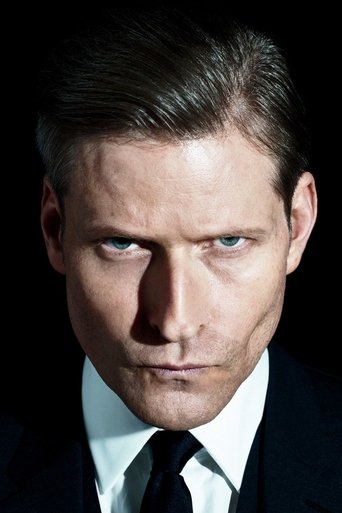
In the landscape of American cinema, few figures command as much curiosity and genuine mystery as Crispin Glover. He is the industry's ultimate outlier, an artist who treats the screen as a laboratory for behavioral experimentation rather than a platform for vanity. To many, he remains frozen in time as George McFly in Back to the Future, channeling a jittery, high-pitched yearning that defined the 1980s geek archetype. Yet, even that breakout performance carried a hint of the uncanny, a restlessness that suggested the actor was never truly comfortable within the confines of a standard Hollywood blockbuster. This friction eventually led to his absence from Back to the Future Part II, sparking a landmark legal battle over personality rights that changed how the industry treats an actor's likeness forever.
Glover leans into the uncomfortable, finding poetry in social pariahs and outcasts. In the nihilistic teen drama River's Edge, he delivered a performance so kinetic and frantic it seemed to vibrate off the film stock. He does not merely play roles; he inhabits psychological spaces that other actors fear to touch. Whether he is portraying the rodent-obsessed protagonist in the 2003 reimagining of Willard or the Thin Man in Charlie's Angels, he strips away the predictable. In the latter, he famously stripped the character of all dialogue, transforming a standard henchman into a silent, hair-stroking nightmare that became the most memorable part of the film.
His collaborations with auteur directors further cement his status as a high-altitude artist. David Lynch tapped into his frantic energy for Wild at Heart, and Jim Jarmusch utilized his specific brand of stillness for the psychedelic western Dead Man. When he stepped into the role of Andy Warhol for Oliver Stone in The Doors, he didn't just imitate the icon; he captured the hollow, observational chill of the man. This ability to embody historic figures continued with his turn in The People vs. Larry Flynt, where he provided a sharp, intellectual counterweight to the surrounding chaos.
Audiences are drawn to him because he represents a total lack of compromise. He uses the paychecks from big-budget spectacles like Alice in Wonderland, where he played the Knave of Hearts, or his motion-capture work as Grendel in Beowulf, to fund his own deeply surreal and uncompromising directorial projects. Even in a Broad comedy like Hot Tub Time Machine, the tension he brings to the screen keeps viewers on edge, never quite sure if he is in on the joke or operating on a completely different frequency. From the eccentric desert odyssey of Rubin and Ed to his early-career slasher turn in Friday the 13th: The Final Chapter, he remains an enigma. He is a reminder that cinema still has room for the truly strange, the genuinely bold, and the unapologetically singular.
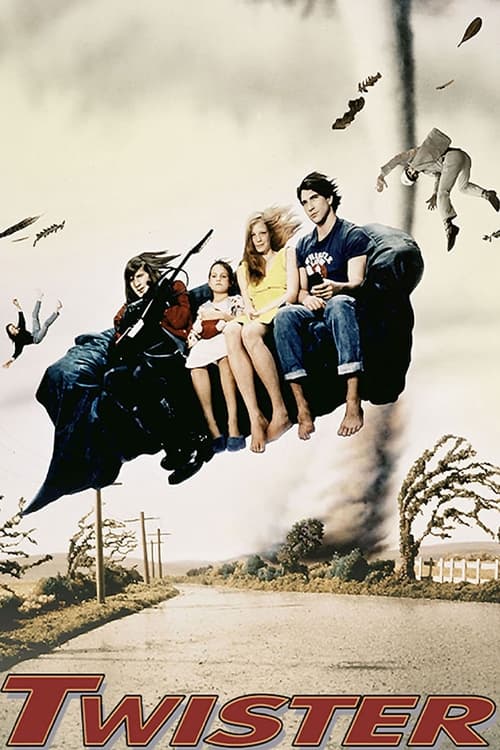
Twister
1989An oddball family on a Kansas farm are trapped in their farmhouse by an impending storm. The patriarch of the clan is a retired soda pop tycoon. He is currently dating a children's TV evangelist. Also living at the farm is his layabout daughter and her precocious 8 year old daughter, his would-be artist son, the son's fiancée, and the black maid. Also thrown into the mix is the daughter's ex-husband, a ne-er-do-well who is seeking to get back in his ex-wife's good graces.
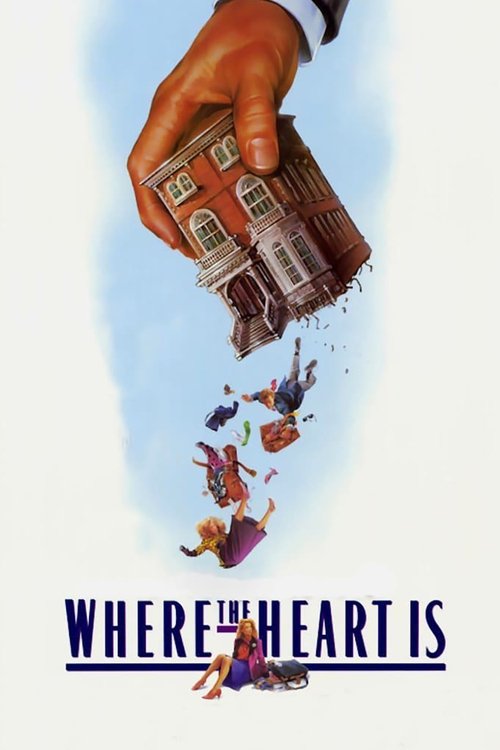
Where the Heart Is
1990A wealthy businessman shows his young adult kids how tough life can be.
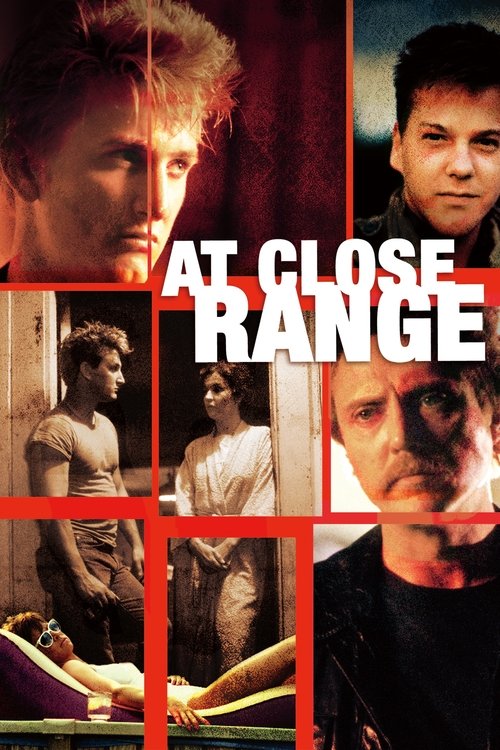
At Close Range
1986Brad Whitewood Jr. lives in rural Pennsylvania and has few prospects. Against his mother's wishes, he seeks out his estranged father, the head of a gang of thieves in a nearby town. Though his new girlfriend supports his criminal ambitions, Brad Jr. soon learns that his father is a dangerous man. Inspired by the real events that led to the end of the Johnston Gang, who operated in the northeastern United States in the 1970s.
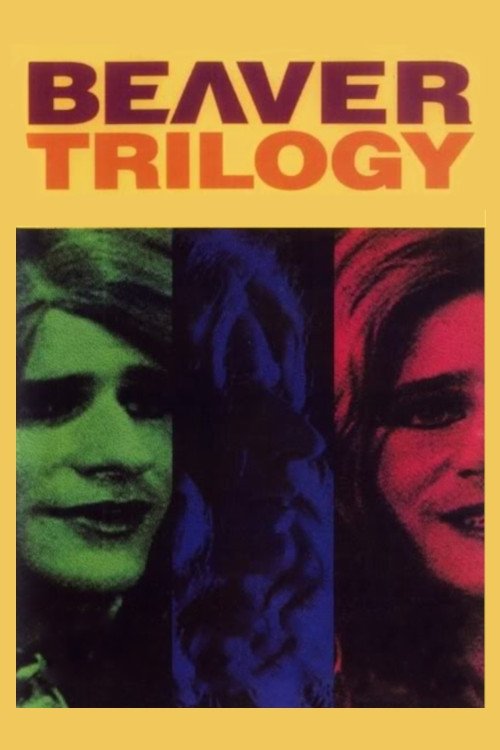
Beaver Trilogy
2000Our story begins in 1979, with a chance meeting in a Salt Lake City parking lot where filmmaker Trent Harris is approached by an earnest small-town dreamer from Beaver, Utah. Harris jumps at the chance when the young man invites him to come to the small town to film a talent show. At the show, the man dons a blond wig and performs in drag as Olivia Newton John. Harris captures it all on tape: A portrait of a true outsider. Harris shot a dramatic piece, "Beaver Kid 2" based on the documentary; This interpretation of the story, made in 1981 on a home video camera with a budget of $100, features a young Sean Penn as "the Beaver Kid". Still possessed, Harris then rewrote the script, cast up-and-comer Crispin Glover in the lead, and created the final segment, "The Orkly Kid", with funding from the American Film Institute. The trilogy unveils the inner world of a fantastic character in three incarnations.
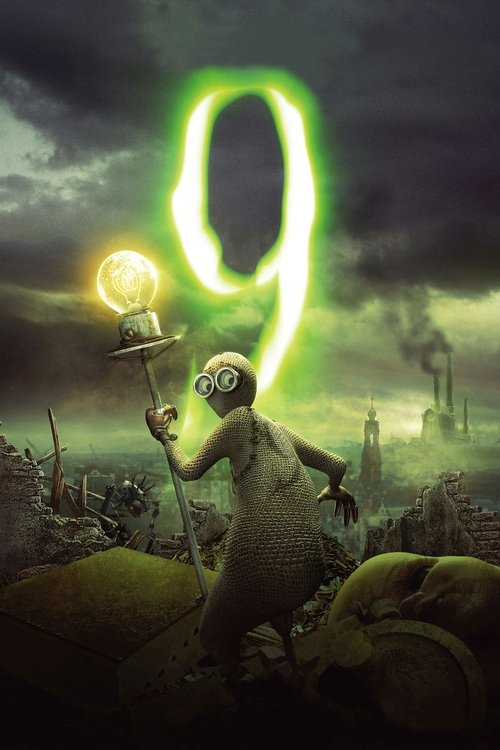
9
2009When 9 first comes to life, he finds himself in a post-apocalyptic world. All humans are gone, and it is only by chance that he discovers a small community of others like him taking refuge from fearsome machines that roam the earth intent on their extinction. Despite being the neophyte of the group, 9 convinces the others that hiding will do them no good.
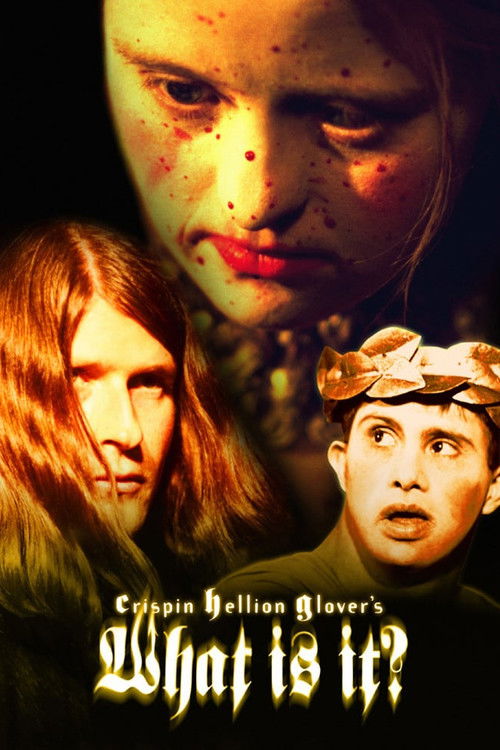
What Is It?
2005The adventures of a young man whose principle interests are snails, salt, a pipe, and how to get home. As tormented by a hubristic, racist inner psyche.
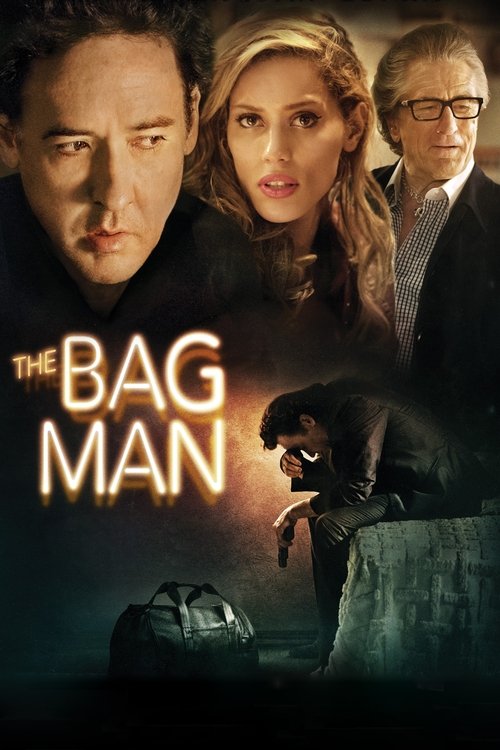
The Bag Man
2014A criminal waits in a seedy motel for his boss after killing several men to steal a bag.
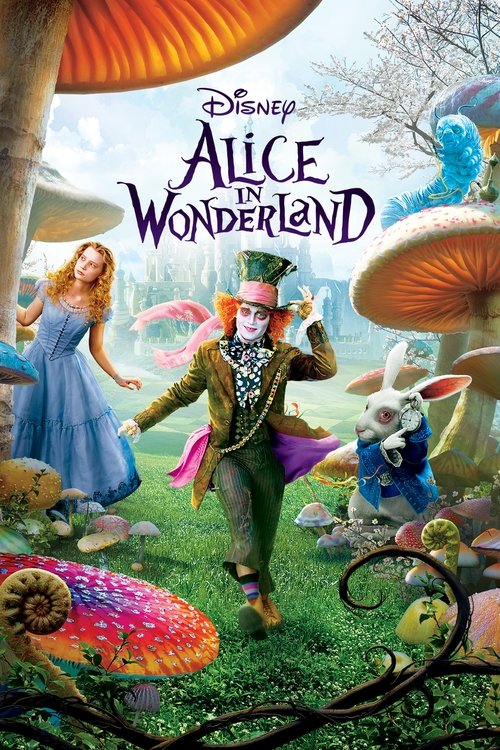
Alice in Wonderland
2010Alice, now 19 years old, returns to the whimsical world she first entered as a child and embarks on a journey to discover her true destiny.
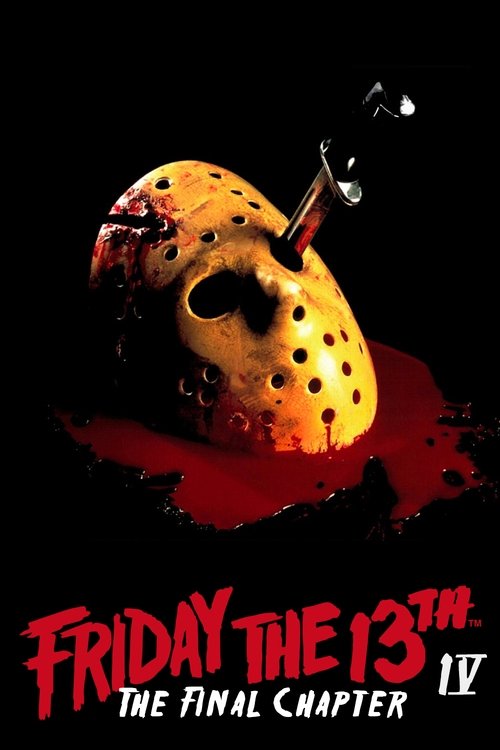
Friday the 13th: The Final Chapter
1984After his revival in a hospital morgue, Jason fixes his vengeful attention on the Jarvis family and a group of hitherto carefree teenagers.
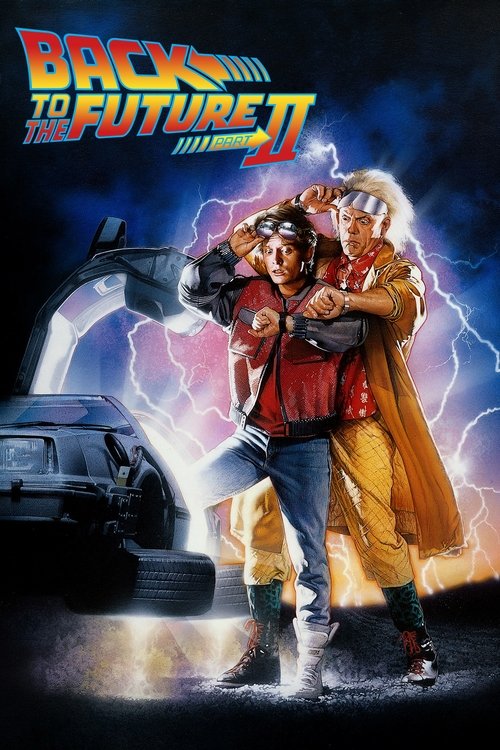
Marty and Doc are at it again as the time-traveling duo head to 2015 to nip some McFly family woes in the bud. But things go awry thanks to bully Biff Tannen and a pesky sports almanac. In a last-ditch attempt to set things straight, Marty finds himself bound for 1955 and face to face with his teenage parents -- again.
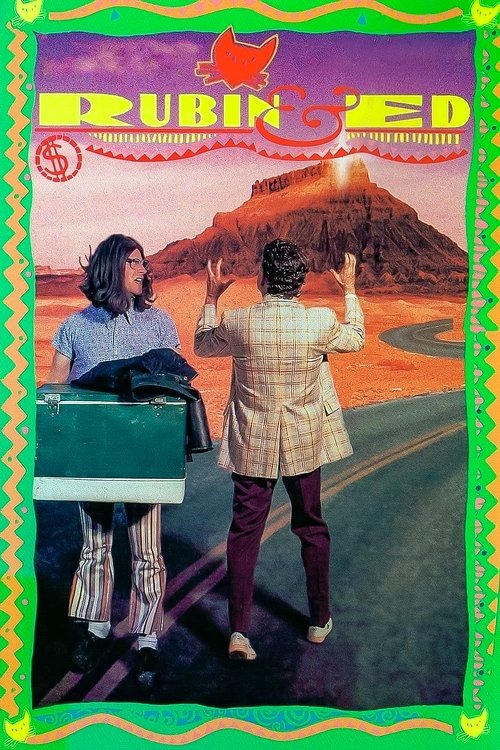
Rubin & Ed
1992Reclusive Rubin Farr teams up with vocal but unsuccessful multi-level salesman Ed Tuttle on a quest to bury Rubin's dead cat in the "perfect spot." Their trip takes them across Utah's desert where they have run-ins with Ed's ex-wife Rula and an elusive Andy Warhol critic.
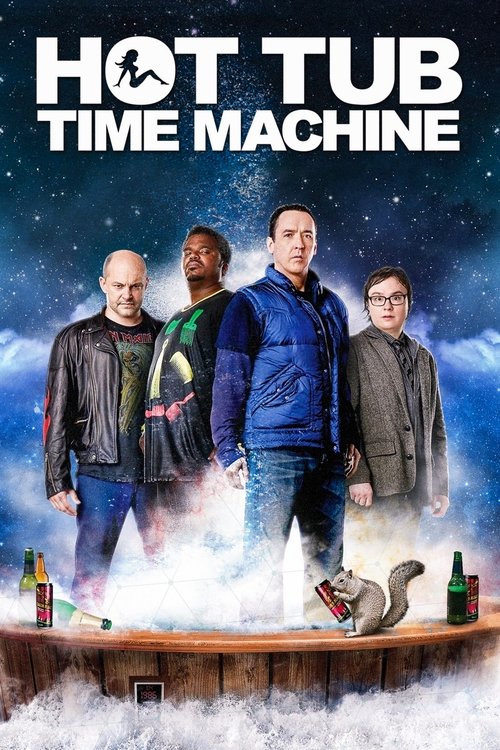
Hot Tub Time Machine
2010Four pals are stuck in a rut in adulthood: Adam has just been dumped, Lou is a hopeless party animal, Nick is a henpecked husband, and Jacob does nothing but play video games in his basement. But they get a chance to brighten their future by changing their past after a night of heavy drinking in a ski-resort hot tub results in their waking up in 1986.
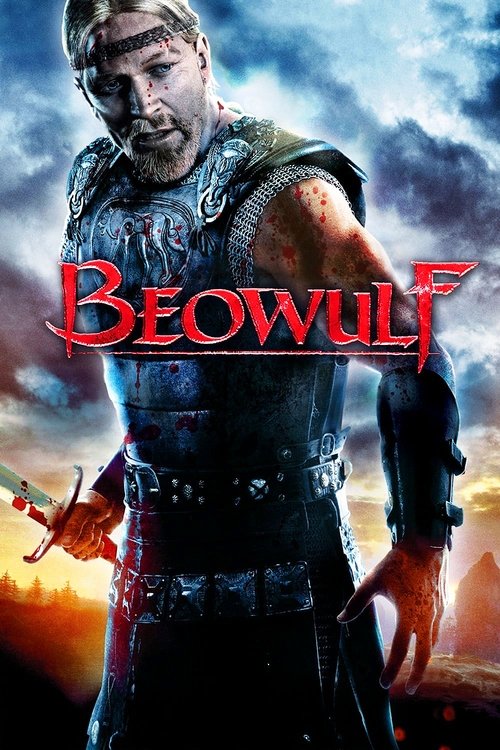
Beowulf
2007A 6th-century Scandinavian warrior named Beowulf embarks on a mission to slay the man-like ogre, Grendel.
Even through the veil of motion-capture technology, Glover’s physical choices make Grendel a creature of profound, agonizing pathos. He translates his unique brand of jittery vulnerability into a digital monster that feels more alive and pained than its human counterparts.
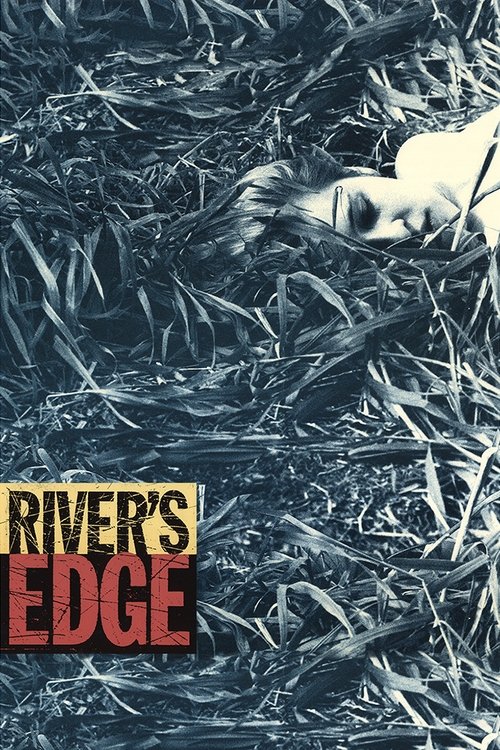
River's Edge
1986A group of high-school friends must come to terms with the fact that one of them, Samson, killed another, Jamie. Faced with the brutality of death, each must decide whether to turn their friend in to the police, or to help him escape the consequences of his dreadful deed.
Portraying a speed-addled speedster, Glover provides the manic friction necessary to ground this bleak portrait of teenage apathy. His hyper-kinetic energy serves as a desperate, vibrating shield against the grim reality of a senseless murder.
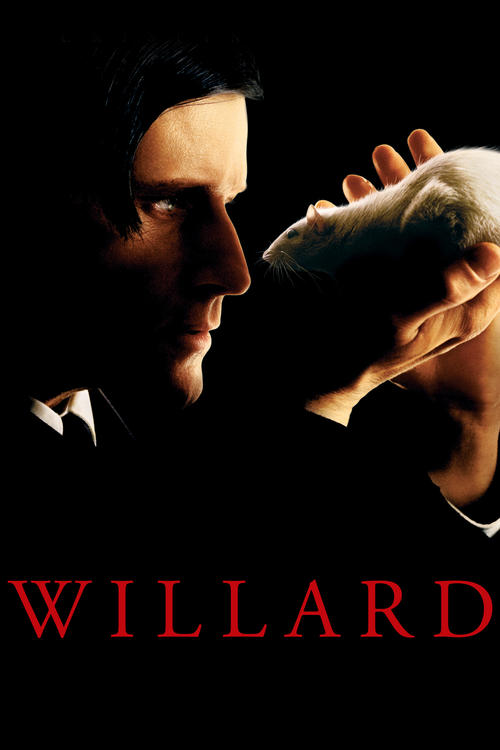
Willard
2003Desperate for companionship, the repressed Willard befriends a group of rats that inhabit his late father's deteriorating mansion. In these furry creatures, Willard finds temporary refuge from daily abuse at the hands of his bedridden mother and his father's old partner, Frank. Soon it becomes clear that the brood of rodents is ready and willing to exact a vicious, deadly revenge on anyone who dares to bully their sensitive new master.
This lead role serves as the ultimate laboratory for Glover’s career-long fascination with the misunderstood outsider. He carries the atmospheric horror by projecting a palpable sense of rodent-like isolation and simmering, vengeful loneliness.
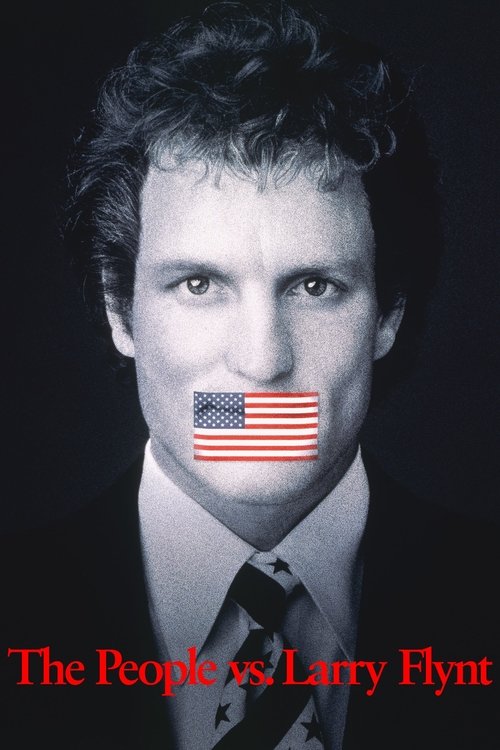
The People vs. Larry Flynt
1996Larry Flynt is the hedonistically obnoxious, but indomitable, publisher of Hustler magazine. The film recounts his struggle to make an honest living publishing his girlie magazine and how it changes into a battle to protect the freedom of speech for all people.
In the role of Arlo, Glover channels a specific brand of frantic, idealistic friction against the film's legal bureaucracy. He serves as a vital reminder of the messy, fringe personalities that often drive historical change.
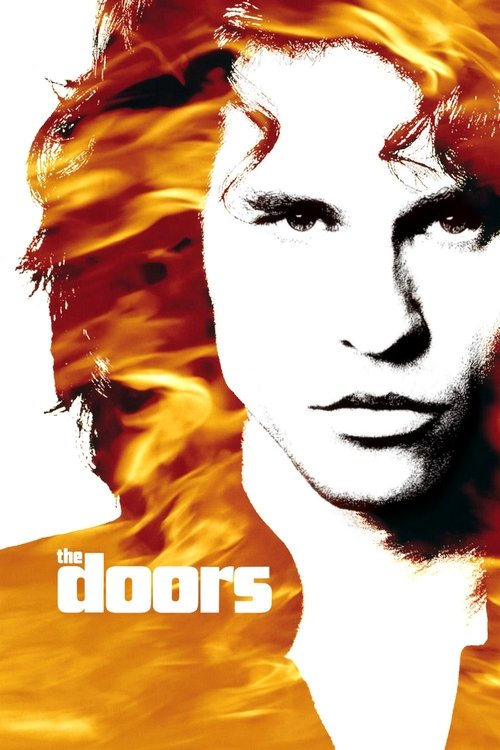
The Doors
1991The story of the famous and influential 1960s rock band and its lead singer and composer, Jim Morrison.
Glover offers a fleeting but uncanny transformation into Andy Warhol, capturing the artist’s whispery detachment with frightening precision. It is a masterful exercise in mimicry that briefly pulls the spotlight away from the film's central rock star mythos.
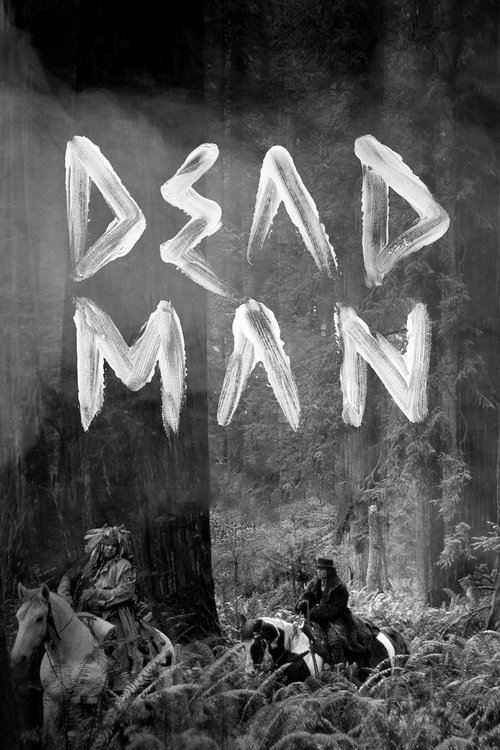
Dead Man
1995On the run after committing murder, an accountant encounters a strange Native American man who prepares him for his journey into the spiritual world.
As the soot-covered Train Fireman, Glover acts as a frantic harbinger of Jim Jarmusch’s industrial underworld. He uses a series of wild-eyed stares and cryptic warnings to set the film's hallucinatory, spiritual tone.
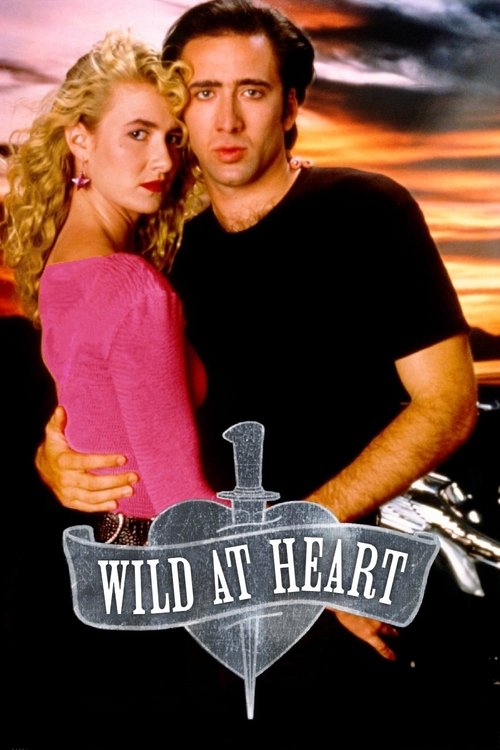
Wild at Heart
1990Young lovers Sailor and Lula hit the road to start a new life together away from the wrath of Lula’s deranged, disapproving mother, who has hired a team of hitmen to cut the lovers’ surreal honeymoon short.
Few actors could match David Lynch’s frantic energy as effectively as Glover does in his brief, explosive turn as Cousin Dell. His obsession with cockroaches and Christmas provides the film with its most concentrated dose of pure, unadulterated nightmare fuel.
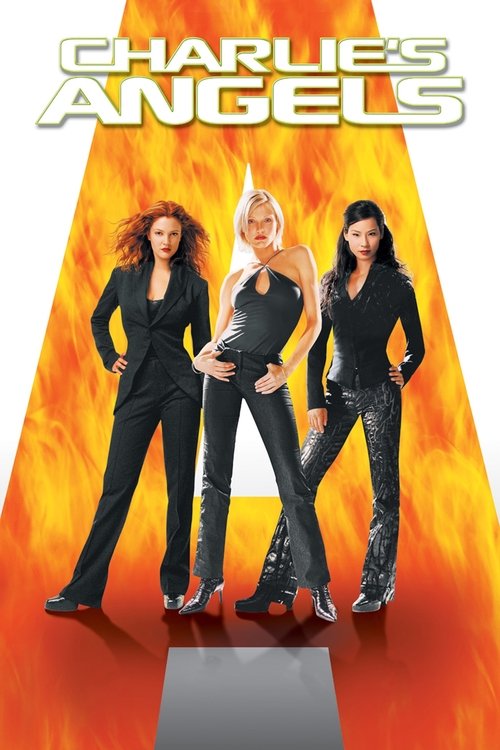
Charlie's Angels
2000The captivating crime-fighting trio who are masters of disguise, espionage and martial arts are back! When a devious mastermind embroils them in a plot to destroy individual privacy, the Angels, aided by their loyal sidekick Bosley, set out to bring down the bad guys. But when a terrible secret is revealed, it makes the Angels targets for assassination.
By stripping away dialogue entirely, Glover leans into pure silent film expressionism to create the Thin Man. He steals every frame through predatory movement and a haunting, hair-obsessed fetishism that elevated a standard action flick into the realm of the bizarre.
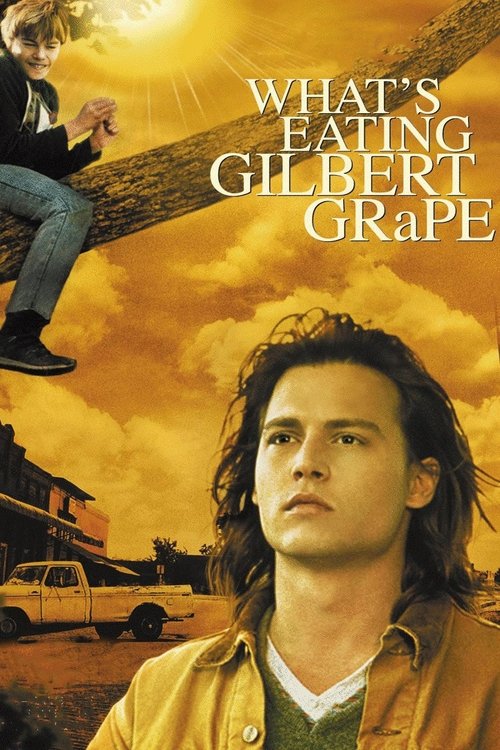
Gilbert Grape is a small-town young man with a lot of responsibility. Chief among his concerns are his mother, who is so overweight that she can't leave the house, and his mentally impaired younger brother, Arnie, who has a knack for finding trouble. Settled into a job at a grocery store and an ongoing affair with local woman Betty Carver, Gilbert finally has his life shaken up by the free-spirited Becky.
In a film defined by loud emotional crescendos, Glover provides a chillingly stoic counterpoint as the local undertaker. His stiff, macabre presence adds a layer of surreal gothicism to the small town's mundane tragedy.
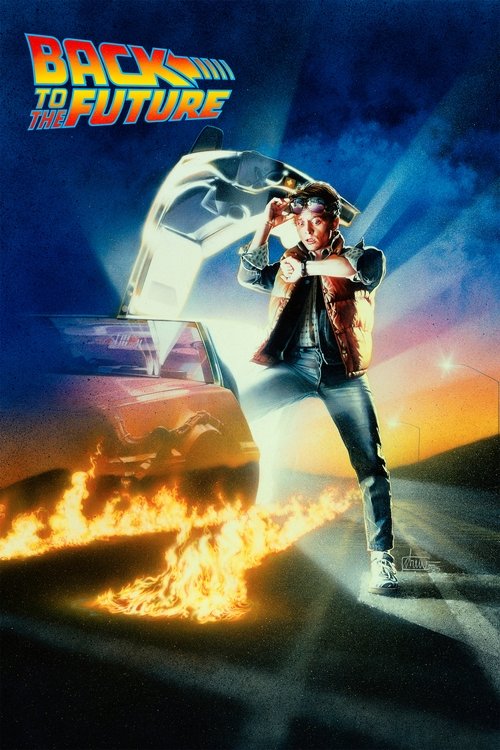
Eighties teenager Marty McFly is accidentally sent back in time to 1955, inadvertently disrupting his parents' first meeting and attracting his mother's romantic interest. Marty must repair the damage to history by rekindling his parents' romance and - with the help of his eccentric inventor friend Doc Brown - return to 1985.
Glover crafts an indelible portrait of hereditary social anxiety, transforming George McFly from a mere archetype into a twitchy, rhythmic marvel of physical comedy. It remains the definitive showcase of his ability to anchor a massive blockbuster with an eccentric, deeply human core.
Frequently Asked Questions
Everything you need to know about this list and SnakeDrafts
- Back to the Future is often cited as the movie that captures Crispin Glover's distinctive, quirky acting style, especially through his portrayal of George McFly's jittery and high-pitched persona. This role set the tone for his future performances that blend eccentricity with depth.
- Crispin Glover worked with David Lynch in the film Wild at Heart, where his unusual and enigmatic screen presence complemented Lynch's surreal storytelling. This collaboration is a standout example of Glover's affinity for roles in cult and avant-garde films.
- Yes, Crispin Glover starred in the horror thriller Willard, which showcases a darker, more intense side of his acting. Additionally, he appeared in Friday the 13th: The Final Chapter, further cementing his versatility within the horror genre.
- The Doors and The People vs. Larry Flynt highlight Crispin Glover's talent in period dramas, portraying real-life figures and events with depth. His performances in these films reveal his ability to adapt to historically significant narratives.
- Crispin Glover's filmography spans a wide range of genres including adventure, comedy, drama, thriller, fantasy, horror, and science fiction. Films like Back to the Future and Beowulf showcase his versatility across action and animation, while Charlie's Angels reveals his capacity for comedy and adventure.
- Yes, films like Rubin & Ed and River's Edge are cult classics that highlight Crispin Glover's knack for unconventional roles and offbeat stories. These movies have gained a dedicated following despite not being mainstream blockbusters.
- Crispin Glover's role as George McFly in the Back to the Future series catapulted him into fame while showcasing his talent in blending humor with a unique nervous energy. This iconic character helped define his early career and opened the door to more diverse and avant-garde projects.